The Stink Bug Trick New Jersey Gardeners Swear By and What Experts Say About It
A pan of soapy water and a desk lamp beat pricey store-bought traps in a university test. I laughed when I first read that. Then I set one up in my own dark laundry room.
By morning, the water held a small crowd of shield-shaped bugs that had followed the glow and couldn’t climb back out. Garden club friends across New Jersey had been doing this for years. They just lacked the research to back it up.
These brown visitors pierce tomatoes, peppers, and peaches, leaving cloudy dimples and pithy spots under the skin.
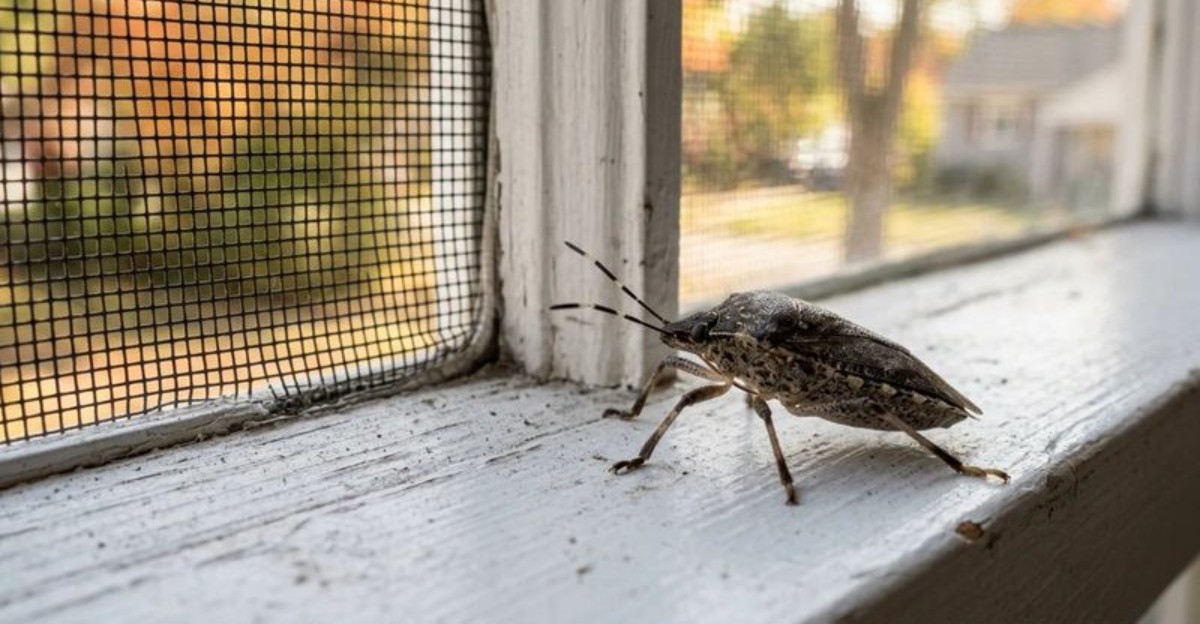
Then cooler nights push them toward our window frames and attics. You might notice a cluster sunning on warm siding by October.
So does the homemade glow really earn its fame? I dug through extension advice to find out, and a few popular tips did not hold up so well.
A Glowing Desk Lamp Over Soapy Water Has Experts Nodding Along
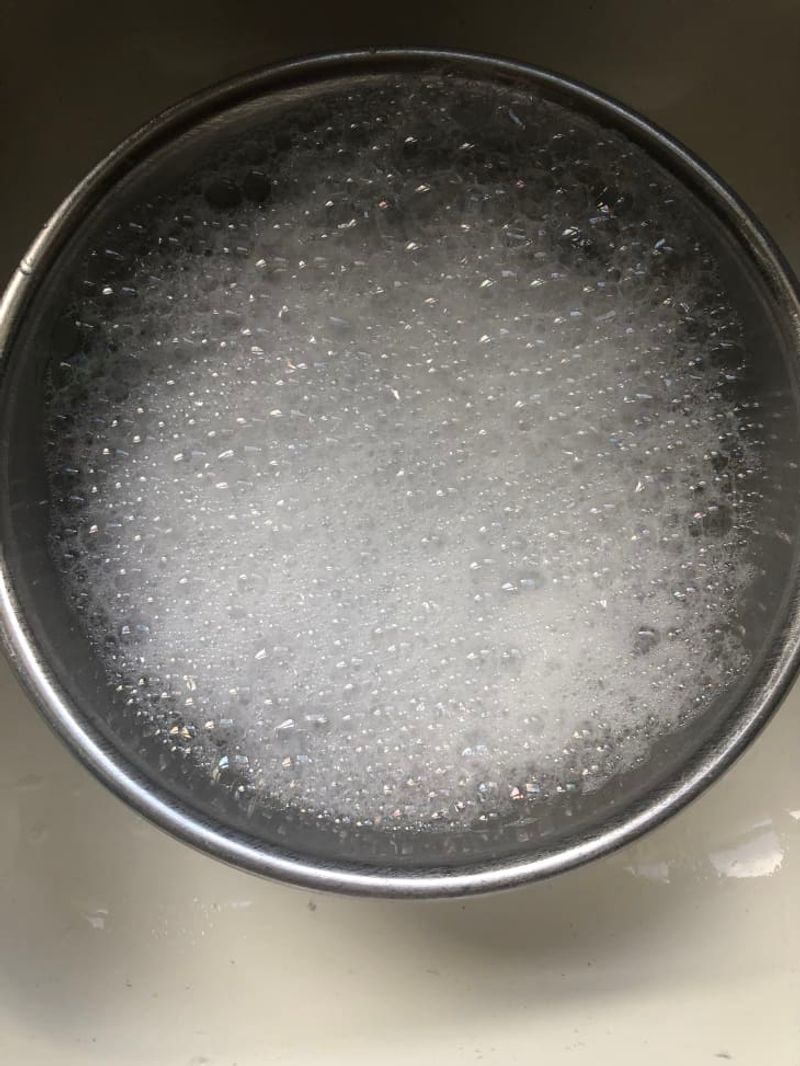
Researchers at Virginia Tech put a cheap idea to the test, and it held up surprisingly well. Their simple setup was an aluminum pan filled with water and a few drops of dish soap, placed under a desk lamp in a dark room.
In their trials, that homemade version caught more stink bugs indoors than several store-bought traps. The bugs fly or crawl toward the light, tumble into the pan, and get stuck.
Soap breaks the surface tension of the water, so they sink instead of floating and walking away.
That is the trick so many New Jersey gardeners love to brag about at plant swaps. It costs almost nothing, uses things you already own, and works while you sleep.
Experts add one honest note, though. Light traps help with bugs already inside your house, mostly in fall and late winter when they wake up and wander.
They do not stop new bugs from getting in, and they are not meant for outdoor garden use. I think of mine as a cleanup crew, not a fortress. It catches the stragglers that slip past my defenses, which makes rooms feel a lot less crowded.
Setting Up Your Stink Bug Light Trap So It Actually Catches Bugs
Placement makes or breaks this little gadget. A lamp glowing in a bright kitchen competes with every other bulb, so the bugs have no reason to choose your pan.
Pick a dark room where you have spotted stink bugs, like an attic, spare bedroom, or sunroom. Turn off other lights and close the curtains so outside streetlights do not pull attention away.
Set a shallow pan or tray on the floor or a table, add a few inches of water, and stir in a squirt of dish soap.
Position the lamp so it shines directly over or into the water. A simple gooseneck desk lamp works well. Some folks tape the cord down so nobody trips in the dark.
Leave it overnight and check it in the morning. Dump the contents outside or into a sealed bag, then refill with fresh soapy water.
A few safety reminders matter here. Keep the setup away from curious pets and small kids, and keep electrical parts well clear of the water. Do not leave a hot lamp close to curtains or bedding.
Late September through early spring is prime time for indoor trapping. Expect bigger hauls on warm, sunny afternoons when the bugs get restless.
Those Shield-Shaped Brown Bugs Are Hungry Travelers From Asia
Nobody in New Jersey invited the brown marmorated stink bug. It hitched a ride from Asia, showed up in nearby Pennsylvania in the 1990s, and Rutgers confirmed it in the Garden State around 1999.
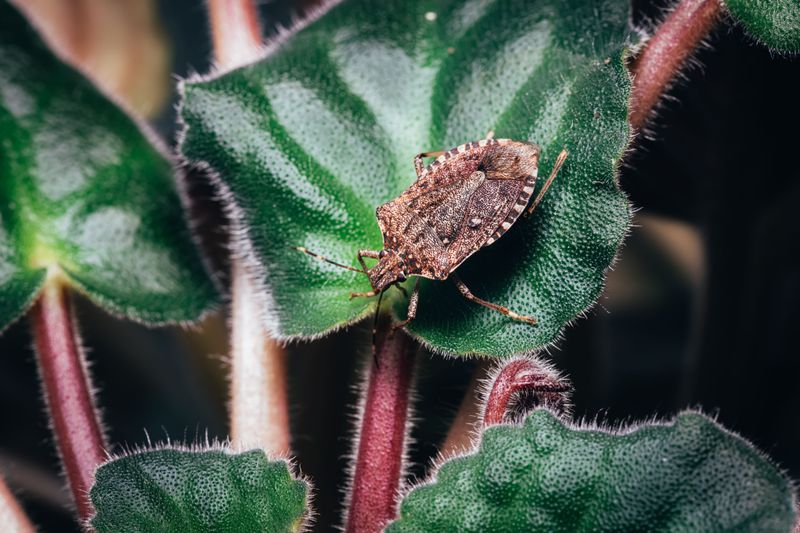
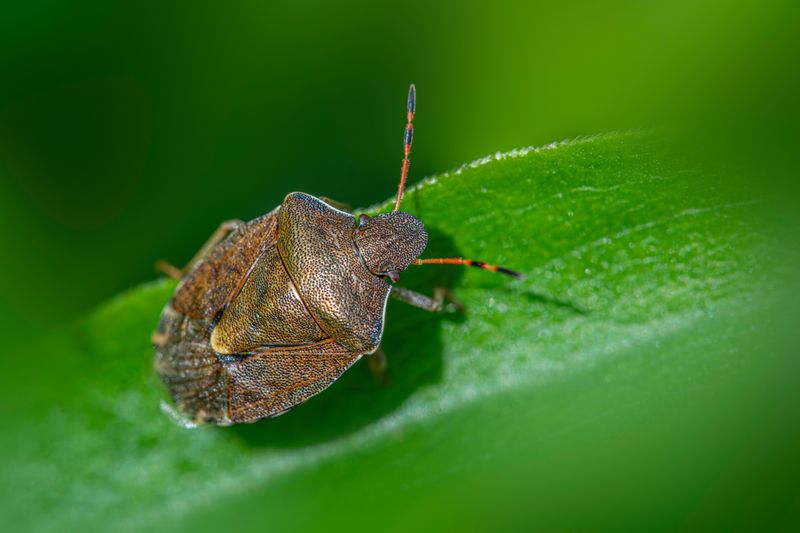
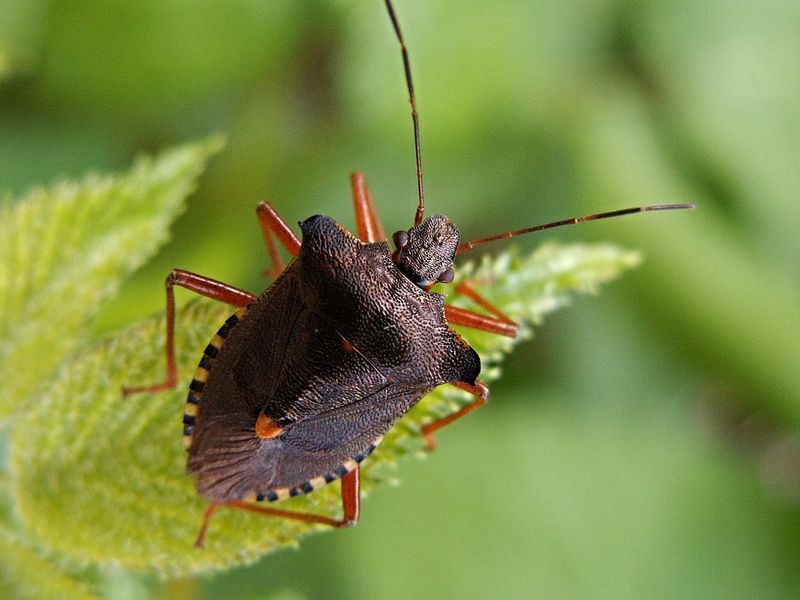
Look for a mottled brown insect about five-eighths of an inch long, shaped like a little shield. Pale bands on the antennae and alternating light and dark edges along the abdomen help separate it from native stink bugs, some of which are helpful predators.
Garden damage comes from a straw-like mouthpart that pierces fruit and sucks out juice. Tomatoes get cloudy, yellowish blotches under the skin.
Peppers, beans, sweet corn, apples, and peaches can end up with dimples, dents, and corky, dry patches.
Most of the trouble shows up from mid to late summer into early fall, when populations peak. Damaged produce is still safe to eat once you cut away the ugly parts.
As days shorten, the bugs start hunting for shelter. Warm, sunny south and west walls attract big clusters, and from there they wiggle into attics, wall gaps, and window frames to wait out winter. Some stay tucked away until late spring.
Caulk And Screen Repairs Keep Stink Bugs Out Of Your Walls
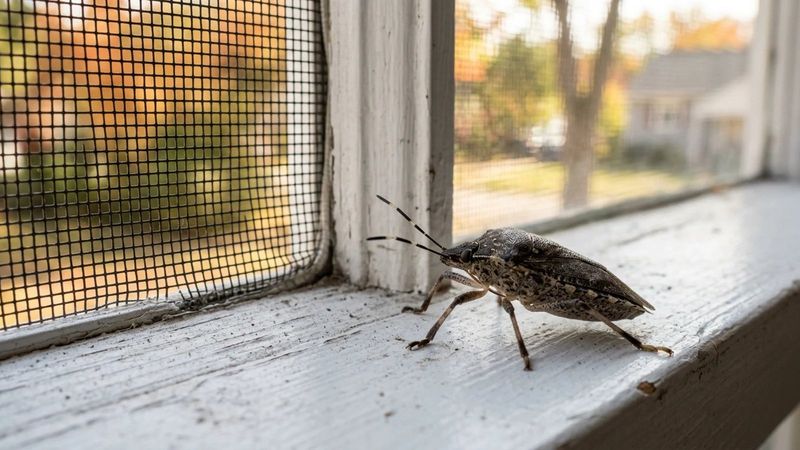
Ask any entomologist at Rutgers about the best stink bug plan, and the answer sounds a little boring. Seal the house.
Exclusion beats every trap, spray, and gadget because a bug stuck outside cannot bother you in January.
Grab a flashlight and walk the outside of your home on a sunny afternoon. Look closely at gaps around window frames, door trim, utility pipes, dryer vents, and where siding meets the foundation.
If a credit card slides into a crack, a stink bug can likely squeeze through too. Silicone or silicone-latex caulk handles small gaps well. Expanding foam fills larger openings, and fine mesh screening works for attic and soffit vents.
Replace worn door sweeps and patch any torn window screens. Window air conditioners are a sneaky entry point, so check their side panels too.
Timing matters a lot here. Late summer and early fall, before the bugs start crowding onto warm walls, is the sweet spot for this work.
Already seeing clusters? Sealing now still helps, and it sets you up for a calmer season next year. Skip the urge to seal a wall void with bugs inside, though, since they may wander indoors rather than out.
A Bucket Of Soapy Water Makes Hand-Picking Stink Bugs Easy
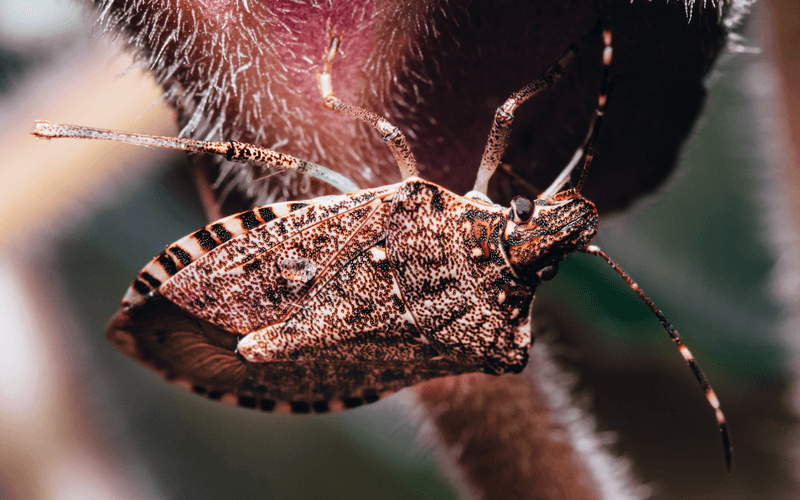
Stink bugs have one funny habit that works in your favor. When you disturb them, they often let go and drop straight down.
Gardeners use that reflex every summer. Hold a container of soapy water just under a bug on a tomato leaf or pepper stem, then give the plant a gentle tap. Plop, it falls right in. A wide yogurt tub or a small bucket works great for this.
Morning checks are best because the bugs move slower when it is cool. Turn over leaves too, since females lay clusters of pale, barrel-shaped eggs on the undersides. Scrape those off and drop them in the water as well.
A soap spray made from about ten drops of dish soap in two cups of water can affect bugs it hits directly. Results are mixed, and adults are tough, so think of it as a backup tool.
Test it on a few leaves first and avoid spraying in hot midday sun, since some plants burn easily.
For small vegetable patches, hand-picking plus egg removal keeps numbers manageable. Larger orchards and farms rely on monitoring and targeted treatments guided by extension specialists.
Squashing A Stink Bug Or Spritzing Peppermint Oil Might Disappoint You
Plenty of gardeners swear that basil, mint, garlic, catnip, or lavender keeps stink bugs away. I love growing all of those, but the research backing them as repellents is thin.
Some lab tests show certain essential oils, like peppermint or clove, can bother stink bugs. Real-world results around homes are inconsistent, and sprays fade quickly outdoors. Plant mint in pots, too, because it spreads aggressively in garden beds.
A few other popular moves backfire. Crushing a bug releases that famous smell, which can linger on carpet and hands.
Household bug sprays indoors rarely help, since more bugs keep emerging from wall spaces, and extension services generally discourage indoor insecticide use for them.
So what works indoors? A vacuum with a disposable bag lets you pick them up without the stink, though a reusable canister may hold onto the odor.
Many people stuff an old stocking in the hose to catch bugs, then knot it and toss it. Flushing bugs one at a time works but wastes a lot of water. A jar of soapy water by the window is simpler.
If bugs keep showing up in several rooms, a licensed pest professional can treat exterior entry areas in late summer.
Tiny Samurai Wasps Could Be The Stink Bug Solution New Jersey Needs
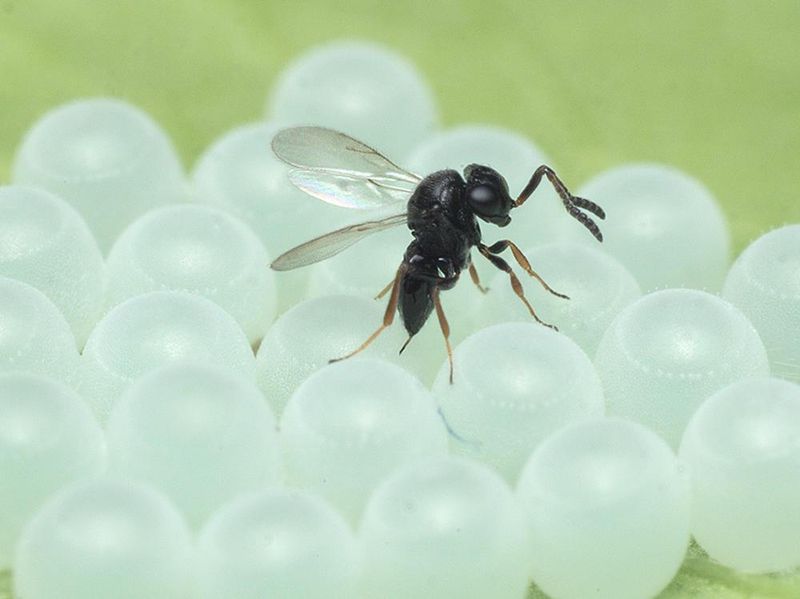
Some of the most exciting stink bug news comes from a wasp smaller than a sesame seed. The samurai wasp, Trissolcus japonicus, lays its eggs inside stink bug eggs, and the young wasps develop there instead of baby stink bugs.
It is a natural enemy from the stink bug’s home range in Asia. Researchers found that wild populations had already arrived in the United States on their own, and Rutgers scientists have studied and released them on New Jersey farms.
These wasps do not sting people. How much they will lower stink bug numbers is still being studied. Biological control takes years, so nobody expects an overnight fix.
You can help the good guys in your own yard. Cut back on broad-spectrum insecticides, which harm helpful insects too, and plant native flowers like goldenrod, asters, and mountain mint that feed many small beneficial wasps.
My plan for next season looks simple. Seal cracks in late summer, pick bugs off plants into soapy water, and keep a lamp trap ready for fall stragglers.
Report unusual pest sightings to your county Rutgers Cooperative Extension office, since local reports help researchers track what is happening.