Which Potted Succulents Can Stay Outside in Ohio This Winter (and Which Can’t)
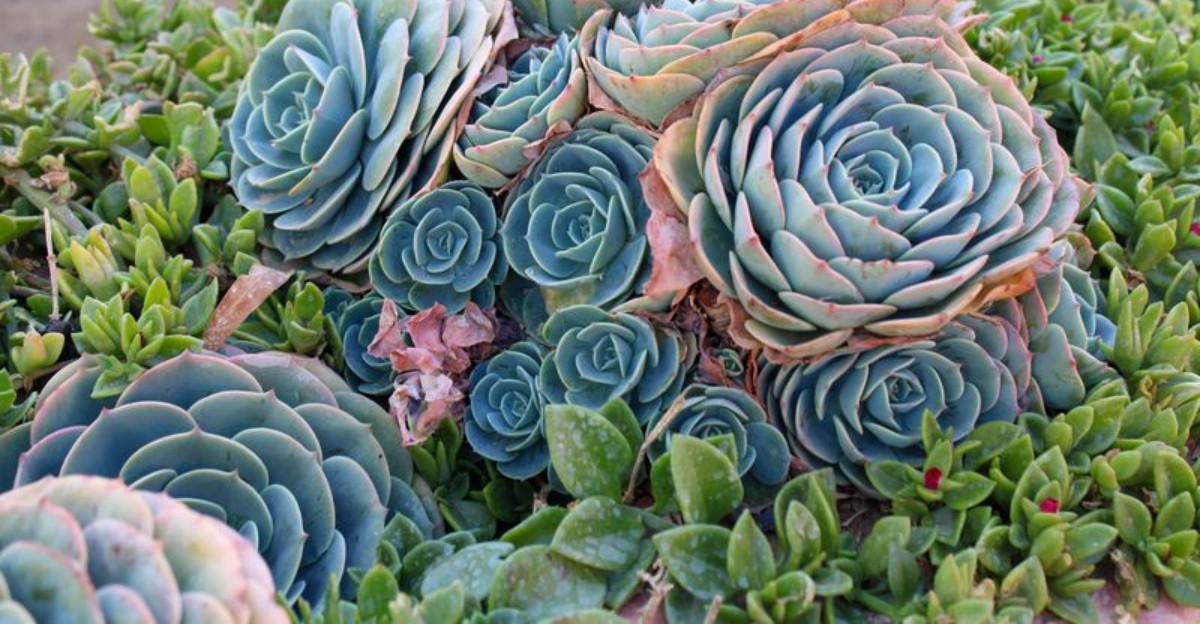
A little rosette plant once grew on European roof tiles because people believed it protected homes from lightning. Some of its relatives can sit through a frozen January in a frost-proof pot and look perfectly fine.
Other succulents turn to brown mush after a single hard frost, even when they looked healthy the day before. Ohio winters swing from mild thaws to bitter cold, so choosing the right plants makes a huge difference.
I have to admit that I lost a gorgeous rosette one November because I trusted a sunny forecast. You can skip that heartbreak by sorting your pots now, while October days still feel gentle and warm.
Some tough characters can stay on the porch, and others need a bright window before the first freeze arrives.
1. Hens And Chicks
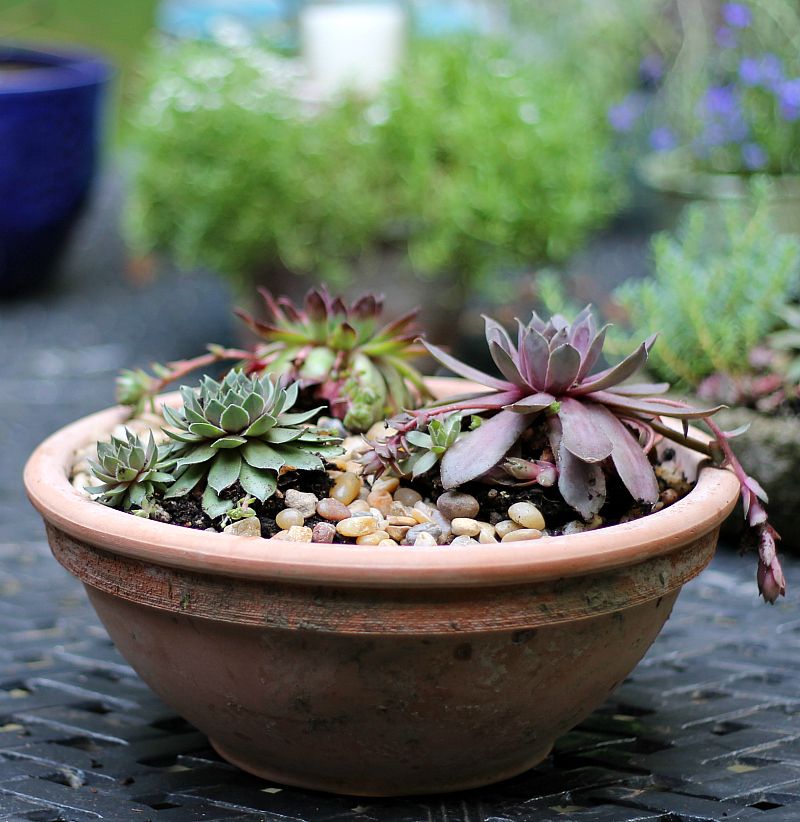
Frost barely bothers these chunky rosettes, which handle winter lows near minus 30 degrees Fahrenheit without much fuss. I love how the leaves blush deeper red and plum as nights get colder through late fall.
Botanists call the group Sempervivum, a Latin name meaning live forever, and the nickname fits surprisingly well. Each large mother rosette, the hen, sends out small offsets called chicks that crowd around her base.
Cold is rarely the real problem for potted plants in winter, because soggy soil causes far more trouble. Freezing water around the roots can lead to rot, so drainage matters more than any blanket or wrap.
You need a gritty mix with plenty of pumice or coarse sand blended into a regular cactus soil. Pots should have open drainage holes, and saucers belong in the shed until spring returns next year.
Watering can mostly stop after October, since autumn rain and melting snow usually supply all the moisture needed. Personally, I tuck my pots against the south side of the house where overhangs block the heaviest rain.
Clay pots may crack during freeze and thaw cycles, so frost-proof concrete or thick resin containers work better. Grouping several pots together also helps, because the cluster holds a little extra warmth around each root ball.
Shallow, wide containers suit these rosettes best, since their roots stay fairly short and spread sideways. Come April, you will probably find fresh chicks ready to share with every gardening friend on your street.
2. Sedum
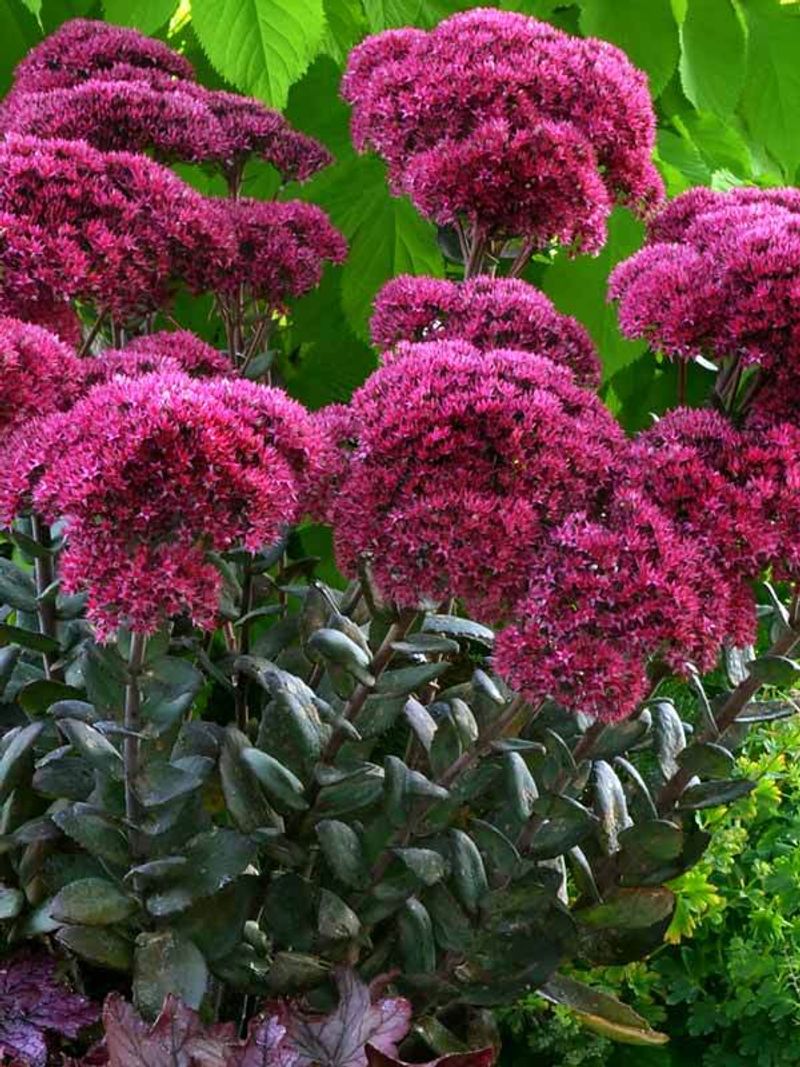
Butterflies crowd upright stonecrops in late summer, and the flat flower heads stay handsome long after the blooms fade. Many Sedum types handle cold down to zone 3 or 4, which leaves plenty of wiggle room here.
You will find two main styles at garden centers, tall clumping kinds and low creepers that spill over edges. Creeping types often keep their leaves through winter and shift toward bronze or burgundy when frost arrives.
Tall varieties such as Autumn Joy usually brown back to the ground after a hard frost in late fall. I like leaving those dried stems standing, because they catch snow beautifully and mark where the plant sleeps.
Fresh growth will push up from the base next spring, so trimming the old stalks can wait until March. In containers, roots sit above ground and feel colder air, so choose varieties rated two zones colder than yours.
Drainage is the deal breaker for stonecrops, because wet roots in frozen soil can rot faster than you expect. A blend of potting soil with lots of grit keeps water moving instead of pooling around the crown.
Skip extra watering through winter unless a long dry spell hits and the mix feels like dust underneath. Concrete and resin pots handle freezing better than glazed ceramic, which can split along tiny hidden cracks.
Windy decks can dry out creeping varieties, so a spot near a wall offers welcome shelter during storms. Honestly, few plants give you so much color for so little effort across the colder months.
3. Jovibarba
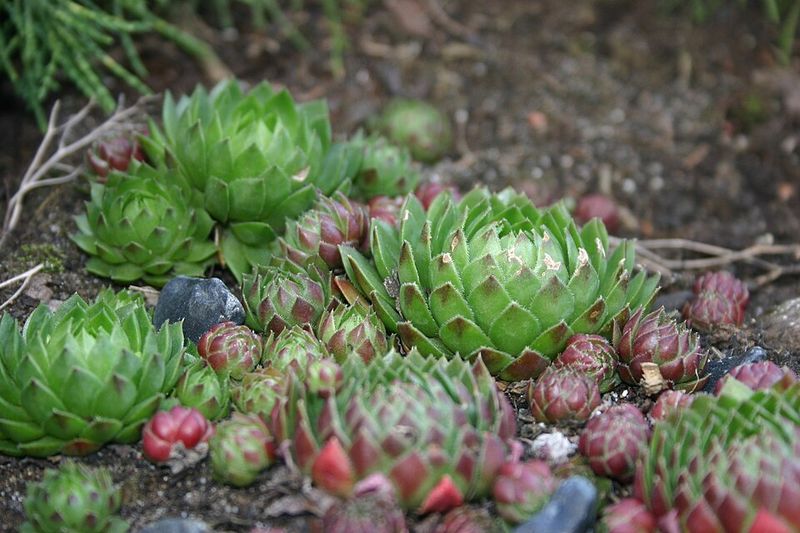
Nudge one of these little rosettes with your finger, and its loose offsets may tumble off and roll away. That quirky habit earned them the nickname rolling hens and chicks among rock garden fans everywhere.
Jovibarba looks a lot like Sempervivum, but its pale yellow flowers are bell-shaped instead of starry. The two groups are close cousins, and many gardeners grow them side by side in the same trough.
Hardiness is impressive, with many types rated to zone 4 and some reaching even colder ranges. Jovibarba heuffelii is a bit different, since it splits apart slowly instead of making rolling offsets.
Cold weather often paints the tips bronze or red, which gives a winter pot an unexpected glow. You might notice the rosettes closing up tightly in frosty weather, a natural way to protect the growing center.
Drainage needs to be sharp, so mix cactus soil with plenty of crushed gravel or pumice before planting. A thin layer of fine gravel on top keeps the leaves off damp soil during long gray stretches.
Winter watering should be rare, because dormant roots drink very little and soggy mix invites rot quickly. I usually let rain and snow handle the job from late October until new growth appears in spring.
Shallow troughs and strawberry pots show off the rolling offsets nicely as they settle into new pockets. Give them sun and a bit of neglect, and they reward you with more babies than you can count.
4. Hardy Ice Plant
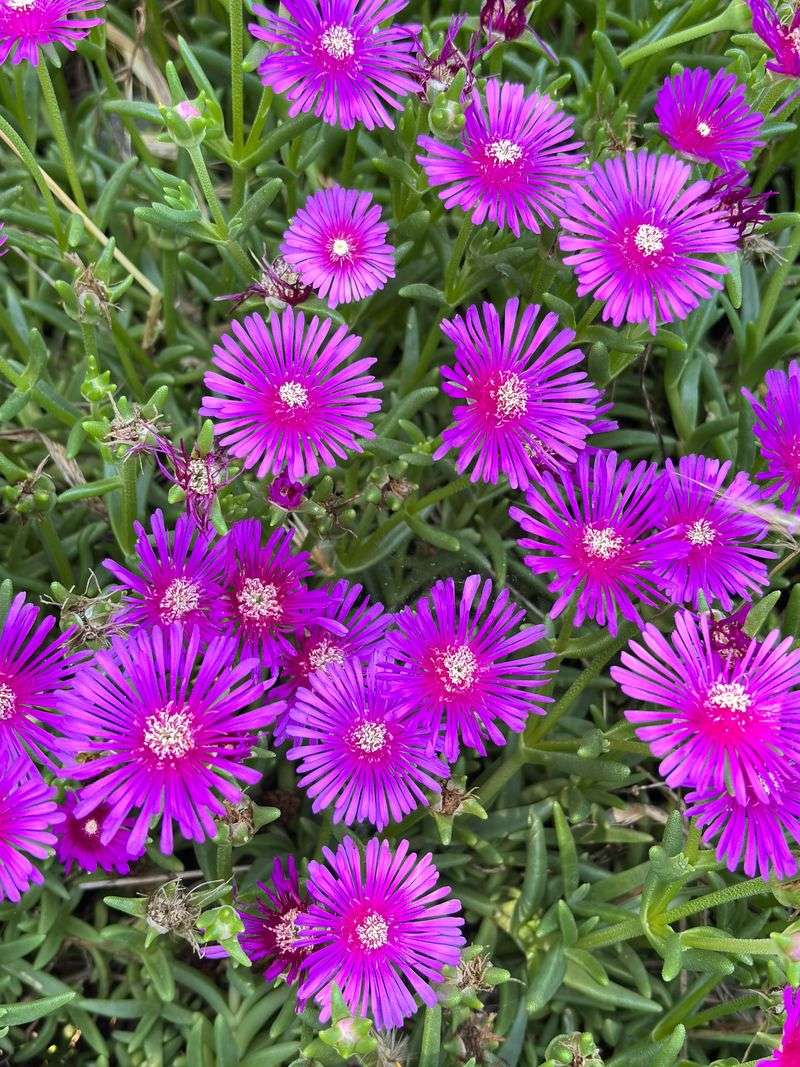
Those shiny petals look almost like they were cut from colored glass and set out in the sunshine. Hardy ice plant, Delosperma cooperi, blooms in hot magenta from early summer until frost slows it down.
Many hardy types are rated to zone 5 or 6 when planted in the ground with fast drainage. Pots are trickier, since roots in a container face much colder air than roots tucked into warm earth.
Winter wetness causes most losses, according to many growers, more often than the low temperatures themselves. Personally, this plant makes me hesitate more than any other on the list every single fall.
In milder parts of the state, a large pot against a sheltered wall may come through just fine. Colder northern spots call for more caution, so an unheated garage is a safer winter home for containers.
Garaged pots still need a little light, and a sip of water once a month keeps roots from shriveling. Avoid moving them into a warm living room, because sudden heat can trigger weak, stretched growth.
Planting mix should be gravelly and lean, since rich soil keeps too much moisture around the stems. Gravel mulch around the crown helps shed water and keeps foliage dry during autumn rains in October.
Spring cleanup is easy, because you simply trim any mushy stems once new growth shows up again. With a little planning, those glowing flowers will return to brighten your patio by early summer.
5. Eastern Prickly Pear
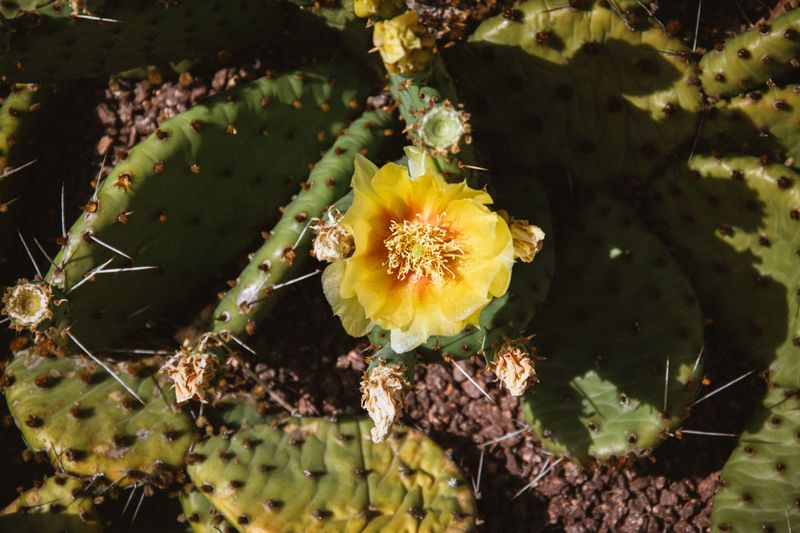
A cactus growing wild in the Midwest sounds like a joke, yet this one is native here. Eastern prickly pear, Opuntia humifusa, grows naturally in a few sandy spots across Ohio and nearby states.
Its flat green pads are actually swollen stems, and they shrivel and droop dramatically as winter arrives. Do not panic when your plant looks deflated, because the pads lose water on purpose to resist freezing.
Plants usually plump back up in spring, then open bright yellow flowers by early to mid summer. Reddish purple fruits follow the blooms, and they often cling to the pads well into the cold months.
Rated to roughly zone 4, this cactus handles cold far better than most people would ever guess. Soggy soil is the bigger threat, so a very gritty mix with coarse sand and gravel is essential.
Choose a heavy pot, because top-heavy pads can tip a lightweight container during a strong winter wind. Full sun keeps the plant compact, while shade leads to floppy pads and fewer flowers next season.
Watering can stop by mid October, and snow on the pads causes no harm at all. I like moving pots under an eave so cold rain runs off instead of soaking the root zone.
Wear thick gloves when handling it, because tiny barbed bristles called glochids stick to skin stubbornly. Tweezers and a strip of tape usually remove them, though you will remember the lesson for years.
6. Haworthia
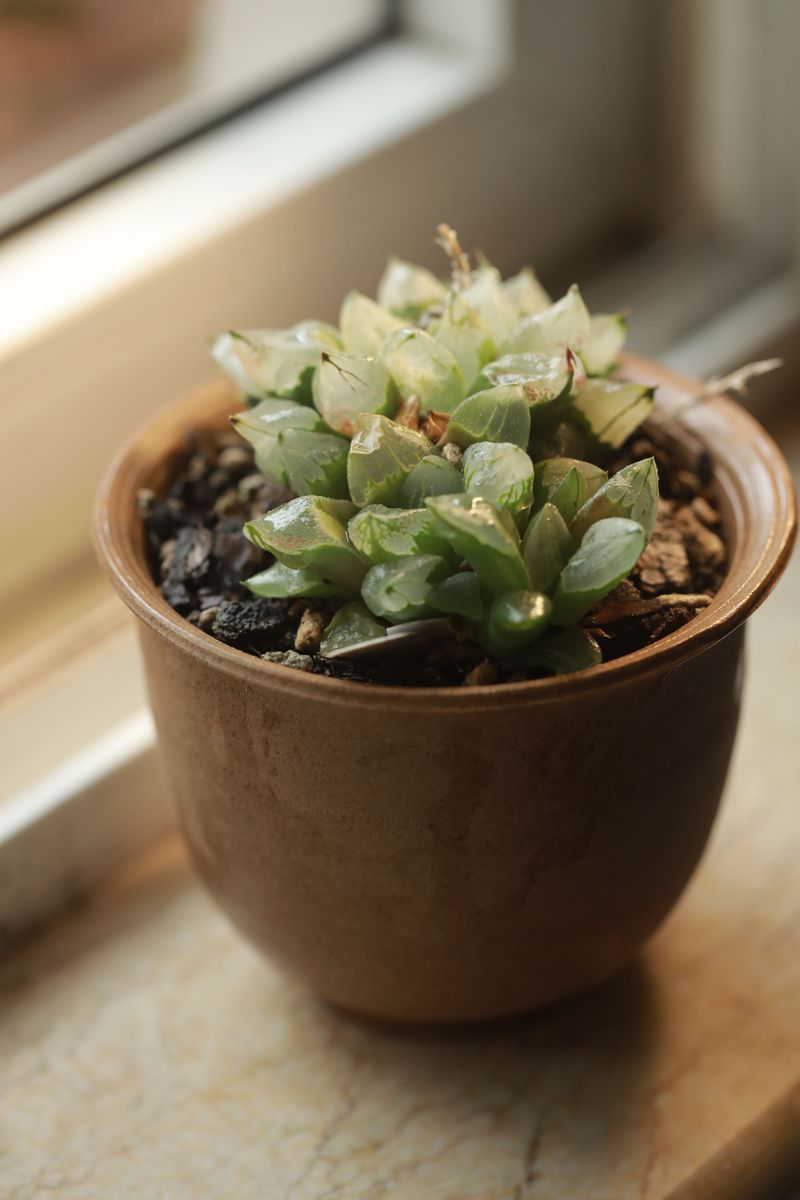
Hold one of these little rosettes up to a sunny window, and some leaves glow like tiny stained glass. Those clear leaf tips act like windows, letting light reach deeper tissue in the wild South African soil.
Charm aside, Haworthia belongs indoors well before frost, since it struggles once nights drop below about 50 degrees. Temperatures near freezing can scar or soften the leaves, and a true frost usually ends the story.
Most of us bring these plants in when October evenings start dipping into the low fifties. Check leaves and soil for mealybugs before moving them, because pests spread quickly among crowded houseplants.
Bright indirect light suits them best, and an east window often gives just the right amount. Strong afternoon sun through glass can bleach the leaves reddish brown, so a sheer curtain helps.
Water sparingly through winter, letting the mix dry out fully before you give the roots another drink. Every three or four weeks is usually plenty, though a warm room may need slightly more often.
I love how forgiving these plants are, since they handle lower light better than many other succulents. A gritty cactus mix in a pot with drainage holes keeps roots healthy during the slower winter months.
Keep them away from cold drafty doors and hot heat vents, since both can stress the leaves quickly. Once nights stay warm next spring, a shady porch spot makes a pleasant summer vacation for them.
7. Elephant Bush
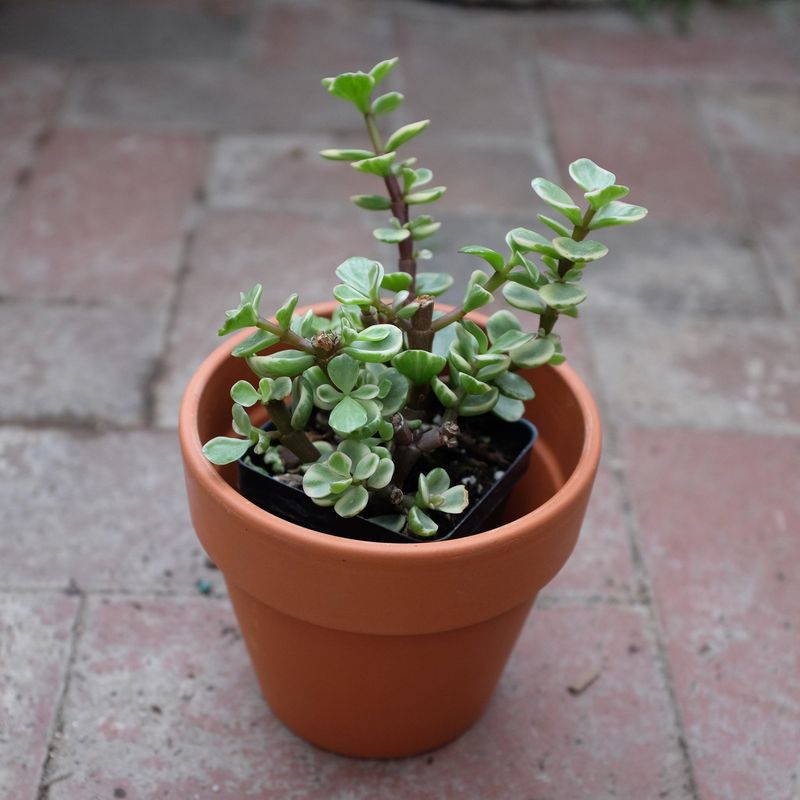
Elephants in South Africa really do munch on this plant, which explains its funny common name. Portulacaria afra has tiny round leaves on reddish stems, and it looks a bit like miniature jade.
Despite that tough reputation, it cannot handle a real freeze, and light frost may damage the soft leaves. Plan to move pots inside before nights fall into the forties, which often happens here by mid October.
You might notice some leaf drop during the first week indoors, which is a normal reaction to change. New leaves usually appear once the plant settles, so resist the urge to water extra in a panic.
A bright south or west window gives the strong light it craves during short winter days. Without enough sun, stems stretch out and leaves spread apart, which spoils that neat bushy shape.
Water every two to four weeks, waiting until the soil feels dry an inch or two down. Overwatering causes far more trouble than thirst, since this plant stores plenty of moisture in its stems.
Skip fertilizer from fall through late winter, because the plant slows down and cannot use extra food. Room temperatures between 60 and 75 degrees keep it happy, as long as cold drafts stay away.
Personally, I think this is one of the easiest succulents to shape as a little bonsai indoors. Pinch off stem tips this winter, and those cuttings root easily to make gifts for friends next spring.
8. Echeveria
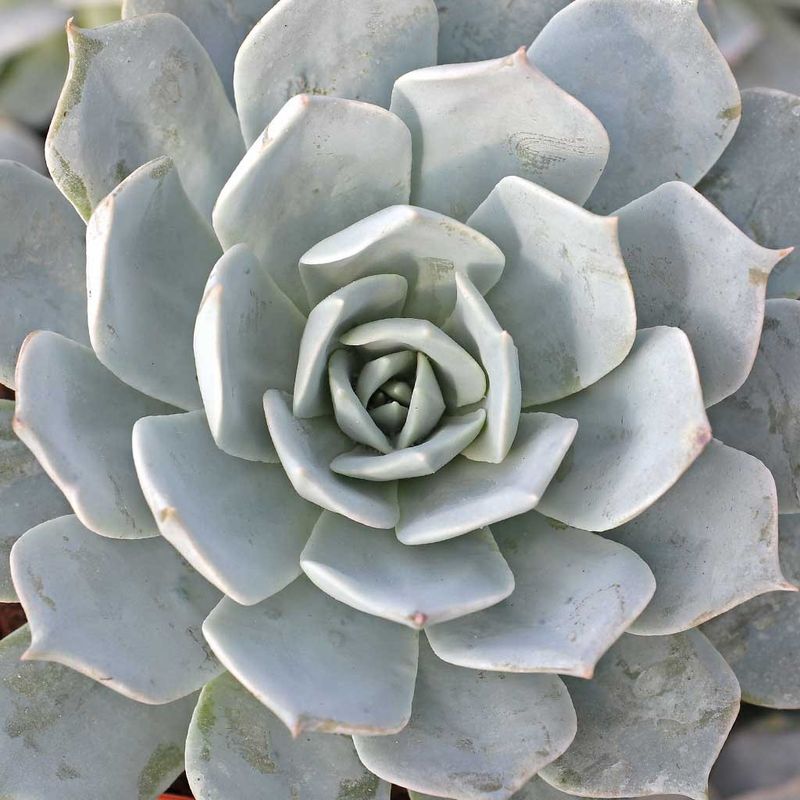
Some of these rosettes look like frosted roses carved from wax, with powdery pastel leaves in soft blues. That chalky coating, called farina, protects the leaves from sun, but fingerprints rub it off for good.
Most Echeveria come from Mexico and Central America, where winters stay much gentler than anything we face. Many types suffer damage near freezing, so these plants need a warm window well before the first frost.
I suggest bringing them in once nights dip into the low forties, which often happens in early October. Rinse the leaves gently and inspect the rosette centers, because aphids and mealybugs love to hide there.
Light is the biggest challenge indoors, since these sun lovers stretch toward windows quickly in dim rooms. A south window works best, and a small grow light can fill gaps during cloudy winter weeks.
Water the soil directly instead of the rosette, because trapped droplets can lead to rot in the center. Every two to three weeks is usually enough, but let the mix dry fully before watering again.
Bottom leaves may shrivel slowly over winter, which is normal as the plant recycles stored energy. Pull them off gently once they turn crispy, since old leaves on the soil can attract pests.
Stretched plants can be fixed next spring by cutting off the rosette and rooting it in fresh mix. I find that little rescue project oddly satisfying, and it often gives you extra plants as a bonus.
9. Campfire Crassula
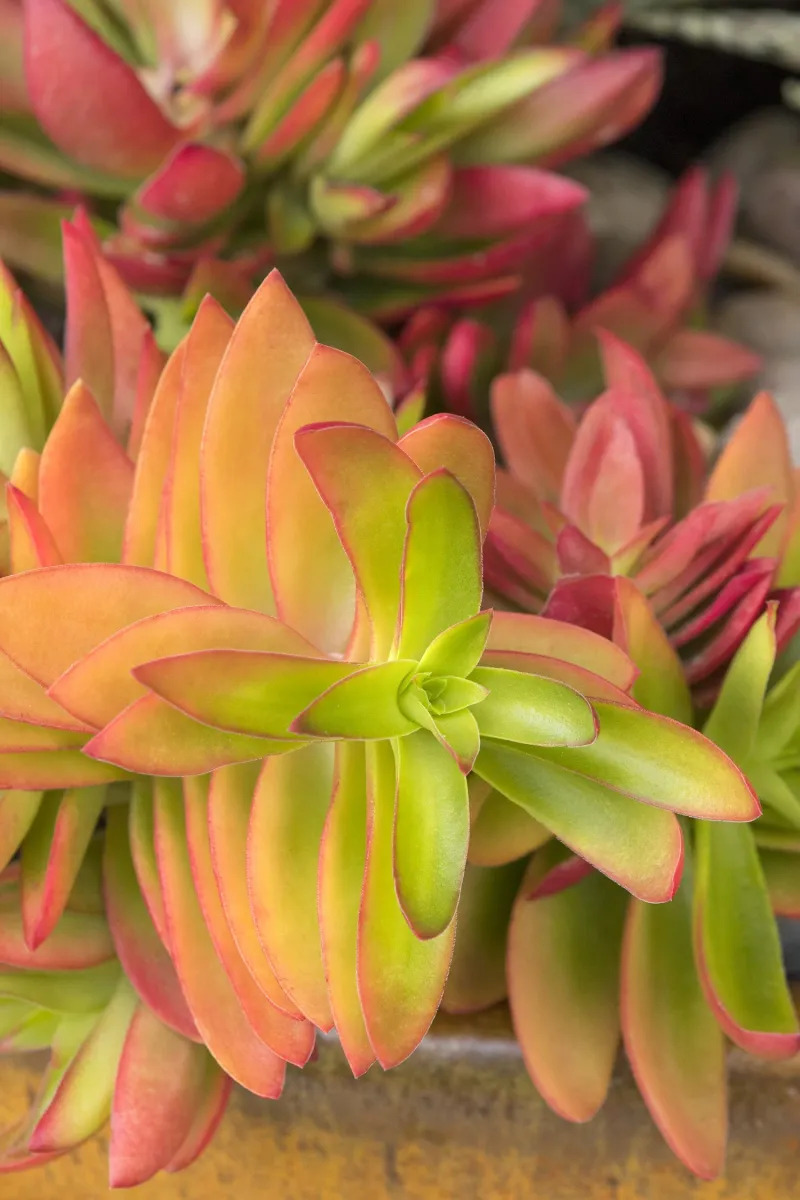
Few succulents earn their name as honestly as this one, with leaves that blaze orange and red. Crassula capitella Campfire shows its brightest colors when it gets strong sun and cool, but not freezing, nights.
Those chilly Ohio October evenings actually make the color richer, so a few extra weeks outdoors can look amazing. Light frost is the limit, though, because this South African plant handles only brief dips near freezing.
Keep an eye on the forecast, and bring pots inside once lows fall toward the mid thirties. I like setting a phone reminder, since forgetting just one cold night can turn the leaves mushy.
Indoors, the plant wants the sunniest spot you can offer, ideally a south window with direct light. Lower light fades the fiery color back to green, and the stems stretch out in a lanky way.
Cool rooms suit it well, and a spot near the glass often helps keep some red tones. Water lightly once the soil dries, because roots sit fairly still during these shorter days of the year.
Sandy, fast-draining mix is a must, and terracotta pots help pull extra moisture away from the roots. Fertilizer can wait until spring, since feeding a resting plant often leads to weak, floppy growth.
Its sprawling stems trail nicely over pot edges, and cuttings root quickly in a dry mix. Set the plant back outside after the last spring frost, and watch the campfire glow return by summer.