The Tail-Wagging Little Bird On Your Florida Fence Just Arrived For Winter
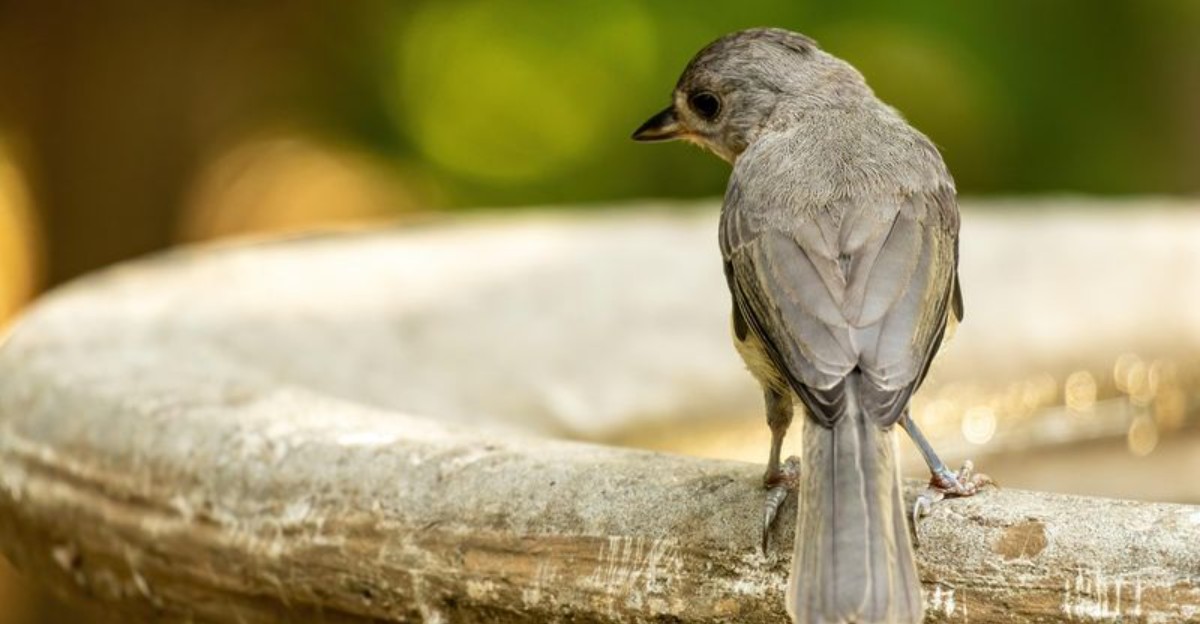
A tiny gray bird can sing its own song perfectly without ever hearing an adult sing it first. Most songbirds have to learn their tunes by listening, so that one fact stopped me in my tracks.
Now that same little singer is perched on fences across Florida. It sits upright, stays calm, and bobs its tail like it is keeping time to music only it can hear.
Then it zips out, snaps up a bug in midair, and lands right back where it started.
I like how bold this bird is around people. It rarely flutters off when I walk past with a watering can, and it seems to treat the garden as its personal snack bar.
You have probably seen one already without knowing its name. So what is that plain little visitor, and why does it keep wagging that tail?
1. That Little Gray Bird Bobbing Its Tail On Your Fence Has A Name
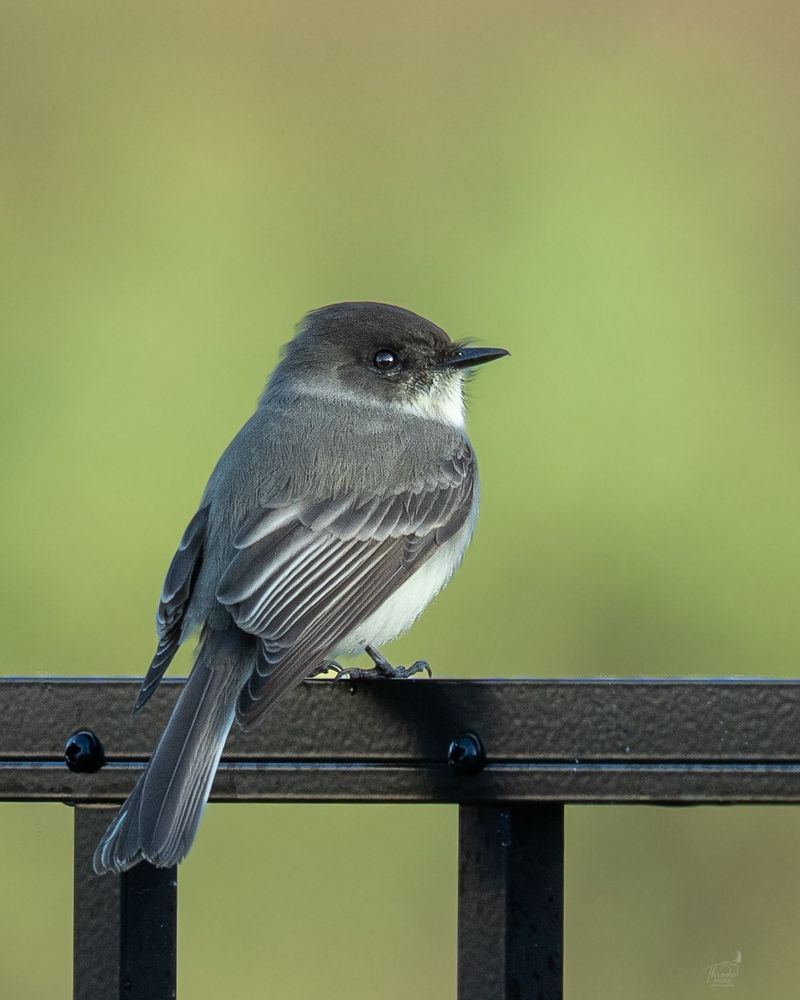
Spot a small bird sitting upright on a fence and dipping its tail every few seconds, and you have almost certainly found an Eastern Phoebe. That steady tail pump is the easiest way to identify this bird in Florida during winter.
Phoebes are flycatchers, a group of birds that mostly eat insects. They are about the size of a sparrow, with a brownish-gray back, a darker head, and a pale, whitish belly.
Some fall birds show a soft yellow wash underneath.
They look plain, and that is part of the challenge. Several small gray birds visit Florida yards in winter, but few of them sit still and wag their tails like this one.
Here are a few quick clues to check:
The bird perches low, often on fences, railings, wires, or garden stakes. Its head looks darker than its back.
It has no bold wing bars, unlike look-alike flycatchers such as pewees. It flicks out after bugs and returns to the same spot.
I like keeping binoculars by the back door for moments like this. A phoebe often stays put long enough for a good look, which makes it a great bird for beginners.
Once you learn that tail motion, you will start seeing phoebes on mailbox posts, porch railings, and pasture fences all winter long.
2. These Flycatchers Fly South Later Than Most Migrating Birds
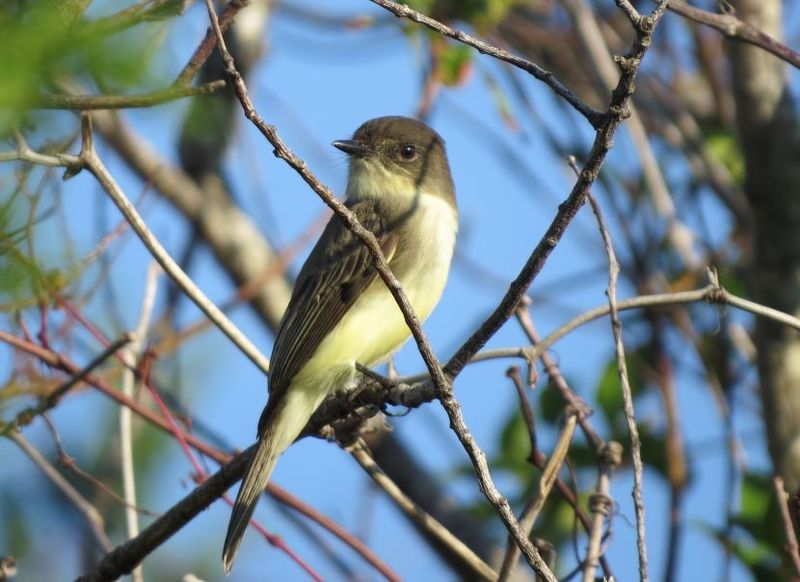
Plenty of songbirds leave the North in August and September. Eastern Phoebes take their time, and many hang around until the first real cold snaps push them south in October and November.
That late timing is why they seem to show up in Florida just as the weather finally cools. Most of the eastern population spends winter across the Southeast, and Florida is one of their favorite spots.
Phoebes can stay north longer because they are flexible eaters. When flying insects grow scarce, they switch to berries and small fruits, which buys them extra weeks before they need to travel.
Arrival dates vary across the state. North Florida and the Panhandle often see phoebes by mid-October, while South Florida birds may trickle in a bit later.
Numbers can be lower in the far southern tip and the Keys.
You might notice the same bird returning to the same yard each winter. Banding studies show many songbirds are loyal to wintering sites, though researchers cannot say for certain that your phoebe is the same one from last year.
Personally, I treat the first phoebe of fall as my unofficial signal that the cooler season has begun. It is a lot more cheerful than checking the thermometer.
Keep a simple notebook of the date you spot your first one. Over a few years, you will see your own local pattern.
3. Scientists Still Puzzle Over That Wagging Phoebe Tail
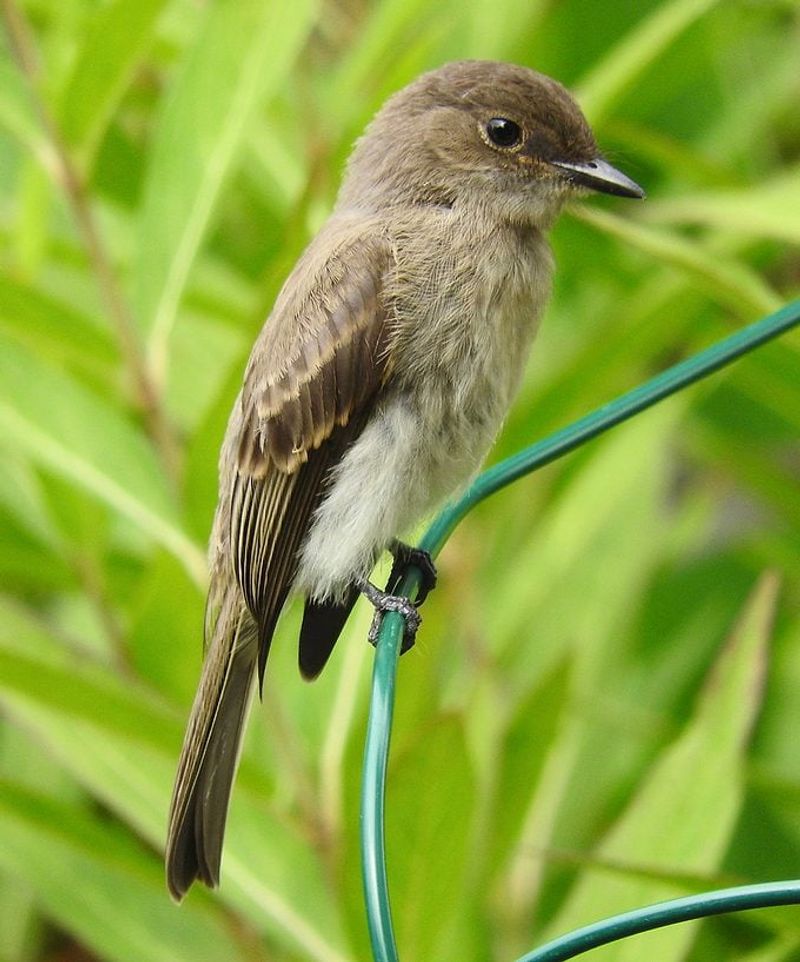
Funny enough, nobody knows for sure why phoebes wag their tails. Researchers have studied the habit, and the leading idea is surprisingly clever.
One study found that phoebes kept pumping their tails even more when a predator model was nearby. That suggests the motion may be a signal that says, in bird terms, I see you, and I am ready to flee.
Biologists call this kind of message pursuit deterrence. A predator such as a hawk has better luck surprising a bird than chasing one that is clearly alert.
By wagging, a phoebe may convince a hunter not to bother.
Other explanations exist too. Some people think the movement helps with balance or flushes hidden insects, but the evidence for those ideas is weaker.
The honest answer is that the predator signal theory has the most support so far.
Phoebes are not the only tail-waggers. Palm warblers, which also winter in Florida, bob their tails while hopping on the ground.
Watching both side by side can be a fun puzzle.
Next time you see your phoebe, count the tail dips in a minute. Then watch what happens when a hawk or the neighbor’s cat appears.
You may notice the pace changes. That small experiment puts you right in the middle of a real scientific question.
4. Your Garden Gets A Free Bug Patrol From This Fence Sitter
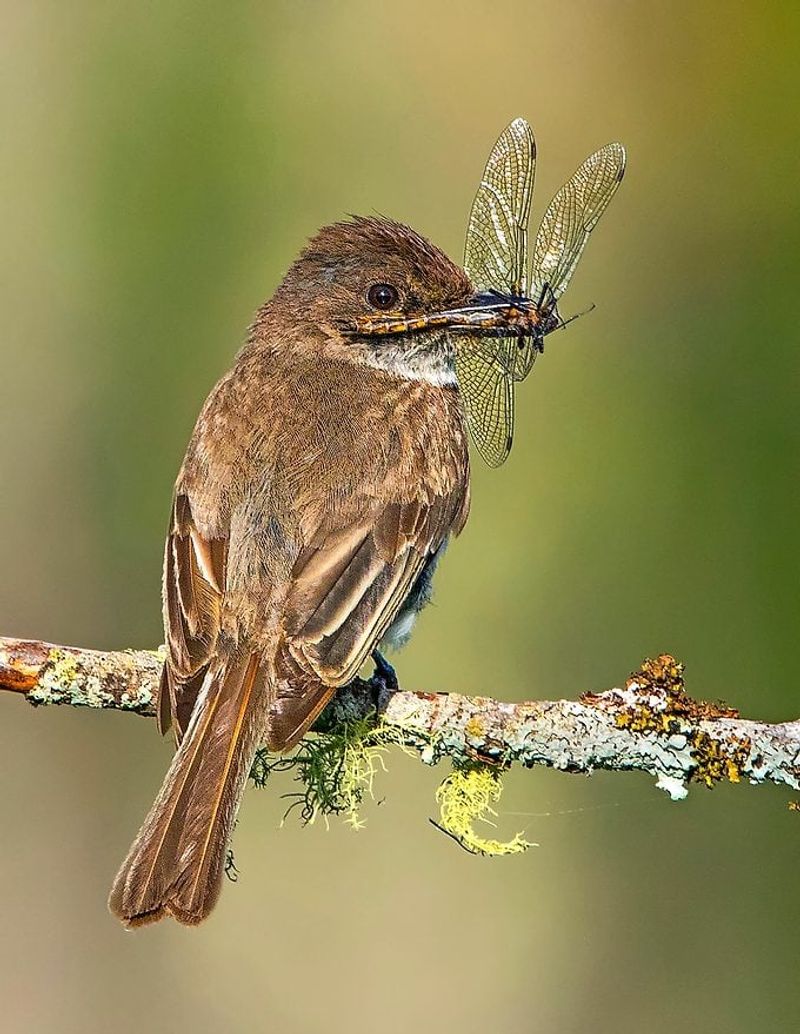
Watch a phoebe for five minutes and you will see its favorite trick. It sits, scans, launches into the air, snaps its bill on a bug, and loops right back to the same perch.
That sally-and-return style of hunting is classic flycatcher behavior. Low perches matter to phoebes because they hunt close to the ground, often over lawns, garden beds, and water.
Their menu is packed with insects gardeners rarely miss. Phoebes eat flies, gnats, small wasps, beetles, moths, and caterpillars.
They also grab spiders and ticks from leaves or the ground now and then.
A single bird will not erase every pest in your yard, so set realistic expectations. Still, phoebes add steady pressure on insect numbers, and they do it without any spray.
That brings up an easy tip. Cutting back on broad insecticides helps keep their food supply healthy.
When you do need to treat a problem, choose targeted options and spot-treat only what needs it.
I love working in the vegetable bed while a phoebe hunts from a tomato stake nearby. It feels like having a tiny coworker who only takes snack breaks.
Leave a few stakes or a short trellis standing through winter. Your fence-sitting helper will gladly use them as lookout towers.
5. Native Berry Shrubs Keep Phoebes Fed On Chilly Florida Days
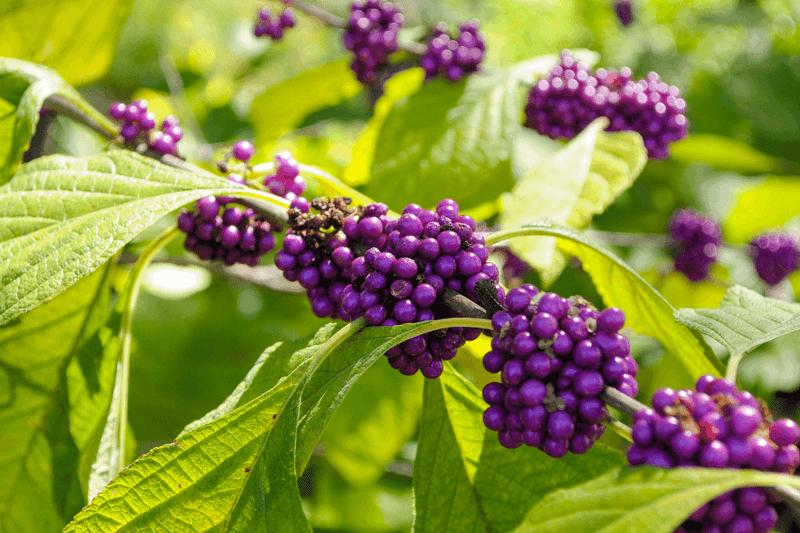
Cold fronts hit, bugs vanish, and a hungry phoebe needs a backup plan. Berries fill that gap nicely during the chilliest stretches of winter.
Phoebes will pluck small fruits when insects slow down. Native shrubs that hold berries into winter give them an easy energy boost and support plenty of other birds too.
Some Florida natives worth considering include:
American beautyberry, with clusters of purple fruit that often last into early winter. Wax myrtle, a tough evergreen with small waxy berries birds love.
Yaupon holly, whose red berries brighten female plants through the season. Southern red cedar, which offers blue berry-like cones and sheltered cover.
Native plants also host far more native insects than most exotic ornamentals. That means more caterpillars and bugs for phoebes when the weather warms between fronts.
Skip invasive plants like Brazilian pepper, even though birds eat the berries. Birds spread those seeds into natural areas, which causes serious problems for native habitats.
Your county extension office can suggest good replacements.
Planting in winter is a smart move across most of the state. Cooler temperatures help new shrubs settle in with less stress, especially in Central and South Florida.
I started with one beautyberry, and now I have a small hedge. The birds clearly approve of the upgrade.
6. Listen Closely For That Raspy Fee-Bee Phoebe Call
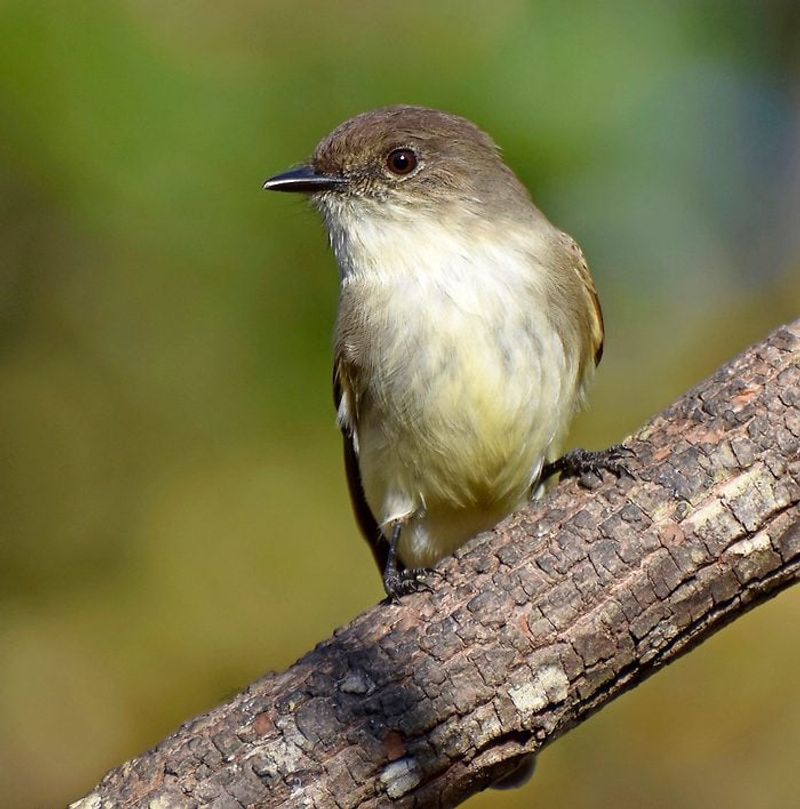
The name comes straight from the bird itself. Phoebes say their name in a raspy, two-part fee-bee that is easy to remember once you hear it.
In Florida winters, you are more likely to hear a soft, sharp chip note. Phoebes sing more on their breeding grounds, but you may catch the full song on warm late winter mornings before they head north.
Here is a fun fact worth sharing. Research on Eastern Phoebes found that young birds raised without hearing adults still produced a normal song.
Most songbirds must learn their songs, so phoebes stand out as natural-born singers.
Do not confuse them with chickadees. Carolina chickadees sing a whistled, clear fee-bee-fee-bay that sounds sweeter and more musical.
The phoebe version is buzzy and scratchy, almost like a hoarse whisper.
Free apps such as Merlin from the Cornell Lab of Ornithology can help you match calls in real time. Hold up your phone, and the app suggests which bird is singing nearby.
Personally, I find that learning a bird by ear changes how I garden. Suddenly, the background noise becomes a cast of characters I recognize.
Try sitting quietly near water or a fence line in the morning. A phoebe chip will often give away its location before you ever spot the bird.
7. A Shallow Birdbath And Low Perches Make Phoebes Feel At Home
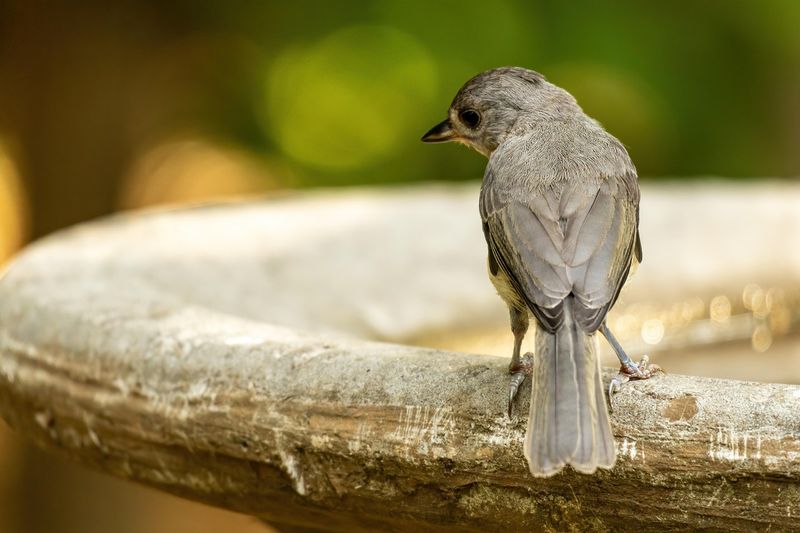
Good habitat for phoebes is refreshingly simple. Give them perches, water, and bugs, and they will usually do the rest.
Bird feeders filled with seed rarely attract phoebes, since they are insect eaters. Instead, focus on the features that make hunting easy and comfortable.
Start with perches. Fences, low branches, shepherd hooks, and garden stakes between three and ten feet high are ideal.
Place them near open lawn or garden beds where flying insects gather.
Water is a big draw too. Phoebes love hunting near ponds, ditches, and streams, and a shallow birdbath works well in a backyard.
Keep it about one to two inches deep, and scrub it every few days to keep it clean.
Leaving a little wild edge helps. A patch of native wildflowers or a corner where leaves stay put supports insects through the winter, which means more food for your guest.
Watch out for outdoor cats, which catch many small birds each year. Keeping cats indoors is one of the most helpful steps you can take for backyard wildlife.
You need patience more than fancy gear here. Once a phoebe settles in, it may hunt from the same favorite perch for weeks.
I placed a simple stake beside my birdbath, and it became prime real estate almost overnight.
8. Enjoy Your Winter Phoebe Before It Heads North To Nest Under Bridges And Eaves
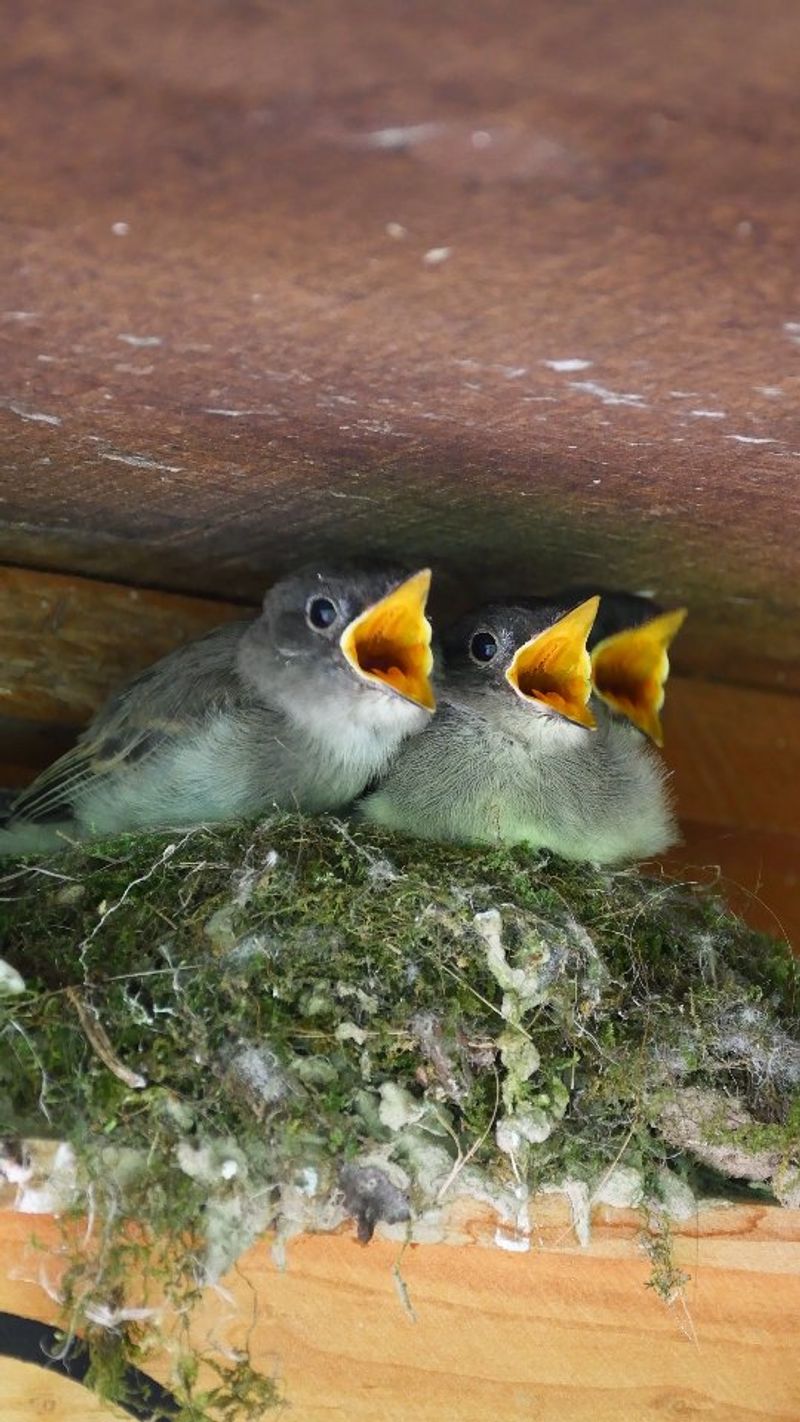
Come late February and March, your fence buddy starts feeling restless. Eastern Phoebes are among the earliest songbirds to migrate back north in spring.
Most phoebes that winter in Florida do not breed here. They travel to nesting areas across the eastern and central United States and southern Canada, many arriving while snow still lingers.
Their nests are a marvel. Phoebes build cups of mud and moss under bridges, barn rafters, porch eaves, and other ledges with a roof overhead.
Long ago they used rock ledges, but human structures now serve them well.
That nesting habit led to a famous moment in bird science. In 1804, John James Audubon tied silver thread to phoebe legs near his Pennsylvania home, and some birds returned the next year.
It is often called the first bird banding in North America.
Federal law protects phoebes under the Migratory Bird Treaty Act. That means you cannot capture them or disturb active nests, wherever they are.
So enjoy these months while you can. Snap a few photos, note the date you last see one, and share sightings on eBird to help scientists track migration.
When autumn rolls around again, check your fence. There is a good chance a tail-wagging friend will be waiting.