Mysterious Mushroom Rings Are Appearing In Virginia Lawns. Old Folklore Called Them Fairy Rings
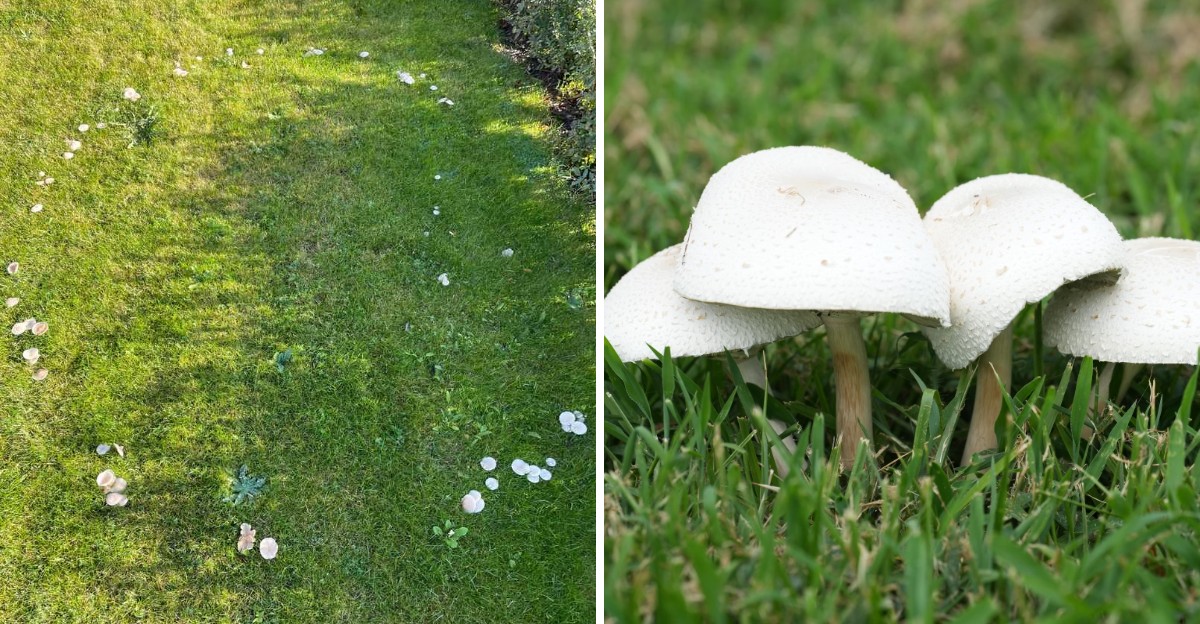
Some of the largest mushroom circles ever recorded stretch nearly half a mile across, and scientists estimate a few may be hundreds of years old. Smaller versions are popping up in lawns all over Virginia right now.
I spotted my first one after a soggy week of rain. Overnight, a near-perfect loop of pale caps appeared where my kids play kickball. I laughed, then I grabbed my phone to snap a photo.
Centuries ago, people would have walked a wide path around that circle. Old stories warned that stepping inside could trap you in a dance with magical folk. You’re in for a surprise, because the real story under your grass is just as clever.
Personally, I think the truth beats the legends. So what is actually growing in a hidden loop beneath your feet?
That Circle Of Mushrooms Starts From A Single Hidden Spot
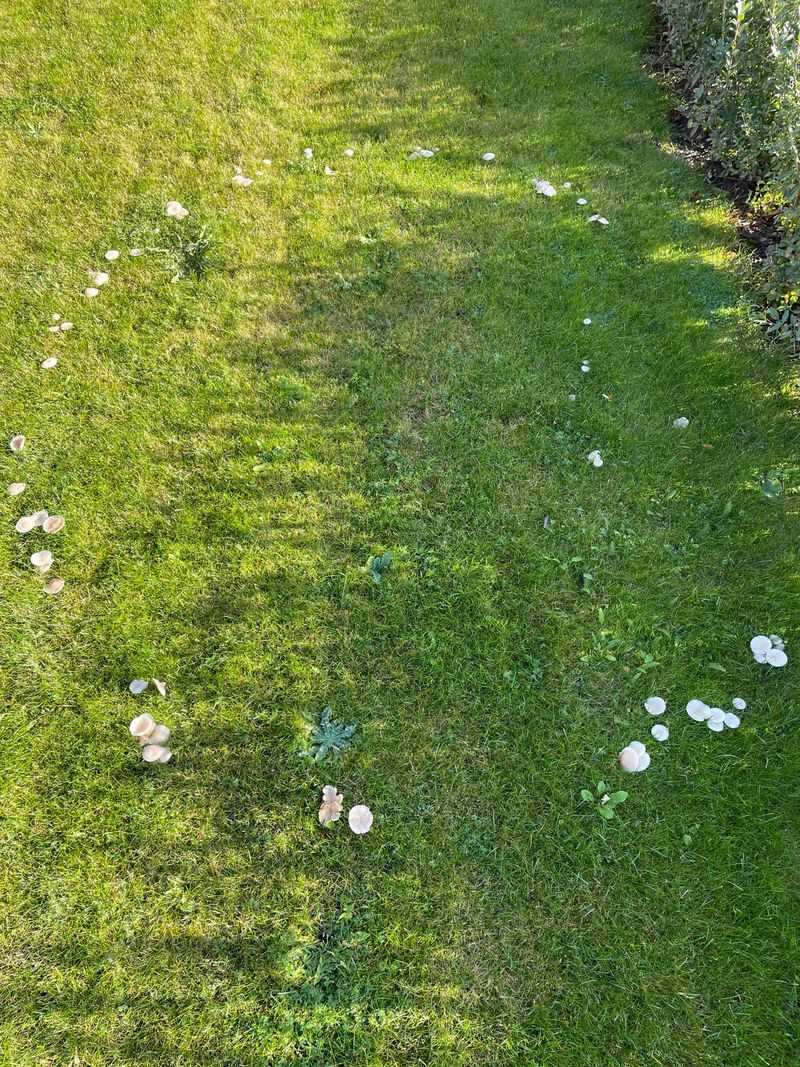
Every mushroom ring begins with one tiny spore landing in your soil. From that single starting point, a fungus sends out thin white threads called mycelium in every direction.
As the threads spread evenly outward, they form a wider and wider circle. The mushrooms you see are only the fruiting bodies, sort of like apples on a tree you cannot see.
The real organism lives underground year-round.
Penn State and Virginia Tech experts explain that dozens of fungus species can make these rings. Most belong to a big group called basidiomycetes, which includes many common lawn mushrooms and puffballs.
One well-known ring maker is the fairy ring mushroom, Marasmius oreades.
Here is a fun twist. The center of an old ring often looks plain because the fungus has already used up the food there.
All the action happens at the outer edge, where fresh material is still waiting.
Rings usually expand a few inches to over a foot each year, depending on the species and the soil. Some rings in open pastures have been growing for decades or longer.
So when you spot a loop on your lawn, you are looking at a snapshot of slow, steady growth. The ring is really a map of where the fungus has traveled underground.
Buried Roots And Thatch Are Feeding Those Lawn Fungi
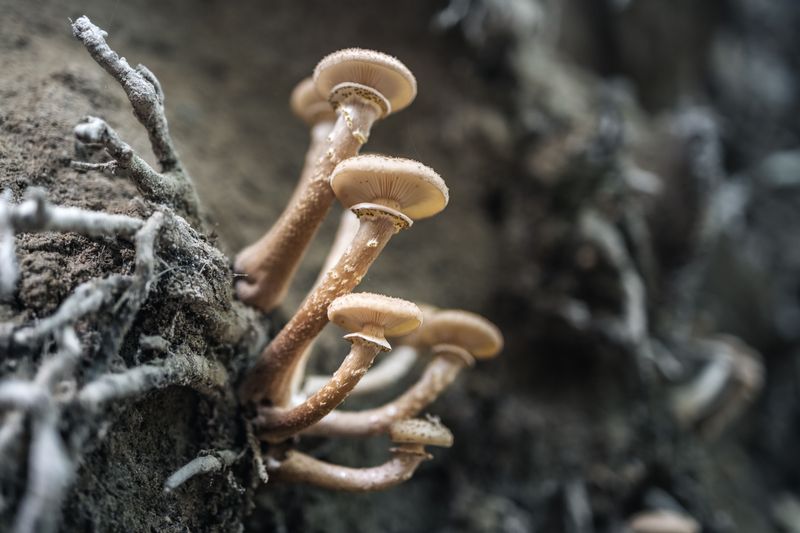
Fungi in fairy rings are nature’s cleanup crew. They feed on organic matter hidden under your turf, not on healthy grass blades.
Common snacks include old tree roots, buried stumps, thick thatch, and scraps of lumber left behind after home construction. Newer neighborhoods in Virginia often have plenty of buried wood, which helps explain why rings show up there so often.
As the fungus breaks down this material, it releases nitrogen into the soil. Grass soaks up that nitrogen like a free meal.
That is why many rings show up as a band of extra-dark, fast-growing grass, even before any mushrooms appear.
I like to think of it as your lawn getting a surprise fertilizer delivery. The fungus is recycling old wood and plant matter into nutrients your yard can use again.
Wondering where yours came from? Think about what used to stand in that spot.
A tree removed years ago is a classic culprit, because its roots keep feeding fungi long after the trunk is gone.
You can check by gently probing the soil with a screwdriver or trowel. If you feel chunks of soft, rotting wood, you have likely found the buffet that started the ring.
Rainy Late Summer Weather Wakes Up The Mushroom Caps
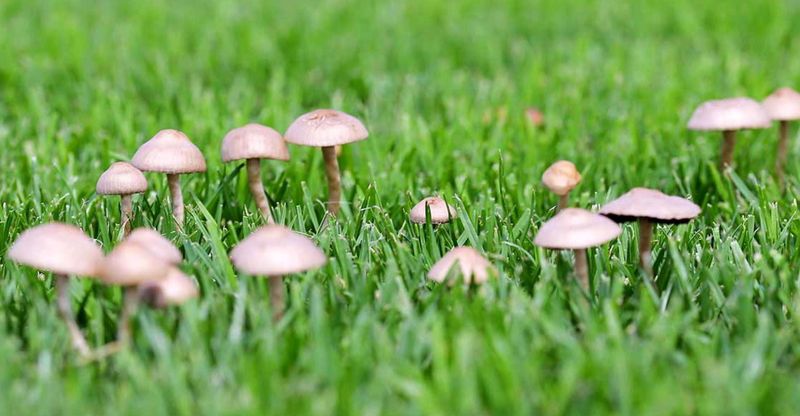
Ever notice mushrooms appear overnight after a good soaking? Fungi need moisture to push their fruiting bodies above ground, and the mycelium is ready and waiting.
In Virginia, mushroom rings commonly show up from late spring through fall. Late summer and early autumn are especially busy, when warm soil meets heavy rain or long stretches of humid weather.
A single wet week can turn a quiet patch of lawn into a full circle of caps by morning. Then a few dry, sunny days later, many of those mushrooms shrivel and fade.
Regional differences matter too. Coastal areas like Hampton Roads stay humid longer, while the Shenandoah Valley and mountain counties cool off sooner in fall.
That can shift when mushrooms pop up near you.
Keep in mind, the fungus does not leave when the caps disappear. It keeps living underground, quietly feeding and spreading until conditions are right again.
A handy habit is to jot down when rings appear each year. After a season or two, you may notice they return after the same kind of weather.
That little record helps you plan mowing, watering, and cleanup at the right time. It also turns a lawn mystery into a fun backyard science project.
A Brown Band Of Grass Means The Fairy Ring Needs Attention
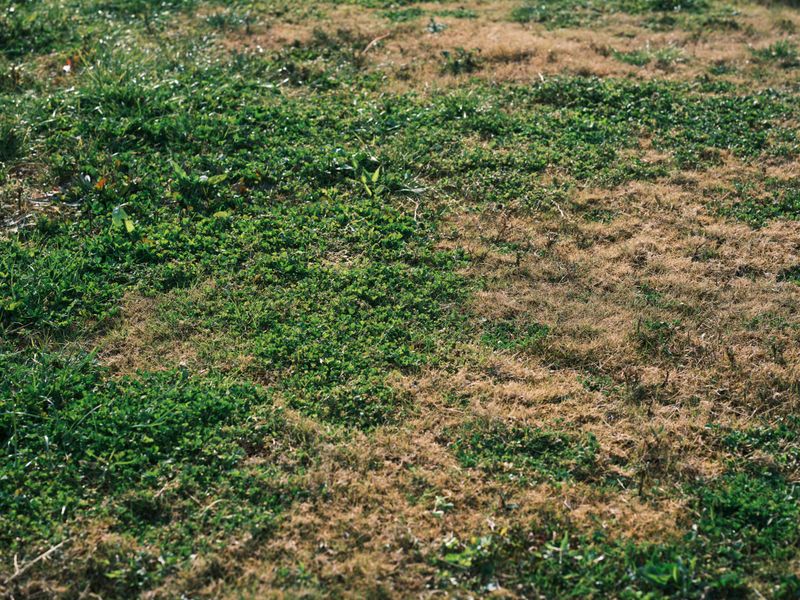
Not every ring is harmless. Lawn experts sort fairy rings into three types, and one of them deserves a closer look.
Type I rings create a band of thin, brown, or struggling grass. In these rings, the fungal threads can grow so thick that the soil becomes water-repellent.
Rain and sprinkler water run off instead of soaking in, so grass roots go thirsty.
Type II rings show up as that bright, dark green circle from extra nitrogen. Type III rings simply produce mushrooms without much change in the grass.
A quick test helps you figure out which type you have. Pour a cup of water on the brown band and watch.
If it beads up or sits on top, the soil is likely repelling water.
You can also push a screwdriver into the soil. Very dry, hard, or white, moldy-smelling soil under the band is a strong clue.
Grass struggles most in the hottest, driest weeks of summer. Cool-season lawns like tall fescue, common across much of the state, can show stress quickly then.
Spotting a Type I ring early lets you step in before the brown patch widens. The other two types are mostly cosmetic and can wait.
Aerating And Deep Watering Help A Stressed Ring Recover
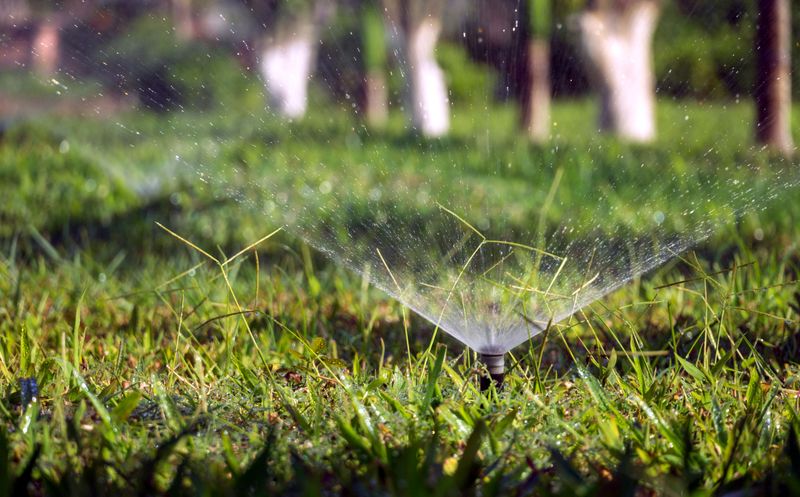
Fixing a troubled ring is more about water than chemicals. Virginia Cooperative Extension notes that fungicides are often costly and give poor results for homeowners, so simpler steps come first.
Start by core aerating the affected band and about two feet beyond it. Those small holes break through the dense fungal mat and let water reach the roots.
Next, water deeply. Some experts suggest soaking the ring area so moisture reaches several inches down, then repeating for a few days.
A lawn wetting agent, also called a soil surfactant, can help water spread through soil that keeps shedding it.
For dark green Type II rings, try a smart trick. Give the rest of the lawn a light, properly timed feeding so it matches the ring’s color.
The circle often blends right in.
Follow your grass type’s timing. Cool-season lawns like fescue are usually fertilized in early fall, while warm-season grasses like Bermuda and zoysia are fed in late spring and summer.
Patience pays off here. Rings can return year after year, and some move outward and eventually fade as the food runs out.
Steady care keeps the grass strong enough to hide most of the damage. Your lawn usually bounces back nicely.
Keep Kids And Pets Away From Those Wild Lawn Mushrooms
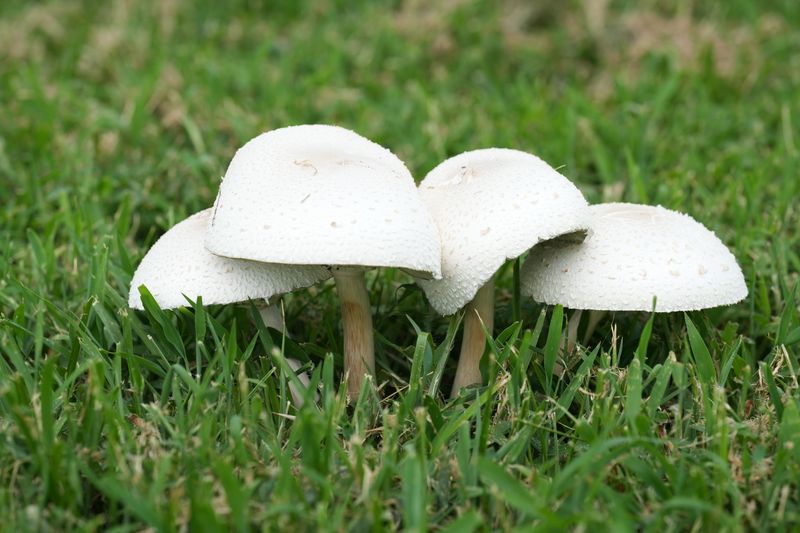
Mushrooms in a ring can look sweet enough for a storybook. Still, many lawn mushrooms are toxic, and several harmless-looking types have dangerous lookalikes.
One troublesome example is the green-spored parasol, Chlorophyllum molybdites. It often forms large rings in lawns across the eastern U.S. and is a leading cause of mushroom poisoning in North America, usually causing severe stomach upset.
Dogs are especially at risk because they sniff and gobble first. Young children are curious, too.
Neither group can tell a safe mushroom from a harmful one, and honestly, most adults cannot either.
Your best move is simple. Pick or rake up the caps as soon as they appear, ideally while wearing gloves.
Bag them and toss them in the trash rather than your compost pile.
Mowing over the ring also knocks caps down quickly. Just bag the clippings if pets spend time in the yard.
If you think a child or pet ate a wild mushroom, act fast. Call Poison Control at 1-800-222-1222 or the ASPCA Animal Poison Control Center.
A photo of the mushroom helps experts.
Removing caps will not end the ring underground. It does, however, make your yard much safer for little explorers.
Old Fairy Ring Legends Still Hide In Your Backyard Mushrooms
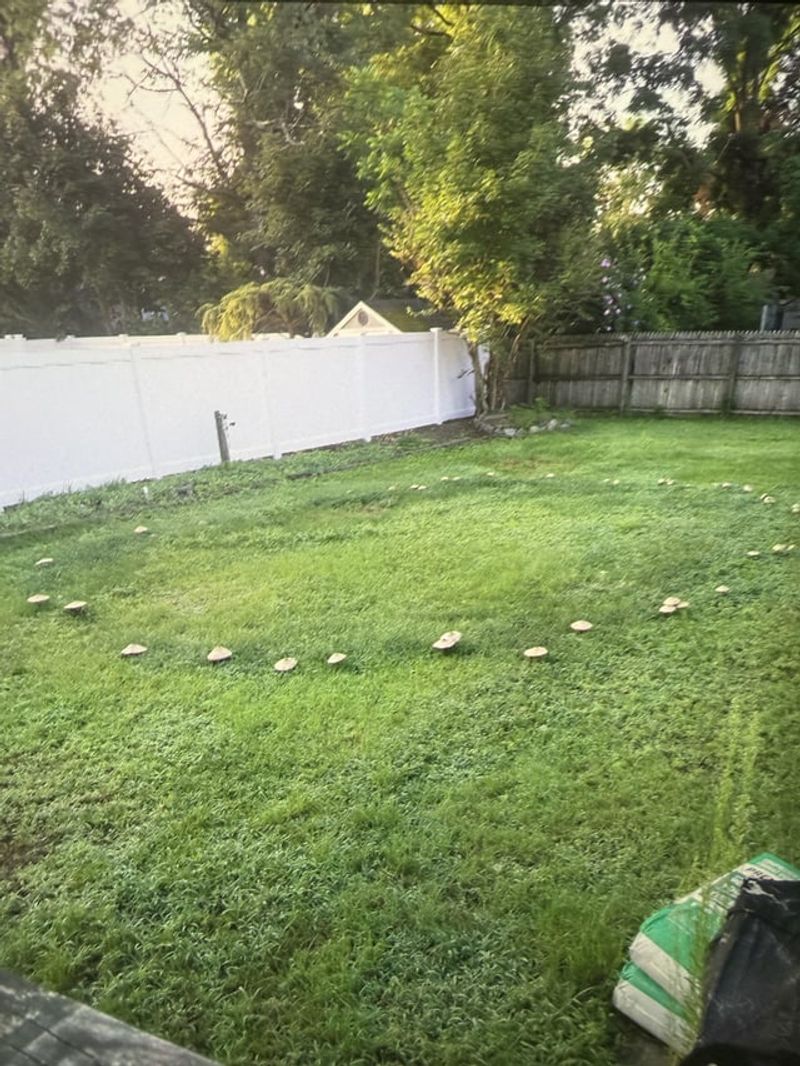
Long before anyone peeked at fungi under a microscope, people had wild explanations for these circles. In English and Celtic folklore, rings marked spots where fairies danced at night.
Step inside, the stories warned, and you might be forced to dance until exhausted or whisked away to fairyland for years. Some tales said running around a ring nine times let you hear the fairies laughing.
In Germany, people called them Hexenringe, or witches’ rings, linked to gatherings on Walpurgis Night. Dutch farmers once blamed the Devil, saying he set his milk churn there.
French stories mentioned giant toads with bulging eyes guarding the circles.
I love that these legends were trying to explain something real. People saw the same green bands and sudden mushrooms we see today, and they built stories around them.
Today, you can enjoy both sides. Science explains the fungus, while folklore gives the ring a bit of charm.
If a ring is not hurting your grass, consider leaving it alone. It quietly recycles nutrients and feeds your soil.
Share a photo with your neighbors or your local Master Gardener group. They may tell you their own ring stories, and nobody has to dance until sunrise.