9 California Natives That Keep Feeding Pollinators Well Into November
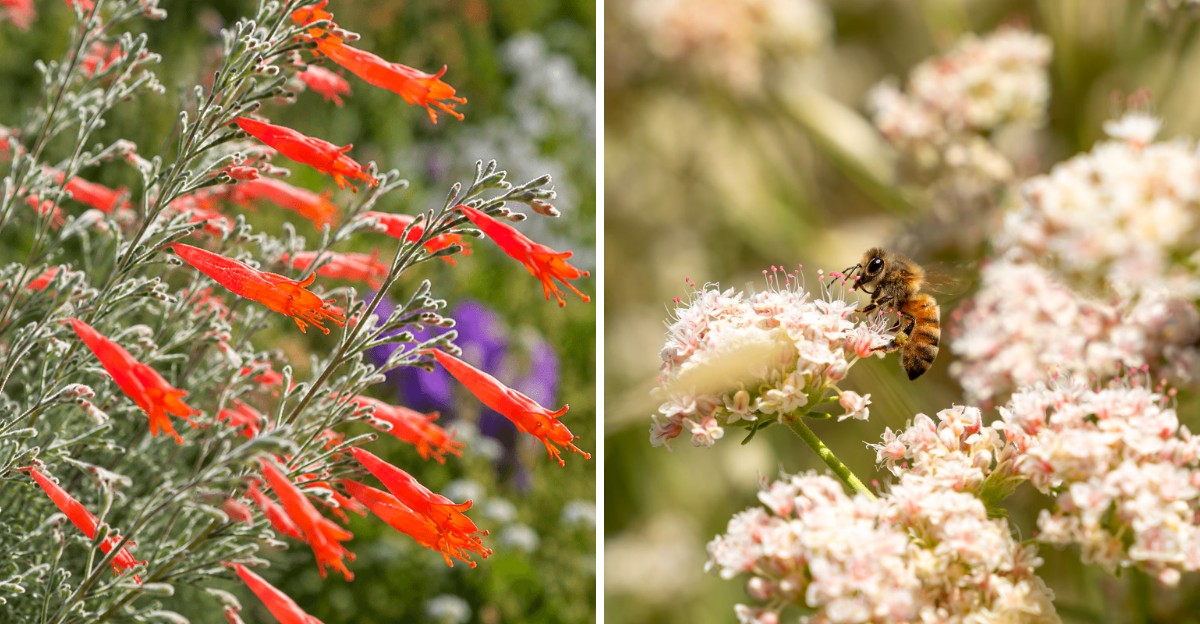
Anna’s hummingbirds stick around coastal California all winter instead of flying south like most of their cousins. That means those tiny birds need real flowers in
November, long after many summer gardens have gone quiet.
Native bees are still out too, especially on warm autumn afternoons when the sun heats up the soil. Some bumblebee queens even keep foraging late in the year, building up energy before tucking away for winter.
I have a soft spot for plants that wait until everything else looks tired before throwing their own party. You might be surprised how many of them grow happily across California with almost no summer water.
Some of my favorites hide in plain sight along freeway slopes and dusty trails you probably pass every week.
So which late bloomers deserve a sunny spot in your yard before the winter rains arrive?
1. California Fuchsia
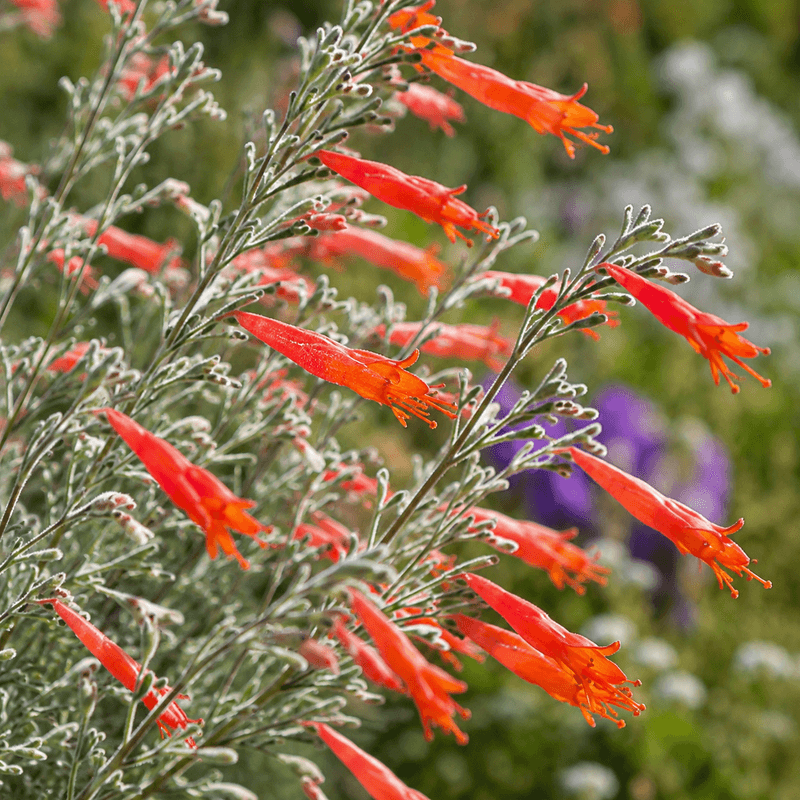
Hummingbirds treat this scrappy little plant like a late-night diner, zipping back to its scarlet trumpets again and again. I love watching one Anna’s hummingbird guard a single patch like it owns the whole neighborhood.
Epilobium canum usually starts blooming in late summer and reliably keeps those orange-red flowers coming through fall. In many coastal and inland gardens, you can still spot fresh blooms hanging on well into November.
Most plants stay about one to two feet tall, though they can creep wider by underground runners over time. Give each one a little elbow room, or plant it where a bit of wandering feels welcome.
Full sun and fast-draining soil make it happiest, especially on a hot slope or a gravelly rock garden. Rich, soggy beds tend to make it floppy, so skip the compost and let it rough it.
Once established, a deep soak every few weeks in summer is usually plenty for this tough native. Overwatering is one of the more common ways gardeners accidentally shorten its life in heavy clay soil.
Native bees visit the flowers too, though hummingbirds are the main pollinators doing the heavy lifting here. Plant it near a window, and you get a front-row seat to some truly feisty aerial squabbles.
After the last flowers fade in late fall or winter, cut the stems back close to the ground. Fresh gray-green shoots return in spring, and the whole cycle of fiery color starts over again.
2. California Buckwheat
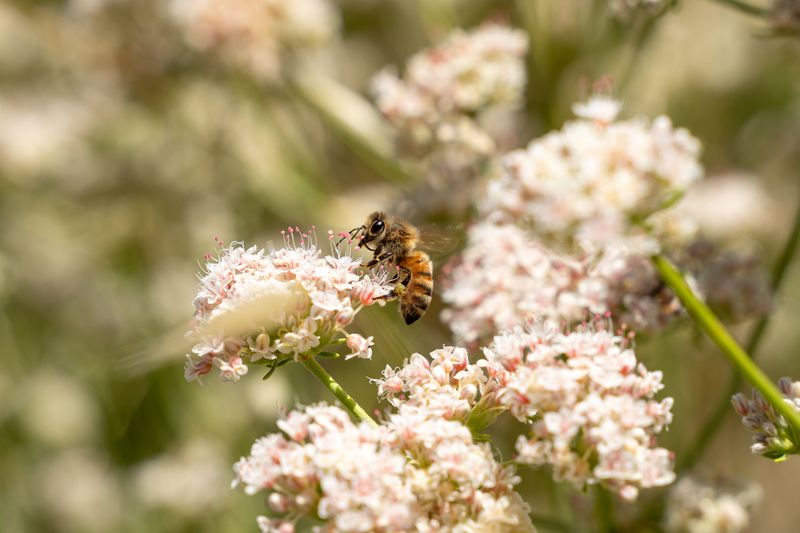
Walk any dry hillside in Southern California and you’ll likely brush past this shrub without a second glance. Get closer, and the fuzzy flower clusters are often buzzing with more bees than you can count.
Eriogonum fasciculatum has one of the longest bloom seasons around, often opening in spring and lingering into fall. Late flowers can still feed insects in autumn, while older heads slowly turn a handsome rusty brown color.
I wouldn’t snip those brown clusters too early, since birds pick through them for tiny seeds. Plenty of gardeners also like the warm cinnamon color against gray boulders in a crisp fall landscape.
Expect a mounding shrub around two to four feet tall, with needle-thin leaves clustered along woody stems. Low, spreading selections such as Warriner Lytle work nicely for covering steep banks and wide sunny edges.
Full sun and quick drainage matter far more than rich soil, so sandy or rocky ground suits it. Once roots settle in, summer water can be very occasional or skipped in many coastal areas.
Butterflies love it as well, and several small blues and metalmarks use buckwheats as caterpillar host plants. That makes one shrub a nursery and a snack bar at the same time, which feels pretty efficient.
Fall planting works beautifully here, because cool weather and winter rain help young roots get firmly established. Light shaping after the seeds have dropped keeps plants tidy without sacrificing any of next year’s flowers.
3. Chaparral Currant
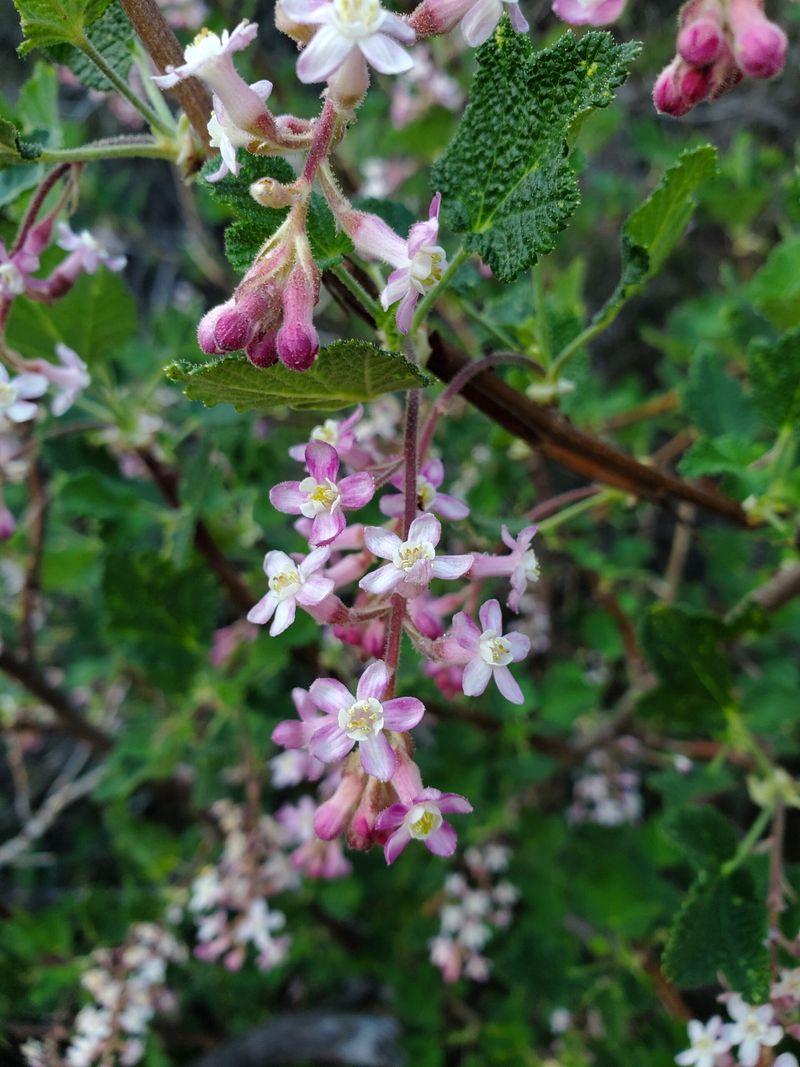
Most shrubs are winding down for the year just as chaparral currant starts waking up from summer dormancy. After the first fall rains, fresh fuzzy leaves appear, and drooping pink flower clusters often follow soon after.
Ribes malvaceum can begin blooming as early as late October or November and keep going into early spring. That timing makes it a lifeline for Anna’s hummingbirds, which nest during winter in much of the state.
I find it fascinating that a plant can look so scruffy in August and so lovely by December. Summer leaf drop is normal for this shrub, so don’t panic and start hauling out the hose.
Plants usually reach around four to six feet tall, with an open, multi-stemmed shape and soft, sticky leaves. Crushing a leaf releases a resinous, slightly spicy scent that some gardeners love and others find odd.
Give it sun to part shade and well-drained soil, especially in hot inland yards where afternoon shade helps. Very little summer water is needed once established, and too much can invite stubborn root problems later.
Early native bees and bumblebee queens also visit the blossoms whenever mild, sunny winter days roll around. Later, small purplish berries form, and birds usually find them long before you notice they are ripe.
Pruning right after flowering, if needed, keeps the shape tidy without cutting off next season’s blooms. Pair it with fall-blooming natives nearby, and your hummingbirds get a smooth, steady handoff into winter.
4. California Aster
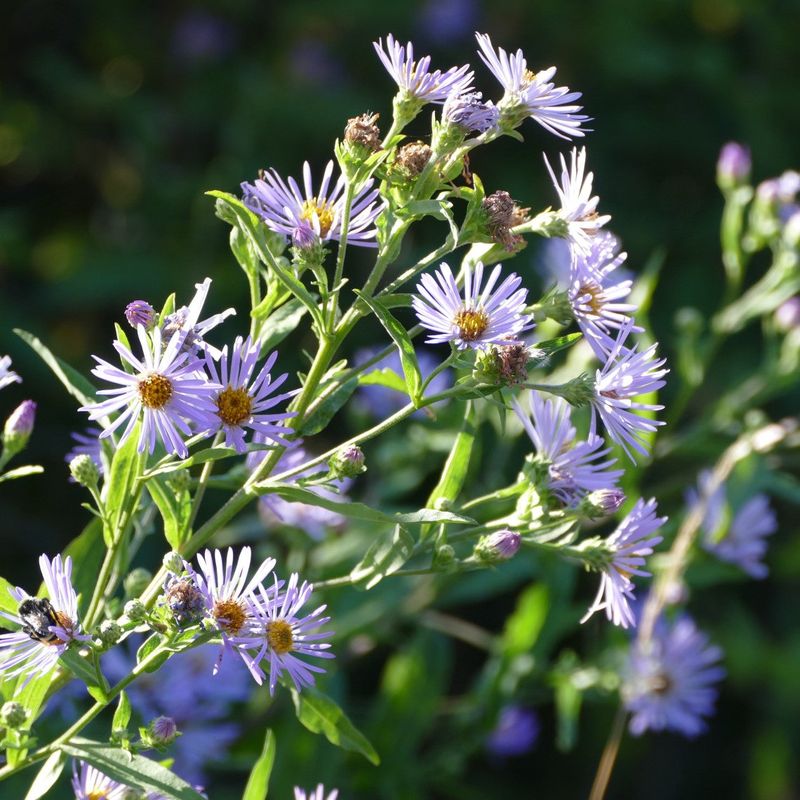
Soft lavender daisies with sunny yellow centers pop up just when the rest of the garden starts looking crispy. I can see why gardeners love this cheerful spreader, even if it occasionally wanders off its assigned spot.
Symphyotrichum chilense, often called Pacific aster, usually flowers from midsummer into fall along the coast and foothills. In mild areas, scattered blooms can hang on into November and give late bees a welcome meal.
Plants typically grow one to three feet tall, forming loose patches through underground rhizomes over a few seasons. That spreading habit is handy for filling meadow-style beds, though tidy gardeners may want a sturdy edging.
Full sun gives the most flowers, but light afternoon shade works fine in hotter inland gardens. Clay or loam is fine, which makes this aster friendlier than many natives that demand perfect drainage.
Once settled, it tolerates summer dryness, although an occasional deep drink keeps foliage fresher and flowers more plentiful. Plants may go a little shabby in heat, which is normal and nothing to worry about.
Small native bees and hoverflies crowd the flat flower heads, since the pollen and nectar sit right on top. Asters also serve as host plants for certain crescent butterflies, so a few chewed leaves are a nice sign.
Once flowering finally fades, cut the stems down near the ground to make room for fresh spring growth. You can also leave a few stalks standing over winter, since insects often shelter in standing plant debris.
5. Rubber Rabbitbrush
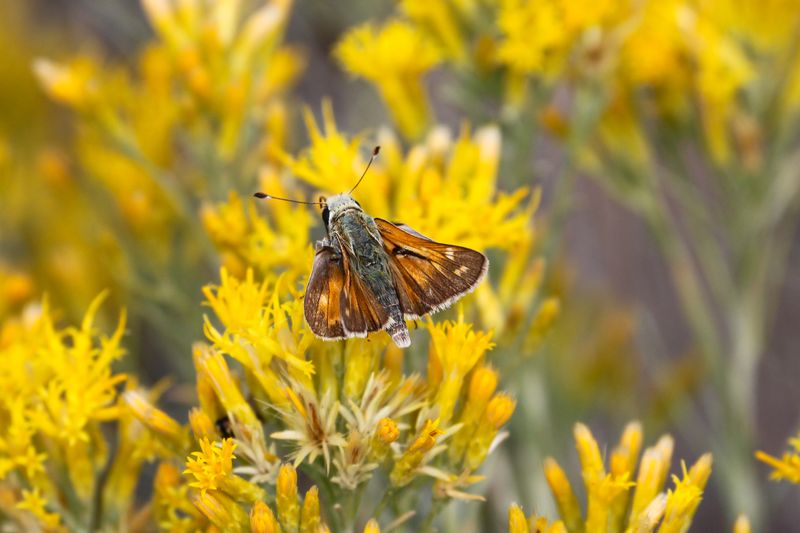
Drive east over the Sierra in autumn, and whole valleys glow mustard-yellow with this shaggy, silver shrub. It’s one of those sights that makes me pull over just to listen to all that buzzing.
Ericameria nauseosa usually blooms from late summer into fall, often peaking right as other wildflowers are long gone. Butterflies and native bees pile onto the flowers, which offer a rich late meal before cold weather.
The species name nauseosa refers to the strong smell of the crushed foliage, which some folks find unpleasant. I’d call it more earthy than awful, but you might not want it right beside your patio.
Mature shrubs often reach three to five feet tall and wide, with slender, grayish stems and narrow leaves. Hardy to very cold winters, it handles high desert and mountain gardens where more tender natives often struggle.
Plant it in full sun and lean, well-drained soil, including sandy or alkaline ground that many other shrubs dislike. Once established, it rarely needs extra water, and regular irrigation can make it floppy and short-lived.
Rabbitbrush can reseed in disturbed soil, so watch for volunteers if you garden near open, wild ground. Pulling extra seedlings while small is easy, and sharing them with curious neighbors is even better.
In late winter, you can cut older plants back hard to refresh them and keep the shape compact. Coastal gardeners may find it sulks in fog, so it shines brightest in dry, sunny inland spots.
6. California Goldenrod
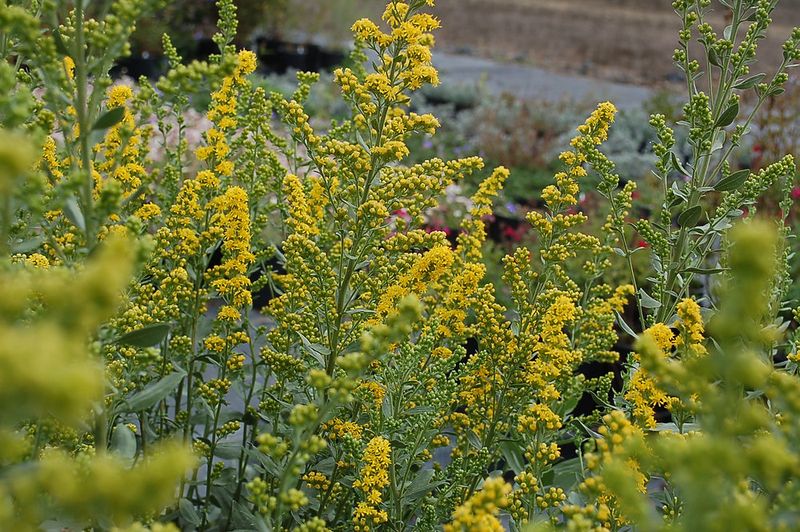
Goldenrod gets blamed for fall sneezing, but its heavy, sticky pollen is carried by insects rather than wind. The real culprit is usually ragweed, which blooms around the same time with far less flashy flowers.
California goldenrod, now often listed as Solidago velutina subspecies californica, blooms roughly from late summer into November. Its arching sprays of tiny yellow flowers light up a bed when most perennials are heading toward winter rest.
I’m often surprised by how many different insects show up on a single plume on a warm afternoon. Native bees and soldier beetles seem especially fond of it, along with late-season butterflies passing through.
Plants usually grow two to three feet tall, with soft, grayish-green leaves that look tidy most of the year. It handles a wide range of soils, from heavy clay to sandy loam, without much fuss.
Full sun brings the best flowering, and light shade is fine where summers run especially hot. Established plants are fairly drought tolerant, though occasional summer water keeps them greener and fuller looking.
Spreading rhizomes help it form colonies, which is great for a meadow and less great beside fussy neighbors. A root barrier or a spot bordered by paving keeps all that wandering under reasonable control.
Leave the fluffy seed heads standing into winter, because small birds like finches often pick at them. Cut stems to the ground in late winter, and fresh shoots will push up as spring warms.
7. Coyote Brush
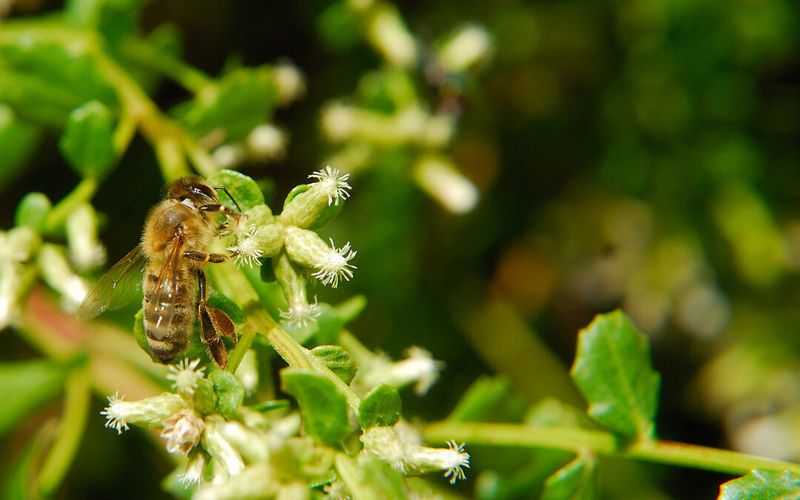
Coyote brush looks like a plain green shrub most of the year, then suddenly turns into an insect buffet. Stand near one on a sunny fall day, and the hum from all those visitors is surprisingly loud.
Baccharis pilularis often blooms from late summer into winter, giving pollinators a reliable meal when choices are slim. Wasps and flower flies swarm the tiny blooms, and beetles and native bees show up in good numbers.
What I find interesting is that male and female flowers grow on separate coyote brush plants. Female shrubs later release fluffy white seeds, while male plants stay tidier and produce the pollen.
Popular groundcover selections like Pigeon Point and Twin Peaks are male, so they skip the seed fluff. Low forms spread several feet wide, while upright wild types can top eight feet or more.
Sun and decent drainage suit it best, though it copes with clay and coastal wind better than most shrubs. Once established, it needs little or no summer water near the coast and only occasional soaks inland.
Deer usually leave it alone, which makes it a handy backbone for wildlife hedges in rural yards. Small birds also tuck into the dense branches for shelter, especially during blustery, rainy winter storms.
Older shrubs can get woody, so cutting some stems back in late winter encourages fresh, dense growth. I wouldn’t necessarily call it glamorous, but few shrubs pull this much weight in a pollinator garden.
8. Bladderpod
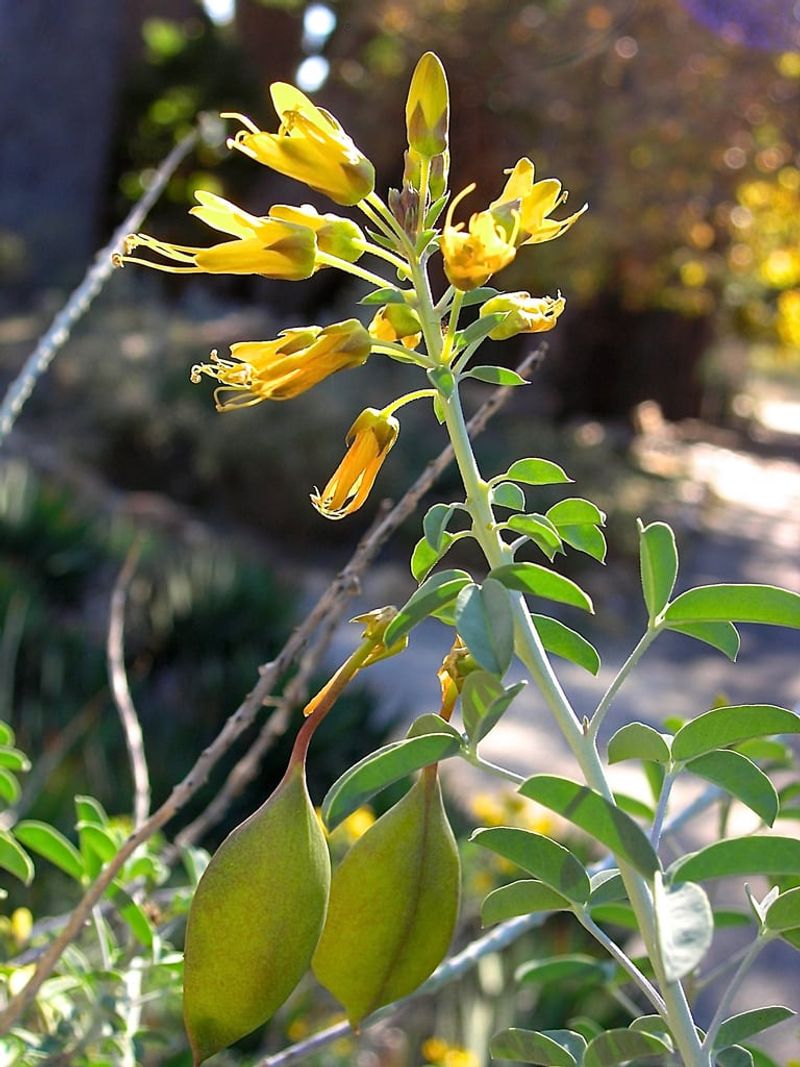
Puffy green seed pods dangle like tiny balloons from this shrub, and kids can’t resist giving them a squeeze. Meanwhile, bright yellow flowers keep popping open above them, often at the very same time.
Peritoma arborea, once called Cleome isomeris, can flower in almost every month in mild Southern California gardens. That stretched-out schedule means hummingbirds and bees can count on it when November feels a bit empty.
I won’t pretend the foliage smells nice, since many people compare the scent to a skunk or burnt rubber. Plant it a few steps away from seating areas, and the odor rarely bothers anyone at all.
Shrubs usually reach three to six feet tall and wide, forming a rounded mound of gray-green leaves. Growth is fairly quick, so a small nursery plant can fill a dry corner within a couple of seasons.
Full sun and sharp drainage keep it happiest, and it tolerates salty coastal air along with desert heat. Very little water is needed once established, and soggy soil quickly leads to yellowing and root trouble.
Cold is its main weakness, since hard freezes can damage plants in higher or colder inland areas. Gardeners in frost pockets may want to try it near a sheltered, warm south-facing wall instead.
Light pruning in late winter keeps the shape neat, but heavy shearing usually costs you flowers. Let a few pods ripen on the branches, and you may find surprise seedlings popping up nearby.
9. Seaside Daisy
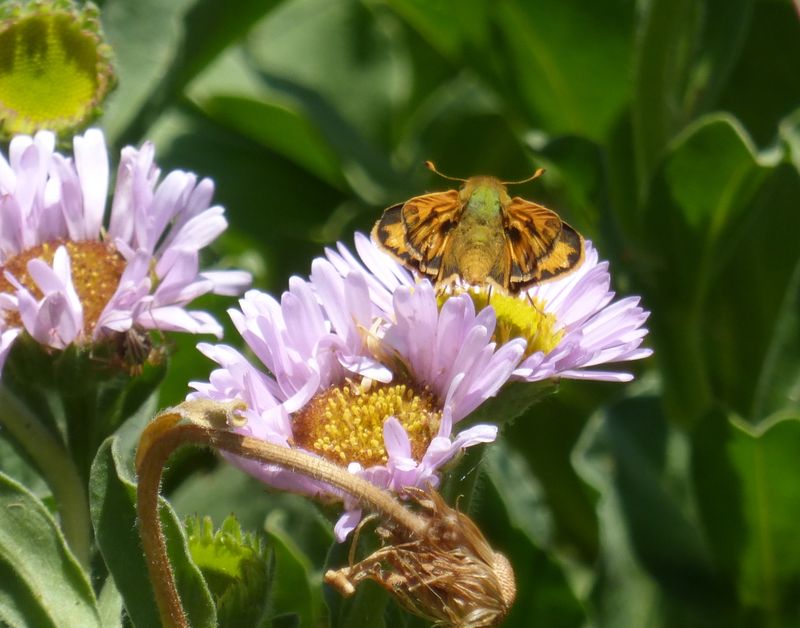
Clinging to windy Pacific bluffs, this low daisy shrugs off salt spray that would scorch plenty of garden plants. I have a real fondness for anything that tough and still this pretty in pale lavender.
Erigeron glaucus blooms most heavily in spring and summer, yet near the coast it often keeps flowering off and on. In foggy, mild gardens, you may still find fresh flowers and busy bees in late fall.
The flowers have lavender to pinkish petals around a bright yellow center that small native bees adore. Butterflies and hoverflies stop by too, since the flat shape makes landing and sipping refreshingly easy.
Plants stay low, usually under a foot tall, and spread into mounds one to two feet across. That compact size works nicely in containers or tucked along the front edge of a sunny border.
Coastal gardens give it full sun, while hot inland yards call for some afternoon shade and extra water. Well-drained soil matters, because heavy, wet clay can quickly rot the crown during long, rainy winters.
Named selections like Wayne Roderick and Cape Sebastian offer reliable pastel color and especially tidy, compact growth. Snipping off spent flower heads encourages more buds and keeps the little mounds looking fresh longer.
Plants can get leggy after a few years, so cut them back by about half in late winter. Tuck a few around your fuchsia or buckwheat, and the bees get a cozy coastal snack stop.