The Rat-Repelling Plants California Gardeners Add Before Fall Rodents Arrive
Fall in California has a particular energy to it. The nights cool down, the air smells like dry leaves and warm soil, and somewhere behind the shed, something small is already thinking about moving in for the season.
Rats and rodents are opportunists, and as temperatures drop they start looking for two things: somewhere cozy and something to eat.
Gardeners have been quietly fighting back with one of the most satisfying tools available, fragrant plants that people genuinely love and that rodents find considerably less appealing.
Is it a silver bullet? No, and UC IPM is very clear that a tidy yard and sealed entry points do the real heavy lifting.
But a garden that smells amazing and may help discourage unwanted guests at the same time? That is a pretty good deal.
Think of these plants as one smart layer in a broader fall rodent strategy, not the whole plan, but a fragrant and genuinely useful part of it.
1. Peppermint Patches For Cool Corners
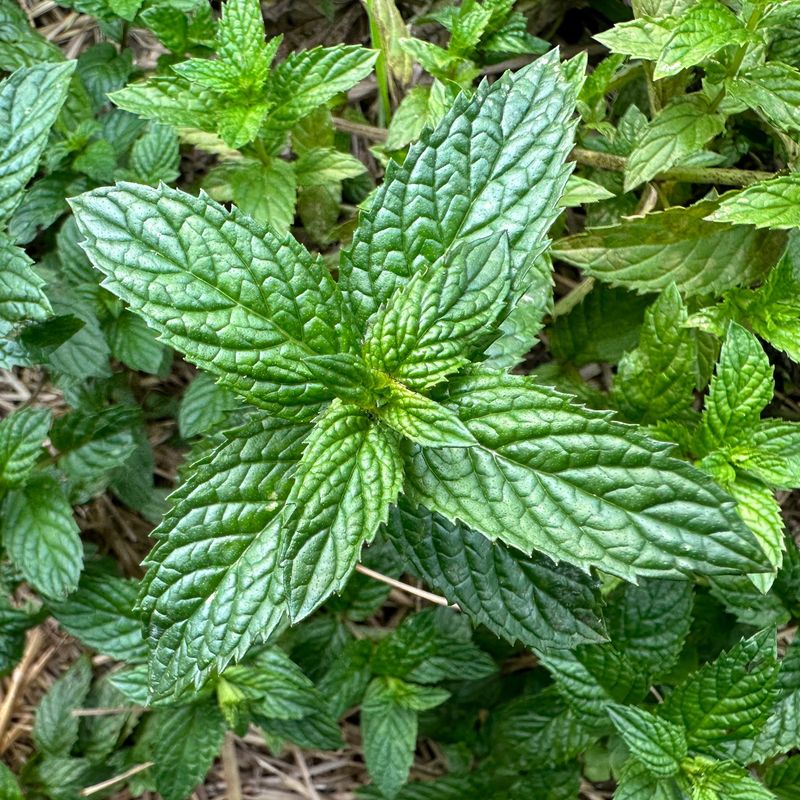
One whiff of crushed peppermint can wake you up faster than coffee. Rats seem to agree, because the strong menthol scent bothers their sensitive noses.
California gardeners often tuck peppermint near sheds, garages, and compost bins. Those spots attract rodents looking for warm hideouts once fall arrives.
Peppermint grows fast, so plant it in pots or buried containers. Otherwise, it may take over your whole bed in a single season.
The plant enjoys partial shade and moist soil. In hot inland areas like Fresno or Riverside, give it afternoon shade and regular water.
Coastal gardens from San Diego to Eureka suit it well. The cool, foggy air keeps the leaves soft and full of fragrant oils.
Here is a handy tip for stronger results. Brush or trim the plants now and then to release more scent into the air.
You can also dry the clippings and stuff them into small cloth bags. Place those bags inside sheds or near crawl space vents for extra protection.
Fun fact: people have grown mint for thousands of years. Ancient Greeks rubbed it on tables to welcome guests, which is funny, since rats feel far from welcome.
Pair peppermint with other tactics, like sealing gaps and removing fallen fruit. Plants help a lot, but a tidy yard does the heavy lifting.
2. Lavender Borders That Guard Walkways
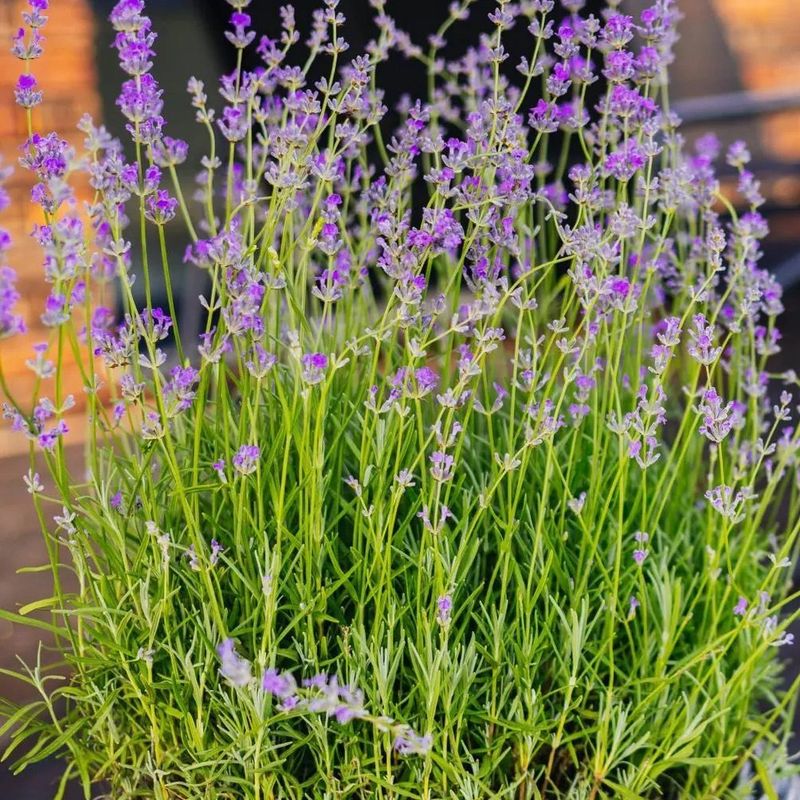
Grandma probably kept lavender sachets in her dresser drawers, and she had good reason. That sweet, floral smell pushes away moths, mice, and rats alike.
Lavender feels right at home across much of California. It loves sun, handles dry spells, and asks for very little water once it settles in.
Many gardeners plant it along walkways, porches, and foundation edges. Those borders act like a fragrant fence that rodents would rather skip.
Spanish and English lavender both work nicely. Spanish types handle heat in places like Sacramento, while English kinds shine in milder coastal towns.
Good drainage matters more than anything else with this plant. Heavy clay soil in parts of the Bay Area can rot the roots, so mix in gravel or use raised beds.
Your California Garden Changes Every Week. Your Plan Should Too.
Gardening in California changes quickly throughout the season. Every Friday you’ll receive a simple weekly plan showing exactly what to plant, prune, fertilize, harvest, and protect so you never miss the right timing.
Plant in late summer so the roots grow before winter rains. That timing lines up nicely with the fall rodent season.
After blooming, snip the flower stems and hang them to dry. Scatter the dried buds in garages, pantries, or storage bins.
Bees and butterflies adore lavender, so you get a bonus pollinator party. Your yard ends up smelling like a spa while staying less inviting to pests.
Refresh dried bundles every few weeks, since the scent fades. A quick squeeze between your fingers wakes up the oils again.
3. Garlic Rows Give Rats A Stinky Surprise
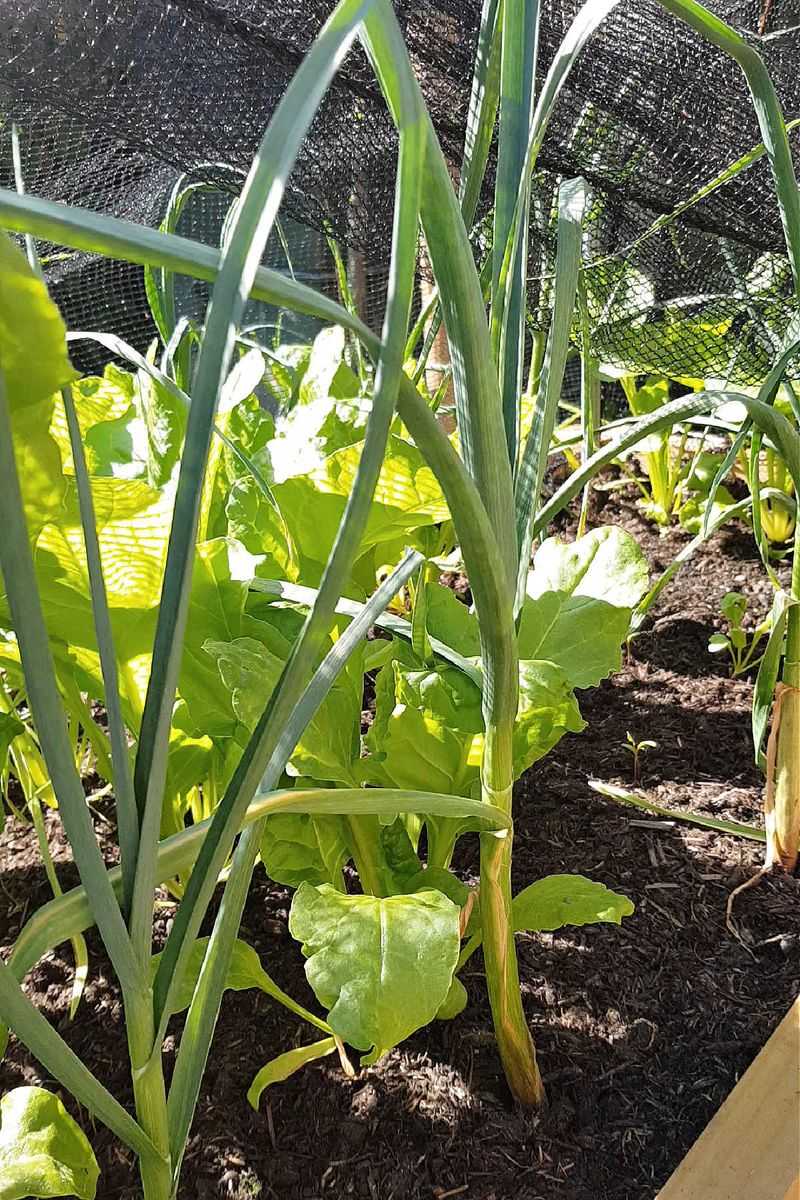
Garlic breath might keep people at a distance, and it works on rats too. The sulfur compounds in garlic create a sharp smell rodents dislike.
Fall is actually the best time to plant garlic in California. Gardeners push cloves into the soil from October to November for a summer harvest.
That means you get pest help and a tasty crop from the same effort. Talk about a smart use of garden space.
Plant cloves pointy side up, about two inches deep. Space them roughly six inches apart in loose, rich soil with full sun.
Tuck garlic around vegetable beds where rats like to nibble. Tomatoes, squash, and strawberries all benefit from a smelly neighbor.
Softneck varieties grow well in warm areas like Los Angeles and the Central Valley. Hardneck types do better in cooler mountain towns near Tahoe.
Some gardeners make a simple garlic spray, too. Blend a few cloves with water, strain it, and mist it near entry points.
Did you know Gilroy, California calls itself the Garlic Capital of the World? The town even smells like garlic during harvest season.
Mulch the rows with straw to keep moisture in during dry spells. Just keep mulch loose, since thick piles can become rat hiding spots.
4. Rosemary Hedges Built For Dry Yards
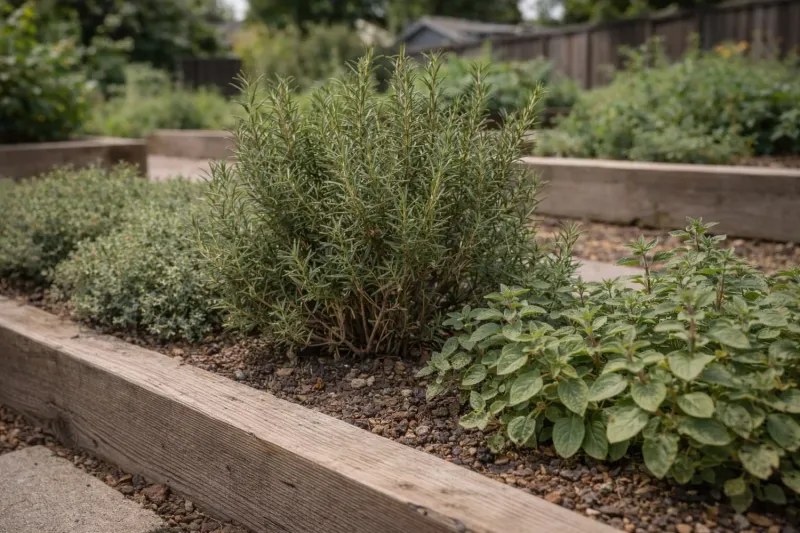
Walk past a rosemary bush on a warm day and the piney scent hits you right away. Rats pick up that smell too, and they tend to avoid it.
Rosemary might be the easiest plant on this list for California gardens. It thrives in heat, poor soil, and long dry summers.
Upright types grow into thick hedges several feet tall. Trailing types spill nicely over walls and slopes.
Plant rosemary along fences where rodents travel. Rats often run along fence lines, so a smelly barrier there makes a big difference.
Planting a continuous row rather than isolated clumps tends to create a more consistent scent barrier along those travel routes.
Water young plants weekly for the first few months. After that, rain and the occasional deep soak usually keep them happy.
Watch out for overwatering, though. Soggy roots cause more trouble for rosemary than drought ever will.
Trim the stems often to keep bushes dense and fresh. Use the clippings in roasted potatoes, then toss extras into the shed.
Freshly cut stems placed near garage vents or storage entrances can also add an extra layer of scent right where you need it most.
A fun history note: rosemary has been cultivated across Mediterranean regions for thousands of years and was used in ancient Greek and Roman cooking, medicine, and even funeral traditions. California’s similar warm, dry climate is a big part of why it grows so effortlessly here.
Keep the base of hedges clear of leaves and debris. A clean hedge smells strong and gives rats fewer places to nest.
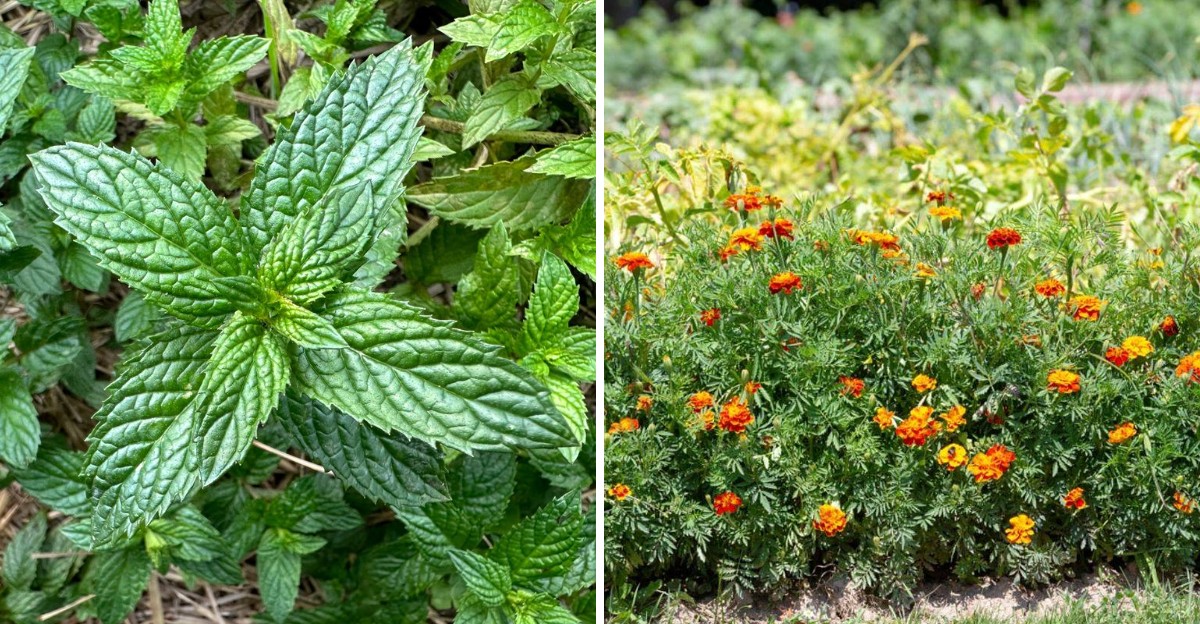
5. Marigolds Brighten California Beds While Keeping Pests Away
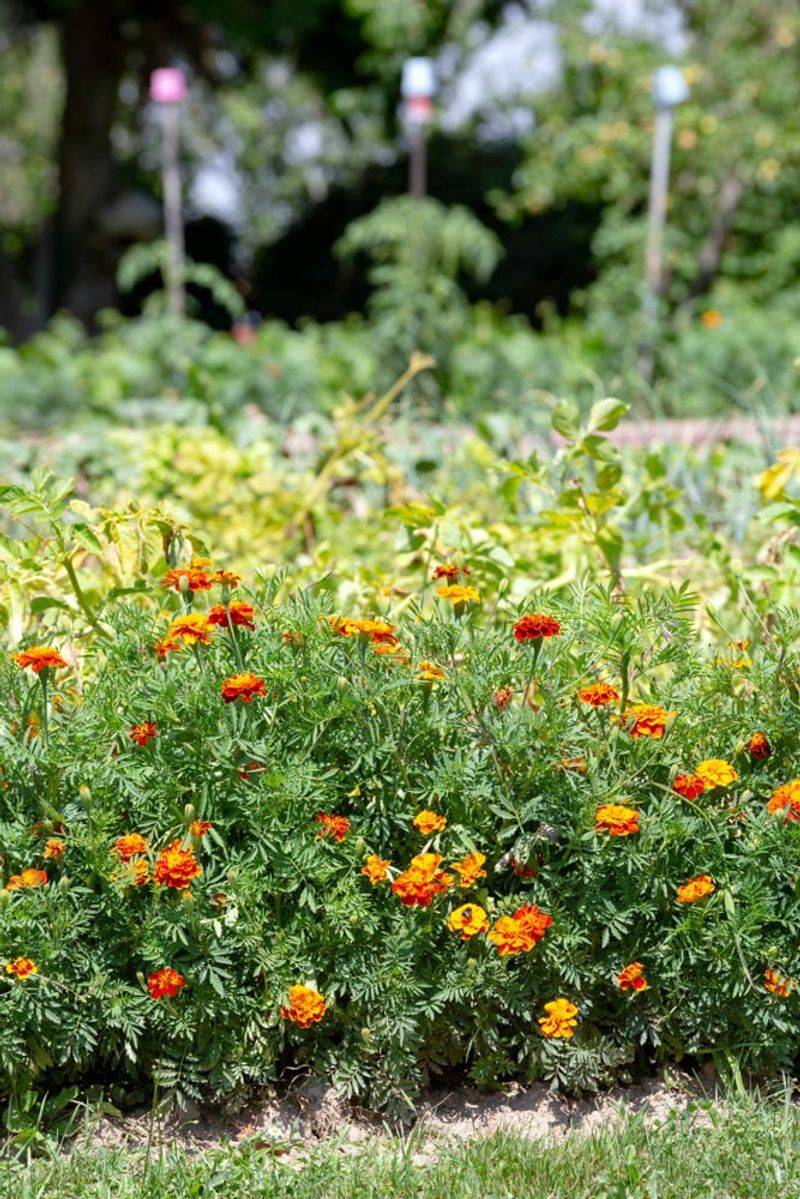
Sunny orange flowers and a funky smell make marigolds a garden favorite. That musky scent does more than add character to your beds.
Many gardeners plant marigolds around vegetables to keep bugs and rodents at bay. The odor seems to confuse pests hunting for food.
Marigolds cost very little and grow quickly from seed. A few packets can edge an entire garden in weeks.
French marigolds stay small and tidy. African marigolds grow taller with big pom-pom blooms that look great near fences.
They love full sun and handle heat like champs. In places like Bakersfield or Palm Springs, they keep blooming even when other flowers quit.
Plant them in late summer for strong fall color. In mild coastal zones, they may last well into winter.
Planting in clusters rather than single rows tends to concentrate the scent more effectively and makes the color impact considerably bolder at the same time.
Pinch off faded flowers to keep new buds coming. More blooms mean more scent drifting across your yard.
Save the dried seed heads at season’s end. You can replant them next year for free, which makes your wallet smile.
Storing them in a labeled paper envelope in a cool, dry spot keeps germination rates higher when spring planting time rolls around.
Remember, marigolds work best as part of a team. Combine them with herbs and good yard habits for the best results.
6. Daffodil Bulbs Planted In California Fall Soil
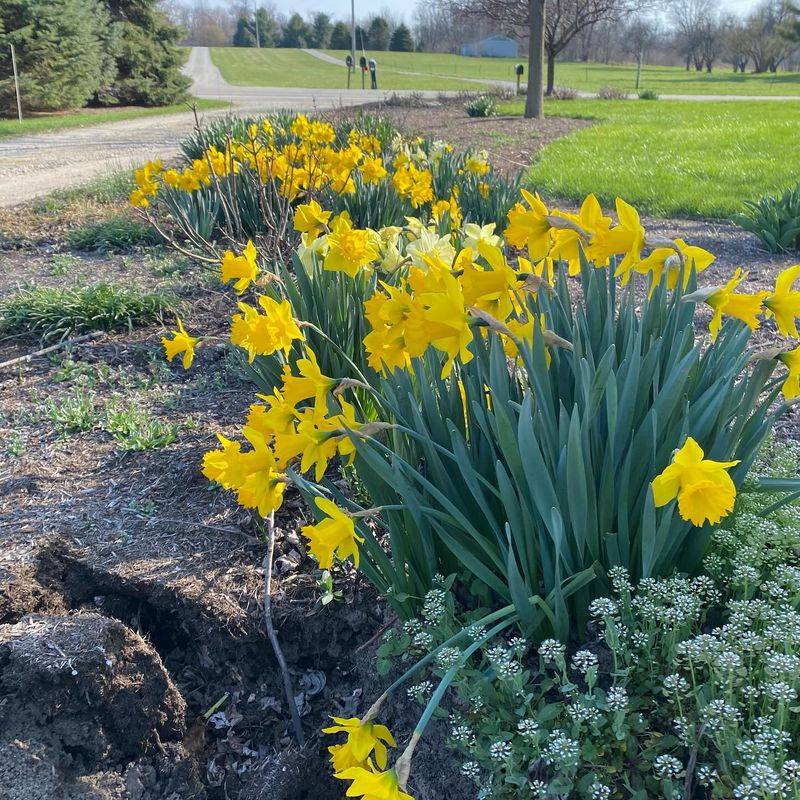
Squirrels, gophers, and rats will happily munch tulip bulbs. Daffodils tell a different story, and smart gardeners take note.
Daffodil bulbs contain a bitter, toxic compound called lycorine. Rodents learn quickly to leave them alone.
Fall is prime planting time for bulbs in The Golden State. Get them in the ground from October through early December for spring blooms.
Plant bulbs about six inches deep with the pointy end up. Group them in clusters for a bold burst of yellow later on.
Many gardeners mix daffodils in with tastier bulbs as protection. The bitter bulbs help shield their neighbors from digging critters.
Tulips, hyacinths, and crocuses are all good candidates for this layering strategy since rodents find them particularly appealing.
Daffodils handle California’s dry summers well once established. They rest underground after blooming and need little care.
Varieties like Paperwhite and Tete-a-Tete do nicely in warm southern gardens. Cooler northern areas can grow nearly any type.
A word of caution for pet owners. Daffodils can upset dogs and cats, so plant them away from curious noses.
Fun fact: daffodils return year after year and even multiply. One bag of bulbs can turn into a small field over time.
7. Catnip Clumps Turn California Yards Into Cat Hangouts
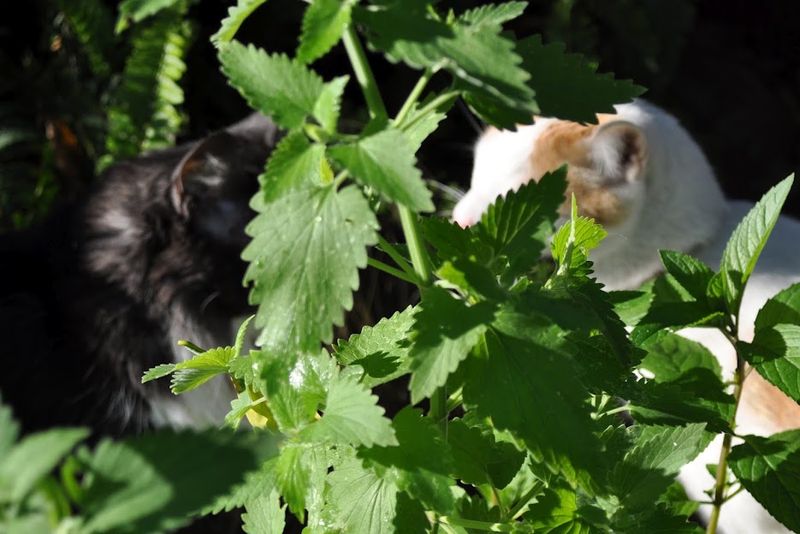
Here is a plant with a sneaky double purpose. Catnip smells unpleasant to rats, and it also pulls in neighborhood cats.
Cats roll, sniff, and nap near catnip for hours. Their presence alone can make rodents think twice about moving in.
Even the scent trail cats leave behind can signal to rats that a yard is not the safe, undisturbed space they are looking for.
Catnip grows easily in sun or light shade. It handles dry soil and bounces back after heavy trimming.
Like mint, it spreads fast, so containers help keep it tidy. Place pots near garage doors, woodpiles, or back steps.
Water it when the top inch of soil feels dry. Too much water makes the plant floppy and weakens its scent.
Cats may flatten the plant from all that rolling around. Grow a few extra clumps so some can recover while others take a beating.
Research shows catnip oil also pushes away mosquitoes. That makes evenings on the patio more pleasant during warm falls.
Dry the leaves and sprinkle them in storage areas for a bonus layer of defense. Your own cat will probably thank you too.
Crushing a few dried leaves between your fingers before placing them releases the oils more effectively and tends to produce a stronger, longer-lasting scent in enclosed spaces.
Just be kind to local wildlife. Keep bird feeders away from cat hangout spots to protect your feathered friends.
8. Sagebrush And Native Sages For True California Style
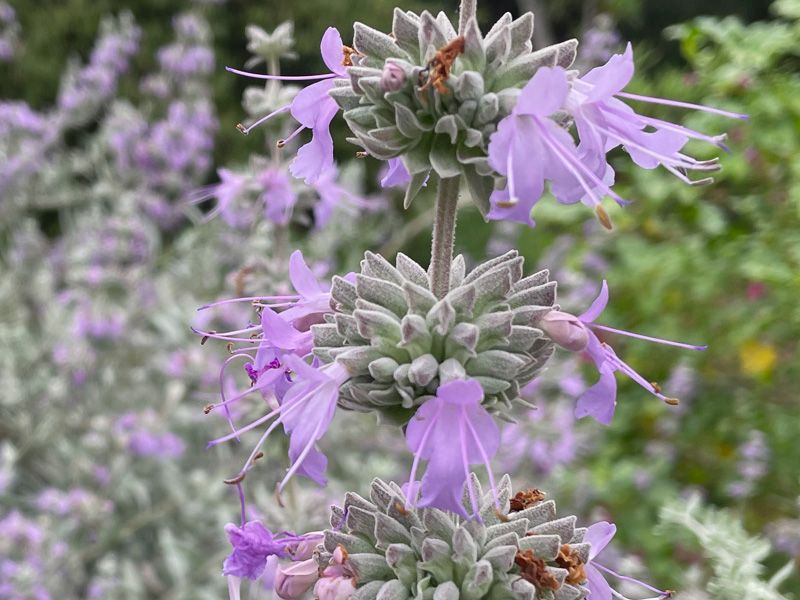
Hike any hillside after a rain and you will smell sage everywhere. That earthy, resin-rich aroma helps keep rodents from settling close by.
Native sages like white sage, black sage, and Cleveland sage fit local gardens perfectly. They evolved here, so they need little water and almost no fuss.
Plant them in fall when cooler weather and winter rain help roots grow. By spring, they will be strong and ready for summer heat.
Choose sunny, well-drained spots on slopes or rock gardens. Rich soil and frequent watering can actually shorten their lifespan.
Place sages near property edges and around outdoor storage. The strong scent works like a natural welcome mat in reverse.
Native plants also support hummingbirds, bees, and helpful insects. Owls and hawks that hunt rodents appreciate a healthy native yard too.
Local nurseries such as the Theodore Payne Foundation offer great native choices. Staff there can help you match plants to your region.
Fun fact: Indigenous Californians used white sage for centuries in ceremonies and daily life. Please buy nursery-grown plants rather than picking wild ones.
Brush the leaves as you walk by for a fresh burst of fragrance. Your garden will smell like a California trail all autumn long.