Is Rattlesnake Season Really Over In California By September?
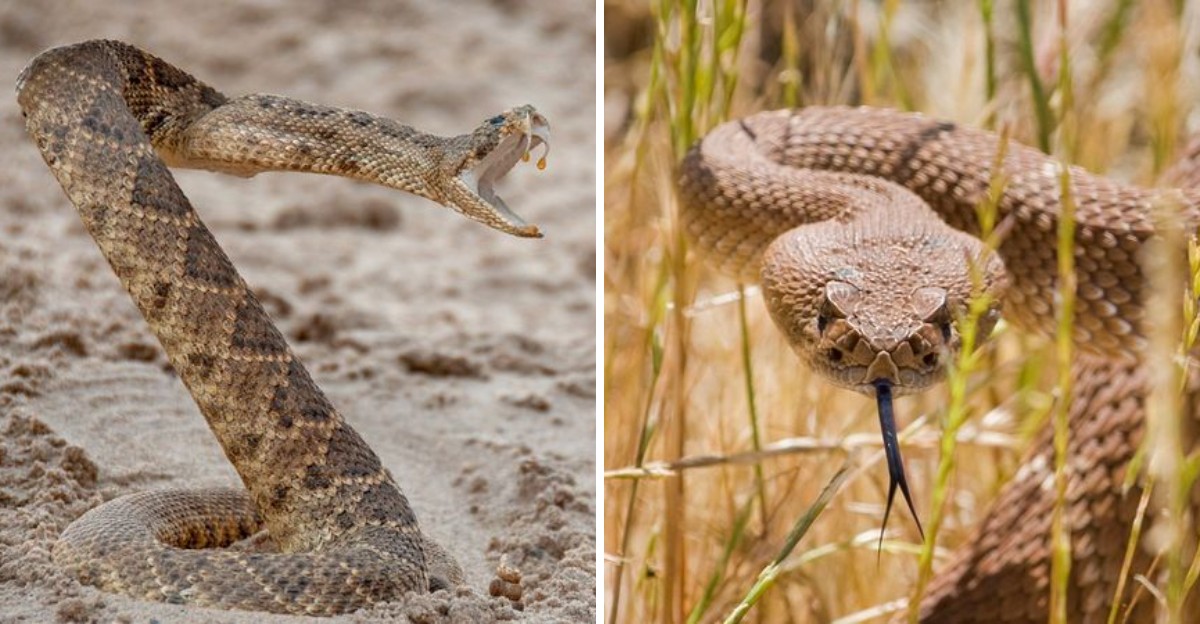
A lot of California residents assume rattlesnakes have basically clocked out for the season by September.
It is a reasonable guess, but it is not quite accurate, and it is the kind of assumption that can catch hikers, gardeners, and outdoor enthusiasts completely off guard.
The Western Rattlesnake does not operate on a calendar. It follows temperature, habitat conditions, and available prey, and in many parts of the state, September still checks enough of those boxes to keep these snakes active and on the move.
Warm afternoons, rocky shelter, and a steady food supply do not disappear overnight just because summer is technically winding down.
Understanding what rattlesnakes are actually doing this time of year, where they tend to show up, and how to respond if you encounter one is genuinely useful information heading into fall.
1. Why September Doesn’t Slam The Door On California Snakes
Plenty of people cross snakes off their worry list the moment school starts back up. That assumption can leave you less prepared on a sunny hillside.
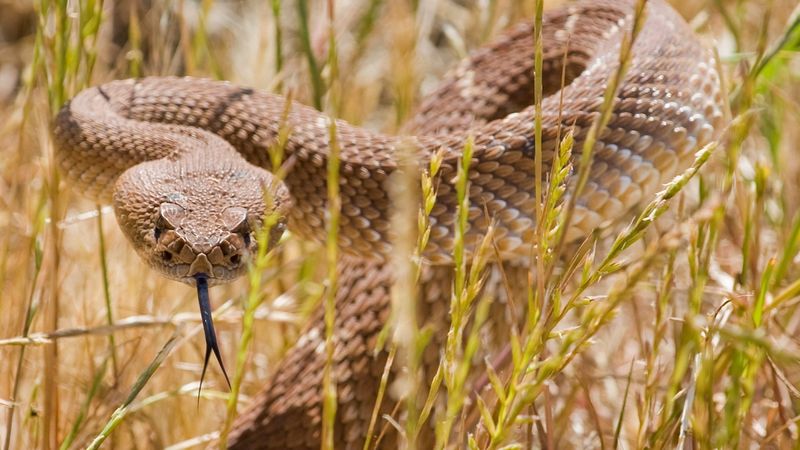
The Western Rattlesnake can remain active as long as temperatures and local conditions are suitable, and California autumns often deliver warm afternoons well past Labor Day.
Snakes are cold-blooded, meaning their body temperature depends on the environment around them rather than generating their own heat.
A 75-degree September day in places like the Sacramento Valley or foothills near San Diego can provide enough warmth for rattlesnakes to move, bask, and search for food.
What usually happens is a gradual slowdown rather than a sudden stop. As temperatures begin dropping, snakes may adjust when they are most active, spending more time sheltered during cooler periods and emerging during warmer parts of the day.
Rocky ledges, sunny paths, and warm surfaces can provide useful basking areas where temperatures allow.
Southern California trails can remain suitable for rattlesnake activity into October or later during warm periods. Northern and higher-elevation areas often cool sooner, but occasional warm weather can still create opportunities for movement.
Because conditions vary across the state, there is no single date when rattlesnake activity completely ends.
Keeping your eyes open in September is simply a practical habit across many parts of the state.
Treating early fall as a transition period rather than an automatic end to snake activity can help hikers and homeowners stay aware while giving rattlesnakes plenty of space.
2. How Warm California Weather Keeps Rattlesnakes Moving
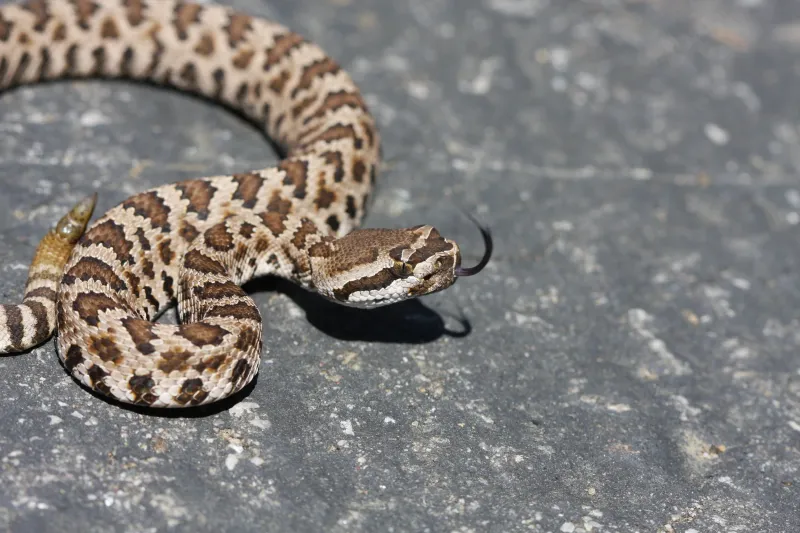
Think of a rattlesnake as an animal that depends heavily on outside temperatures, and September in California starts to look very different. Warm weather influences when these reptiles can move, digest food, and carry out normal activities.
Temperature affects many parts of a rattlesnake’s routine. When conditions are suitable, their muscles function more effectively, digestion can continue, and movement becomes easier.
California’s inland valleys, deserts, and canyons can still experience warm conditions during early fall, creating environments where rattlesnakes may remain active.
Areas around Bakersfield, Riverside, and the Central Valley often stay warm through September, while coastal locations may experience cooler conditions because of marine influences.
Your California Garden Changes Every Week. Your Plan Should Too.
Gardening in California changes quickly throughout the season. Every Friday you’ll receive a simple weekly plan showing exactly what to plant, prune, fertilize, harvest, and protect so you never miss the right timing.
Even within the same region, elevation and landscape features can create major differences in temperature.
Sunny rocks, open ground, and exposed areas can provide warmer spots during cooler periods. Rattlesnakes may use these locations to regulate their body temperature when conditions allow.
Cooler nights can change activity patterns. Instead of moving during the hottest parts of the day, snakes may shift toward warmer daylight hours when temperatures are more favorable.
Understanding this temperature connection helps explain why a September hike in one part of the state may feel very different from a hike somewhere else.
Checking local weather conditions and knowing the landscape you are visiting can help you make better decisions outdoors. Warm early fall days do not mean every trail will have rattlesnake activity, but they can create conditions where encounters remain possible.
3. Where Rattlesnakes Hang Out In Early Fall
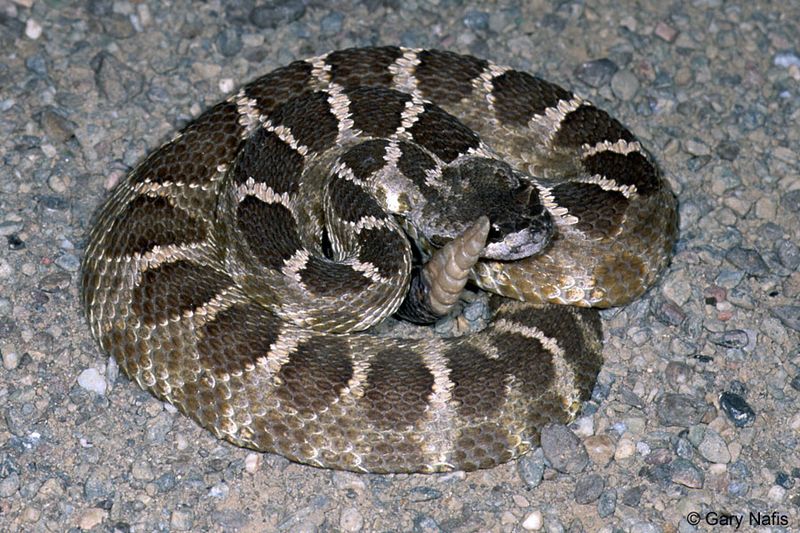
Not every corner of California provides the same rattlesnake habitat, and recognizing common environments can help people understand where encounters are more likely.
Dry, rocky terrain is one type of habitat often associated with Western Rattlesnakes. Chaparral hillsides, rocky slopes, grasslands, and areas with natural cover can provide shelter, warmth, and access to prey.
These landscapes occur throughout parts of Southern California, the Sierra foothills, and coastal mountain ranges.
Grasslands and oak woodlands can also support rattlesnakes, especially where rodents and other prey are available. Snakes often choose areas based on a combination of food sources, shelter, and temperature conditions.
Rock piles, woodpiles, fallen logs, and dense vegetation can provide hiding areas. During early fall, snakes may use these locations for shelter during cooler periods and move into warmer areas when conditions improve.
Trail edges and sunny openings deserve attention because these areas can combine warmth with nearby cover.
Some suburban yards can also provide suitable conditions when they contain features such as dense vegetation, clutter, rodent activity, or easy access to shelter.
This does not mean every yard will attract snakes, but certain landscape features can make a property more appealing.
Whether you are exploring a desert trail near Palm Springs, a foothill path, or an open space near a California neighborhood, understanding the types of environments rattlesnakes may use can help you stay aware and enjoy the outdoors responsibly.
4. The Truth About Brumation And California’s Cool Season
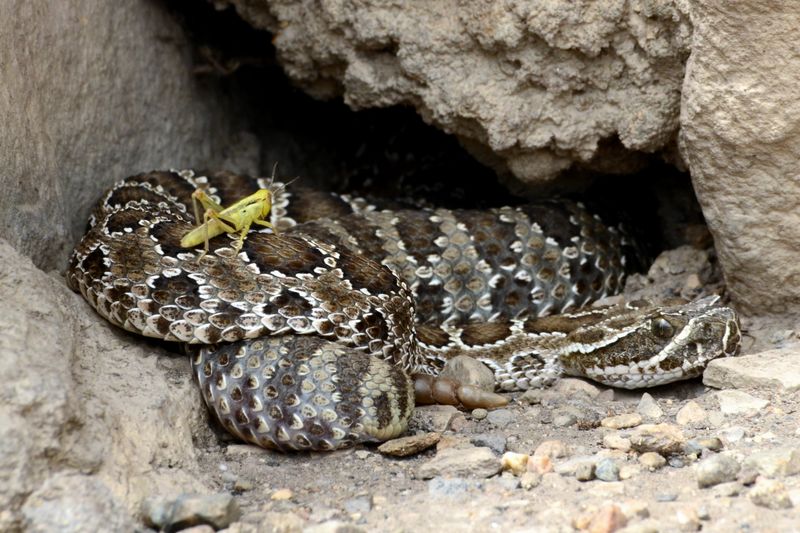
Ever heard that snakes hibernate like bears? The reality is a little different, and it helps explain why September does not always mark the end of rattlesnake activity.
Reptiles go through a process called brumation, which is a period of reduced activity that occurs when temperatures become colder. Unlike mammals that enter deep hibernation, reptiles can become active again when warmer conditions return.
This flexibility is one reason some rattlesnakes remain active during parts of the cooler season.
As temperatures drop consistently, many Western Rattlesnake populations begin spending more time in sheltered areas and may use dens during colder months.
In some regions, these dens can be shared by multiple snakes, while other populations may use different sheltering strategies depending on local conditions.
Rock crevices, burrows, and underground spaces can provide protection from colder temperatures.
The timing of this seasonal slowdown varies throughout California.
Higher elevations in the Sierra Nevada and other mountain regions usually cool earlier, while lower-elevation areas in Southern parts of the state may continue experiencing warm periods later into the year.
A September afternoon can still provide conditions suitable for movement and basking, meaning rattlesnake activity does not follow a strict calendar date.
Understanding the gradual transition into brumation helps explain why early fall remains a period when awareness matters. Local climate, elevation, and weather patterns all influence when rattlesnakes become less active in a particular area.
5. Spotting Baby Rattlesnakes On California Trails In September
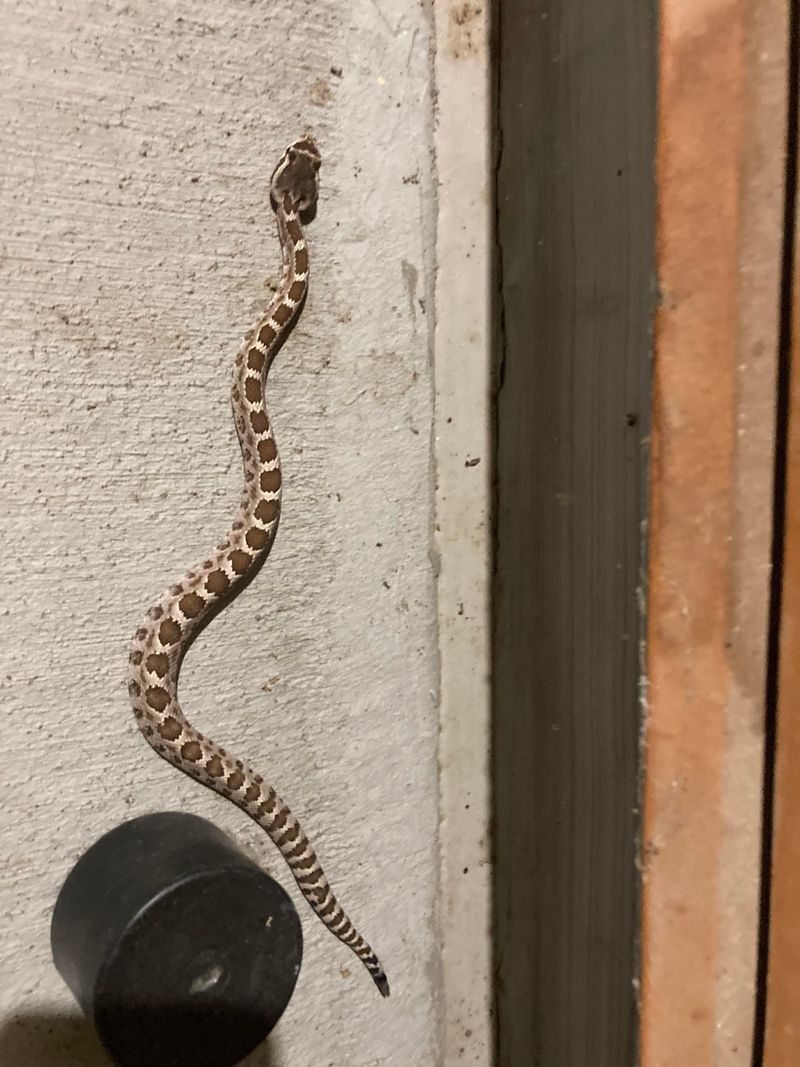
Late summer and early fall can be a time when young rattlesnakes are encountered in some parts of the state. The exact timing depends on the species, location, and local conditions.
Western Rattlesnakes typically give birth to live young, with births often occurring in late summer. Because of this timing, some areas may have recently born rattlesnakes present on trails, in open spaces, or near suitable habitat during September.
These young snakes are small and can blend into dirt, leaves, and vegetation. Their size can make them harder to notice, but they should still be treated with the same caution as adult rattlesnakes.
Young rattlesnakes produce venom and can pose a bite risk if handled or approached closely. However, the idea that young rattlesnakes are automatically more dangerous because they cannot control their venom is a common misconception.
Their rattles are also not as developed as those of adults. A newborn rattlesnake begins with a single button at the end of its tail, and additional segments are added as it grows and sheds its skin.
Because young snakes may remain in areas where they were born before dispersing, they can sometimes appear in unexpected locations near suitable habitat.
This is one reason it is helpful to watch where you place your hands and feet around brush, rocks, logs, and garden areas.
Whether you are hiking, gardening, or exploring California outdoors, treating any rattlesnake with distance and respect is the safest approach.
6. Smart Hiking Habits For Fall Snake Encounters
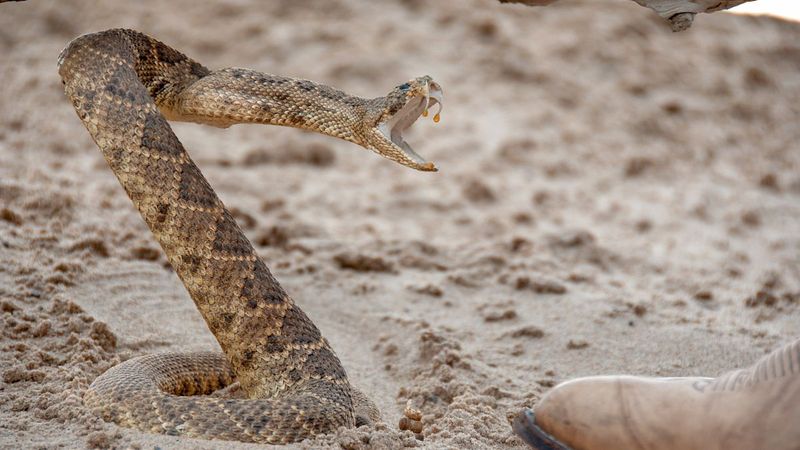
A great fall hike in California deserves a few simple safety habits. Small choices can reduce the chance of an unexpected encounter while you enjoy the outdoors.
Sturdy closed-toe shoes and long pants can provide useful protection on brushy trails and uneven terrain. Ankle-high boots may offer additional coverage in areas with dense vegetation or rocky ground.
Staying on marked trails can also help. Avoiding tall grass, thick brush, and areas with limited visibility makes it easier to see where you are stepping and reduces the chance of surprising a hidden snake.
Give logs and boulders extra space rather than stepping directly over them. Snakes may shelter beneath or beside these features, and looking around obstacles before moving forward is a safer habit.
Keep your eyes scanning the trail ahead, especially around sunny areas, rocky edges, and places where vegetation meets open ground.
Using trekking poles can help with balance and navigating uneven terrain, but do not rely on tapping or vibrations as a guaranteed way to alert snakes.
Bring a buddy and carry a charged phone on longer hikes. If a rattlesnake appears, stop, stay calm, slowly move away, and give the snake plenty of room to leave.
Keeping dogs on a leash is also important because curious pets often investigate places where snakes may be resting.
These simple habits allow you to enjoy California’s autumn landscapes while keeping encounters calm and respectful.
7. Protecting Your Backyard From Autumn Visitors
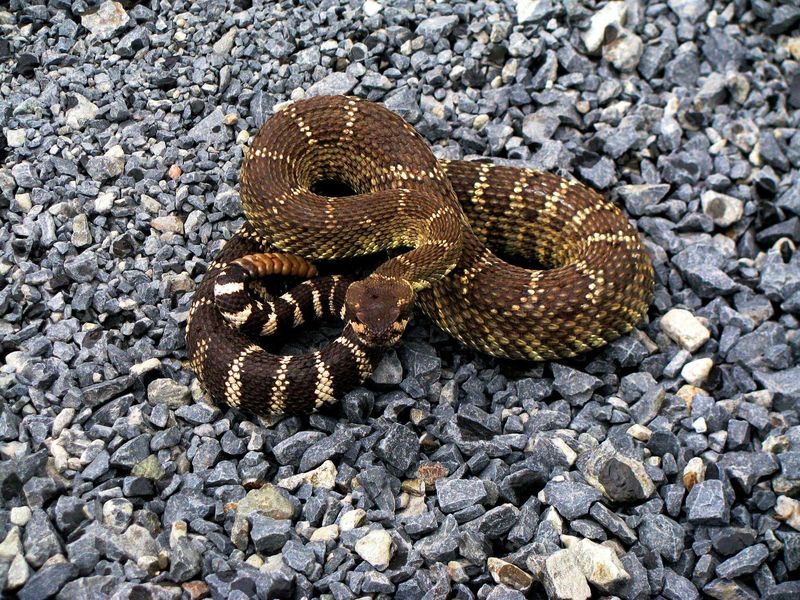
A California yard can sometimes provide conditions that attract snakes, especially when food, shelter, and hiding places are available. A little maintenance can make these areas less appealing.
Rodents are one factor that can attract rattlesnakes because they are an important food source. Storing pet food indoors, securing trash bins, cleaning up fallen fruit, and reducing accessible food sources can help limit rodent activity around the home.
Woodpiles, rock stacks, dense shrubs, and cluttered areas can provide shelter. Moving firewood away from structures and keeping vegetation maintained can reduce the number of places where snakes may find cover.
Sealing gaps under sheds, decks, and fences can also help limit access to certain areas. Snakes can move through surprisingly small spaces, so checking potential entry points around structures can be worthwhile.
Keeping grass maintained and reducing overgrown areas improves visibility around the yard. This does not guarantee that snakes will stay away, but it can make it easier to notice wildlife moving through the landscape.
Snake-resistant fencing may provide additional protection in some situations, especially around areas used by children or pets. Proper installation and design matter because fencing effectiveness depends on the specific setup.
Checking sunny areas, garden edges, and storage spaces during warm September days can help homeowners stay aware. If a rattlesnake appears in a yard, avoid approaching or attempting to move it yourself.
Contacting a qualified wildlife removal professional or local animal control resource is a safer option.
8. Regional Differences That Shape California’s Snake Timeline
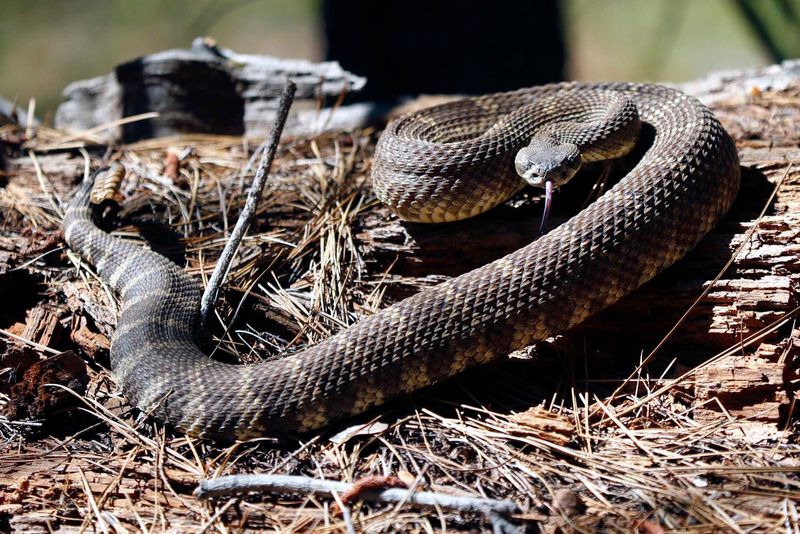
California is a large state with many different climates, and rattlesnake activity changes depending on where you are.
Southern California often stays warm later into the year. Areas around San Diego, Riverside, and inland valleys may continue providing suitable conditions for rattlesnake activity well into fall.
The Central Valley also experiences long stretches of warm weather. Locations such as Fresno and Bakersfield can remain hot through September, allowing rattlesnakes to remain active while cooler nights gradually influence their behavior.
Coastal areas can differ because temperatures are often moderated by marine conditions. However, inland hills, open spaces, and warmer pockets near the coast may still provide suitable habitat.
Mountain regions usually experience seasonal changes earlier. Higher elevations in the Sierra Nevada and other mountain areas cool more quickly, which can lead to earlier reductions in activity.
This variety means the month on the calendar tells only part of the story. A September hike near a warm inland canyon can have very different conditions from one at a higher elevation or along a cooler coastal area.
Learning about the specific region you live in or plan to visit can help you make more informed decisions. Local weather patterns, elevation, habitat, and recent conditions all influence whether rattlesnakes are likely to be active.
9. What To Do If You Meet A Rattlesnake
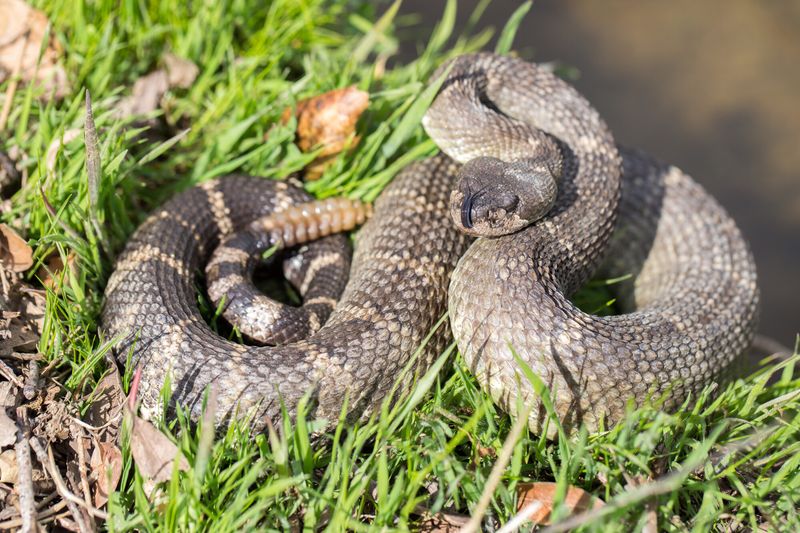
Even careful hikers and gardeners may occasionally encounter a rattlesnake. Knowing how to respond can help keep the situation calm.
The first step is to stop and avoid sudden movements. Give the snake time and space rather than approaching it, trying to move it, or attempting to get a closer look.
Slowly backing away is the safest response. Creating distance allows the rattlesnake to move away without feeling threatened.
Never try to handle or relocate a rattlesnake yourself. Many bites happen when people attempt to capture, move, or interact with snakes.
Give the snake a clear escape route whenever possible. Rattlesnakes generally prefer to avoid people and may leave the area when they are no longer disturbed.
If someone is bitten, seek emergency medical care immediately. Keep the person calm, limit movement of the affected area, and remove items such as rings or tight clothing near the bite area if swelling may occur.
Avoid outdated first-aid methods such as cutting the bite, attempting to suck out venom, applying ice, or using a tourniquet.
In busy California parks or public areas, reporting a snake in a high-traffic location can help park staff decide whether any action is needed.
With the right response, a rattlesnake encounter does not have to become a dangerous situation. Awareness, distance, and respect are the best tools for sharing California landscapes with native wildlife.