The November Project That Could Bring Barred Owls To Your Georgia Yard By Spring
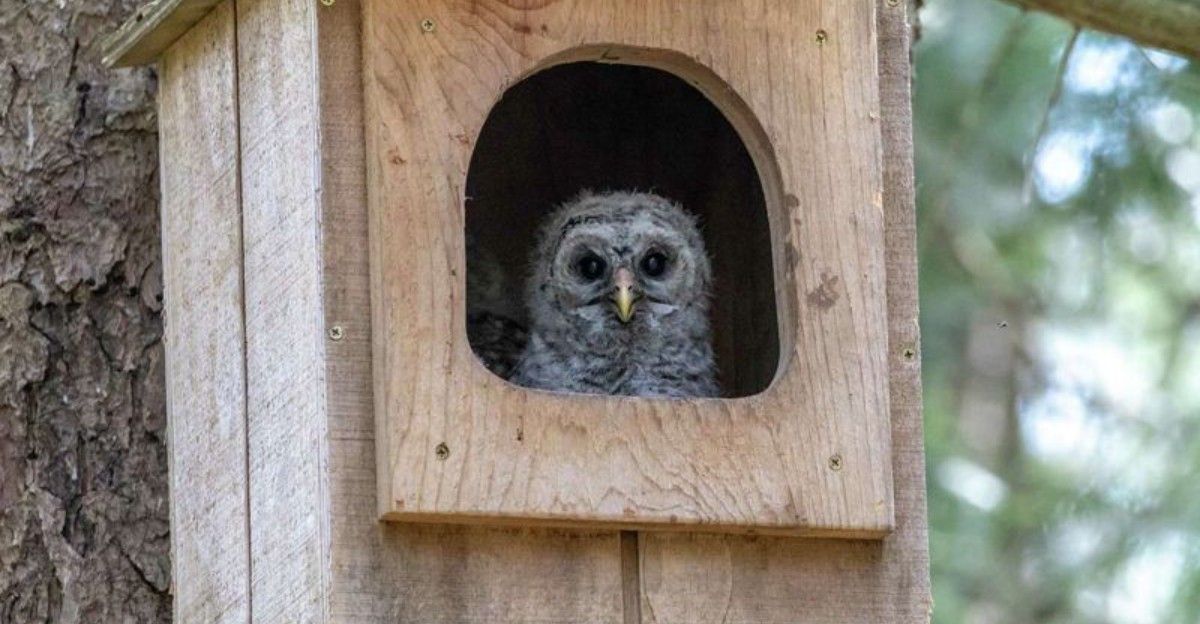
Some of the loudest courtship in Georgia happens in the middle of winter, and it sounds like monkeys arguing in the treetops.
I heard it for the first time on a frosty January night. Cackles, hoots, and wild gurgles bounced through the pines, and I stood on my back porch with cold coffee and a huge grin.
Those noisy neighbors pick their homes surprisingly early. Many lay eggs between January and March, so the real house hunting starts while most of us are raking leaves.
I love that the best time to help them is right now, when the garden feels quiet and a little bare.
You don’t need acres of forest or fancy gear. You need one weekend, some sturdy lumber, and a tall tree with a clear view.
Could a single afternoon of work really put a big brown-eyed hunter outside your window by the time the dogwoods bloom?
1. Those Winter Owl Hoots Mean House Hunting Has Already Begun
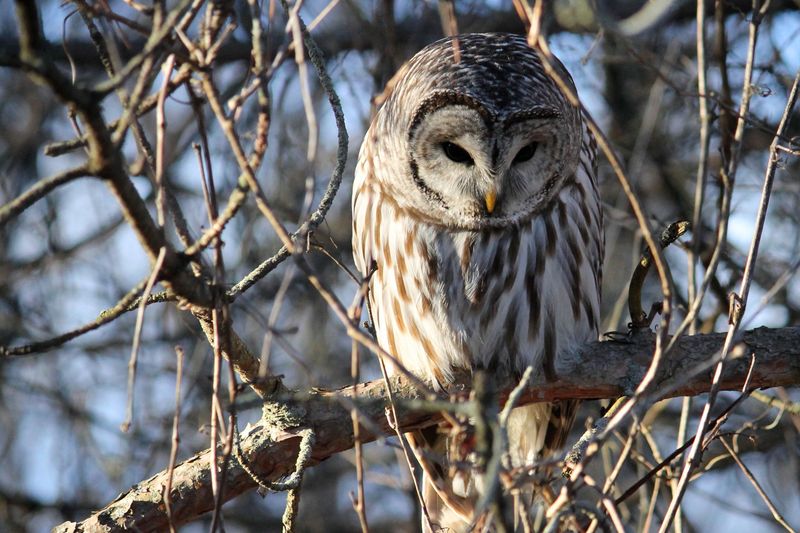
Owls in Georgia keep a strange calendar. While songbirds wait for warm April mornings, barred owls start pairing up and claiming nest sites in the chilly months.
According to wildlife experts, egg laying usually runs from January through March in the Southeast. That means a pair has often picked its home before Christmas lights come down.
If you hear the famous “Who cooks for you, who cooks for you-all?” call growing louder in late fall, you’re likely listening to owls marking territory and courting.
Barred owls are true homebodies. Pairs often stay together for years and defend the same patch of woods all year long.
They don’t migrate, so the owls you hear in November could be the same ones nesting near you next spring.
Natural nest spots are the catch. These owls need big, hollow cavities in old trees, and mature hollow trees get scarce in many neighborhoods after storms, clearing, and development.
When a good cavity is missing, a pair may move on to another territory. A well-placed nest box can fill that gap, and November gives the birds plenty of time to find it before breeding begins.
2. A Wooden Barred Owl Nest Box Is Your November Weekend Project
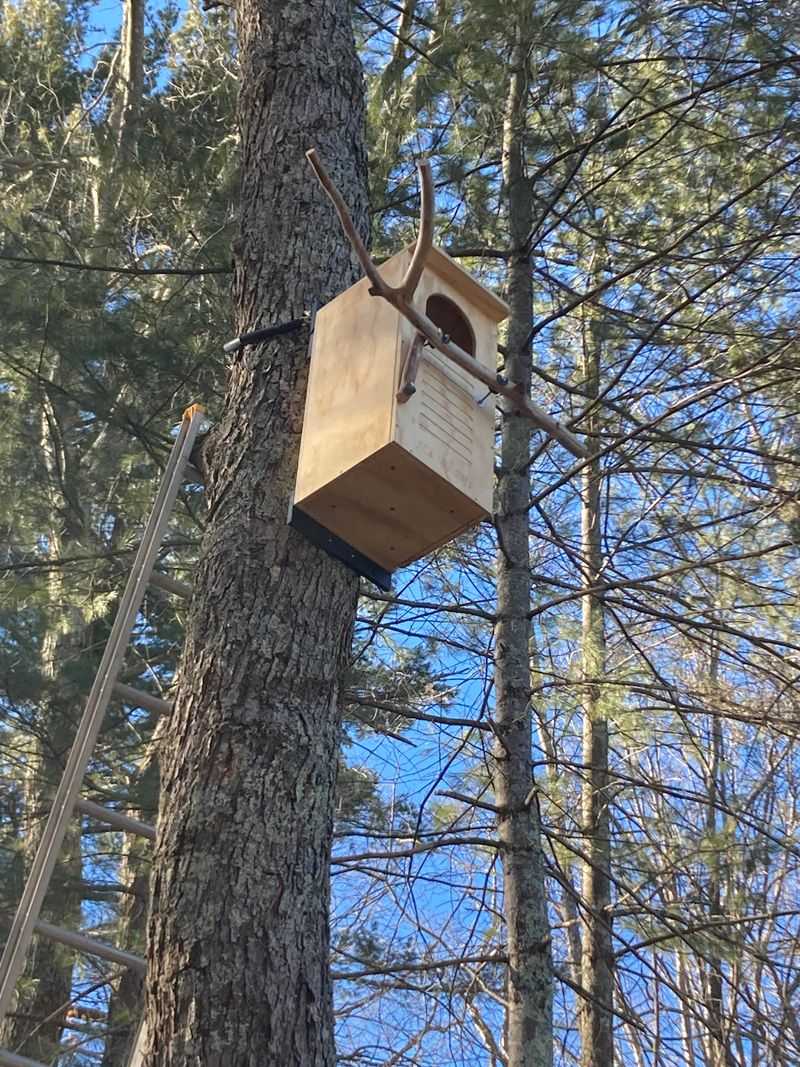
Grab your saw, because this is the project that does the heavy lifting. A large wooden nest box gives barred owls a ready-made hollow when real tree cavities are hard to find.
Common plans call for an interior floor around 12 by 12 inches and a box roughly 22 to 24 inches tall. The entrance should be big, around 7 by 7 inches or a round hole of similar size.
Place it about 12 to 18 inches above the floor so young owls stay safely tucked inside.
Use 3/4-inch untreated cedar, pine, or exterior plywood. Rough-cut wood works best, especially on the inside, because owlets use that texture to climb toward the entrance before they fledge.
Skip paint and wood stain inside the box.
Drill a few small drainage holes in the floor and some vent holes near the top. A hinged side or roof makes yearly cleaning far easier.
Finally, add three to six inches of wood chips or shavings to the bottom. Owls don’t bring nesting material, so this soft layer cradles the eggs.
Avoid fine sawdust, which can clump when wet and irritate tiny lungs.
3. Height And Placement Make Or Break Your Owl Box
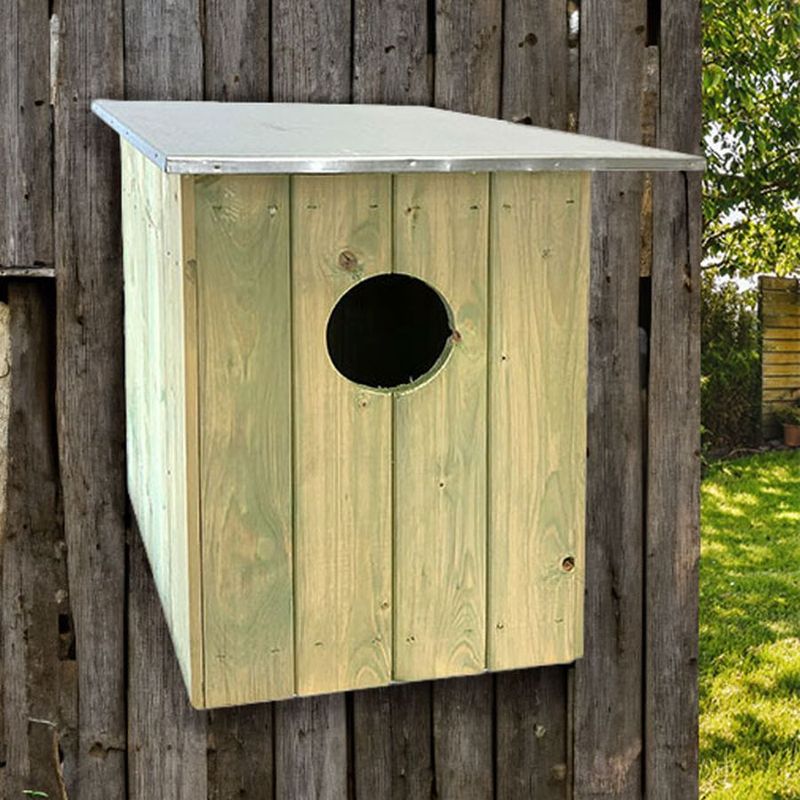
I learned the hard way that a gorgeous box in the wrong spot just collects spiders. Placement matters as much as carpentry.
Mount the box about 15 to 30 feet up on a sturdy, living tree. Big hardwoods like oaks, hickories, and sweetgums work well, and tall pines are fine too.
Aim for a spot at the edge of woods, ideally near a creek, pond, or wet low area where barred owls love to hunt.
Keep the entrance clear of dangling branches. Owls need an open flight path to swoop in and out without crashing through twigs.
Predators are the next concern. Raccoons and rat snakes happily raid owl nests, so wrap a metal sheet or cone-style baffle around the trunk below the box.
A two to three foot band of smooth metal stops most climbers.
Safety counts for you, too. Working on a tall ladder alone is risky, so recruit a helper or consider hiring a tree service with proper gear.
Face the entrance away from prevailing winter winds if you can. In most of Georgia, that means avoiding a direct northwest exposure.
4. Tall Oaks And Shady Creeks Make Owls Feel At Home
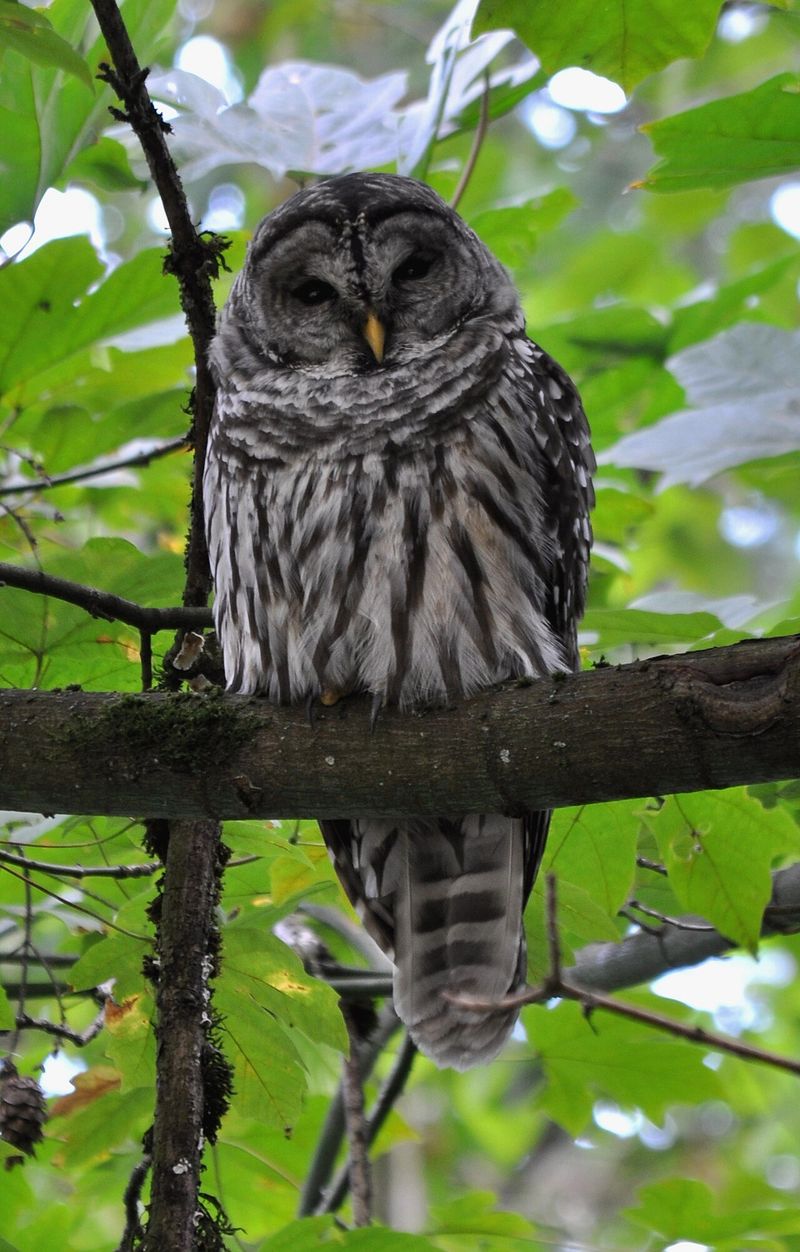
Barred owls are picky about neighborhoods, and honestly, I respect that. They favor mature forests with closed canopies, especially bottomland woods and swampy areas near water.
Across Georgia, you’ll find them from the north Georgia mountains to the Okefenokee Swamp. Suburban yards can attract them, too, as long as there’s enough big-tree cover nearby.
Look around your property honestly. Do you have tall oaks, hickories, beeches, magnolias, or pines?
Is there a greenbelt, park, or stream within a short flight? If the answer is yes, your odds are much better.
Protect your oldest trees whenever possible. Large trees give owls daytime roosts where they can rest hidden against the bark, and they may one day form natural cavities.
If your lot is mostly lawn, start the long game. Plant native trees like white oak, southern red oak, or tulip poplar this fall, since Georgia’s cool season is a great time for tree planting.
Roots settle in during winter and leap into growth in spring.
Even if owls don’t move in this year, you’re building the kind of woodland edge they’ll notice in seasons ahead.
5. A Yard Full Of Mice And Crawdads Is An Owl Buffet
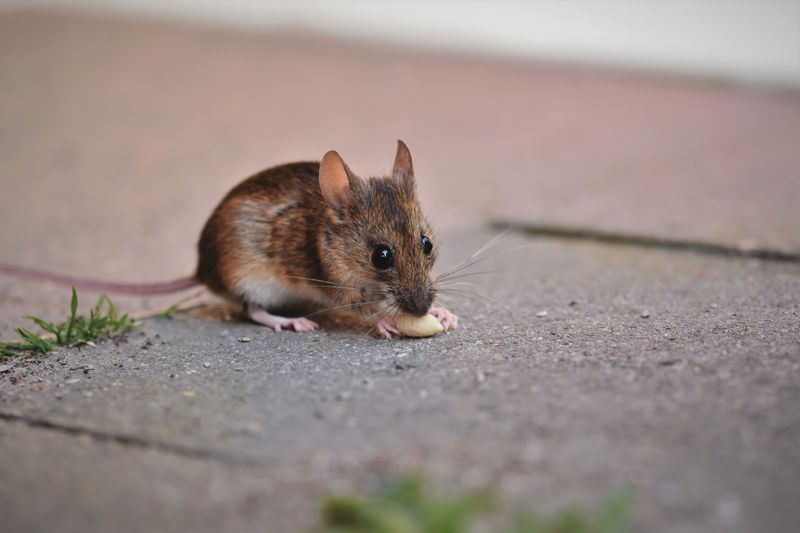
Owls go where the groceries are. Barred owls eat a wide menu, including mice, voles, squirrels, frogs, crayfish, small birds, and big insects.
That variety is great for gardeners. A yard with healthy layers of life feeds the whole chain, right up to the owl watching from a branch.
Leave some leaf litter under shrubs and trees this fall. Fallen leaves shelter beetles, salamanders, and the small mammals that owls hunt.
A brush pile in a back corner adds even more hiding spots.
Native plants matter here, too. Shrubs like American beautyberry, yaupon holly, and wax myrtle feed birds and insects, which in turn feed larger animals.
Skip invasive choices like privet and nandina, which crowd out native plants in Georgia woods.
Water is a bonus. A small pond, rain garden, or shallow birdbath draws frogs, insects, and thirsty critters.
Barred owls are known for wading into shallow water to catch crayfish and fish, which is a surprisingly fun sight.
Fun fact: these owls sometimes hunt during cloudy days, too. Keep your eyes open around dusk and on gray afternoons.
6. Rat Poison Puts Your Backyard Owls At Serious Risk
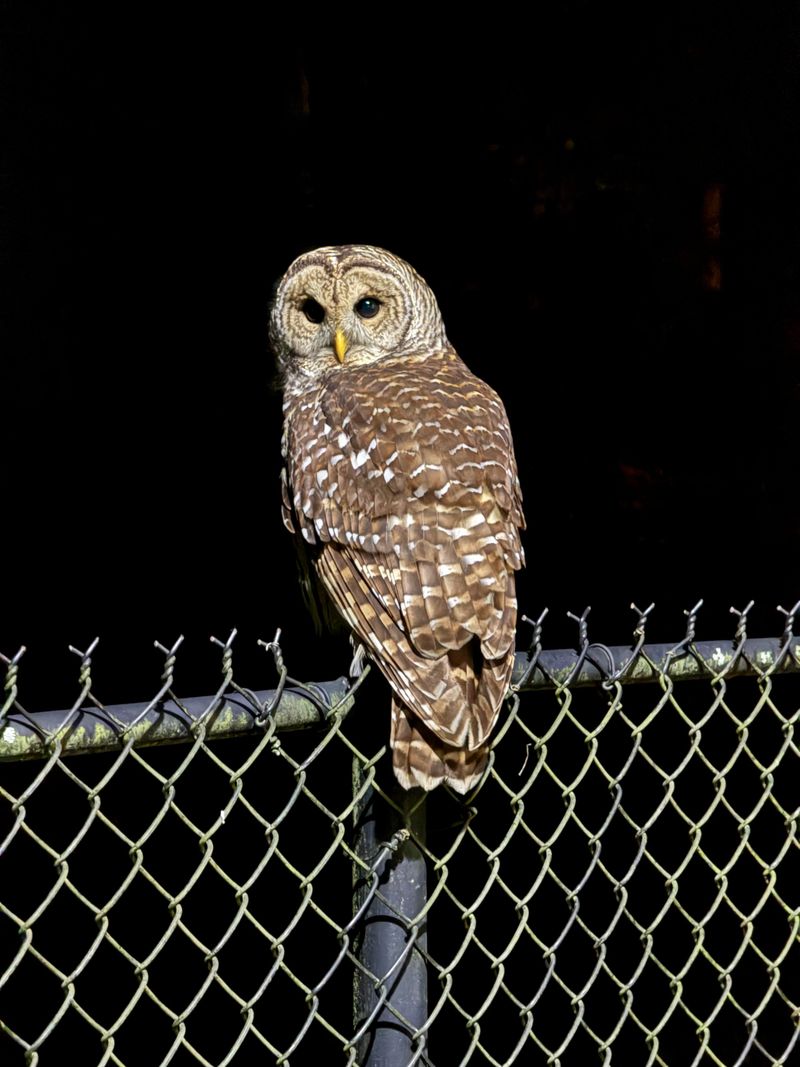
Here’s a hard truth I wish more folks knew. Rat poison can travel up the food chain and harm the very owls you’re trying to attract.
Many rodenticides, especially second-generation anticoagulants, linger inside a poisoned mouse or rat. When an owl eats that weakened rodent, the toxin builds up in the bird’s body.
Wildlife rehab centers across the country regularly treat raptors suffering from this secondary poisoning.
Choose safer options instead. Seal gaps around foundations, sheds, and garages with hardware cloth or steel wool.
Store birdseed, pet food, and trash in tight metal containers.
Snap traps placed inside enclosed boxes or indoor spaces handle rodents without risking wildlife. Keeping woodpiles off the ground and away from the house also discourages unwanted guests.
Ask your pest control company directly what products they use outdoors. Many will switch to exclusion and trapping if you request it.
Once owls settle nearby, they become part of your rodent plan. A single barred owl family can catch a lot of small mammals over a season, and they work the night shift for free.
7. Dimmer Porch Lights Help Night-Hunting Owls Thrive
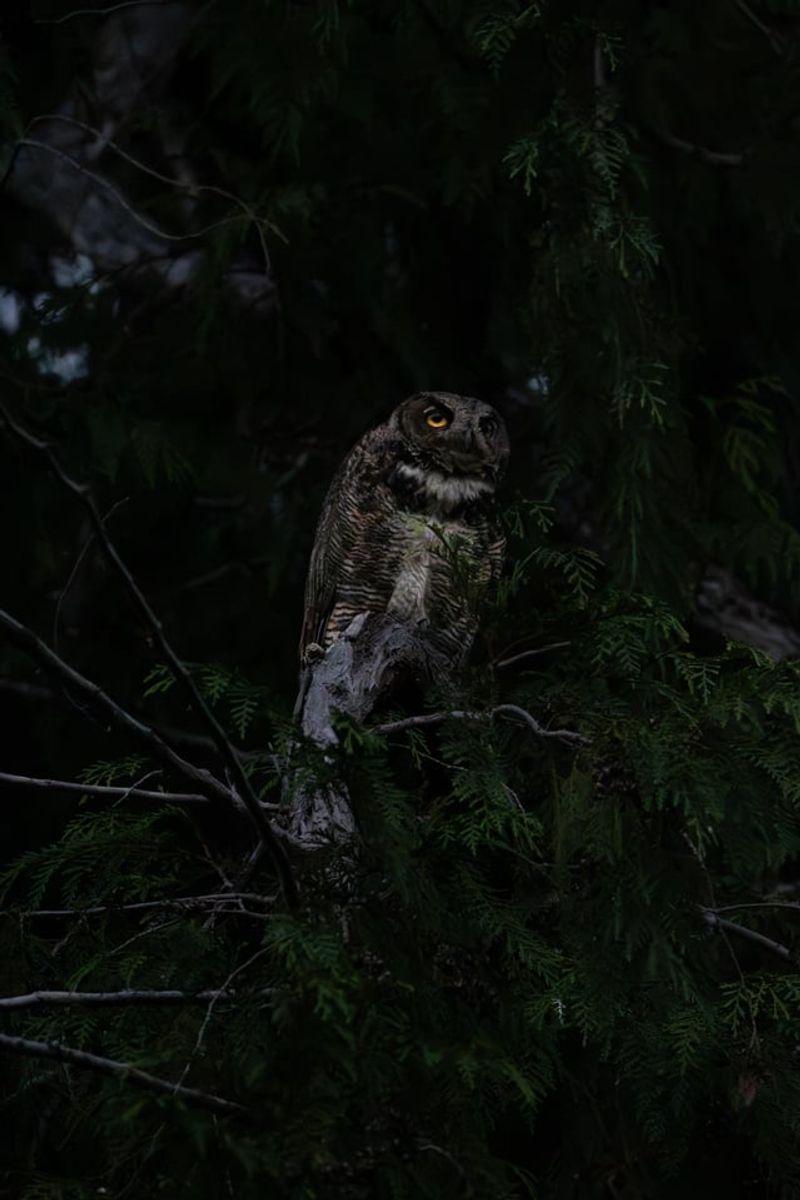
Owls see the world through darkness. Barred owls hunt mostly at night, using sharp hearing and big eyes to pinpoint prey rustling under leaves.
Bright floodlights shining into wooded edges can make that work harder. Strong lighting may also make owls less likely to linger near your nest box.
Simple fixes help a lot. Point outdoor lights downward, use shielded fixtures, and pick warm-colored bulbs.
Motion sensors are a smart trade, giving you light when you need it and darkness the rest of the time.
Keep pets in mind as well. Outdoor cats compete with owls for small prey and can disturb nests, so keeping cats indoors benefits all your backyard wildlife.
Quiet helps, too. Try not to run loud equipment or set off fireworks near the nest tree during late winter and early spring, when eggs and owlets are most sensitive.
I love sitting on my porch with the lights off on a mild evening. Within minutes, my eyes adjust, the woods come alive with sound, and every so often, a soft hoot drifts in from the dark.
8. Fluffy Owlets By Spring Deserve Respect From A Distance
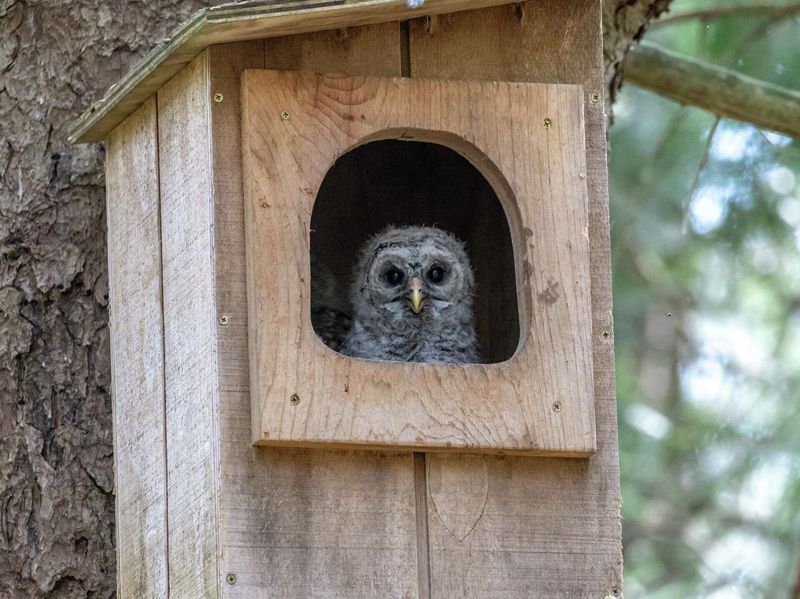
Patience pays off in the sweetest way. If owls claim your box, you may spot fuzzy white owlets peeking from the entrance by late March or April.
Young barred owls often leave the nest before they can fly well. They hop and climb along branches, a stage called branching, while parents keep watch and bring food.
Seeing one on a low limb is usually normal, so resist the urge to rescue it.
Georgia law and the federal Migratory Bird Treaty Act protect owls, their nests, and their eggs. Never handle the birds, collect feathers, or open the box during nesting season.
If an owlet seems injured, call a licensed wildlife rehabilitator or the Georgia Department of Natural Resources.
Bring binoculars or a camera with a zoom lens instead. Watching from a respectful distance gives you the show without stressing the family.
Plan to clean the box in late summer or fall, once the youngsters are gone. Replace the wood chips, check for damage, and get it ready for another season.
No owls this year? Leave the box up.
Many pairs find a new home after a season or two.