The Heated Birdbath Trick That Brings More Birds to Ohio Yards Than a Feeder
Eastern bluebirds can stay in Ohio all winter, and plenty of them skip seed feeders entirely. So why do they suddenly show up in some yards on the coldest January mornings?
I spent years thinking my feeder was the star of the show. Then I noticed robins and a flock of cedar waxwings landing a few feet away from it. They ignored the sunflower seeds and lined up for something else.
You need to know one thing about winter birds. Food is often easier to find than you expect, because berries, seeds, and insect eggs hide all over the landscape. Something else gets scarce fast once the temperature drops.
Honestly, I can’t imagine going back to a quiet winter yard. The change felt almost unfair, like I had found a shortcut nobody told me about.
Want to know what pulled those picky visitors in?
1. Frozen Puddles Turn Open Water Into the Best Thing in Your Yard
Walk outside on a January morning in Ohio and look around. Puddles are solid, gutters are icy, and the little creek down the road may be frozen at the edges.
For birds, that ice is a real problem. Food sources like berries, seeds, and tucked-away insect eggs can still be found in winter, but liquid water often disappears overnight.
A bowl of open water suddenly becomes one of the rarest resources around.
Birds can eat snow, and they do. The catch is energy.
Melting snow inside a tiny body uses up warmth that a bird needs to make it through a long, cold night.
I like to think of a heated birdbath as a gas station on an empty highway. It offers something everyone needs, in a place where very little else is available.
Word spreads quickly, too, because birds watch each other and follow the crowd.
That is the heart of the trick. A feeder competes with natural food all over the neighborhood.
Unfrozen water, on the other hand, has very little competition in deep winter.
So when your yard has the only open water for blocks, you become the go-to stop. Many backyard birders notice new visitors within days of setting one up.
2. Robins and Bluebirds Skip Your Feeder but Love a Warm Birdbath
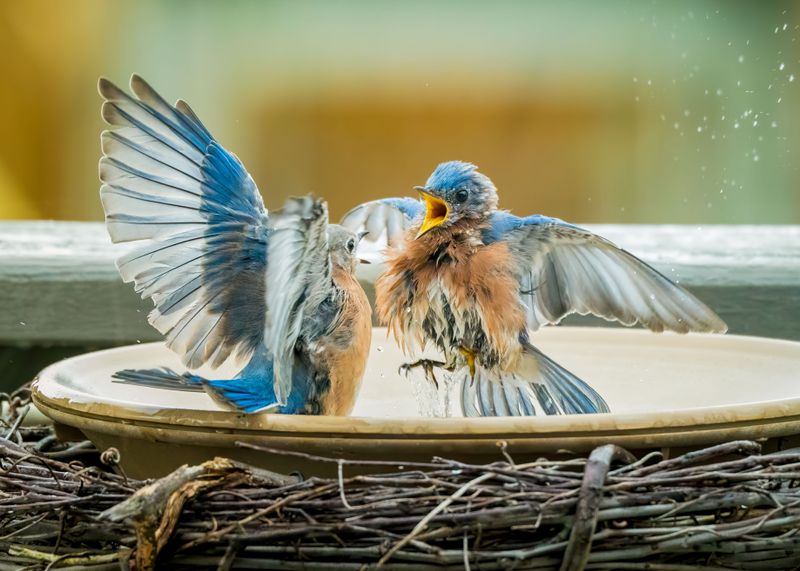
Here comes the surprise that made me rethink my whole setup. Many birds that spend winter in Ohio rarely touch birdseed.
American robins mostly eat fruit in the cold months, like crabapples, sumac, and holly berries. Eastern bluebirds lean on berries too.
Cedar waxwings travel in fruit-hungry flocks, and you will almost never catch one pecking at a sunflower seed.
So a seed feeder, no matter how fancy, simply is not on their menu. Water is a different story.
Every bird drinks, and berry eaters often seem especially eager to find a sip.
The Cornell Lab of Ornithology notes that water can attract birds that would not visit feeders. That is why a heated bath can bring in more kinds of birds, not just more of the same chickadees.
Picture the variety this adds to your winter list. Alongside cardinals and juncos, you might spot robins, bluebirds, waxwings, mockingbirds, and even a yellow-rumped warbler on mild days.
Keep your feeder going if you love it. The bath does not replace it.
Together, though, they cover both the seed fans and the fruit lovers, and your yard becomes far more interesting to watch.
3. Fluffed Feathers Need a Quick Bath to Stay Warm
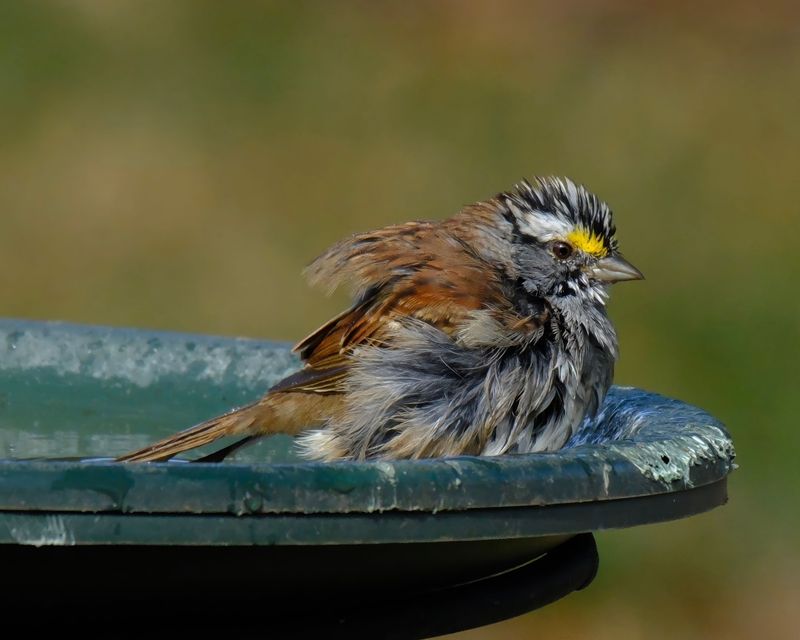
Watching a cardinal splash in water when it is 20 degrees outside looks a little wild. It turns out that bird knows exactly what it is doing.
Feathers are a bird’s winter coat. When they stay clean and lined up properly, they trap air close to the body, and that air holds heat.
Dirt, oil, and messy feathers make that coat work less well.
A short bath followed by preening helps birds keep their feathers in shape. After splashing, they fluff up, shake off, and carefully zip each feather back into place with their beaks.
It is basically a maintenance session for their insulation.
Drinking matters just as much. Birds lose moisture as they breathe, even in winter.
Staying hydrated helps their bodies handle cold weather and digest the food they find.
Do not panic if you see a bird bathing on a freezing day. Healthy birds choose when to bathe, and they rarely do it right before dark or in brutal wind.
Some people worry and cover the bath with a grate on extreme nights. That choice is fine, but most experts agree birds handle winter bathing well on their own.
Just enjoy the show.
4. Picking the Right Heated Birdbath Makes Winter Easy
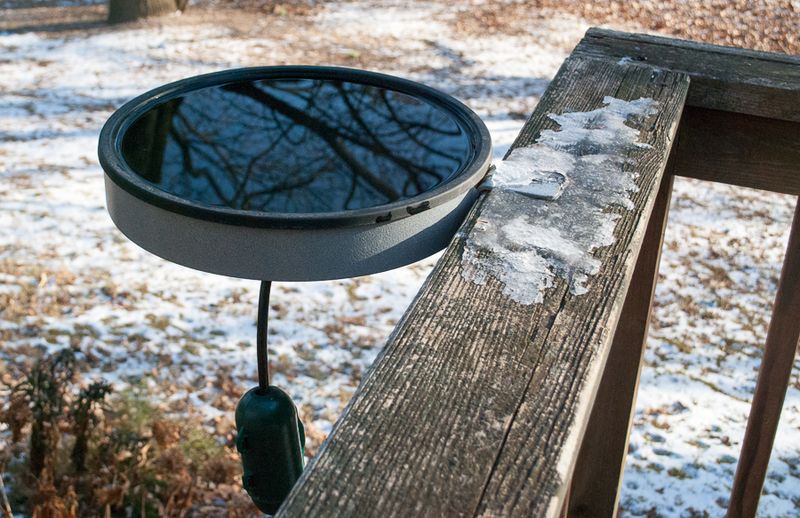
Shopping for a heated birdbath can feel confusing at first. Luckily, the choices really come down to a few simple styles.
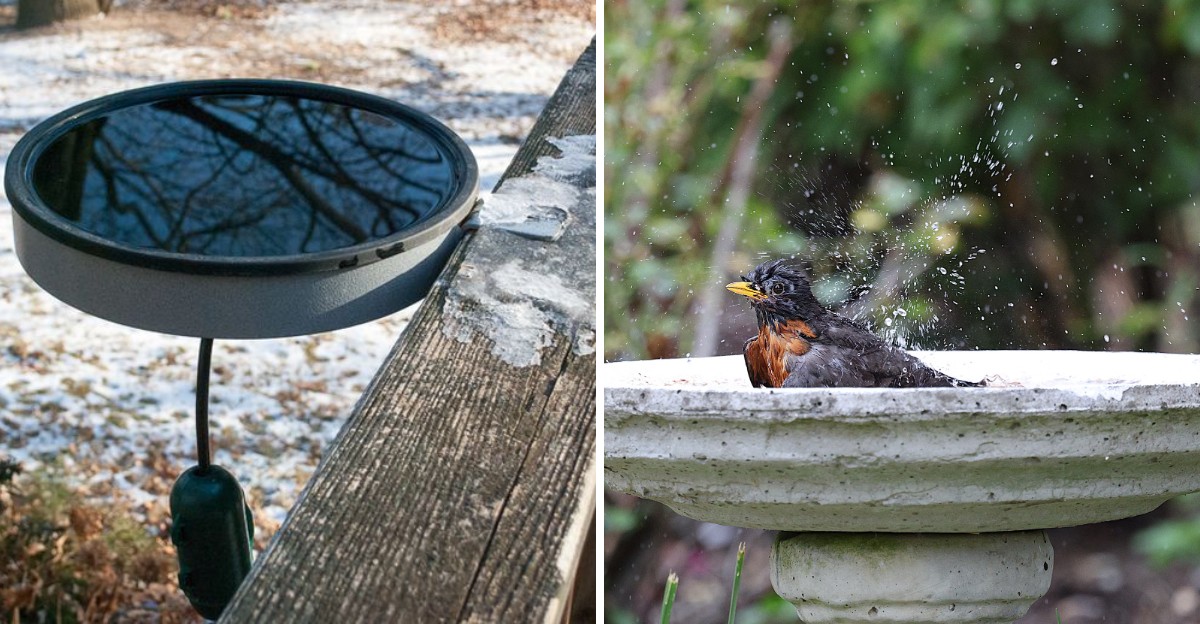
An all-in-one heated bath has the heating element built right into the bowl. You can find deck-mounted versions that clamp to a railing, plus pedestal models that sit on the ground.
These are the simplest option for most beginners.
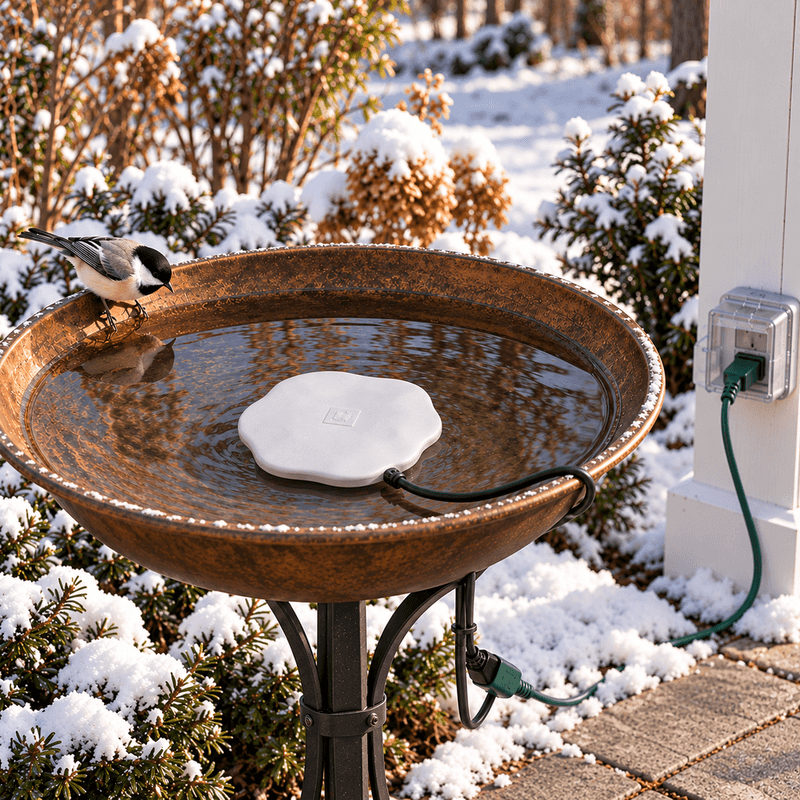
A de-icer is a small heater you drop into a birdbath you already own. It works well, but check that your bowl is made of a material the maker approves, since some ceramic or concrete baths crack in freezing weather.
Look for a thermostat. Good models only switch on when the water nears freezing, which saves electricity and keeps the water from getting warm.
Birds need open water, not a hot tub.
Depth matters a lot. A basin about one to two inches deep, with a gently sloped edge, suits most songbirds best.
Solar models exist, but Ohio’s gray winter days can make them unreliable. Personally, I trust a plug-in version with a thermostat.
It is the setup that kept my water open through cloudy weeks in January and February.
5. Plugging In Your Heated Bowl Safely Takes Just a Few Steps
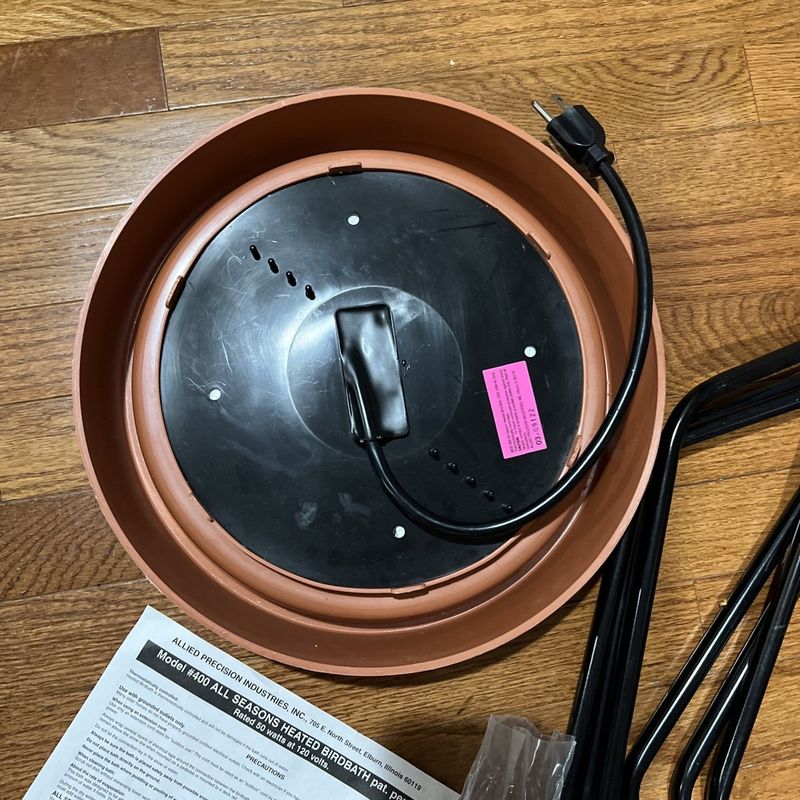
Electricity and water can work together just fine outdoors. You simply need to follow a few smart rules.
Start with a GFCI outlet, the kind with test and reset buttons. It cuts power quickly if something goes wrong.
Many outdoor outlets already have this protection, but it is worth pressing the test button to be sure.
If the cord does not reach, use an extension cord rated for outdoor use. Keep the connection off the ground and out of puddles, or tuck it inside a weatherproof cord cover.
A cheap indoor cord is not worth the risk.
Route the cord where people will not trip and where squirrels are less likely to chew it. Running it along a fence line or under mulch near the house often works well.
Fill the bath before plugging it in, and keep it filled. Many heaters are made to shut off if the water runs low, but checking every day or two is a good habit, since heated water evaporates faster.
Finally, read the manual that comes with your model. Each brand has its own guidance, and following it keeps your birds, your pets, and your family safer all winter.
6. Setting the Birdbath Near Shrubs Helps Nervous Birds Relax
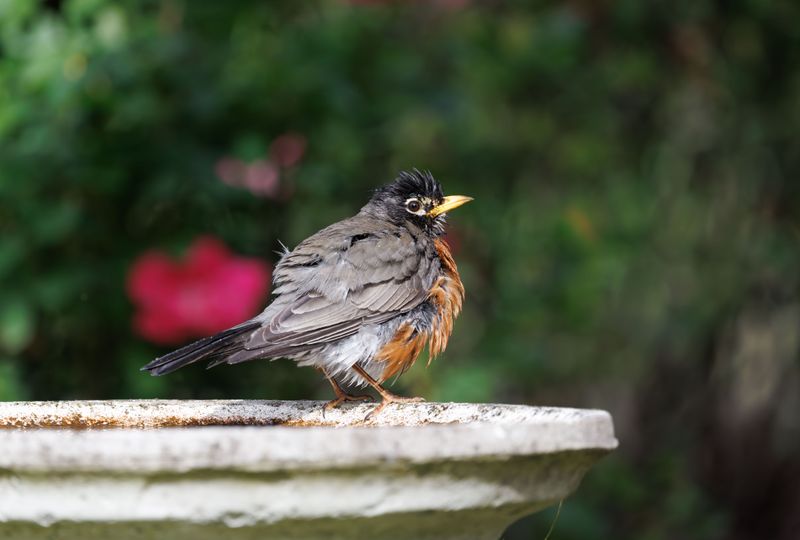
Birds are cautious little creatures. A wet bird is slower to fly, so it picks its bath spot carefully.
The sweet spot is a bath with shelter nearby but not right on top of it. Many experts suggest placing it about 10 to 15 feet from shrubs or small trees.
Birds can dart to cover if a hawk swoops in, yet a cat cannot easily hide close enough to pounce.
Evergreens make wonderful neighbors in Ohio winters. Native options like eastern red cedar or American holly offer shelter from the wind, and holly berries add a snack for robins.
Think about your own viewing, too. I put mine where I can see it from the kitchen window, and my morning coffee has never been more entertaining.
A few flat stones in the basin give tiny birds safe footing. They also help them gauge the depth before stepping in.
If window strikes are a concern, keep the bath either very close to a window, within about three feet, or farther than 30 feet away. Those distances help reduce collisions with glass, according to bird groups like the American Bird Conservancy.
7. Skip the Antifreeze and Scrub That Birdbath Basin Often
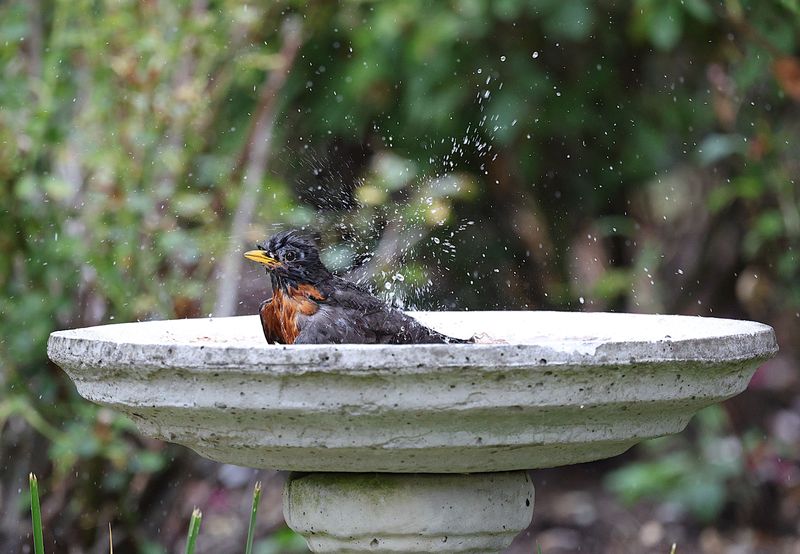
A cozy-looking bath can turn into a germ party quickly. Lots of visiting birds means lots of droppings, feathers, and leftover seed hulls.
Plan to scrub the basin about once a week, and more often if it gets busy. A stiff brush and plain water handle most messes.
For a deeper clean, many experts recommend a mild mix of nine parts water to one part bleach, followed by a very thorough rinse.
Unplug the heater before cleaning. Let the basin dry a bit after rinsing, then refill it with fresh water.
One rule matters more than the rest. Do not add antifreeze, salt, glycerin, or any chemical to keep water from freezing.
These products can poison birds or damage their feathers, which defeats the whole purpose.
Fresh, plain water is the only thing your bath needs. The heater does the rest of the job safely.
Watch for signs of sick birds, like puffy, sluggish visitors with crusty eyes. If you see that, empty and disinfect the bath, then pause it for a week or so.
Sharing water can spread illness, and a short break helps the flock stay healthier.
8. Pair Your Heated Birdbath With Berry Bushes for a Winter Bird Haven
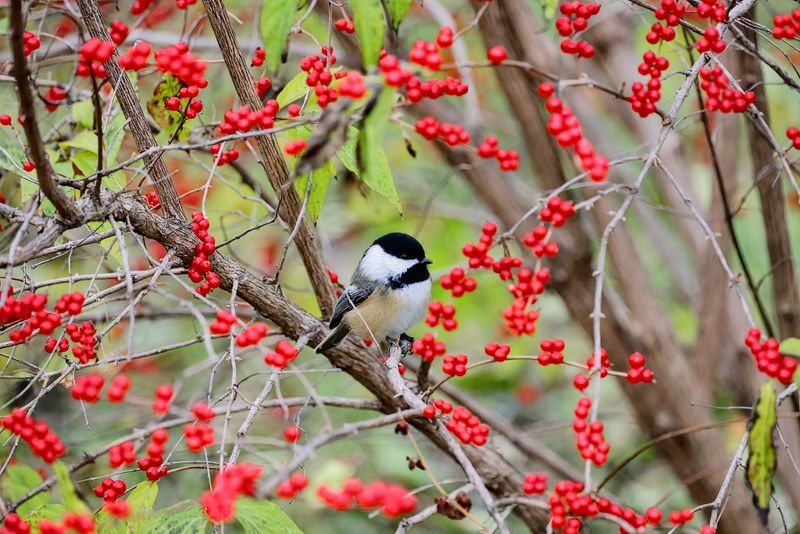
Once the birds find your water, you can make your yard even more welcoming. A few simple additions turn a quick stop into a favorite hangout.
Native berry plants are a natural match. Winterberry holly holds bright red fruit into winter, and robins and bluebirds love it.
Serviceberry, gray dogwood, and native viburnums feed birds in other seasons too. Avoid invasive plants like Callery pear and bush honeysuckle, which crowd out Ohio’s native habitat.
Leave some seed heads standing in your garden. Coneflowers, black-eyed Susans, and native grasses give goldfinches and sparrows something to pick at until spring.
Shelter counts as much as food. A loose brush pile or a cluster of evergreens offers a place to hide from wind and hawks.
Keep your feeder going for the seed eaters. Water, natural food, and cover together create a full winter setup, and each one brings in different visitors.
My best advice is simple. Plug in a heated bath this winter, keep it clean, and give it a week.
You may find your favorite birdwatching moment happens at the water, not the feeder. Then plant a few berry bushes come spring.