Spiky Egg Sacs Found Under Georgia Patio Furniture Could Be From Brown Widows
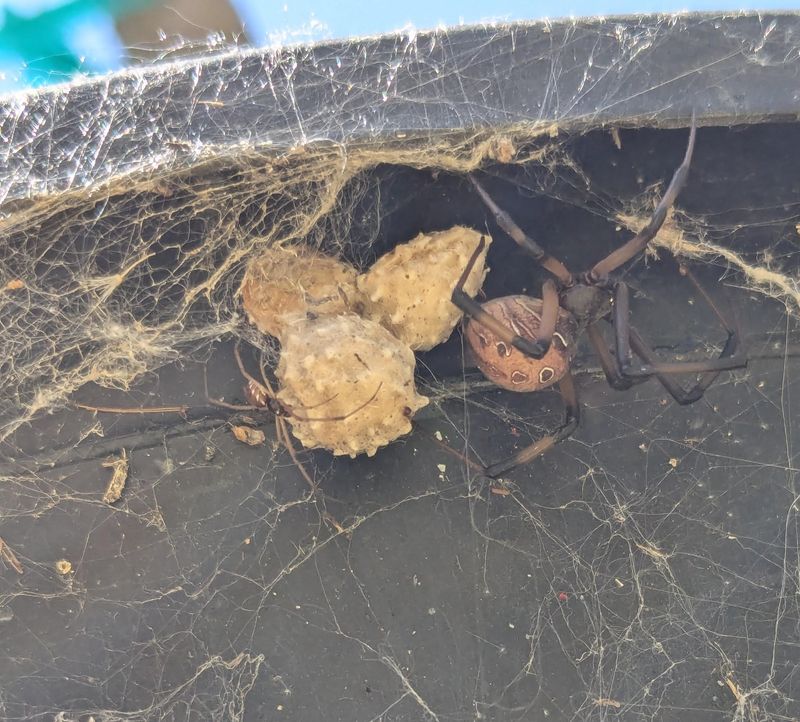
Some spiders wrap their eggs in silk balls covered with tiny spikes, like a cartoon sea mine the size of a pea.
I found my first one stuck under a patio chair arm, and I honestly thought it was a burr from the yard. Then I spotted two more beside it, plus a messy tangle of webbing.
These little spiky balls have been popping up across Georgia for years now. They tend to hide in calm, shady spots that people rarely touch, like the underside of a bench, the rim of a planter, or the inside of a grill cover.
You deserve to know what you’re looking at before you grab that cushion bare-handed. The creature behind them is shy, a bit secretive, and surprisingly common in suburban backyards.
So who exactly has been setting up a nursery right under your favorite outdoor seat?
1. Those Spiky Little Balls Under Your Patio Chair Have a Maker
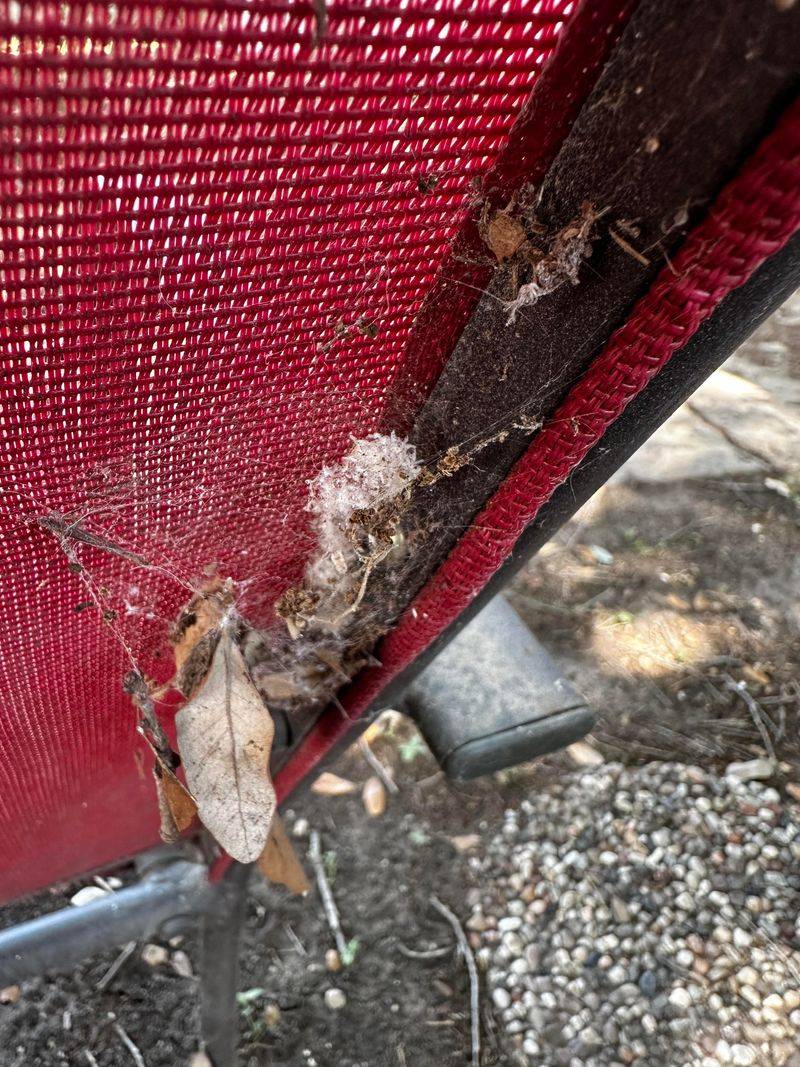
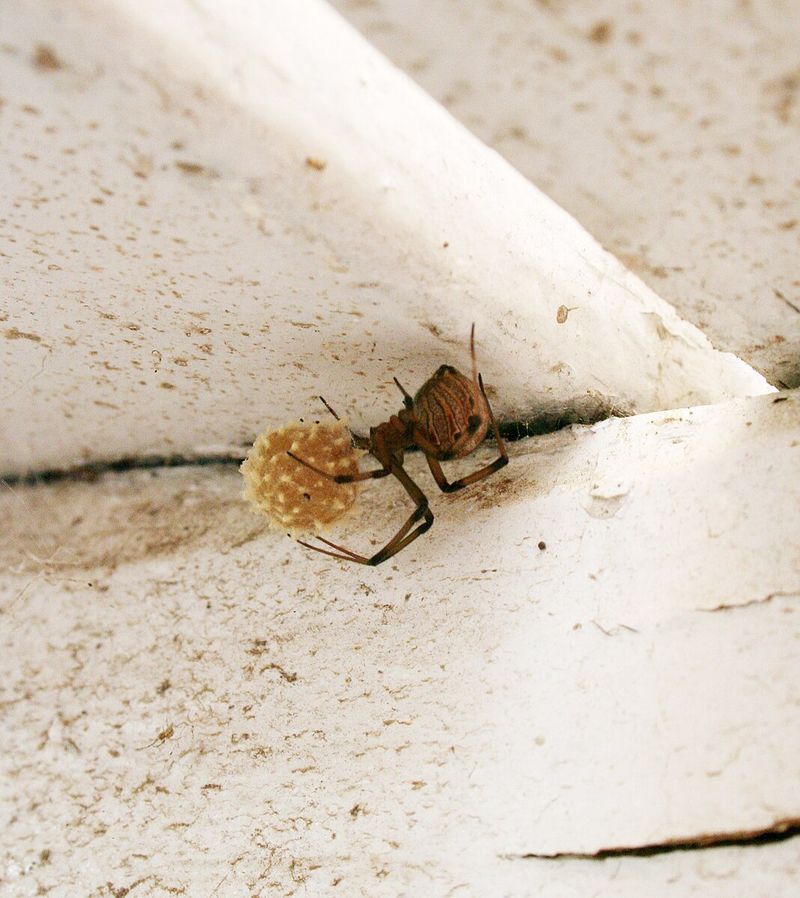
Flip over a dusty patio chair in a Georgia backyard, and you might spot a few tan balls covered in little points. They look almost handmade, like someone glued tiny cones onto a cotton ball.
Those spiky silk balls are the calling card of the brown widow spider.
University of California, Riverside researchers note that the sacs are about the size of a pea or small marble, and the pointy surface sets them apart from most other spider egg sacs in the country.
Most spiders, including the native southern black widow, make smooth, round, or pear-shaped sacs. So when you see spikes, you have a strong clue right away.
Color can range from creamy white to pale yellow or light tan. Fresh sacs look brighter, while older ones fade and may show tiny holes where spiderlings already left.
You’ll usually find them in clusters near a loose, tangled web. Look under chair seats, table rims, planter lips, and stacked cushions.
I like to use a flashlight and a long stick for my first look. That way, I can study the sacs without putting my fingers near the web or anyone hiding inside it.
2. Meet the Tan Spider With an Orange Hourglass
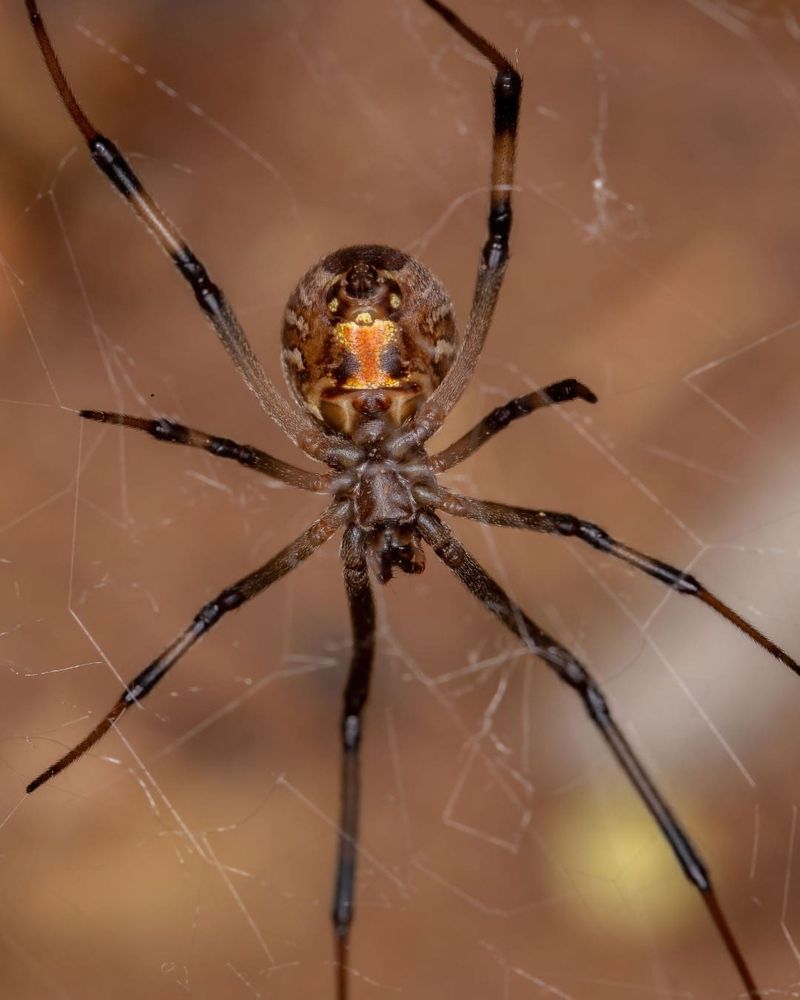
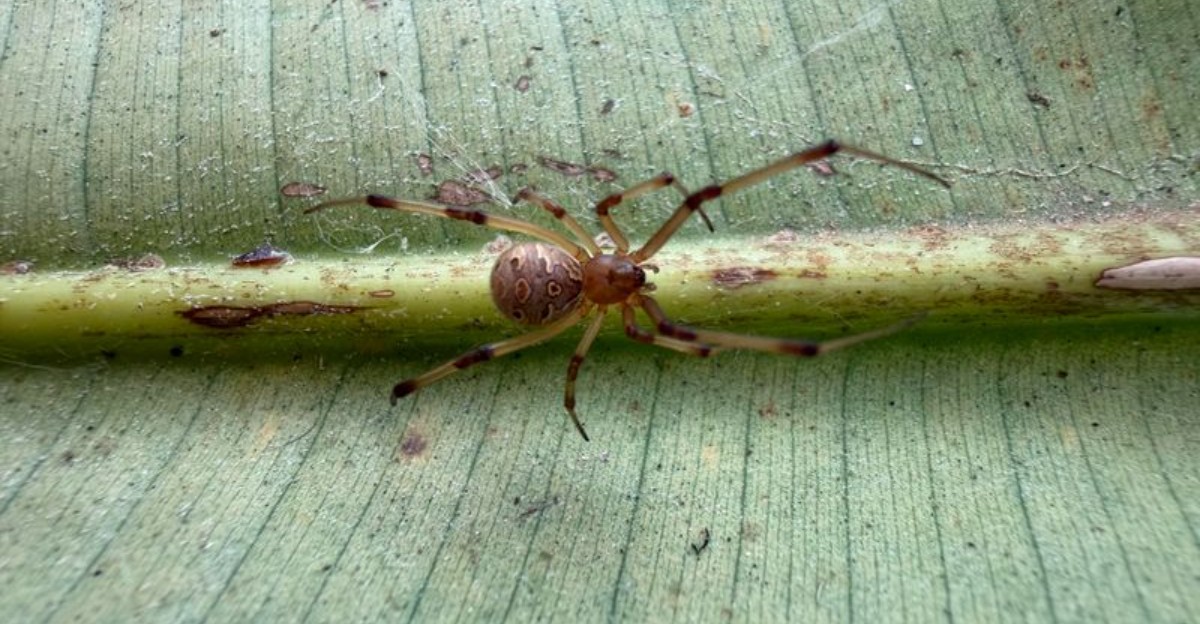
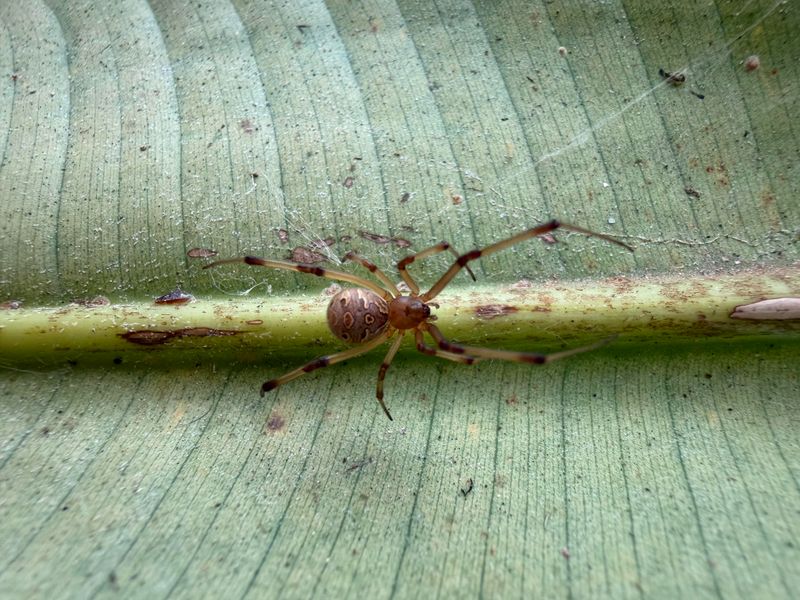
Brown widows don’t wear the glossy black outfit their cousins are famous for. Instead, they sport mottled shades of tan, brown, or gray, with black and white markings along the top of the abdomen.
Flip the view to the belly, and you’ll see the best clue of all.
A bright orange or yellow-orange hourglass sits underneath, often looking a little wider or fuzzier than a black widow’s red one.
Females with legs stretched out measure roughly 1 to 1.5 inches across. Males are much smaller and rarely draw attention.
Look at the legs too. Brown widows have banded legs, with light and dark stripes that show up nicely under a flashlight.
The species, known to scientists as Latrodectus geometricus, likely came from Africa. It spread across the Southeast in recent decades and is now well established in many parts of Georgia, especially in southern counties and busy suburbs.
Personally, I find that a quick photo helps a lot. Snap a picture from a safe distance, then compare it with guides from UGA Extension or other university sources before you decide what you have.
3. Shy Brown Widows Would Rather Hide Than Bite
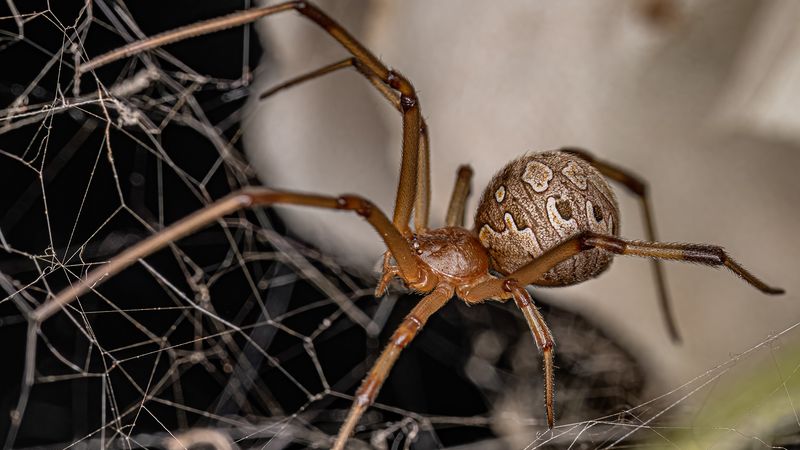
Plenty of folks panic when they hear the word widow. Brown widows, though, have a pretty timid personality compared to their reputation.
When disturbed, they usually retreat into a crack or drop and curl up, pretending to be lifeless.
Bites mostly happen when a spider gets pressed against skin, like when you slide a hand under a chair or slip on a glove where one is hiding.
Their venom is strong, but research from UC Riverside shows they inject much less of it than black widows. Most bites cause local pain, redness, and a bit of swelling around the spot.
Serious reactions are uncommon. Still, children, older adults, and people with health issues should be watched closely after any suspected bite.
Wash the area with soap and water, then apply a cool pack to ease discomfort. If pain spreads, muscles cramp, or you just feel unwell, call your doctor or the Georgia Poison Center at 1-800-222-1222.
A calm head goes a long way here. Respect the spider, use gloves when reaching into hidden spaces, and you’ll rarely have trouble with these quiet backyard tenants.
4. Grab Gloves and a Bag Before You Remove Those Egg Sacs
Getting rid of those spiky sacs is easier than most people expect.
A few basic tools and five minutes usually handle the job.
Start with thick gloves and long sleeves. Then use a stick, putty knife, or old paint scraper to pop the sacs and webbing loose.
A shop vacuum works well too. Just empty the canister or bag outside right away, sealing the contents in plastic before tossing them.
Here’s the step people often skip. Crush each sac fully, because intact ones can still hatch even after they hit the ground.
After crushing them, drop everything into a zip-top bag and seal it tight. Some gardeners freeze the bag for a couple of days before putting it in the outdoor trash for extra peace of mind.
Each sac may hold well over a hundred eggs, so removal really matters. One quick cleanup can prevent a whole new generation from spreading across your furniture.
Repeat checks every week or two during warm months. I keep a small scraper in my patio storage box, so I can handle new sacs the moment I spot them.
5. Quiet Corners of Patio Furniture Feel Like Home to Widows
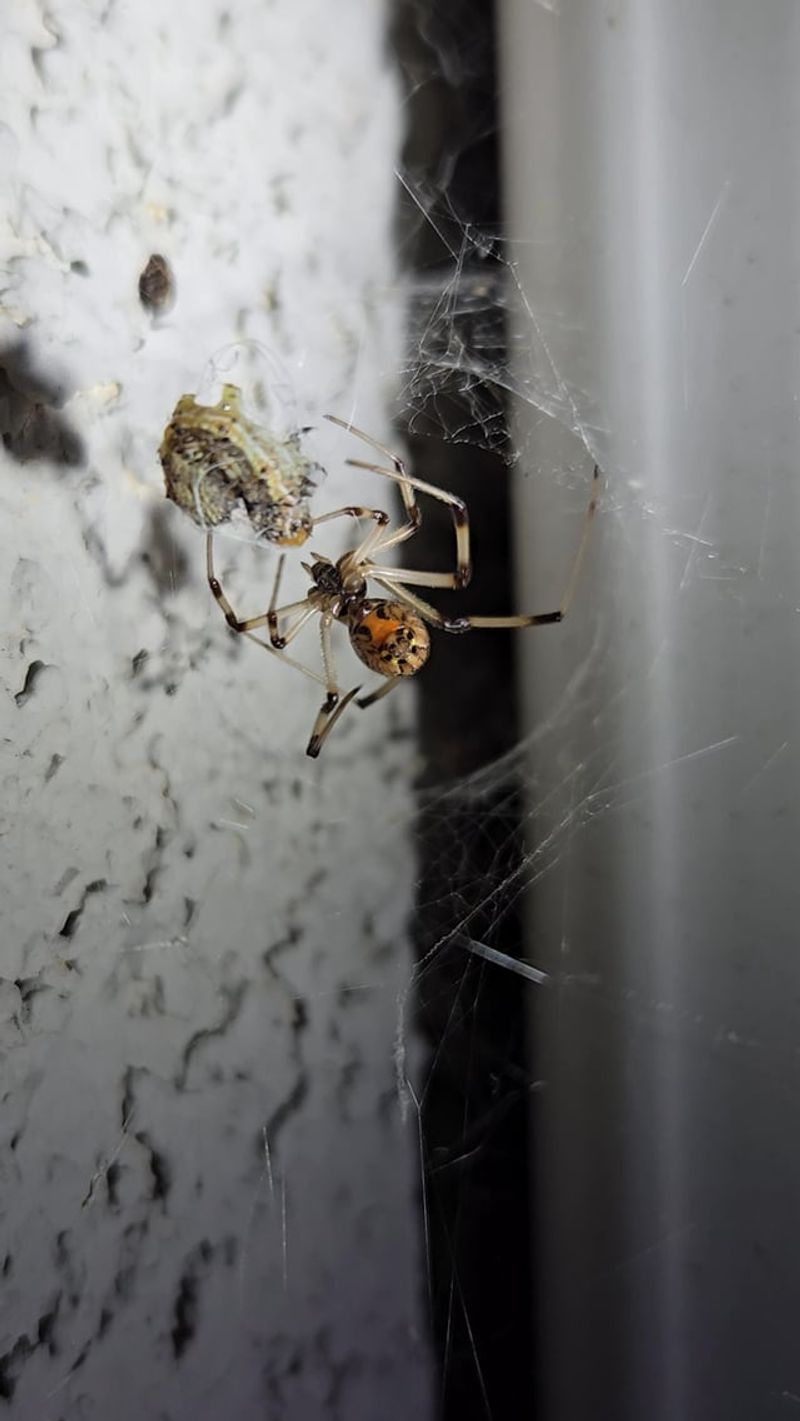
Sheltered, undisturbed nooks are the brown widow’s dream real estate. Your patio happens to be packed with them.
Chair arms, table edges, and the bottoms of stacked seats stay shaded and rarely move.
Plant pots, grill covers, mailboxes, and children’s outdoor toys offer the same cozy protection.
Georgia’s long, warm growing season helps too. In the southern half of the state, brown widows can stay active for much of the year, while in north Georgia cold snaps slow them down during winter.
Plenty of insects gather around porch lights and gardens. That steady food supply keeps spiders well fed and busy producing eggs.
A single female can make many egg sacs over her life, and researchers have counted around 100 to 150 eggs in a typical sac. Those numbers explain how a small group can turn into a crowd by late summer.
So when you find sacs, look for patterns. Are they all on furniture that sits unused, or near a light that draws bugs?
Noticing those spots helps you focus your cleanup. It also shows which corners need a regular nudge to stay less inviting.
6. Smooth Egg Sacs Might Belong to Someone Else
Not every silk ball under your bench signals a brown widow. Plenty of harmless spiders make egg sacs too, and telling them apart saves a lot of worry.
Southern black widows, which are native to Georgia, create smooth sacs that look papery and round or pear-shaped.
You’ll often find them in woodpiles, meter boxes, and dark crawl spaces.
Common house spiders build small brown sacs that hang like tiny teardrops in corners. Orb weavers often stick fluffy, flattened egg cases to fences, eaves, and plant stems in fall.
Some wolf spider mothers carry their round sacs around on their bodies. Spotting one of those in motion is a strange sight the first time.
The spikes are your best clue. If the ball looks smooth or fuzzy without points, it probably came from a different spider.
When in doubt, take a sharp photo and send it to your local UGA Extension office. Agents there can help identify spiders and egg sacs at no cost.
Honestly, I enjoy that part. Learning who lives in my garden makes it feel a lot less mysterious.
7. A Tidy Patio Makes Brown Widows Look Elsewhere
Clutter is basically a welcome mat for spiders. Cutting it back is the simplest way to keep brown widows from moving in.
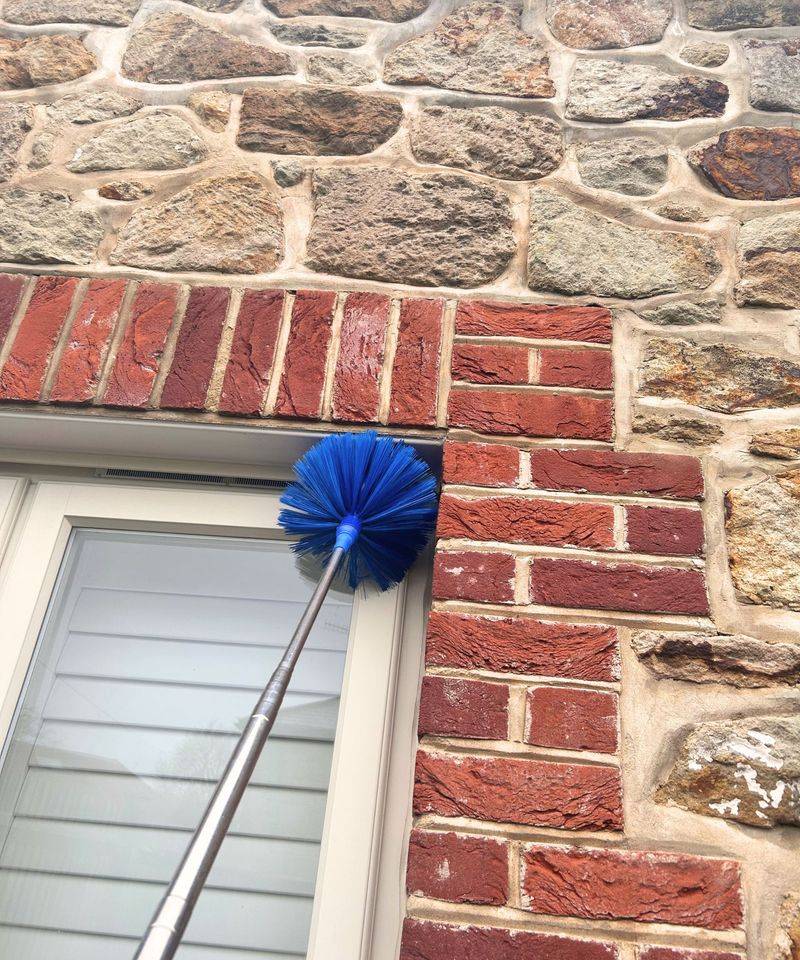
Sweep under chairs and tables every week or so with a stiff broom.
Regular disturbance breaks up webs before spiders settle and start laying eggs.
Store cushions, toys, and gardening tools in sealed plastic bins instead of open boxes. Clear away stacks of pots, old lumber, and leaf piles near the house.
Outdoor lighting matters too. Yellow bug lights or warm LED bulbs attract fewer insects, so spiders find less food near your seating area.
Caulk gaps around windows, doors, and siding. Screens in good repair help keep curious spiders from wandering indoors.
Before you sit down, flip cushions and give the chair a quick shake. Shoes and gloves left outside deserve the same treatment.
Spiders also help control mosquitoes and other pests, so no need to chase every one away. A little tidying simply nudges brown widows away from the places your hands and feet touch most.
Personally, I count it as a good excuse for a cleaner patio.
8. Call a Pest Pro When Spiky Sacs Keep Coming Back
Some yards just seem to grow new egg sacs every week. When your regular cleanup can’t keep pace, it might be time for extra help.
A licensed pest management company can inspect places you might miss.
Technicians often check eaves, foundation gaps, meter boxes, and shed corners where spiders quietly gather.
Many offer targeted treatments for cracks and crevices instead of spraying everything. That approach protects bees, butterflies, and other helpful insects in your garden.
Spraying random pesticides on your own often does little good. Egg sacs resist many products, and spiders can simply return to untreated spots.
In Georgia, companies must be licensed through the Georgia Department of Agriculture. Ask to see that license before any work begins.
Professional help makes the most sense if you have small children, someone with health concerns, or a heavy infestation. It also helps if you simply feel uneasy dealing with spiders up close.
Even after treatment, keep sweeping and checking furniture. Combining good habits with expert advice gives you the best shot at a calm, comfortable patio all year, and the satisfaction of knowing exactly who shares your backyard.