What To Plant In Your Texas Yard In November For Spring Color
Plenty of Texas gardeners stash tulip bulbs in the refrigerator for six weeks before planting them outside. Our winters are simply too mild to give those bulbs the long chill they need to bloom well.
That fridge trick taught me something useful about gardening in a state where cool weather arrives late. Many flowers here actually prefer to start life in fall, settling their roots while the soil stays warm.
I skipped fall planting for years and wondered why my spring beds looked thin compared with other yards. Once I started digging in late autumn, my March and April gardens finally looked like magazine covers.
You build your spring show now, while the soil still holds plenty of warmth across much of Texas. So which flowers deserve a spot in your beds before the first real cold front rolls through your town?
1. Pansies
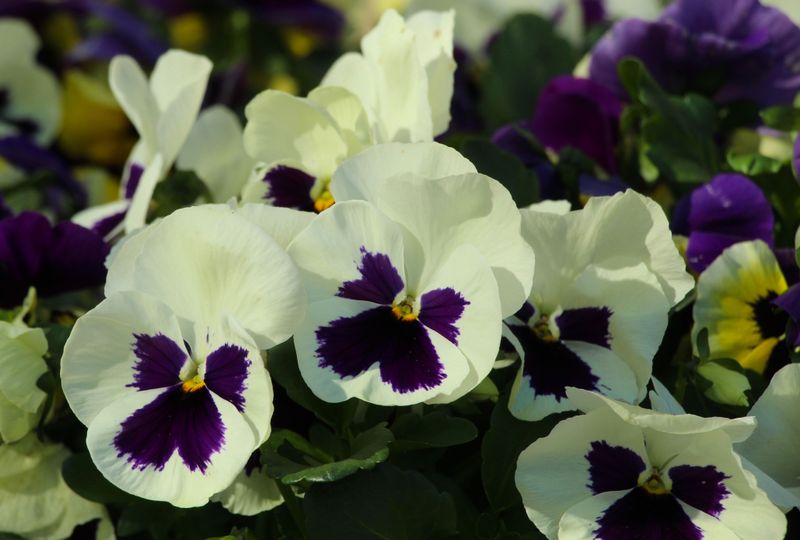
Pansy faces seem to grin at you, with dark blotches that look like tiny painted mustaches. Few flowers handle a frosty morning with such cheerful attitude, then perk right back up by lunchtime.
Viola x wittrockiana grows as a cool-season annual across most of Texas, filling beds from late fall into spring. November planting gives the roots time to settle before winter, so plants burst into bloom once days lengthen.
I like to set transplants about eight inches apart in fertile soil that drains well after a heavy rain. Full sun works best in cooler regions, while a bit of afternoon shade helps in warmer southern spots.
Watering takes a little balance, because pansies enjoy steady moisture but sulk badly when their roots sit in soggy mud. A layer of shredded mulch helps hold water evenly and keeps the crowns cozy on chilly nights.
Pinching off faded flowers is my favorite quiet garden chore, and it pushes the plants to form fresh buds. Skip that step, and pansies start making seeds instead of the colorful blooms you actually wanted.
F1 hybrid varieties often hold up longer when spring warms, which stretches the show a few extra weeks. Look for those labels at the nursery, especially if your area heats up quickly by late April.
Fun bonus fact, pansy petals are edible when grown without pesticides, so they make pretty cake decorations. Kids especially love picking a few blooms for cupcakes, and the plants rarely miss them at all.
2. Dianthus
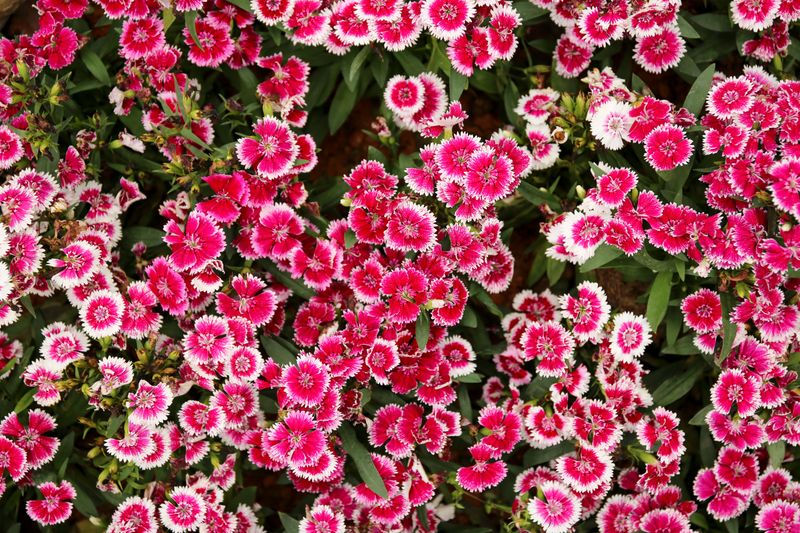
Lean close to a dianthus bloom and you will catch a spicy scent that smells a lot like cloves. Gardeners nicknamed them pinks, though the name likely comes from the frilly edges that look trimmed with pinking shears.
Several species fall under this group, including Dianthus chinensis and sweet William, known as Dianthus barbatus. Most act as cool-season annuals here, though some hybrids return for a few years in milder spots.
Sunshine matters most, so give these plants a bed that soaks up at least six hours of direct light. Shady corners usually lead to floppy stems and fewer flowers, which feels like a waste of good plants.
Drainage is the real deal breaker, because dianthus roots rot quickly in heavy, waterlogged clay soil. I mix compost into my beds and plant slightly high, which helps winter rains move away from the crowns.
Let the top inch of soil dry out before watering again, since these plants prefer moderate moisture. You might notice gray-green foliage looks tidy even in January, which adds texture when blooms take a break.
Snip spent flowers regularly, and new buds keep popping up through the cool, bright weeks of spring. Colors range from soft pink to deep red, with plenty of eye-catching bicolor patterns mixed in too.
Butterflies visit the blooms on warm afternoons, so I tuck a few plants near my patio chairs. That way, I enjoy the clove fragrance and the fluttering visitors while sipping my morning coffee.
3. Snapdragons
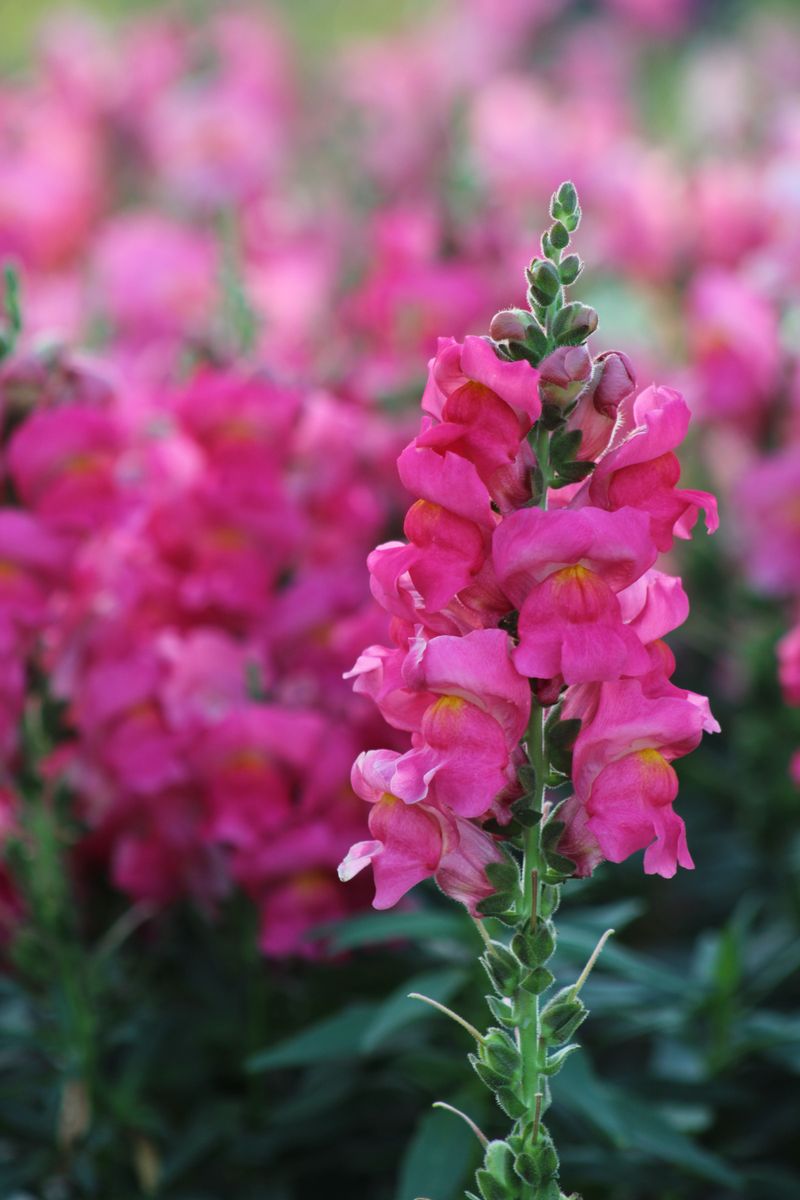
Squeeze the sides of a snapdragon flower gently, and it opens and closes like a tiny chattering dragon mouth. I still do this every spring, and my nieces think it is the funniest trick in the garden.
Antirrhinum majus grows as a cool-season annual here and shrugs off light frosts better than many bedding plants. Planting transplants this month lets them build sturdy roots, so tall flower spikes shoot up when spring arrives.
Heights range from short border types under a foot to tall cutting varieties reaching about three feet. Those vertical spikes add drama behind low growers, and they look fantastic standing in a kitchen vase.
Choose a sunny bed with rich, well-drained soil, and work in some compost before you start planting. Snapdragons like steady moisture, but soggy ground invites root problems, so water deeply and then wait.
Pinch the growing tips of young plants once they reach about four inches tall for a fuller shape. That small snip encourages side branches, and every branch eventually carries its own colorful flower spike.
Tall varieties sometimes lean after windy spring storms, so a few slim stakes can save you some heartbreak. Cut the first spikes for bouquets, and the plants usually respond by sending up a second round of blooms.
Bumblebees are strong enough to pry open those closed flowers, which is a delight to watch up close. Smaller insects often struggle with the job, so snapdragons mostly reward the hefty, fuzzy pollinators in your yard.
4. Sweet Peas
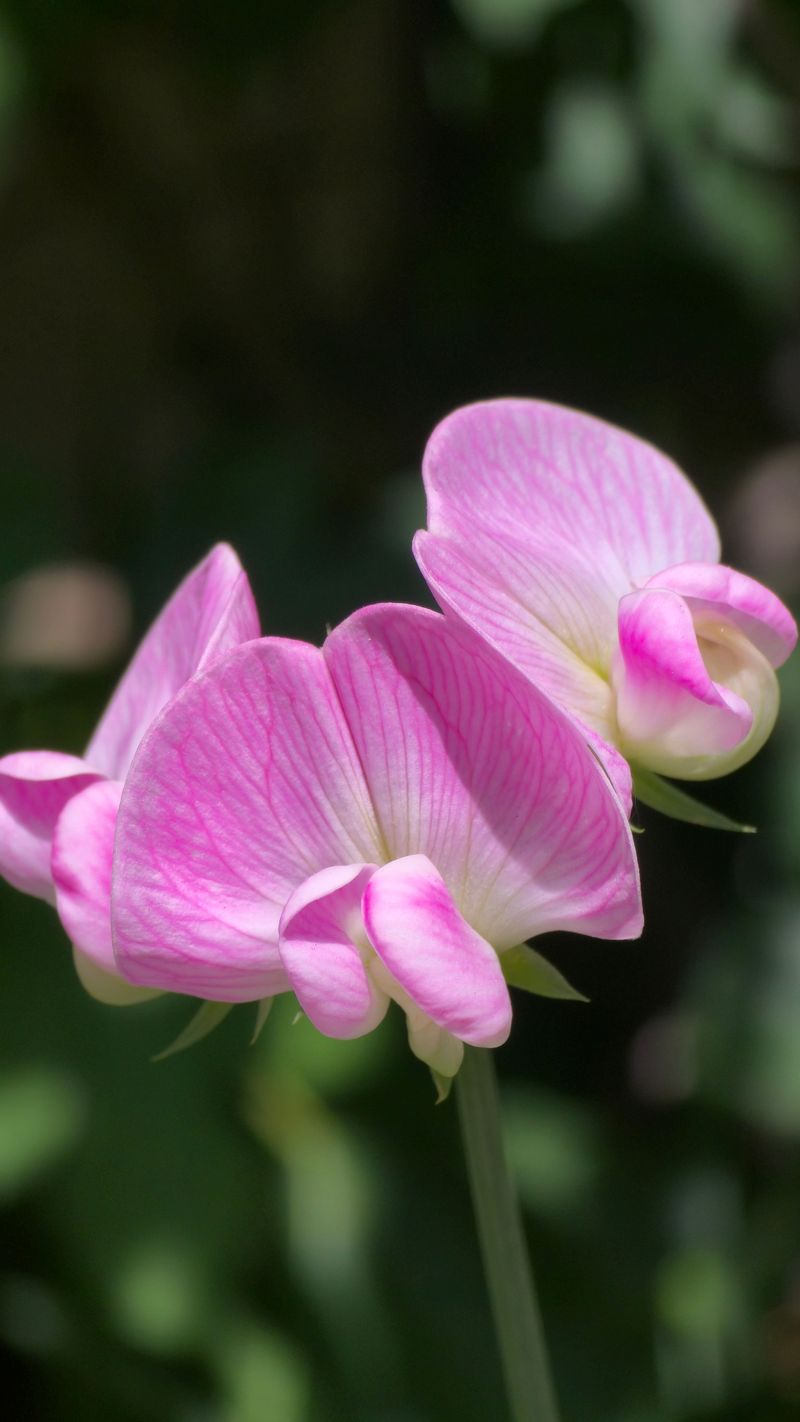
My grandmother grew sweet peas along a chain-link fence, and the perfume drifted through her kitchen window every spring. That honey-like scent is the main reason Lathyrus odoratus has stayed a cottage garden favorite for centuries.
Fall sowing is the secret in Texas, because spring planting leaves too little cool weather before summer heat. Late October is ideal, but direct sowing in November still works well, especially in central and southern regions.
Soak the seeds overnight before planting, which softens the tough coat and can speed up germination a bit. Some gardeners nick each seed with a nail file, though plenty of folks skip that step with fine results.
Give the vines at least six hours of sun and rich, well-drained soil that stays evenly moist. Plant them about an inch deep and a few inches apart along the base of your support.
Climbing varieties need a trellis or fence, since their curly tendrils grab onto almost anything they touch. Tall types can reach six feet, so set up support before the seedlings start searching for something to climb.
The more flowers you cut, the more the vines produce, so fill small jars and share them generously. Leaving pods to form tells the plant its job is done, and blooming slows down quickly after that.
One caution matters for families, because sweet pea seeds are toxic and should not be eaten by people or pets. Unlike garden peas, these are grown strictly for beauty, so keep them away from the vegetable bed.
5. Cornflowers
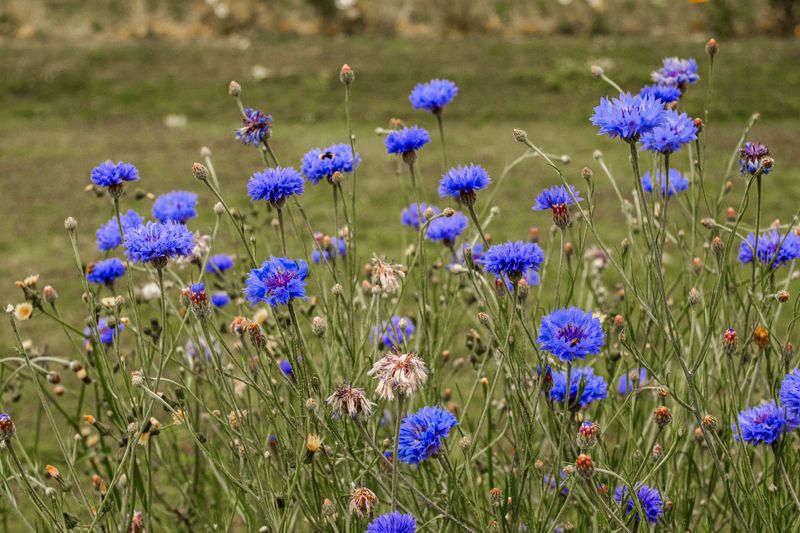
Few garden flowers wear a true, clear blue, and cornflowers pull it off with a ragged, almost fringed charm. Their old nickname, bachelor’s buttons, comes from young men who once tucked the blooms into their jacket buttonholes.
Centaurea cyanus is a cool-season annual that handles cold surprisingly well, making it a smart pick for fall sowing. Early November is a great window to scatter seeds directly where you want spring flowers to appear.
Scatter the seeds over loosened soil, then press them in gently with your palm or the back of a shovel. Seedlings like company, so sowing them a little thick actually helps them hold each other upright later on.
Full sun keeps the stems strong, and average or even poor soil works fine as long as it drains. I love that these flowers skip the fussy fertilizer routine and still put on a cheerful show.
Once seedlings are established, water only during long dry spells, since too much moisture can cause floppy growth. Snip faded blooms often in spring, and the plants keep producing buttons for weeks instead of quitting early.
Blue is the classic color, though seed packets also offer soft pink and nearly black maroon varieties. Mixing two shades in one bed creates a casual meadow look that pairs nicely with poppies nearby.
Leave a few flowers to set seed near the end of the season, and volunteers often sprout next fall. Goldfinches enjoy nibbling those seeds too, so your patch might feed some feathered visitors before it rests.
6. Sweet Alyssum
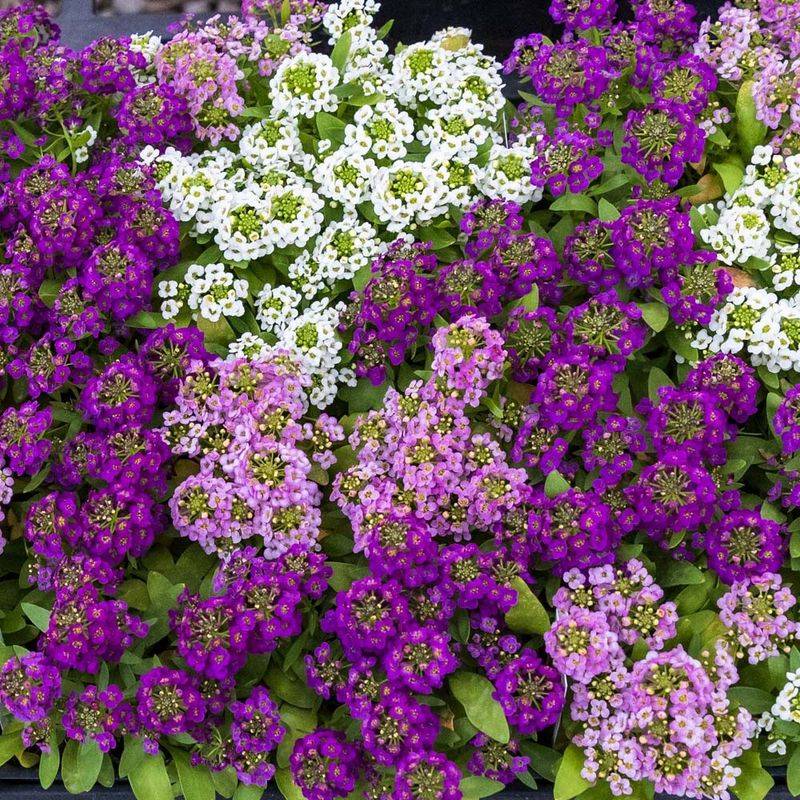
Walk past a bed of sweet alyssum on an afternoon, and a soft honey smell floats up to greet you. Each plant forms a low carpet of tiny flowers, so many that the leaves are nearly buried beneath them.
Lobularia maritima grows as a cool-season annual here, usually staying under nine inches tall while spreading outward. Planting it in November fills gaps between taller flowers and gives you color through winter and spring.
I tuck alyssum along walkway edges, where its fragrance gets noticed every time someone heads to the door. It also spills nicely over container rims, softening the hard lines of pots and raised beds.
Full sun to partial shade suits it well, and the soil should stay moist without turning into a puddle. Regular watering during dry winter stretches keeps the plants blooming, especially in sandy ground that drains fast.
Hard freezes can damage alyssum, so toss a frost cloth over the bed when temperatures plunge into the low twenties. Mild cold rarely bothers it, and the plants usually bounce back quickly once sunny days return.
After a big flush of blooms fades, shear the plants back by about one third with clean scissors. Within a couple of weeks, a fresh wave of tiny flowers usually covers the plants again.
Those small blossoms attract hoverflies and tiny wasps whose young help control aphids in nearby beds. Many vegetable gardeners plant a row beside their lettuce for exactly that reason, and I happily copy them.
7. Poppies
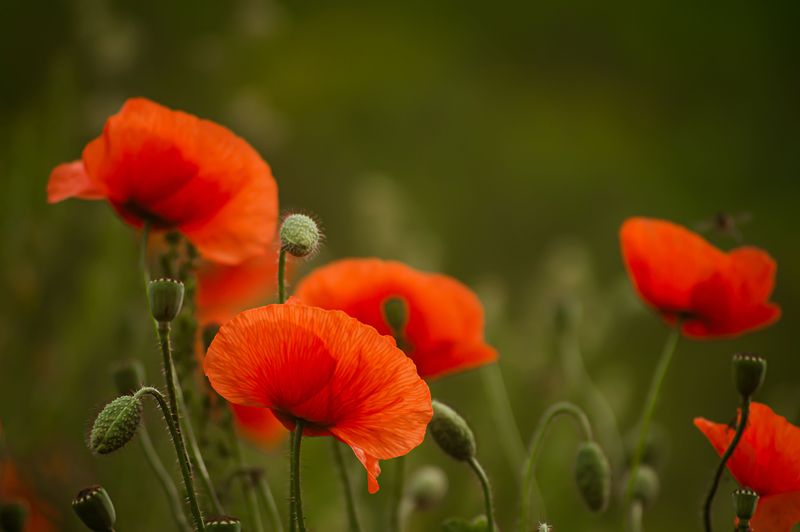
Poppy petals look like crumpled tissue paper when they first unfold, then smooth out into glowing silky cups. I once stood in my yard at sunrise just to watch a bud split open, and it was worth it.
Shirley poppies, or Papaver rhoeas, are the easiest choice because they grow quickly from seed sown in fall. Iceland poppies, Papaver nudicaule, usually arrive as nursery transplants and bloom in glowing orange and soft pastel shades.
Timing matters a lot, because poppy seeds need cool weather to sprout and develop sturdy rosettes before spring. Across much of Texas, sowing can stretch through November and even into December in warmer southern areas.
The seeds are as tiny as dust, so I mix them with dry sand to spread them more evenly. Scatter them over bare soil and skip covering them, since light helps many poppy seeds germinate.
Direct sowing usually works best because poppies resent transplanting once their long taproots begin growing deep. Pick a sunny spot with well-drained soil, and thin crowded seedlings so each plant has room to grow.
After that, poppies need surprisingly little fuss, mostly asking for water only when winter turns dry for weeks. Let some seed pods ripen in late spring, and fresh seedlings often return in the same bed next year.
Keep curious pets and toddlers away from the plants, since poppies contain compounds that can be toxic if eaten. Admired from a short distance, though, they bring a wild meadow mood that few other flowers can match.
8. Daffodils
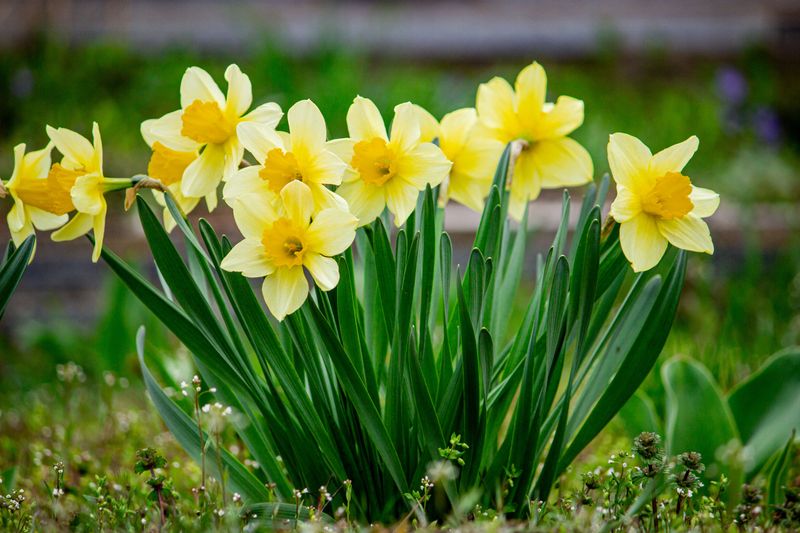
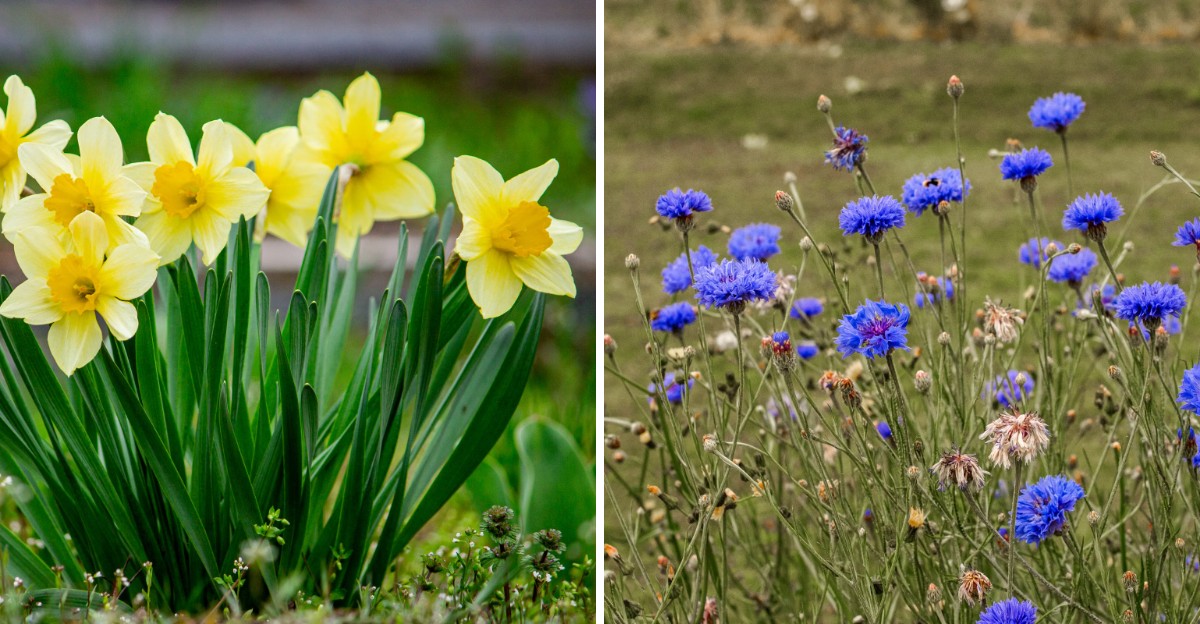
Old farmhouse sites across the South often still bloom with daffodils every spring, long after the houses disappeared. Those tough heirloom bulbs prove how well the right varieties settle in and return with almost no help.
Unlike tulips, many Narcissus types skip the need for refrigerator chilling and come back reliably in Texas yards. Heritage varieties such as Grand Primo and Ice Follies are favorites with gardeners in the central and southern parts of the state.
Timing is a little different from the other flowers here, since experts suggest planting after Thanksgiving and before Christmas. Buy bulbs in November, though, while the best selection still fills the local garden center shelves.
Plant each bulb about three times as deep as its height, with the pointy end facing up toward the sky. Full sun to partial shade works, and well-drained soil is essential to prevent the bulbs from rotting.
Clusters of five or more bulbs look far more natural than single bulbs lined up in stiff rows. I like tucking groups under deciduous trees, since the flowers finish before the branches fill with leaves.
After blooming ends, resist the urge to trim the leaves, even when they start looking floppy and messy. The foliage feeds the bulb for next year, so wait until it yellows naturally before cutting it away.
Squirrels and deer usually leave daffodils alone, because every part of the plant is toxic when eaten. That same trait means pet owners should store bulbs carefully, so curious dogs cannot dig into the bag.