Georgia Gardeners Should Remove Old Blackberry Canes Before Winter To Protect Next Year’s Harvest
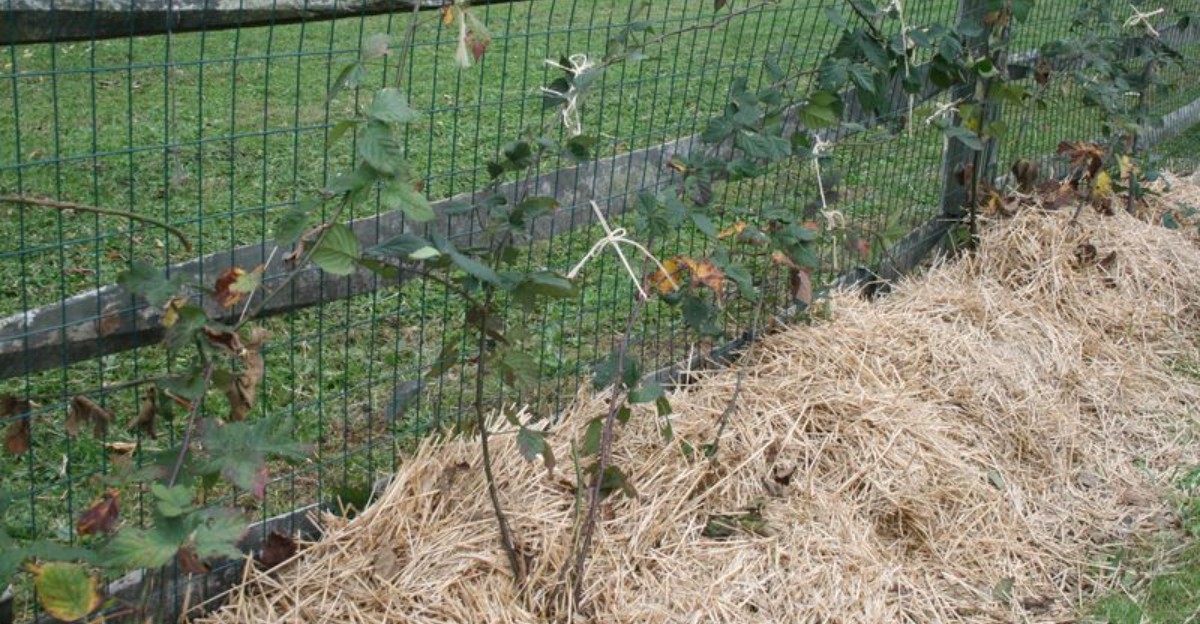
The thorny canes that loaded your buckets with fruit this summer are finished for good. Each one runs on a strict two-year schedule.
Year one is for growing, year two is for fruiting, and then the show is over.
Those leftover stalks do not just stand around looking scruffy. Fungal spores and cane borers can tuck into the tired wood and wait out the cold months.
Come spring, they are perfectly placed to hop onto the fresh green growth.
I like how one afternoon with loppers can tilt the odds back in your favor. Here in Georgia, our mild, humid winters give troublemakers plenty of time to settle in, so I believe a tidy patch matters more than most folks realize.
So which canes go, and which ones hold next year’s cobbler? You might be surprised by how easy they are to tell apart.
1. Those Brown Blackberry Canes Already Gave You Everything They Had
Blackberries play by an unusual set of rules. The crown and roots keep going for years, but every single cane is on a two-season clock.
Understanding that clock makes pruning simple.
In year one, a new cane called a primocane shoots up, grows leaves, and stores energy. In year two, that same cane becomes a floricane.
It flowers, ripens fruit, and then starts to decline for good once harvest wraps up.
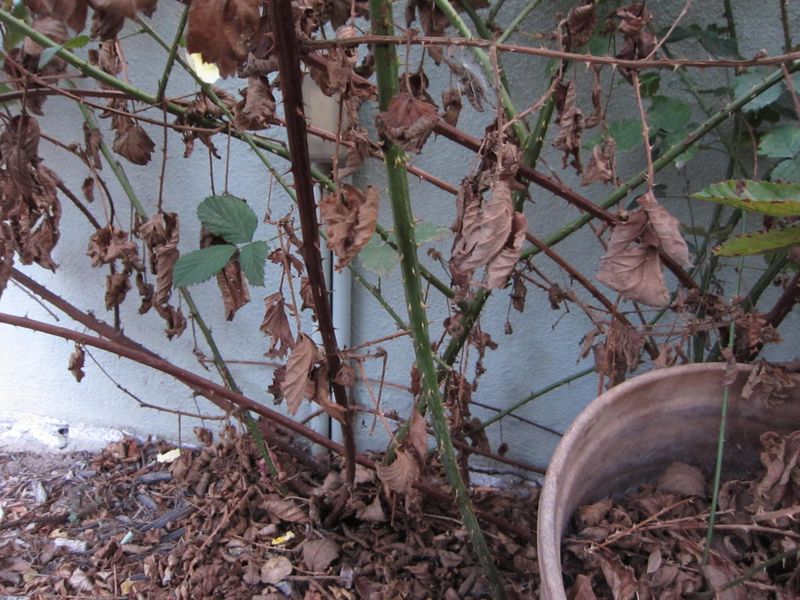
So those woody stalks you picked from in June and July will not bear another berry. They turn brown and brittle, peel a little, and slowly lose their vigor.
Leaving them in place gives you zero extra fruit.
What they do offer is a cozy shelter for trouble. University of Georgia Extension specialists point out that old canes can carry fungal diseases and insect pests from one season to the next.
Spores ride the wind and splashing rain right onto the young canes growing beside them.
Personally, I used to think of old canes as harmless leftovers. Once I learned how much trouble they can hide, my loppers started coming out a lot sooner.
Your patch will look cleaner, breathe better, and give the new canes every chance to shine next summer.
2. Cut Spent Floricanes Right Down To The Ground
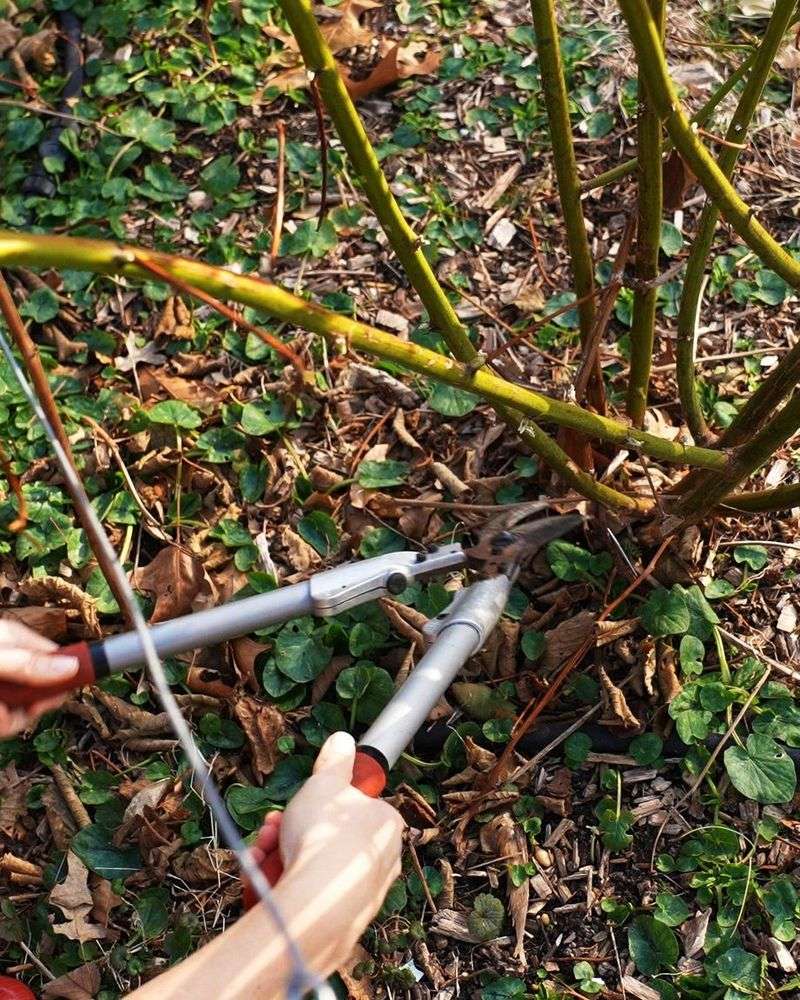
Grab your thickest gloves first, because blackberry thorns have zero respect for bare skin. Thornless varieties like Ouachita, Navaho, and Arapaho are much friendlier, yet sturdy gloves still save your knuckles.
Next, find a pair of sharp bypass loppers or pruners. Clean blades make smooth cuts that heal faster, and wiping them with a household disinfectant between plants helps keep diseases from hitching a ride.
Loppers handle the thicker canes with ease.
Follow each brown floricane down to where it meets the crown. Make your cut as close to the ground as you safely can, leaving little or no stub behind.
Short stubs can become entry points for cane borers and rot.
Then comes the step many gardeners skip. Pull every pruned cane out of the row and carry it away from the patch.
Bagging the canes, sending them out with yard waste, or burning them where local rules allow are all solid choices.
Tossing them on the compost pile seems tempting, but home piles rarely get hot enough to clear out fungal spores. I keep a separate brush pile far from my berries for that reason.
A tidy finish keeps all your hard pruning work from going to waste.
3. Green Primocanes Are Holding Next Year’s Berry Crop
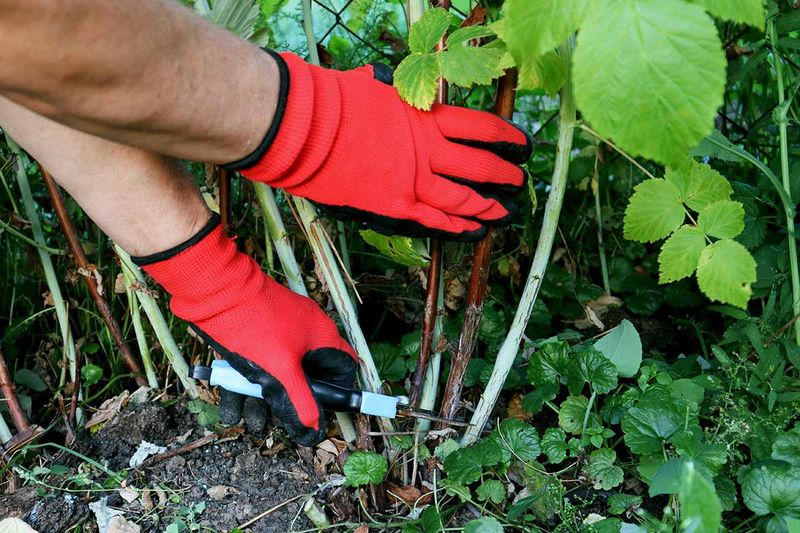
Ever stood in front of a tangled row and wondered which canes stay? You are not alone, and the answer is easier than it looks.
Floricanes, the canes that just fruited, usually look tired. Their bark turns gray or brown, the leaves yellow and drop early, and you may still spot dried fruit stems hanging from the side shoots.
Bend one gently and it often feels stiff or snaps.
Primocanes tell a different story. They sprouted this spring and summer, so they are typically greener, fresher, and more flexible.
Their leaves stay healthy well into fall, and they carry no old fruit clusters.
A handy trick is to tag the new canes with a twist tie or a strip of colored tape during summer. When pruning day arrives, anything without a tag goes.
I started doing this after accidentally snipping a perfectly good cane, and I have not repeated that mistake since.
One exception matters here. Primocane-fruiting types, such as Prime-Ark Freedom and Prime-Ark Traveler, can bear fruit on first-year canes in late summer or fall.
Many growers simply mow those to the ground in winter for a single fall crop, so check your variety tag before you start cutting.
4. Right After Harvest Is Prime Time For Georgia Blackberry Pruning
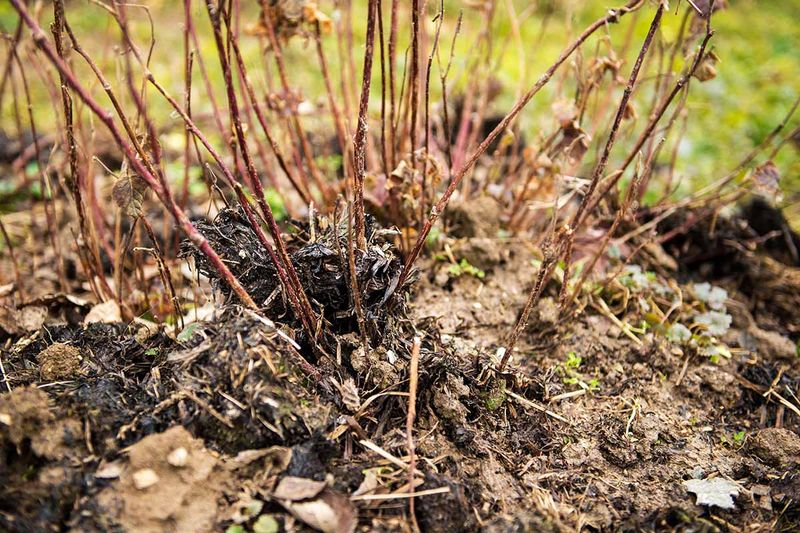
The title says before winter, but the University of Georgia actually suggests an even earlier start. Their fruit specialists recommend cutting out floricanes soon after harvest ends, which in Georgia often means late June through July.
Southern patches near the Florida line usually ripen first, sometimes beginning in late May. Mountain gardens up north can run a few weeks later.
Either way, the clock for floricane removal starts once you pick that final berry.
Early removal does more than tidy things up. The young primocanes get extra sunlight and airflow during their main growing months.
They also face less disease pressure from neighboring canes while they build next year’s fruiting wood.
Missed that summer window? No need to panic.
Fall and early winter still work well, and taking the old canes out before the cold, wet months keeps spores from sitting on them all season.
Hot summer pruning does call for common sense. Work in the cool morning hours, drink plenty of water, and wear long sleeves to protect your arms from scratches.
I like to think of it as a two-part schedule. Spent canes come out in summer or fall, and the finer shaping waits until late winter, just before growth starts again.
5. Rosette And Cane Blight Love A Cluttered Blackberry Patch
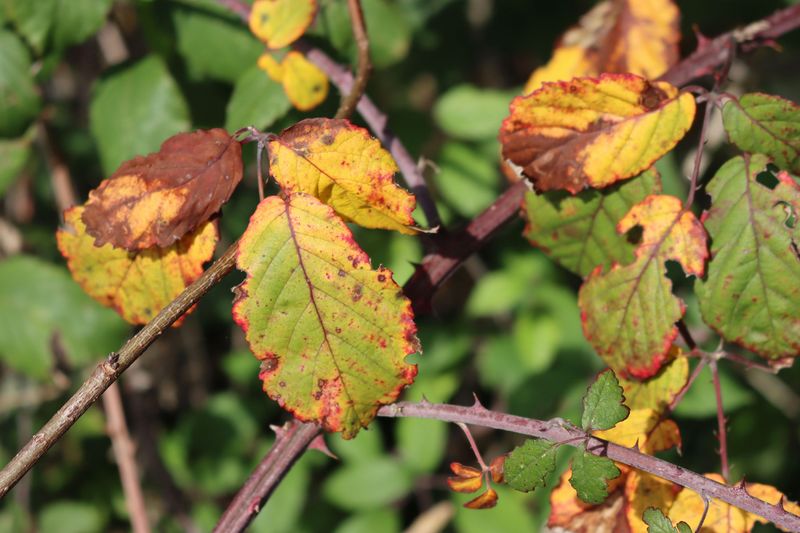
Rosette, also called double blossom, ranks among the most troublesome blackberry diseases across the Southeast. The fungus behind it causes witches’ brooms, clumps of short leafy shoots, along with odd, twisted flowers that seldom turn into fruit.
Georgia growers know it well, especially on susceptible varieties like Kiowa. Infected floricanes leave plenty of spores behind, so removing and hauling off those canes right after harvest is a key step in breaking its cycle.
Cane blight and anthracnose are two more fungal pests that overwinter on old wood. Cane blight often slips in through wounds and can cause whole canes to wilt.
Anthracnose leaves small purple spots that grow into gray, sunken patches on the bark.
Then there are insects. Red-necked cane borers and raspberry crown borers can tunnel into canes, and clearing old growth helps you spot and remove infested stems.
Watch for swollen galls along blackberry canes, which can indicate red-necked cane borer activity.
Personally, I find it oddly satisfying to haul away a load of scruffy canes. You are not just cleaning up, you are removing the hiding spots that problem fungi count on.
Pair pruning with good airflow and steady weed control for the best results.
6. Late Winter Lateral Trimming Sets Up Bigger Blackberry Harvests
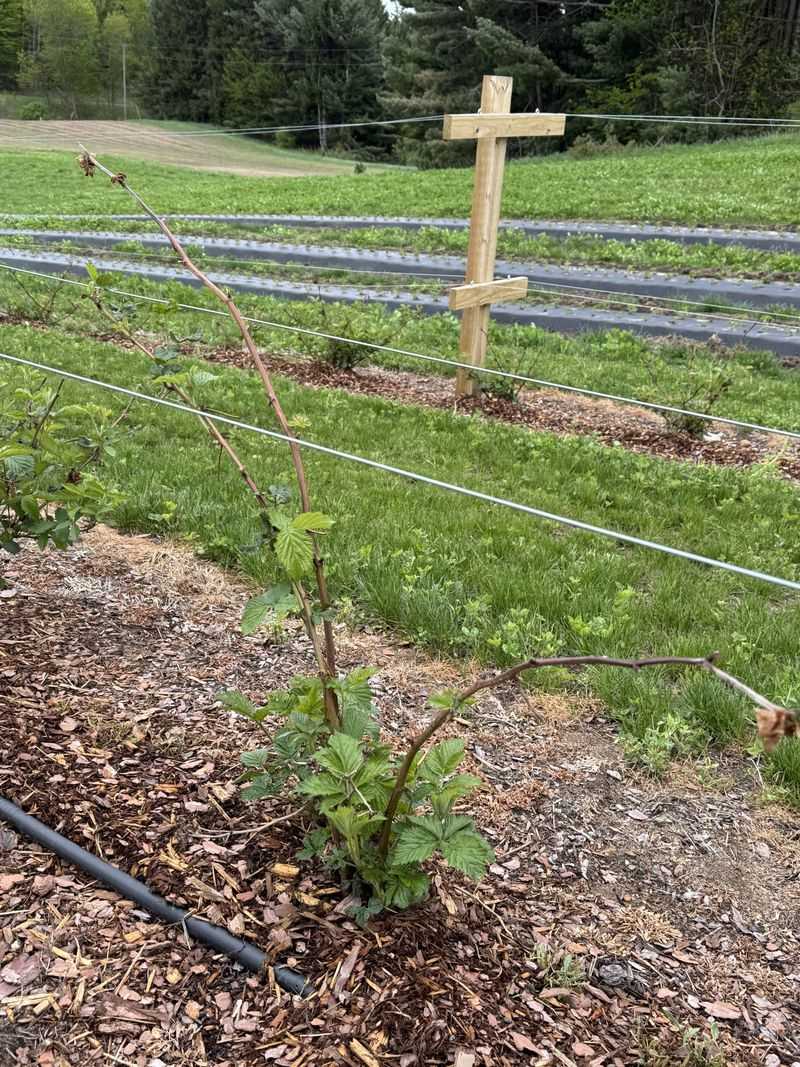
Summer and late winter each bring a quick job for the canes you kept. Both steps help shape stronger plants that hold more fruit.
Neither takes long, and your hands will thank you for keeping the canes tidy.
During summer, erect and semi-erect blackberries respond well to tipping. Snip off the top few inches of new primocanes once they reach roughly 3 to 4 feet tall.
That small cut encourages side branches, called laterals, which is where next year’s flowers form.
Late winter brings the second step, typically in February before buds break. Shorten those laterals to around 12 to 18 inches long.
You will get bigger berries that are easier to reach, and the canes are less likely to flop over under a heavy load.
This is also the moment to thin crowded plants. Keep a handful of the sturdiest canes per plant, removing spindly or damaged ones.
Any cane scarred by winter cold or snapped by wind can go too.
Trailing types are trained a little differently along a trellis, so their routine varies. Still, the goal stays the same for every style.
You want strong, well-spaced canes ready to pour their energy into fruit.
7. A Clean Blackberry Row This Winter Means Juicier Berries Next June
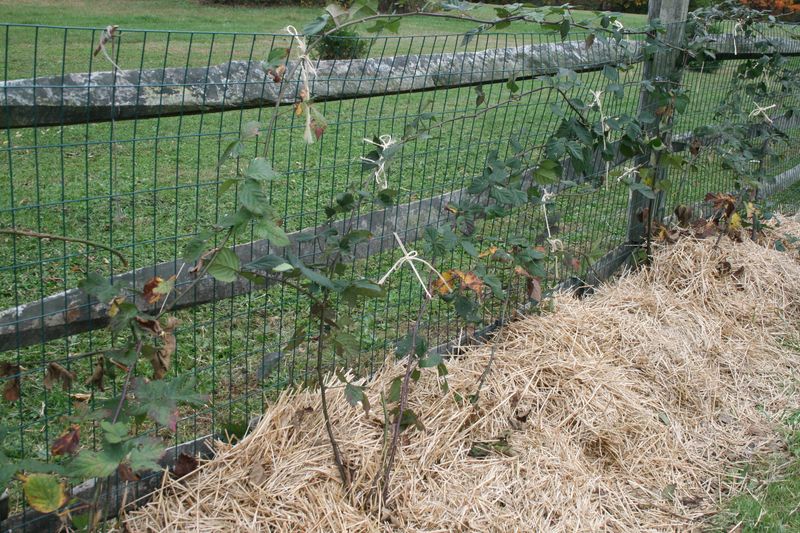
Few garden chores give back as much as this one. Twenty minutes with loppers now can mean healthier canes and bowls of glossy fruit when summer rolls around.
Start with a quick walk down your row this week. Look for brown, brittle floricanes that slipped past you after harvest, and cut them at the ground.
Rake up fallen leaves and shriveled fruit too, since they can carry disease spores into spring.
Next, refresh the mulch. A two to three inch layer of pine straw or shredded bark helps hold soil moisture, smothers weeds, and protects shallow roots during cold snaps.
Keep it pulled back a little from the crown.
Jot down a few notes while everything is fresh. Write which varieties struggled with disease, which ones cropped heavily, and when you finished pruning.
Next year, those notes become your personal playbook.
Got questions about a strange spot or swelling? Your local UGA Cooperative Extension office can help identify problems and even test soil for a small fee.
I believe a little planning in the quiet months is what separates a so-so season from a fantastic one. Your future cobbler is counting on you.