Why North Carolina Persimmons Need A Frost Before They’re Sweet Enough To Eat
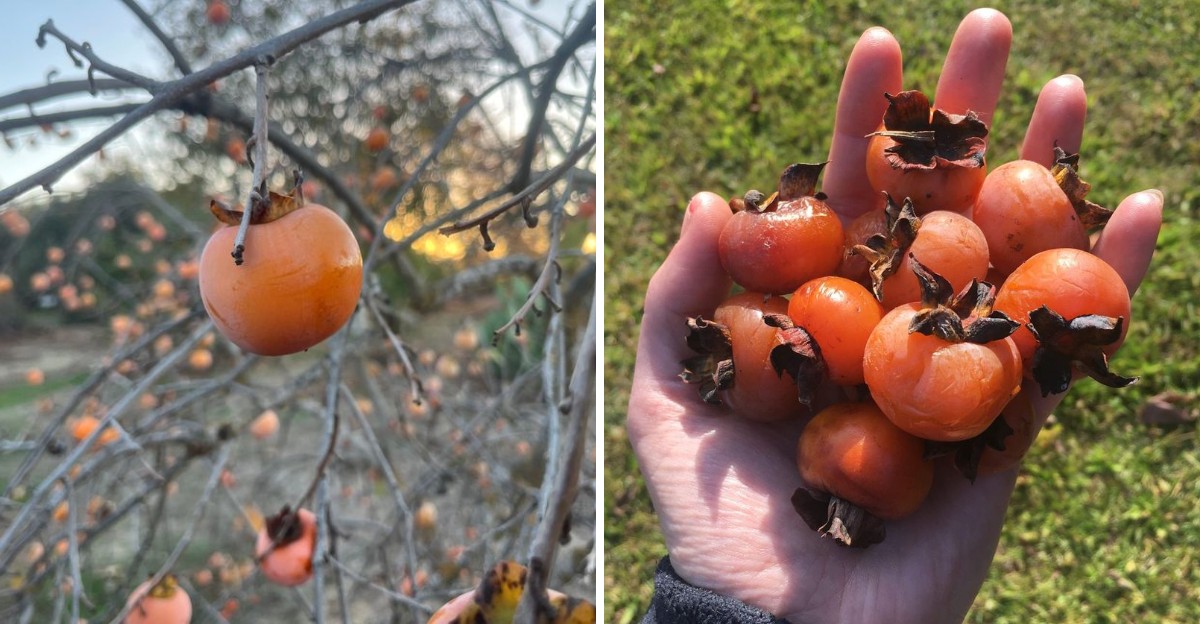
One bite of the wrong orange fruit can make your whole mouth feel like it’s wrapped in cotton. Your tongue goes dry, your cheeks pucker, and you start wondering what just happened.
I learned that lesson the hard way on a cool October walk. The fruit looked plump and glowing on the branch, so I grabbed one and paid for it instantly.
Now I wait, and I believe the waiting makes the reward taste even better.
This native tree grows wild across North Carolina, from mountain hollows to sandy coastal fields.
Old-timers swear a hard frost is the secret switch that turns bitter into sweet. Opossums, foxes, and deer seem to agree, since they gobble up fallen fruit every fall.
So is that frost rule real, or just a charming bit of backyard folklore? You might be surprised by what the science actually says.
1. That Mouth-Puckering Bite From A Wild Persimmon Has A Hidden Cause
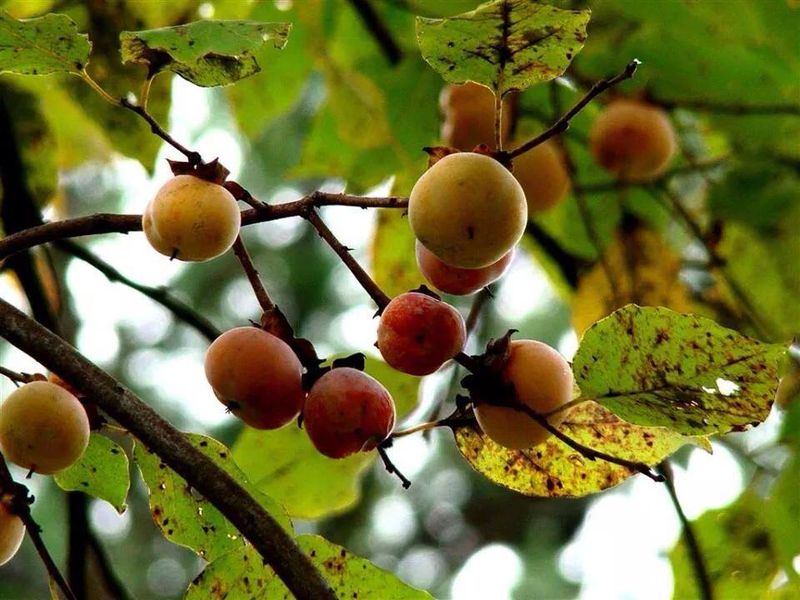
Anyone who has bitten into an early wild persimmon knows the feeling. Your mouth suddenly turns dry and fuzzy, like you licked a chalkboard eraser.
The culprit is a group of natural compounds called tannins. Unripe American persimmons are packed with soluble tannins, and they latch onto proteins in your saliva the moment you bite down.
That reaction strips away the slippery feeling in your mouth and leaves the rough, puckered sensation behind.
Scientists call this effect astringency. It shows up in strong black tea and some unripe bananas too, but persimmons take it to another level.
Even a small nibble of a firm one can linger for several minutes.
Many experts believe the tannins help the tree protect its seeds. A bitter fruit discourages animals from eating it before the seeds inside are mature.
Once the seeds are ready, the fruit softens and sweetens, inviting raccoons, opossums, and birds to carry those seeds far away.
I find that strategy pretty clever for a tree that rarely gets much attention. It rewards patient eaters and punishes the impatient ones, people included.
So the bitterness is not a flaw or a sign of a bad tree. It is simply a stage in the fruit’s life.
Understanding that stage is the first step toward picking the sweet ones instead of the puckery ones.
2. Frost Gets The Credit, But Ripeness Does The Real Work
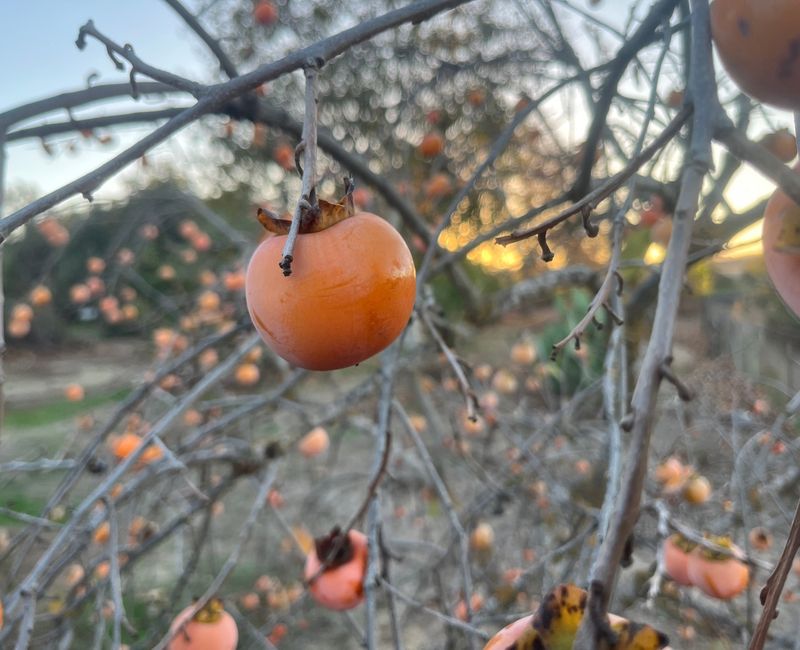
Southern grandparents have repeated the frost rule for generations. Wait for the first cold snap, they say, and the persimmons will turn sweet.
The science tells a slightly different story. Extension specialists, including those at the University of Missouri, explain that full ripeness is what removes the bitterness, not the cold itself.
As the fruit matures, its soluble tannins change into an insoluble form that no longer reacts with your saliva.
Frost simply tends to arrive around the same time many native persimmons reach that point. In North Carolina, first frosts often land from October in the mountains to November or later along the coast.
That timing lines up nicely with when many wild trees are dropping soft fruit.
Plenty of trees ripen before any frost appears. Some even hold hard, astringent fruit well after a freeze has passed.
A cold night can soften fruit a bit by breaking cell walls, but it cannot rescue persimmons that are not mature.
I still love the folklore, and honestly it works as a rough calendar reminder. Just know that the real signal is the fruit, not the thermometer.
Judge each tree on its own schedule. Softness, color, and how easily the fruit lets go are far more trustworthy than the weather report.
3. A Squishy, Wrinkled Persimmon Is The One You Want
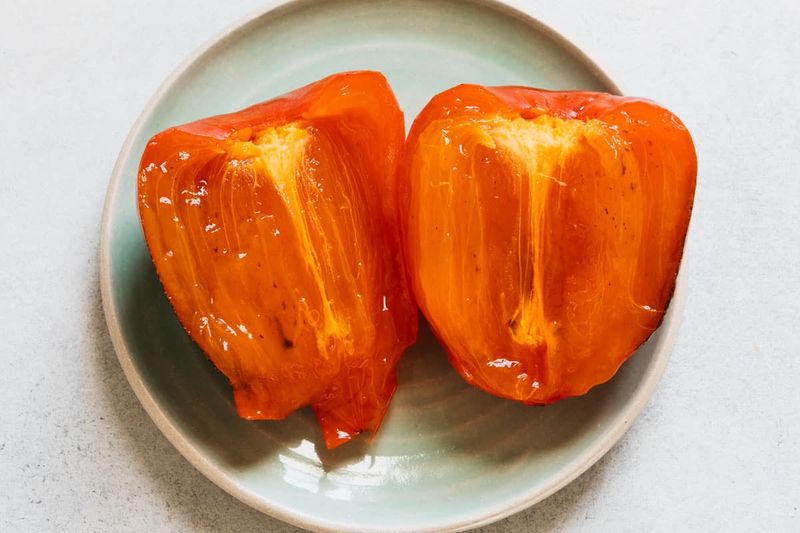
Forget everything grocery stores taught you about picking pretty fruit. With native persimmons, the ugly ones usually taste the best.
A ready American persimmon feels soft, almost like a tiny water balloon. Press gently and it should give easily, with no firm spots near the center.
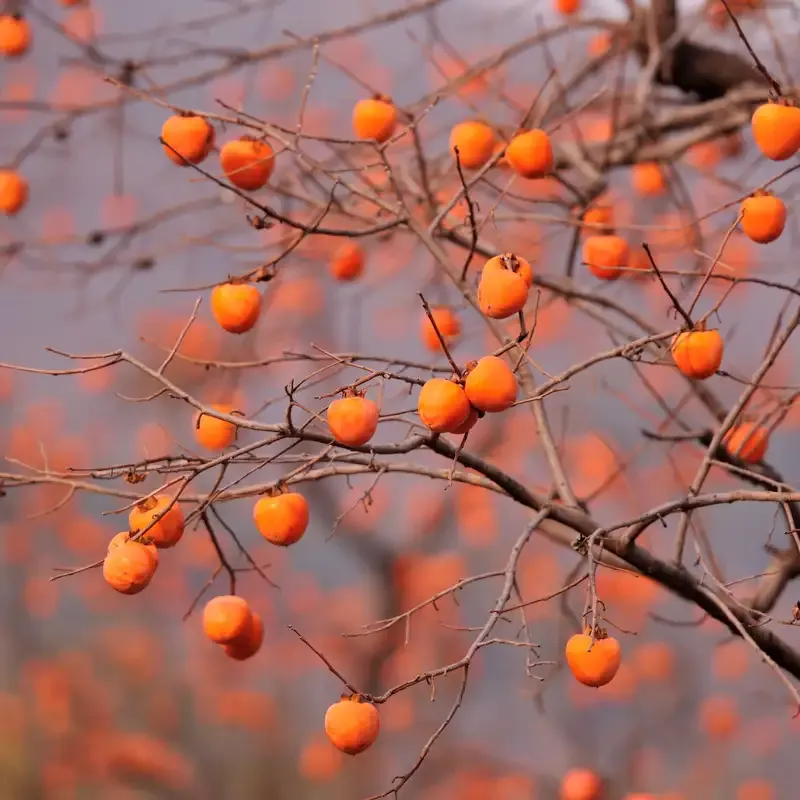
The skin often deepens from bright orange to a darker orange or reddish shade, sometimes with a faint purple blush.
Look for a few wrinkles too. Slight shriveling around the calyx, the little leafy cap on top, often signals that sugars have built up and the tannins have mellowed.
A translucent, jelly-like look under the skin is another great sign.
Ripe fruit also releases with almost no effort. If you have to tug, it probably needs more time.
Many seasoned foragers only take fruit that drops into their hand with a light touch.
Here is a simple test I use. Tear a tiny piece and touch it to the tip of your tongue.
Any dry, chalky feeling means wait a few more days.
Native fruit is small, usually one to two inches across, so do not expect the size of Asian types. What it lacks in size, it makes up for with rich, honeyed flavor that reminds many people of dates or apricots.
4. Fallen Persimmons On The Ground Are Often The Sweetest Pick
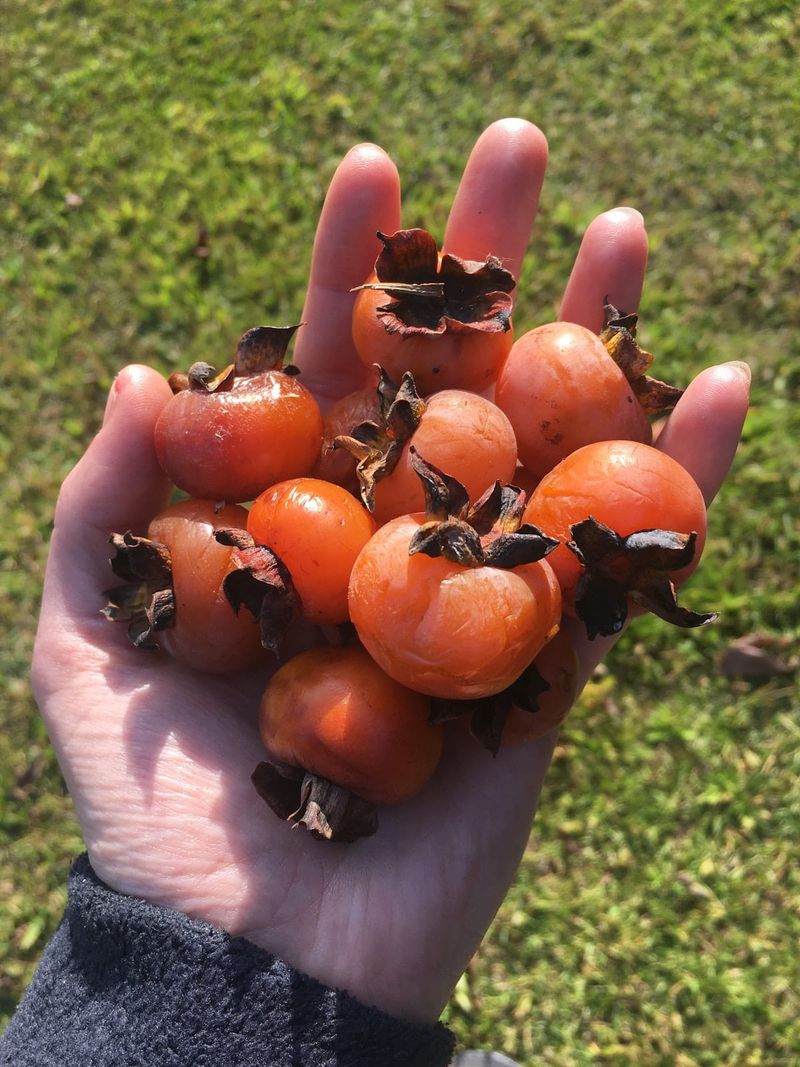
My favorite harvest tool is not a ladder. It is a basket and a willingness to look down.
Wild persimmon trees drop their fruit as it ripens, and the ground below often holds the sweetest picks of the season. Checking under trees every day or two in fall gives you the best chance at fresh, ready fruit.
Some folks spread an old sheet or tarp beneath the branches to catch drops cleanly.
A gentle shake of a lower limb can also bring down fruit that is ready to go. Anything that stays put after a light shake usually needs more time on the tree.
You will have competition, so be quick. Opossums, raccoons, foxes, deer, coyotes, and many birds love these fruits.
Wildlife biologists in the Southeast often point to persimmons as a valuable fall food source.
Inspect each fruit before it goes in your basket. Skip any with mold, deep splits, ant activity, or a sour, fermented smell.
A little bruising is fine, since ripe fruit bruises easily anyway.
Handle your haul like eggs. Soft persimmons squash under their own weight, so use a shallow container and a single layer when you can.
Rinse them gently at home and use them within a few days, or move them to the freezer.
5. Mountain, Piedmont, And Coastal Persimmon Trees Ripen On Different Clocks
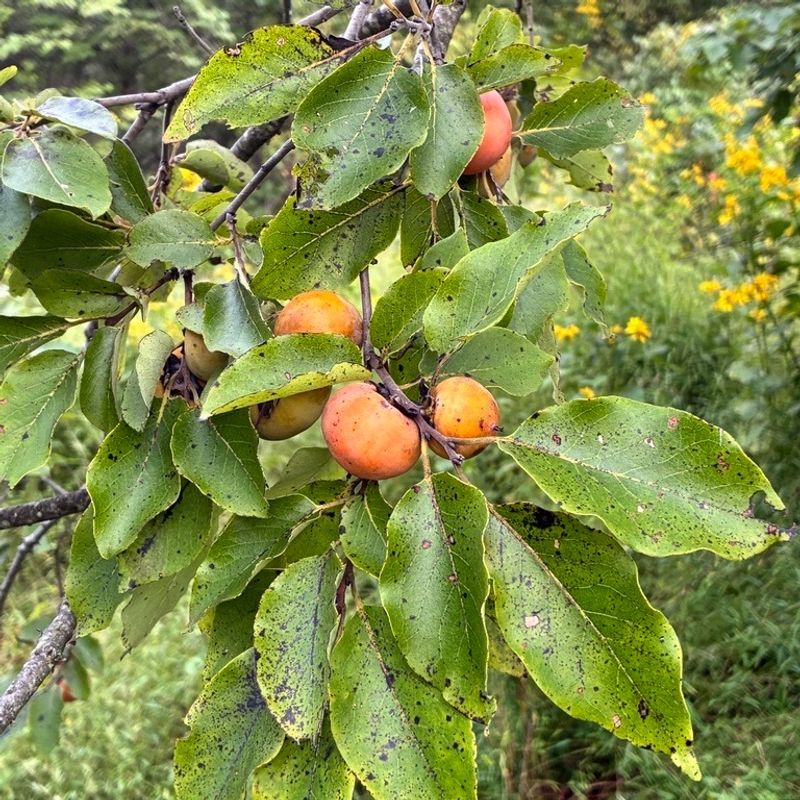
Drive across the state in October and you will notice persimmon season does not arrive all at once. Elevation, temperature, and genetics all shift the timing.
North Carolina stretches from roughly USDA zone 6 in the high mountains to zone 8 along the coast. Trees in cooler western areas often ripen earlier in the fall, while some eastern trees hang on into December.
Wild seedlings vary a lot too, since each tree grows from its own unique seed.
That variety is part of the fun. One tree along a fence row may drop sweet fruit in late September.
Another just a mile away might stay stubborn until well after Thanksgiving.
NC State Extension notes that American persimmon grows in nearly every county, from old fields and roadsides to forest edges. It handles a wide range of soils, including clay, sand, and rocky slopes.
Named cultivars add even more variety. Selections like Prok, Yates, and Early Golden were chosen for bigger, sweeter fruit and more dependable ripening.
My advice is simple. Scout a few different trees in your area and keep notes on when each one ripens.
After a season or two, you will have your own personal harvest map, and that beats any frost folklore.
6. Eating Too Many Unripe Persimmons Can Upset More Than Your Taste Buds
Bitterness is only half the reason to wait. Doctors have documented a rare stomach issue linked to eating lots of unripe persimmons.
The tannins in firm fruit can react with stomach acid and form a hard clump called a phytobezoar, sometimes known as a diospyrobezoar. Medical reports published through the National Institutes of Health describe cases where these masses caused pain, nausea, or blockages.
Some needed medical treatment to remove them.
Before you panic, keep this in perspective. These cases are uncommon, and they usually involve people eating large amounts, often on an empty stomach.
People who have had prior stomach surgery or slow digestion appear to face a higher risk.
Fully ripe, soft persimmons carry far less of the troublesome tannin. That makes patience the easiest safety step of all.
A few simple habits help a lot:
Skip firm, chalky fruit. Enjoy persimmons alongside other food instead of eating a big pile by themselves.
Remove the skin and seeds if you are serving young kids or anyone with digestive concerns.
Seek medical help if someone develops stomach pain, vomiting, or a swollen belly after eating lots of persimmons. I share this not to scare anyone, but because a little knowledge keeps a fun fall treat safe and enjoyable.
7. Your Freezer Can Help Rescue A Big Persimmon Haul
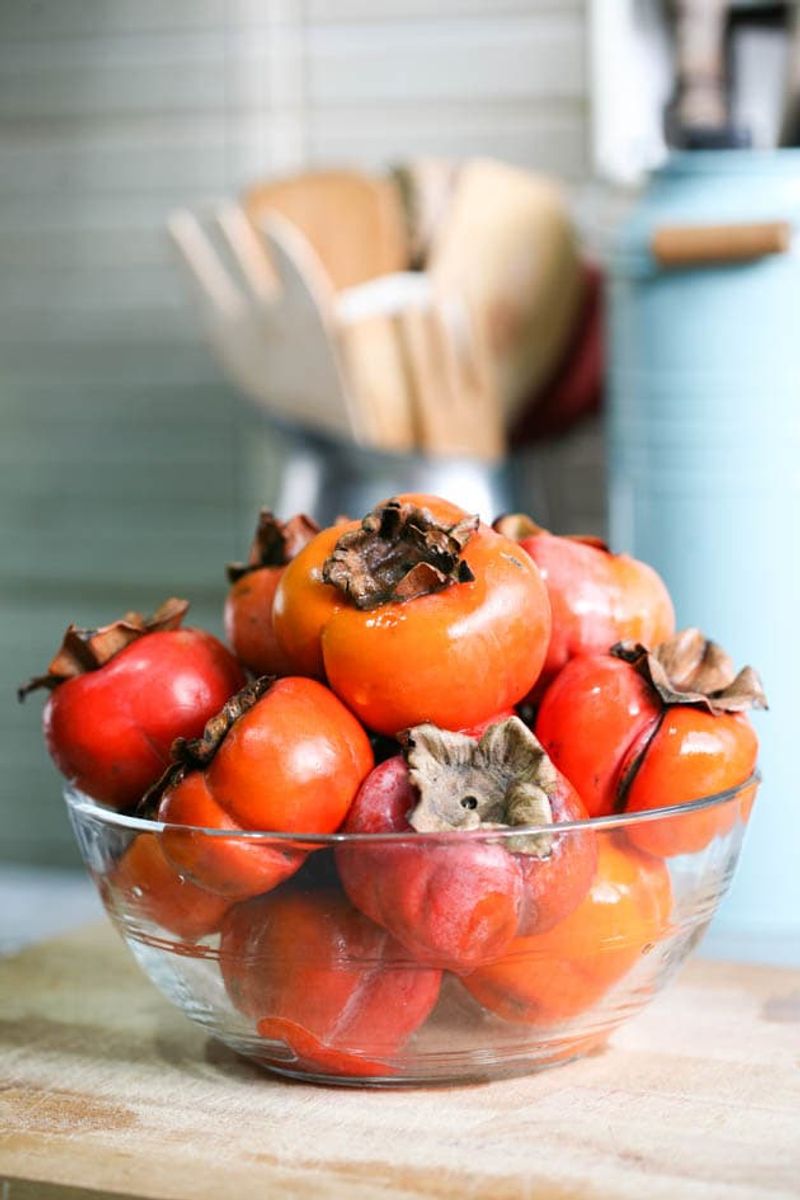
A good persimmon year can bury you in soft fruit almost overnight. Luckily, your kitchen has some handy tools for keeping that sweetness around.
Freezing is the easiest move. Run ripe fruit through a food mill or press it through a colander to separate pulp from skins and the flat brown seeds.
Pack the pulp into containers or freezer bags, and it keeps well for months.
Freezing whole fruit can also soften leftover bite in barely ripe persimmons. Ice crystals break down cell walls, and some tannins become less noticeable after thawing.
It is not a guaranteed fix for hard fruit, but it often helps borderline ones.
Got a few that are close but not quite there? Place them in a paper bag with a ripe apple or banana.
Those fruits give off ethylene gas, a natural ripening hormone that can speed things along at room temperature.
Once you have pulp, the options feel endless. Persimmon pudding is a classic in North Carolina kitchens, especially around the holidays.
Breads, muffins, cookies, and smoothies all welcome a scoop or two.
Avoid heating pulp for very long if it still tastes chalky, since cooking does not reliably remove astringency. Start with truly ripe fruit, and your baking will taste like autumn in every bite.
8. Planting A Native Persimmon Tree Pays Off For Years
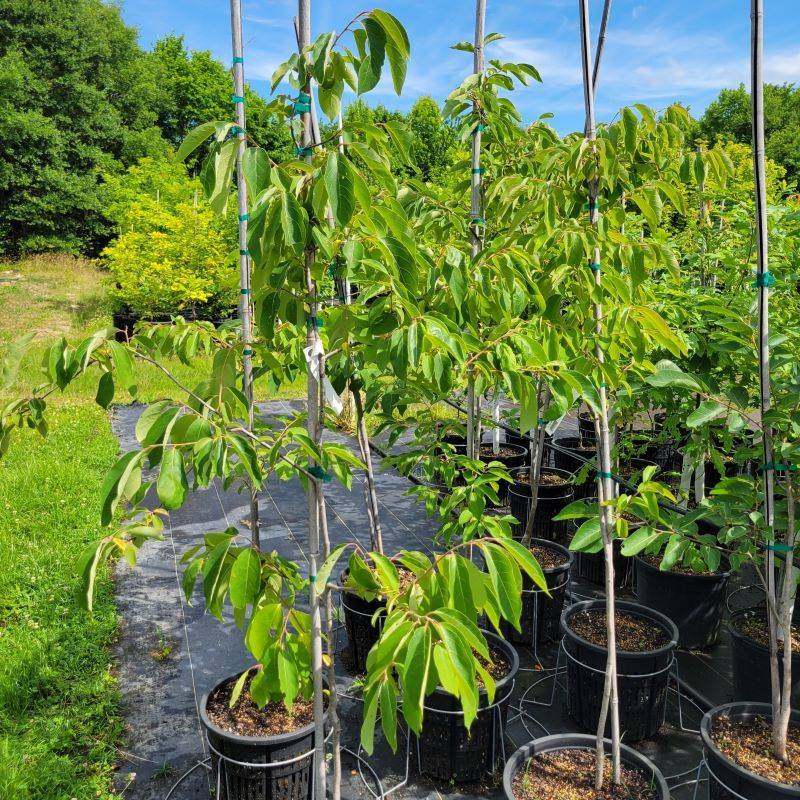
Growing your own native persimmon might be the smartest fruit tree choice you can make in the Southeast. It is tough, pest resistant, and happy across most of the state.
Choose a sunny spot with decent drainage. American persimmon tolerates poor soil, heat, and drought once established, which makes it easier than many orchard trees.
Late fall through early spring, while the tree is dormant, is a great window for planting.
Pay attention to one important detail. Most American persimmons have male and female flowers on separate trees, so you usually need both for fruit.
Some cultivars, like Meader, can set fruit without a partner, which saves space in small yards.
Expect deep roots and a long taproot. That means container-grown trees transplant better than larger dug ones.
Water regularly the first year, then let the tree mostly fend for itself.
Patience is part of the deal. Seedlings may take several years to bear, while grafted cultivars often fruit sooner.
Pollinators love the spring blooms, and wildlife will thank you every fall. I think few trees give back so much for so little fuss.
Plant one this dormant season, and someday you will be the neighbor who knows exactly when the sweet ones fall, frost or no frost.