When to Plant Bearded Iris in Arizona for Possible Spring Blooms
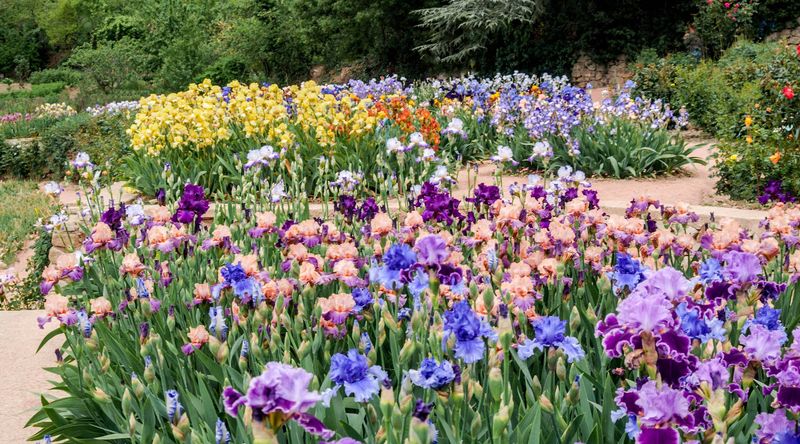
Bearded iris do not grow from bulbs at all. They grow from thick, knobby rhizomes that sit right at the soil surface.
Planting them at the right time can help their roots settle in before spring. The best date depends on where you garden, so let’s sort out the timing together.
When to Plant Bearded Iris in Arizona
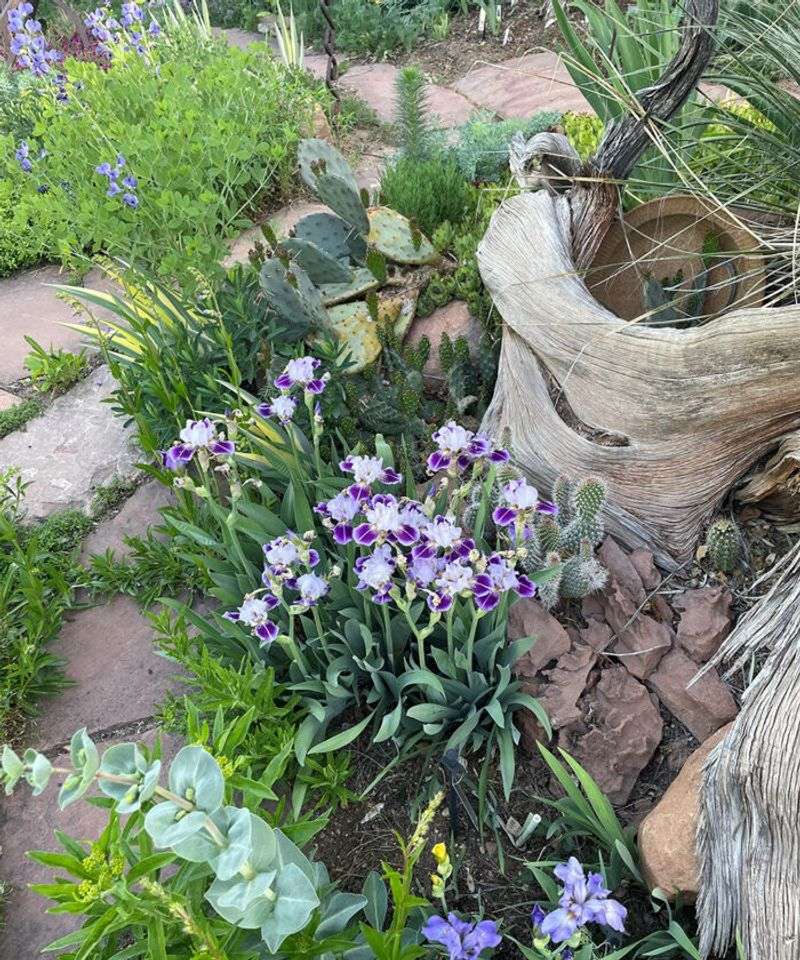
Ask five Arizona gardeners when to plant iris and you may get five answers, and they could all be right. The state covers low desert and high country, so one calendar date cannot fit everyone.
In Tucson, the local iris society recommends planting once daytime temperatures stay below 100°F, which is usually between September 15 and October 15. Dormant rhizomes can go in through November 30.
You can read the details in the Tucson Area Iris Society guide. The trigger is heat, not the date on the calendar, so a hot fall means waiting a bit longer.
Prescott gardeners get different advice. The Prescott Area Iris Society recommends July or August, so new roots can establish before frost arrives.
That is a very different window from Tucson’s, and it makes sense once you look at elevation.
Arizona has sharply different climates from one place to the next, as the University of Arizona explains in its guide to Arizona climate zones. If you live somewhere in between, start with the guidance nearest to your elevation and watch your local temperatures.
Choose a Sunny, Well-Drained Site
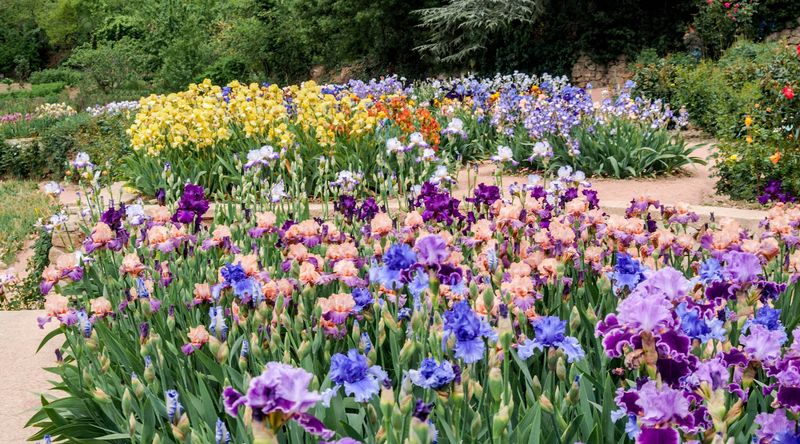
Walk your yard on a sunny morning and notice which spots stay bright all day. Bearded iris prefer full sun, according to University of Arizona Extension, so those bright patches are good candidates.
Drainage matters just as much as light. Poor drainage can cause rhizome rot, and the Tucson iris society also warns against places where water stands.
After a good rain or a long irrigation, check the spot a few hours later. If puddles linger, look elsewhere.
When a site simply does not drain well, consider a raised bed. Lifting the planting area above the surrounding ground gives extra water a way to move on.
Soil and exposure vary a lot from one Arizona yard to the next. A sandy patch behind a west-facing wall will behave very differently from a heavy clay bed on a shaded side of the house, so judge your own yard rather than assuming.
If you have dogs, cats, or horses, plan the location with them in mind. The ASPCA lists iris as toxic to all three, and the rhizomes hold the highest concentration of toxic principles.
Set the Rhizome at or Just Below the Surface
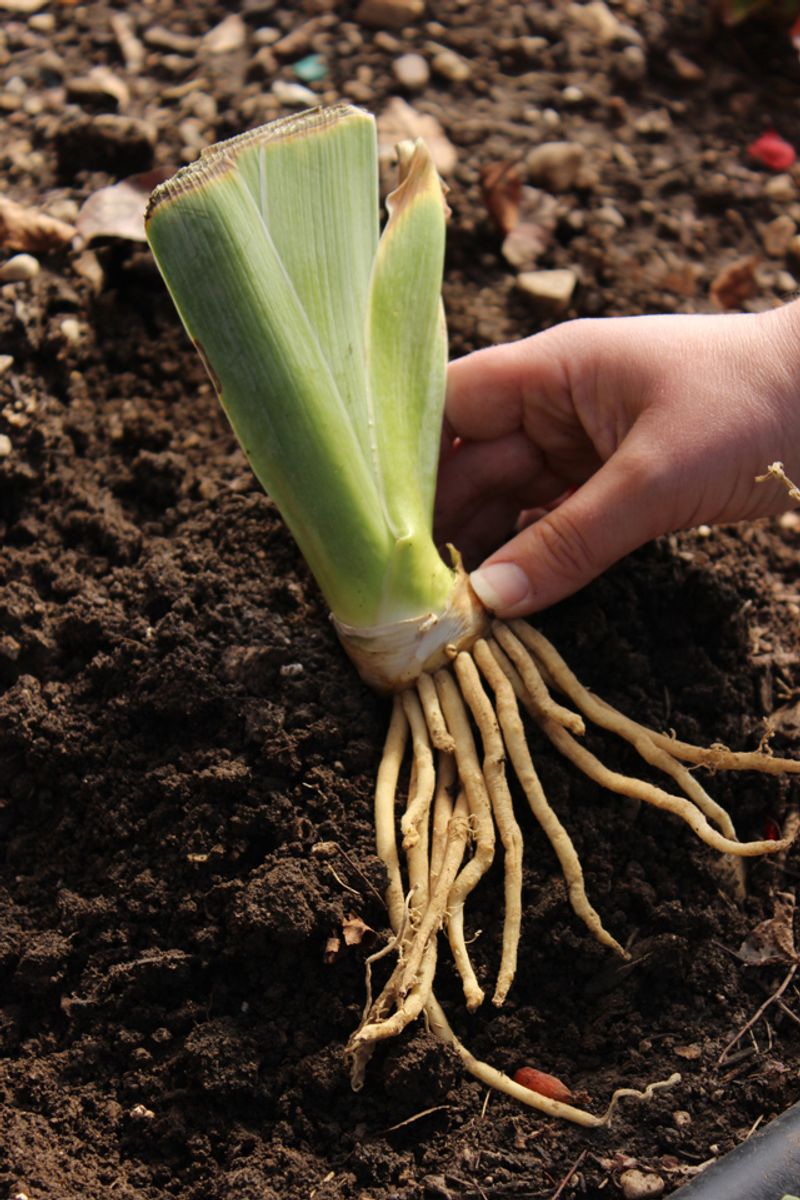
A bearded iris rhizome looks like a fat, lumpy finger, and that is the whole point. These plants grow from rhizomes, not bulbs, and they like to stay close to the surface.
To plant one, dig a small hole and spread the roots downward. Set the rhizome at or just below the soil surface, as described by Arizona Extension.
The leaf fan should point up, with the top of the rhizome peeking out.
There is one small exception. The American Iris Society allows up to one inch of cover in extremely hot climates or light soils, a point covered in its bearded iris growing guide.
Treat that as a limit, not a goal.
Planting too deeply is a recognized mistake. A buried rhizome can struggle, so if you are unsure, err on the shallow side and firm the soil gently around the roots.
Spacing helps too. Leave room between rhizomes so each fan has space to spread, and your future self will thank you.
Water While New Roots Establish
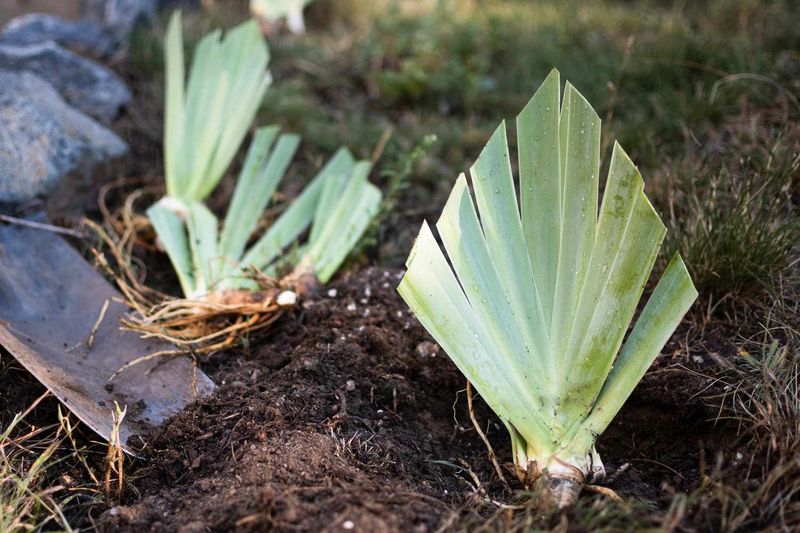
Freshly planted iris are thirsty beginners. Right after planting, water thoroughly, then keep the soil from drying out while new roots form, as the American Iris Society advises.
This early period is when rhizomes need the most attention. A newly planted piece has not yet grown the roots it needs to find water on its own.
Check the soil every few days, and adjust for your weather and soil type.
Established plants are a different story. Bearded iris tolerate drought once they are settled in, but they are not no-water plants.
Arizona Extension still recommends deep watering during dry weather, and its bearded iris guide is a handy reference.
Do not overdo it, though. Excess moisture and poor drainage can cause rhizome rot, so soggy soil is a warning sign.
If the rhizome feels mushy or smells bad, cut back on watering and check the drainage.
Set Realistic Expectations for Spring Flowers
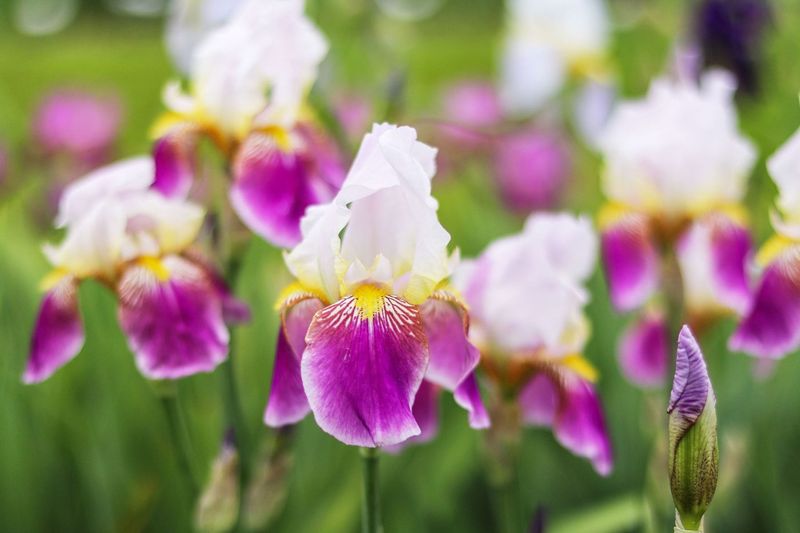
Spring is the usual bloom season for bearded iris, and that is the part worth looking forward to. Most cultivars flower then, but the exact timing changes with the cultivar and your location.
For north-central Arizona, Extension gives a general range of April through June. That range comes from University of Arizona guidance for that region, so gardeners elsewhere may see different timing.
Here is the honest part. A newly planted rhizome may not bloom its first spring, and the American Iris Society says maturity and location both play a role.
Planting on time and caring for it well gives it a better chance, but it is not a guarantee.
Not every cultivar rebloom, either, so do not count on summer or fall flowers. If your plants skip a year, check the basics: sun, drainage, planting depth, and how established the rhizome is.
Patience often pays off.
Divide Crowded Clumps for Future Bloom
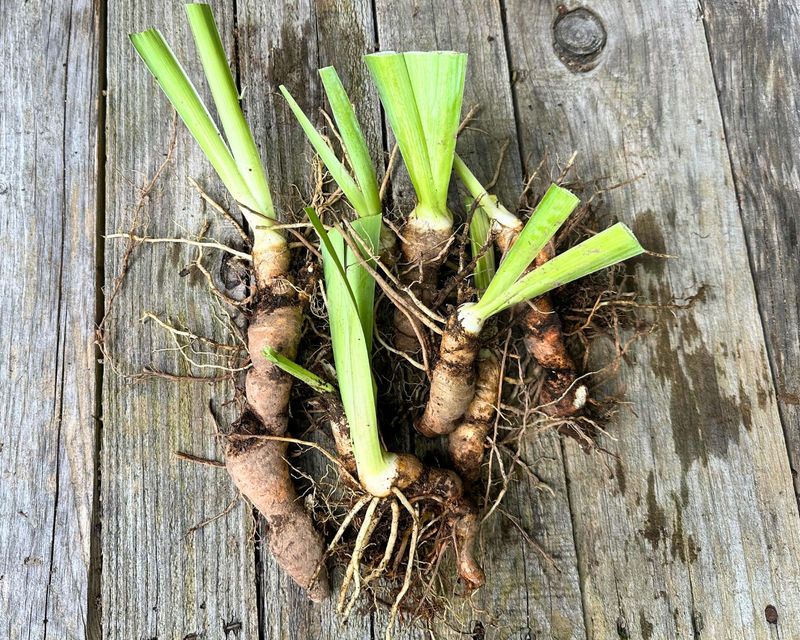
Years from now, your iris patch may start to look a bit packed. When clumps get crowded and flowers decline, it may be time to divide them.
This is occasional care, not a yearly chore. Arizona Extension suggests dividing roughly every three or four years, generally in summer after bloom, as noted in its bearded iris publication.
For more on the plant itself, see the American Iris Society overview.
Dividing is future maintenance, so it does not belong in your planting-day to-do list. For now, focus on timing, site, depth, and water.
Follow the planting guidance for your area, whether that is Tucson’s cooler fall window or Prescott’s summer one. Bloom is never promised, but a well-planted iris is a good bet for a pretty spring someday.