Sluggish Flies Buzzing At Sunny Indiana Windows Are Coming Out Of Your Walls
Some flies in your house started life inside an earthworm. I still find that fact wild every time I say it out loud.
Those slow, clumsy buzzers bumping into your sunny Indiana windows did not sneak in this morning. Many of them have been tucked inside your walls and attic since last fall. They waited quietly through the cold months, just inches from your couch.
To me, their flight looks like a toy winding down. They wobble, crash, and sometimes spin on their backs on the windowsill. You might sweep up a dozen and find a dozen more the next sunny afternoon.
So who are these sleepy guests, and why do they pick your house? You’re in for a big surprise once you learn where they came from. The answer might change how you look at your siding this fall.
Those Golden-Haired Window Flies Aren’t Ordinary House Flies
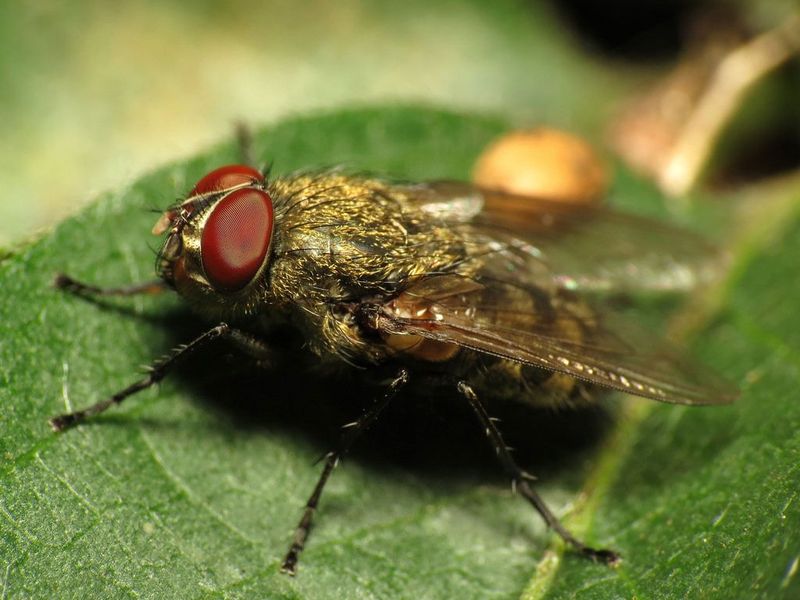
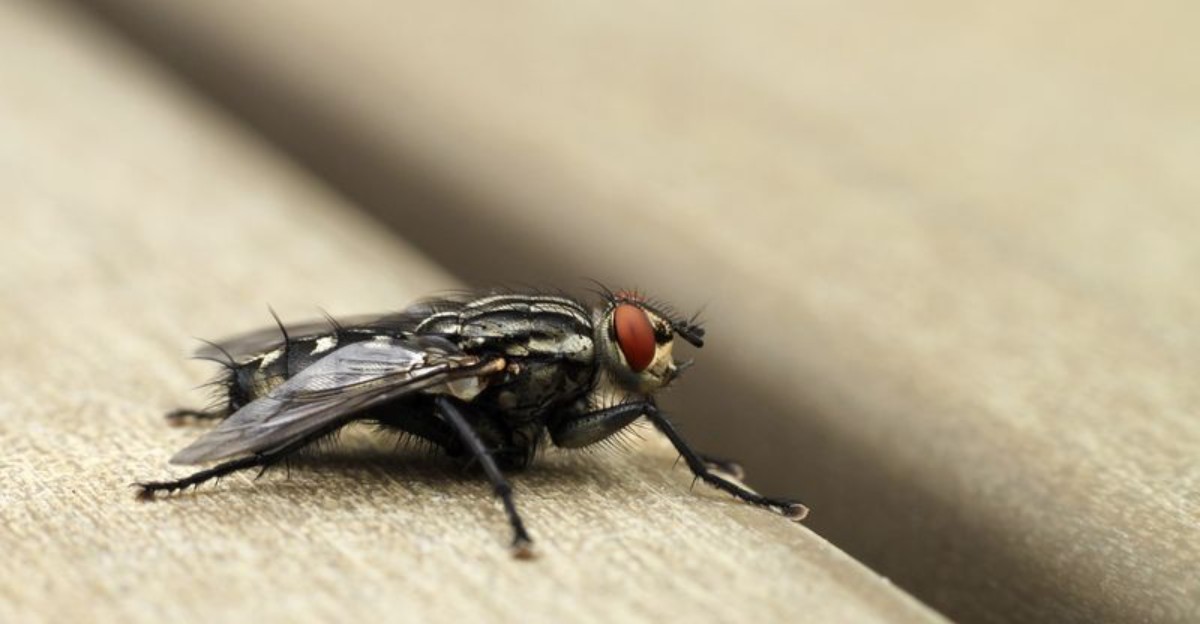
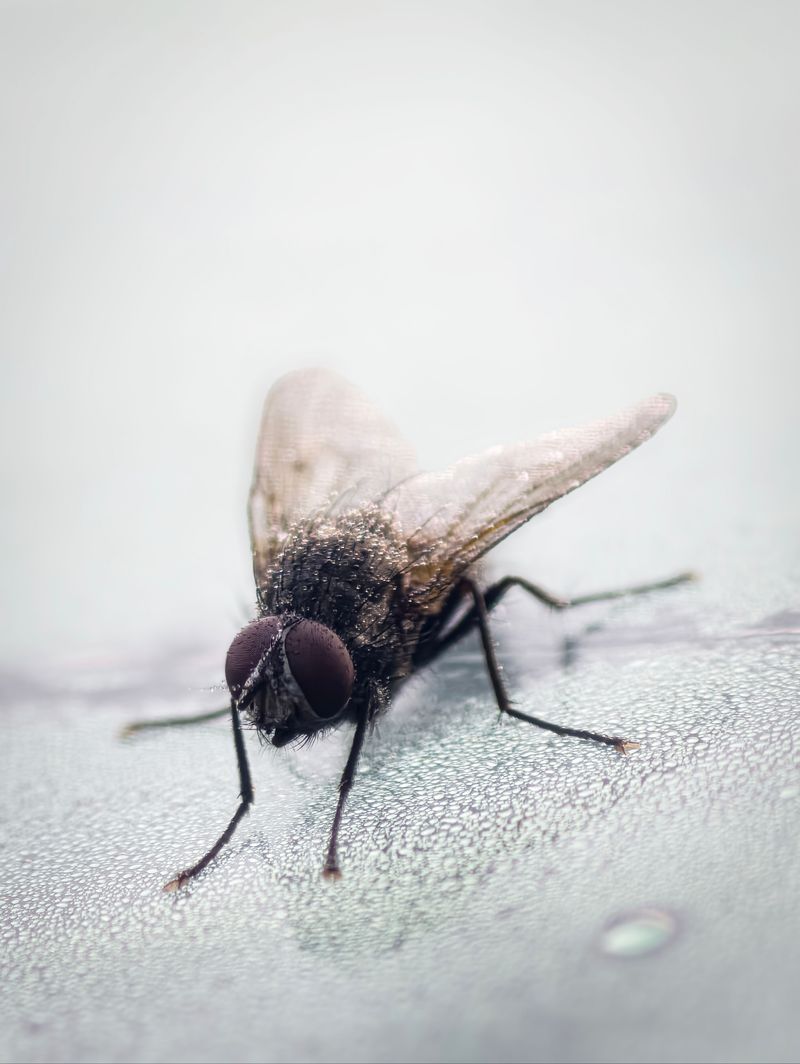
Grab a magnifying glass the next time one lands on the glass. You’ll likely spot fine golden-yellow hairs on its back, near where the wings attach. That little detail points straight to cluster flies, sometimes called attic flies.
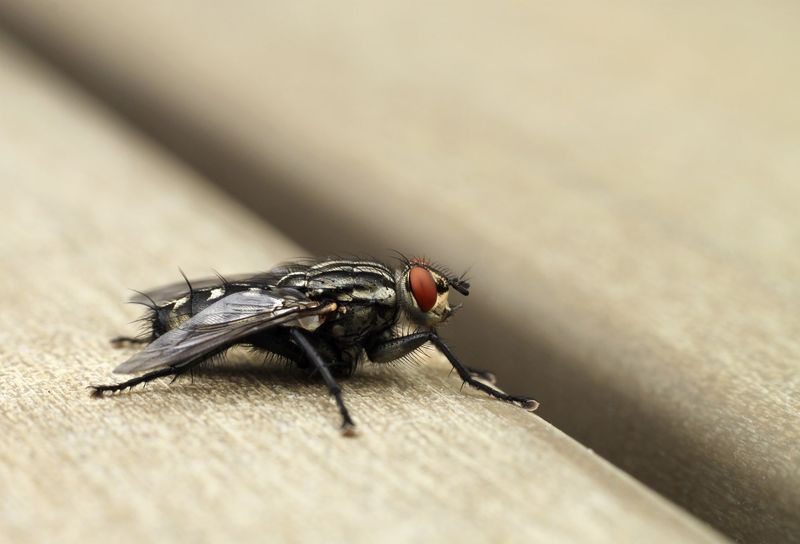
Cluster flies are a bit larger than house flies and look dull gray rather than shiny. When they rest, their wings fold over each other across the back, almost like closed scissors. House flies hold their wings apart in a slight V shape.
Behavior gives them away too. Cluster flies move slowly, fly in a confused, bumbling way, and often drop to the windowsill. Some lie on their backs and spin in circles before taking off again.
House flies act very differently. They zip around the kitchen, land on food, and breed in garbage or pet waste. Seeing lots of house flies indoors usually means a sanitation problem nearby.
Cluster flies are a separate story. Their numbers have nothing to do with how clean your home is. Purdue and other university extension services list them as common fall and spring nuisance pests across the Midwest.
Getting the identification right matters. It keeps you from scrubbing your trash cans when the real issue sits inside your walls.
Your Warm Walls Became A Cluster Fly Winter Hideout
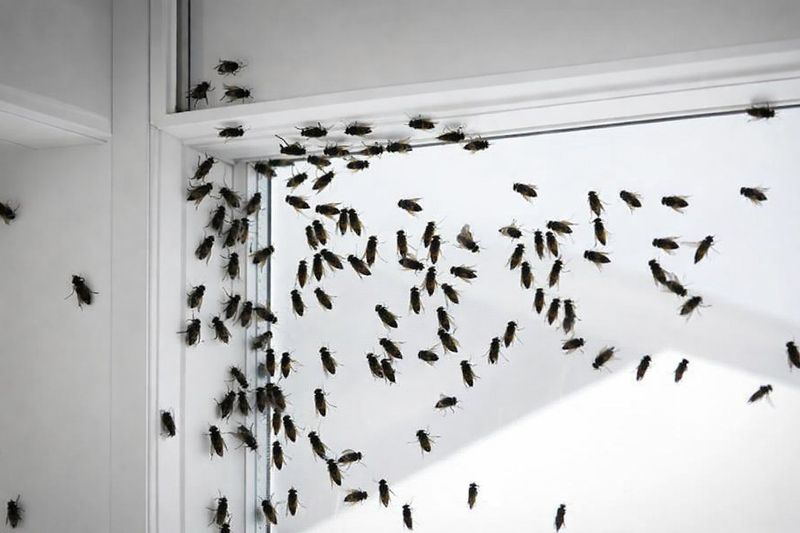
Last September, while you were raking leaves, these flies were house hunting. As fall temperatures in the state slip toward 50 degrees, adult cluster flies look for a protected place to spend winter.
They love sunny south and west walls. On warm autumn afternoons, you may have seen them sunning on light-colored siding in big groups. That habit of gathering is how they earned the name cluster flies.
From there, they crawl inside. They settle into wall voids, attics, soffits, and the gaps above ceilings. Once tucked away, they slow down and enter a resting state through the coldest months.
Older homes and houses near lawns, pastures, or farm fields often see the most flies. Rural and suburban homes tend to have more than downtown apartments. Tall buildings and homes on hilltops can attract them too.
Many homeowners notice the same house gets flies year after year. Researchers think the flies may be drawn to scents left by earlier groups, though this idea is still being studied.
So the flies at your window are not new arrivals from outdoors. They are leftovers from last fall’s move-in day. Your house was simply their cozy cabin.
Furnace Heat And Bright Sunshine Wake Up The Sleeping Flies
Sunshine is the alarm clock. On a bright winter or early spring day, sunlight warms exterior walls, and the hidden flies inside start to stir.
Your furnace helps too. Warm air seeps into wall spaces and attics, fooling the flies into thinking spring has arrived. Even a sunny January afternoon can trigger a small wave.
Once awake, the flies want to go back outside. Their instinct pulls them toward light, since outdoors means brightness. Unfortunately, many crawl the wrong direction and pop out into your living room instead.
They squeeze out around window trim, baseboards, outlets, ceiling fixtures, and attic doors. Then they head straight for the brightest window in the house. That is why they pile up on sunny glass.
Cold, groggy flies explain all that clumsy behavior. Their bodies are not fully warmed up, so they fly poorly and tumble often. Many fail to survive long indoors because there is nothing for them to eat.
You may notice the most flies on rooms facing south or west. Upper floors and rooms near the attic often get extra visitors. Keep an eye on those spots during any warm spell from late winter through April.
Earthworms In Your Lawn Raise The Next Batch Of Cluster Flies
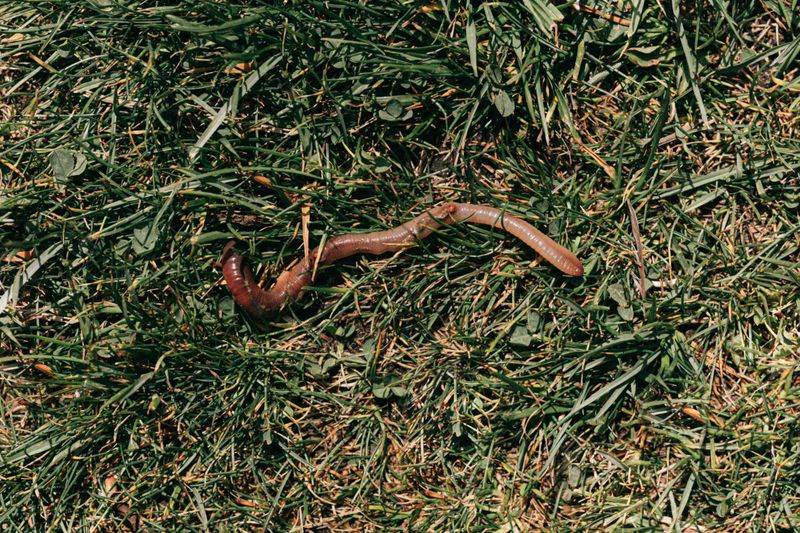
Here comes the strangest part. Cluster fly babies grow up inside earthworms. Female flies lay eggs in soil during spring and summer, often in lawns and fields.
After hatching, the tiny larvae search for an earthworm and burrow into it. They feed inside the worm for several weeks as parasites. Eventually, they pupate in the soil and come out as adult flies.
Several generations can develop each warm season. The final group of adults is the one that seeks shelter in buildings each fall. That is why homes surrounded by grassy areas see plenty of action.
Healthy soil full of worms can support more flies. Lawns, pastures, and crop fields near your home all count. A neighbor’s field can contribute just as much as your yard.
Please don’t try to remove the earthworms from your garden to stop flies. Earthworms help loosen soil and break down organic matter. Treating soil to reduce flies is not recommended by extension experts, since it rarely works.
Gardeners can find this fact oddly fascinating. Your flowerbeds and your window flies are connected in one surprising life cycle. Nature really does love a weird twist.
Relax Because These Clumsy Window Flies Won’t Bite Or Breed Indoors
Take a deep breath. Cluster flies are a nuisance, not a health threat. They don’t bite people or pets, and they are not known to spread disease.
They also leave your food alone. Unlike house flies, they are not attracted to garbage or kitchen scraps. And they don’t lay eggs inside your home, so your house cannot become a breeding site.
That means most of the flies you see indoors came in last fall. Their numbers will drop off as spring warms up and they head outside. Each year’s indoor crowd is mostly limited to what moved in before winter.
Still, they can be annoying. Large groups may leave small dark spots on walls, curtains, or window frames. Dried flies piling up in attics can also attract carpet beetles and other pests that feed on insect remains.
So it helps to clean up regularly. Wipe any spotting with mild soapy water. Check attic corners and window tracks for buildups of old flies.
Personally, I find peace in knowing they are harmless. A few buzzing visitors are a quirky sign of seasonal change. Managing them is simply part of living near green spaces.
A Vacuum Cleaner Beats The Fly Swatter Every Time
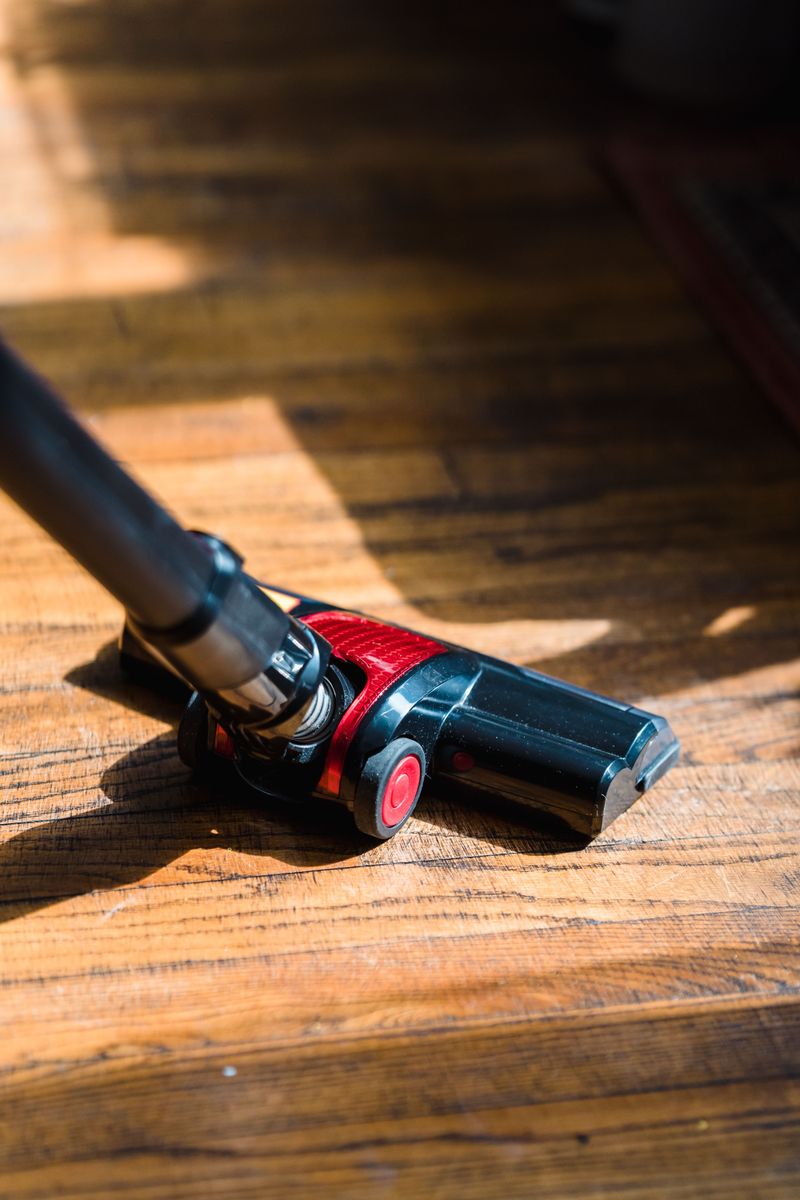
My favorite tool for cluster flies sits in the hall closet. A vacuum with a hose attachment picks them up quickly from windows, sills, and ceiling corners.
Empty the canister or toss the bag soon after. Otherwise, a few lively flies may crawl back out. Sealing the bag in a plastic grocery sack works well.
Skip the swatter if you can. Crushed cluster flies can leave greasy stains on walls and curtains. Many people also notice a sweet, musty smell when they get squished.
Sticky fly strips near windows can catch some stragglers. Small light traps made for indoor flies help in attics or unused rooms. Keep expectations modest, since traps reduce numbers but rarely solve a big problem.
Bug sprays inside living spaces are not a good plan. Flies hiding in walls can stay out of reach, and treating wall voids may leave a mess of insects behind the drywall. That buildup can draw other pests later.
Next, play detective. Watch where the flies appear, then seal those gaps around trim, outlets, and light fixtures with caulk. Fewer exit points means fewer surprises on sunny days.
Seal Gaps Around Siding And Windows Before Next Fall
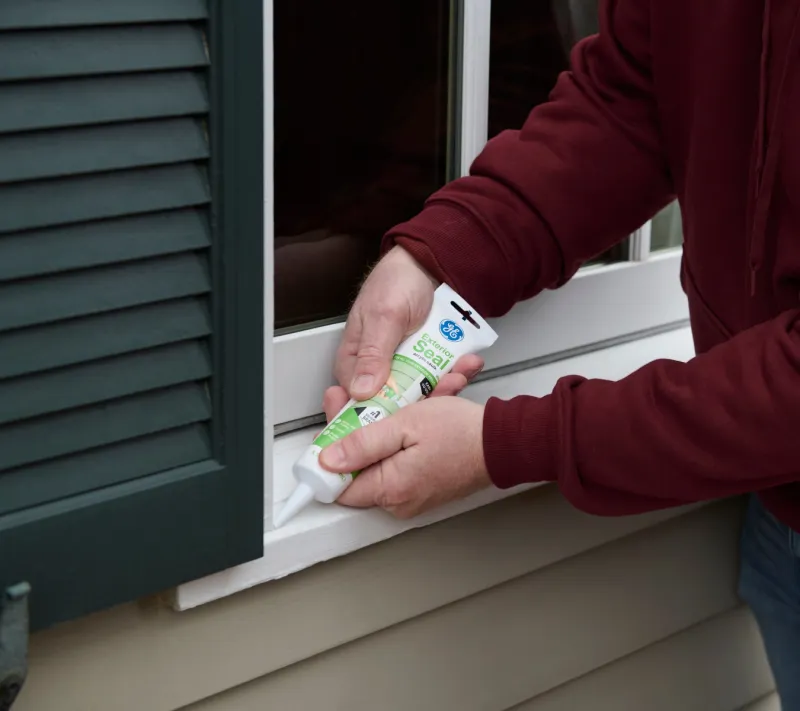
Prevention is the real winner here. The best time to act is late summer, before flies start searching for shelter. In much of the state, that means August through early September.
Walk around your house with a caulk gun. Fill cracks around window and door frames, utility pipes, cable lines, and vents. Pay extra attention to sunny south and west walls.
Check your screens for tears and fix them. Add door sweeps and fresh weatherstripping where you feel drafts. Fine mesh over soffit, attic, and roof vents keeps flies out while still allowing airflow.
Loose siding and gaps along the roofline deserve a close look too. Even a tiny opening can let flies slip inside. A ladder and a sunny afternoon can make a big difference.
Homes with heavy fly problems sometimes need extra help. Licensed pest professionals can apply an exterior treatment in early fall, before flies move in. Purdue Extension notes timing is key, since spraying after they settle inside offers little benefit.
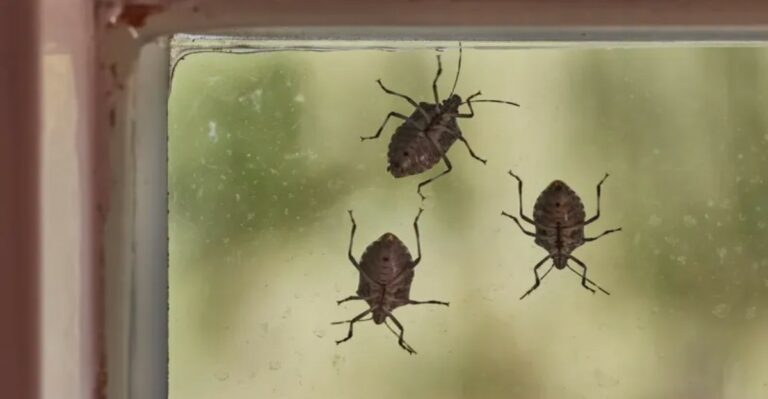
Bonus benefit time. Sealing gaps also cuts drafts, saves on heating bills, and blocks other fall invaders like stink bugs and ladybugs. Your future self will thank you.