The Spring Bulbs Arizona Gardeners Should Plant in November for Winter Color
Some of the prettiest flowers in Phoenix bloom in February from bulbs that spent weeks sitting beside the lettuce. Desert gardeners chill certain bulbs in the fridge because our mild winters skip the cold they expect.
Other bulbs need no chilling at all, and they happily push up leaves while northern gardens sit frozen solid. Many of them shrug off our alkaline soil, and several are poisonous enough that gophers usually leave them alone.
Personally, I love walking outside on a January morning and smelling perfume drifting from a bed of green spears. You might notice bees finding those blooms faster than you do, especially on sunny afternoons in Arizona.
November is the sweet spot for planting most of them across the low desert of Arizona. So which bulbs deserve a spot in your soil before the first frost warnings show up this year?
1. Paperwhite Narcissus
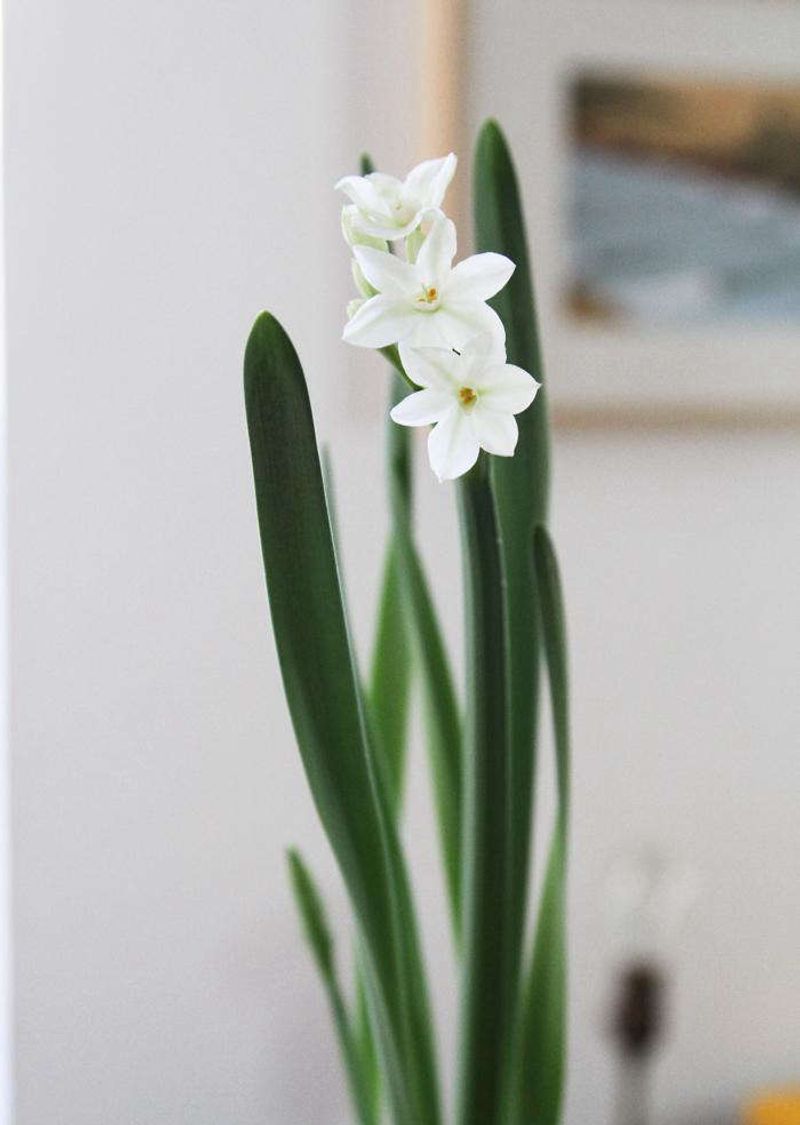
Paperwhites are the bulbs I hand to nervous beginners, because they bloom without any chilling in warm winter climates. Their starry white clusters can open as early as December, filling a whole patio with a sweet, musky perfume.
Plant them in November about four inches deep and a few inches apart, pointed tips facing up toward the sky. Choose a spot with full morning sun and some afternoon shade, and loosen the soil with a little compost first.
Water deeply once after planting, then keep the soil lightly moist while the green leaves are actively growing. Too much water in heavy clay can rot bulbs, so let the top inch dry between soakings.
I love that rabbits and gophers mostly ignore them, since every narcissus contains bitter compounds that critters find unpleasant. That makes paperwhites a smart border along beds where hungry rodents usually snack on tender winter seedlings.
After blooming ends, let the leaves yellow naturally so the bulb can store energy for another season underground. Many gardeners report paperwhites returning for years in the low desert, which feels like a free gift each winter.
2. Ranunculus
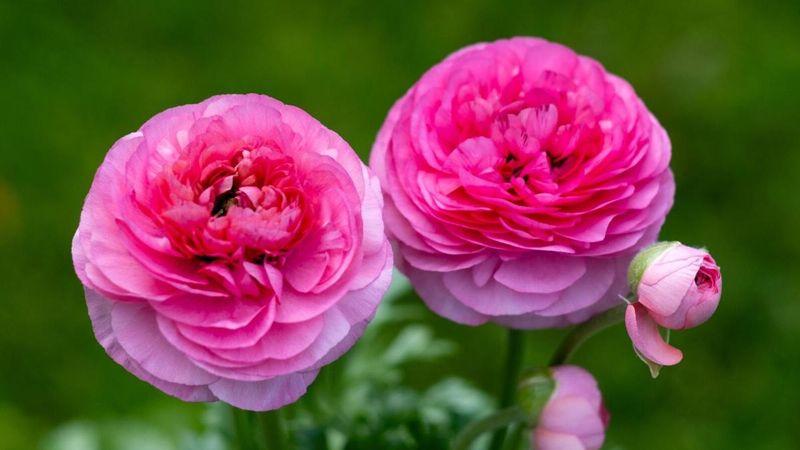
Ranunculus blooms look like someone folded tissue paper into tiny roses, sometimes stacking over a hundred petals per flower. When a friend first saw mine in March, she honestly assumed I had bought expensive florist bouquets.
Those odd little corms resemble dried octopus, and you plant them with the pointy claws facing downward into the soil. Soak them in room temperature water for a few hours before planting, which helps them wake up faster.
Set them about two inches deep and six inches apart in a sunny bed with loose soil that drains well. Water once well, then wait until green sprouts appear before watering regularly, since soggy corms rot quickly.
Desert gardeners usually treat ranunculus as annuals, because our scorching summers rarely let the corms survive until next fall. I think that works in your favor, since you can try a fresh color mix every single November.
Blooms typically run from late February into April, and cutting flowers often encourages the plants to produce even more. Bees visit the single-petal varieties more readily, so tuck a few of those types in for pollinators too.
3. Anemone
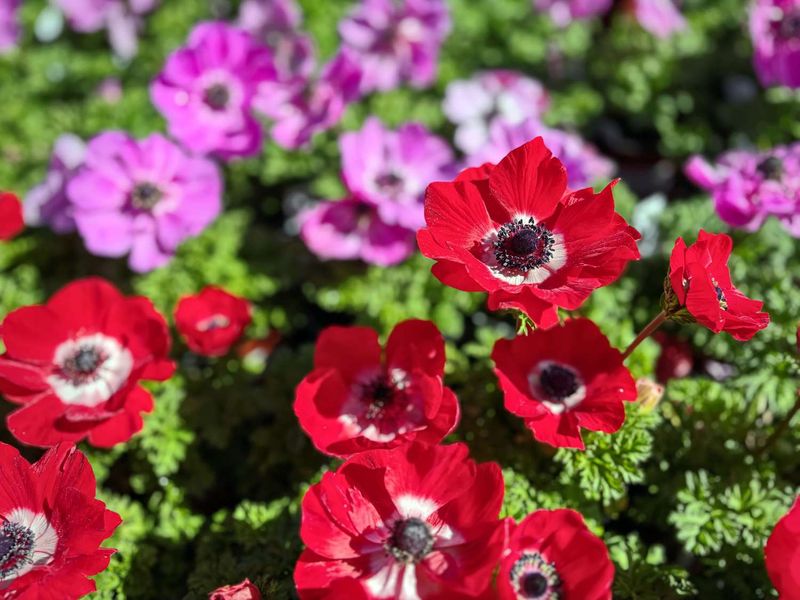
Poppy anemones wear dark, velvety centers that look a little like eyes staring back at you from the garden. Their jewel colors of scarlet, violet, and white feel almost too bold for a sleepy winter yard.
Like ranunculus, the hard little corms benefit from a short soak in water before they go into the ground. Plant them about two inches deep and four inches apart, ideally in a bed that gets plenty of sun.
You might struggle to tell which side is up, and honestly the corms usually sort themselves out underground anyway. I simply lay them on their sides when unsure, and the shoots find their own way toward daylight.
Anemone coronaria blooms from roughly February through April, giving your yard color just as the citrus starts flowering nearby. Stagger plantings a couple of weeks apart through November, and you can stretch that colorful show over several extra weeks.
Southeastern Arizona even has a native cousin, Anemone tuberosa, which blooms on rocky desert slopes in late winter. Spotting those pale pink wildflowers on a hike reminds me that anemones genuinely belong in this rugged, sunny landscape.
4. Freesia
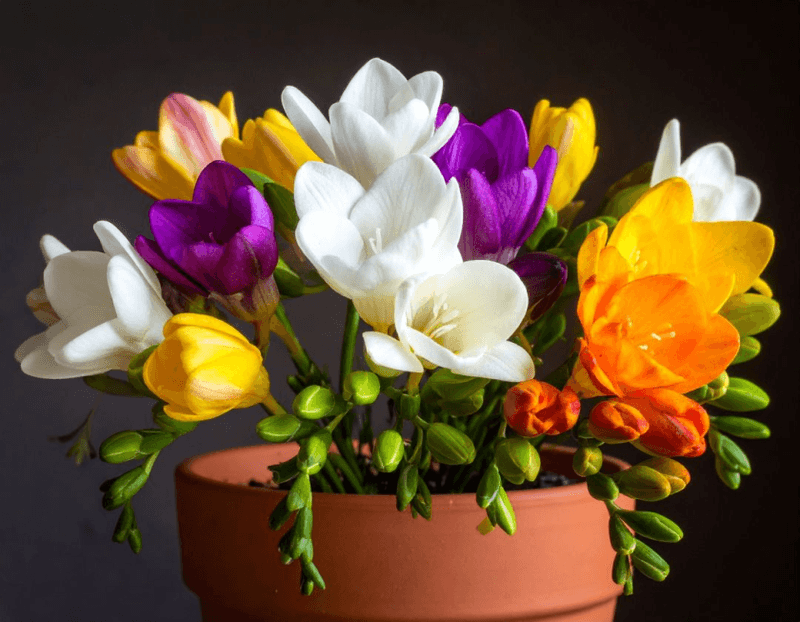
Freesias carry one of the sweetest scents in the bulb world, often compared to fresh citrus mixed with honey. One small clump near my front door makes coming home on a February evening feel like a celebration.
These South African corms suit desert winters nicely, because their native homeland also has mild, damp winters and dry summers. Plant them about two inches deep and two inches apart, with the pointed ends facing upward toward the sun.
Give them full sun or bright morning light, plus well-drained soil enriched with a little compost or aged manure. Their slender stems sometimes flop under heavy blooms, so a few short twigs nearby offer helpful support.
Water moderately through winter, then back off as the leaves start to yellow when temperatures climb during late spring. Some corms return the following year in protected spots, though many gardeners simply replant fresh ones each fall.
Bees and other pollinators enjoy the tubular flowers, which open in sequence along each arching stem over several weeks. Personally, I plant extras in pots, because a vase of cut freesias perfumes an entire kitchen within hours.
5. Dutch Iris
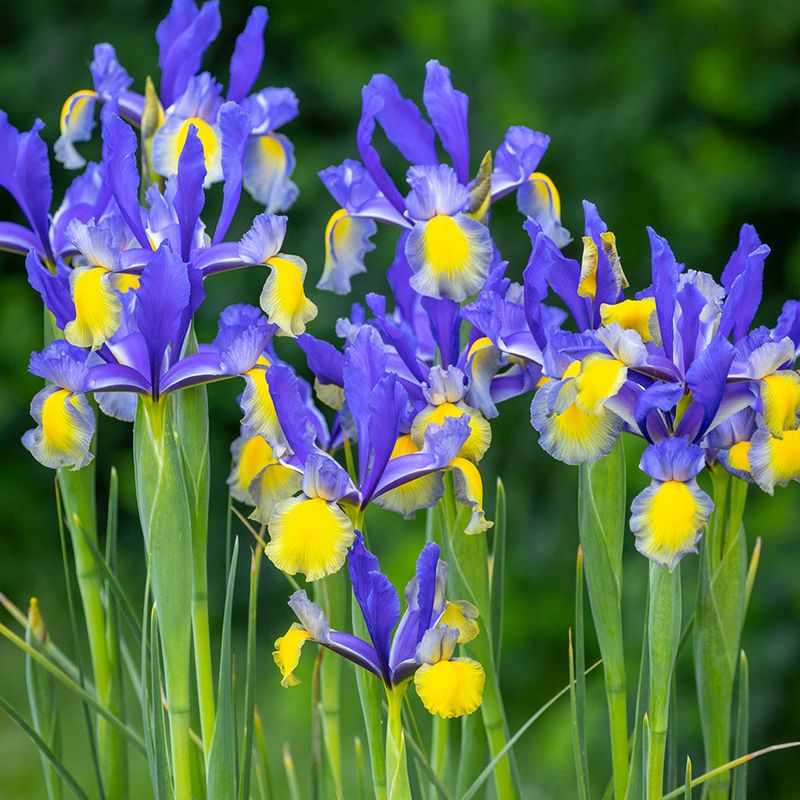
Dutch irises look like elegant blue birds perched on slender stems, each petal marked with a bright yellow flash. Florists adore them, and you can grow the same blooms for a fraction of the price at home.
These bulbs handle desert winters better than many classic irises, and they usually skip any need for refrigerator chilling. Plant them in November about four inches deep and four inches apart, in a sunny spot with good drainage.
Leaves often appear within a few weeks, standing upright like green blades through the coolest months of the winter. Flowers typically open from late February into March, rising nicely above shorter bulbs like grape hyacinths or anemones.
Water regularly while foliage grows, but let the soil dry once the leaves begin to turn yellow in late spring. Bulbs left in a well-drained bed may return next year, especially when summer irrigation stays light and occasional.
I like planting them in groups of ten or more, because a single iris can look a little lonely. A crowded clump creates a striking ribbon of blue that catches the eye from across the yard.
6. Summer Snowflake
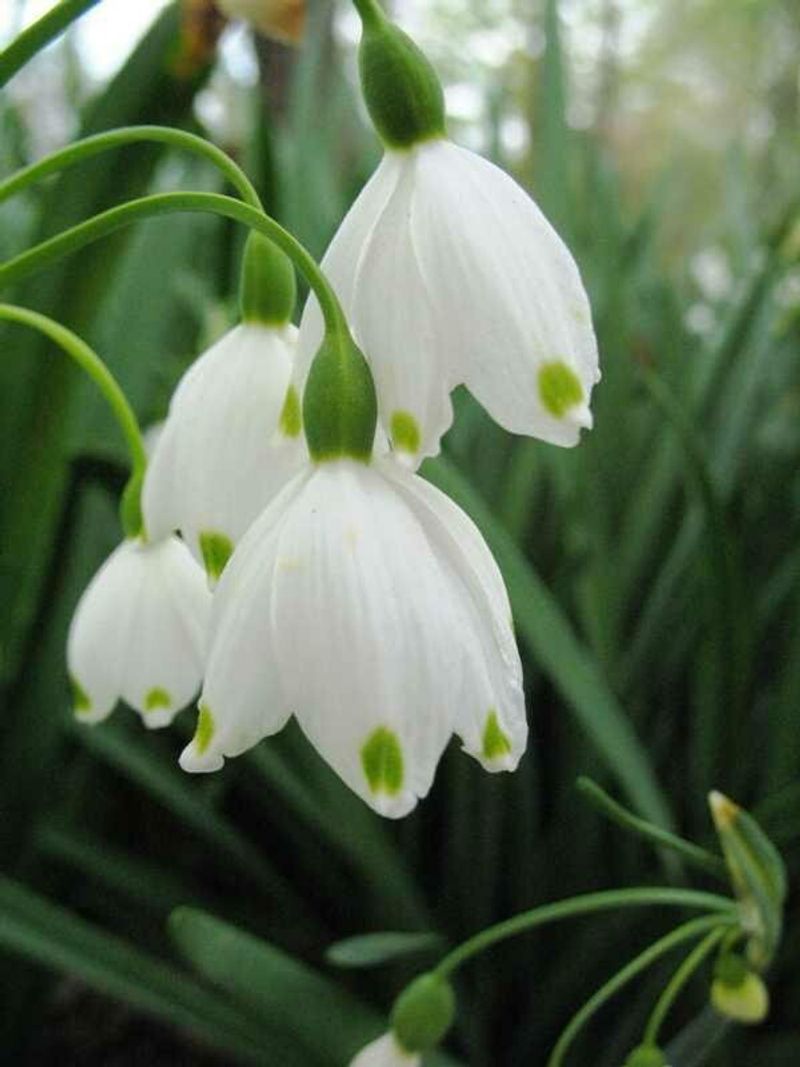
Despite its confusing name, summer snowflake blooms in late winter and early spring, dangling dainty white bells tipped with green. Each little petal looks hand-painted, as if a careful artist added a single green dot at every tip.
Leucojum aestivum tolerates warm climates far better than true snowdrops, which usually sulk without long, freezing winters. That reliability earns it a spot here, because it gives you that classic woodland look in a sunny desert yard.
Plant the bulbs about four inches deep and four inches apart, ideally under the filtered shade of a deciduous tree. A mesquite or palo verde canopy works nicely, protecting the foliage once afternoon sun strengthens in spring.
Once established, clumps slowly multiply over the years, and they rarely need dividing unless flowering starts to decline. Gophers and rabbits tend to avoid them, since the plant belongs to the same family as daffodils.
I have to admit, these quiet charmers win me over more each year than flashier blooms do. Keep moderate moisture through winter, then let the leaves fade naturally before tidying the bed in late spring.
7. Spring Starflower
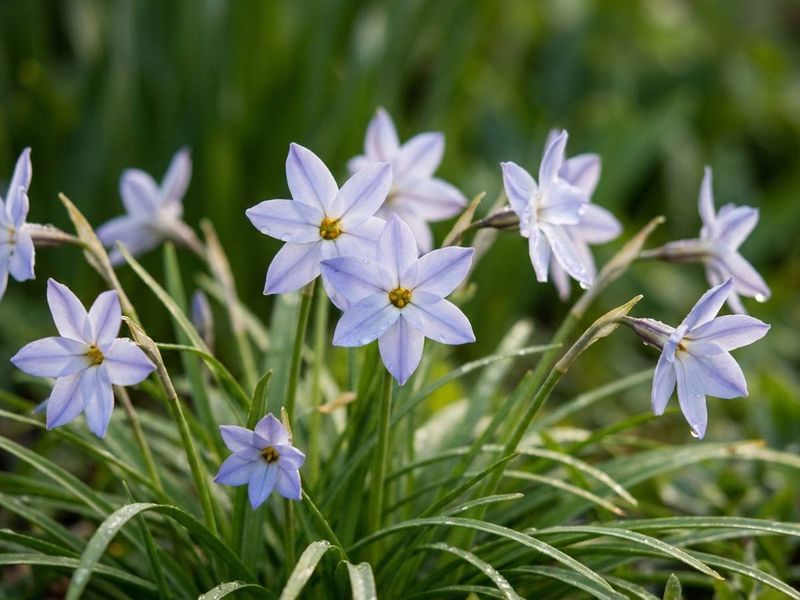
Brush against spring starflower leaves, and you will catch a faint onion scent drifting up from the ground. That quirky smell explains why rabbits and deer usually walk right past these cheerful little plants.
Ipheion uniflorum produces pale blue, star-shaped flowers that open flat on sunny days and close up again at night. Clumps look lovely tucked along walkways, where you can admire the blooms up close during late winter strolls.
Plant the small bulbs in November about three inches deep and a few inches apart in loose, draining soil. Full sun or light afternoon shade works well, and the plants handle our alkaline soil without much fuss at all.
Foliage appears in fall, flowers typically arrive from late winter into early spring, and the leaves fade once heat returns. Over several seasons, the clumps slowly spread, creating a soft carpet that fills gaps between larger shrubs.
Small native bees often visit the open blooms, which makes starflowers a sweet addition to any pollinator-friendly bed. I love how little care they demand, needing only occasional water through the cooler months to stay happy.
8. Grape Hyacinth
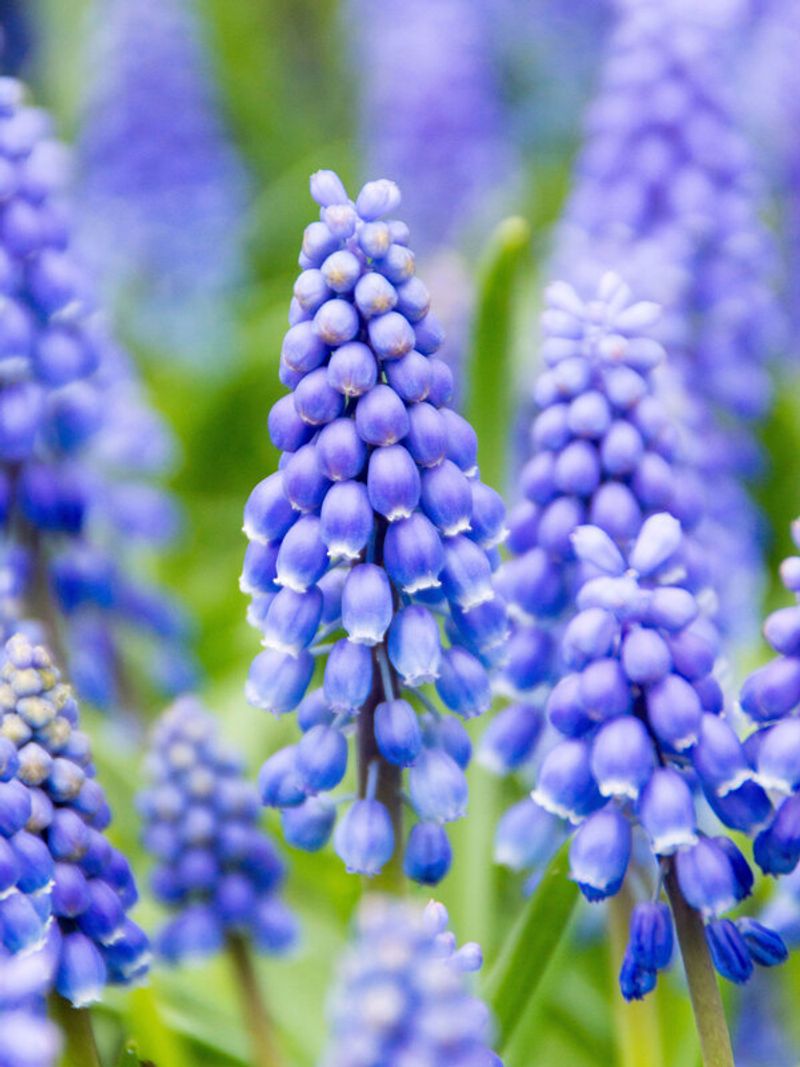
Grape hyacinths really do look like tiny bunches of upside-down grapes, packed with cobalt blue bells along each short stem. Kids especially love them, and I have caught more than one young visitor trying to sniff every cluster.
Muscari armeniacum often performs best in the desert after six to eight weeks of chilling in your refrigerator. If you started chilling them in October, they will be ready for planting by late November or early December.
Keep them away from ripening fruit while they chill, because ethylene gas from apples can harm the developing flower buds. Plant them about three inches deep and three inches apart, in full sun with well-drained soil.
Their grassy leaves often appear early, and the blooms usually follow in February or March before warmer weather arrives. Early-flying bees appreciate them greatly, since few other flowers offer nectar during those cooler, quieter weeks of the season.
I like edging beds with a thick line of them, which creates a bright blue ribbon around taller bulbs. Water moderately through winter, then let the foliage fade on its own once temperatures begin climbing steadily.
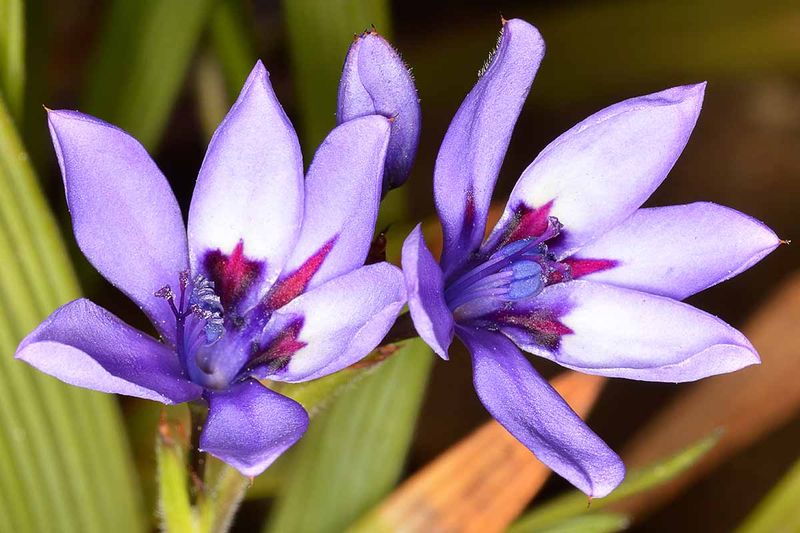
9. Baboon Flower
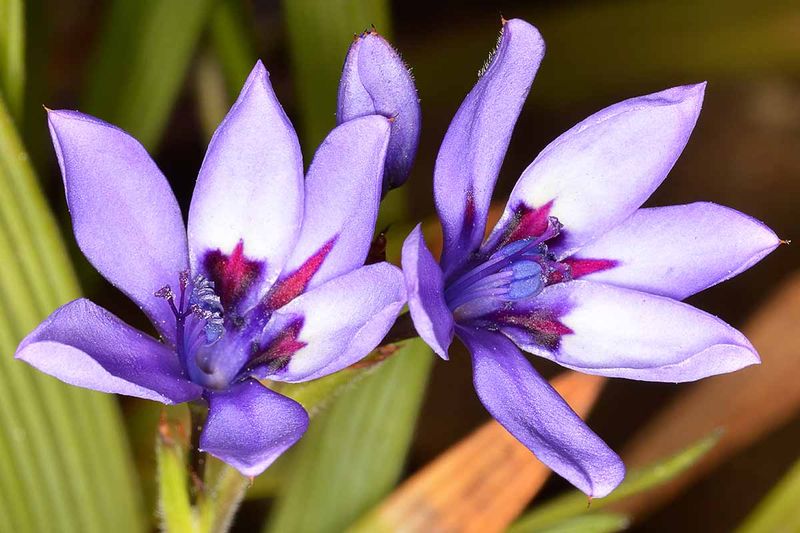
Baboon flower earned its funny name because baboons in South Africa reportedly dig up and munch the corms. Luckily, desert gardens have no baboons, so you can enjoy the intense violet blooms without sharing.
Babiana thrives in conditions that frustrate many bulbs, including dry summers, mild winters, and lean, gritty soil that drains quickly. Plant the corms about three inches deep and three inches apart in a sunny, well-drained spot.
The pleated, slightly hairy leaves feel soft to the touch, and they emerge soon after cooler weather settles in. Flowers typically open in early spring, often smelling faintly sweet on warm afternoons when bees are busy visiting.
Water regularly through winter growth, then reduce watering as the foliage yellows, since summer moisture can rot resting corms. Rock gardens suit them beautifully, and a little gravel mulch keeps the crowns dry between occasional winter rains.
Personally, I think baboon flower deserves far more attention from desert gardeners who want something different from tulips and daffodils. Clumps slowly multiply when happy, giving you more of those electric purple flowers with each passing spring season.
10. Jonquil
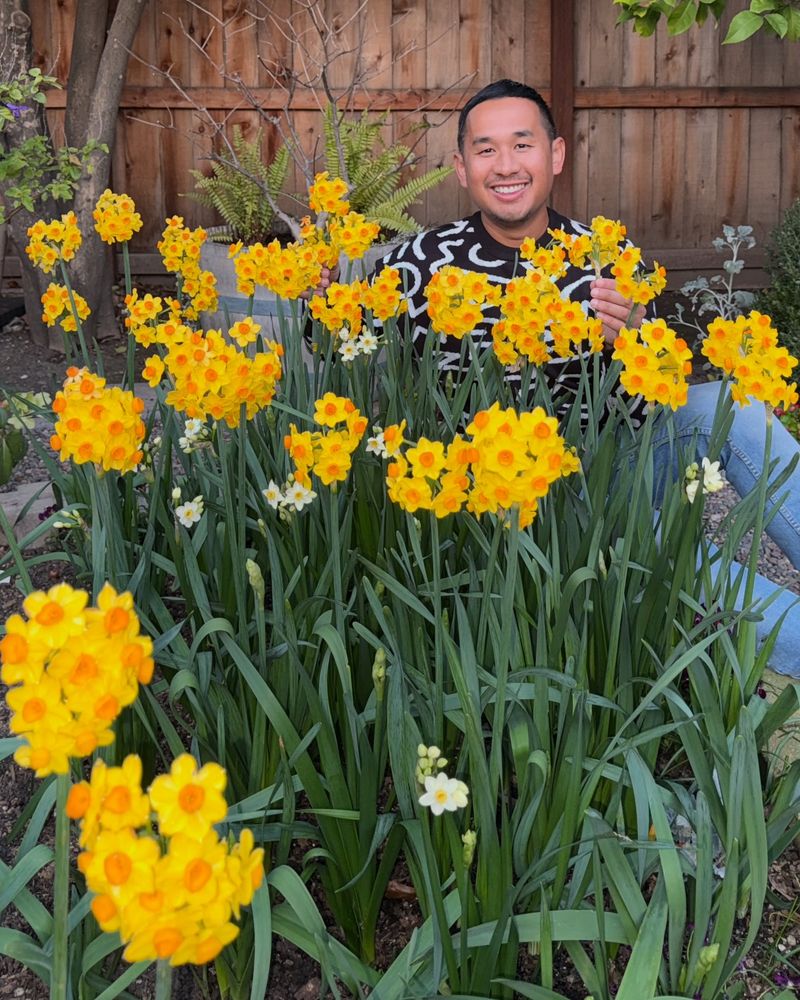
Jonquils are the heat-tolerant cousins of big trumpet daffodils, carrying several small golden flowers on every slender stem. Their fragrance is so strong that a single clump can scent a sunny courtyard on a still afternoon.
Narcissus jonquilla and its hybrids naturalize far better in warm climates than most large daffodils sold in fall catalogs. Desert gardeners usually report good results without chilling, which saves precious refrigerator space for tulips and grape hyacinths.
Plant the bulbs about five inches deep and four inches apart, ideally beneath light shade from a mesquite or acacia. Filtered sunlight protects the leaves later in spring, giving the bulbs more time to store energy for next year.
Like other narcissus, jonquils contain bitter compounds that gophers and rabbits typically avoid, making them handy guards around tender plantings. Some gardeners circle vegetable beds with them, hoping to discourage burrowing pests from wandering in during the winter.
Blooms usually appear from February into March, often attracting early bees on mild days throughout Arizona. I love watching established clumps expand over the years, rewarding a single November planting session with decades of golden color.