8 Thanksgiving Cactus Care Tips For Texas Gardeners Before The Holiday
A plant that blooms on cue for turkey season actually started life clinging to tree branches in Brazilian mountain forests. Its roots grab bark and moss instead of sand, sipping misty air far from any cactus postcard scene.
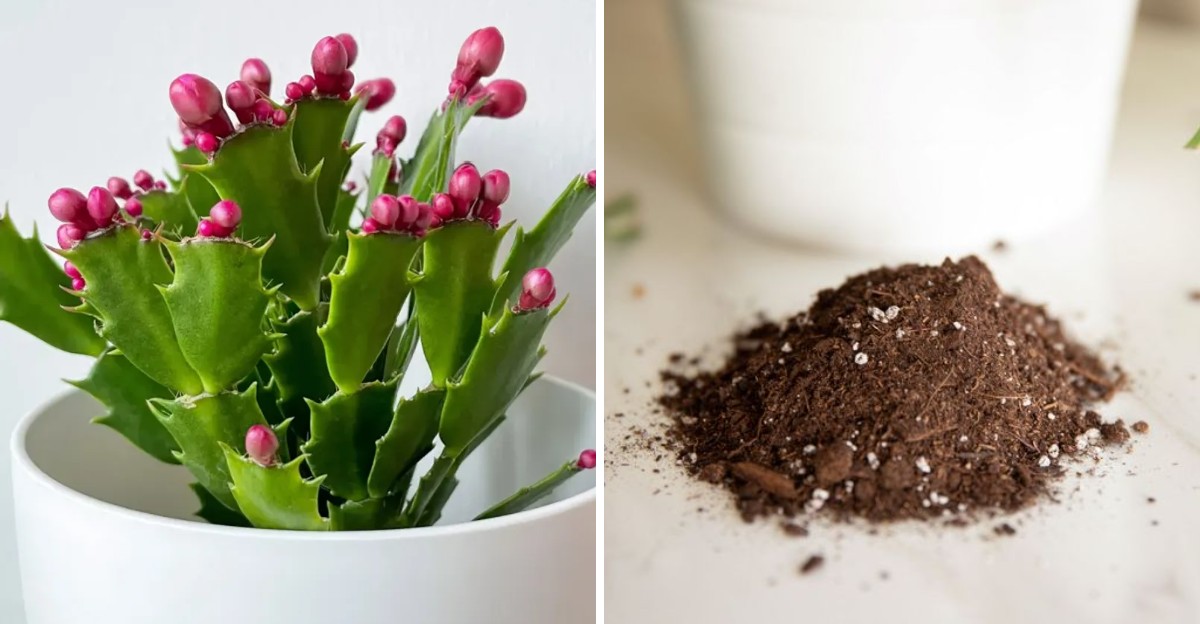
Those flat green stems carry tiny pointed teeth along each edge, a little like a crab claw. I love how that detail helps you tell it apart from its smoother holiday cousin at the store.
Here in Texas, our long warm falls can confuse this rainforest native if we treat it like a desert plant. I have to admit my first one sulked for two years before I learned what it wanted.
Texas gardeners still have time to coax out those bright pink and red blossoms before the big family feast. Here’s what you can do.
1. Give It Long Dark Nights To Set Flower Buds
Your plant actually keeps track of the dark, and it uses those long autumn nights as a blooming signal. I find it amazing that a simple houseplant can sense the season changing just by measuring darkness.
Thanksgiving cactus is a short-day plant, which means buds form when nights stretch past twelve hours. Most guides suggest twelve to fourteen hours of steady darkness for about six weeks before you expect flowers.
Even a lamp clicking on for a late snack can confuse the plant and slow down bud formation. A spare bedroom or a quiet closet corner works well if your living room stays bright past sunset.
Personally, I tuck my pot into a guest room each evening and bring it back out after breakfast. Covering it with a cardboard box also works, as long as no light sneaks in around the edges.
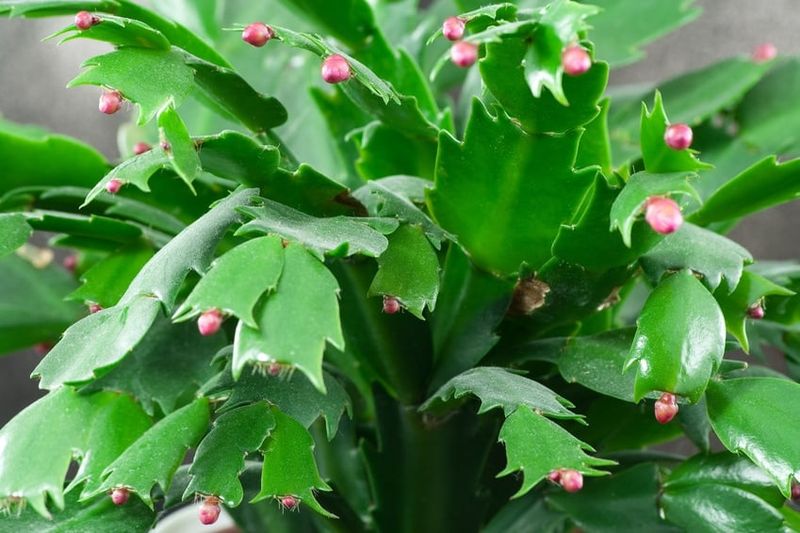
Once you spot tiny pink tips forming at the stem ends, you can relax the strict dark routine. The buds are already set by then, so normal household lighting will not undo your careful efforts.
Daytime light still matters a lot, because your plant needs plenty of energy to fuel those upcoming blossoms. Bright, indirect light from an east window gives gentle morning sun without scorching the flat green stems.
Harsh afternoon rays in Texas can bleach or redden the segments, so filter them with sheer curtains. A little patience during these dark weeks pays off with a windowsill full of color by late November.
2. Cool Nights Help Your Holiday Cactus Form Buds
Cool fall nights act like a second alarm clock, nudging your plant to stop growing leaves and start making flowers. I love how this little trick mimics the misty mountain air where these plants grow wild.
Research and extension guides note that nights around fifty to fifty five degrees encourage strong bud set. When temperatures stay that cool, the plant can form buds even without perfect darkness every single night.
Warm Texas evenings in October can linger in the seventies or higher, which slows the whole process down. A shaded porch can help on mild nights, but watch the forecast closely as fall weather shifts quickly.
Bring your pot indoors when nights drop toward forty degrees, since frost can damage those tender stem segments. A cool room away from the thermostat is often the best indoor spot during these weeks.
Daytime temperatures between sixty five and seventy degrees keep the plant comfortable and growing steadily through the season.
You do not need fancy equipment, just a thermometer and a little attention to where you place it.
Heating vents and drafty doors can create sudden swings that stress the plant and cause buds to fall. I learned to keep mine at least a few feet from any vent after losing a season of blooms.
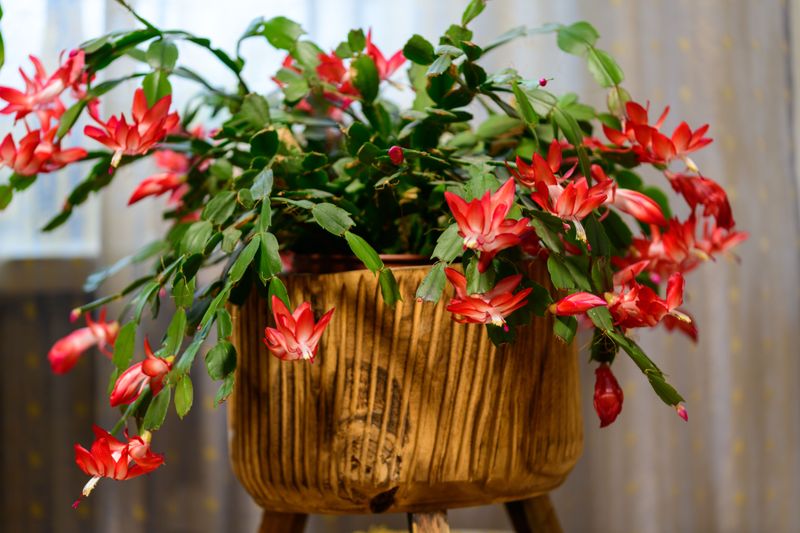
Steady coolness is a simple gift you can give your plant without spending a single dollar. Your reward arrives as glowing tubular flowers just in time for pumpkin pie and long family stories.
3. Water Your Thanksgiving Cactus Like A Rainforest Plant
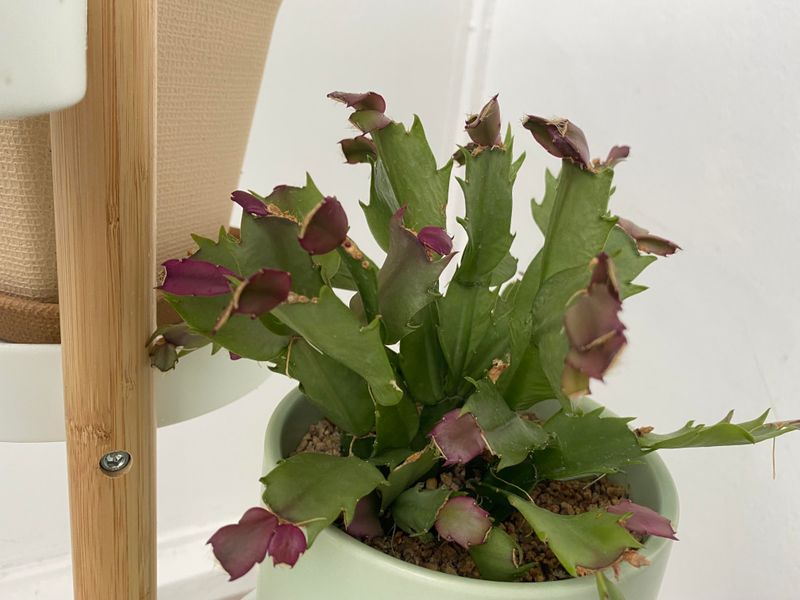
Surprisingly, this so-called cactus wants more water than the prickly pear growing out by your mailbox. Its rainforest roots expect regular moisture, though they also hate sitting in a soggy puddle for long.
Check the soil with your finger and water when the top inch feels dry to the touch. Pour slowly until water runs out the drainage holes, then empty the saucer so roots can breathe.
Overwatering is one of the most common problems, and it often leads to root rot and limp stems. Mushy, yellowing segments near the soil line usually signal that the roots have been wet for too long.
During bud formation in fall, many growers ease back a little and let the soil dry slightly more. This mild dryness, paired with cool nights, can encourage the plant to put energy into flowering.
Once buds appear, return to steady watering, because a thirsty plant may drop those precious buds early. I keep a simple calendar note on my phone so I remember to check the soil each week.
Humid areas along the Gulf Coast dry pots slowly, while drier West Texas air pulls moisture out faster. Adjust your schedule to your own home instead of following a strict rule from a plant tag.
Room temperature water is kinder to the roots than icy water straight from the refrigerator pitcher. Small habits like this help your plant feel settled and ready for its big holiday performance.
4. Choose A Loose Fast Draining Potting Mix
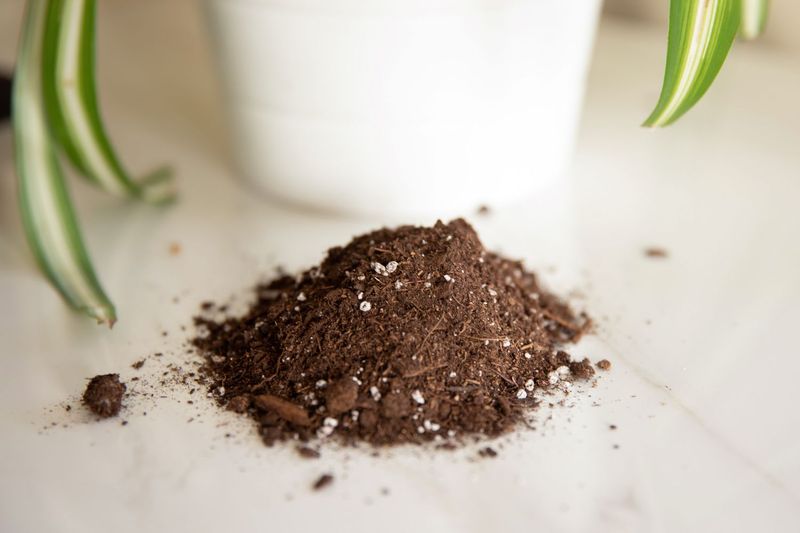
In the wild, these plants perch in tree crotches stuffed with crumbly bark and old decaying leaves. Heavy garden soil feels nothing like that airy home, so your pot needs a much lighter recipe.
A cactus and succulent mix makes a solid starting point because it drains quickly after watering. I like to blend in some orchid bark or perlite for extra air pockets around the roots.
A slightly acidic mix suits this plant well, and many growers add a bit of peat or coir. Your goal is soil that holds a little moisture but lets the extra water rush right through.
Drainage holes are essential, since even the best mix turns soggy in a pot with no escape route. Decorative pots without holes can still work if you slip a plastic nursery pot inside them.
Thanksgiving cactus actually enjoys being a bit snug, and a crowded root ball often encourages more flowers. Most plants only need a new pot every two or three years, moving up just one size.
Spring, after blooming ends, is the best time for repotting, so skip it during these busy fall weeks. Disturbing roots right now can stress the plant and cause it to drop buds before the holiday.
If your mix looks crusty or compacted, make a note to refresh it once the flowers fade. Planning ahead like this keeps your plant happy for many more seasons of cheerful holiday blooms.
5. Raise Humidity Around Your Holiday Cactus
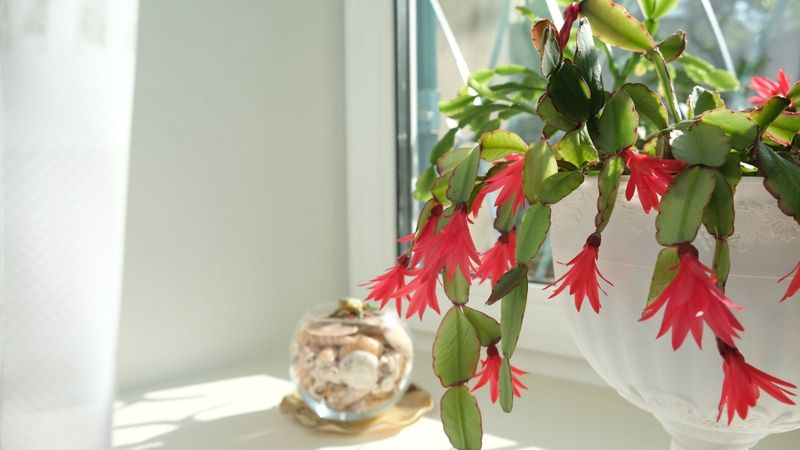
Brazilian cloud forests stay damp and misty, which is a far cry from a heated living room in winter. Your plant notices that dry air, and it may respond with wrinkled stems or dropped buds.
Most care guides suggest moderate humidity, roughly fifty percent or a bit higher, for the happiest plants.
Central air and space heaters can push indoor humidity much lower than that, especially during those chilly northern fronts.
A pebble tray is my favorite fix, and it costs almost nothing to set up at home. Fill a shallow tray with gravel and water, then set the pot on top of the stones.
Keep the water level below the pot bottom so the roots stay dry and free from rot. As the water evaporates, it creates a small bubble of moist air right around the stems.
Grouping several houseplants together also raises humidity, since each plant releases moisture through its leaves and stems.
Kitchens and bathrooms with bright windows can be surprisingly cozy spots for your plant during the cooler months.
Misting gives only a quick boost, and water sitting on the stems may invite fungal spots. A small room humidifier works better if your home feels especially dry this time of year.
Gulf Coast gardeners may barely need these tricks, while Panhandle growers will likely notice a bigger difference. Watch your plant closely, and let plump, glossy stems tell you when conditions feel just right.
6. Stop Feeding Once Thanksgiving Cactus Buds Appear
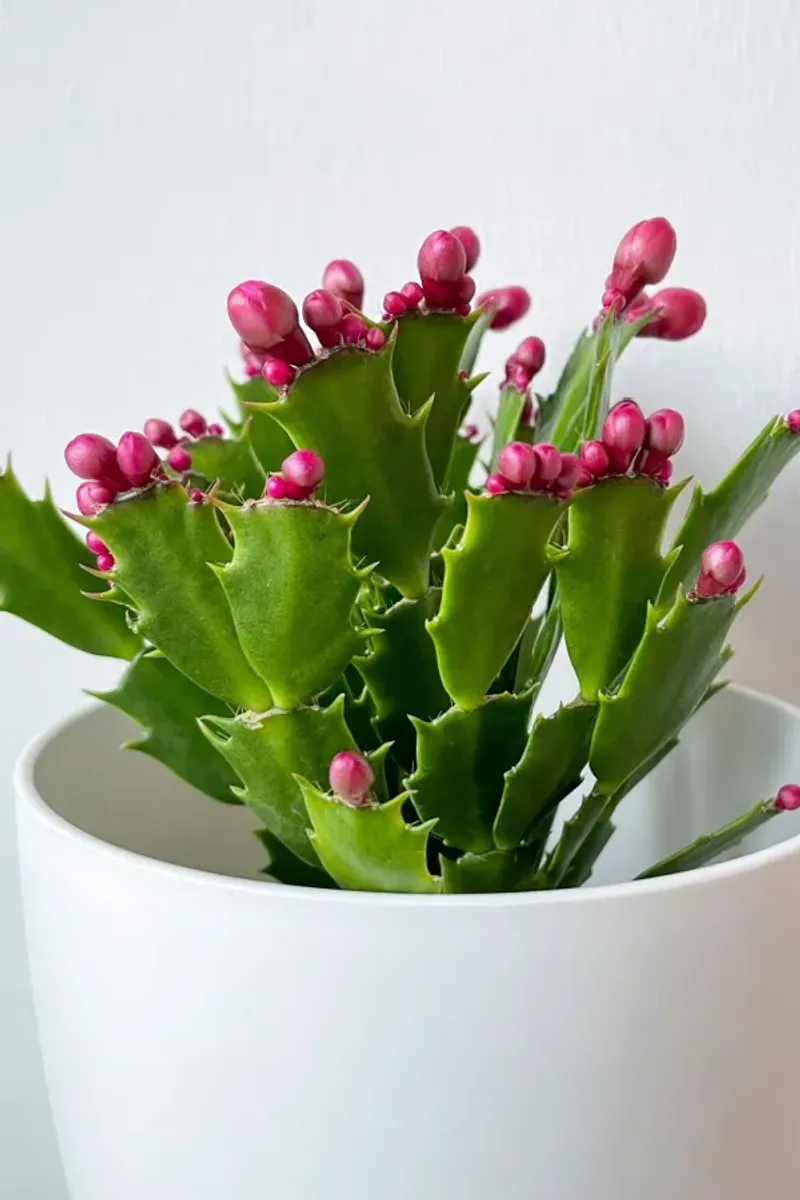
Fertilizer can be your plant’s best friend in summer and a distraction once the holiday countdown begins. I think of it like snacks before dinner, since too much feeding now can spoil the main event.
From spring through late summer, a balanced houseplant fertilizer at half strength every few weeks supports healthy growth. Some growers also offer a little magnesium, since this plant has a known appetite for it.
By early fall, many experts recommend easing off feeding so the plant can shift into bloom mode. Continued fertilizer at this stage may push out new stem segments instead of the flowers you want.
Once you see buds forming, hold off on fertilizer until the blooms finish and fade away. Extra salts from heavy feeding can also burn tender roots and contribute to sudden bud drop.
Water the soil first whenever you do feed, because dry roots absorb fertilizer salts too quickly. Flushing the pot with plain water every few months also helps rinse away any leftover mineral buildup.
Hard tap water in many parts of Texas can leave white crusts on the soil surface over time. Rainwater collected in a clean bucket makes a lovely treat if you have some saved up.
Resting from fertilizer during bloom time feels strange at first, but your plant will thank you. Pick the feeding back up in spring, when fresh green growth signals that its appetite has returned.
7. Protect Those Pink Cactus Buds From Sudden Changes
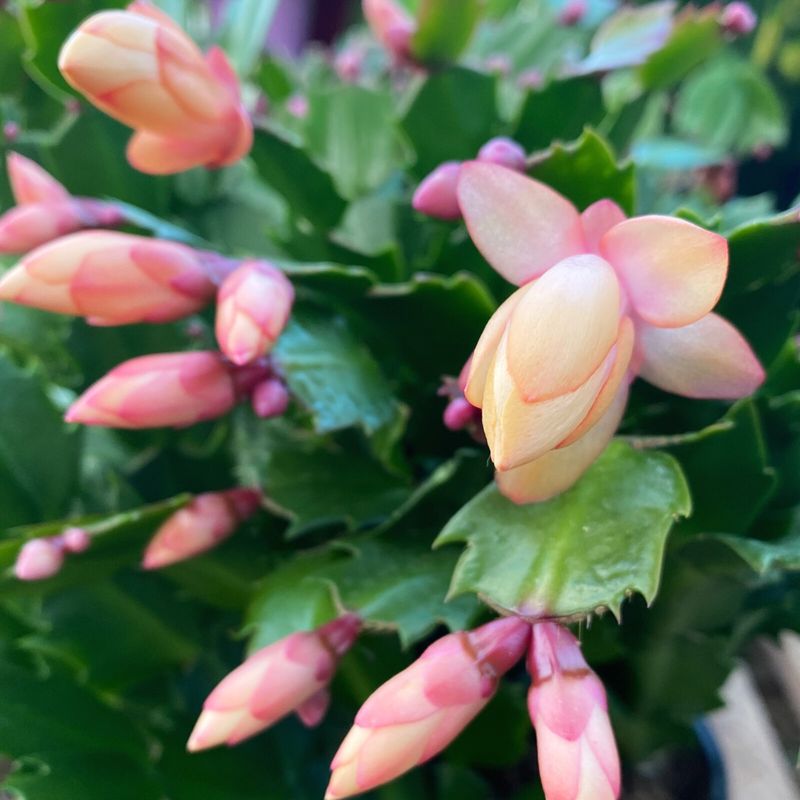
Few garden moments sting quite like finding plump flower buds scattered across the windowsill one quiet morning. Bud drop is common with this plant, and it usually points to stress rather than disease.
Sudden swings in temperature are a frequent cause, especially when a pot moves from a cool porch indoors. Try to make transitions gradual, giving your plant a few days to adjust between different spots.
Moving or turning the pot often after buds form can also trigger drops as buds reorient toward light. Pick a good spot early and leave the plant there until the flowers open and finish.
Uneven watering plays a role too, so avoid swinging between bone dry soil and soggy roots. A steady routine keeps the plant calm, much like a toddler who thrives on a predictable bedtime.
New plants from the store sometimes drop a few buds while adjusting to your home conditions. Losing a handful is normal, so do not panic if a couple tumble off in the first week.
Ripening fruit releases ethylene gas, which may encourage some plants to shed buds and flowers early. I keep my fruit bowl in a different room, just to play it safe during bloom season.
Patience matters most now, because the buds swell slowly over several weeks before finally opening wide. Once those first blossoms unfold, you will feel like every careful choice was worth the effort.
8. Root Thanksgiving Cactus Cuttings For Holiday Gifts
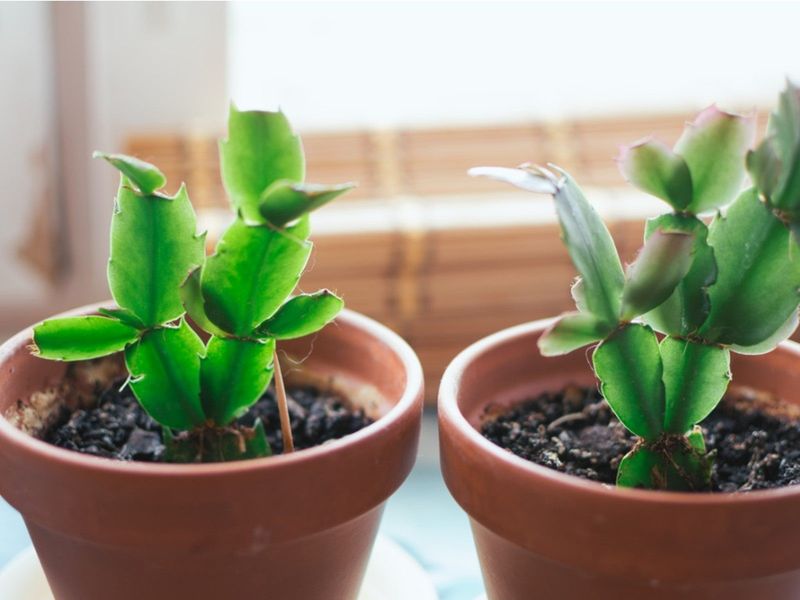
One healthy plant can turn into a whole windowsill of gifts, and it takes only a gentle twist. I love sharing rooted cuttings with friends, since they carry the same flower color as the parent.
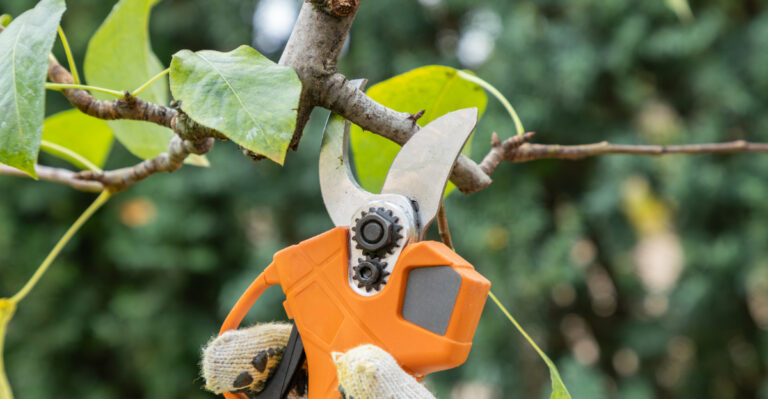
Pruning works best a few weeks after blooming ends, usually in late winter or early spring. Twist off segments right at the joints, and the plant will branch out fuller from those spots.
Try not to prune heavily right before Thanksgiving, since buds form at the tips of the stems. Snipping now would remove the very flowers you have been waiting for all season long with patience.
For new plants, choose cuttings with two or three connected segments that look firm and green. Let them sit out for a day or two so the broken ends dry and form a callus.
Press each cutting about an inch deep into slightly moist, fast-draining mix, standing it upright like a tiny tree. Keep the pot in bright, indirect light and water lightly until you feel some resistance when tugging.
Roots usually form within a few weeks, and new growth at the tips confirms your little project worked. Grouping several cuttings in one pot creates a fuller look much sooner than a single piece.
Homegrown starts make thoughtful holiday gifts for teachers or the relatives you only see each November. Few things feel better than watching a plant you shared bloom proudly in someone else’s home.