What A California Pollinator Garden Really Needs To Include
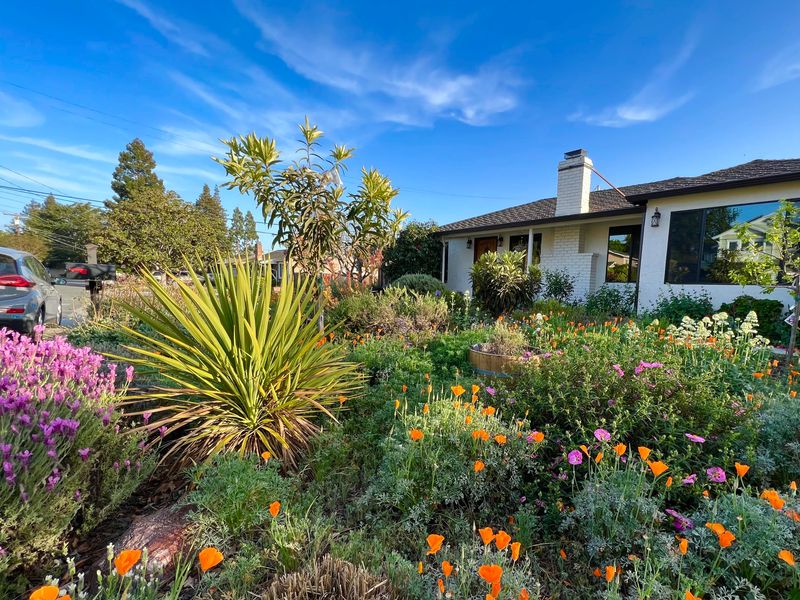
Some gardens look lovely yet stay strangely quiet, while others hum from morning until dusk. The difference rarely comes down to luck or a single showy flower.
California supports an extraordinary range of pollinators, far beyond the honeybees most people picture first.
Many of them need far more than a quick sip of nectar to stick around through the seasons.
The ingredients that bring a yard to life are surprisingly simple, and several of them cost nothing at all.
A large property or a big budget isn’t required either, since a sunny corner can do remarkable work.
Fall happens to be one of the best times to begin, and the rewards start arriving sooner than most people expect.
1. Bloom From Early Spring To Late Fall
A bee emerging on a warm February day and finding nothing open has few options. Pollinators need nectar and pollen from the first warm days of spring until the last flowers fade in fall.
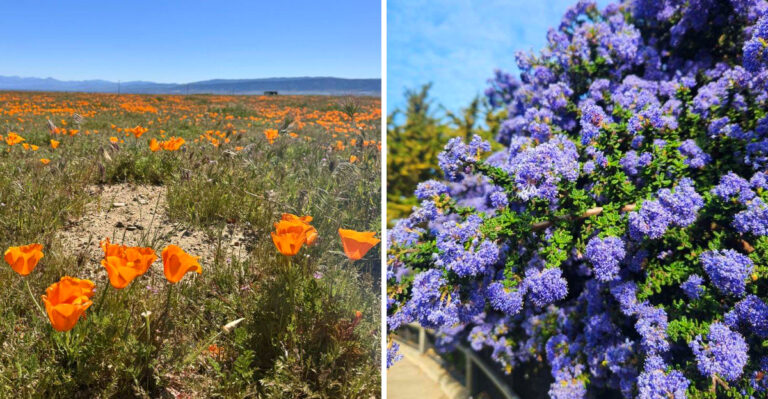
Steady bloom starts with thinking in seasons. Manzanita, ceanothus, and currants open early, often while many other plants still rest. Winter-blooming manzanitas often feed bumble bee queens as early as January.
Late spring and summer bring a rush of choices, such as California poppies, phacelia, lupines, sages, and buckwheats.
Fall is the season most gardens overlook. Goldenrod, California fuchsia, native asters, and gumplant keep the buffet open in October, when food grows scarce, helping bees and butterflies build energy before cooler weather.
A simple chart makes planning easier. Months run across the top, plants down the side, and each plant’s bloom time gets shaded in, so gaps stand out and can be filled with something that flowers then.
At least three plants blooming in each season gives pollinators a backup when one plant has a slow year.
Different flower shapes and colors help too, since long-tongued bees, tiny sweat bees, and butterflies all feed in different ways.
Notes kept through the year help fine-tune the calendar as the garden matures.
Fall also suits planting. Many natives set out now root in over the rainy months, ready to bloom on schedule next season and keep the table set year after year.
2. Plant In Clusters Of The Same Flower
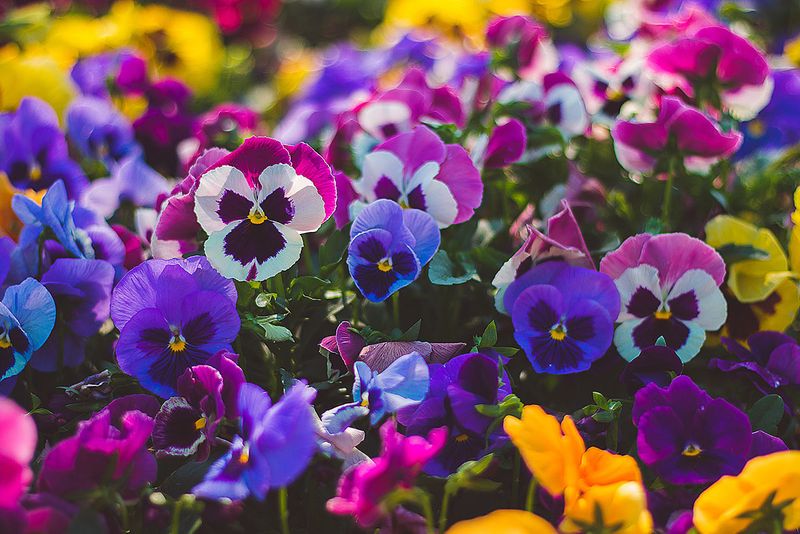
A single lonely lupine looks sweet, yet a bee flying overhead might miss it entirely. Pollinators hunt by sight and smell, and big patches of one flower act like a bright sign announcing a meal.
The Xerces Society suggests planting each kind of flower in clumps rather than dotting single plants around the yard.
A cluster about three feet across, roughly the size of a small table, works well in most gardens, and larger drifts work even better.
Clusters also save pollinators energy. Many bees stick with one type of flower on a foraging trip, so blooms side by side let a bee move quickly without long, tiring flights.
Odd-numbered groups of three, five, or seven of the same plant, set close together at the spacing on the tag, create an easy cluster. Repeating that clump elsewhere in the garden helps guide insects through the yard.
Seeds make clustering cheap and simple. A handful of poppy, clarkia, or phacelia seeds scattered in one patch during fall, just before winter rains, can produce a colorful carpet by spring instead of scattered dots.
Raking seed lightly into bare soil improves contact, and fine-mesh netting secured at the edges can discourage hungry birds until sprouts appear.
Mid-October through November makes a prime sowing window across much of the state.
Clusters look tidy and intentional as well. Passersby see a bold design, while bees see a well-stocked pantry, and the gardener enjoys both.
3. Choose Natives First
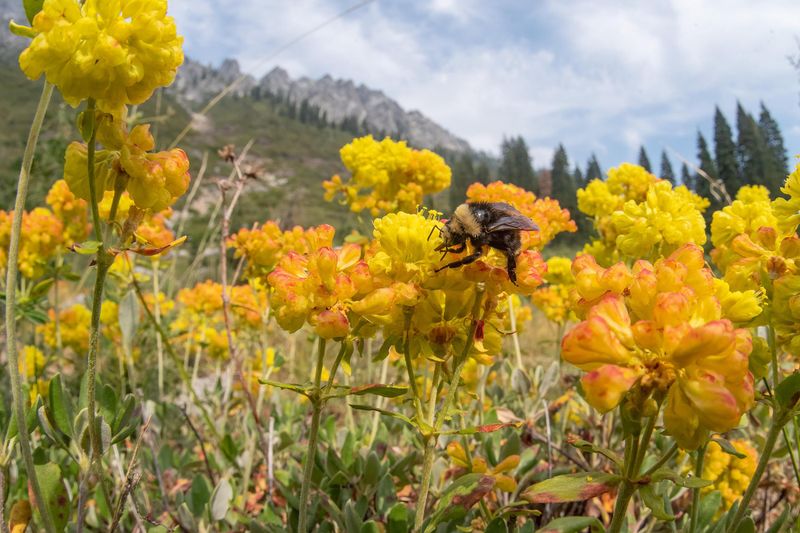
Long before lawns and rose beds arrived, California bees and wildflowers developed together. Over thousands of years, many native insects adapted to the shapes, scents, and bloom times of local plants.
Some native bees even specialize in gathering pollen from just a few plant groups.
Native plants give these insects exactly what they evolved to use, and UC ANR and the Xerces Society both recommend natives as the backbone of a pollinator garden.
Non-native flowers like lavender can feed some bees, yet natives usually support a wider range of local pollinators.
Natives also fit the California climate. Many handle summer drought once established, reducing water use, and they’re accustomed to local soils, which often means less fuss with fertilizer.
Regional knowledge helps. Coastal fog belts, inland valleys, deserts, and mountains each hold their own plant communities, and the California Native Plant Society’s Calscape website shows suitable plants for any address entered.
Good starter plants include California buckwheat, Cleveland sage, yarrow, coyote mint, and California poppy, each tough, attractive, and popular with pollinators. Local native plant nurseries and fall CNPS chapter sales often stock all five.
Removing every non-native plant overnight isn’t necessary. Making natives the first pick whenever something new goes in gradually shifts the garden toward local flavor.
Fall offers the ideal start, since winter rains help new natives settle before summer. Over a few seasons, native bees tend to notice the menu upgrade and visit more often.
4. Include Host Plants For Caterpillars
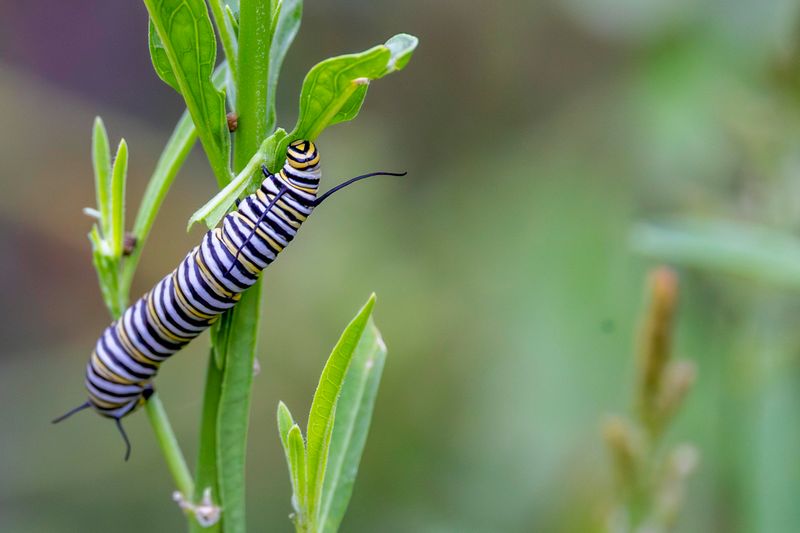
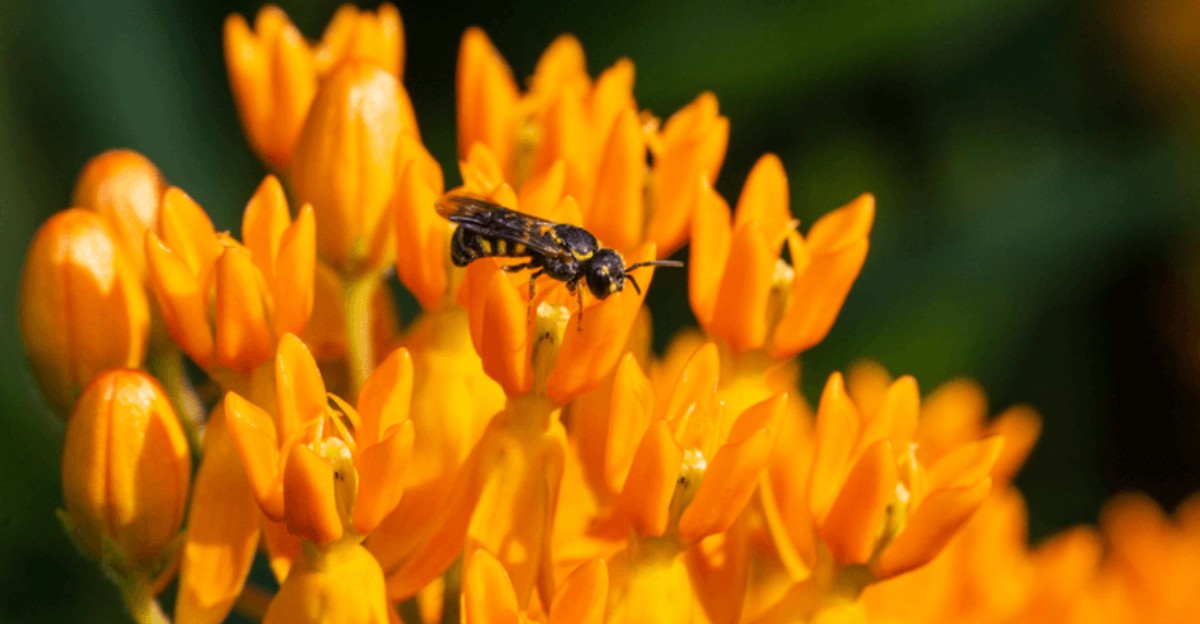
Chewed leaves can signal success. A few ragged holes on a milkweed plant may mean a monarch caterpillar is busy growing, and without leaves to munch, there would be no butterflies to admire later.
Many butterflies and moths are picky about where their young eat. Adults lay eggs only on certain host plants, since the caterpillars can digest just those leaves.
Nectar flowers feed the adults, while host plants feed the next generation.
California offers wonderful pairings. Monarchs need milkweed, with native species such as narrowleaf or showy milkweed recommended by UC ANR and Xerces.
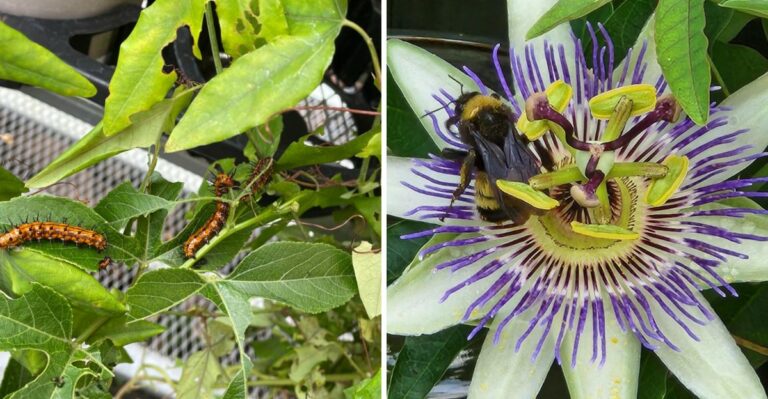
Pipevine swallowtails rely on California pipevine, anise swallowtails use native carrot-family plants such as lomatiums, and many hairstreaks and blues feed on buckwheats and lupines.
Oaks and willows deserve special mention. These trees host a remarkable number of moth and butterfly caterpillars, which in turn feed birds. In fire-prone areas, new trees belong beyond the first five feet of the house under Zone 0 rules.
Tropical milkweed, which stays green through winter in mild areas, is best avoided. Experts warn it can disrupt monarch migration and spread a harmful parasite.
Gardens that already have it can cut it back in fall, especially near the coast.
A little damage comes with the territory. Caterpillars rarely strip a healthy plant bare, and placing host plants where nibbled leaves won’t bother anyone keeps everyone happy while the hungry crawlers grow into winged wonders.
5. Leave Bare Soil For Ground Nesting Bees
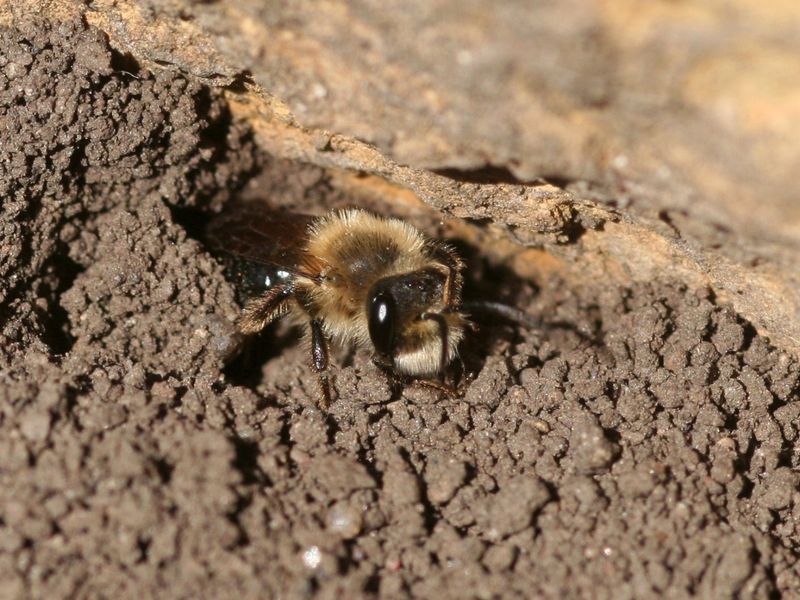
Tiny volcano-shaped mounds in a dry patch of dirt are easy to mistake for anthills. A closer look may reveal a small bee ducking into a hole, a sign of neighbors who dig.
Most native bees don’t live in hives. According to the Xerces Society, about 70 percent of native bee species nest in the ground.
Females dig narrow tunnels, stock them with pollen, and lay eggs inside, and their young develop underground until ready to fly.
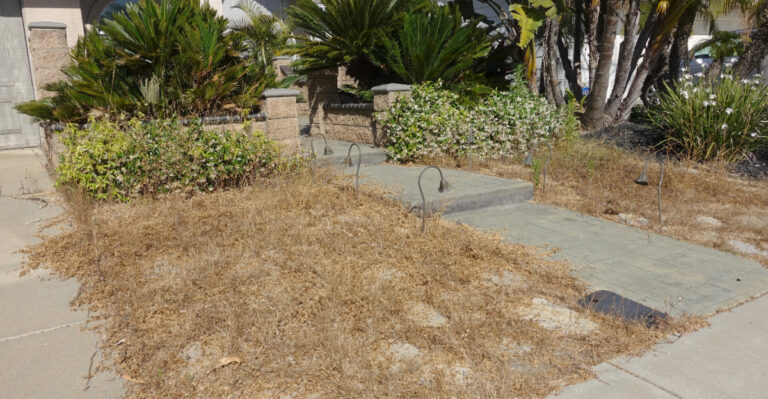
Thick mulch, landscape fabric, and dense lawn make digging nearly impossible, so many tidy gardens accidentally leave ground nesters with nowhere to live. A few open spots can solve that problem.
A sunny area with good drainage, such as a gentle slope or the edge of a path, makes an ideal site.
Mulch and weeds come off a patch a few feet wide, and then the spot stays undisturbed, with no tilling, heavy foot traffic, or frequent watering.
Ground-nesting bees are calm and rarely sting. Most are small and focused on their own work, so children and pets can usually share space with them safely.
Spring brings the best viewing. Mining bees, sweat bees, and digger bees may show up and begin excavating, and the same spot can host bees year after year.
Preparing the patch in fall works well, though existing nests are best left undisturbed. Bare soil also fits nicely with fire-safe landscaping near the house, where it serves as a low-fuel surface in the first five feet.
6. Add A Shallow Water Source
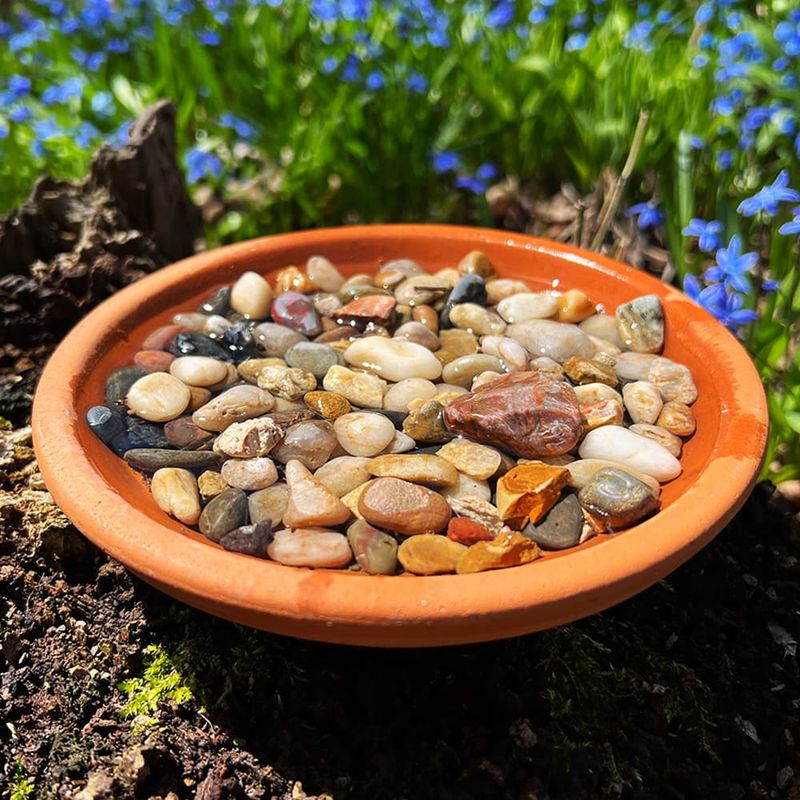
On a scorching afternoon, bees get thirsty too. They drink water, carry it home, and some even use it to cool their nests, yet a deep birdbath can be risky for small insects that fall in.
A shallow dish with landing spots solves the problem. Insects need a safe place to stand while they sip, and without that perch, many can’t reach the water or climb back out.
Building one takes about five minutes. A plant saucer, pie tin, or shallow bowl filled with smooth stones, pebbles, or marbles works well, with water added until the tops of the stones stay dry.
Bees and butterflies land on the stones and drink from the edges.
Placement near flowers helps, ideally in a spot with some morning sun and a little shade later in the day. Ground level or a low stump makes the dish easy to find.
Clean water matters. Refreshing the dish every few days keeps it fresh and prevents mosquitoes from breeding, since their larvae need about a week to develop.
An occasional scrub removes slime.
Butterflies also enjoy damp sand or mud, which offers minerals. Some gardeners keep a small muddy corner beside the water dish, where swallowtails may gather.
California’s dry season often runs well into October and beyond, so a water dish stays useful long after summer ends. It ranks among the simplest features to add, with an outsized payoff for wildlife.
7. Skip The Pesticides
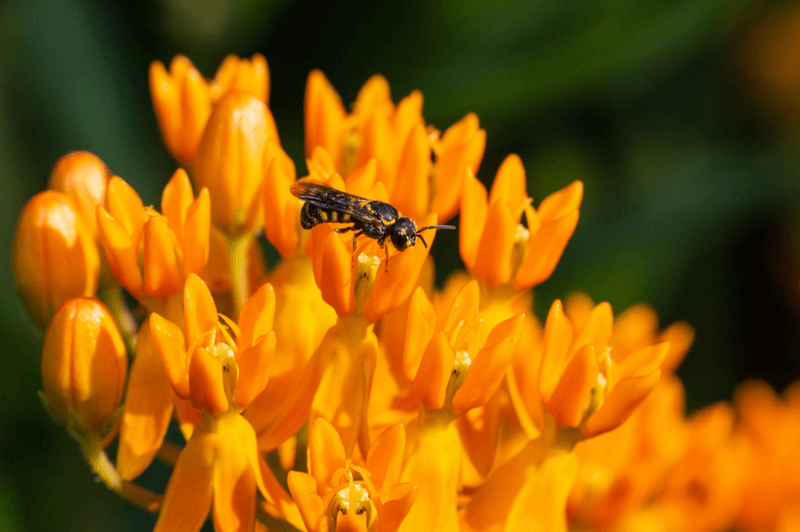
Spraying aphids might seem harmless, yet the spray rarely stops with the pests. Bees, butterflies, and helpful predators often get caught in the drift, which makes pesticides a poor fit for a pollinator garden.
Insecticides target insects, and pollinators are insects. Some sprays affect bees on contact, while others, such as neonicotinoids, move inside plants and can show up in pollen and nectar.
The Xerces Society warns that these chemicals can harm bees even at low levels.
Fungicides and weed killers can cause trouble too, weakening bees or removing the wildflowers they depend on. Even products labeled organic can affect pollinators, so careful label reading matters.
Gentler steps make a good first line of defense. A stream of water knocks aphids loose, weeds come out by hand, and larger pests can be picked off.
A few aphids also feed the very predators that keep larger outbreaks in check. Ladybugs, lacewings, and hoverfly larvae provide natural pest patrol, since they eagerly eat aphids.
Healthy plants resist problems better. Natives suited to the site, along with moderate water and fertilizer, tend to cut down on pest outbreaks.
The garden center deserves attention as well. Asking whether plants were treated with systemic insecticides before purchase helps avoid bringing trouble home.
UC IPM offers online guidance on managing pests with less risk, including ratings that show which products pose the greatest danger to bees. In most pollinator gardens, the best plan relies on patience and natural predators rather than spray.
8. Leave Some Leaf Litter And Stems
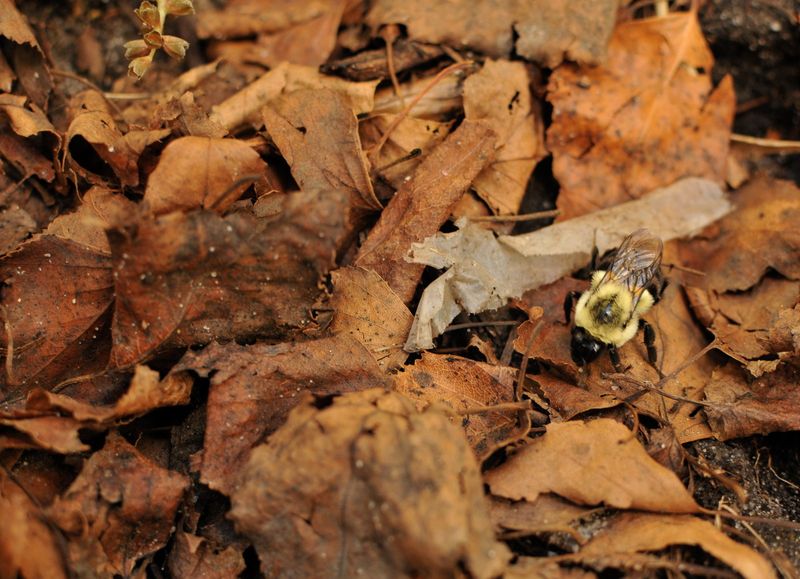
Fall and winter gardens often get raked bare, yet a messy corner can hold hidden life. Under fallen leaves, butterfly pupae, beetles, and moth cocoons may be resting until spring, while small bees may be tucked inside hollow stems.
The Xerces Society encourages gardeners to leave some leaf litter and plant stems in place. Many native bees, such as small carpenter bees and some mason bees, nest in hollow or pithy stems.
Leaves also shelter insects that spend the cold months on the ground.
Rather than cutting plants to the ground in fall, many gardeners leave stems standing through winter. In spring, trimming them to varied heights between about 8 and 24 inches gives bees cut ends for new nests.
Fire safety still comes first in California. Under Zone 0 rules approved this year, the first five feet around the home are meant to stay clear of dry leaves, plant debris, and combustible mulch in designated fire hazard areas.
CAL FIRE also advises removing dry leaves and plant material within the 30-foot zone.
A back corner beyond that zone, well away from buildings, fences, and decks, often works best. Leaves raked from around the house can move there, under shrubs or trees, in low, thin layers rather than tall piles.
With a little planning, a home stays safer while pollinators get a quiet place to wait for spring.