Save Seeds From These 8 Flowers Now And Your Arizona Garden Fills Itself In Next Year
Many desert wildflower seeds can rest in dry soil for years, waiting for the right rain before sprouting. That hidden seed bank explains why empty lots can burst into color after a generous wet winter.
The seed heads drying in your beds right now hold that same patient magic, and they cost nothing. Fall is prime planting season in low desert Arizona, with cool nights and winter rains helping seedlings settle.
I have to admit my favorite garden moments come from plants I did not put in the ground myself. You might notice a surprise seedling between pavers and realize the garden has quietly started doing your job.
Better yet, many of these volunteers feed native bees and hungry birds that help keep an Arizona yard in balance. So which flowers deserve a spot in your seed envelopes before the next cool front rolls through?
1. Mexican Gold Poppy
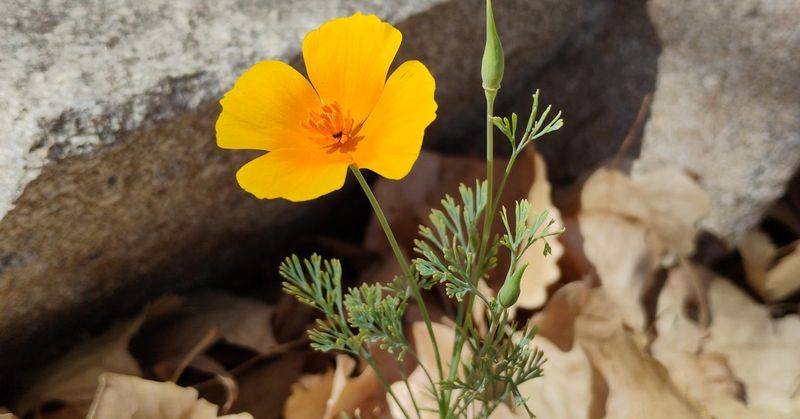
Some springs, hillsides near Picacho Peak glow orange-gold, and those famous carpets begin as tiny seeds sown in fall. I love that your own yard can borrow a small slice of that show with little effort.
Mexican gold poppy, Eschscholzia californica subsp. mexicana, is a cool-season annual native to the Sonoran and Chihuahuan deserts. Its seeds ripen inside long, slender pods that split open with a snap once they dry in late spring.
If you saved those pods back in April or May, October is your moment to put them to work. Scatter the seeds on bare, raked soil in full sun, then press them lightly so they touch the ground.
Skip rich compost and heavy mulch, because these poppies prefer lean, gritty soil that drains quickly after storms. A gentle soaking every week or two helps if fall and winter rains turn stingy this season.
Early bees visit the open, cup-shaped blooms when few other flowers are awake in late winter. Leave a few plants standing next spring, and their pods will reseed the bed for you without asking.
Personally, I mark each patch with small stones so I do not weed out seedlings by mistake. The young leaves are blue-green and finely divided, which makes them easy to spot once you know them.
2. Desert Marigold
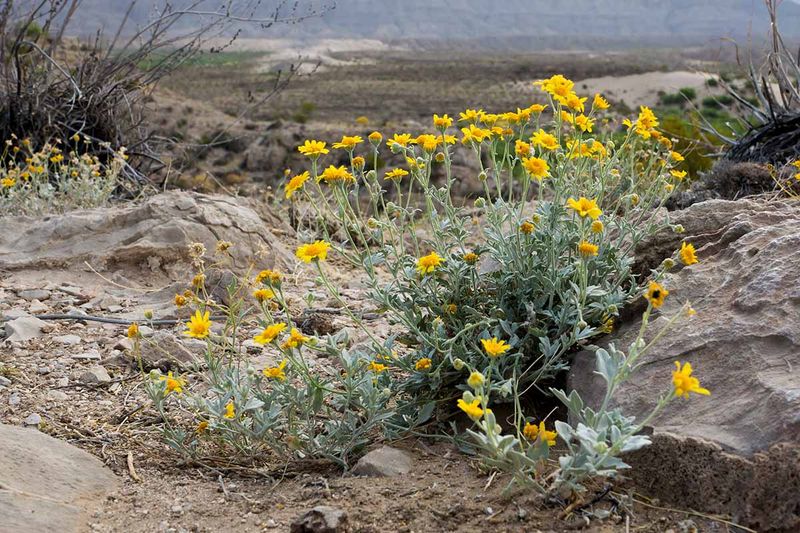
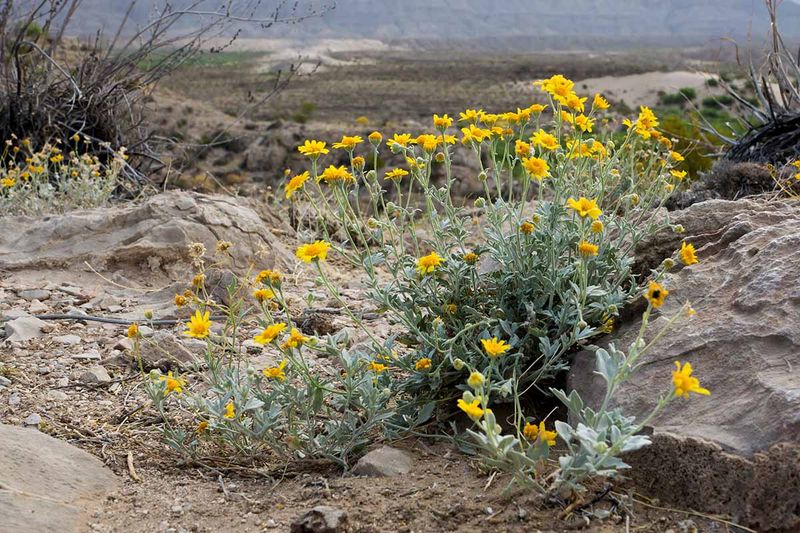
Few desert plants keep blooming through brutal summer heat, yet this silvery little mound often keeps flowering anyway. Its lemon-yellow daisies sit on tall stems like tiny suns floating above a woolly gray cushion.
Desert marigold, Baileya multiradiata, is a short-lived native perennial found across much of the Southwest. The papery petals stay on the flower heads as they dry, which makes ripe seed heads easy to recognize.
Right now, many plants are carrying a mix of fresh blooms and faded, straw-colored heads. Snip a handful of the dry ones into a paper bag, then rub them gently to free the slender seeds.
You can sprinkle that seed straight into gravelly, sunny spots this month and let winter moisture handle germination. Plants usually settle in best where water drains away fast and soil stays on the lean side.
I find this one happiest when I ignore it, since overwatering and rich soil tend to shorten its life. Older plants can look ragged after heavy flowering, so a light trim in late winter freshens them nicely.
Native bees and small butterflies work the blooms for months, adding life to sunny corners. Keep it away from pastures, because desert marigold can be toxic to grazing sheep and goats.
3. Globe Mallow
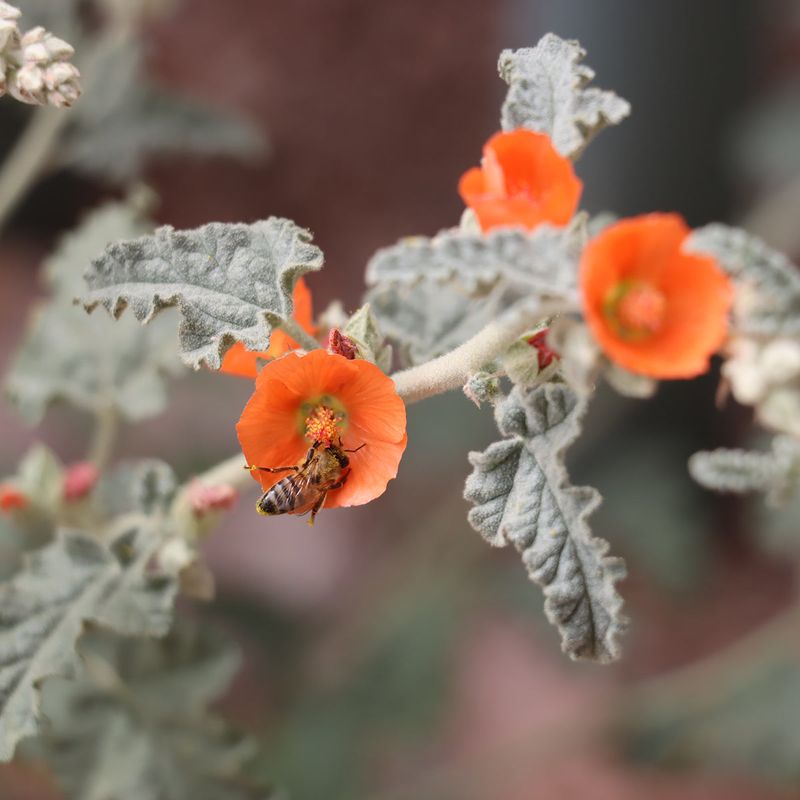
Apricot-orange cups lining tall wands make globe mallow one of the easiest desert natives to spot from the street. You might be surprised by how many color forms exist, from soft pink to lavender and white.
Desert globemallow, Sphaeralcea ambigua, is a tough perennial native to the Southwest, including the Sonoran and Mojave deserts. It handles reflected heat beside walls and driveways where fussier plants often sulk or struggle by midsummer.
Seed forms inside small, wheel-shaped fruits that sit just below the faded flowers on each spike. Once those fruits turn tan and crumbly, pull them apart over a bowl and collect the tiny kidney-shaped seeds.
Fall sowing works well, especially if you scratch the soil surface first and keep seeds lightly moist for several weeks. Some gardeners nick the hard seed coats or soak them overnight to improve sprouting rates.
Plants reseed generously on their own, so a single shrub can turn into a cheerful clump within a couple of seasons. Cutting stems back hard in late summer encourages fresh growth and another flush of cool-season flowers.
Native bees, including specialist globemallow bees, depend on these blooms for pollen. Wear gloves when handling plants, because the fine star-shaped hairs on the leaves can irritate skin and eyes.
4. Blackfoot Daisy
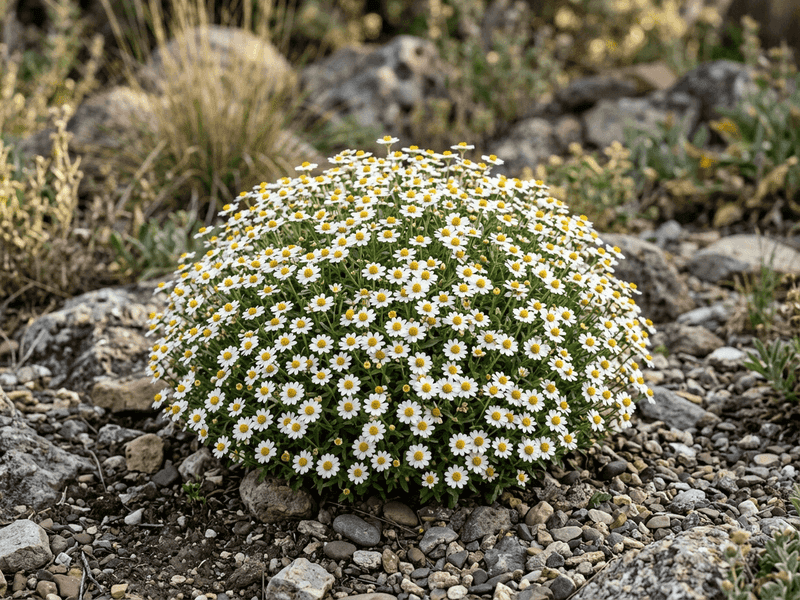
Honey-scented white daisies on a mound barely a foot tall prove that small plants can carry big charm. I like how the sweet fragrance drifts up on warm afternoons when you kneel close to weed.
Blackfoot daisy, Melampodium leucanthum, grows wild on rocky slopes and dry grasslands from Arizona east into Texas. Its name comes from the dark, papery bracts that hold the seeds after the white petals fade.
Those darkened seed heads are the treasure, and they often cling to plants well into fall. Pinch them off once they feel dry, then scatter the contents across sunny, gravelly ground before winter rains arrive.
Rock gardens and the edges of paths suit this daisy beautifully, since it loves heat bouncing off stone. Heavy clay or constant drip irrigation shortens its life, so lean soil and sharp drainage matter most.
Plants are short-lived perennials, which makes seed saving especially useful for keeping a patch going for years. New seedlings tend to appear near their parents, quietly replacing older clumps that begin to decline.
Small native bees and butterflies visit the flowers across a long season, often from spring into fall. A light shearing in late winter keeps mounds tidy and encourages a fresh wave of tiny blooms.
5. Blanket Flower
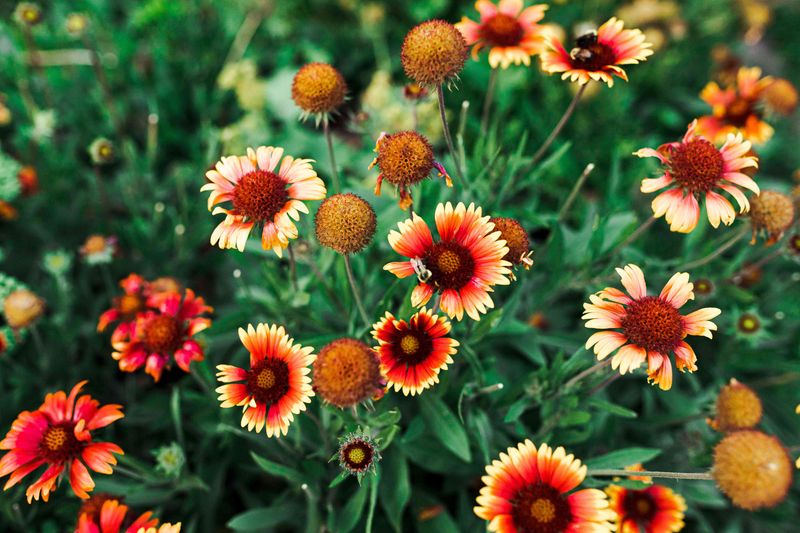
Legend links the name to bright woven blankets, and one look at these red and yellow pinwheels explains why. Every bloom seems to glow like a tiny sunset parked in the middle of your flower bed.
Gaillardia pulchella, often called Indian blanket or firewheel, is a native annual that grows wild across much of the Southwest. Its fuzzy, round seed heads look like little pompoms once the petals drop away.
Those pompoms are ready when they turn brown and the seeds pull loose with a light tug. Store them in a paper envelope, or rub them straight over bare soil where you want next year’s color.
In the low desert, fall sowing gives seedlings a head start before spring heat returns. Higher elevations do better with spring sowing, after the hardest frosts have passed.
Full sun and well-drained soil keep plants compact and floriferous, while rich, soggy ground makes them flop. You rarely need fertilizer, and a weekly deep drink is plenty once roots are established.
Honestly, I leave a few seed heads standing for goldfinches, which pick at them like tiny snack bowls. Bees and butterflies love the flowers too, so this plant earns its keep twice over.
6. Sunflower
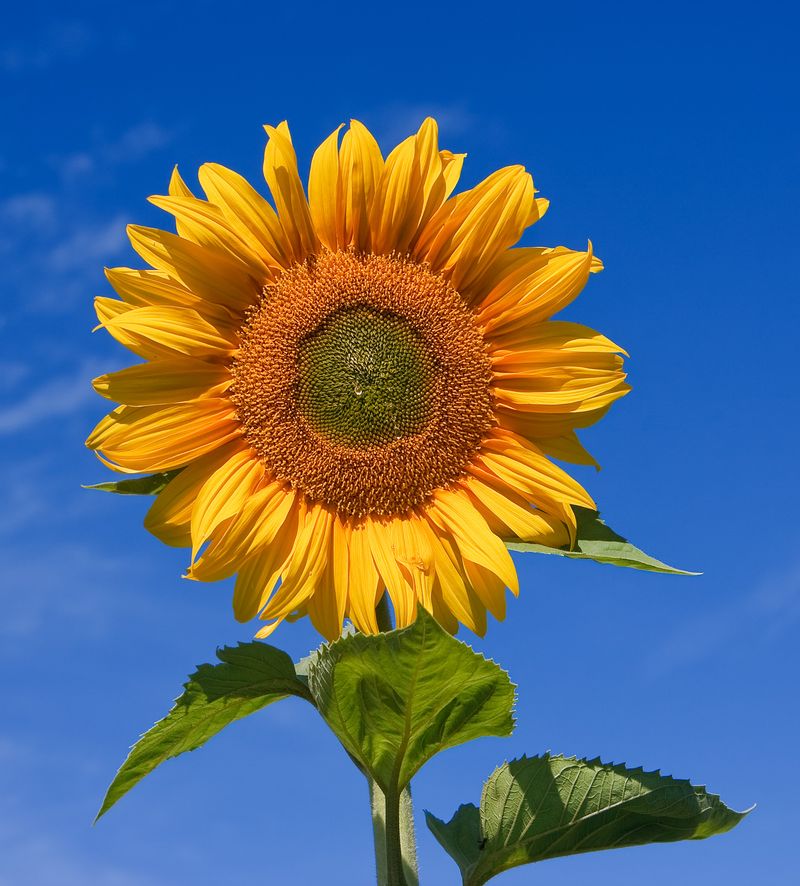
A ripe sunflower head can hold hundreds of seeds, which makes it the most generous seed bank in your yard. Birds figure this out quickly, so you may find yourself sharing the harvest with very determined goldfinches.
The common sunflower, Helianthus annuus, is native across much of North America, including desert washes and roadsides. Wild types branch freely and carry many smaller heads, while garden giants usually focus on one big bloom.
Heads are ready when the backs turn yellow-brown and the seeds look plump and striped. Cut them with a foot of stem, then hang them upside down somewhere dry with a paper bag tied around each one.
In the low desert, saved seed goes back into the ground in late winter or early spring, not now. Keep your harvest cool and dry in a jar, and label it so you remember which variety it came from.
Hybrid varieties may not come true from seed, so wild or open-pollinated types give the most predictable results. You might be surprised how many volunteers sprout from seeds the birds drop along your fence line.
Native bees adore the pollen, and seed-eating birds bring constant motion to the garden. I like leaving a couple of heads standing, since the visitors make the whole bed feel alive.
7. Desert Bluebells
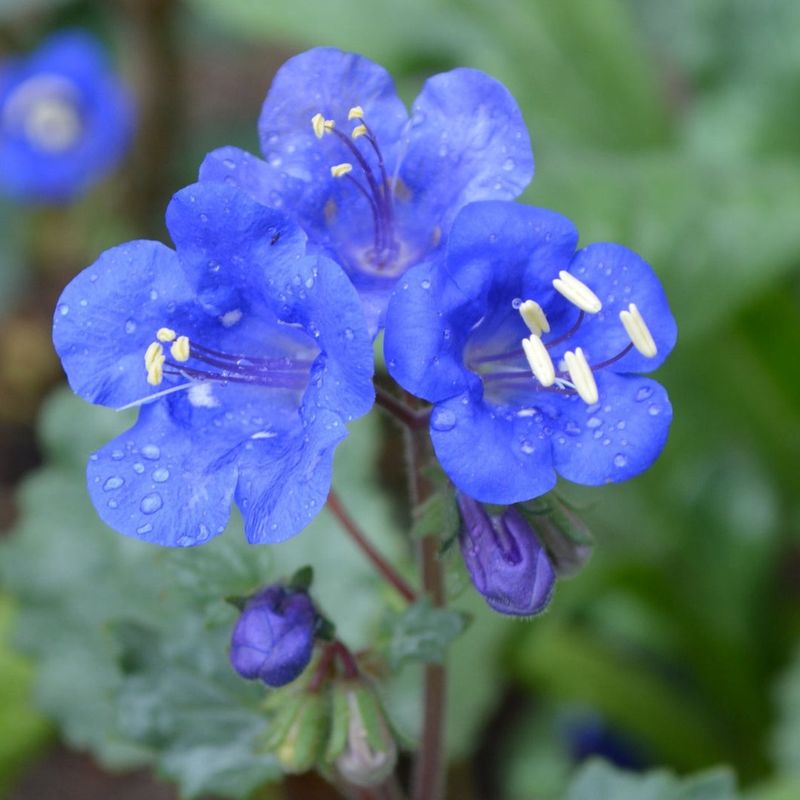
True blue is rare among desert flowers, which is exactly why these electric bells stop people on the sidewalk. The color is so intense that photos often look edited, even when they come straight from a phone.
Desert bluebells, Phacelia campanularia, are cool-season annuals native to the Mojave and Sonoran deserts. Plants stay low and bushy, holding clusters of bell-shaped blossoms above round, slightly sticky leaves.
Seed ripens in small capsules late in spring, so anything you saved then is ready for sowing this month. Mid-October through November works well in the low desert, giving roots time to grow during cooler weeks.
Sprinkle seeds over loose, sandy soil and barely cover them, because they need good contact without being buried deep. Keep the surface lightly damp until sprouts appear, then water only when the top inch dries out.
Once plants bloom next spring, let several of them finish and drop seed right where they stand. That simple patience turns one small patch into a wider blue drift over just a few seasons.
Native bees, including tiny solitary species, crowd the flowers for pollen and nectar. Some people get an itchy rash from the leaves, so gloves make sense when you thin or pull plants.
8. Sacred Datura
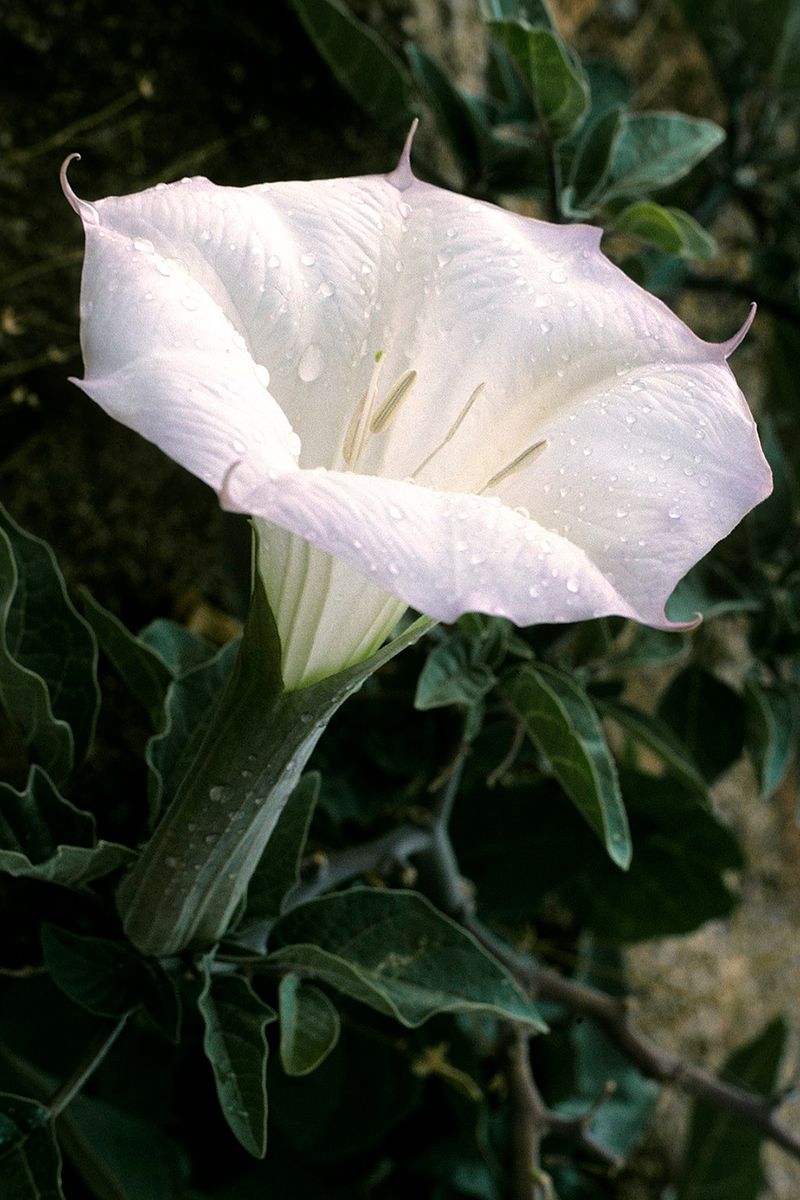
Huge white trumpets unfurl around sunset, and you can watch the petals twist open in real time. I can’t imagine a better reason to sit outside on a calm desert evening with nothing else planned.
Sacred datura, Datura wrightii, is a native perennial that grows wild along washes and roadsides in the Southwest. Mature plants can spread several feet wide, with velvety gray-green leaves and flowers up to six inches long.
Seeds develop inside round, spiny pods that eventually crack open and spill flat, tan seeds. Collect pods with gloves once they turn brown, then let them finish drying in a paper bag indoors.
Fall sowing in a sunny, well-drained spot gives seeds a chance to sprout when spring warmth returns. Established plants need little water, and they often regrow from their thick roots after a winter cutback.
Sphinx moths visit the fragrant flowers at night, and their caterpillars are the familiar tomato hornworms. Bats hunt moths around blooming plants, so your evening garden may get busier than expected.
Every part of this plant is highly toxic if eaten, so caution matters around kids and pets. Remove young pods before they split if you want to manage where new seedlings appear next year.