Why It’s Illegal to Propagate Some Popular Shrubs in North Carolina
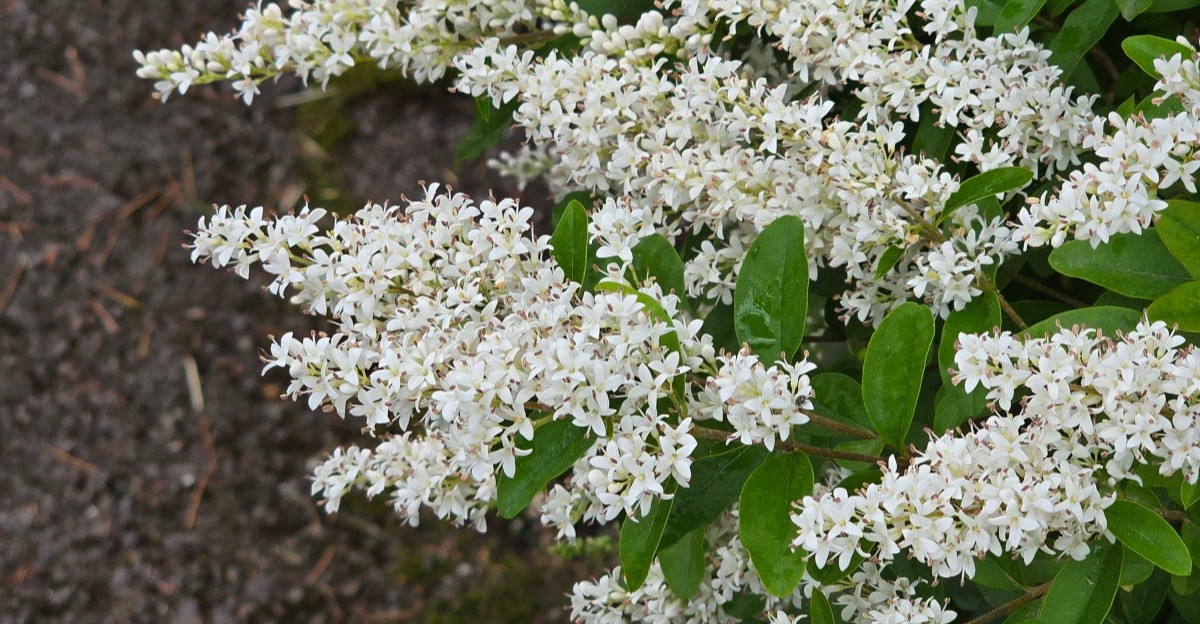
Some fruit bushes your great-grandmother grew for jam are banned across North Carolina. Not just discouraged, but illegal to plant, keep, or sell.
That fact stopped me cold the first time I read it. Then I learned the shrub sitting on a garden center shelf might carry its own legal fine print. A tiny tag can hold a federal patent number, and that number changes what you can do with your pruners.
I love rooting cuttings on my windowsill. Sharing free plants with friends feels like one of gardening’s purest joys. So I can’t imagine many of us ever stop to ask whether a snip is allowed.
The rules turn out to protect rare wildflowers, faraway pine forests, and the plant breeders who spent years creating your favorite bloom.
1. That Little Shrub Tag From the Nursery Holds a Bigger Secret
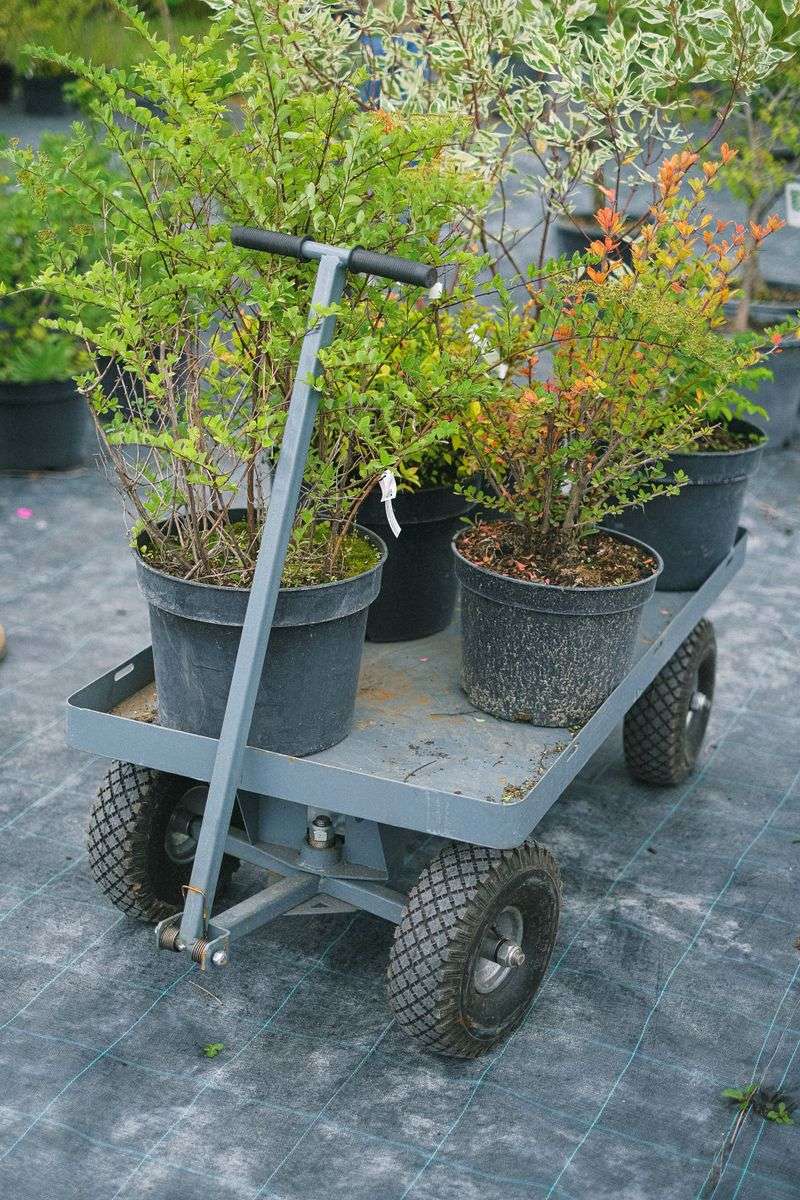
Flip over the plastic tag on a new azalea or hydrangea, and you may spot two small words that matter a lot. They usually say “Propagation Prohibited,” often next to a code like “PP” followed by numbers.
That code is a U.S. Plant Patent. Federal law lets breeders patent new shrubs that are reproduced asexually, meaning by cuttings, layering, division, or grafting. The patent gives the breeder the sole right to make copies of that plant.
So the main reason most home gardeners bump into this law is simple. Rooting a cutting from a patented shrub makes a clone, and cloning is exactly what the patent controls.
Plant patents typically last 20 years from the filing date. During that window, making new plants without a license is not allowed, even if you only want one extra for the side yard.
I find this surprising because it feels so harmless. You bought the plant, after all. But buying a patented shrub gives you the right to grow and enjoy that one plant, not to start a home nursery from it.
Keep your tags in a folder or snap a phone photo. That small habit answers the big question later.
2. Patented Azaleas, Hydrangeas, and Loropetalums Are Off Limits for Cuttings
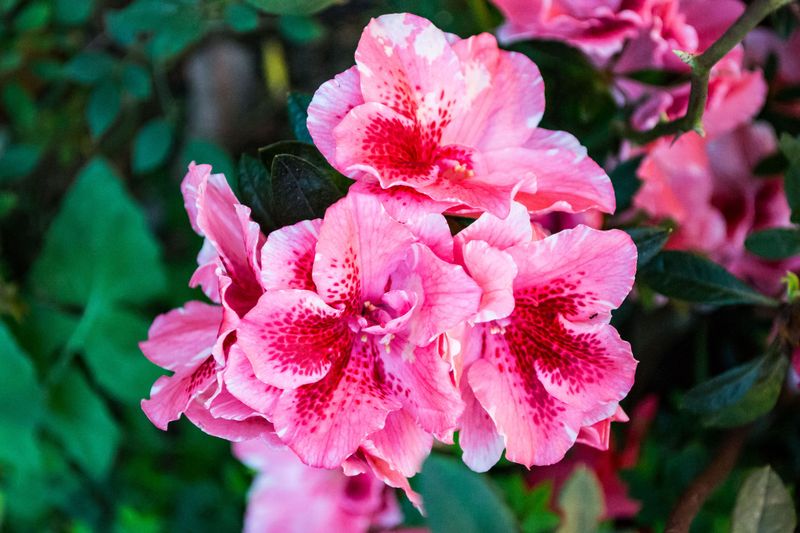
Walk through any big-box garden center in spring and you’ll see shelves full of brand-name shrubs. Many reblooming azaleas, hydrangeas with fancy series names, and purple-leaf loropetalum cultivars are patented plants.
Breeders spend years crossing, testing, and selecting these varieties. A single new azalea can take a decade to reach store shelves. The patent lets them earn back that effort through licensed growers who pay a small royalty on each plant.
Here’s the part that trips people up. The rule covers personal use too. Rooting a branch to give your sister counts as reproducing the plant, even if no money changes hands.
Realistically, nobody is knocking on doors to check windowsill cuttings. Enforcement mostly targets nurseries and people selling copies.
Still, the law is the law, and respecting it keeps the breeding programs going that give us new colors and longer bloom seasons.
Not sure if your shrub is patented? Search the variety name plus “plant patent” online. The U.S. Patent and Trademark Office database lists patent numbers and dates.
Seeds are a different story. Plant patents cover asexual reproduction, so a seedling from your shrub is not a clone, though it likely won’t look like the parent.
3. Currant and Gooseberry Bushes Are Flat-Out Banned Here
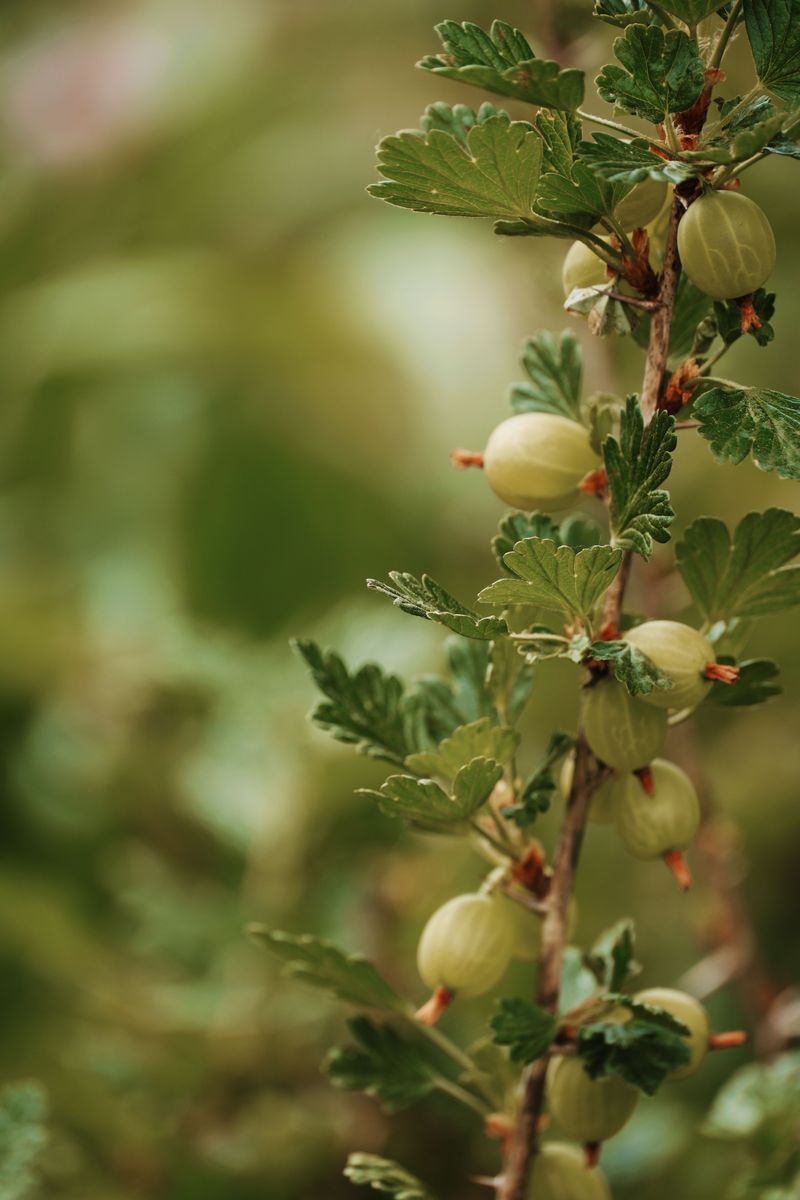
My first reaction was disbelief. Currants and gooseberries, those tart little berries from old cookbooks, cannot be planted, kept, or sold anywhere in North Carolina.
The rule covers the whole Ribes genus. That includes red currants, black currants, clove currants, gooseberries, and wild native types too. It applies to cultivated garden plants and wild ones growing on your property.
So propagating them is off the table as well. A cutting from a friend’s currant bush out of state can’t legally come home with you, and mail-order nurseries generally won’t ship Ribes plants into the state.
The NC Department of Agriculture and Consumer Services enforces this quarantine. Inspectors can require removal of plants found growing where they shouldn’t be.
Plenty of gardeners move here from Michigan, Oregon, or New England, where currants are common backyard fruit. It’s an easy mistake to pack a few rooted pieces in the moving truck. Please leave them behind.
Want a tart berry instead? Blueberries thrive in our acidic soil, and many types grow well across the state. Blackberries and muscadines also love our climate and won’t put you on the wrong side of a quarantine.
4. A Rusty Fungus on White Pine Needles Explains the Berry Ban
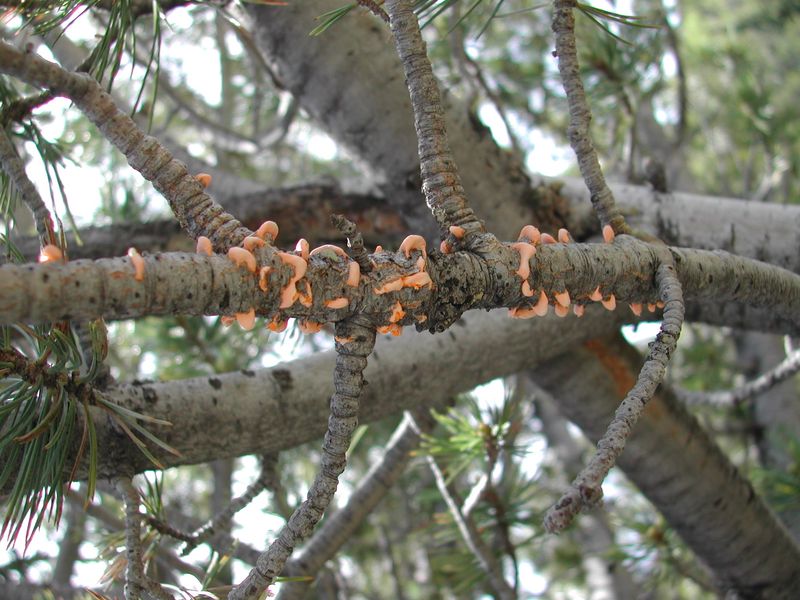
Blame a fungus with a very strange life cycle. White pine blister rust needs two different plants to complete its life, and currants and gooseberries are one of them.
The disease spends part of its cycle on Ribes leaves, where it looks like small orange or brown spots. Then spores drift to five-needle pines, like eastern white pine. On the pines, it forms swollen, oozing cankers that girdle branches and trunks.
The fungus arrived in North America on imported pine seedlings in the early 1900s. It caused serious losses in white pine forests across the country.
Eastern white pine matters a great deal in our western mountains. It’s a valuable timber tree, a Christmas tree favorite, and part of the forest that shades trout streams.
Spores from pine to pine don’t spread the disease directly. The fungus must pass through a Ribes host first. Remove the host, and you break the chain.
That’s why the ban is statewide, even in coastal towns far from any big pine stands. Spores can travel on the wind for long distances, so one backyard currant can matter more than you’d guess.
5. Rare Native Shrubs Like Michaux’s Sumac Need a State Permit
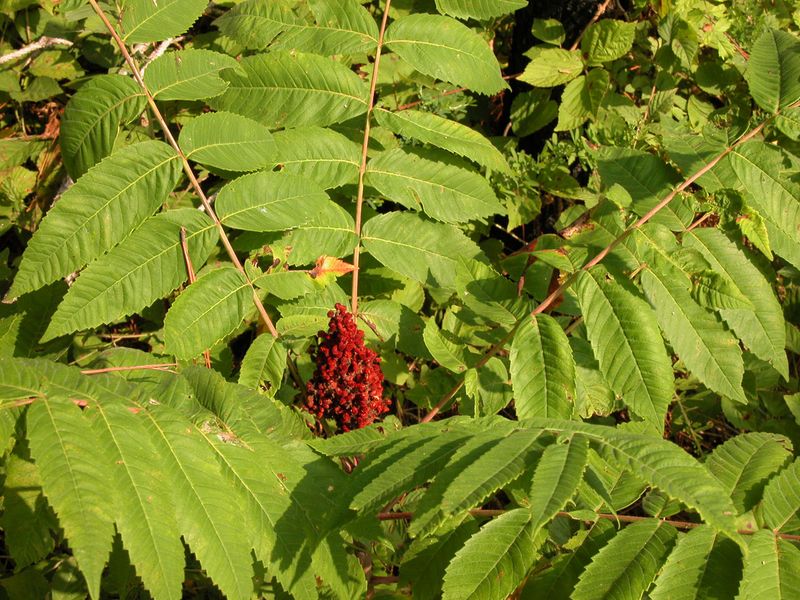
Not every restriction comes from a laboratory or a fungus. Some shrubs are protected because there are so few left in the wild.
The state keeps a Protected Plant List of endangered, threatened, and special concern species.
The NCDA&CS Plant Conservation Program manages it. Michaux’s sumac is a good example, a low, fuzzy-leaved shrub found in sandy, open spots in the Piedmont and Sandhills. It’s federally endangered too.
On your own land, you can generally grow and care for protected plants. The catch comes with selling them or propagating them for sale. That requires a permit from the state, and commercial growers need paperwork showing where their stock came from.
Digging or snipping a protected plant on someone else’s land without written permission is illegal. On public land, you’ll also need approval from the managing agency.
Why so strict? Poaching from wild populations has pushed some rare plants closer to the edge. A permit system lets legitimate nurseries grow them while keeping wild patches safe.
If you fall for a rare native shrub, buy it from a permitted nursery and ask about its origin. Reputable sellers are happy to explain.
6. Privet and Burning Bush Sit in a Tricky Legal Gray Area
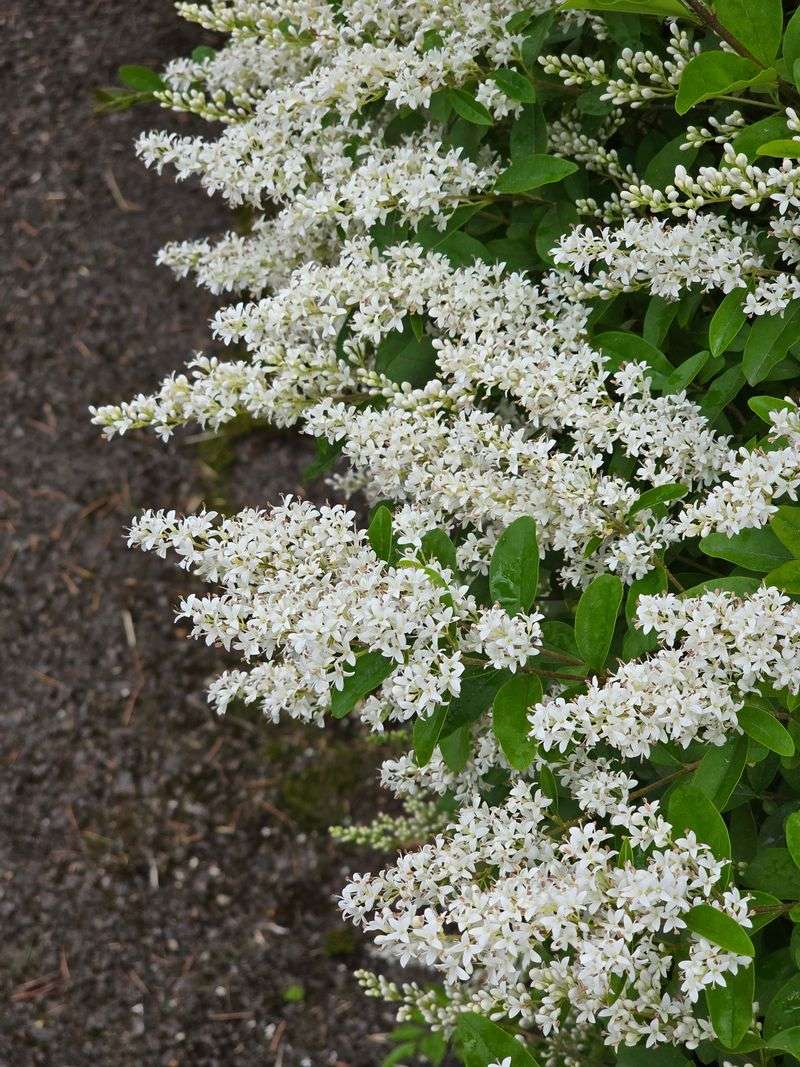
Here’s an honest twist many articles get wrong. Most invasive shrubs are still legal to own and grow in the state, at least for now.
Chinese privet, Japanese barberry, burning bush, autumn olive, and multiflora rose all rank as serious invaders.
The NC Invasive Plant Council and NC State Extension list them as threats because birds spread their seeds into forests, where they crowd out native plants.
Yet only a handful of plants appear on the official state noxious weed list, and most common landscape shrubs are not among them. That means rooting a privet cutting usually isn’t a crime here.
Legal and wise aren’t the same thing, though. Spreading these shrubs adds to a problem that costs landowners and parks real money to manage every year.
Rules can also change, and some local governments discourage invasive plantings on public projects. Several nearby states already restrict selling certain barberries.
My advice? Skip propagating them entirely in spirit, if not by statute. Swap burning bush for native fothergilla or highbush blueberry, which both offer fiery fall color.
Replace privet hedges with yaupon holly or wax myrtle, two tough natives that birds enjoy without causing trouble.
7. Older Favorites Like the Original Knock Out Rose Can Be Fair Game
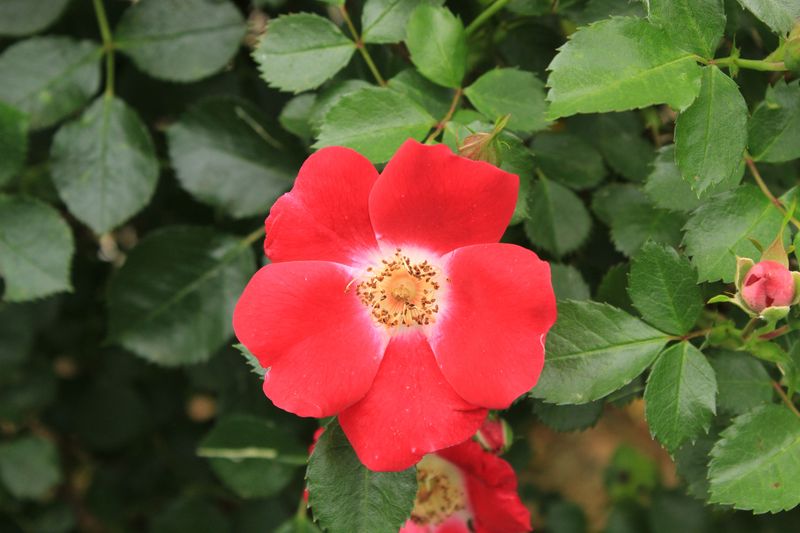
Patents don’t last forever, and that opens a sweet loophole for patient gardeners. Once a plant patent expires, anyone can legally propagate that variety.
The original red Knock Out rose is a famous example. Its patent was granted in 2000 and has since run out, so rooting cuttings from that specific variety is now allowed.
There’s a wrinkle, though. The name “Knock Out” is a trademark, which works differently from a patent. You can grow copies of the plant, but you can’t sell them under that brand name.
Newer members of the family, like later colors and forms, may still be under patent protection.
Many older hydrangea and azalea cultivars fall into this free zone too. Heirloom varieties that existed long before modern patents were common usually carry no restrictions at all.
Checking takes about five minutes. Find the patent number on the tag or search the variety name in the Patent and Trademark Office database. Look at the filing date and add 20 years.
I like keeping a little notebook of my shrubs with patent dates written down. It’s oddly satisfying when one finally becomes free to share.
8. Beautyberry and Oakleaf Hydrangea Make Guilt-Free Cuttings to Share
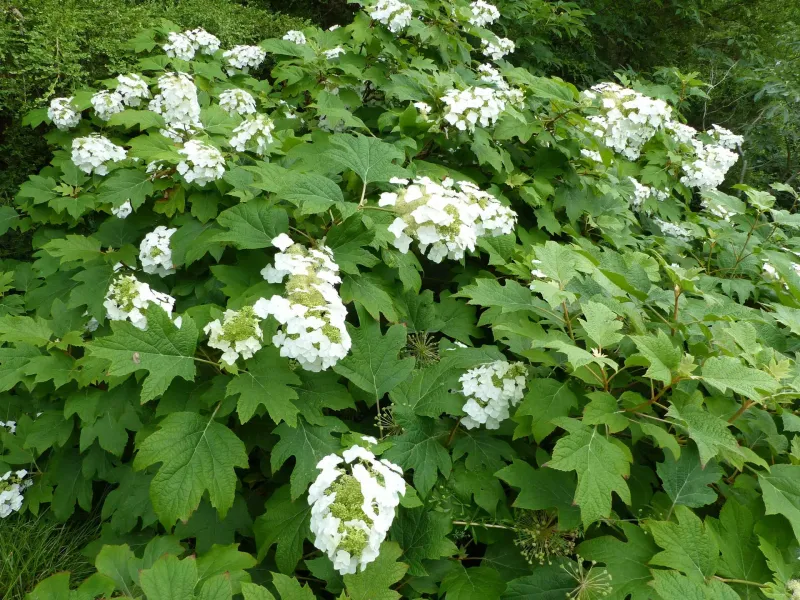
After all those rules, you deserve a happy ending. Plenty of lovely shrubs are completely open for rooting, swapping, and gifting, and many are native beauties.
American beautyberry roots easily from softwood cuttings in late spring or early summer. Its shocking purple berries feed birds in fall.
Straight-species oakleaf hydrangea, Virginia sweetspire, buttonbush, and spicebush are also great choices that support local pollinators and caterpillars.
Just make sure you’re working with the wild type or an old, unpatented cultivar. Some named versions of these natives carry patents, so a quick tag check still helps.
Here’s a simple checklist before you snip: Is it a Ribes plant? If so, stop. Does the tag show a patent number less than 20 years old?
Leave it be. Is it a rare protected species headed for sale? Contact the Plant Conservation Program first. Is it invasive? Choose a native swap instead.
Pass all four, and you’re good to go. Local Extension Master Gardener plant sales and native plant society swaps are wonderful places to find legal, well-suited shrubs.
Sharing plants is one of gardening’s best traditions, and a little homework keeps it that way.