7 Things You Should Never Do To Your Texas Lawn In November
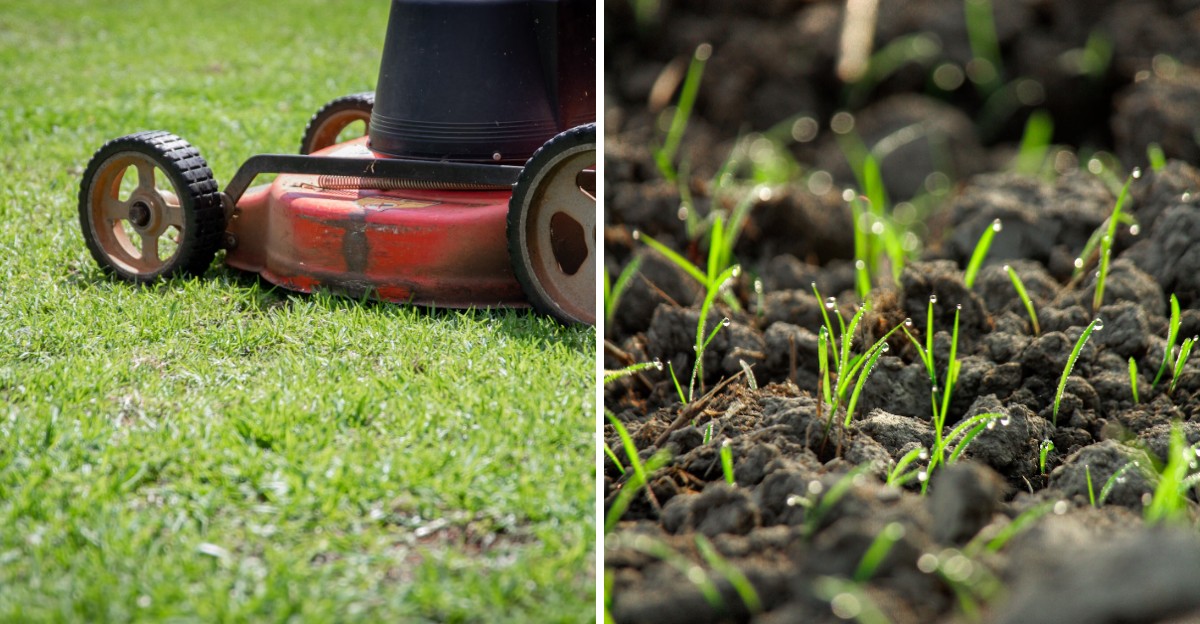
Frozen grass blades can snap like thin glass straws when a single sneaker crunches across them at dawn. Those tiny breaks often show up later as brown footprints stretching across an otherwise tidy yard.
Late fall in Texas brings cooler nights and shorter days, so warm-season turf starts slowing down for winter. Your grass is not giving up, though, because its roots quietly store energy for a strong spring comeback.
I have to admit that my own lawn taught me some hard lessons during a chilly Texas autumn. You might notice that the habits which helped all summer can quietly hurt your yard once the weather cools.
A few well-meaning chores can leave thin patches and hungry weeds waiting for you next March.
1. Skip The High Nitrogen Fertilizer Bag
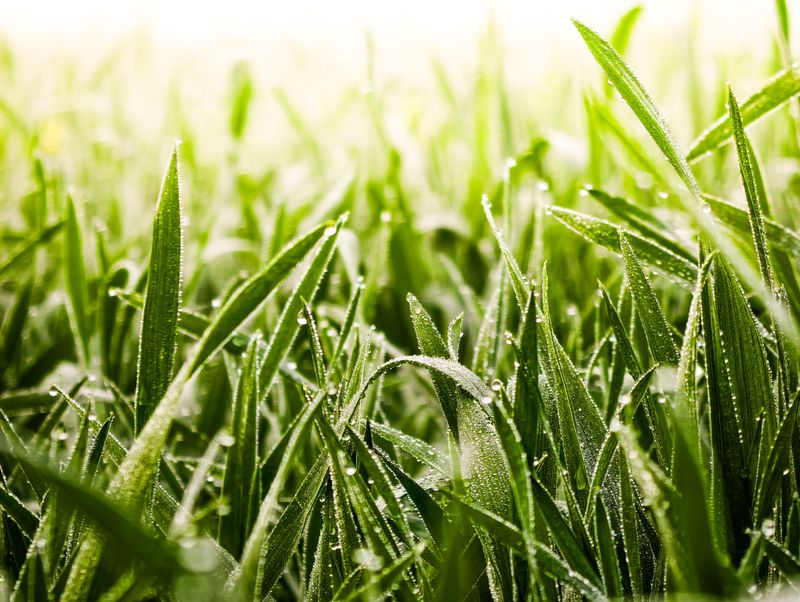
Nothing tempts me more than a shiny fertilizer bag promising a deep green lawn by next weekend. In November, that quick green burst can backfire and leave your warm-season grass weaker heading into winter.
Nitrogen pushes tender new blades, and soft growth like that is easily damaged when the first frost arrives. The grass also burns through stored carbohydrates it needs to make it through the cold months ahead.
Warm-season grasses like Bermuda and St. Augustine barely use nitrogen once they slide toward dormancy. Much of that feed simply sits in the soil or washes away with the next heavy rain.
Some turf specialists even warn that late nitrogen can raise the risk of large patch disease in St. Augustine lawns. That fungus loves cool, damp weather and leaves wide brown rings that can linger into spring.
If you want to feed your lawn in fall, the better window usually falls in September or early October. Look for a product with lower nitrogen and higher potassium, since potassium supports roots and cold tolerance.
Personally, I treat November as a month for patience rather than feeding, and my lawn seems grateful. A soil test from Texas A&M AgriLife Extension can show exactly what your yard needs before spring.
Save that fertilizer bag in a dry spot in the garage until your grass greens up again. Your lawn will put that nitrogen to much better use once warm soil wakes up the roots.
2. Put Down The Mower Before You Scalp The Grass
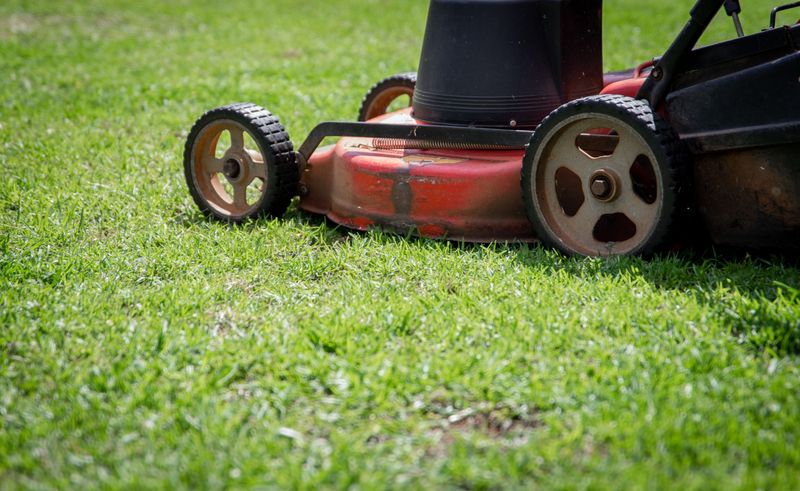
A buzz cut might look neat on a summer lawn, but it can leave cold-weather grass feeling exposed. Scalping removes so much leaf that the crowns, where new growth begins, sit open to chilly air.
Those crowns are the heart of each grass plant, and they need a little blade cover for protection. Without that shade, soil dries faster and the turf has a harder time handling sudden cold snaps.
I learned this the hard way after one overly eager mowing left my front yard looking patchy until April. You might be surprised how long a single short cut can show up in your lawn.
Stick with the right height for your grass type instead of dropping the mower deck as fall winds down. St. Augustine likes roughly two and a half to three and a half inches through the season.
Bermuda handles a shorter cut, often around one and a half to two inches for most home lawns. Zoysia usually does well around one to two inches, depending on the variety you planted.
Growth slows a lot this time of year, so you will likely mow less often than you did in summer. Only remove about one third of the blade at a time to keep stress low.
Sharp mower blades also matter, since dull blades tear grass tips and leave ragged brown edges behind. A quick sharpening now gives your lawn a clean trim and saves you a chore next spring.
3. Rethink Your Sprinkler Schedule For Dormant Grass
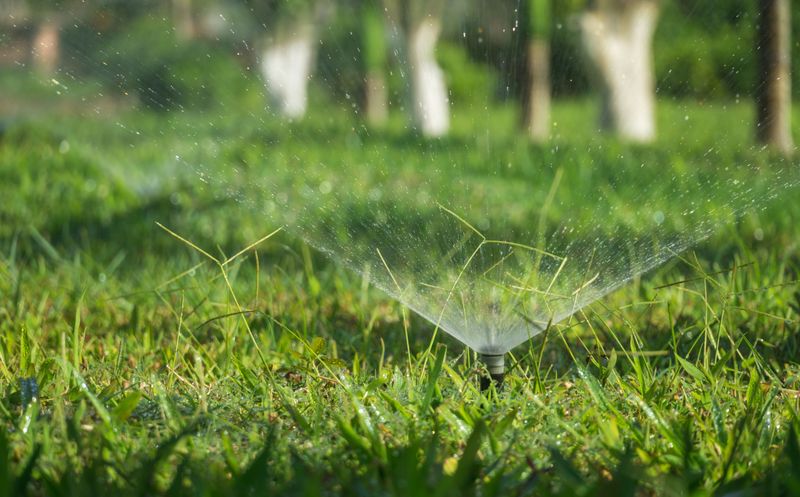
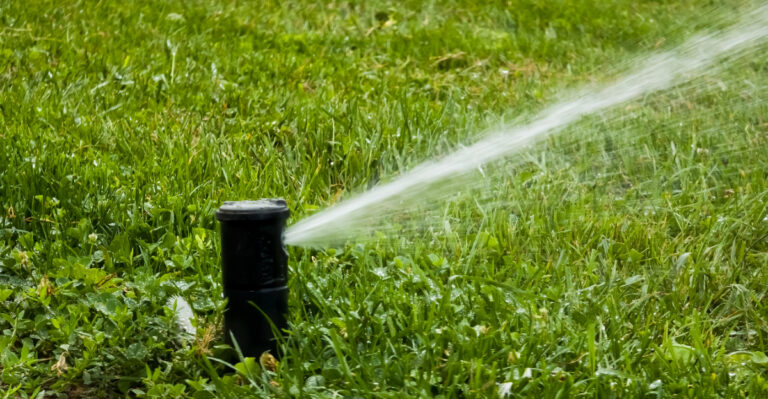
Those cheerful sprinkler heads popping up at dawn can turn into trouble once cool nights settle in. Dormant grass drinks far less water, yet many timers keep running on their summer schedule.
Soggy soil in cool weather invites large patch, a fungus that loves St. Augustine and Zoysia lawns. It often shows up as circular tan or orange patches that slowly spread across the yard.
On the flip side, shutting the water off for weeks during a dry spell is not wise either. Moist soil holds warmth better than dry soil, which helps roots handle a hard freeze.
I like to check the soil with a long screwdriver before deciding whether my lawn needs a drink. If it slides in easily, the ground has plenty of moisture and the sprinkler can wait.
During dry stretches without rain, deep watering every two to three weeks is often enough for dormant turf. Water early in the morning so the blades dry before chilly evening air arrives.
Many Texas cities set winter watering limits, so check your local rules before adjusting your controller. Some water utilities also base winter sewer charges on your usage during these cooler months.
A rain sensor or smart controller can help you avoid watering right after a soaking storm rolls through. Your water bill will thank you, and your grass will enter winter in much better shape.
4. Rake Up Those Thick Oak Leaf Piles
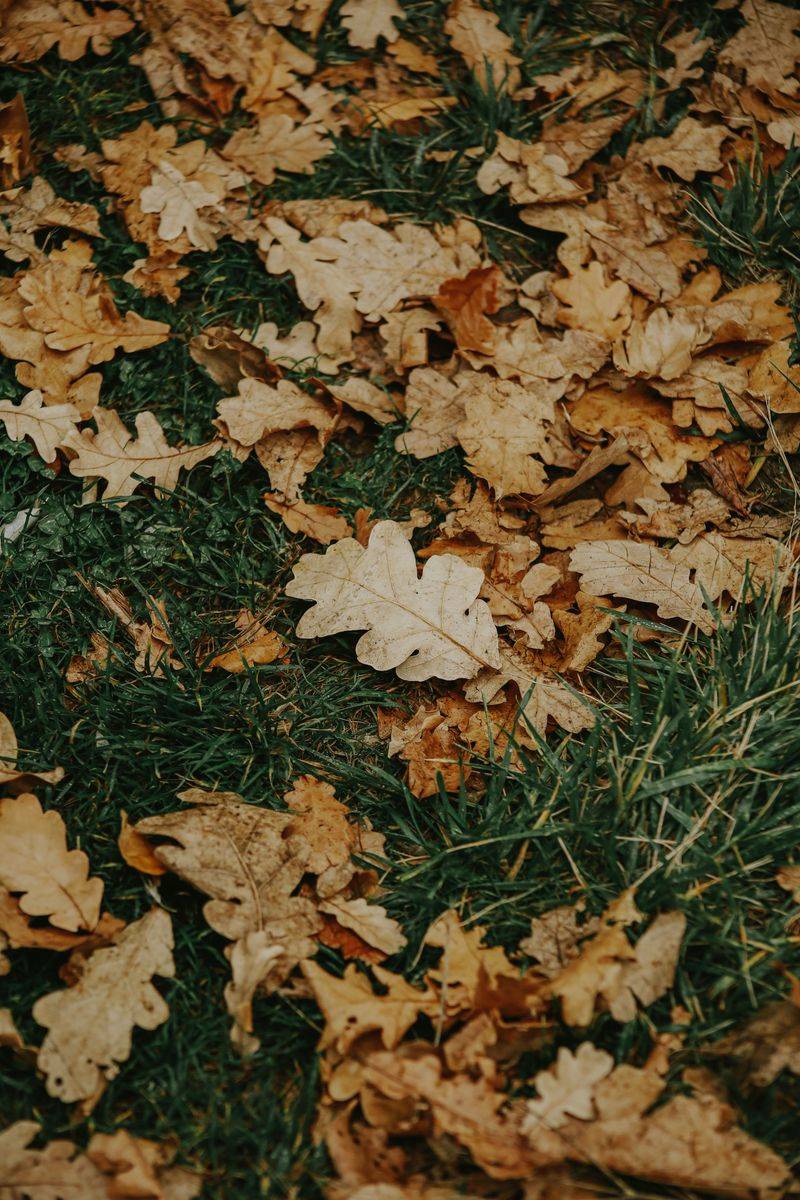
Crunchy oak leaves make a wonderful sound underfoot, and I love watching kids leap into a fresh pile. Left on the lawn for weeks, though, that cozy blanket turns into a soggy mat over the grass.
Thick leaf layers block sunlight, and warm-season grass still uses whatever light it can get in late fall. Shaded blades turn pale and weak, especially in yards already struggling under big shade trees.
Trapped moisture under wet leaves also creates a perfect home for mold and fungal diseases this time of year. You might lift a soggy pile in December and find slimy, matted turf hiding underneath.
Dry leaf piles near fences or buildings can also become a fire hazard during windy, low-humidity days. Keeping them cleared away is a small step that adds a little extra peace of mind.
Mulching leaves with your mower is one of my favorite shortcuts, and it feeds the soil at the same time. Chop them into small pieces so they slip down between the blades and break down quickly.
If the layer is too deep to mulch, rake it up and add those leaves to your compost pile. Shredded leaves also make a handy free mulch for flower beds and shrub borders around the house.
Plan on clearing leaves every week or two while the trees are still dropping their foliage. Your grass will breathe easier, and you will have a head start on next season’s garden soil.
5. Hold The Pre-Emergent If You Plan To Overseed Ryegrass
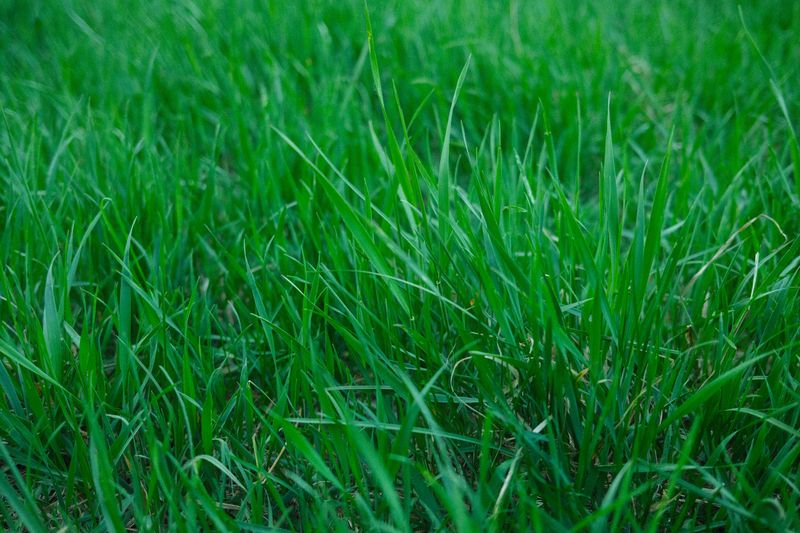
A pre-emergent herbicide works like an invisible shield in the soil, stopping seeds before they ever sprout. Unfortunately, that shield cannot tell the difference between pesky weed seeds and the ryegrass you just spread.
Many homeowners overseed with annual or perennial ryegrass for a bright green winter lawn while Bermuda rests. If you applied a pre-emergent first, those pricey seeds may simply sit there and refuse to grow.
I believe planning is the secret here, since you usually cannot have both a pre-emergent and winter ryegrass. Pick one goal for the season and stick with it so your money is not wasted.
Fall pre-emergents do help many lawns by blocking cool-season weeds like annual bluegrass and henbit. In much of the state, they work best when applied in early fall before weed seeds start germinating.
New sod and freshly seeded areas need protection from these products too, since the barrier can slow root growth. Wait until new sod is firmly rooted, which may take up to about three months.
For seeded areas, many experts suggest waiting at least six weeks before any pre-emergent touches the soil. Reading the product label carefully will tell you the exact waiting period for that specific formula.
If weeds still pop up in your overseeded lawn, hand pulling a few is easier than starting over. A little patience now leaves you with green grass and fewer surprises when spring arrives.
6. Save Bermuda Grass Seed For Warm Spring Soil
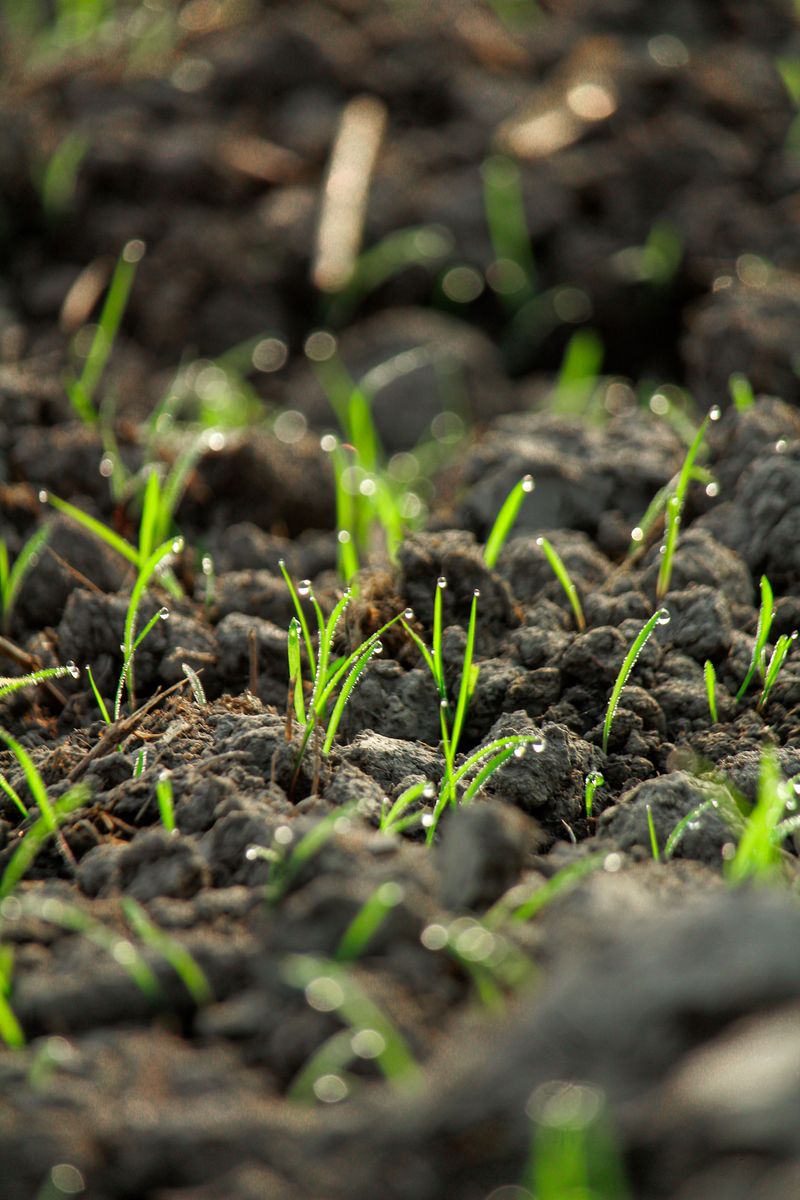
Bermuda seed is tiny, and a single pound can hold well over a million seeds waiting for warmth. Those little seeds are picky, though, and they mostly stay asleep when November soil starts cooling off.
Warm-season grasses germinate best when soil temperatures reach roughly 65 to 70 degrees Fahrenheit. By late fall, soil across much of Texas has dropped below that range, so sprouting slows dramatically.
Even if a few seeds pop up, the young grass has little time to grow roots before frost. Tender seedlings often struggle through the first cold snap and leave you with bare, muddy patches.
I can’t imagine anything more frustrating than watching birds snack on seed that will not sprout until spring anyway. Your money and effort are much better saved for the right planting window.
Late spring to early summer is usually the sweet spot for seeding Bermuda, Zoysia, or buffalograss. St. Augustine is mostly planted as sod or plugs, since good seed for it is hard to find.
If bare spots bother you now, a light layer of mulch or compost can help reduce erosion this winter. Some gardeners also use annual ryegrass as a temporary cover until warmer weather returns.
Mark your calendar for next spring and test your soil temperature with an inexpensive probe thermometer. Once readings stay in the mid sixties, your new seed will finally have a fair chance.
7. Stay Off Frosty Grass On Cold Mornings
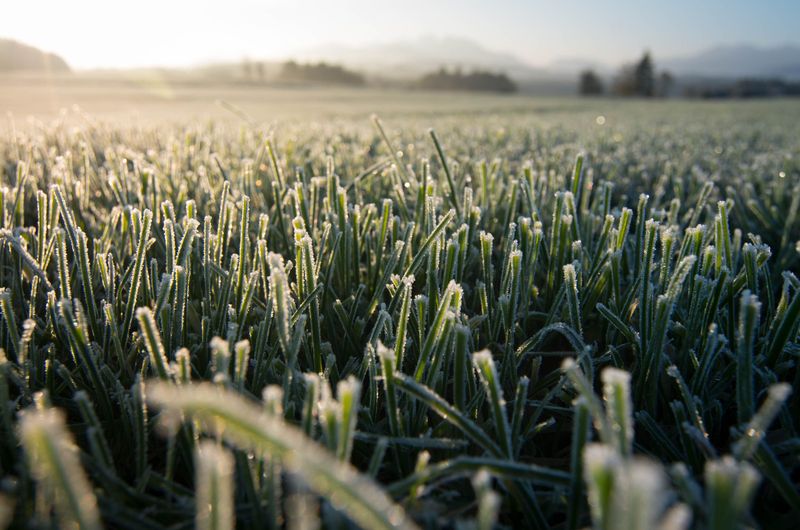
Sparkling frost on a lawn looks magical in the early sunlight, and I love seeing it from my kitchen window. Underneath that shimmer, every grass blade is stiff and brittle, almost like a frozen piece of spaghetti.
Walking across frozen turf can crush plant cells and snap those rigid blades with each step you take. The damage might not show right away, but brown footprints often appear a few days later.
Frost is common in northern parts of the state, while coastal and southern areas see it less often. Even a single cold morning can leave marks if your family uses the same path every day.
You need to remind kids and dog walkers that the frosty lawn is off limits until the sun warms it. Stepping stones or a mulched path can give everyone an easy route without trampling the grass.
Most frost melts by mid morning once sunlight hits the yard, so a short wait usually solves the problem. Shady spots near the house or under trees may stay frozen longer, so check them first.
Parking cars or heavy trailers on frozen grass can cause even more harm than footsteps do. Those heavy loads can compact soil and leave stubborn bare spots that linger well into the following spring.
Personally, I treat frosty mornings as a perfect excuse to sip coffee and admire the view for a while. Your lawn stays healthier, and you get a few quiet minutes before the busy day begins.