10 Yard Features That May Soon Be Banned in Florida Neighborhoods
A single bag of lawn food can be illegal to spread in parts of Florida for four straight summer months. That rule surprised me the first time I spotted it printed on an official county website.
Lawmakers and homeowner associations keep rewriting the rules about what can stay in our yards and what must go. Some changes protect water and wildlife, while others simply clarify who gets the final say over your grass.
I have to admit that a few of these rules made me rethink my own garden beds and sprinklers. You might notice that several features on this list are probably sitting in your yard right now.
Some items face real limits today, and others are drawing closer attention from Florida neighborhoods and city councils. So which familiar backyard favorite do you think could land on the chopping block next in your town?
1. Summer Lawn Fertilizer Faces Seasonal Blackout Bans
Spreading a little lawn fertilizer during a rainy July afternoon feels harmless, yet it can earn you a fine. Many counties forbid nitrogen and phosphorus fertilizers on lawns from June 1 through September 30 each year.
Miami-Dade stretches its window from May 15 to October 31, so the rules start earlier there. Palm Beach County keeps its restriction running from June 1 until the end of October too.
Sandy soil is the main culprit, because it lets nutrients slip through quickly after heavy summer storms. That runoff feeds algae blooms in lakes and bays, which can choke fish and smell awful.
Year-round rules often ban fertilizing within ten feet of any pond, canal, or seawall on your property. If granules scatter onto your driveway or sidewalk, sweep them back onto the grass right away.
Personally, I switched my feeding schedule to spring and late fall, and my lawn barely noticed the difference. University of Florida experts suggest slow-release nitrogen products when fertilizing is allowed in your local area.
Some cities are discussing longer blackout periods as water quality concerns keep growing across the state. Check your county website before spring, since local rules can be stricter than the statewide model ordinance.
A soil test from your county extension office can reveal whether your yard even needs extra phosphorus. Many sandy lawns already hold plenty, so skipping it saves money and protects the nearby water too.
2. Brazilian Peppertree And Other Invasive Shrubs Are Losing Ground
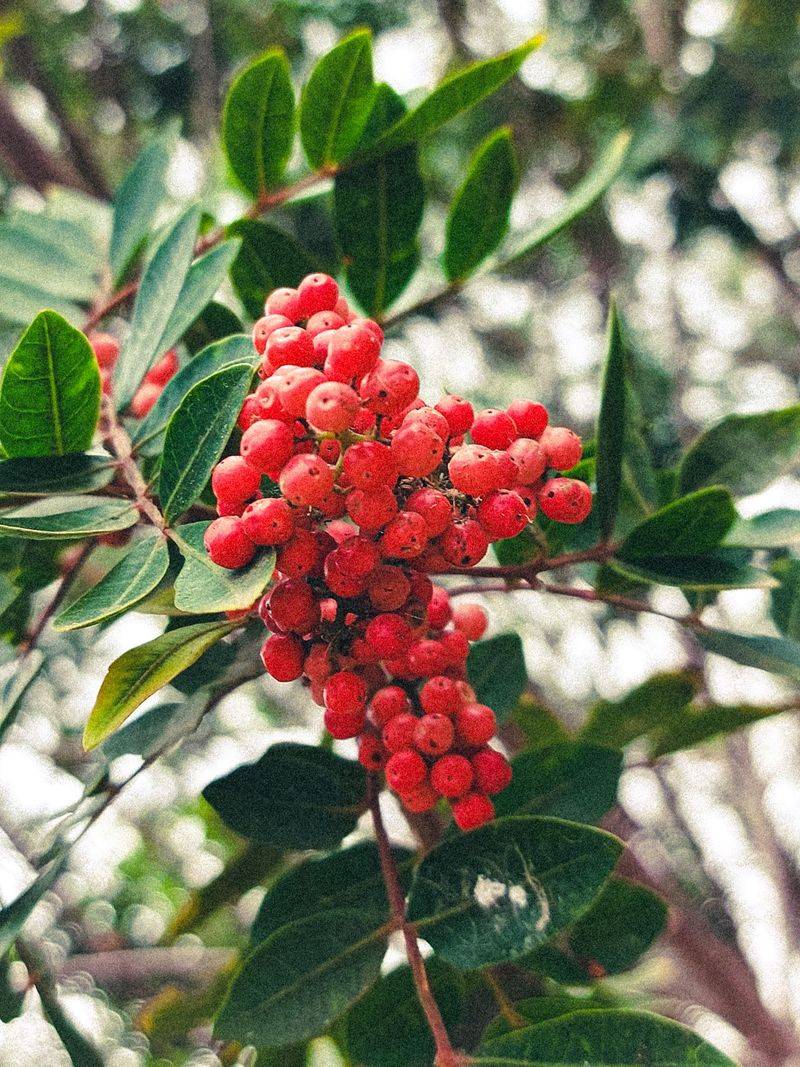
Those cheerful red berries on Brazilian peppertree look festive, yet the shrub is one of the worst invaders around. Birds gobble the berries and spread seeds into wetlands, where thick thickets crowd out native plants.
State agriculture officials list Brazilian peppertree as a noxious weed, which bans its sale and planting. Other listed offenders include air potato and cogongrass, both of which spread fast once they settle in.
The Florida Invasive Species Council keeps separate lists ranking plants by how much harm they cause. Those lists are not laws themselves, but many cities use them when writing local landscaping rules.
Some towns already require developers to remove listed invasive plants before new homes can be finished. Homeowners may eventually see similar removal rules creep into their own neighborhood codes over the coming years.
I can’t imagine a better weekend project than pulling a stubborn invader and planting something native instead. Firebush and coontie make lovely swaps, and pollinators visit firebush blossoms through much of the warm season.
Large peppertrees often resprout after cutting, so stump treatment with an approved herbicide usually works best. Your county extension office can recommend safe products and show you how to apply them correctly.
Bag berries and seedheads before tossing them, since seeds can sprout wherever yard waste lands. That small step keeps your cleanup effort from accidentally starting a brand new invasion down the road.
3. Wall-To-Wall St. Augustinegrass Lawns Are Falling Out Of Favor
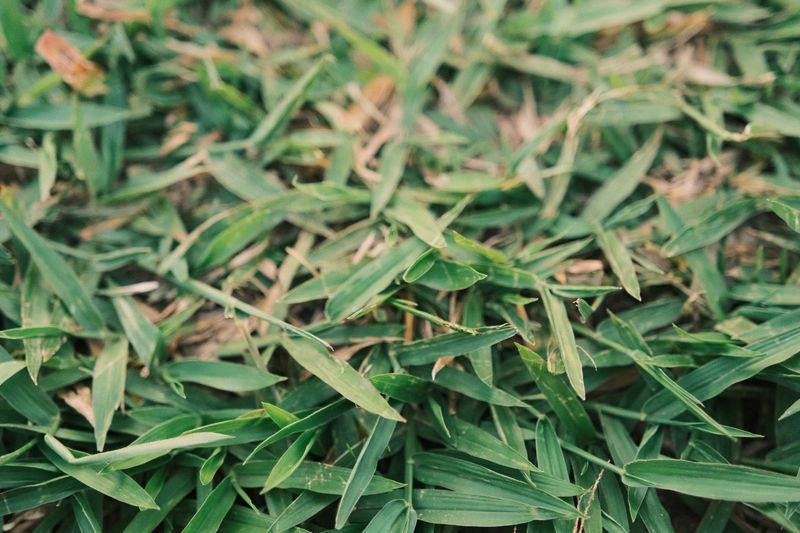
A perfect green carpet of St. Augustinegrass once signaled success, but it drinks a surprising amount of water. University of Florida research suggests outdoor irrigation can account for roughly half of household water use.
State law actually protects you if you want less grass and more Florida-Friendly Landscaping in your yard. Homeowners associations cannot ban those landscapes or force you to sod every inch with turf.
That protection comes from a statute promoting the right plant in the right place with minimal irrigation. Many cities are updating codes to encourage these yards, sometimes offering rebates for replacing thirsty grass.
Turf lawns are not illegal, and nobody expects them to vanish from local neighborhoods anytime soon. Still, pressure to shrink large grassy areas keeps building as water supplies face growing demand each year.
I love how a curved bed of native perennials softens a lawn edge and attracts busy pollinators. You can start small by converting one sunny corner or a hard-to-mow slope first.
Before you dig, send your association a written plan that follows those water-wise principles and design guidelines. Boards can still require reasonable maintenance, so keep beds mulched and edges neat after planting.
Less grass means less mowing on steamy summer Saturdays, which feels like a reward on its own. Your water bill and nearby lakes will likely thank you for the smarter choice as well.
4. Artificial Turf That Skips New State Installation Standards
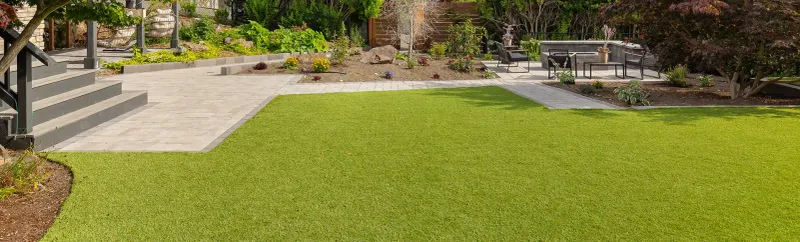
Plastic grass stays green through drought and skips the mowing, which explains its booming popularity in sunny suburbs. A 2025 state law now stops cities and counties from banning it outright on many single-family lots.
The protection covers homes sitting on one acre or less, which includes most typical suburban properties. There is a catch, since installations must follow statewide standards carefully set by state environmental regulators.
Those standards address how water drains through the turf and what materials the product contains. Poor drainage can push runoff toward neighbors, while some older products raised concerns about heat and chemicals.
Homeowners associations can still enforce their own architectural rules about how artificial turf looks and where it goes. That means you may need board approval even when the city has no objection at all.
I have to admit that synthetic turf gets surprisingly hot under the midday summer sun for bare feet. Pets and kids may avoid it during afternoon hours unless you add shade or cooling options.
Ask installers whether their product meets the latest state guidelines before you sign any contract or pay a deposit. Noncompliant installations could face fines or required removal, which turns a pricey project into a headache.
Consider mixing turf with real planting beds, since living plants cool the air and feed local wildlife. Pollinators find nothing useful on plastic blades, so a few native shrubs nearby make a difference.
5. Bright Porch Lights Near Sea Turtle Nesting Beaches
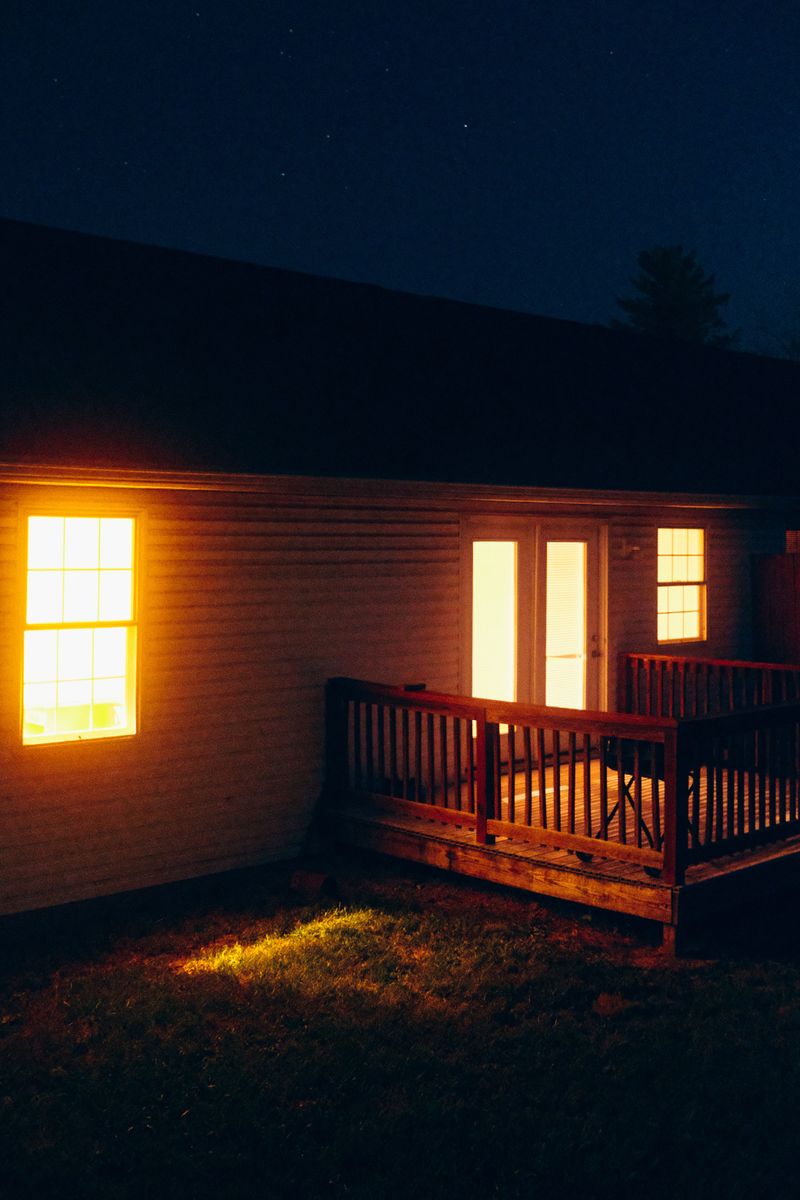
Baby sea turtles find the ocean by heading toward the brightest horizon, which is usually moonlight over water. A glaring porch light can pull hatchlings inland toward busy roads and hungry predators instead.
Many coastal counties ban lighting visible from the beach during nesting season, which runs from March or May through October, depending on the coast. Some local dates vary slightly, so checking your city ordinance is a smart move each spring.
The rules often cover outdoor landscape spotlights and even indoor lamps shining through beachfront windows. Nesting mother turtles may also avoid brightly lit beaches, which reduces safe spots for laying eggs.
Wildlife officials recommend low, shielded fixtures with amber or red bulbs that turtles notice far less. Look for lights certified as wildlife friendly, which meet specific guidelines for coastal homes and condos.
Personally, I love how warm amber lighting makes an evening patio feel cozy rather than harsh. Motion sensors help too, since lights only switch on when someone actually walks past them on the path.
Tinted window film or simple blackout curtains can keep indoor glow from spilling onto the sand. Code officers in some beach towns may patrol at night and issue warnings before handing out fines.
Expect these ordinances to stay strict as lighting technology improves and turtle protection remains a high priority. Your shoreline garden can glow beautifully while still giving tiny flippers a clear path to sea.
6. Overgrown Weedy Front Yards Draw HOA Fines
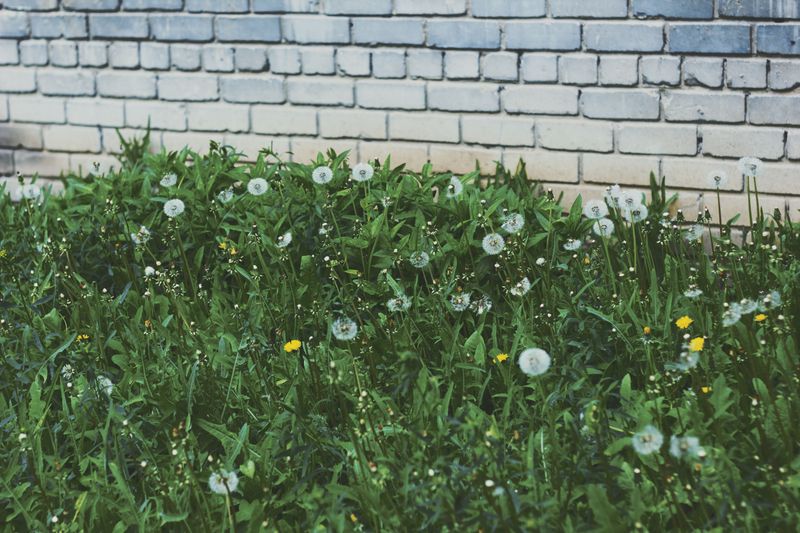
Knee-high grass and weeds poking through the mailbox bed rank among the most common neighborhood complaints in the state. Associations frequently send warning letters, then follow with fines when the jungle keeps creeping outward.
Many associations escalate penalties when problems repeat, and some can eventually pursue legal action for unpaid fines. Cities also enforce nuisance codes that target overgrown lots, especially when rodents or mosquitoes show up.
Even water-wise native gardens protected under state law must still meet reasonable maintenance standards set by associations. A wild meadow look works best when the edges and paths stay crisp and intentional.
I believe a tidy frame makes even the loosest planting look planned rather than abandoned. Neighbors tend to relax when they can see that someone clearly cares about the space.
Summer growth surges after afternoon thunderstorms, so mowing every week may be necessary during the rainy months. In cooler months, many lawns slow down enough that every other week often works fine.
Add a fresh layer of mulch twice a year to smother weeds and hold moisture in sandy soil. Pine straw and pine bark work nicely and are easy to find at local garden centers.
Clear standing water from buckets and saucers, since mosquitoes breed quickly in small hidden puddles. That quick chore protects your family and keeps the code officer from knocking on your door.
7. Unapproved Garden Sheds And Gazebos In HOA Communities
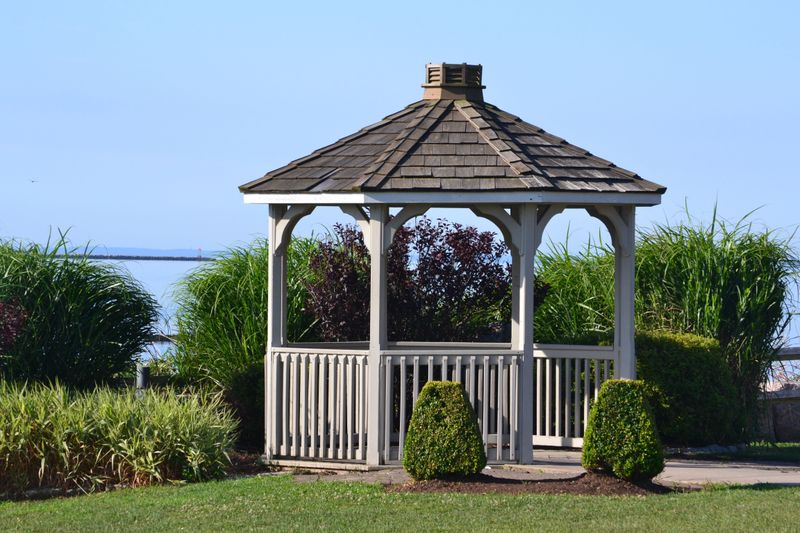
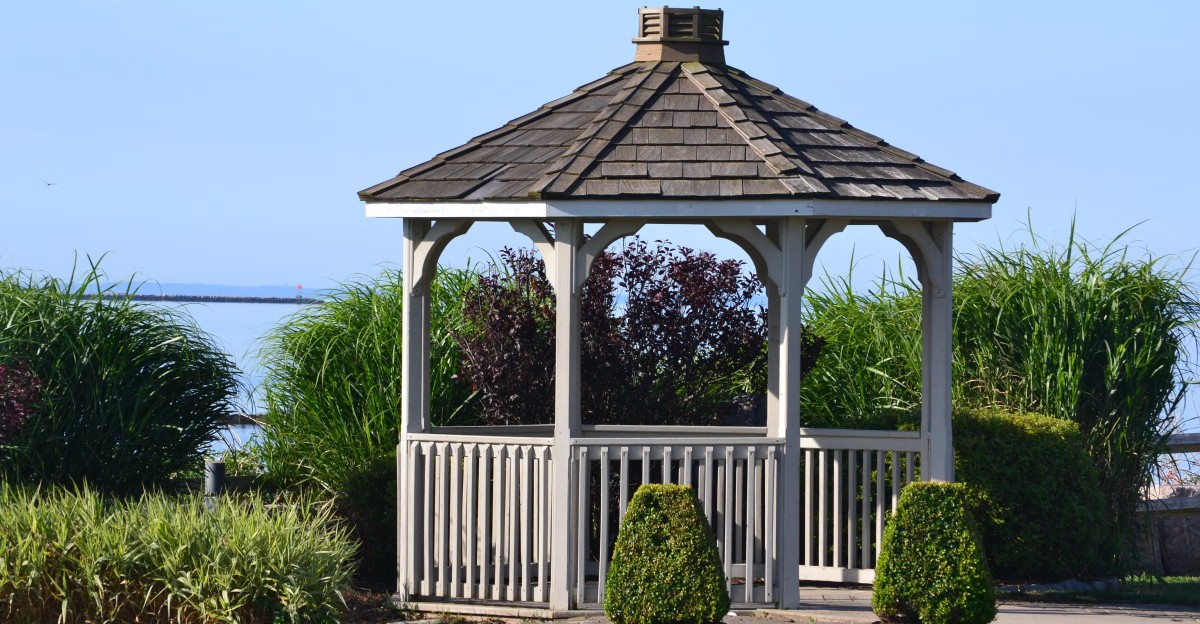
Building a charming garden shed without permission can turn a fun weekend project into a costly dispute. Most associations require architectural approval before you add sheds, gazebos, pergolas, or retaining walls.
Skipping that paperwork is one of the most common violations neighborhood boards handle every year. Some boards can demand removal, which means tearing down something you paid good money to build.
A recent state law offers some relief for certain backyard items that neighbors cannot actually see from outside. Associations generally cannot restrict items invisible from the street, adjacent lots, common areas, or a golf course.
That rule helps with a small potting bench tucked behind a privacy fence, for example. A tall pergola peeking over the fence line probably still needs board review before construction starts.
You also need city or county building permits for many structures, regardless of what your association says. Hurricane wind codes are strict here, so sheds often require proper anchoring and engineered plans.
I like how a well-placed arbor draws the eye and gives climbing vines something sturdy to grab. Native coral honeysuckle looks wonderful on an arbor and attracts hummingbirds during its long bloom season.
Submit clear drawings and material samples with your application to help speed up the approval process. Boards often respond faster when they can easily picture how the finished project will look.
8. Giant Concrete Driveways And Paved Patios
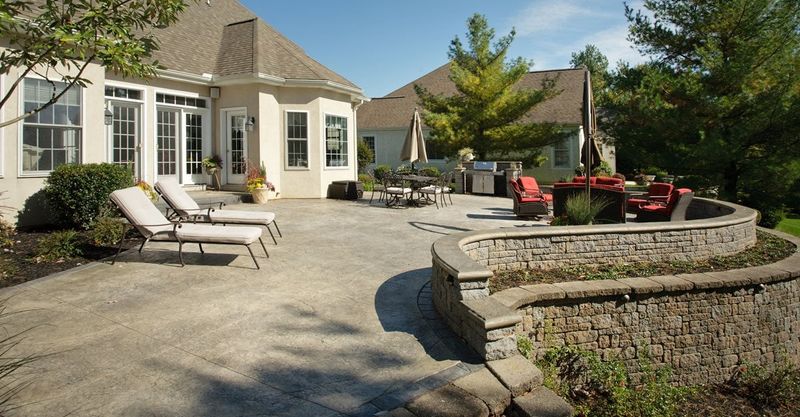
Every square foot of concrete sends rain racing toward the street instead of soaking gently into the ground. During summer downpours, that runoff carries oil and fertilizer residue straight into nearby storm drains and canals.
State guidelines encourage local governments to set limits on how much paved surface a landscape can include. Many cities already cap impervious coverage on residential lots, and some limits are stricter than others.
Expanding a driveway or adding a large patio may trigger a review of your lot coverage percentage. Going over the limit can stall permits or require you to add drainage features first.
Permeable pavers offer a clever workaround, since gaps between stones let rainwater trickle into the soil. Gravel paths and stepping stones set in mulch also let water soak in naturally.
Personally, I adore stepping stones surrounded by low-growing sunshine mimosa, a native groundcover with fluffy pink blooms. It handles light foot traffic and spreads quickly across sunny, sandy spots in the yard.
Rain gardens make another smart addition, catching water from downspouts and letting it slowly sink in. Native plants like swamp milkweed handle those soggy periods well and support monarch butterflies too.
Future rules may push homeowners toward these permeable options during major renovations or new construction. Planning ahead now could save you redesign costs and help keep local flooding under control.
9. Old Lawn Sprinklers Without Working Rain Sensors
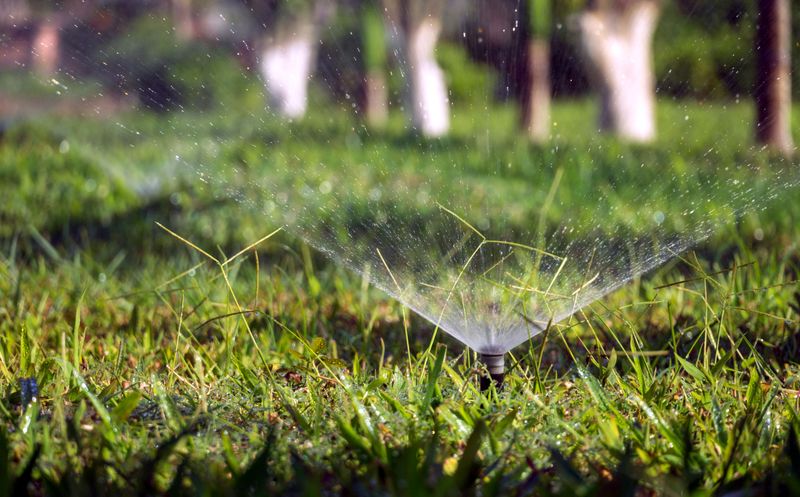
Few sights make gardeners groan louder than sprinklers spraying away during a pouring afternoon thunderstorm in July. State law requires rain shutoff devices on automatic irrigation systems, so that scene breaks the rules.
Many older systems have sensors that quietly stopped working years ago without the homeowner ever noticing. Test yours by pressing the test button or wetting the sensor, then watching whether zones shut off.
Water management districts also set watering day schedules, often limiting lawns to one or two days weekly. Violating those schedules can bring warnings and fines, especially during droughts when restrictions tighten.
I can’t imagine paying for water that runs down the sidewalk, yet poorly aimed heads do it daily. Adjust spray heads so they cover plants and grass instead of driveways and streets.
Smart controllers use weather data or soil moisture sensors to skip unnecessary cycles automatically. Some utilities offer rebates on these devices, which helps soften the upfront cost quite a bit.
Drip irrigation works beautifully in flower beds, delivering water right to roots with little evaporation. Most established Florida-Friendly plants need surprisingly little extra water once their roots settle in.
Future rules may require upgrades for outdated systems as water conservation becomes even more urgent. Fixing a leaky valve or broken head now is cheaper than paying a penalty later.
10. Cutting Down Big Native Live Oak Trees Without A Permit
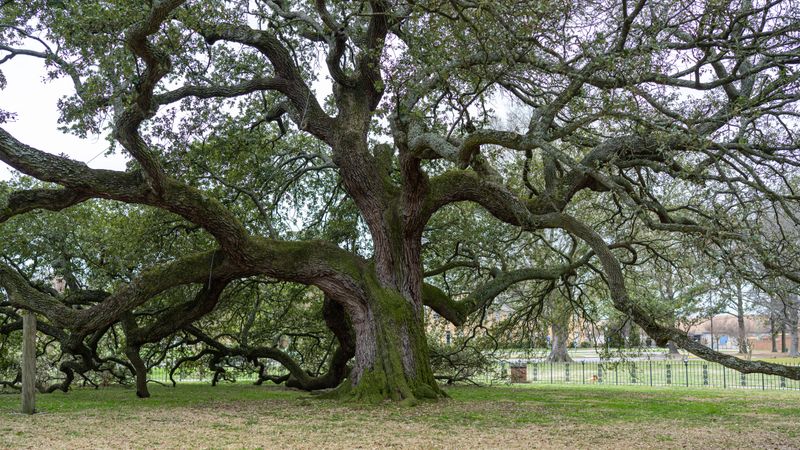
That towering live oak shading your driveway might be older than your house, and many towns protect it fiercely. Local ordinances often require permits before removing native trees above a certain trunk size.
Some rules also demand replacement trees, sometimes matching the inches of trunk diameter you removed. Skipping the permit can mean hefty fines, which often exceed what the removal itself cost.
A 2019 state law changed things by letting homeowners remove trees that pose a documented danger. You need a letter from a certified arborist or licensed landscape architect to use that exemption.
Tree protection still varies widely between cities, so check your local code before calling a tree service. Certain rare native plants also enjoy protection under a state law covering endangered and threatened species.
I believe mature oaks are worth saving whenever possible, since they support hundreds of caterpillar species. Those caterpillars feed songbird nestlings, making one big tree a busy wildlife cafeteria every spring.
Regular pruning by a certified arborist helps oaks withstand hurricane winds and lowers the risk of breakage. Avoid piling soil or mulch against the trunk, since that invites rot and pests.
Planting young native trees now gives your yard shade for decades and earns goodwill with code officers. Southern magnolia and red maple both grow well across much of the state.