The One Hydrangea Chore Ohio Gardeners Should Finish Before the Ground Freezes
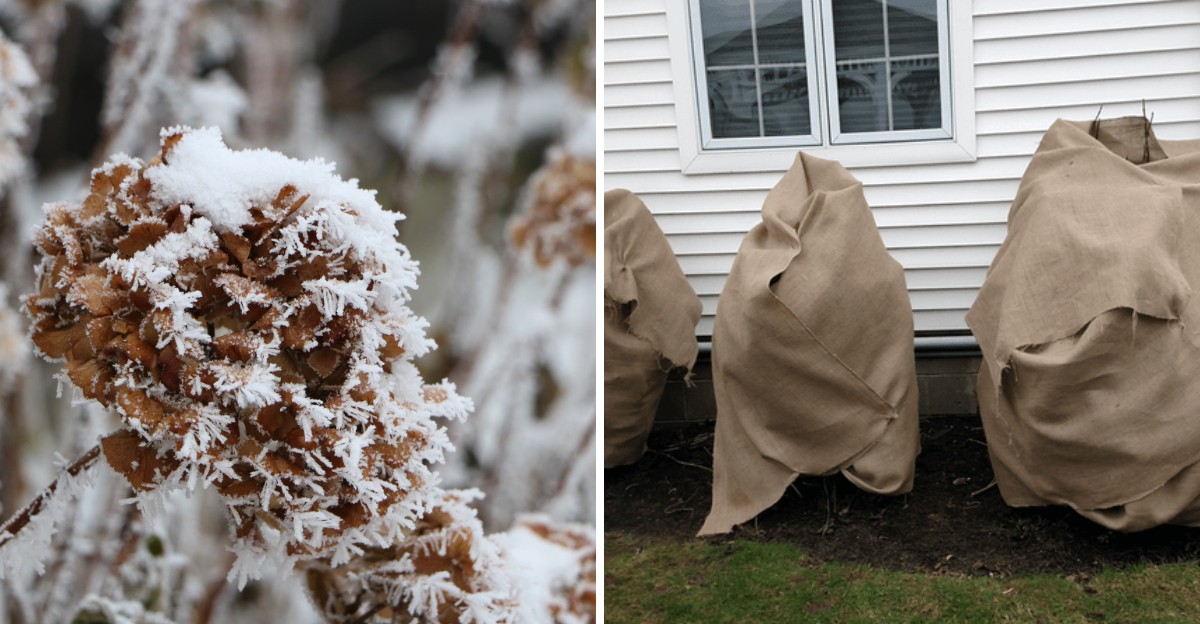
The flowers you hope to see next July are already sitting on your shrub right now. They are tucked inside tiny buds at the tips of bare, brown stems that look like nothing much.
I find that wild. A plant that seems asleep has quietly packed its summer suitcase months ahead of time.
Ohio winters love to test that suitcase. One week feels mild, the next brings a hard freeze and a wind that stings your cheeks. Buds sitting out in the open can take a beating, and you may not know it until June.
Personally, I have stared at a big, leafy shrub with zero flowers and felt pretty betrayed. You may know that feeling of green leaves and no color.
So what can a gardener do in late fall, with cold hands and a rake nearby, to change how next summer turns out?
1. Those Bare Hydrangea Stems Are Holding Next Summer’s Flowers
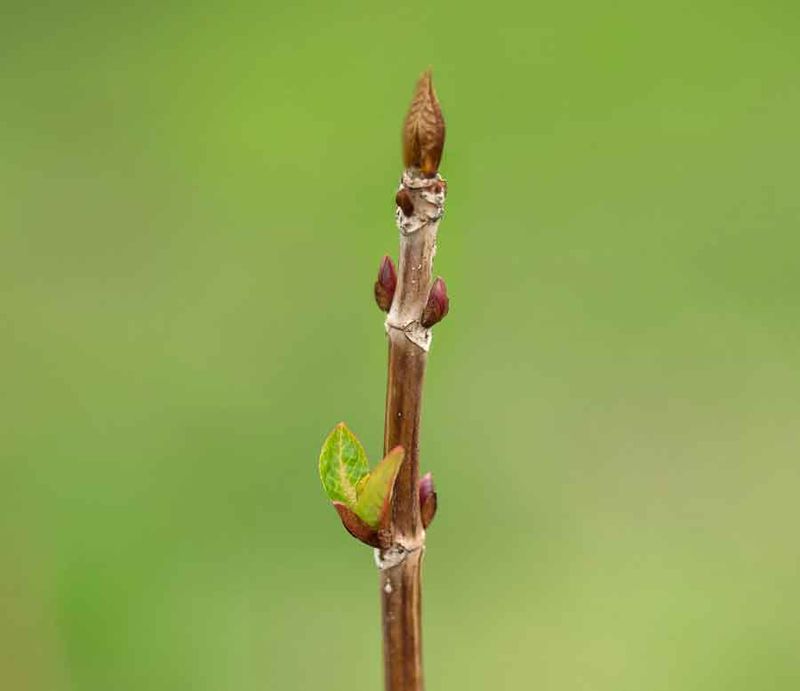
Fall cleanup season tempts all of us to tidy everything in sight. Before you grab the pruners, take a close look at the tips of your hydrangea stems.
Those fat little buds near the top are not leaf buds alone. On bigleaf hydrangeas, including the mophead and lacecap types, and on oakleaf hydrangeas, the flower buds for next year form in late summer and early fall.
Gardeners call this blooming on old wood.
That means the whole summer show is already sitting on the shrub. It just has to make it through winter in one piece.
Panicle and smooth hydrangeas work differently. They bloom on new wood, so their flowers form on stems that grow in spring.
Winter cold rarely steals their show.
Not sure which kind you have? Leaf shape helps.
Bigleaf hydrangeas have large, glossy, rounded leaves. Oakleaf types have leaves shaped like an oak leaf that turn deep red or burgundy in fall.
Panicle hydrangeas carry cone-shaped flower clusters. Smooth hydrangeas, like the classic Annabelle, have big white snowball blooms.
Once you know your type, the chore ahead makes a lot more sense. Your old-wood shrubs are the ones counting on you right now.
2. A Thick Layer of Mulch Around Hydrangea Roots Is the Chore That Counts
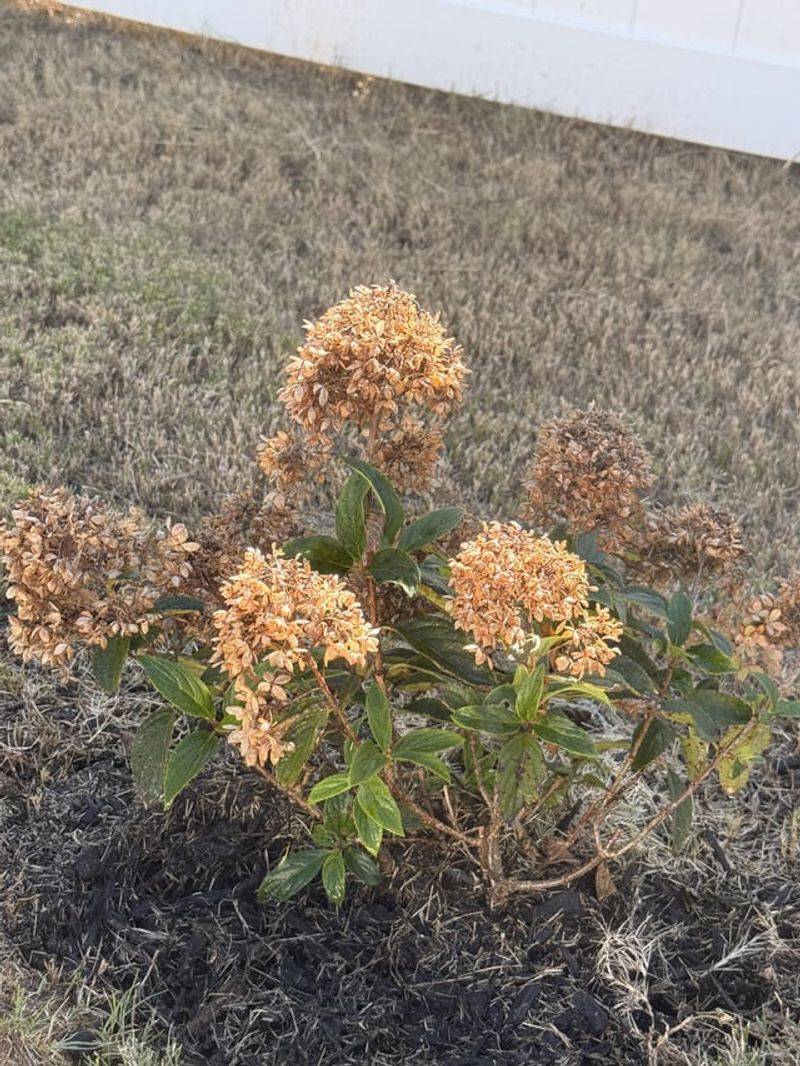
Mulch is the one job I would not skip this fall. A generous layer around the base of your hydrangeas acts like a warm blanket for the roots and the lower part of the stems.
Ohio State University Extension and many regional garden experts point to mulch as a key step for winter protection. It keeps soil temperatures steadier and helps reduce frost heaving.
Heaving happens when soil freezes and thaws over and over, pushing shallow roots up where cold air can reach them.
Shredded hardwood mulch, straw, or chopped fallen leaves all work well. Many gardeners pile it around 4 to 8 inches deep for winter, spreading it out past the drip line.
Timing matters too. Wait until the shrub drops its leaves and goes dormant, usually in November across much of the state.
Some gardeners wait until the top inch of soil starts to freeze.
Mulching too early can invite mice and voles to move in for the season. They love a cozy, warm nest right next to tender bark.
Keep the mulch a couple of inches away from the main stems. That small gap helps cut down on rot and chewing critters.
3. Why Freeze-Thaw Swings Are Rough on Hydrangea Buds
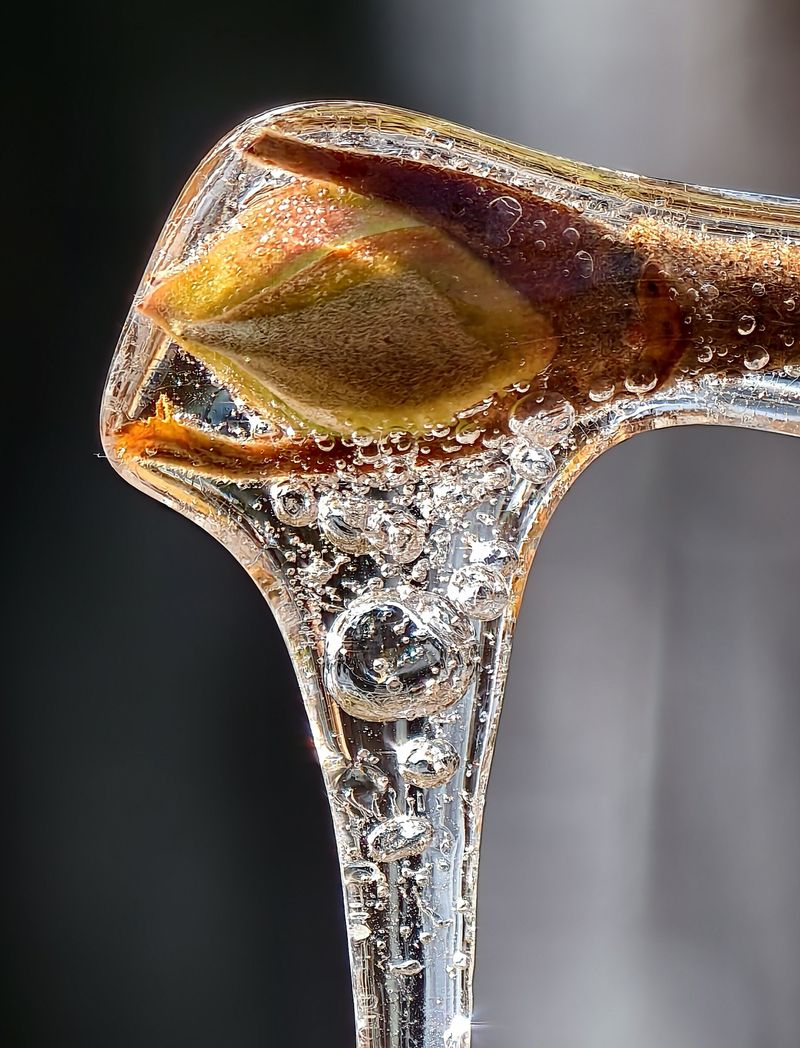
Ohio weather has a sense of humor, and hydrangea buds rarely laugh along. A sunny 55-degree day in January can be followed by a single-digit night.
Those swings are the real trouble. Warm spells can nudge buds to lose some of their cold hardiness, and then a sudden drop can injure them.
Late spring frosts in April or May cause similar damage to swelling buds.
Wind adds another layer. Cold, dry winter wind pulls moisture out of exposed stems, a process called desiccation.
Stems can look fine but turn brown and brittle from the top down by spring.
Geography plays a role too. Most of Ohio sits in USDA zones 6a to 6b, with some colder pockets in the northeast snow belt and higher ground.
Many bigleaf hydrangeas are rated for zone 5 or 6, so they sit right at the edge.
Gardeners near Lake Erie or in the Cincinnati area may see milder conditions than folks in hilly, exposed spots. Your own yard has little microclimates as well.
A shrub tucked against a south or east wall often fares better than one standing alone on an open, windy corner.
4. Wrap Bigleaf Hydrangeas in Burlap for Extra Insurance
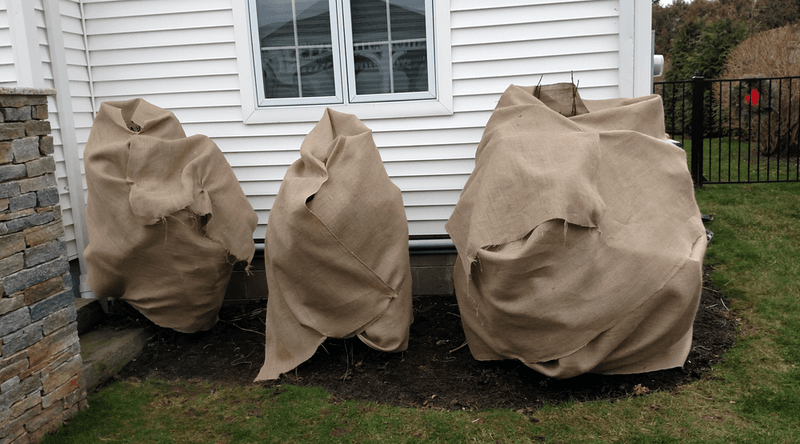
Some of my favorite garden projects look a little silly, and this is one of them. Your prized bigleaf hydrangea ends up looking like it is wearing a winter coat.
For old-wood bloomers in exposed spots, mulch alone may not be enough. A simple cage gives the buds higher up on the stems some shelter.
Here is an easy method. Drive three or four wooden stakes into the ground around the shrub.
Wrap chicken wire or burlap around the stakes to form a loose ring.
Then fill the ring with dry oak leaves or straw. Oak leaves are a good pick because they stay fluffy and do not mat down into a soggy mess.
Avoid plastic wraps. They trap heat on sunny days and moisture on wet ones, which can do more harm than good.
Plan this step for mid to late November, after leaves drop. In spring, remove the cover gradually once hard freezes ease up, often in April.
Watch the forecast as you unwrap. Keeping an old sheet handy for a surprise frosty night can save those freshly opened buds at the very last minute.
5. Put the Pruners Down on Oakleaf and Bigleaf Hydrangeas
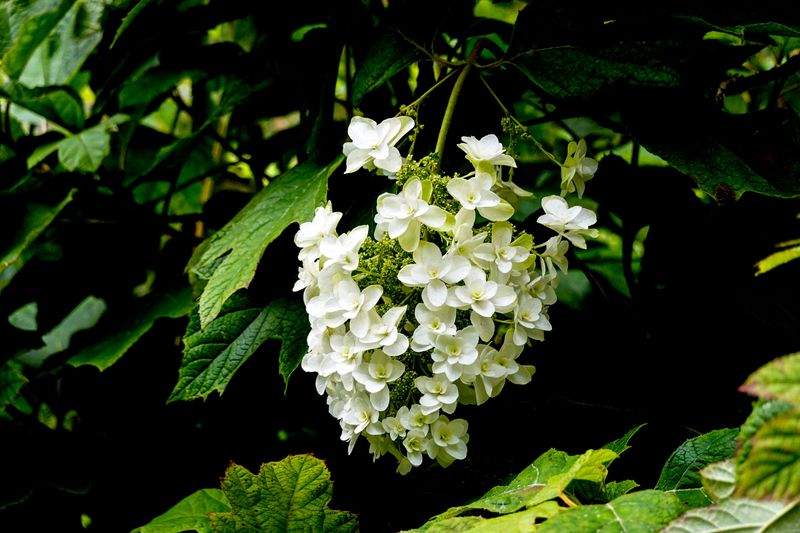
Plenty of hydrangea heartbreak starts with good intentions and a sharp pair of pruners. Cutting old-wood bloomers back in fall removes the very buds you are trying to protect.
Bigleaf and oakleaf hydrangeas are best pruned right after they finish blooming in summer. That gives them time to set new buds before the season ends.
So what can you do in fall? Snip out stems that are clearly broken, diseased, or no longer alive.
Those can go anytime.
Leave the dried flower heads in place if you like. Many gardeners think they add winter charm, and some believe they offer a little cover for buds below, though that benefit is mostly anecdotal.
Spring is the time to check for winter damage. Wait until buds start to swell and leaves begin to show, then trim stems back to the first healthy pair of buds.
Patience pays off here. Stems that look rough in March sometimes leaf out just fine by May.
A quick scratch test helps. Gently scrape the bark with a fingernail, and green tissue underneath means that stem is still alive and worth keeping for now.
6. Panicle and Smooth Hydrangeas Can Handle Winter on Their Own
Some hydrangeas are the easygoing friends of the shrub world. Panicle hydrangeas like Limelight and Bobo, plus smooth hydrangeas like Annabelle, shrug off cold that would worry their fussier cousins.
Both types bloom on new wood. Their flower buds form on fresh spring growth, so a harsh winter has little effect on summer color.
These shrubs are native or well adapted to our region. Smooth hydrangea, Hydrangea arborescens, actually grows wild in Ohio woodlands.
That means you can skip the cages and wraps for these plants. A modest layer of mulch is still helpful for root health, especially on young shrubs planted this year.
Pruning is flexible too. Cut them back in late winter or early spring before new growth starts, and you will still get flowers.
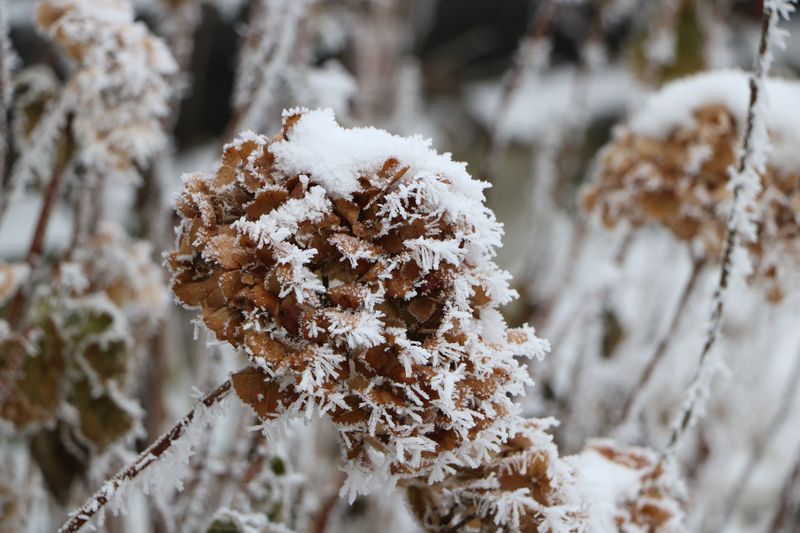
Many gardeners leave the dried cone-shaped heads of panicle types standing all winter. They catch snow beautifully and give your yard some structure when everything else looks flat.
Fun fact: panicle hydrangea blooms often shift from creamy white to pink or rosy tones as summer cools into fall. It is one of the easiest ways to stretch color into autumn.
7. Give Your Hydrangeas a Deep Fall Watering Before the Soil Locks Up
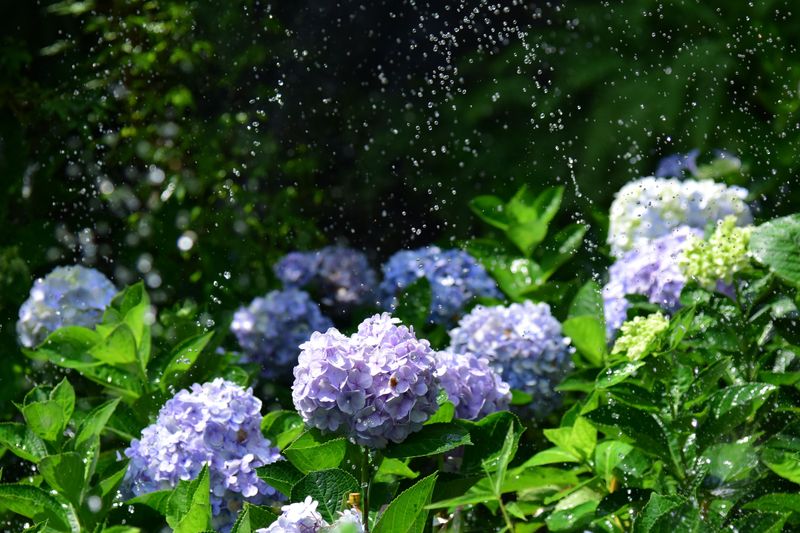
Hydrangeas earned their name from water, roughly meaning water vessel in Greek. They are thirsty shrubs, and that thirst does not vanish in autumn.
Dry fall weather can send plants into winter stressed. Roots keep working until the soil gets cold, so moisture now helps them hold up through months of drying wind.
If rain has been scarce, give each shrub a long, slow soak before the ground freezes. A soaker hose or a gently trickling garden hose for 20 to 30 minutes works well.
Aim for moist soil several inches deep, not puddles. Soggy, waterlogged ground can lead to root rot, especially in heavy clay soils common in many parts of the state.
A simple trowel check helps. Dig down about four inches near the shrub, and if the soil feels dry, it is time to water.
Do this before you add your thick winter mulch. Water first, then tuck the blanket on top to hold that moisture in.
Remember to disconnect and drain your hose afterward. Frozen water inside can split hoses and outdoor spigots once the real cold settles in.
8. A Little November Effort Means a Big Mophead Hydrangea Show in July
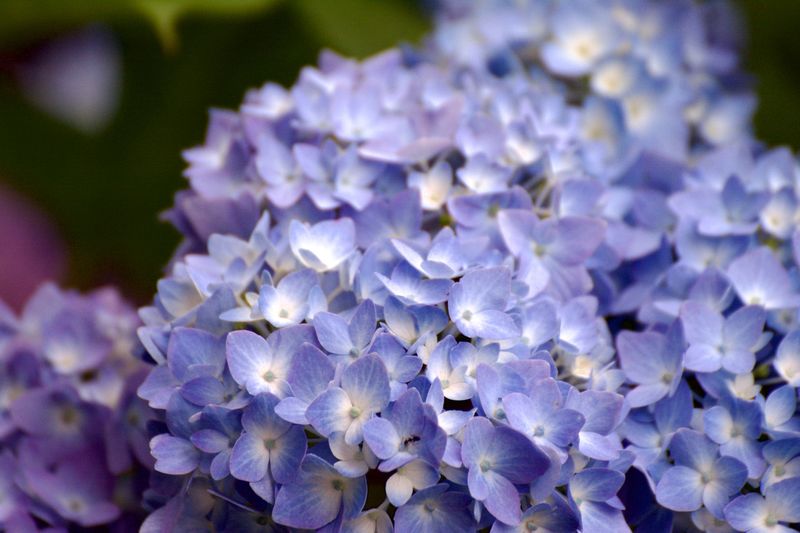
Summer gardeners get all the glory, but fall gardeners set the stage. An hour spent mulching and wrapping in November often shows up as blue or pink mopheads by July.
Let me boil it down to a simple checklist. Identify which hydrangeas bloom on old wood.
Water deeply if fall has been dry.
After leaves drop, spread a thick layer of mulch around the base. Add a leaf-filled cage for exposed bigleaf or oakleaf shrubs, and leave the pruners in the shed.
If you shop for new plants next spring, consider reblooming bigleaf varieties like the Endless Summer series. They flower on both old and new wood, so a rough winter is less of a setback.
Planting location also helps a lot. A spot with morning sun, afternoon shade, and shelter from wind suits most bigleaf hydrangeas.
Keep a small garden journal too. Jotting down when you mulched, wrapped, and uncovered helps you spot what works in your yard year after year.
Even with good care, a brutal winter can still win sometimes. Still, I would rather give my shrubs every chance, wouldn’t you?