The Lawn Damage Virginia Homeowners Blame on Drought but Shouldn’t
A chinch bug is smaller than a grain of rice, yet a crowd of them can make a sunny lawn look parched in a matter of days. They sip sap from grass blades, and the browning that follows looks a lot like thirst.
So the hose comes out. The sprinkler runs for a week, and the brown patches stay put or even grow wider.
I can’t count how many times I’ve blamed the weather for a problem living right under my feet. I trust my eyes a lot less after checking a few struggling spots up close. Here in Virginia, summer heat and sticky humidity give fungi and insects plenty of chances to fool us.
You need to look a little closer before you water again. A brown patch can hold more clues than you expect, and some of them are hiding in the soil itself. Have you checked yours yet?
That Brown Patch in Your Fescue Lawn Might Not Be Thirsty at All
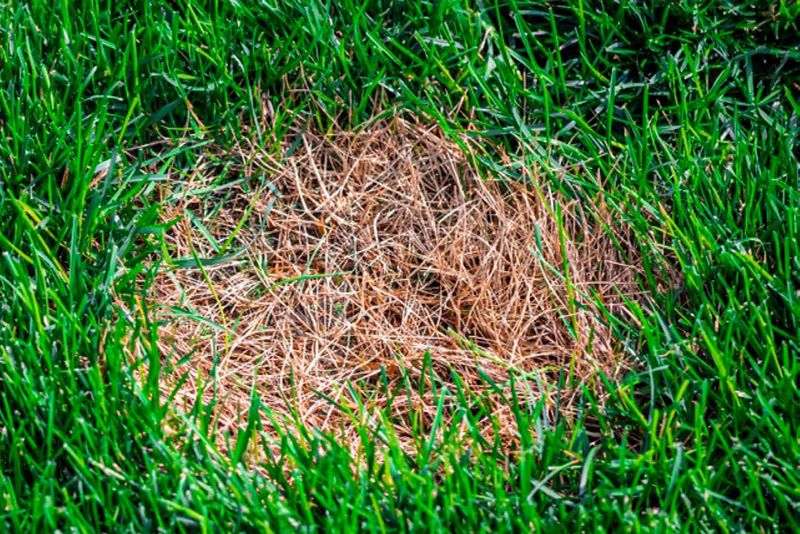
Honestly, a lawn can fool even an experienced gardener. Real drought stress tends to show up evenly across open, sunny ground, while trouble from pests and fungi usually shows up in odd patches with clear edges.
That difference matters a lot. If one corner turns tan while the grass a few feet away stays green, and both get the same sun and rain, something other than weather is likely at work.
Virginia Cooperative Extension points out that many cool-season lawns, especially tall fescue, slow down in summer heat anyway. Some dullness in July is normal.
Sharp-edged circles, spongy spots, or patches that keep spreading are a different story.
I like to start with a simple walk around the yard. Note where the damage sits, how it looks up close, and whether it changed after the last good rain.
Pay attention to timing too. Patches that appear after a week of muggy nights point toward fungus, while late summer damage that peels up like carpet points toward insects.
Grab your phone and snap a few photos over several days. Those pictures help you track whether the problem is growing or holding steady.
They also make a visit to your local extension office far more useful, since experts can see exactly what you saw.
Watering Your Grass for One Day Can Reveal the Real Culprit
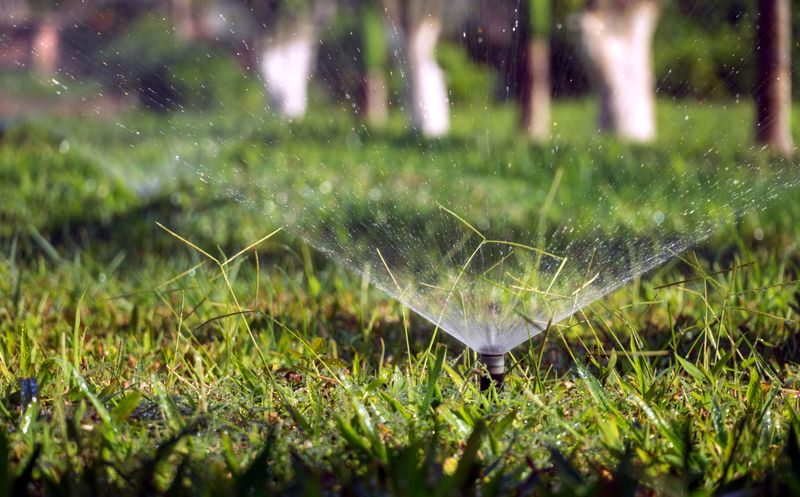
Here’s a test so easy it feels like cheating. Give the brown area a deep soaking of about an inch of water early in the morning, then watch it for a few days.
Grass that is simply thirsty usually perks up quickly. Blades firm up, color improves, and footprints stop lingering on the turf.
Many lawns that went dormant in a dry spell start greening within days after a good soak.
If the patch stays brown, or looks worse, you have learned something valuable. Water does not fix chewed roots, sap-sucking insects, or fungal infections.
In fact, extra watering can feed some diseases.
Try the footprint test too. Walk across the lawn and look back.
Drought-stressed grass often holds your footprints because the blades lack water to spring back up.
A long screwdriver works as a handy soil probe. Push it into the ground near the patch.
If it slides in easily, the soil has plenty of moisture, and drought probably isn’t the issue.
Personally, I keep a cheap rain gauge in the yard for this very reason. Knowing how much water actually fell keeps me from guessing.
That one little tube has saved me from overwatering more than once, and it costs only a few dollars.
Smoky Rings on Tall Fescue Point to Brown Patch Fungus
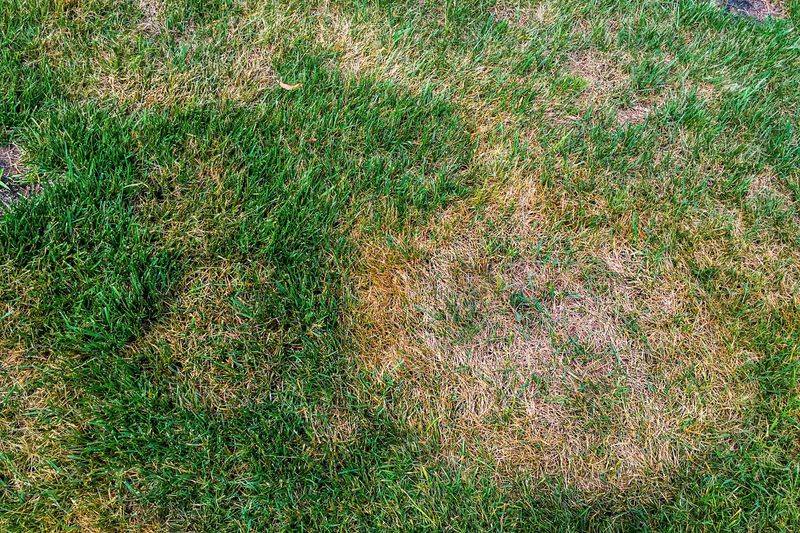
Brown patch is one of the most common summer lawn diseases in Virginia, and tall fescue is its favorite target. It thrives when nights stay warm and humid and grass blades stay wet for long hours.
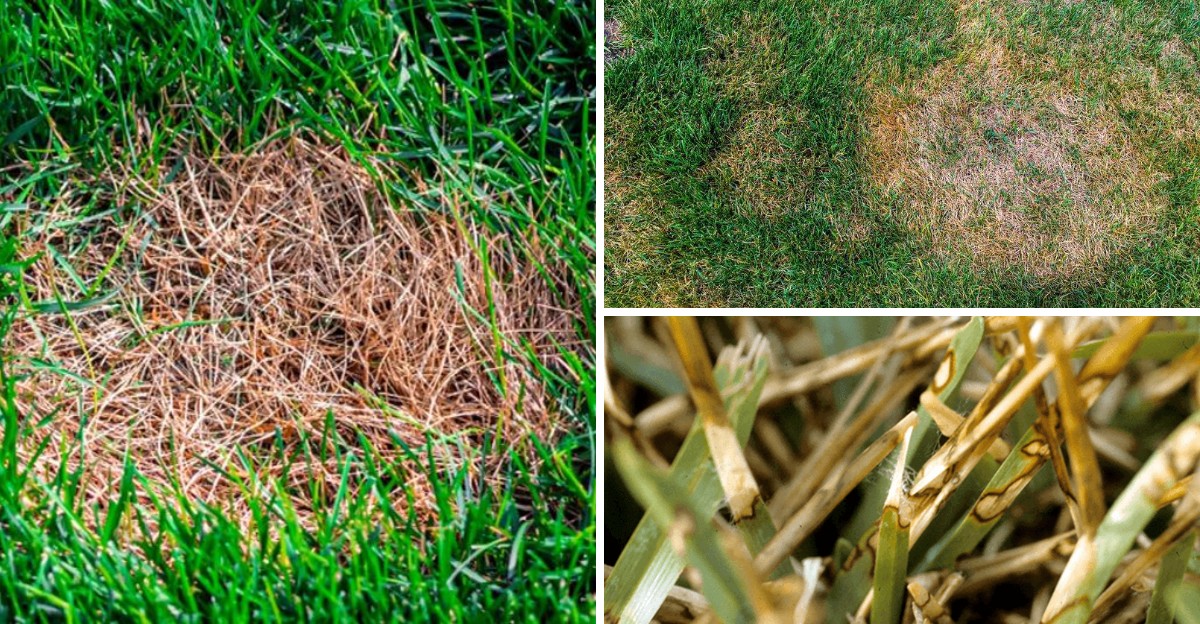
Look for round or irregular brown areas, often several feet wide. In early morning, you might spot a grayish, smoky ring around the edge.
That ring fades as the dew dries, so go outside with your coffee.
Individual blades often carry tan spots with darker brown borders. The roots usually stay alive, which is encouraging, because the grass can recover when the weather cools.
Common habits make brown patch worse. Evening watering, heavy summer nitrogen, and thick, poorly drained turf all give the fungus a head start.
Switch your watering to early morning so blades dry by midday. Hold off on fertilizing tall fescue in summer and save that feeding for fall, as Virginia Tech recommends.
Fungicides can help in high-value lawns, but timing is tricky and they work best as prevention. For most yards, better cultural care does the heavy lifting.
Fun fact: the same fungus, Rhizoctonia solani, also troubles many vegetable crops. It is quite a widespread little organism.
Grass That Peels Up Like Carpet Often Hides White Grubs
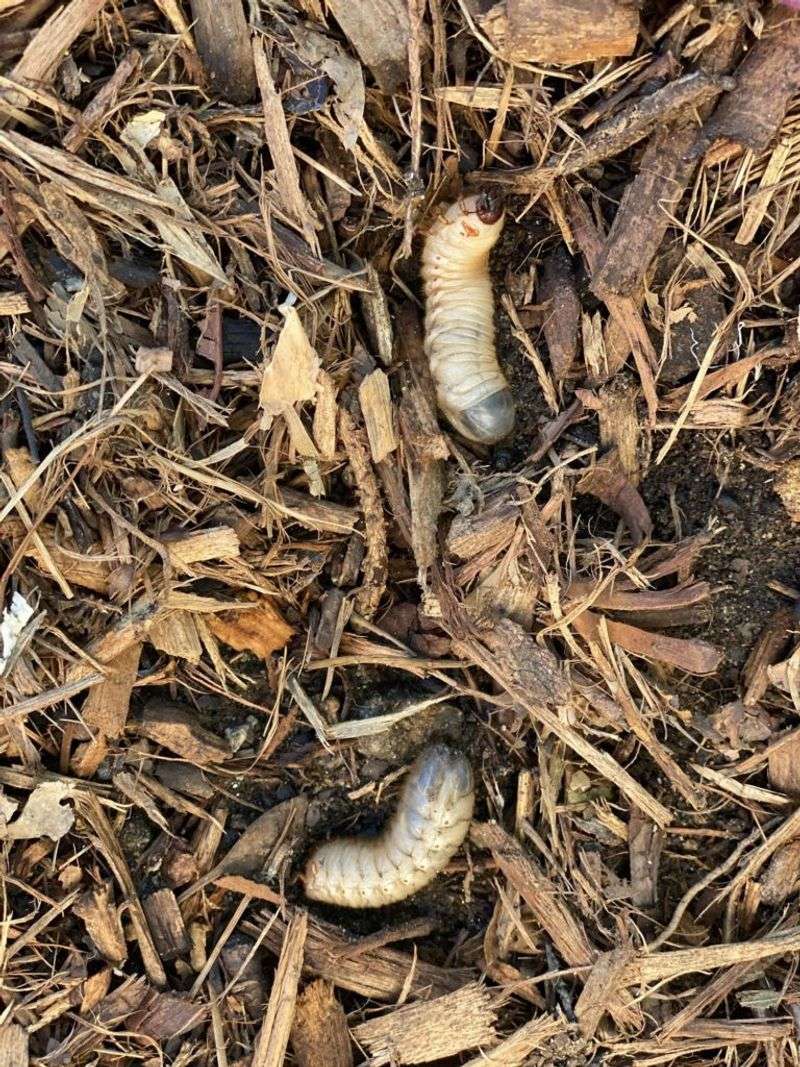
Ever tugged on a brown patch and had it roll back like an old rug? That is a classic sign of white grubs eating the roots below.
Grubs are the C-shaped larvae of beetles, including the Japanese beetle, which is common across the state. Adults lay eggs in turf during summer, and the young grubs feed hungrily from late summer into fall.
Without roots, the grass can’t pull up water. It browns and wilts just like drought, so watering alone won’t solve it.
Other clues help. Skunks, raccoons, and birds may tear up the lawn looking for a meal.
The ground may also feel spongy underfoot.
To check, cut a square foot of sod about two inches deep on three sides and fold it back. Count the grubs you find.
Many extension specialists suggest that around 8 to 10 per square foot can justify treatment.
A few grubs are normal and don’t need action. Targeting young grubs in late summer works better than waiting for big ones.
Products with active ingredients labeled for grubs should be used exactly as directed. Some biological options, such as beneficial nematodes, may also help in moist soil.
Always water them in well.
Tiny Chinch Bugs in Sunny Spots Mimic Thirsty Grass
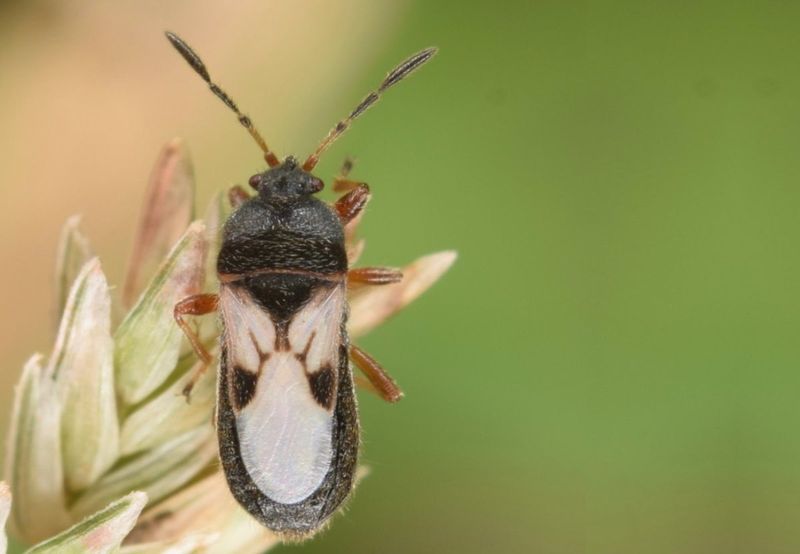
Talk about a tiny troublemaker. Adult chinch bugs measure only about a sixth of an inch, with black bodies and white wings folded over their backs.
They suck sap from grass and release saliva that disrupts water movement in the blades. The result is yellowing and browning that looks just like a dry spell, often near driveways, sidewalks, and other hot, sunny spots.
Hot, dry weather and thick thatch make them happiest. Lawns already under stress get hit hardest, so drought and chinch bugs often team up.
For a quick check, try the coffee can trick. Remove both ends of a can, push it into the turf at the edge of a damaged area, and fill it with water.
Chinch bugs float to the surface within a few minutes.
You can also part the grass at the border between green and brown and look closely at the soil line. Watch for small insects scurrying away.
Not every lawn needs spraying. Reducing thatch, watering deeply during dry weather, and avoiding excess nitrogen all make your turf less attractive.
Big-eyed bugs, a helpful predator, often keep chinch bugs in check if you skip broad insecticides.
Hourglass Spots on Grass Blades Signal Dollar Spot
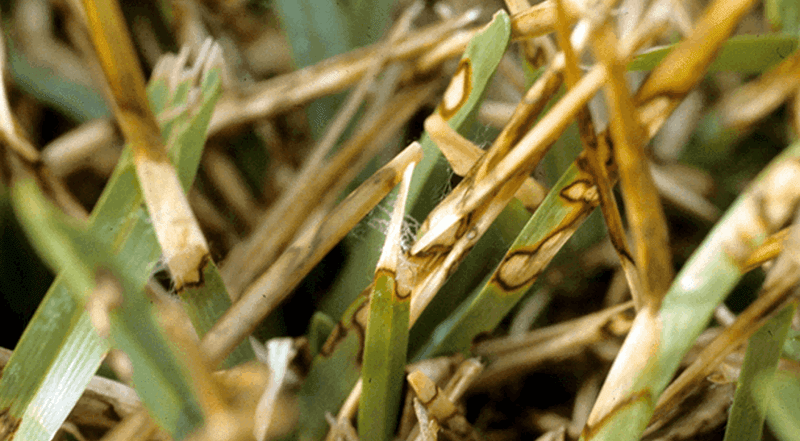
Kneel down and look at a single blade. If you see a bleached tan band pinched in the middle like an hourglass, with reddish-brown edges, you have met dollar spot.
On a home lawn, it shows up as small, straw-colored patches that can merge into larger damaged areas. Early in the morning, you may even notice fine, cobweb-like threads in the dew.
Dollar spot loves warm days, cool nights, and heavy dew. Unlike brown patch, it tends to show up more in underfed lawns.
That makes it sneaky. Grass looks pale and tired, so people assume it needs more water.
Low nitrogen and long periods of leaf wetness are usually bigger factors.
A balanced feeding program often helps. For cool-season grasses in Virginia, fall remains the main time to fertilize, though a light feeding may support recovery in spring.
Water deeply in the early morning rather than lightly every evening. Some gardeners even knock dew off the grass with a hose or long pole to shorten wet hours.
Keep mower blades sharp, too. Clean cuts heal faster, and torn blade tips give fungi an easy doorway.
Raising Your Mower Deck and Aerating in Fall Builds Tougher Turf
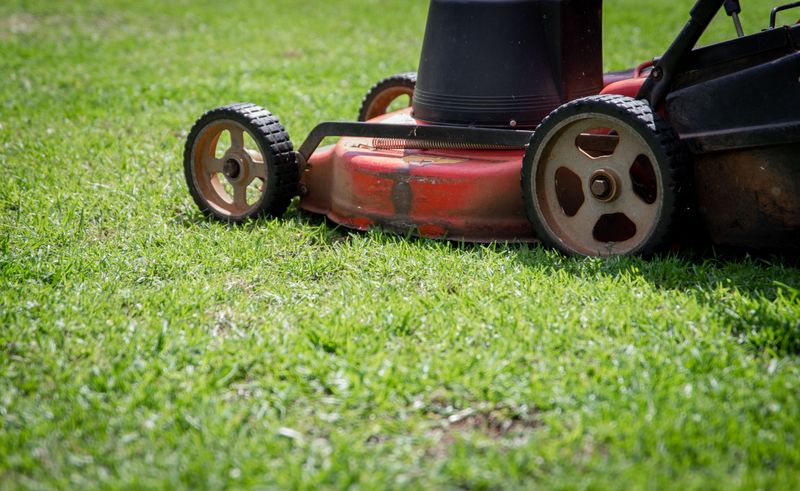
Prevention beats any rescue mission. A strong, well-rooted lawn shrugs off many of the problems that look like drought.
Start with your mower. Tall fescue does best around 3 to 4 inches tall, and taller grass shades the soil and grows deeper roots.
Cutting too short leaves turf stressed and exposed.
Compacted soil and heavy thatch are quiet troublemakers. Core aeration pulls out small plugs of soil, letting air and water reach the roots.
For cool-season lawns, early fall is the best time, often paired with overseeding.
Water deeply and less often, aiming for about an inch a week from rain and sprinklers combined. Early morning is the sweet spot.
When renovating, choose improved tall fescue varieties with better disease resistance. Warm-season lawns in southeastern parts of the state, like zoysia or bermudagrass, follow a different calendar, so check timing for your grass type.
If patches keep spreading, take a sample to your Virginia Cooperative Extension office. Many offices can help identify the problem or connect you with plant disease clinics.
I believe the best lawn tool is curiosity. A few minutes of close looking can save a whole season of wasted water and worry.