Last Weekend’s Freeze Hit Some Virginia Gardens Hard. Here’s What To Cut, Save, And Leave Alone
You stepped outside Monday morning, and your garden looked like it lost a fight with the weather. Blackened basil, droopy hostas, and slumped peppers can make anyone groan.
Before you start hacking at everything, take a breath. Some plants truly need cleanup now, while others are doing important work for winter.
A few even got better after the cold snap, believe it or not. Knowing the difference protects next year’s blooms and keeps birds and helpful bugs fed.
It can also spare your favorite shrubs from damage you never meant to cause. Smart moves can guide you through the days right after a Virginia freeze.
Cut Blackened Basil, Peppers, And Annuals To The Ground
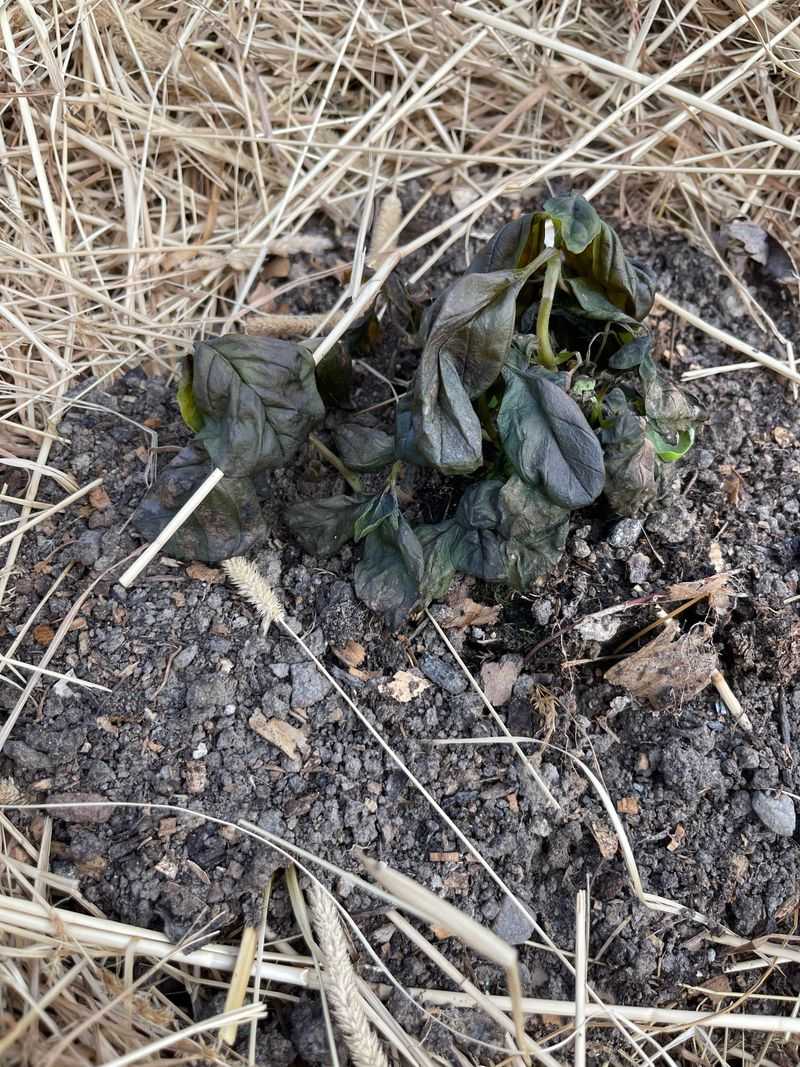
Nothing says the party is over quite like a basil plant that turned black overnight. Basil, peppers, and many annuals come from warm regions, so a hard freeze finishes them fast.
Look closely and the leaves seem dark, limp, and almost see-through. Within a day or two, they turn mushy and brittle, and there is no bringing them back.
Go ahead and cut these plants down at soil level with clean pruners. Leaving the roots in the ground is a handy trick because they break down and feed the soil.
Toss healthy stems and leaves into your compost pile. Skip any plants that showed signs of disease this summer, since some fungi can linger in compost.
Common annuals to clear include zinnias, marigolds, impatiens, and coleus. Petunias sometimes hang on longer, so check them before pulling anything that still looks green.
A tidy bed does more than look nice in your yard. Rotting leaves can shelter pests and mold that would love to stick around until spring.
Once the bed is clear, spread a few inches of shredded leaves or compost over the soil. That simple layer protects the ground from erosion and adds nutrients over winter.
Here is a bonus tip for the pepper fans. If you spot any firm, undamaged peppers still hanging on, pick them right away and use them this week.
Frozen fruit softens quickly, though, so cook with it soon. Stuffed peppers or a pot of chili make a fine farewell to summer.
Clear Out Mushy Hostas Before They Rot
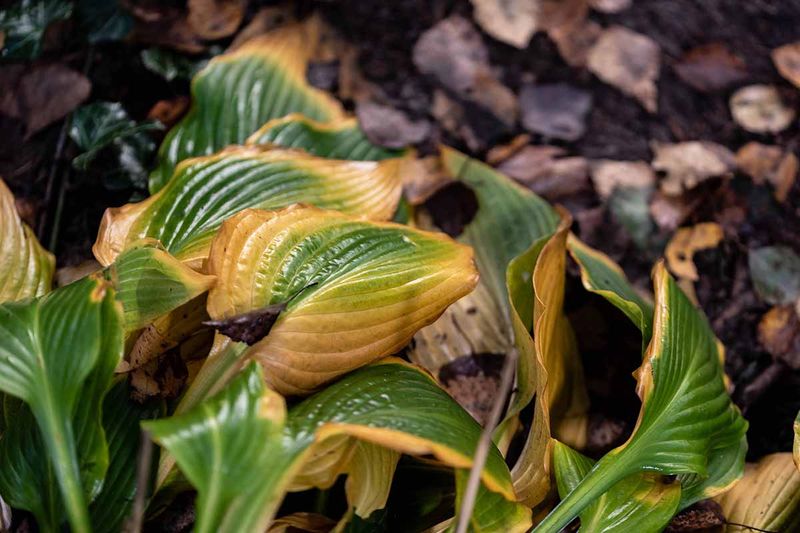
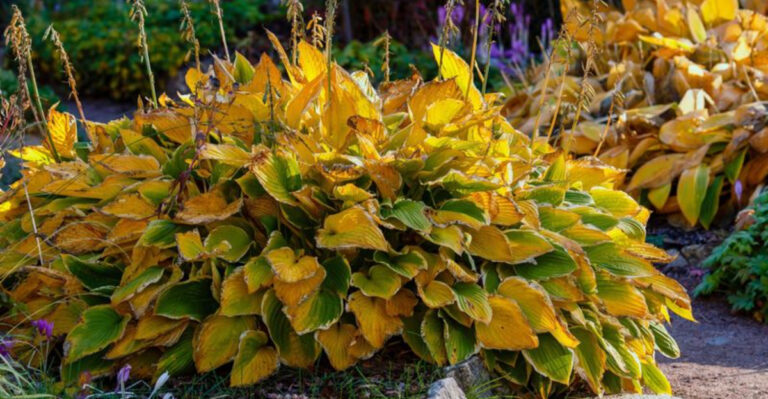
Hostas handle the first frost with all the grace of a melted popsicle. Their big leaves turn yellow, then flop into a soft, slimy heap.
That mess might seem harmless, but it makes a cozy winter hotel. Slugs, voles, and fungal spores happily move in under the soggy foliage.
Slugs are a big deal for hosta lovers. They lay eggs in fall, and those eggs hatch right under next spring’s tender new leaves.
Grab a sharp pair of shears and cut the whole plant back. Leave just a couple of inches of stem so you can find the crown later.
Wearing gloves helps because the leaves get slippery and a little gross. A bucket or tarp beside you makes cleanup much faster too.
Healthy leaves can go in the compost bin without worry. If you noticed spots, holes, or signs of disease, bag those leaves for the trash instead.
Your Virginia Garden Changes Every Week. Your Plan Should Too.
Gardening in Virginia changes quickly throughout the season. Every Friday you’ll receive a simple weekly plan showing exactly what to plant, prune, fertilize, harvest, and protect so you never miss the right timing.
Voles are a sneaky threat in many neighborhoods. They tunnel under mulch and nibble hosta roots all winter long when food gets scarce.
Keep mulch pulled a few inches away from the crowns to discourage them. A thin layer is plenty, since thick piles give voles a perfect hiding spot.
Here is a fun fact to share with garden friends. Hostas actually need a cold winter rest to grow well, so this chilly break helps them.
Mark each clump with a small stake or plant tag. Come April, you will know exactly where those fresh green shoots will pop up.
Bring Green Tomatoes Inside To Ripen
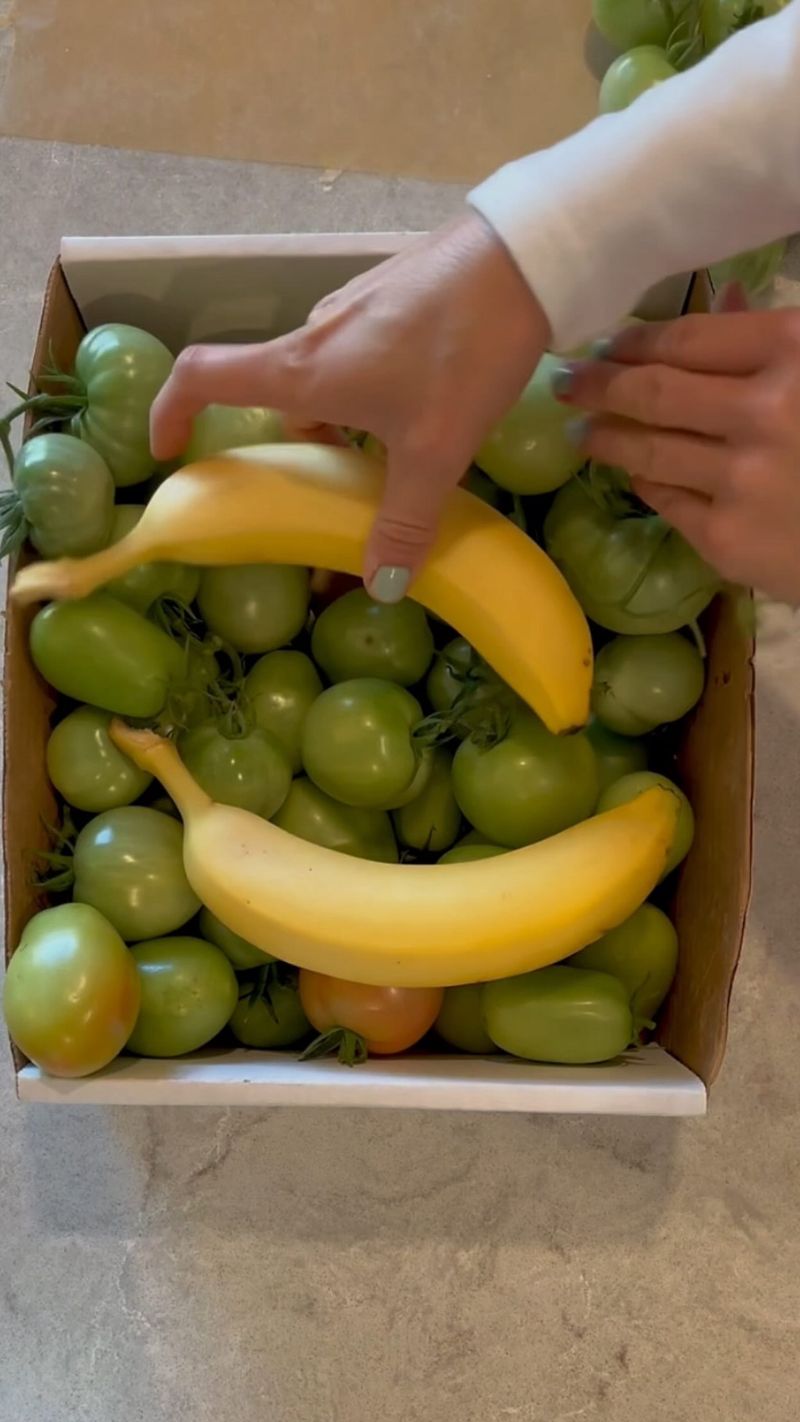
Grandma had the right idea when she lined boxes with newspaper every fall. Those green tomatoes on the vine still have plenty of flavor waiting inside.
Fully grown green tomatoes can ripen indoors just fine. Look for firm fruit that has started to lighten from deep green to a pale, shiny shade.
Skip any tomatoes that feel soft, look water-soaked, or show cold spots. Those damaged ones usually rot instead of ripening, and they can spoil the rest.
Wipe each tomato gently with a dry cloth to remove dirt. Then set them in a box on newspaper, keeping one layer only.
Try to keep them from touching each other. A little space stops one bad tomato from spreading mold to its neighbors.
Choose a spot that stays between 55 and 75 degrees. A closet, basement shelf, or laundry room works great in most Virginia homes.
Sunny windowsills seem tempting, but direct sun can make the skin tough. Gentle warmth and shade ripen the fruit more evenly.
Want faster results? Tuck a ripe banana into the box, because it gives off ethylene gas that speeds up ripening.
Check the box every few days and pull out anything ripe or spoiled. Most tomatoes will turn red within one to four weeks.
Any stubborn green ones still have a delicious purpose. Fried green tomatoes and green tomato relish are classic Southern treats worth trying.
Dig Up Dahlias, Cannas, And Elephant Ears
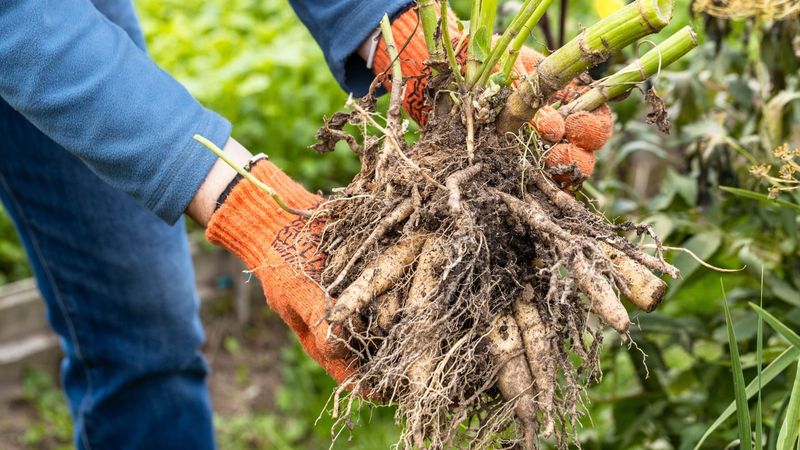
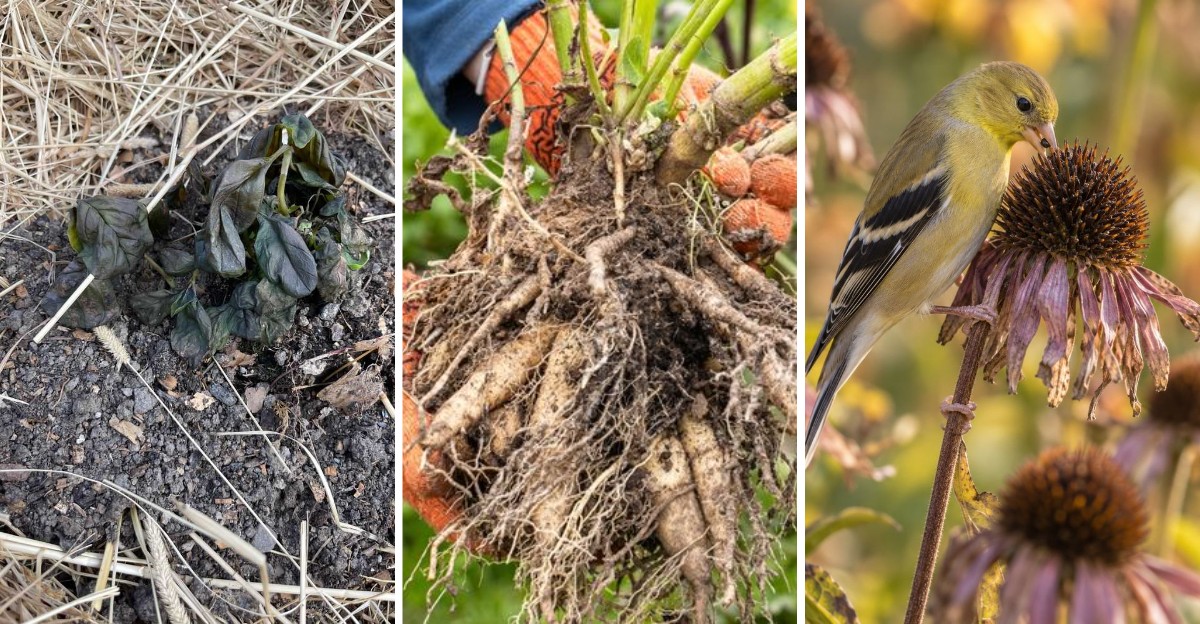
Think of dahlias, cannas, and elephant ears as summer guests who hate the cold. Their tubers and rhizomes cannot handle frozen soil for long.
Many Virginia winters get cold enough to ruin them underground. If you want these beauties back next year, it is time to dig.
Wait a few days after the freeze blackens the leaves. That short pause helps the tubers toughen their skins before storage.
Cut the stems down to about six inches first. Then loosen the soil in a wide circle with a garden fork to avoid stabbing the tubers.
Lift the clump gently and shake off loose dirt. Let everything dry in a garage or shed for several days.
Once dry, pack dahlias and cannas in boxes filled with peat moss, wood shavings, or vermiculite. Elephant ear bulbs can rest in paper bags or mesh sacks.
Store them somewhere cool and dark, around 40 to 50 degrees. An unheated basement or insulated garage usually works well.
Label each box with the plant name and color. Trust us, you will not remember which dahlia was the pink one by April.
Check on them once a month during winter. Toss any that turn mushy, and mist very dry ones lightly so they do not shrivel.
Gardeners in warmer parts of southeastern Virginia sometimes leave cannas in the ground. A thick mulch blanket helps, but digging is the safer bet.
Leave Coneflower And Black-Eyed Susan Seed Heads Standing
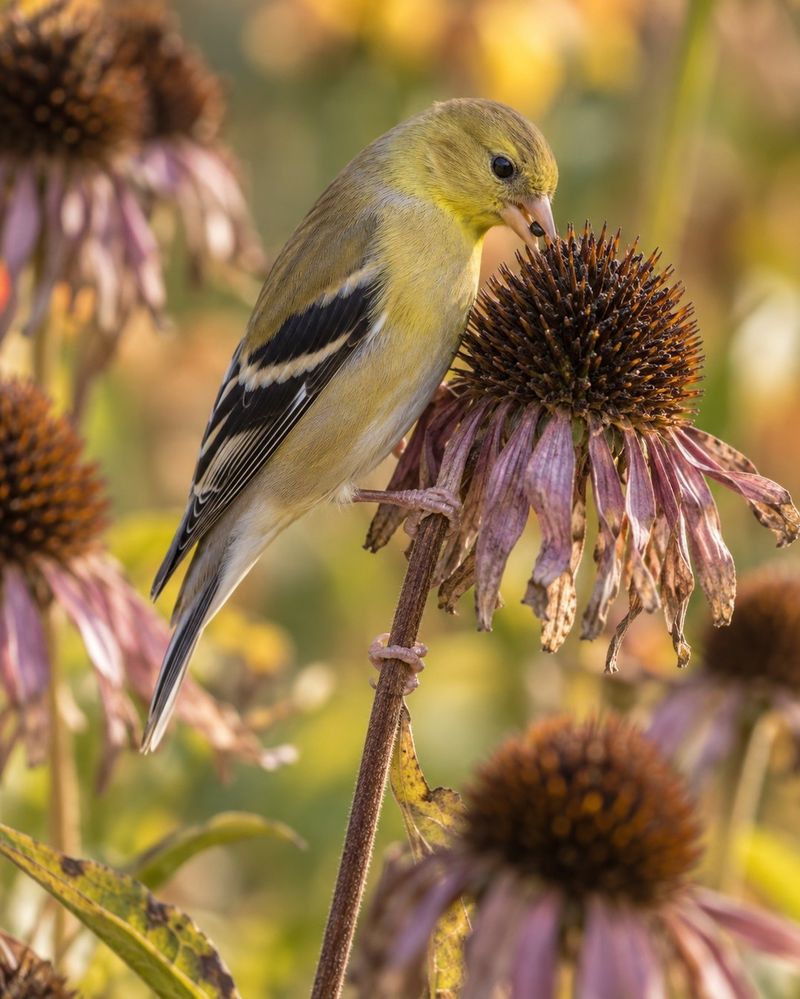
Picture a bright goldfinch bobbing on a dry coneflower stem on a frosty morning. You only get that scene if you resist the urge to tidy up.
Spent seed heads from coneflowers and black-eyed Susans may look scruffy to some folks. To birds, they are a free winter buffet loaded with energy.
Goldfinches are the biggest fans, but chickadees and sparrows stop by too. Seeds become extra valuable when snow covers the ground and insects disappear.
The hollow stems help more than birds. Some native bees tuck themselves inside old stems to wait out the cold months.
Standing seed heads also add charm to a sleepy garden. Frost and snow cling to their round tops, creating lovely winter texture.
Here is another perk worth knowing. Fallen seeds can sprout next spring, giving you free plants without spending a dime.
If you want neat edges, trim only the plants near walkways or the front of the bed. Leave the rest standing for wildlife.
Wait until late winter or early spring to cut them back. Aim for a time when daytime temperatures stay in the 50s for about a week.
That timing lets sleeping insects wake up and move out first. Native plant fans across the state follow this simple rule each year.
Too many seedlings popping up? Pull extras in spring or pot them up to share with friends and neighbors.
Ornamental Grasses Should Stay Put Until Spring
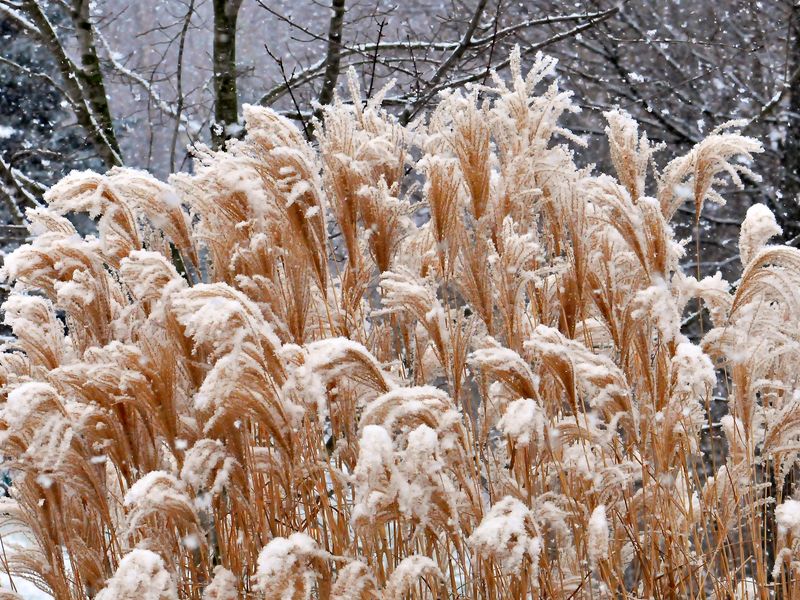
Some plants shine brightest when everything else fades. Ornamental grasses turn shades of tan, copper, and gold that glow beautifully in low winter sun.
Leave them standing through the cold months. Their tall plumes add height, movement, and a soft rustling sound that keeps your yard feeling alive.
Beauty is only part of the story. The old leaves act like a jacket, shielding the crown from harsh wind and freezing rain.
Cutting grasses in fall can expose that crown to water. When water freezes inside the cut stems, the plant can suffer serious damage.
Birds also appreciate the shelter. Small songbirds duck into thick clumps to escape wind and hungry hawks.
Plan to trim your grasses in late winter or very early spring. In Virginia, late February through March usually works well.
Watch for fresh green shoots at the base. Once you see them, cut the old growth down to about four to six inches.
A handy trick makes the job easier. Wrap a bungee cord or twine around the clump first, then cut below it for a neat bundle.
Wear gloves and long sleeves because many grasses have sharp edges. Electric hedge trimmers save time on large clumps like miscanthus.
Not all grasses act the same way. Cool-season types like blue fescue stay mostly green, so just comb out brown blades with your fingers.
Kale, Collards, And Spinach Just Got Sweeter
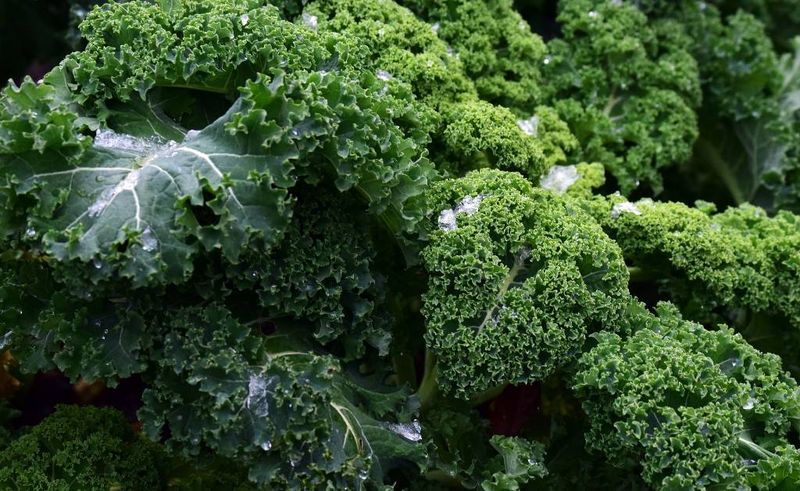
Good news finally arrives in your vegetable bed. That freeze that flattened your peppers actually gave your leafy greens a flavor upgrade.
Kale, collards, and spinach respond to cold in a clever way. They turn stored starches into natural sugars, which makes their leaves sweeter.
Those sugars work like a built-in antifreeze. They lower the freezing point inside plant cells, helping protect tender tissue.
Many Southern cooks swear collards taste best after the first frost. Now you know the science behind that kitchen wisdom.
Collards are especially tough customers. Many varieties shrug off temperatures down into the low teens, and some handle even colder snaps.
Kale is nearly as hardy, while spinach likes a little help during deep cold. A floating row cover adds several degrees of protection on harsh nights.
Pick leaves after they thaw, usually by late morning. Frozen leaves bruise easily, so give them time to relax first.
Harvest the outer leaves and leave the center growing. Plants will keep producing for weeks with this simple method.
Gardeners in much of Virginia can enjoy fresh greens well into winter. In milder areas, harvests sometimes continue straight through to spring.
Try kale chips, garlicky sauteed spinach, or slow-simmered collards tonight. You might notice the difference on the very first bite.
Don’t Prune Frost-Nipped Shrub Tips Yet
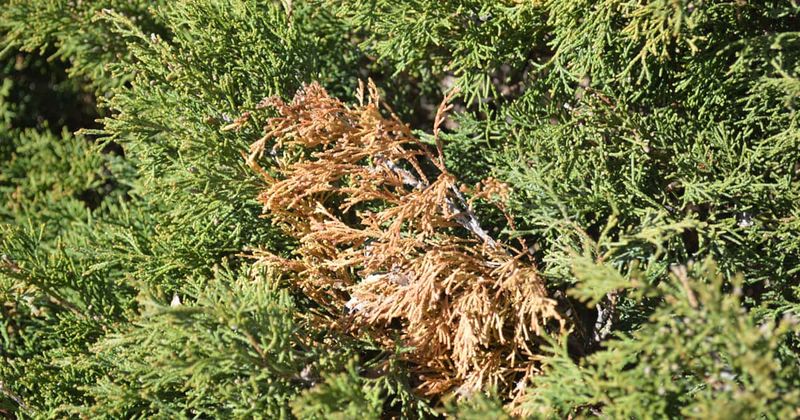
Brown, crispy shrub tips can drive a neat gardener a little crazy. Still, put those pruners down for now and walk away.
Damaged leaves and twigs are doing a helpful job. They form a protective layer that shields healthy tissue underneath from more cold.
Pruning right after a freeze can backfire. Fresh cuts encourage new, tender growth that the next cold snap will likely hurt.
Shrubs need to stay sleepy during winter. Waking them up with pruning stresses the plant when it should be resting.
So when is the right time? Here in Virginia, wait until all danger of frost passes in spring, often mid to late April.
Once new growth appears, the damage becomes easy to spot. Scratch a twig with your fingernail, and green underneath means it is alive.
Brown, dry wood under the bark can be trimmed back. Cut just above a healthy bud or branch so the shrub stays shapely.
Hydrangeas deserve special care because many bloom on old wood. Cutting them back hard could remove next summer’s flowers entirely.
Gardenias, azaleas, and camellias often show frost burn too. Most bounce back nicely with a little patience and spring sunshine.
A deep watering before the ground freezes can help evergreens. Moist soil holds warmth better and keeps leaves from drying out in winter wind.
Check Houseplants You Brought In For Hitchhikers
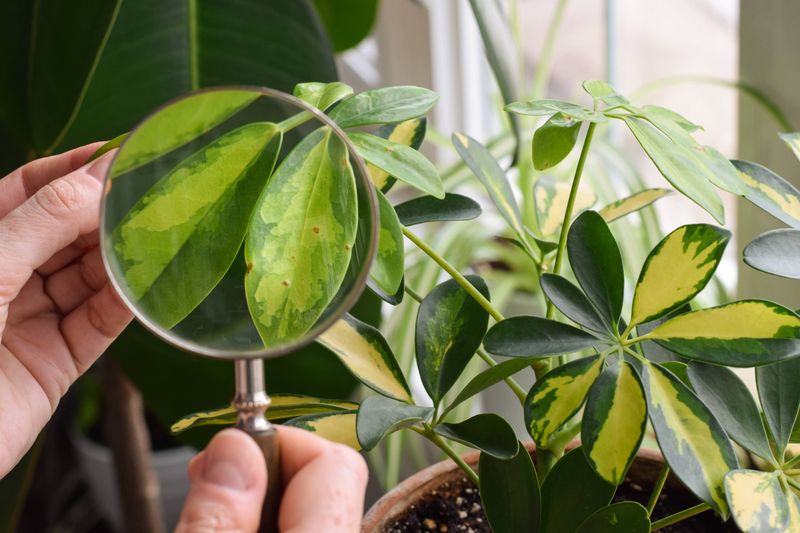
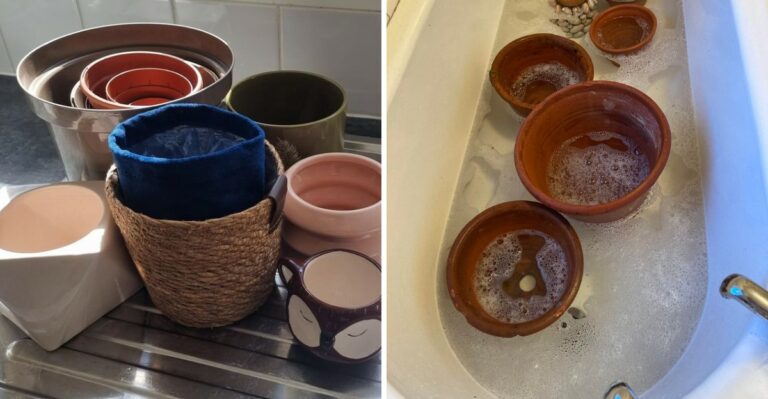
Your potted plants came inside for winter, but did they bring friends? Tiny pests love to sneak indoors on leaves and in soil.
Common stowaways include aphids, spider mites, mealybugs, and scale insects. Fungus gnats often ride along in damp potting mix.
Once inside, pests multiply quickly in warm, still air. They can spread to your other houseplants before you notice anything wrong.
Grab a flashlight or magnifying glass and get up close. Check the tops and undersides of leaves, stems, and leaf joints.
Look for sticky residue, cottony white clumps, or fine webbing. Small brown bumps on stems might be scale insects.
Peek at the soil surface and drainage holes too. Earthworms, ants, and even tiny tree frogs sometimes hide in pots.
A strong spray of water knocks off many pests. Insecticidal soap or neem oil handles tougher cases safely indoors.
Keep newly moved plants in a separate room for about six weeks. That waiting period gives hidden eggs time to hatch so you can catch them.
Let the soil dry slightly between waterings. Fungus gnats thrive in soggy pots, so drier soil makes them pack up and leave.
Indoor air in homes gets dry once the heat kicks on. Grouping plants or adding a pebble tray boosts humidity and discourages spider mites.