The Pennsylvania Shrubs Quietly Being Pulled From Store Shelves
Pennsylvania quietly stopped garden centers from selling several popular hedge shrubs, and most shoppers barely noticed the change. Some of these plants lined suburban driveways for decades, glowing red every autumn like little roadside campfires.
State agriculture officials added them to the noxious weed list, which means nurseries face real penalties for selling them. One of them even creates cozy, humid hideouts for ticks, which surprised me more than anything else.
I have to admit, I once admired a few of these shrubs and nearly bought one for myself. You might have one growing beside your porch right now, busily sending seeds into the nearby woods.
Birds carry those seeds far beyond your yard, and the results show up along every Pennsylvania trail. So which familiar favorites made the list, and could one be quietly hiding in your own front landscape?
1. Japanese Barberry
Tick researchers found something wild about this thorny shrub, and it changed how I look at hedges forever.
Studies in Connecticut showed dense barberry thickets hold more humid air, giving blacklegged ticks a comfortable place to thrive.
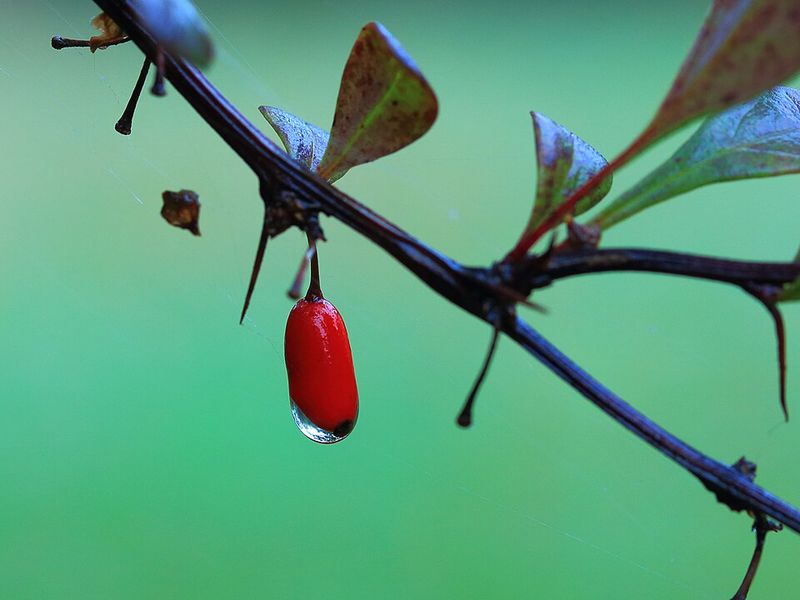
Japanese barberry, or Berberis thunbergii, usually grows two to eight feet tall with prickly, arching branches. Its small leaves come in green or burgundy, and they flare orange and red once autumn arrives.
Pennsylvania placed it on the noxious weed list, and the commercial sales phase-out ended in fall 2023.
Garden centers can no longer legally sell it, which explains why those burgundy pots vanished from the benches.
Bright red berries hang on through winter, and hungry birds spread the seeds deep into nearby forests. The shrub tolerates heavy shade and dry spells, so it crowds out native wildflowers with surprising ease.
Personally, I recommend wearing thick leather gloves before tackling an old barberry, because those thorns bite hard. Small plants pull up easily when the soil is moist, while larger ones may need a root wrench.
Cutting the stems back alone rarely works, since barberry resprouts quickly from its stubborn crown below ground. Bag the berries if possible, so birds do not carry them off before you finish the job.
For a native swap, I love how ninebark offers burgundy leaves and peeling bark without the tick problem.
Winterberry holly also delivers glowing red berries all winter, and local birds treat it like a snack bar.
2. Burning Bush
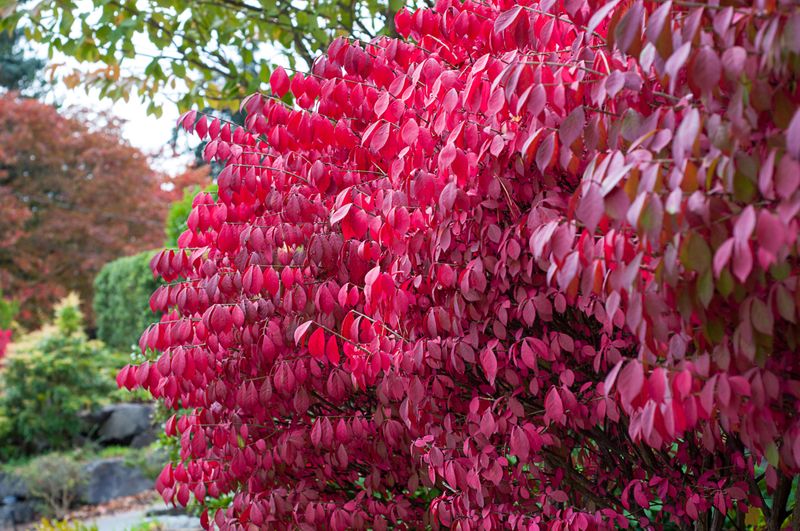
Every October, this shrub turns a shade of scarlet so intense that it almost looks plugged into an outlet.
I understand why homeowners planted burning bush everywhere, because that fall color really does stop traffic.
Its scientific name is Euonymus alatus, and the word alatus means winged, referring to its corky stems. Those flat ridges along the branches make it easy to identify, even in winter when leaves are gone.
State agriculture officials added it to the noxious weed list in January 2023, starting a sales phase-out.
Nurseries were given time to sell remaining stock, which is why it disappeared gradually instead of overnight.
Mature plants usually reach about fifteen feet tall, with small orange-red fruits dangling beneath the leaves in fall. Birds eat those fruits and drop seeds in woodlands, where seedlings carpet the forest floor in shade.
You can remove young plants by hand, gripping low near the base and pulling steadily after rain. Bigger shrubs often need cutting plus repeated trimming of sprouts, so plan on a few seasons of follow-up.
What surprises me most is how many folks keep theirs simply because nothing else seems as bright. Native shrubs can match that autumn show, and they feed caterpillars that baby songbirds depend on.
Highbush blueberry glows crimson in fall and gives you berries for pancakes, which feels like a fair trade.
Virginia sweetspire and fragrant sumac also turn rich red, and both handle typical backyard soils nicely.
3. Glossy Buckthorn
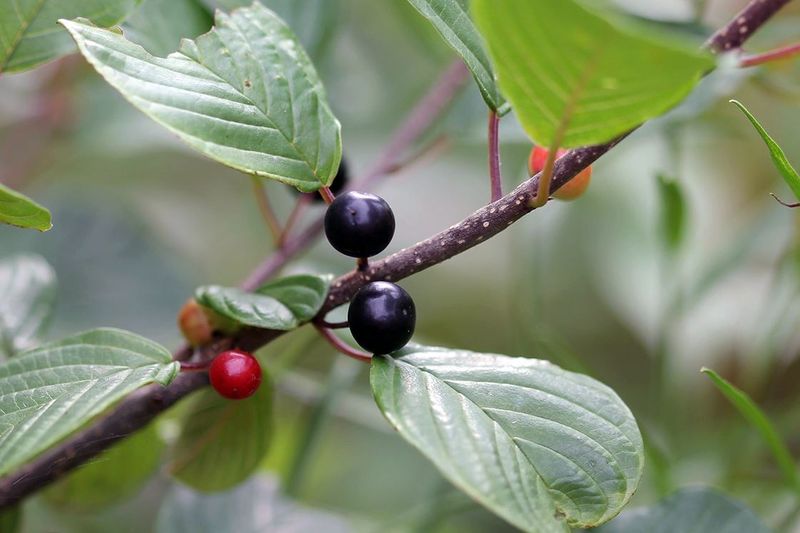
Long after maples drop their leaves, one shrub stays stubbornly green in the swamp, shining like it was waxed.
Glossy buckthorn earns its name honestly, and that late-season shine is often the easiest way to spot it.
Botanists call it Frangula alnus, and it grows as a large shrub or small tree around twenty feet. Its oval leaves have smooth edges, which helps separate it from many native look-alikes along wet trails.
Wet ground suits it perfectly, so it invades fens and stream banks where rare native plants often live.
Dense thickets block sunlight from the ground, leaving little room for wildflowers that need open, sunny wetlands.
Its berries ripen from red to black over summer, and birds scatter them across the landscape quickly. Pennsylvania added glossy buckthorn to its noxious weed list, so you will not find it legally sold here.
Watch out for cultivars like Fine Line, which were once marketed as tidy, narrow hedge plants. I believe many gardeners bought them in good faith, with no idea about the wild cousins nearby.
Pull seedlings when the soil is soft, and dig out as much root as you can manage. Late fall makes scouting simple, since glossy buckthorn stays green while most neighbors turn brown and bare.
For damp spots, try native red osier dogwood, whose bright crimson stems light up snowy winter yards.
Buttonbush is another fun choice, with round white flower balls that bees and butterflies visit all summer.
4. Common Buckthorn
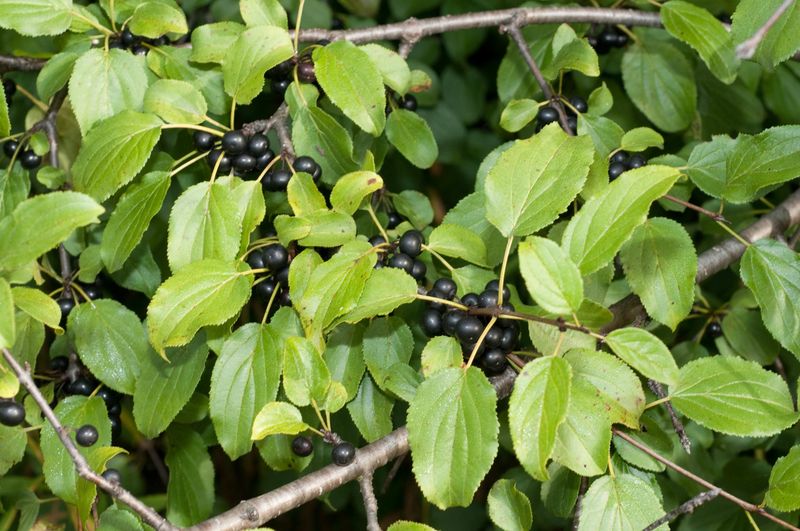
Scratch a twig of this shrub and you will find bright orange inner bark, like a hidden secret. Common buckthorn, or Rhamnus cathartica, also hides a sharp thorn at the tip of many branches.
It grows as a shrub or small tree, sometimes topping twenty feet, with finely toothed oval leaves. Like its glossy cousin, it holds green leaves deep into autumn, long after native shrubs have dropped theirs.
The state made selling or growing it illegal in 2022, after adding it to the noxious weed list. Most folks were not buying it on purpose anymore, but the official listing closed the door for good.
Black berries appear on female plants in late summer, and they act as a strong laxative for birds. That unpleasant effect actually helps the seeds spread faster, which feels like a sneaky trick from nature.
Fallen leaves from buckthorn may also change soil chemistry, making it harder for some native plants to recover.
You might notice bare, eroded ground underneath old thickets, where woodland wildflowers once grew in spring.
Personally, I like pulling small ones with a weed wrench, which pops the roots out without much strain.
Larger trunks may need professional help, especially near wetlands where herbicide rules can be much stricter.
Gray dogwood makes a tough native replacement, and its white berries on red stems look charming in fall. American hazelnut is another sturdy pick, and squirrels will happily thank you by stealing every nut.
5. Privet
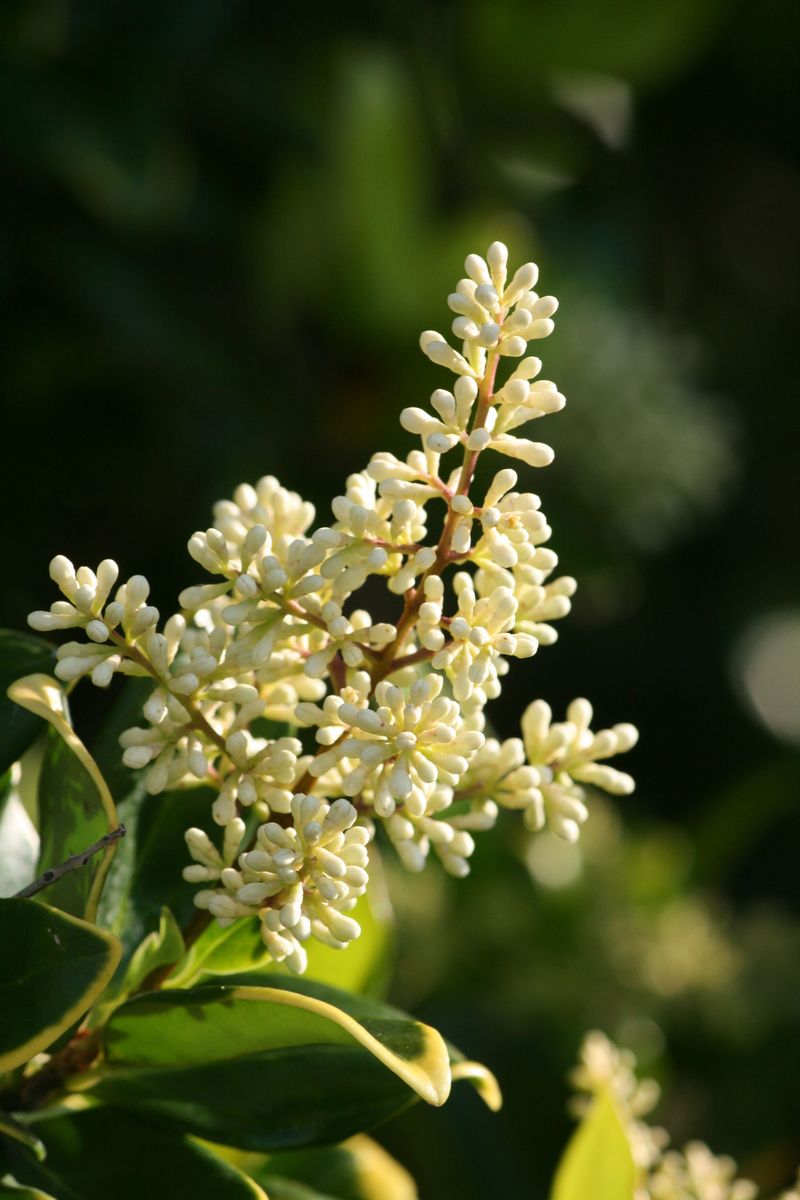
Half the old neighborhoods I know are framed by privet hedges, clipped into neat green walls every summer. Their sweet-smelling white flowers in June can fill a whole street, though not everyone loves that scent.
Four privet species, all in the genus Ligustrum, were added to the state noxious weed list recently. Sales are being phased out over time, so you may still spot a few lingering at certain stores.
Border privet, common privet, California privet, and Chinese privet are the four species named on the list. Most grow ten to fifteen feet tall if left unclipped, with small oval leaves packed tightly together.
Trouble starts when hedges are allowed to flower, because blue-black berries follow and birds gobble them up.
Seedlings then pop up in woods and along streams, forming thick stands that shade out native understory plants.
If you already own a privet hedge, shearing before the flowers open can reduce berry production quite a bit.
I can’t imagine ripping out a whole property line overnight, so replacing sections gradually works fine too.
Inkberry holly is a native evergreen that clips nicely into a hedge, and it handles damp soil well. Bees adore its tiny early summer flowers, even though most people barely notice them blooming at all.
Arrowwood viburnum is another solid choice for privacy, with creamy flower clusters and blue berries for songbirds. Your hedge can still look polished, and you will feel better knowing it stays home where it belongs.
6. Amur Honeysuckle
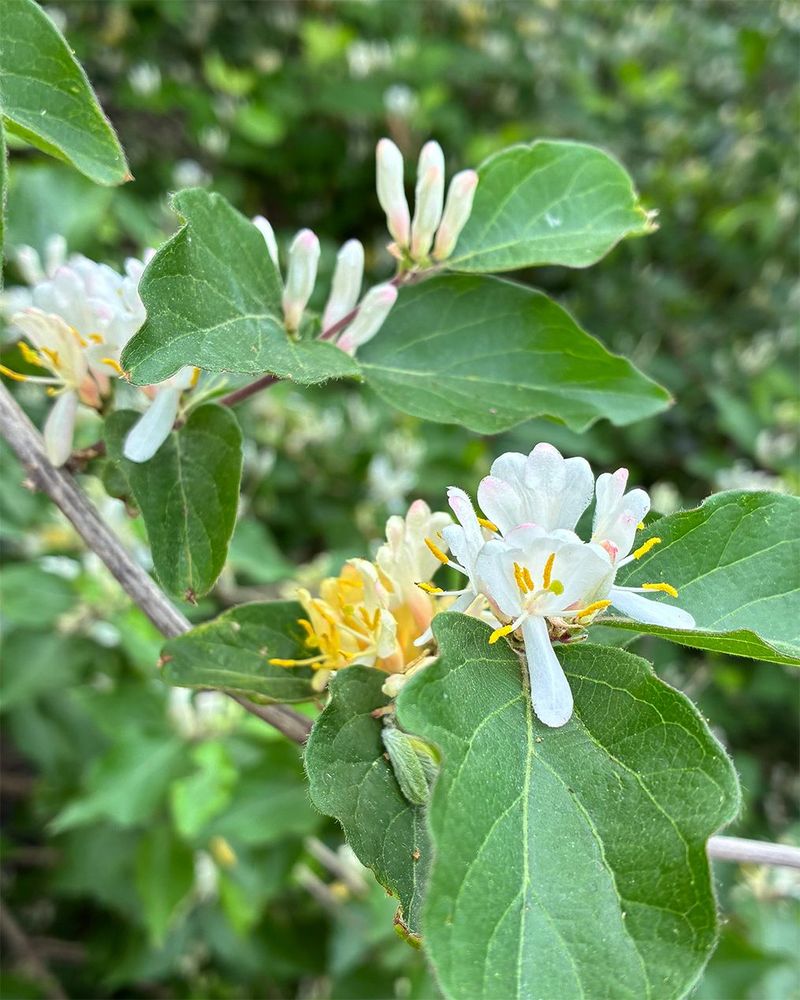
Walk through a Pennsylvania woodland in early spring and you will see one shrub leafing out weeks ahead of everyone. Amur honeysuckle uses that head start to grab sunlight before native plants even wake up from winter.
Known to botanists as Lonicera maackii, it arrived from Asia for use in gardens and wildlife plantings.
Mature shrubs reach ten to fifteen feet, with arching stems and paired oval leaves ending in a pointed tip.
Honestly, the flowers are lovely, opening white and fading to yellow, but that charm comes with a catch. Glossy scarlet berries follow in fall, and birds spread them along roadsides and into forest edges everywhere.
State conservation agencies list it among the most troublesome invasive shrubs, and responsible nurseries have stepped away from it.
Dense stands shade the forest floor so heavily that tree seedlings and spring wildflowers struggle to grow beneath.
You can spot it easily in late fall too, since its leaves stay green after most natives drop theirs. Check the stems as well, because a hollow center usually signals an invasive bush honeysuckle rather than a native.
Shallow roots make small and medium plants surprisingly easy to pull, especially after a soaking spring rain.
Cut stumps resprout eagerly, so many land managers pair cutting with careful herbicide treatment on the fresh stump.
Spicebush is my favorite swap, offering early yellow blooms and leaves that smell spicy and citrusy when crushed.
It also hosts spicebush swallowtail caterpillars, which look hilarious with their big fake eye spots painted on.
7. Autumn Olive
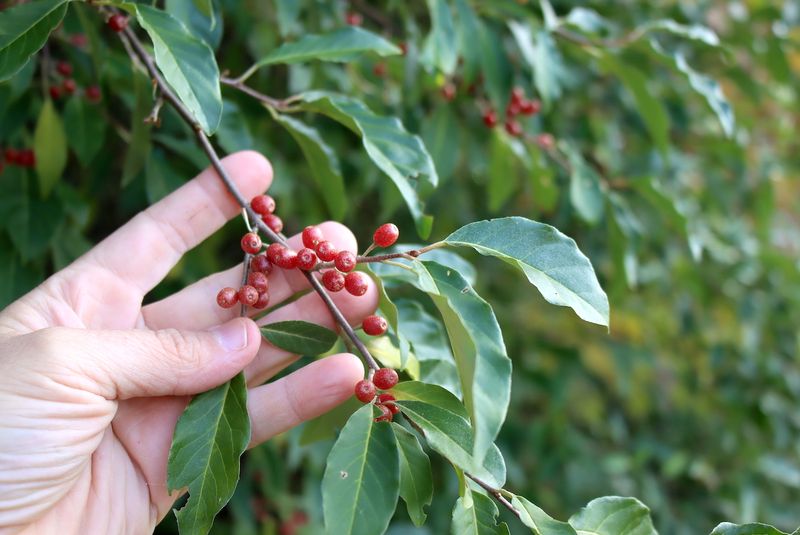
Decades ago, wildlife agencies actually encouraged people to plant autumn olive, and many old strip mines still show the results.
I find that history fascinating, because the shrub that once seemed helpful turned into a major headache.
Scientists call it Elaeagnus umbellata, and its leaves carry a silvery sheen underneath that sparkles in wind. Plants usually grow ten to twenty feet tall, spreading wide enough to swallow a fence line quickly.
Its hidden advantage is a partnership with root bacteria that capture nitrogen from the surrounding air.
That trick lets autumn olive thrive in poor, rocky ground where most native shrubs would struggle badly.
Fragrant creamy flowers open in spring, followed by heaps of red berries dotted with tiny silver speckles. Birds and other wildlife spread those seeds widely, so one shrub can seed an entire meadow before long.
State conservation officials list it as invasive in Pennsylvania, and they strongly discourage planting it anywhere. You need to grab young sprouts early, because older shrubs develop deep roots and thorny branches.
Mowing or cutting alone tends to backfire, since the stumps send up a crowd of fresh shoots. Fun fact for foragers, the tart berries are edible and rich in lycopene, so picking them helps a little.
For a native replacement with tasty berries, try serviceberry, which offers white spring blossoms and sweet June fruit.
American elderberry also thrives in sunny, open spots, and the birds will thank you every single summer.