The Reasons To Plant Spicebush In Your Pennsylvania Yard And How To Get One Started This Fall
Spicebush is one of those native Pennsylvania shrubs that earns genuine enthusiasm from every gardener who grows it, and quiet puzzlement from those who haven’t encountered it yet. It doesn’t have the mainstream recognition of more heavily marketed ornamentals.
But what it delivers across the full growing year, puts many more celebrated shrubs to shame.
In Pennsylvania, where finding plants that handle the full range of climate conditions without constant intervention is genuinely valuable, spicebush earns its place several times over. It feeds migrating birds. It supports native insects.
And in fall, it produces berries and foliage color that make it worth growing on looks alone. Fall is one of the best times to get one established. Here’s why spicebush belongs in your Pennsylvania yard.
1. It’s A True Pennsylvania Native
Long before anyone in Pennsylvania had a lawn, spicebush was already here. It grew wild in shady hollows, along creek banks, and under tall oaks and maples. You can still find it today in state parks from Erie to Philadelphia.
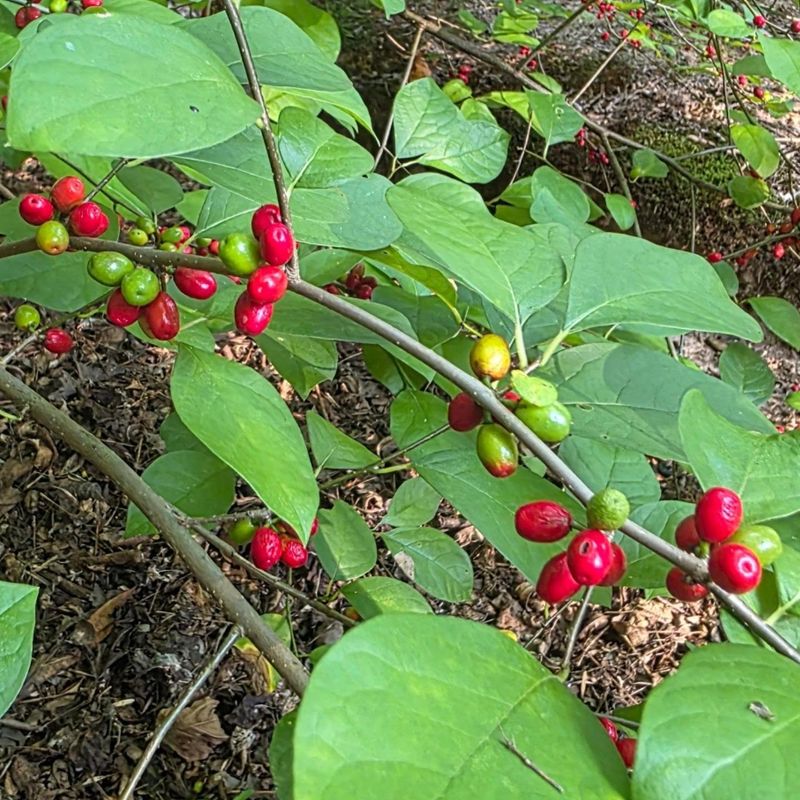
The scientific name is Lindera benzoin. It is a deciduous shrub, which means it drops its leaves every fall and grows fresh ones in spring.
Most plants reach about 6 to 12 feet tall and just as wide, with a loose, rounded shape.
So why does being native matter? A plant that evolved here already knows how to handle our weather. It can take snowy January nights, soggy April rains, and sticky July heat without much fuss.
Native plants also fit right into the local food web. Insects, birds, and small animals have lived alongside spicebush for thousands of years. They know how to use it, and many of them depend on it.
Compare that with shrubs brought in from other parts of the world. Some, like Japanese barberry and burning bush, have escaped into Pennsylvania forests and crowded out native plants. Spicebush gives you a pretty shrub without that risk.
Once it settles in, spicebush asks for very little. You will not need to spray it, feed it often, or baby it through winter. A little water during its first year or two is usually enough.
Fun fact: early settlers sometimes brewed spicebush twigs into a tea. During the American Revolution, some people even used the dried berries as a stand-in for allspice. Planting one connects your yard to a long piece of Pennsylvania history.
2. Early Spring Flowers For Hungry Pollinators
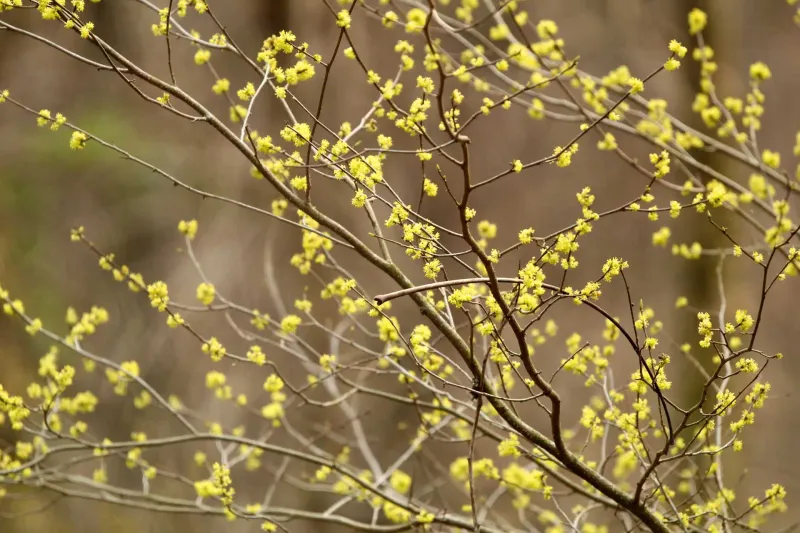
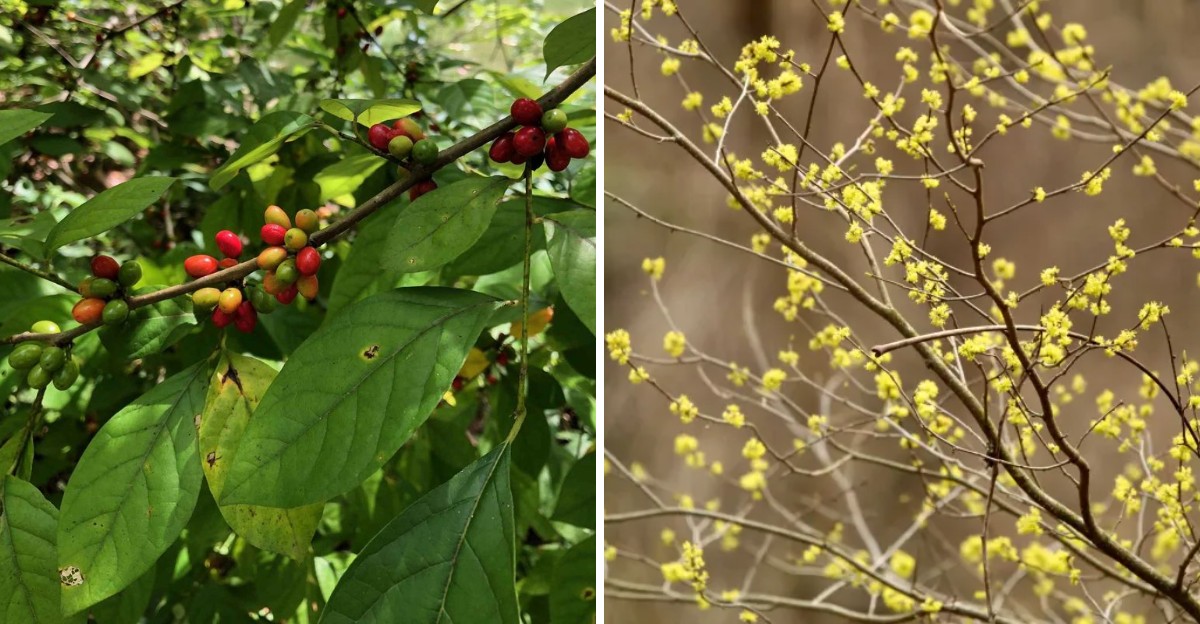
Spicebush blooms in March or April, often before forsythia and long before most trees leaf out. The flowers are small, but they grow in tight clusters all along the bare branches.
Up close, each bloom is only about a quarter inch wide. From a distance, though, the whole plant looks wrapped in a soft, golden haze. It is a quiet kind of beauty that rewards anyone who takes a morning walk.
Those early flowers matter a lot to insects. Bees that wake up on the first warm days are hungry, and very little is blooming yet. Spicebush offers nectar and pollen right when food is hardest to find.
Your Pennsylvania Garden Changes Every Week. Your Plan Should Too.
Gardening in Pennsylvania changes quickly throughout the season. Every Friday you’ll receive a simple weekly plan showing exactly what to plant, prune, fertilize, harvest, and protect so you never miss the right timing.
Small native bees, flies, and some early beetles all visit the blossoms. Many of these helpers go on to pollinate fruit trees, berries, and vegetable gardens later in the year. Feeding them in spring helps your whole yard later on.
Want to get the most from the show? Plant spicebush where you can see it from a kitchen or living room window. On a chilly day, you can enjoy the color and watch the bees without stepping outside.
You can also pair it with other early bloomers. Try native spring flowers like Virginia bluebells, bloodroot, or wild columbine nearby.
Together, they create a small spring buffet that keeps pollinators coming back week after week. Your yard may even wake up a little earlier than the rest of the block.
3. A Host Plant For The Spicebush Swallowtail
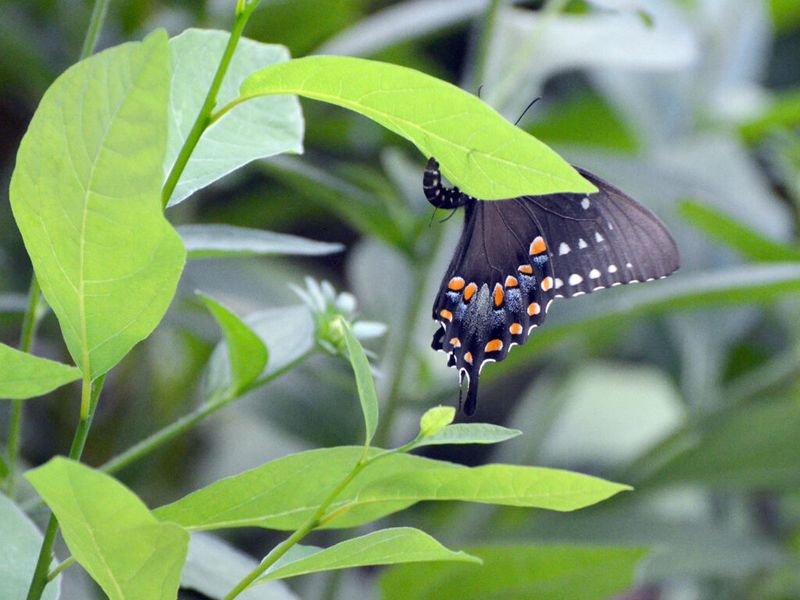
Here is a fun surprise. Some caterpillars on spicebush look like tiny green snakes with big fake eyes. It is a clever costume that helps scare away hungry birds.
These little tricksters grow up to become spicebush swallowtail butterflies. The adults are black with shimmering blue on the hind wings and a row of pale spots along the edges.
They are one of the most striking butterflies you can see in a Pennsylvania summer.
Butterflies are picky about where they lay eggs. The spicebush swallowtail needs a few specific plants, and spicebush is one of its favorites. Without these host plants, the caterpillars have nothing to eat.
A female butterfly lays single eggs on the undersides of leaves. When a caterpillar hatches, it folds a leaf over itself with silk and hides inside during the day. If you see a curled leaf, peek gently and you might find a guest.
Young caterpillars start out brown and white, looking a lot like bird droppings. Later, they turn bright green and grow those famous eyespots. Just before forming a chrysalis, many turn yellow or orange.
Kids love watching this change happen. Check the leaves every few days from late spring through summer, and keep a simple notebook of what you see. It turns your backyard into a real science lab.
A few tips will help. Skip bug sprays near your spicebush, since they can harm caterpillars too. Leave fallen leaves under the shrub in fall, because some chrysalises spend the winter hiding there.
Do not worry about damage, either. The caterpillars nibble some leaves, but a healthy shrub bounces back easily.
4. High-Energy Berries For Migrating Birds
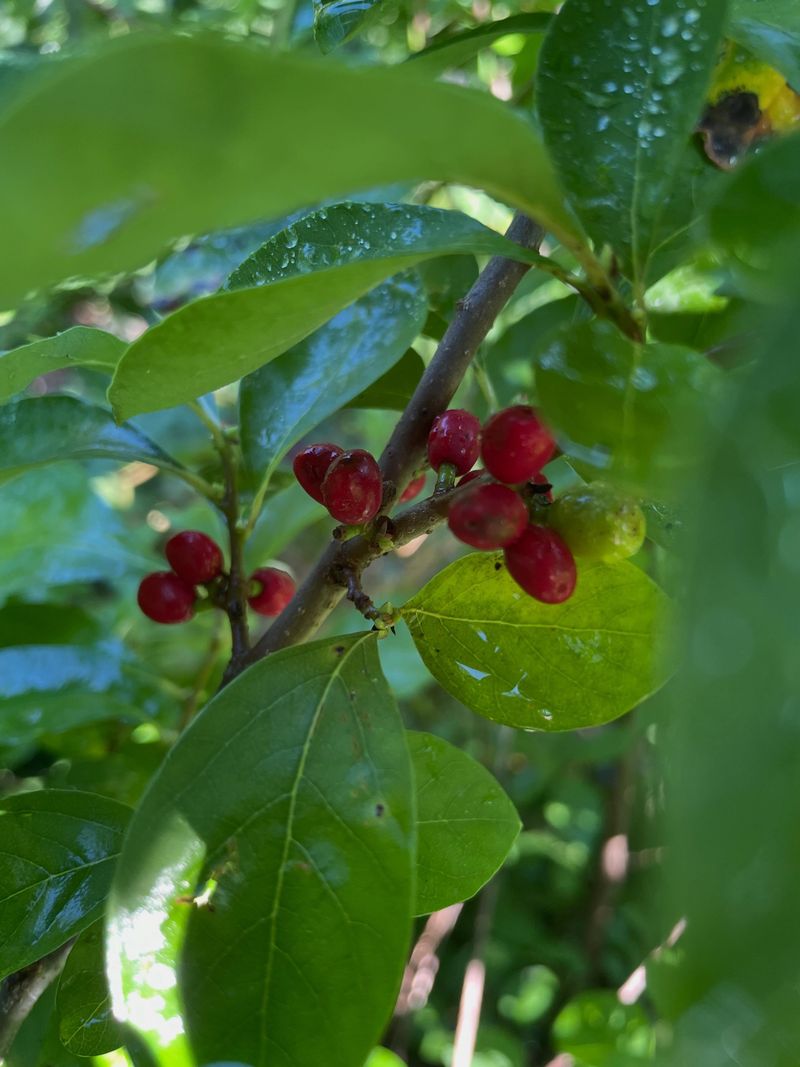
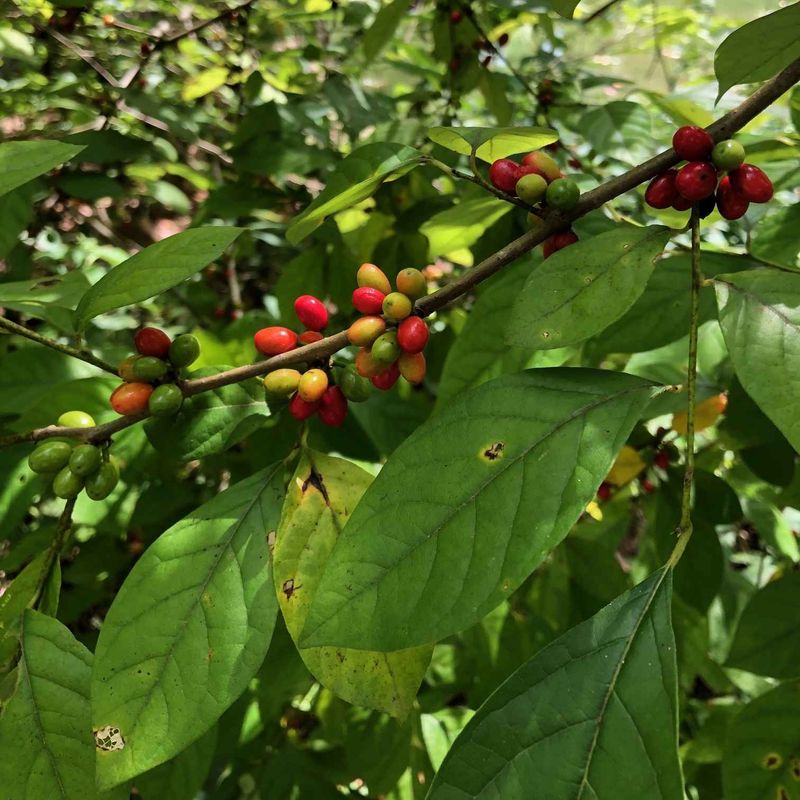
Think of spicebush berries as energy bars for birds. Each shiny red fruit is packed with fat, sometimes making up more than a third of its weight. That makes them one of the richest wild foods a songbird can find in fall.
Timing is everything here. The berries ripen from late summer into early fall, just as many birds begin their long trips south. Some fly thousands of miles to Central and South America.
Migrating birds burn through a lot of fuel. They need to refuel fast at stopover spots before moving on. A yard with spicebush can become one of those helpful rest stops.
Wood thrushes, veeries, gray catbirds, and red-eyed vireos are just a few birds known to eat the berries.
American robins and northern flickers enjoy them too. With a pair of binoculars, you might spot visitors you have never seen before.
There is one catch to remember. Spicebush plants are either male or female, and only the females grow berries. Male plants are still needed nearby, because their pollen helps the female flowers turn into fruit.
The berries are oval and about half an inch long. They hide a bit under the leaves in summer, then pop into view as the foliage turns yellow.
Red fruit against golden leaves is a lovely sight on a crisp October afternoon. Birds often strip the branches quickly, so do not expect the berries to last all season.
That is a good sign your shrub is doing its job. To help even more, add a shallow birdbath nearby so tired travelers can drink and bathe.
5. Golden Fall Color And A Spicy Fragrance
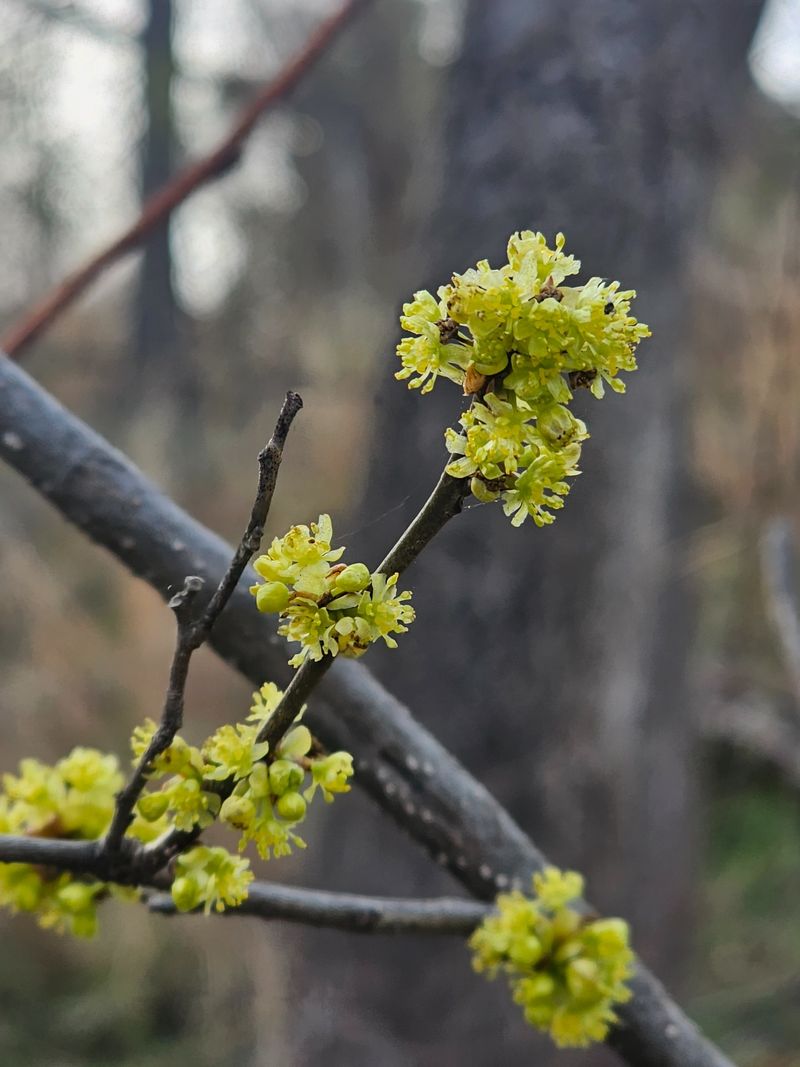
Scratch a spicebush twig with your thumbnail, then take a sniff. You will catch a bright, peppery scent with a hint of lemon. That lovely smell is exactly how the plant earned its name.
The fragrance comes from natural oils in the leaves, bark, and berries. Crush a leaf between your fingers, and the scent gets even stronger. Many people say it reminds them of allspice, citrus, or a warm holiday kitchen.
The scent is also handy for identifying the shrub in the woods. On a hike, if you are not sure whether you have found spicebush, a quick scratch and sniff will tell you. It is a neat trick to share with friends and family.
Now let’s talk color. In autumn, the leaves turn a clear, buttery yellow that almost seems to glow. It happens even in shade, which is rare for fall color.
Many shrubs need full sun to put on a good show. Spicebush lights up dim spots under big trees, along the north side of a house, or at the edge of a wooded lot. It can make a dark corner feel cheerful for weeks.
For extra drama, plant it near evergreens like eastern hemlock or white pine. The deep green makes the gold leaves pop. Red berries on female plants add another splash of color.
Try bringing the scent indoors too. Snip a few twigs in late fall or winter and tuck them into a vase or wreath.
Some folks steep a small handful of twigs in hot water for a mild, fragrant tea, but always be sure of what you picked before tasting any wild plant.
6. Shade-Tolerant, Deer-Resistant, And Low-Maintenance
Tired of plants that fuss and fade? Spicebush is the easygoing friend every yard needs. It handles tough spots that make other shrubs sulk.
Start with shade. Spicebush grows well in part shade and even full shade, since it naturally lives under forest trees. It will take more sun if the soil stays moist, but it truly shines in dappled light.
Next up is soil. Spicebush loves moist ground and can handle soggy spots that stay wet after storms. That makes it a smart choice for rain gardens, low areas, and the banks of streams or ponds.
Rain gardens catch water from roofs and driveways and let it soak slowly into the ground. Spicebush roots help hold the soil in place and soak up extra water. You get a pretty plant and less runoff at the same time.
Deer are a big problem in much of Pennsylvania. They munch hostas, azaleas, and arborvitae down to stubs. Luckily, they usually skip spicebush, likely because of its strong-smelling leaves.
No plant is totally deer-proof, of course. Very young shrubs may get a nibble when food is scarce in winter. A simple wire cage for the first year or two gives extra protection.
Pruning is rarely needed. Spicebush grows into a nice natural shape on its own. If a branch breaks or crosses another, just trim it off in late winter before new growth starts.
Pests and diseases seldom bother it much, and fertilizer is usually unnecessary. A layer of shredded leaves or wood mulch each year keeps the roots cool and damp.
That is about all the care this laid-back shrub asks for, leaving you more time to enjoy your yard.
7. How To Get Spicebush Started This Fall
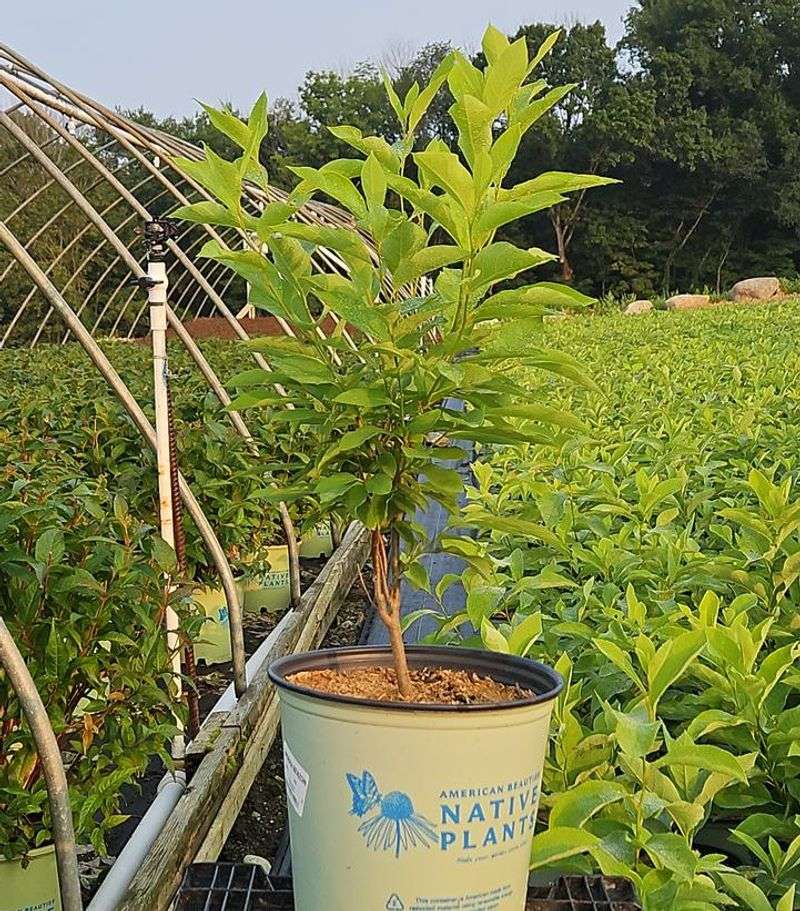
Fall is one of the best times to plant in Pennsylvania. The air is cool, but the soil stays warm for weeks. Roots keep growing even as leaves drop, giving your shrub a head start on spring.
Aim for early to mid-fall, from September through mid-October in most of the state. Try to plant at least six weeks before the ground freezes. Northern counties and higher areas may freeze earlier, so plant sooner there.
Pick a spot with part shade and moist soil. Give the shrub room to spread, about 8 to 10 feet from other large plants. Look for spicebush at native plant nurseries, garden centers, or local conservation district sales.
Dig a hole two to three times wider than the pot, but no deeper. Loosen circling roots gently with your fingers. Set the plant at the same depth it grew in the pot, then fill in with the native soil you removed.
Water deeply right away, until the soil is soaked. Keep watering about once a week if rain is light, until the ground freezes. Next summer, check it during dry spells too.
Spread two to three inches of mulch around the base. Keep it a few inches away from the stems so the bark stays dry and healthy. Shredded leaves work great and cost nothing.
Want berries for the birds? Plant at least one male and one female shrub near each other, since only females make fruit.
Many nurseries sell young plants before they bloom, so buying three or more improves your chances of getting both. Be patient in year one. Spicebush often grows slowly at first while roots settle in.