Who Is Responsible When a Neighbor’s Tree Falls Into Your Yard in Ohio
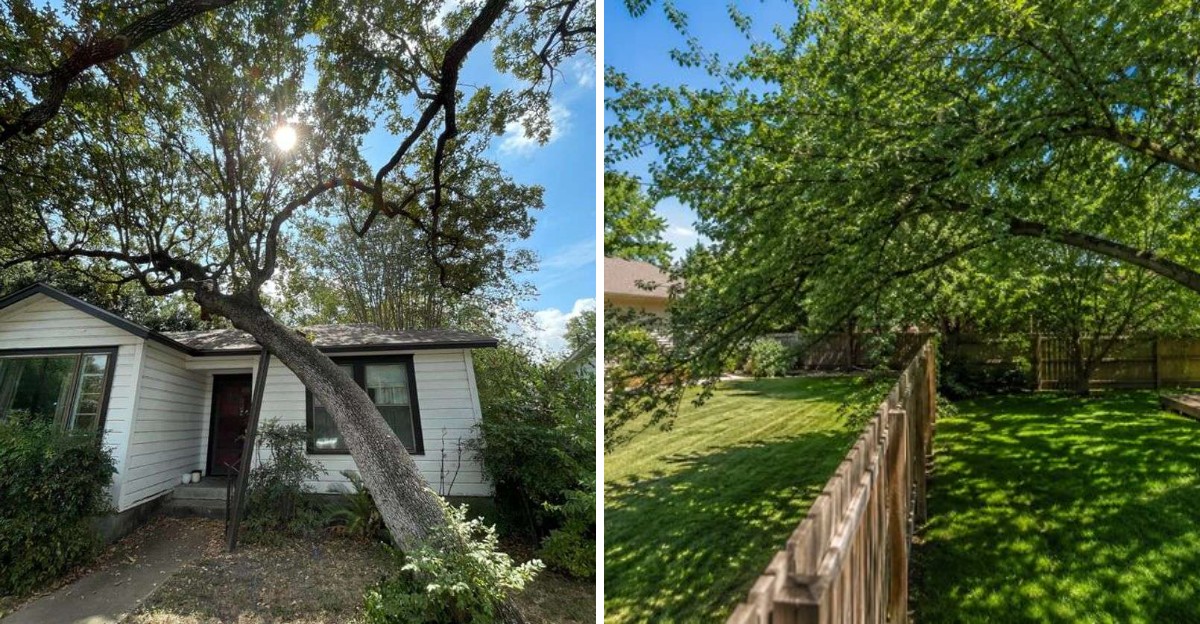
In Ohio, a tree can belong to your neighbor and still land on your insurance claim. That surprised me the first time I heard it, and I bet it surprises you too.
Courts here care less about where the trunk grew and more about what the owner knew. A healthy maple snapped by a summer storm is treated very differently from a rotten one with a hollow base.
Ohio judges even use a fancy phrase for the sneaky kind of knowledge, called constructive notice.
Personally, I can’t look at a leaning oak next door the same way anymore. You need to know how this works before the next thunderstorm rolls through, because the rules can save you money, stress, and a few awkward chats over the fence.
When the wood finally comes crashing down, the bill can land on either side of the fence. It usually comes down to a detail most homeowners overlook until it’s too late.
That Fallen Oak Across Your Lawn May Not Be Your Neighbor’s Bill
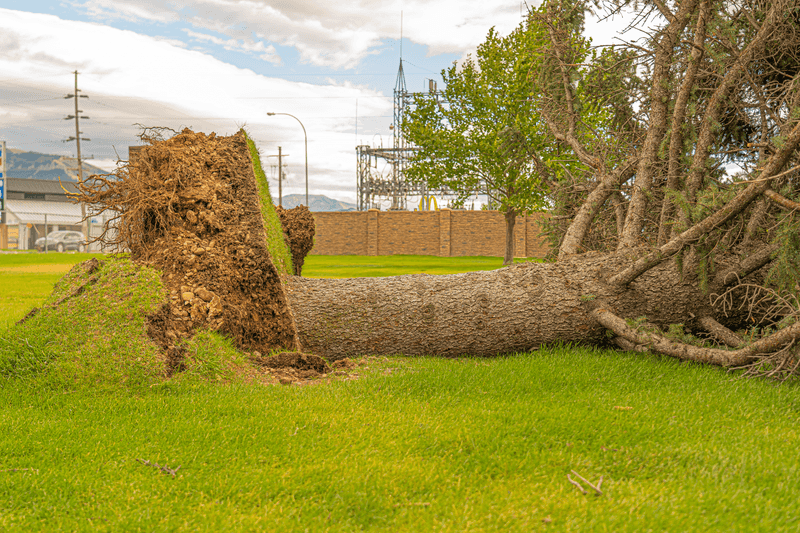
Storm season brings a rude lesson for plenty of homeowners. A healthy tree that tips over in high winds is usually treated as an act of nature in Ohio.
That means your neighbor often owes you nothing, even though the trunk grew on their land. Nobody did anything wrong, so the law sees no one to blame.
In that situation, your own homeowner’s insurance is typically the first stop. Most standard policies cover damage to your house, garage, or fence when a tree lands on them.
Many also pay for removing the tree from a structure or a blocked driveway, often with a dollar cap.
Here comes the frustrating part. If the tree only lands on open lawn or a flower bed, many policies pay little or nothing for cleanup.
Your deductible applies too, so smaller messes may cost more out of pocket than a claim is worth.
I always suggest reading your policy before storm season, not after. Look for lines about tree removal limits and windstorm coverage.
A quick call to your agent can clear up surprises. Knowing your coverage ahead of time takes a lot of the sting out of seeing a big oak stretched across your yard.
A Rotting Trunk Changes Who Pays the Price
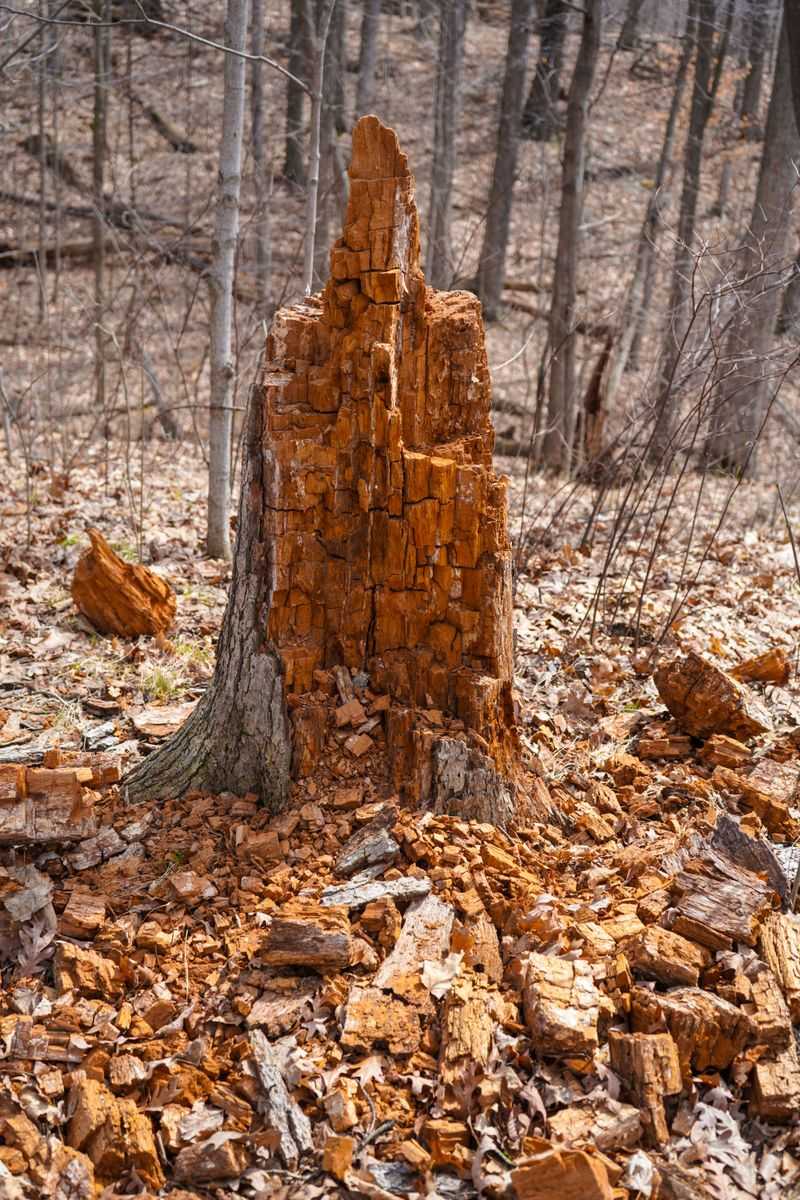
Rot is where the story flips. Ohio courts can hold a neighbor responsible when they knew, or should have known, that their tree was hazardous and did nothing about it.
Lawyers call this negligence. Two kinds of knowledge matter here.
Actual knowledge means the owner truly knew about the danger, maybe because you told them or an arborist flagged it.
Constructive knowledge is trickier. It means the problem was so obvious that a reasonable person should have noticed it.
Ohio courts often describe this as a patent danger, something visible without special tools or training.
Common warning signs include large hollow cavities, mushrooms or fungal shelves growing on the trunk, big leafless limbs, deep cracks, and a sudden new lean. Peeling bark and soil heaving near the base can also point to trouble.
Hidden decay deep inside a trunk usually does not count. If nobody could have spotted it, the neighbor is rarely found at fault.
When negligence is proven, your insurance company may pay your claim and then seek repayment from your neighbor’s insurer. That process is called subrogation.
It can even help you recover your deductible, so mention any known tree problems to your adjuster right away.
City Maples and Country Woodlots Follow Different Inspection Rules
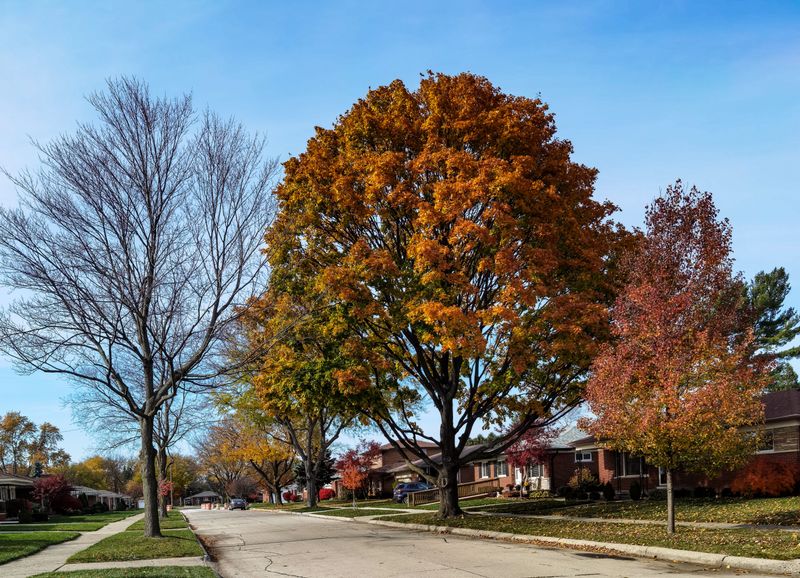
Location matters more than most folks expect. Ohio courts have long recognized a difference between trees in town and trees out in the countryside.
In cities and suburbs, owners are generally expected to take reasonable steps to inspect their trees. Lots are smaller, houses sit close together, and a falling limb can easily hit a roof, car, or person.
Checking a handful of yard trees is not much of a burden.
Rural landowners get more slack. Someone with forty wooded acres can’t reasonably examine every tree for hidden weakness.
Courts usually expect less from them, especially for trees far from homes and roads.
That rural break has limits, though. A rotten tree right beside a driveway, house, or public road may still create liability if the danger was easy to see.
I find this rule pretty fair. It asks people to pay attention where the risk to others is greatest.
For you, the practical takeaway is simple. In a neighborhood, it is reasonable to expect your neighbor to notice an obviously failing tree.
Out in farm country, documenting the problem and telling the owner becomes even more important.
Snap Photos of That Leaning Tree Next Door Before Trouble Hits
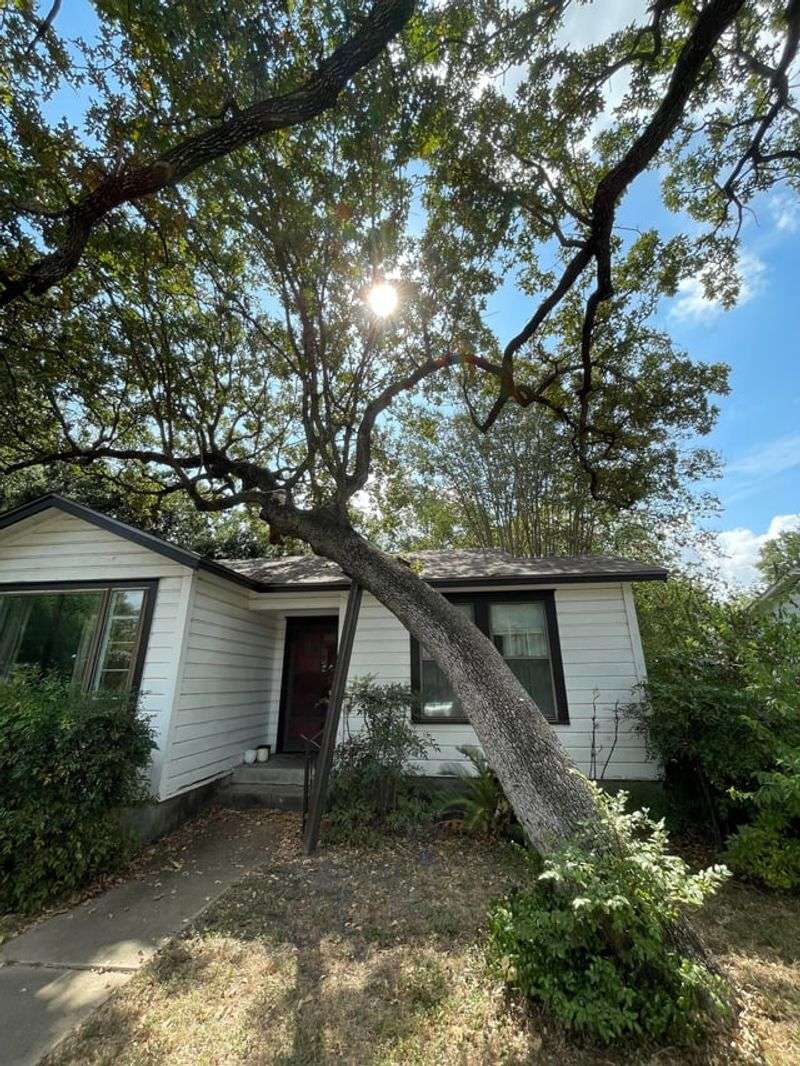
A phone camera might be your best legal tool. If a tree next door looks shaky, start documenting it now.
Take clear, dated photos from several angles. Capture cracks, fungus, hanging limbs, a hollow base, or any lean toward your house.
Add a few wide shots that show how close the tree sits to your roof or fence.
Next, send your neighbor a polite written note explaining your concern. A letter, email, or text all work, as long as you keep a copy.
Certified mail adds extra proof that it arrived.
That note matters a lot. It helps show your neighbor had actual knowledge of the hazard, which can shift responsibility if the tree later fails.
Keep the tone friendly rather than threatening. Something like, “I noticed a big crack in your silver maple and wanted to give you a heads-up,” goes a long way.”
You can also suggest a certified arborist to check the tree. The International Society of Arboriculture has an online directory for finding one.
Personally, I think most neighbors appreciate the warning. Many simply never look up at their own trees.
Branches Hanging Over Your Fence Can Be Trimmed With Care
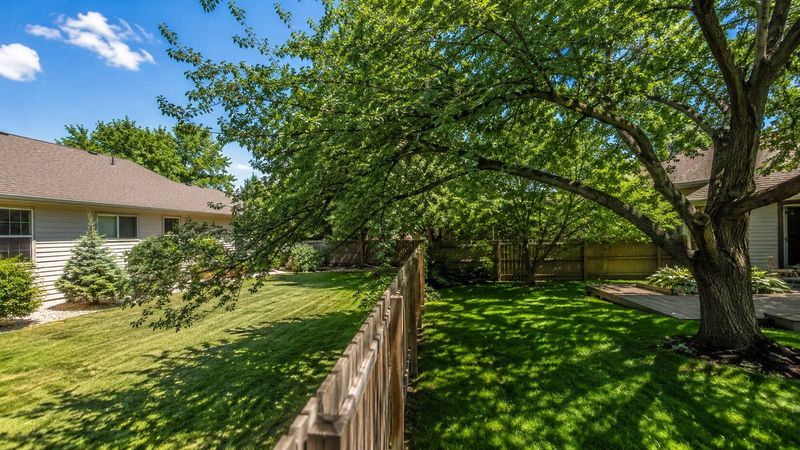
Good fences don’t stop wandering limbs. Ohio generally lets you trim branches that hang over your property line, up to that line.
The key words are reasonable care. You may cut what extends into your space, but you can’t harm the tree’s overall health or stability.
Hacking off huge sections that make the tree decline or tip could land you in serious trouble.
Ohio Revised Code 901.51 is the law to know. It allows triple damages when someone recklessly cuts or injures trees on another person’s land.
A pricey mature tree could become a very costly mistake.
You also generally can’t step onto your neighbor’s property or climb their trunk without permission. Work from your own side, using pole pruners or a hired pro.
Timing helps the tree too. Many shade trees handle pruning best in late winter, while oaks should be trimmed in the dormant season to reduce oak wilt risk.
A short conversation before you start is the smartest move. Your neighbor may even offer to share the cost or handle the job.
Hauling away the trimmed branches is usually your job, so plan for cleanup.
A Sycamore Straddling the Property Line Belongs to Both of You
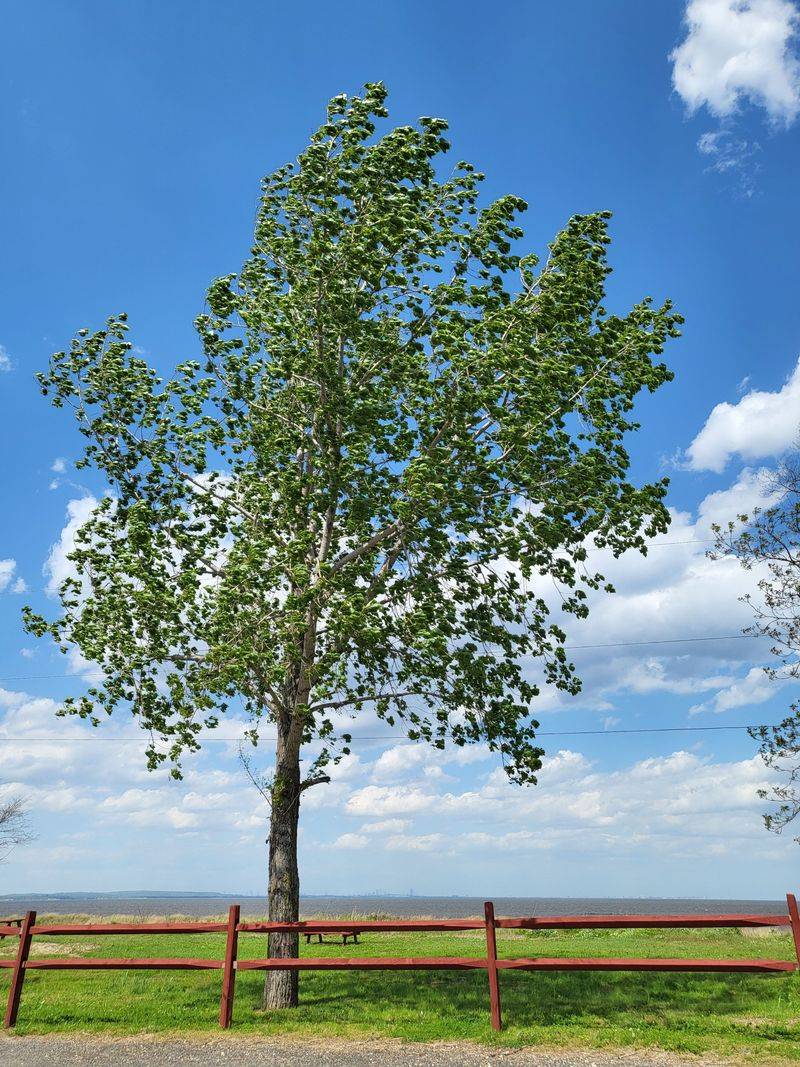
Some trees just refuse to pick a side. When a trunk sits right on the boundary, Ohio typically treats it as a boundary tree owned by both neighbors.
Shared ownership brings shared rules. Neither of you should remove or seriously damage the tree without the other’s agreement.
Cutting it down alone could expose you to a lawsuit for its value, and that triple damages statute may come into play.
Responsibility for care is usually shared as well. If a boundary tree becomes hazardous, both owners have a reason to act.
Not sure where the line actually falls? A licensed surveyor can mark it, and your county auditor’s website often has property maps for a first look.
Old fences are not always accurate guides.
I love a good shared shade tree, honestly. A towering sycamore or bur oak along a lot line can cool two yards at once.
Still, put any agreements in writing. Decide together who pays for pruning, inspections, or eventual removal.
A simple signed note can prevent bitter arguments later, especially if one of you sells the house and a new neighbor moves in.
Downed Limbs and Power Lines Call for Safety First
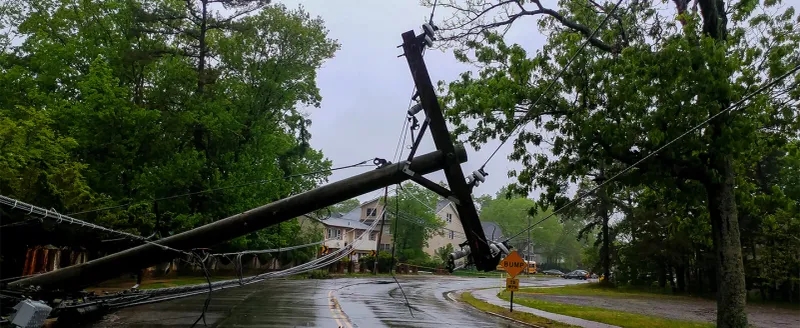
Safety beats paperwork every time. After a tree falls, check that everyone is okay and stay well away from any power lines.
Treat every downed wire as live. Call your utility company or 911 right away, and keep kids and pets indoors.
Once things feel safe, document everything. Take photos and video of the tree, the stump, the root ball, and every bit of damage.
Shots of the broken trunk can reveal whether rot played a role, which matters for liability.
Call your insurance company quickly. Ask what they cover for removal, temporary roof tarps, and fence repairs.
Hold off on cutting up the stump area before photographing it. That evidence can disappear fast once the chainsaws start.
You can usually clear debris from your own property. Still, talk with your neighbor before removing large sections, especially if the tree is a boundary tree or valuable timber.
Chainsaw work on twisted, tension-loaded trunks can be dangerous. Hiring an insured tree service is often worth the cost.
Finally, be wary of storm chasers knocking on doors. Ask for proof of insurance and get written estimates first.
A Friendly Arborist Visit Beats a Courtroom Over Fallen Timber
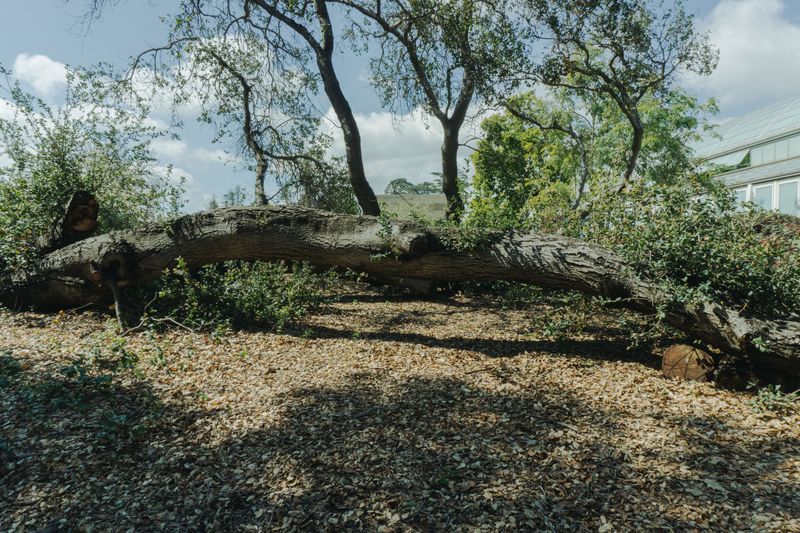
Lawsuits are slow, costly, and rough on friendships. Most tree disputes in Ohio get settled through insurance or a calm conversation instead.
Prevention is the real winner. Walk your yard a couple of times each year, ideally after leaves drop and again in summer, and look for cracks, fungus, and limbs without leaves.
Ohio State University Extension offers helpful guides on spotting tree hazards and common problems. Emerald ash borer, for example, has left many standing ash trees brittle across the state, and those need prompt attention.
A certified arborist can assess risky trees on either side of the fence. Splitting the cost with a neighbor makes the visit easier on everyone.
When replanting, choose sturdy natives suited to your space. Swamp white oak, Kentucky coffeetree, and serviceberry are solid picks, while Bradford pear is invasive and prone to splitting.
If a dispute does heat up, many counties offer community mediation programs at low or no cost. A local attorney can explain your options for bigger losses.
My favorite takeaway is simple. Check your trees, talk early, and keep notes, and you will be ready for whatever the next storm brings.