The Poisonous Plants Growing Right Next To Your Minnesota Driveway
The most poisonous plant in North America grows wild along quiet Minnesota creeks and soggy marsh edges. A piece of its root the size of a walnut can seriously poison a grown cow according to livestock experts.
Other ditch plants work on your skin instead, leaving blisters that show up a day after a sunny walk. I learned that lesson on my forearm, and the brown marks lingered on my skin for months.
You might notice a few of these troublemakers in your own yard, tucked behind the garage or the fence. Some are natives with real value for wildlife, while others are invaders that Minnesota officials want reported.
I walk my favorite trails a little differently now, with long sleeves and sharper eyes on every leaf. How many of these sneaky plants could you spot along the edge of your own road this week?
1. Poison Hemlock
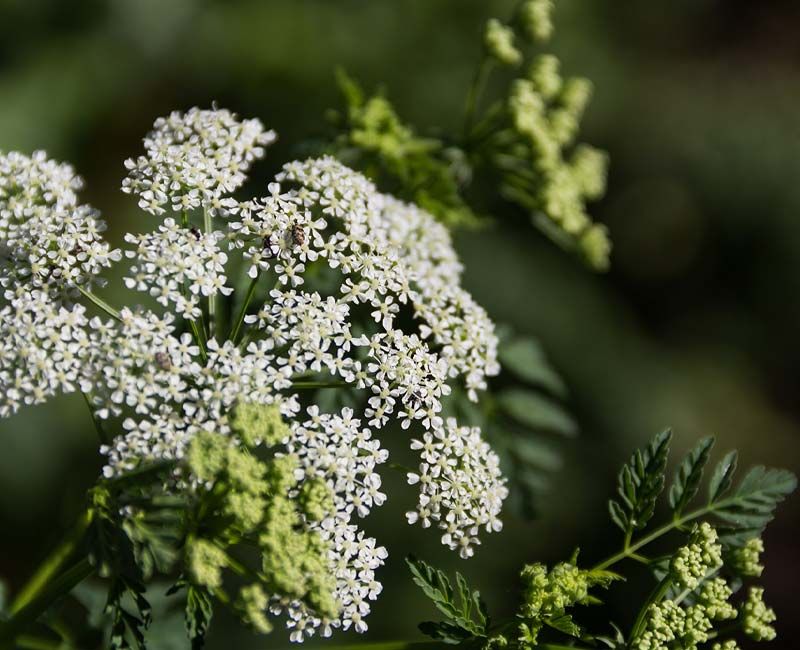
Purple blotches on a smooth green stem are your first warning sign with this towering roadside menace. I spotted my first patch near a rail line, and the lacy leaves fooled me for a moment.
Poison hemlock, Conium maculatum, came from Europe and now pops up in ditches and along weedy field edges. It spends its first year as a low rosette, then shoots up to eight feet tall.
Small white flowers form umbrella clusters in early summer, looking a lot like Queen Anne’s lace. Run your eyes down the stem, because wild carrot has hairy stems while hemlock stays hairless and spotted.
Every part of the plant holds alkaloids that disrupt the nervous system, and seeds and roots pack serious punch. Crushed leaves give off a musty, mousy smell that many people find unpleasant and hard to forget.
Foragers get into trouble because the white roots resemble parsnips, so please leave every lookalike in the ground. Children and pets should stay clear too, since a nibble of leaves can cause trembling and breathing trouble.
Wear gloves and long sleeves if you pull small plants, because the sap can irritate some people’s skin. Bag the plants in plastic for the trash, since burning or composting can spread seeds and fumes.
Minnesota agriculture officials ask residents to report sightings, so snap a photo and note the location first. Catching a patch early saves you years of digging and keeps your favorite trail safer.
2. Water Hemlock
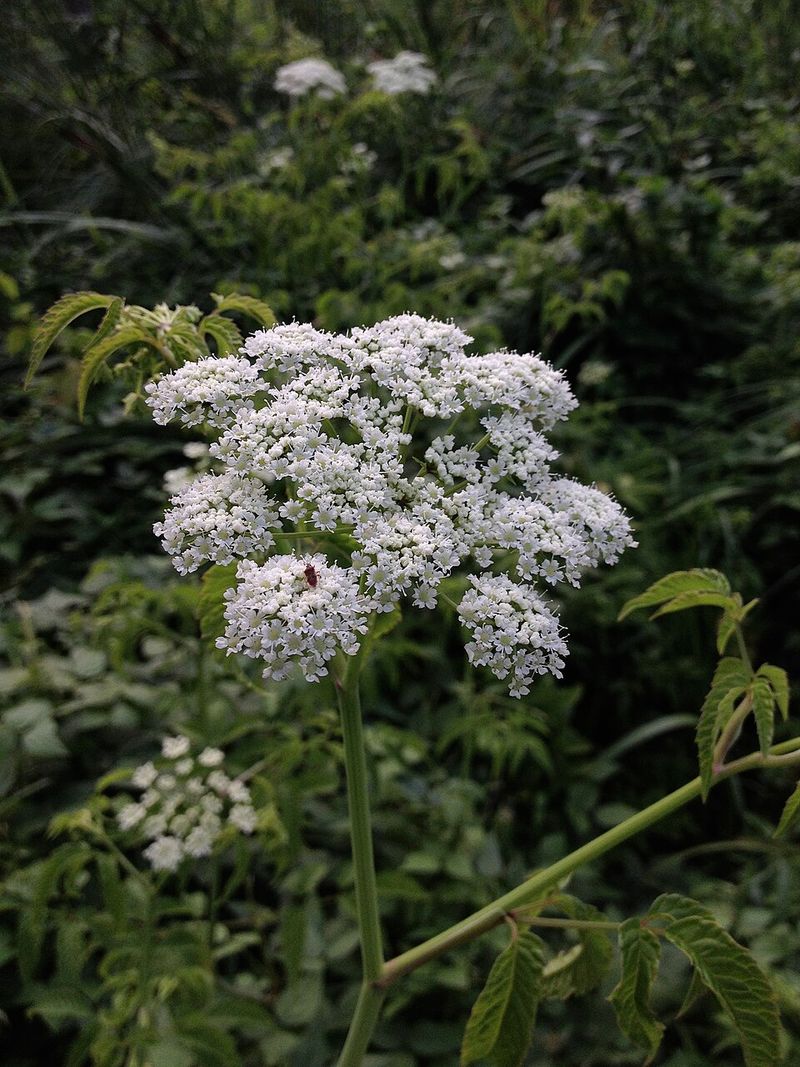
Water hemlock carries the grim title of the most toxic plant in North America, and it grows wild here. Unlike poison hemlock, it is a native wildflower that loves marshes, wet meadows and the soggy edges of streams.
Its scientific name is Cicuta maculata, and plants usually reach three to six feet tall by midsummer. Stems are smooth and hollow, often streaked with purple, which adds to the confusion with other relatives.
Look closely at the leaflets, because their veins run to the notches between teeth instead of the tips. Botanists treat that vein pattern as a handy clue, though I still recommend checking several features together.
White umbrella-shaped flower clusters appear in summer and attract plenty of small bees and helpful wasps. Below ground, a cluster of thick, fleshy roots holds the highest concentration of a toxin called cicutoxin.
Cicutoxin triggers violent seizures, and a small piece of root can cause a medical emergency within an hour. Livestock grazing wet pastures in spring sometimes pull up roots from soft mud and become seriously ill.
Leave this native plant alone in wild wetlands, where it feeds pollinators and causes no trouble for anyone. If it shows up beside a pond where kids or animals play, removal makes good sense.
Wear waterproof gloves when digging out roots, then wash your hands and tools afterward with plenty of soapy water. Please do not taste any wild carrot relative found near water, no matter how much it resembles parsnip.
3. Wild Parsnip
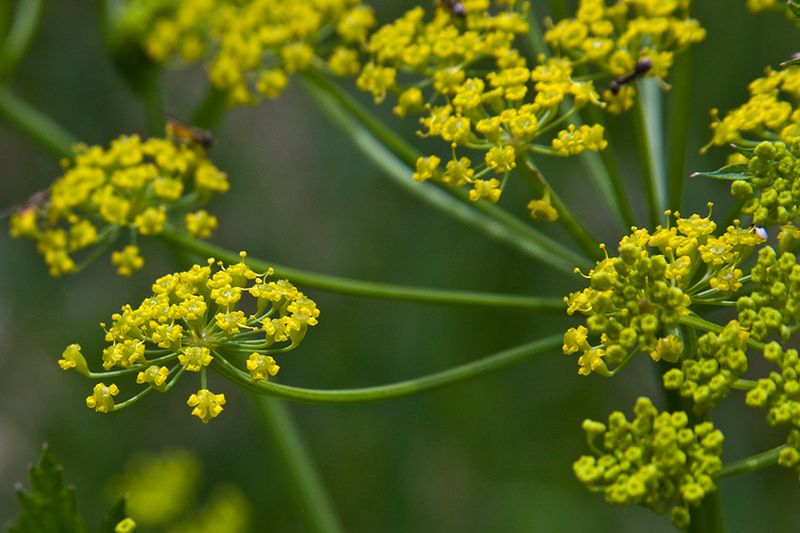
Sunshine turns this cheerful yellow roadside weed into a skin-burning trap, and I learned that the hard way. Its sap contains chemicals called furanocoumarins that react with ultraviolet light and cause painful blistering burns.
Wild parsnip, Pastinaca sativa, is the same species as the garden parsnip that escaped and went wild. It forms a leafy rosette the first year, then sends up a grooved stalk four to five feet tall.
Flat yellow flower clusters show up from June into July, lighting up ditches with a greenish gold haze. Leaves are divided into toothed leaflets, a bit like celery that has spent too much time at the gym.
Burns usually appear a day or two after contact, and the brown stains can linger for many months. Mowers and string trimmers spray sap onto bare legs, so long pants matter more than you think.
If sap touches you, wash the area with soap and water right away, then keep it out of sunlight. A cloudy day or an evening session makes the work safer when you tackle a patch.
Minnesota lists wild parsnip as a prohibited noxious weed on the control list, so landowners must stop its spread. Cutting the taproot an inch or two below the soil works well on small infestations.
Get plants out before seeds ripen, because one plant can drop hundreds of seeds that stay viable for years. Bag flowering heads in plastic for the trash, and you will thank yourself when next summer rolls around.
4. Poison Ivy
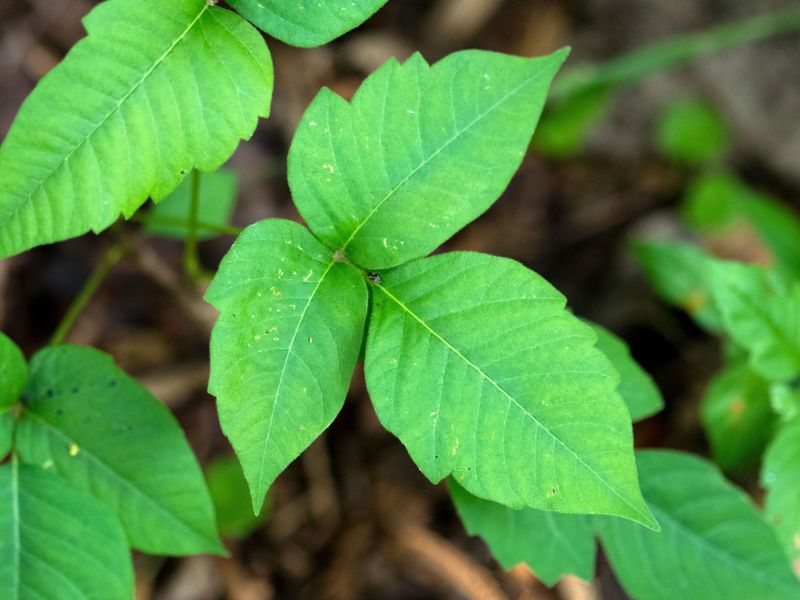
Leaves of three, let it be, still ranks as the most useful rhyme I learned at summer camp. Poison ivy grows across most of the state, and the common type here is western poison ivy, Toxicodendron rydbergii.
Western poison ivy stays low as a shrub, while the climbing kind can scramble up trees with hairy vines. Each leaf has three leaflets, and the middle one sits on a longer stalk than the side pair.
Edges can be smooth, toothed or lobed, which explains why so many people struggle to identify it. Fall turns the foliage brilliant red and orange, and clusters of whitish berries hang on into winter.
The rash comes from urushiol, an oily resin found in every part of the plant all year. Bare winter vines still carry it, so grabbing leafless stems for firewood can lead to a nasty surprise.
Urushiol clings to garden tools and dog fur for a long time, so wash both after any encounter. I scrub my skin with dish soap and cool water within an hour, which often helps prevent a rash.
Please do not burn poison ivy, because smoke carries urushiol into your lungs and can cause serious breathing trouble. Birds and deer happily eat the berries, so wild patches away from paths can stay put.
Near patios and play areas, pull small plants while wearing disposable gloves and a plastic bag over your hand. Larger patches may need repeated digging or a carefully labeled herbicide applied to fresh leaves.
5. Poison Sumac
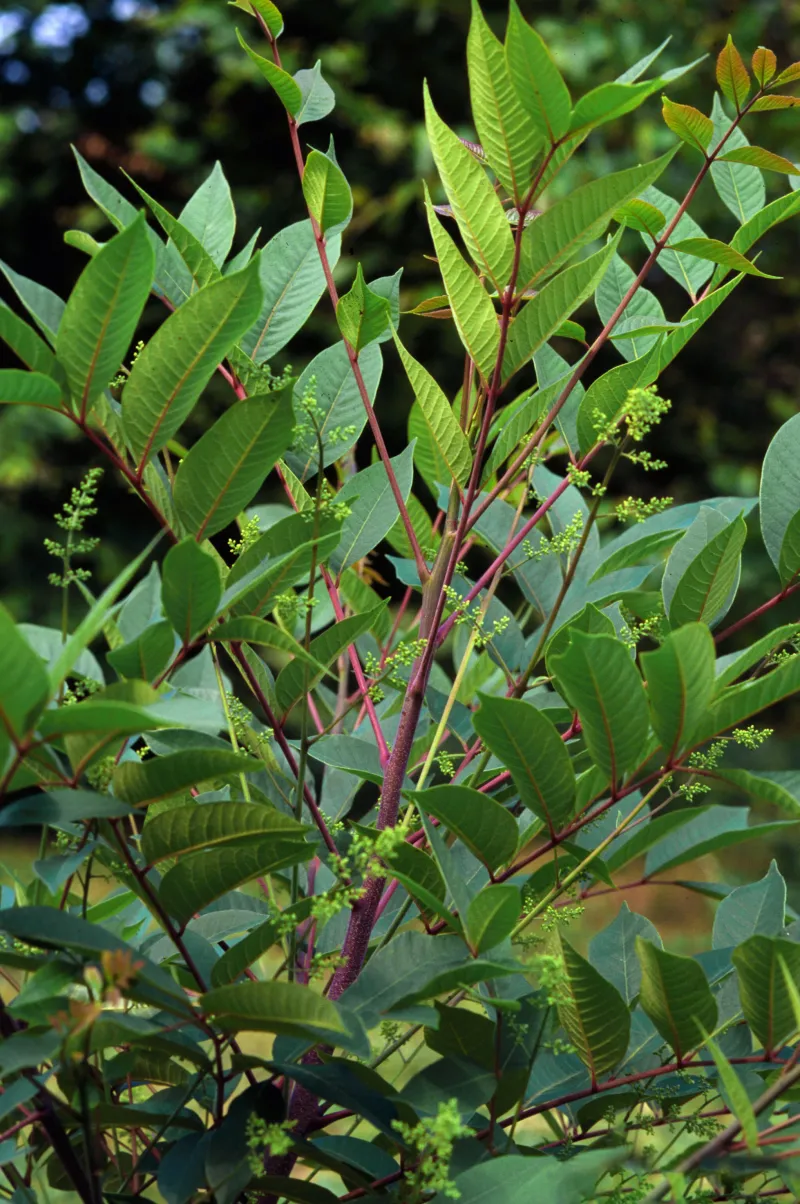
Few people realize Minnesota has poison sumac, because it hides in tamarack swamps and soggy bogs far from busy trails. Botanists consider it uncommon here, found mostly in the eastern counties, but it packs a powerful punch.
Toxicodendron vernix grows as a tall shrub or small tree, sometimes reaching fifteen feet or more in wet ground. Each leaf holds seven to thirteen smooth-edged leaflets, with one leaflet sitting neatly at the tip.
Leaf stalks often glow red, and autumn turns the whole shrub into a blaze of scarlet and orange. Drooping clusters of pale, whitish berries replace the flowers and dangle well into the winter months.
Harmless staghorn and smooth sumac carry upright red cones of fuzzy fruit, which makes telling them apart fairly easy. Toothed leaflets also point to a safe sumac, since poison sumac leaflets have smooth edges.
Like its ivy cousin, poison sumac contains urushiol, and many experts rate its rash as even more intense. Swelling and blisters can show up a day or two after you brush against a branch.
Wear long sleeves and waterproof boots when exploring bogs, and keep to boardwalks whenever they exist. Wash clothing separately after a swampy hike, since the oil can linger on fabric for a surprisingly long time.
Smoke from burning sumac brush carries urushiol into the air, which can harm lungs and eyes badly. Honestly, I treat any shrub with dangling white berries in a wetland as off limits until I check it.
6. Grecian Foxglove
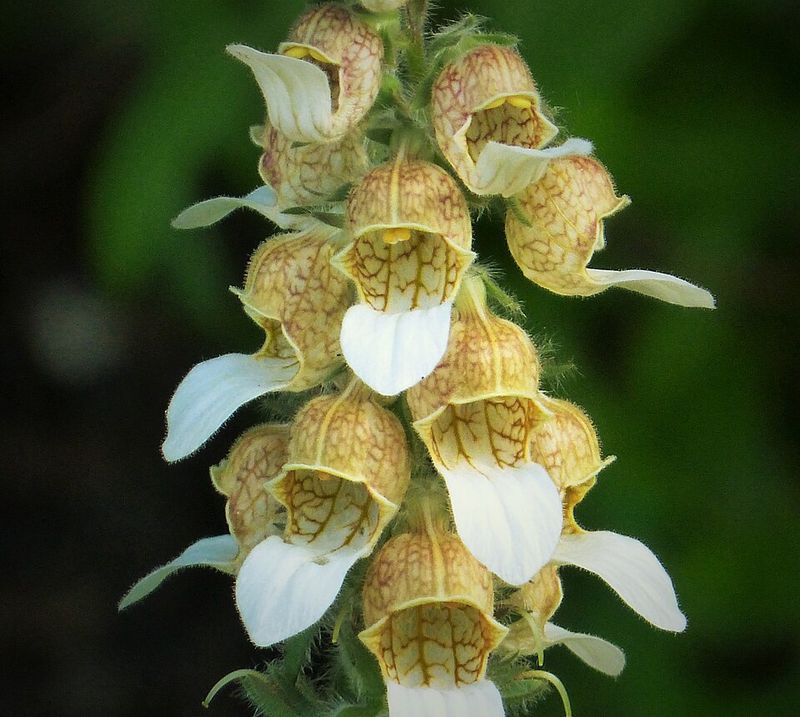
Pretty creamy bells with brown netting inside make Grecian foxglove look like it belongs in a cottage garden. Instead, the European escapee has spread along roadsides and woodland edges, mostly in Washington County.
Digitalis lanata spends its first year as a flat rosette of long, narrow leaves hugging the ground. Next year, a woolly flowering stalk shoots up two to five feet, and blooms appear in summer.
Every part of the plant contains cardiac glycosides, compounds that can disrupt heart rhythm in people and pets. Livestock and children face real danger if they nibble leaves, whether the material is fresh or dried.
Minnesota lists it as a prohibited noxious weed on the eradicate list, the most serious category in state rules. That means landowners must remove every plant, including roots, and nobody can sell or move it.
The Department of Agriculture wants reports of new patches, and staff will often help confirm suspicious plants. Snap clear photos of the rosette and flowers, then use the online reporting tool or contact your county.
Hand pulling carries risk, so cover your arms and wear chemical-resistant gloves before touching even a small plant. Bag every scrap for the trash, since burning releases toxic smoke and composting can spread seeds.
I adore foxgloves in general, but this particular species does not belong anywhere near our wild roadsides. Check garden swaps carefully, because woolly foxglove sometimes hitches a ride with shared perennials from friends.
7. Common Tansy
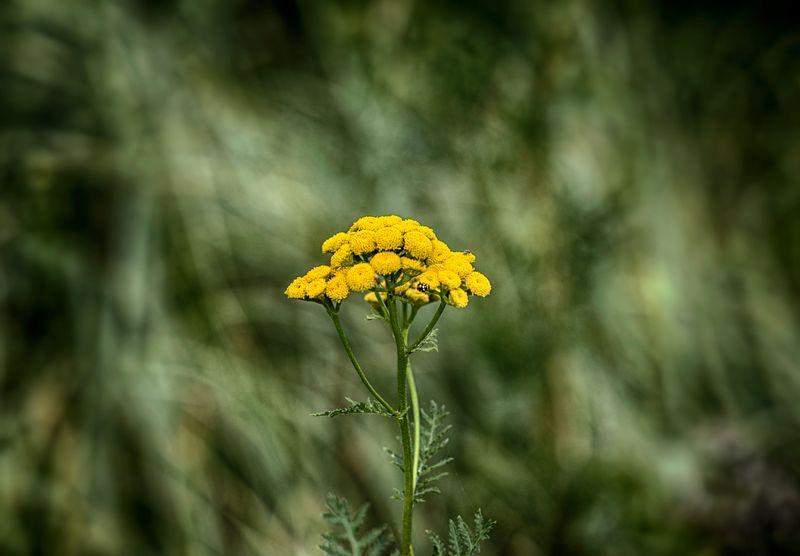
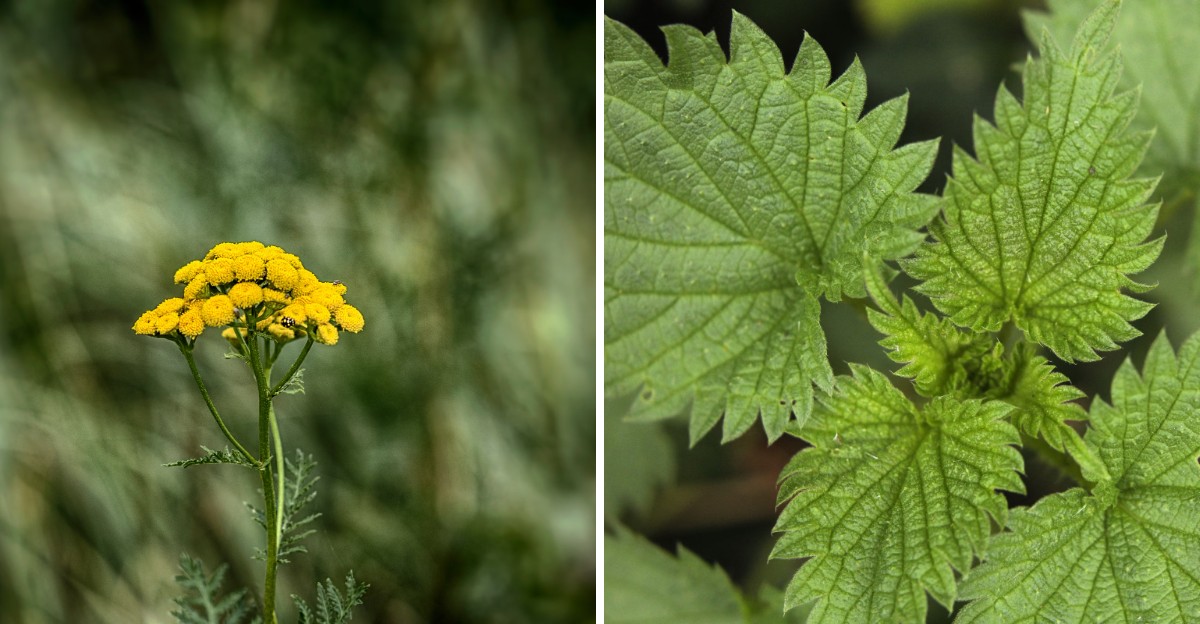
Crush a tansy leaf and your fingers will smell like a sharp blend of camphor and pine for hours. Those cheerful yellow buttons along ditches look charming, yet the plant hides compounds that can sicken people and animals.
Tanacetum vulgare arrived from Europe as a garden herb and folk remedy, then escaped into roadsides and pastures. Plants grow three to five feet tall, with fernlike leaves and sturdy stems that turn reddish at the base.
Flat clusters of button flowers without petals bloom from midsummer into early fall, often lasting until frost. Each button is about a half inch wide, and dozens can crowd together on a single plant.
The foliage contains thujone and other compounds that can cause convulsions if people swallow large amounts. Cattle and horses usually avoid the bitter leaves, though hungry animals in poor pastures may eat them anyway.
Some people also get a rash from handling the plant, so gloves are a smart choice during weeding. Tansy spreads by seed and creeping roots, which lets one clump turn into a thick colony fairly quickly.
Minnesota classifies common tansy as a prohibited noxious weed on the control list, so landowners must prevent spread. Cut flower heads before seeds form, and bag them, since mature seeds can ripen on cut stems.
Digging works for small patches, but leftover root pieces often sprout again, so check the spot next spring. I swapped my old tansy clump for native goldenrod, and the bees did not seem to mind.
8. Stinging Nettle
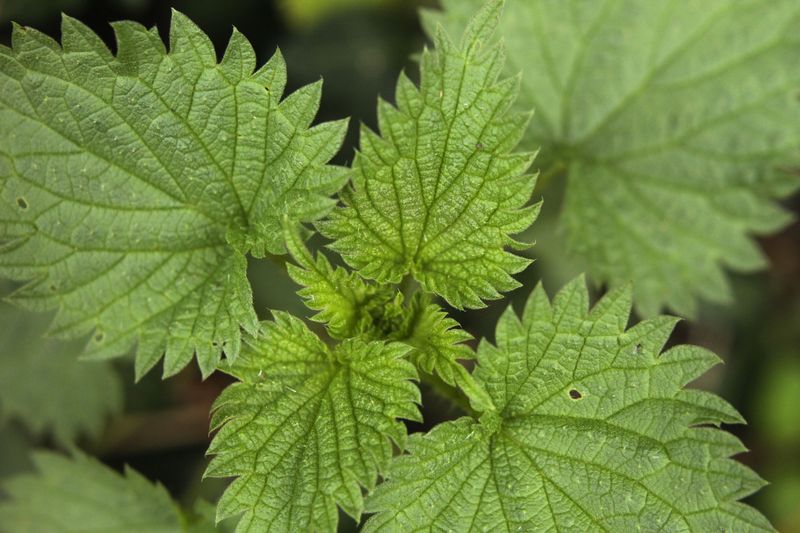
Brush a bare ankle against stinging nettle and you will feel tiny fiery needles for the next hour. Unlike the invaders on this list, though, nettle is a native that rewards careful gardeners with real benefits.
Urtica dioica grows two to six feet tall in moist woods and along shady stream banks. Its square stems carry pairs of toothed, heart-shaped leaves, and every surface bristles with fine stinging hairs.
Each hair works like a tiny glass needle, snapping off and injecting histamine along with other irritating chemicals. The burning usually fades within a few hours, although some folks feel tingling for a full day afterward.
Washing the spot with soap and cool water helps remove leftover hairs, and tape can lift stubborn ones. Resist scratching, since rubbing pushes broken hairs deeper and makes the whole itch feel even worse.
Red admiral butterflies lay eggs on nettle, and their caterpillars fold leaves into cozy little tents for shelter. I leave a patch behind my compost bin for them, far from where my grandkids play.
Young spring shoots lose their sting after cooking, and many foragers enjoy them like spinach in soups. Thick gloves and long sleeves are a must when harvesting, since even tender tops can sting bare hands.
In busy yards, pull or dig nettle while the soil is damp, because the creeping roots slip out more easily. Mowing before plants flower also keeps a patch under control without harsh sprays or heavy effort.