The Best Perennials to Plant in November in North Carolina
Plant roots can keep growing in soil warmer than about forty degrees, even after the leaves look sleepy. That quiet underground work is the secret reason late fall planting pays off so well for patient gardeners.
Soil in North Carolina often stays warm through November, while the air turns crisp and comfortable for digging. Fall rains also tend to show up, so new transplants get steady drinks without you dragging a hose.
I love planting when my hands smell like cold earth and the bees have mostly gone quiet for the year. You get fewer weeds and less heat stress, and your new plants get a full winter to settle in.
Garden centers often discount potted perennials now, which makes this season even sweeter for thrifty bargain lovers.
What do you think: which tough, beautiful plants deserve a spot in North Carolina beds before winter arrives and the ground cools?
1. Purple Coneflower
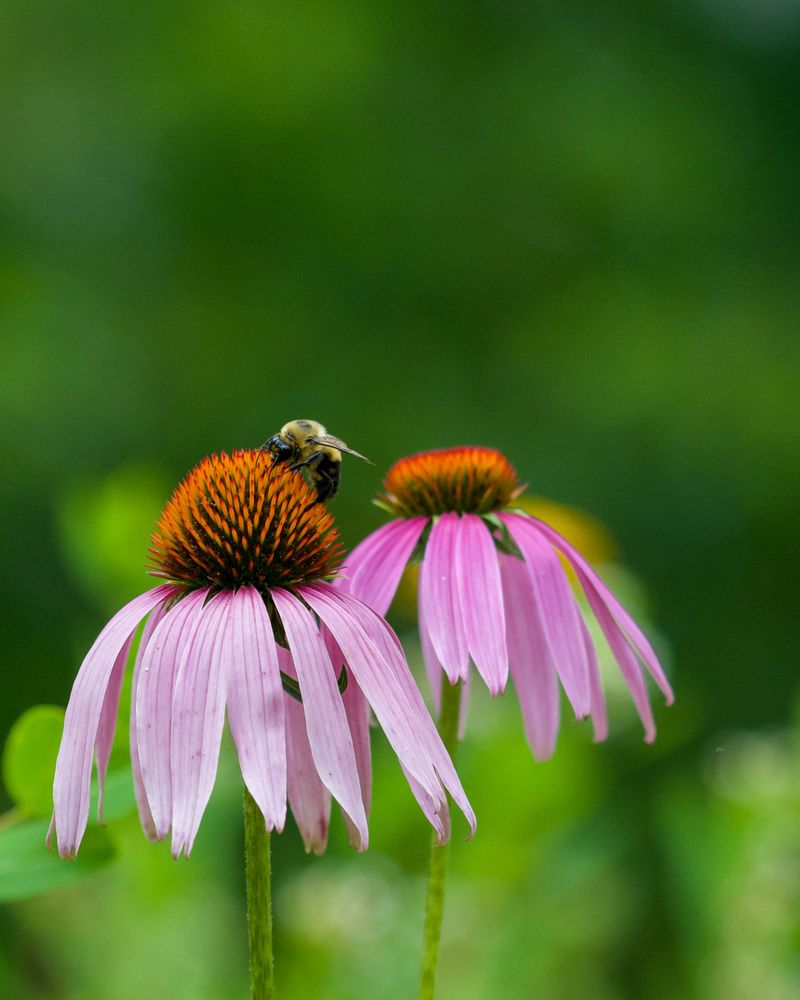
Goldfinches treat a patch of coneflower seed heads like a winter snack bar, and watching them is pure fun. Those spiky cones sit inside drooping pink-purple petals, and the flowers last for weeks during the summer months.
Purple coneflower, or Echinacea purpurea, is a native perennial that grows roughly two to four feet tall. Clumps usually spread about two feet wide, so give each one some elbow room when you set it in.
November planting lets the roots settle into warm soil while the top stays quiet and asks for very little. The plant handles USDA zones 3 through 9, which covers every corner of North Carolina from mountains to coast.
Pick a spot with at least six hours of sun, because shady coneflowers tend to flop and bloom less. Well-drained soil suits it best, though it copes with clay as long as water does not sit around.
Water new plants every week or so if fall rains skip a turn, then ease off once winter arrives. After the first year, coneflowers handle dry spells well and rarely need extra fussing from you or me.
Bees and butterflies crowd the blooms in summer, and I often count several visitors on one flower head. Deer usually leave them alone, although hungry rabbits sometimes nibble the tender spring shoots before they toughen up.
Skip deadheading late in the season so the cones can ripen and feed songbirds through the colder months. Mature clumps can be divided every few years, which gives you free plants to share with gardening friends.
2. Black Eyed Susan
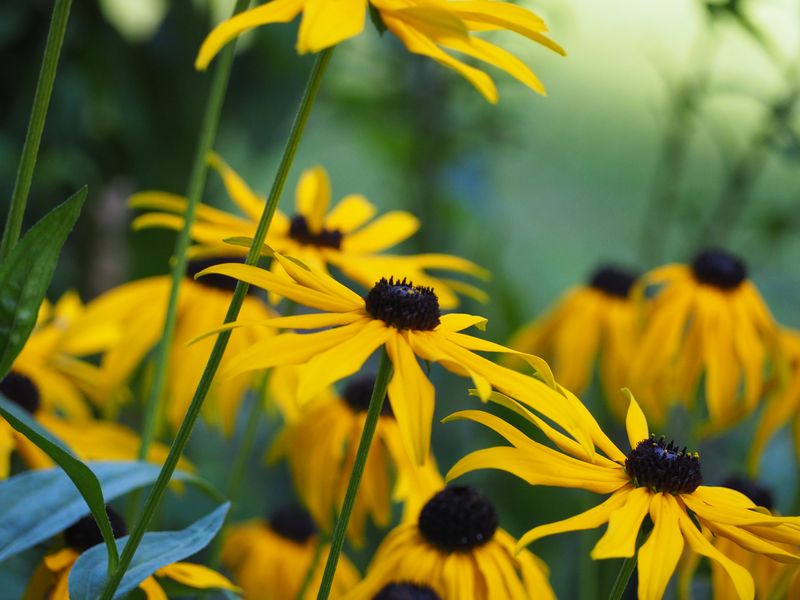
Few flowers say hello quite like a black-eyed Susan, with golden petals circling a dark chocolate button center. My own patch glows from early summer into fall, and it seems to laugh at heat and humidity.
Orange coneflower, or Rudbeckia fulgida, is the long-lived perennial cousin of the shorter-lived roadside species Rudbeckia hirta. Plants usually reach two to three feet tall and slowly spread by underground stems into handsome golden drifts.
Setting them out in November gives the roots months to anchor before summer sun starts testing their toughness. Hardy in USDA zones 3 through 9, they grow happily in nearly every part of the state.
Full sun brings the most flowers, though a little afternoon shade is fine in hot Piedmont and coastal yards. Average, well-drained soil works well, and they handle clay better than many fussier garden perennials can manage.
Space plants about eighteen inches to two feet apart, since they fill gaps faster than you might expect. A light layer of shredded leaves over the root zone helps hold moisture and evens out winter temperatures.
Pollinators love the open, flat flowers, and butterflies can rest comfortably on the wide landing pad of petals. Once the blooms fade, the seed heads offer winter food for birds and look charming dusted with frost.
Deer tend to pass them by, which feels like a small victory in many suburban neighborhoods around here. Divide crowded clumps every three or four years in spring or fall to keep the flowers coming strong.
3. Bee Balm
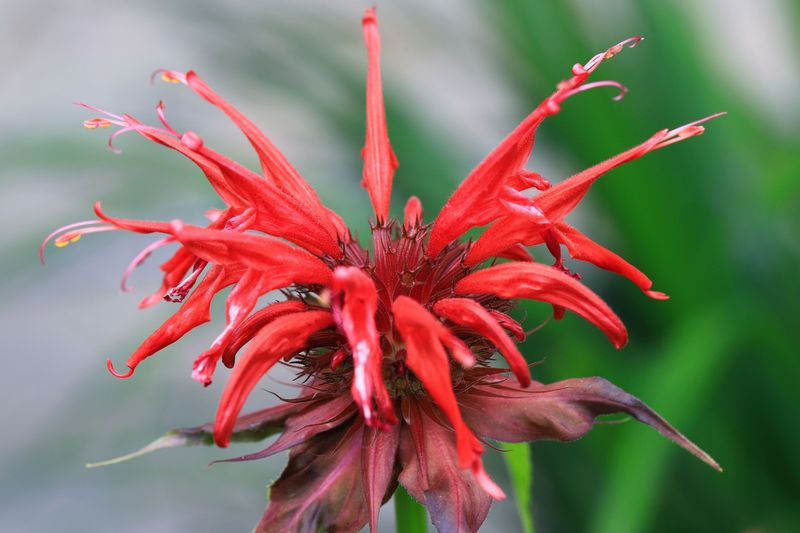
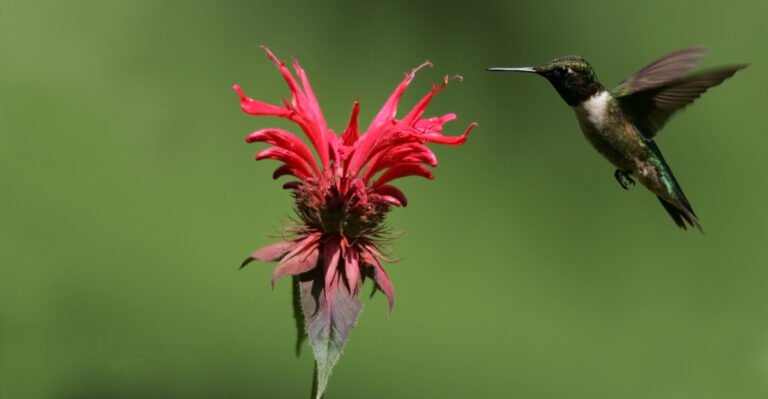
Rub a bee balm leaf between your fingers and you get a burst of minty, citrusy perfume instantly. Many people compare it to bergamot orange, the fruit that flavors Earl Grey tea, though the plants are unrelated.
Scarlet bee balm, Monarda didyma, grows wild in the mountains, while wild bergamot, Monarda fistulosa, carries lavender blooms. Both are native perennials that usually reach two to four feet tall, with shaggy flower heads on square stems.
Hummingbirds adore the red tubular flowers of Monarda didyma, and I have watched them visit one clump repeatedly. Native bees and butterflies join the party too, especially on the lavender wild bergamot during warm summer afternoons.
Planting in November gives the shallow, spreading roots a head start before spring growth kicks into high gear. Both species handle USDA zones 3 through 9, though scarlet bee balm prefers cooler, moister spots in hot regions.
Full sun helps reduce powdery mildew, a gray coating that often appears on crowded or shaded plants in summer. Give each plant about two feet of space so breezes can move freely through the leaves and stems.
Scarlet bee balm likes evenly moist soil, while wild bergamot handles drier ground and leaner conditions much better. Choosing mildew-resistant varieties, like Jacob Cline for red flowers, can save you plenty of summer frustration later.
Leave the spent stems standing through winter, since some native bees nest inside hollow plant stems like these. Bee balm spreads by runners, so dig up extra pieces every few years and share them with neighbors.
4. Aromatic Aster
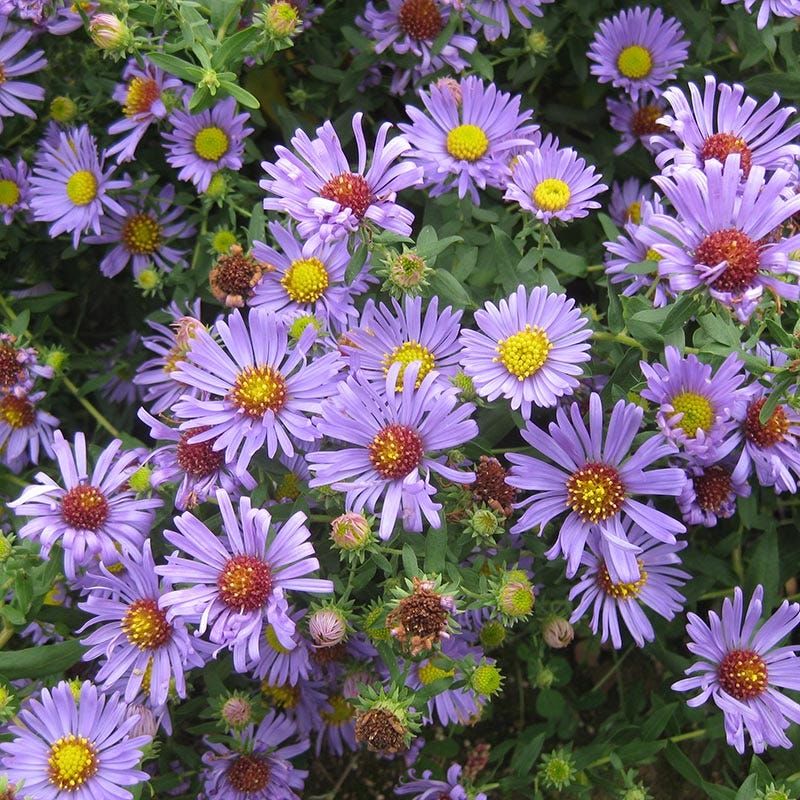
While most gardens fade toward brown, aromatic aster explodes into clouds of violet-blue daisies in mid to late fall. Crush a leaf and you will smell something balsam-like, which explains the friendly common name right away.
Botanists call it Symphyotrichum oblongifolium, and it forms bushy mounds about one to three feet tall and wide. It is native to much of the eastern United States and handles USDA zones 3 through 8.
Planting in November works well with potted plants, though you may still catch a few late blooms hanging on. Trim spent flowers lightly after planting, then let the roots focus on settling in before the coldest weather.
Bright sun is the key to compact plants, since shady asters often grow lanky and lean toward the light. Well-drained soil matters more than richness, and this aster tolerates sandy ground far better than soggy beds.
Late bloomers like this one fuel bumblebees and migrating butterflies when few other nectar sources remain around. In my experience, the flowers hum with insect traffic on sunny fall afternoons until frost finally arrives.
Deer and rabbits usually ignore aromatic aster, which makes it a smart choice for exposed borders and slopes. Many gardeners use it as a longer-lasting, native replacement for potted fall mums that get tossed each year.
To keep plants tidy, cut stems back by about half in early summer before flower buds begin forming. That simple pinch creates sturdier, denser mounds that hold up better against fall wind and heavy rain showers.
5. Coral Bells
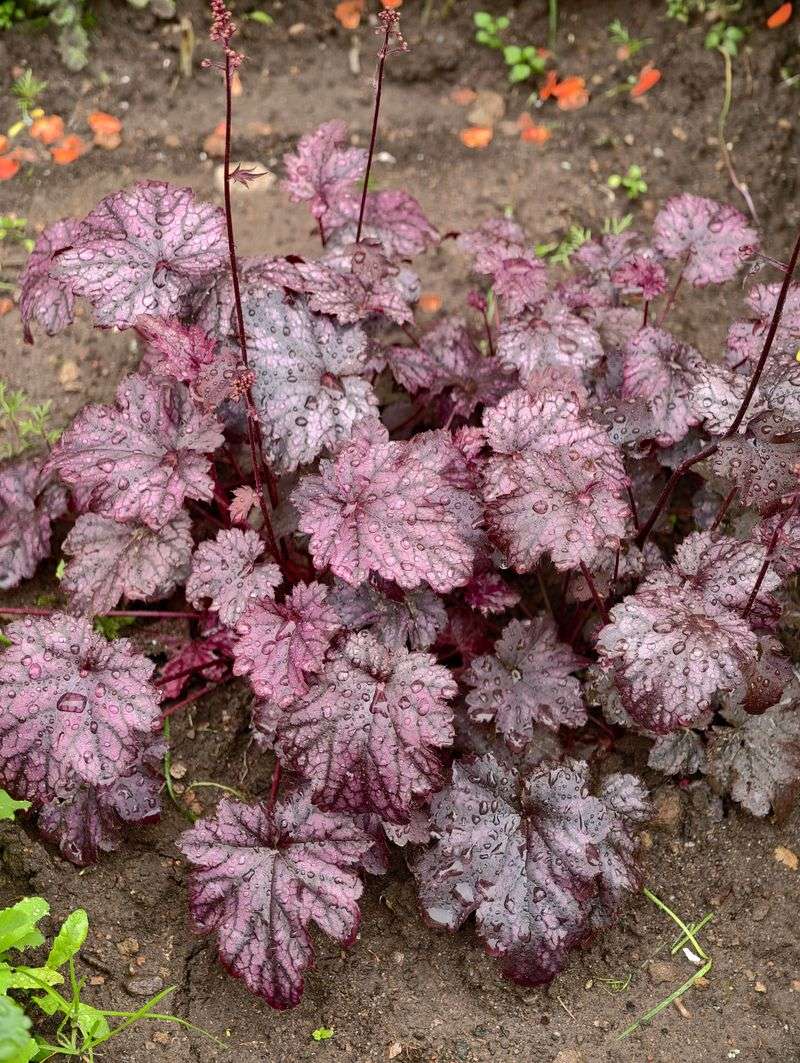
Coral bells are the paint chips of the plant world, with leaves in lime, caramel, burgundy, and near-black purple. I like tucking them along shady paths, where their colorful foliage glows even on gray winter days.
The genus Heuchera includes Heuchera americana, a native species found growing wild on rocky slopes across the eastern states. Most plants form neat mounds six to eighteen inches tall, with airy flower spikes rising higher in late spring.
Planting now is smart because the shallow roots can settle before summer heat, which often stresses coral bells here. Set the crown level with the soil surface, since buried crowns tend to rot in wet winter weather.
Freezing and thawing can push young plants up, so check them after cold snaps and press them back down. A thin layer of mulch around, not on top of, the crown helps reduce that heaving problem nicely.
Morning sun with afternoon shade suits most varieties, especially in the warm Piedmont and the steamy coastal plain. Well-drained soil rich in organic matter is ideal, because soggy ground is the main reason these plants struggle.
Varieties bred from Heuchera villosa, another southeastern native, tend to handle hot, humid summers better than many others. Caramel and Autumn Bride are two popular choices that gardeners in warm regions often praise for their toughness.
The tiny bell-shaped flowers attract hummingbirds, adding a little sparkle to your shade garden in late spring. Divide older clumps every three or four years when the centers get woody and the plants look leggy.
6. Lenten Rose Hellebores
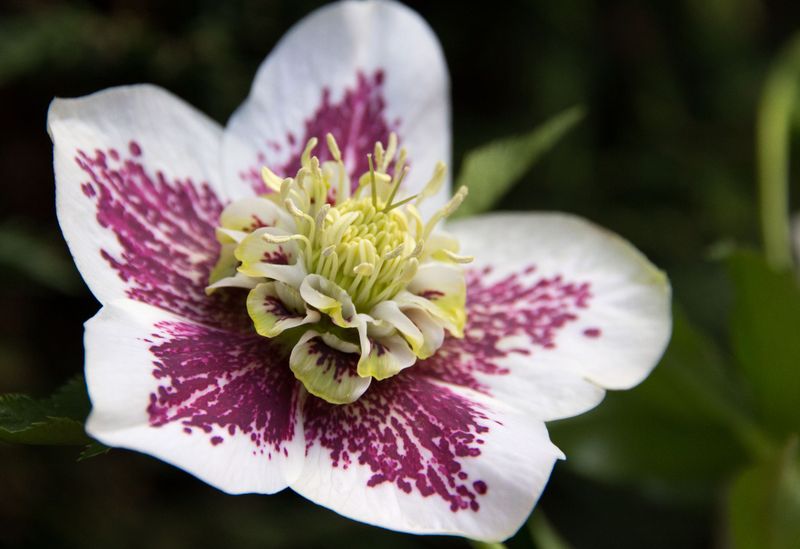
Lenten roses open their nodding, cup-shaped flowers in late winter, often while frost still sparkles on the lawn. I find few garden sights more cheerful than those blooms in February, when everything else seems asleep.
Most garden plants sold as Lenten rose are hybrids called Helleborus x hybridus, linked closely to Helleborus orientalis. They grow into evergreen clumps about one to one and a half feet tall, with leathery, deeply divided leaves.
Planting in November gives roots time to settle in before the plants start budding during the late winter months. Hardy in USDA zones 4 through 9, hellebores grow well from the mountains to the coast in North Carolina.
Shade is their happy place, especially under deciduous trees that let winter sun through and block hot summer rays. Rich, well-drained soil with plenty of compost suits them, and they handle slightly alkaline ground quite well.
Deer and rabbits mostly avoid hellebores, partly because all parts of the plant are toxic if anyone eats them. Wear gloves when handling them, since the sap can irritate sensitive skin, and keep curious pets away too.
Trim off the old, tattered leaves in late winter so the fresh flowers and new growth can shine. That quick cleanup also removes leaves with black spots, which helps keep leaf diseases from spreading to new foliage.
Hellebores are slow to establish, so do not worry if the first year brings only a few blooms. Given patience, a single clump can thrive for many years and even drop seedlings that grow into bonus plants.
7. Butterfly Weed
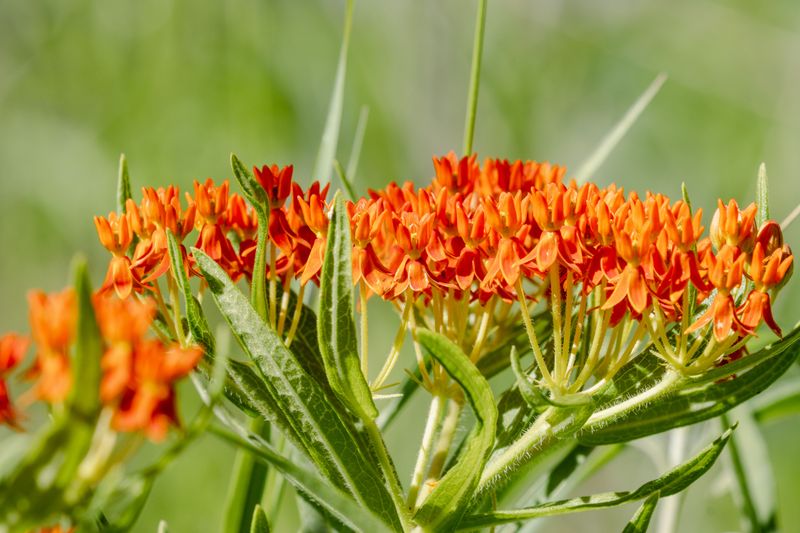
Butterfly weed glows like a traffic cone in summer, with flat clusters of bright orange flowers that butterflies mob. Despite the name, it is a tidy, well-behaved native milkweed, not a weedy thug that takes over your beds.
Asclepias tuberosa grows about one to two and a half feet tall and handles USDA zones 3 through 9. Unlike many milkweeds, its sap is clear rather than milky, and its leaves sit alternately along hairy stems.
Monarch caterpillars feed only on milkweeds, and butterfly weed is one of the best choices for home gardens. It may host fewer caterpillars than common or swamp milkweed, but its nectar draws many bees and butterflies.
Plant potted specimens in November, and handle the root ball gently because the deep taproot dislikes being disturbed. Pick the permanent spot carefully, since moving an established plant later on often leads to rather disappointing results.
Full sun and well-drained soil keep butterfly weed happy, and sandy ground in the Sandhills suits it nicely. Heavy, soggy clay is its main problem, so build a slight mound or choose a sloped spot if needed.
Mark the planting spot with a stake or label, because butterfly weed wakes up late each spring. Many gardeners assume it disappeared, then find fresh shoots poking up in May once the soil warms up.
Once established, it handles drought beautifully and deer usually leave it alone, making life easy for busy gardeners. Let some seed pods split in fall, and the silky seeds will float away like tiny parachutes on the breeze.