8 Things to Do if You Spot a Turtle in Your North Carolina Yard
The slow visitor crunching through your mulch could easily be older than your house, and possibly older than you. Some of these armored wanderers live well past fifty years, and a few reportedly reach a full century.
North Carolina even picked one as its official state reptile back in 1979, which still makes me grin. Most of them spend their whole lives roaming a home patch of only about two acres or less.
In my garden, every sighting feels like a tiny gift, though my first instinct used to be wrong. I wanted to scoop them up and carry them somewhere safer, which turns out to be a common mistake.
So what should you actually do when one of these shelled travelers shows up beside your tomato beds? The answers surprised me, and a few might change how you treat every visitor across North Carolina yards.
1. Give That Eastern Box Turtle Some Quiet Space
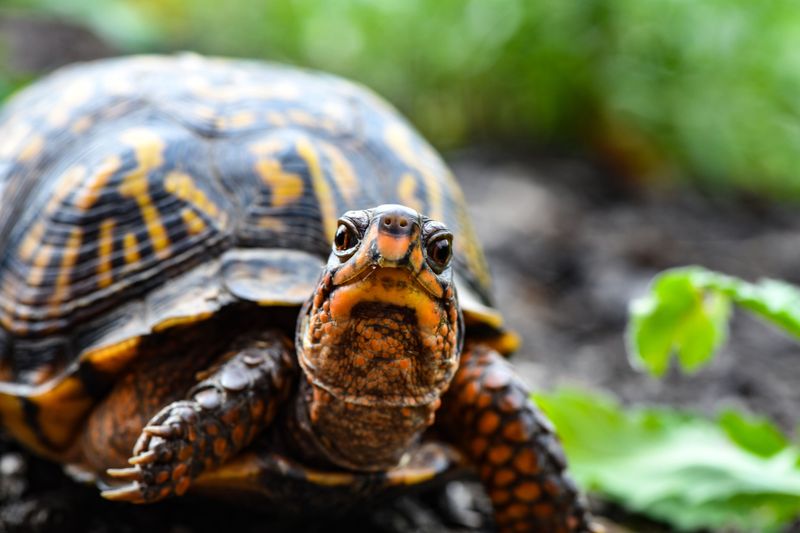
Last summer a box turtle parked itself under my squash leaves, blinking slowly like it owned the whole bed. Honestly, it probably did, since these reptiles know every shady corner of their small home range by heart.
Your best move with a healthy turtle is usually the easiest one, which means simply stepping back and watching. Eastern box turtles roam yards looking for worms, berries, mushrooms, and slugs, so they are often busy working.
If you hover too closely, the turtle will likely snap its hinged shell shut and wait you out. That clever hinge lets a box turtle seal itself inside, which is an impressive trick to see once.
Snapping turtles that wander up from a pond deserve even more room, because their bite can be painful. Wildlife experts note that most snappers move along on their own within a few hours if left alone.
I like to grab a cup of coffee and watch from the porch, keeping pets and kids at a distance. Dogs in particular can injure turtles, so a leash or a closed door helps the visitor stay safe.
Around this time of year, activity slows as cooler weather settles in and turtles prepare for winter rest. A late-season sighting might be a turtle searching for leaf litter or loose soil where it can burrow down.
Leave those leaf piles in a quiet corner rather than bagging every last one for the curb this month. Your lazy fall cleanup could become a cozy winter shelter for a shelled neighbor who returns each spring.
2. Help a Turtle Cross the Road in Its Direction
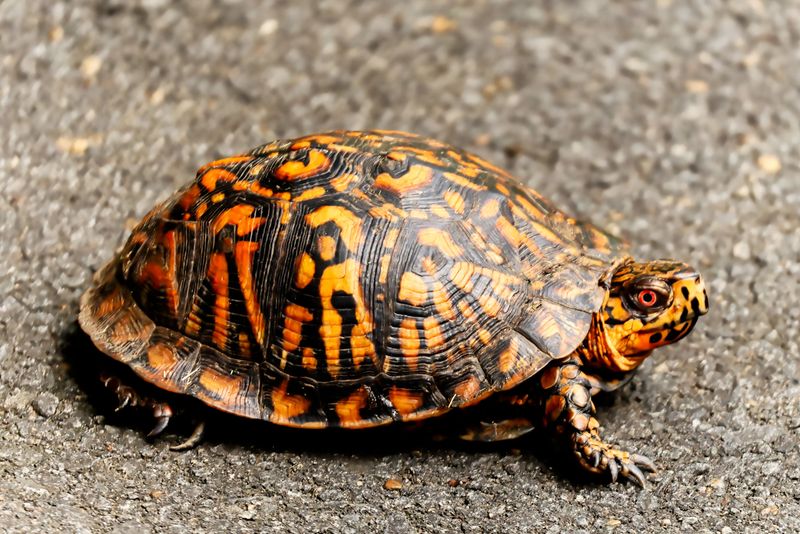
Turtles have a stubborn sense of direction, and that stubbornness is exactly why you should respect their chosen path. Carry one backward to where it started, and chances are good it will march right back onto the pavement.
Safety comes first, so only stop when you can pull over well off the road and watch traffic carefully. Turn on your hazard lights and remember that no turtle rescue is worth risking a serious car accident.
For a box turtle, gently hold the shell on both sides, somewhere near the middle of its body. Keep it low to the ground while you walk, since a startled turtle may kick or wriggle a bit.
Please skip the tail grab, because lifting any turtle by its tail can seriously injure its spine and tail. That old habit still pops up at roadsides, and wildlife agencies warn against it every single nesting season.
Snapping turtles need a smarter plan, since their long necks can reach surprisingly far toward your hands. Some folks slide a car floor mat under the snapper and drag it gently across the road.
Another option involves holding the very back edge of the upper shell, well away from that hooked mouth. I keep an old mat in my trunk for this reason, and it has helped a few grumpy travelers.
Once across, set the turtle down several feet off the road shoulder, facing the way it was heading. Then walk away and let it finish the trip, feeling pretty proud of your small roadside good deed.
3. Keep Box Turtles in Their Home Territory
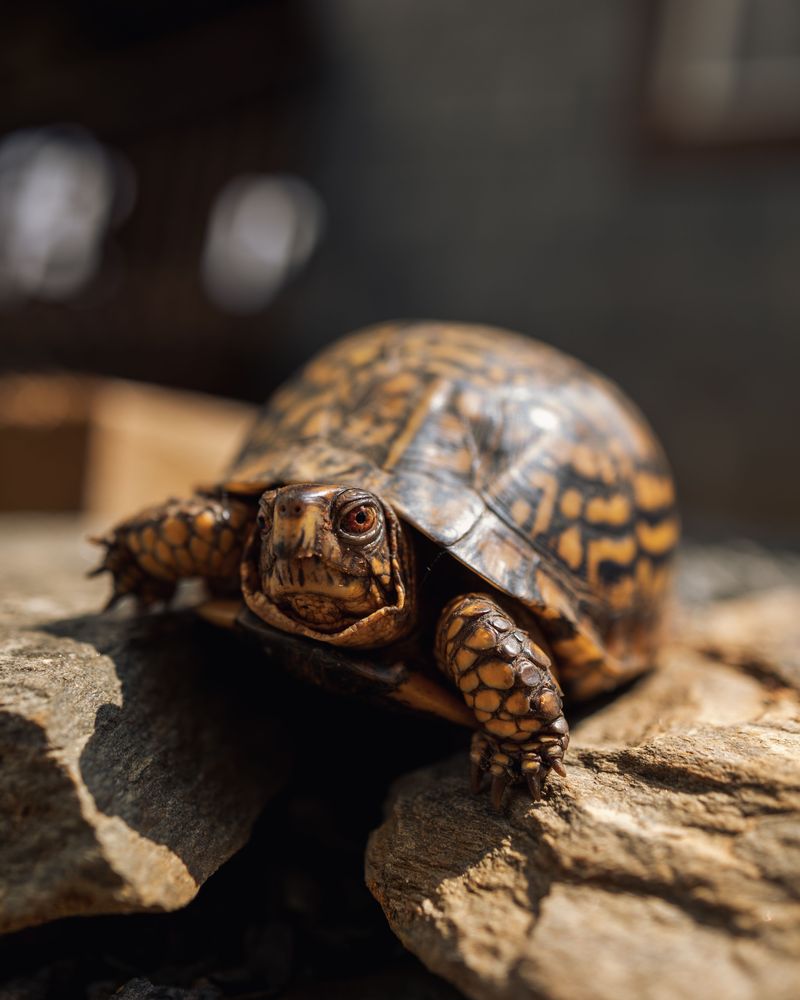
A box turtle carries a mental map of its neighborhood, and that map may cover only a few acres. It knows where the juiciest mushrooms pop up and where to tuck itself away for the long winter.
Moving it to a nicer park across town might feel kind, but the turtle usually sees things very differently. Relocated turtles often wander for weeks, searching for familiar ground that simply is not there anymore.
Research on eastern box turtles shows they have strong homing instincts and tend to stay loyal to their range. Even a short move outside its home range can leave one stressed and confused in unfamiliar surroundings.
Those lost turtles cross more roads and struggle to find safe winter shelter before cold weather arrives. I learned this lesson after relocating one years ago, and I still wonder how that little fellow fared.
Now I leave every healthy turtle exactly where I find it, even if it chooses my strawberry patch. Sharing a few berries seems like a fair trade for having such a charming creature stroll through my rows.
If you must move one out of immediate danger, like a mower path, keep the distance as short as possible. Set it down in nearby cover, ideally in the same direction it was traveling when you found it.
Mowing season brings real risks, so a quick walk around the lawn before you start can spare a turtle. Tall grass hides them well, and a raised mower deck gives any unseen shell a better chance of escaping.
4. Guard a Turtle Nest Dug in Sunny Soil
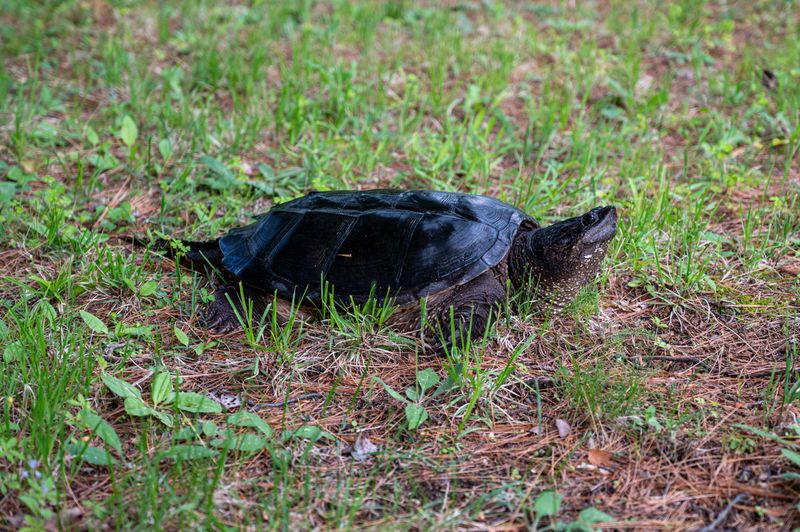
Nothing stops me in my tracks faster than a mother turtle quietly digging with her back feet in loose soil. She chooses sunny ground on purpose, because warmth from the sun helps her eggs develop underground over the summer.
Common snapping turtles and eastern box turtles both nest on land, often in yards, garden beds, or gravel driveways. Nesting mostly happens in late spring and early summer, so a late fall sighting likely means something else.
Give a nesting female plenty of room, since she may abandon the effort if she feels watched or crowded. Keep your pets indoors and let her finish the slow work of covering the nest by herself.
Raccoons and skunks love digging up turtle eggs, and they can find a fresh nest within hours. A square of chicken wire staked loosely over the spot can help discourage those hungry nighttime visitors.
Check the wire every day, and remove it as hatching time approaches so the little ones can wiggle free. Hatchlings often appear about two to three months after laying, depending on soil temperature and weather.
Sea turtle nests are a different story and belong to beaches rather than backyard flower beds or lawns. Those species are protected by federal and state law, so report any beach nest to local authorities instead.
Some hatchlings in our region may even stay underground through winter and emerge the following spring. That surprising habit is one more reason to mark a known nest and leave the soil undisturbed until warm weather.
5. Set Out a Shallow Water Dish for Thirsty Turtles
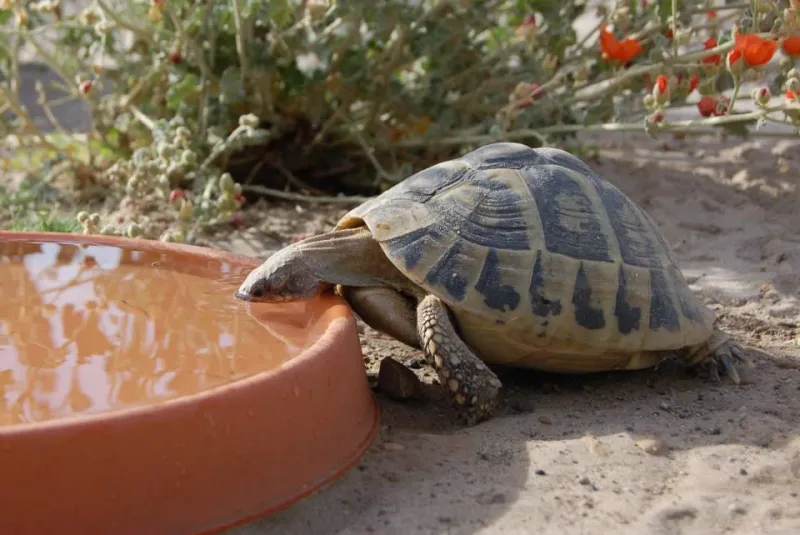
Box turtles love a good soak, and I once caught one sitting in a puddle like a tiny spa guest. During dry spells, these land dwellers go looking for shallow water to drink and stay properly hydrated.
A simple plant saucer or a shallow pan sunk into the ground works beautifully for thirsty yard visitors. Keep the water only a couple of inches deep, since box turtles are poor swimmers despite their pond relatives.
Add a few flat rocks or a sloped edge so a turtle can climb in and out without trouble. Steep, slick sides can trap small animals, and nobody wants a backyard water dish to become a hazard.
Freshen the water every day or two, because warm standing water grows bacteria and attracts mosquito larvae fast. A quick scrub with plain water keeps things clean without leaving soap or chemical residue behind for wildlife.
Place the dish near some shade, like under shrubs or beside a brush pile, where turtles already feel secure. Open sunny spots heat the water quickly, while a shady location stays cooler during long summer afternoons.
Skip the urge to feed turtles, since leftover scraps can attract raccoons and upset their natural diet. Native plants like wild strawberries and mayapples offer snacks that box turtles find on their own just fine.
As temperatures drop this time of year, turtles visit water dishes less often while preparing to burrow for winter. Keep the dish clean anyway, because songbirds and other wildlife will happily use it through the cooler months.
6. Call a Rehabilitator for a Turtle With a Cracked Shell
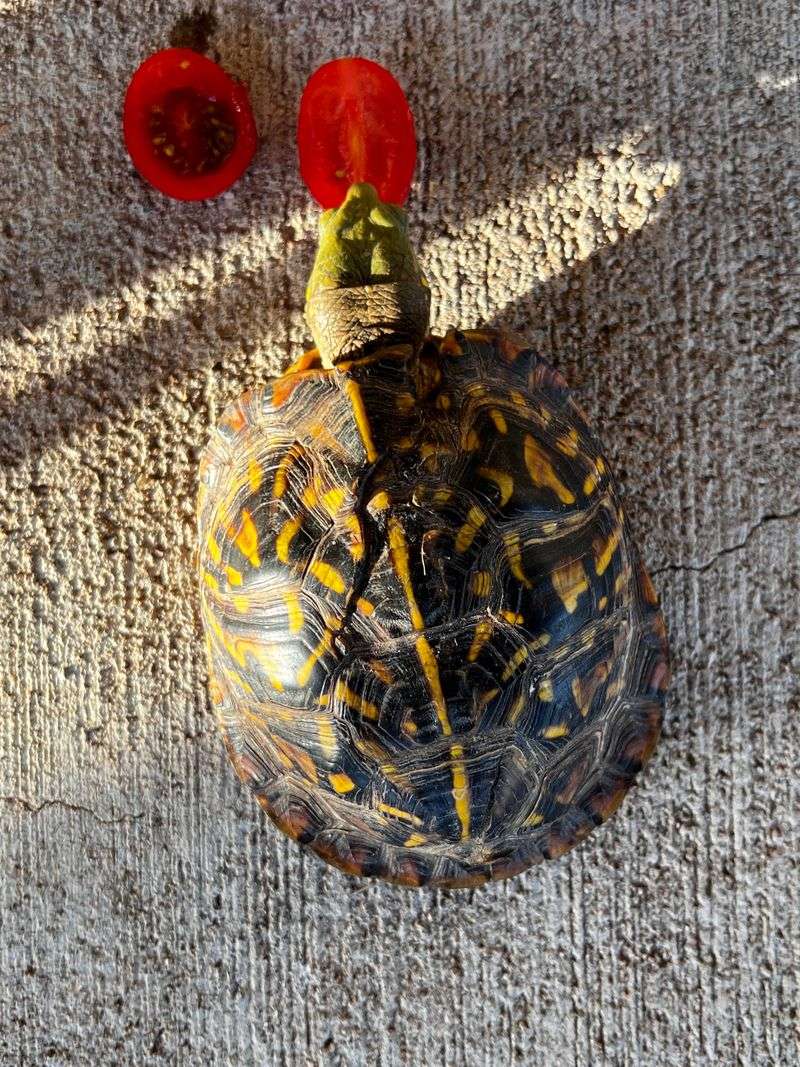
A cracked shell looks scary, but turtles are tougher than they appear and often heal with proper care. Many recover after car strikes or mower accidents when people act quickly and call the right experts.
Watch for warning signs like bleeding, broken shell pieces, swollen eyes, or bubbly mucus around the nose. Large lumps, limping, or an unusually sluggish turtle in warm weather also suggest it needs professional help soon.
Gently place the injured turtle in a sturdy cardboard box lined with a soft, clean towel. Poke a few air holes and keep the box in a quiet, dim room far away from curious pets.
Resist the urge to put an injured turtle in water, even though it might seem like a soothing idea. Shell fractures can expose the lungs, and water entering those cracks may cause the turtle to drown quickly.
Skip food and water too, since a hurt animal is under stress and needs expert attention more than snacks. Write down exactly where you found it, because rehabilitators try to release recovered turtles back into their home range.
North Carolina has excellent help, including the Turtle Rescue Team at the NC State College of Veterinary Medicine. Turtle Rescue of North Carolina is another option, and both groups can guide you over the phone.
I keep a local rehabber number saved in my phone, right beside my favorite plant nursery contact. That small step means I can act fast instead of scrolling frantically while a hurt turtle waits in a box.
7. Tell a Box Turtle From a Snapping Turtle
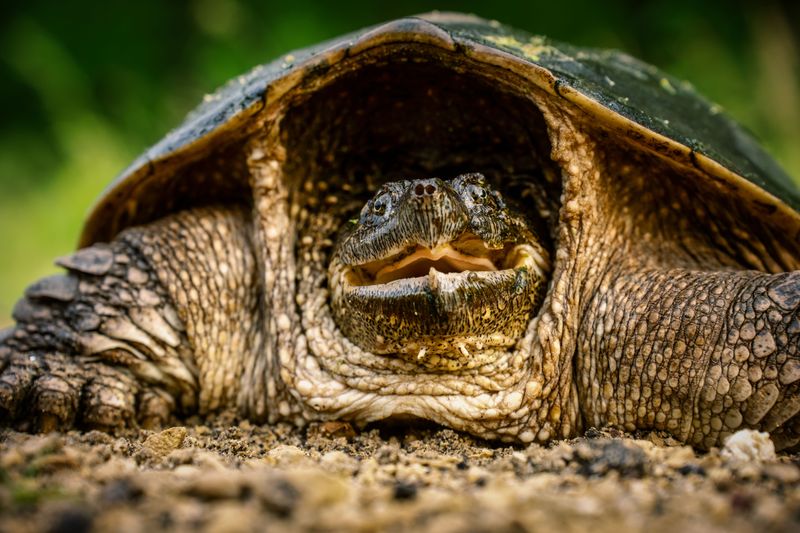
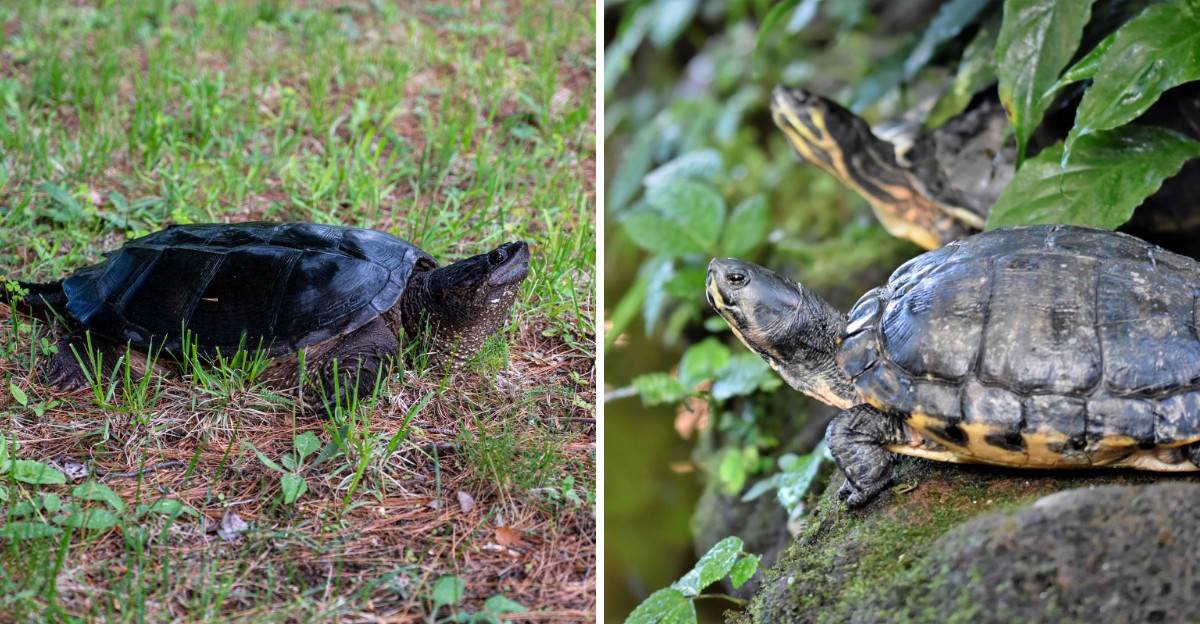
Knowing who just strolled across your lawn changes everything, because a box turtle and a snapper need different handling. One is a mild garden wanderer, while the other carries a powerful bite and a seriously short temper.
Eastern box turtles have high, domed shells marked with yellow or orange patterns on a brown background. Their lower shell has a hinge, letting them close up tight like a living treasure box.
Males often have red eyes, while females usually show brown or yellowish eyes, which makes a fun backyard clue. These turtles spend most of their lives on land, so deep water poses a real risk to them.
Common snapping turtles look rugged, with long tails, rough shells, and heads that seem far too big. They are the largest freshwater turtles in the state and usually live in ponds, creeks, and marshy areas.
A snapper’s small lower shell means it cannot pull inside for protection, so it defends itself by biting. That long neck can stretch surprisingly far, often reaching back toward hands that grab the shell’s sides.
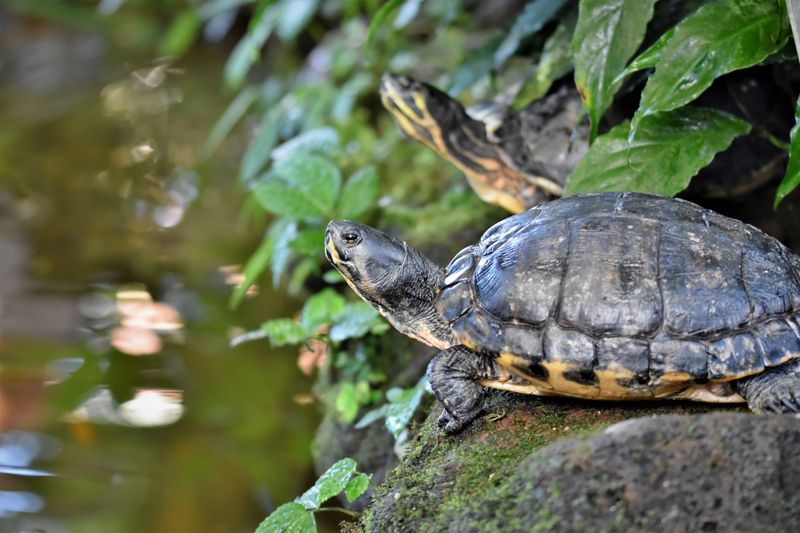
You might also meet sliders or painted turtles wandering from nearby water, especially after heavy spring rains. Free tools like the Herps of NC website offer helpful photos for matching your visitor to its species.
I keep that site bookmarked and love comparing shell patterns whenever a new reptile shows up near my garden. A quick identification takes only a minute and helps you choose the safest response for both of you.
8. Learn the Rules Before Keeping a Wild Turtle
That adorable box turtle munching your fallen tomatoes might tempt you to build it a backyard pen. Before you do, it helps to know that wildlife laws and turtle biology both argue against keeping it.
In North Carolina, taking or possessing endangered, threatened, or special concern turtle species is against the law. Bog turtles are federally threatened, and some others carry special protections that many homeowners simply do not realize.
For common reptiles, state rules require a wildlife collection license to possess five or more at once. Regulations can change, so checking with the state Wildlife Resources Commission before keeping any wild animal is smart.
Eastern box turtles face declining numbers, and every adult removed from the wild matters for future generations. Females may not lay eggs until they are around ten years old, so populations bounce back very slowly.
Wild turtles also struggle in captivity, since their diet, temperature, and space needs are surprisingly complex. Many kept turtles develop health problems, and releasing them later can spread disease to wild populations nearby.
If you love having turtles around, make your yard welcoming instead of bringing one inside your house. Native shrubs and fewer pesticides create a habitat that box turtles happily return to year after year.
I count my resident turtles as unpaid garden helpers, since they happily snack on slugs among my hostas. Letting them stay wild feels like the best kind of partnership between a gardener and a patient neighbor.