The Native North Carolina Grass That Turns Your Yard Pink Before October
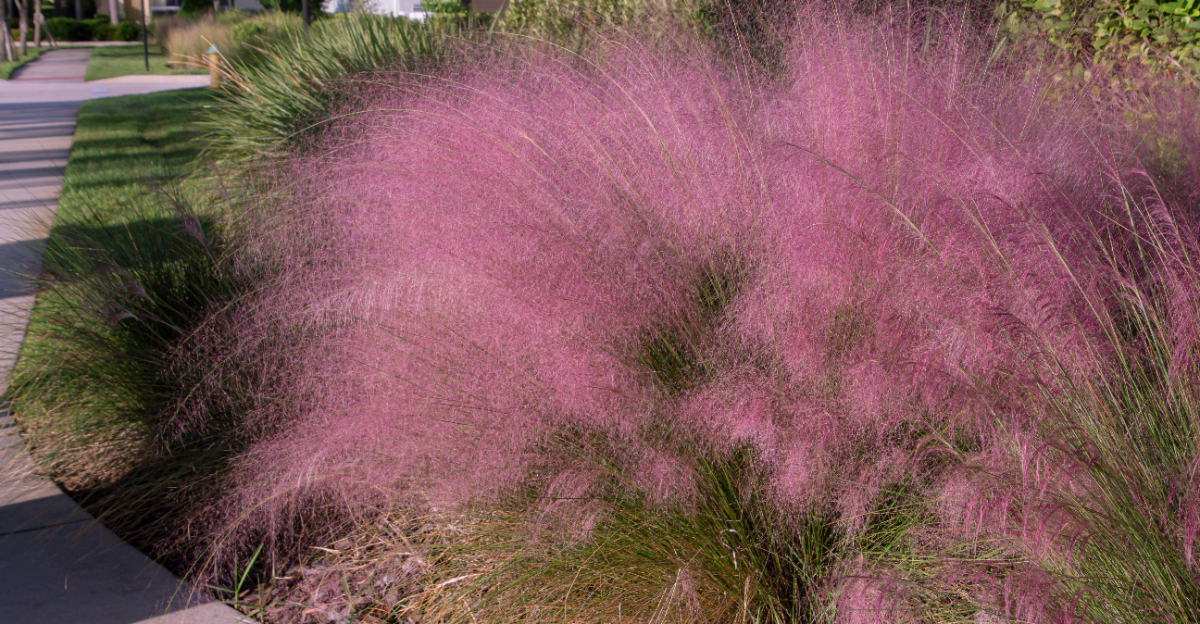
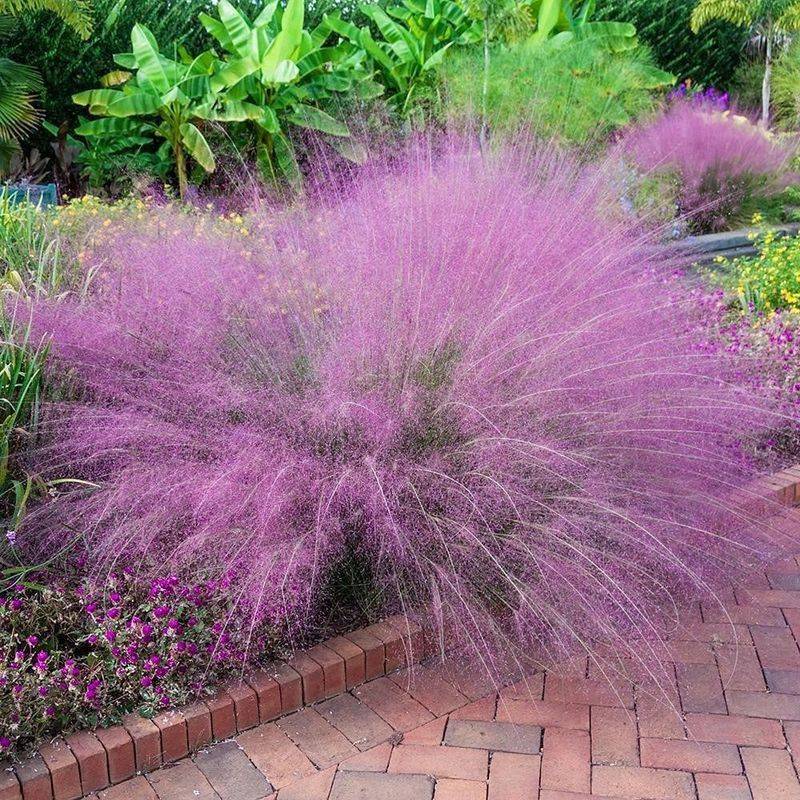
Pink muhly grass creates a stunning, cloud like display of pink blooms that transforms North Carolina yards each fall before October fully arrives.
This native ornamental grass produces delicate, feathery flower plumes that catch afternoon light beautifully, creating a soft, glowing effect across the yard.
Unlike many flowering plants that require consistent attention, pink muhly grass thrives in poor, sandy soil with minimal watering once properly established.
Its drought tolerance makes it an excellent choice for challenging, sun exposed areas where other ornamental grasses often struggle to perform well.
This grass also provides valuable habitat and seed for birds throughout the fall and winter months. Planting it in mass creates the most dramatic visual impact, though even a few clumps add noticeable seasonal color.
Cutting back old growth in late winter keeps the grass looking fresh for the following year’s bloom cycle. Choosing pink muhly grass brings a genuinely unique, low maintenance display that few other plants can match this time of year.
1. Pink Muhly Steals The Show
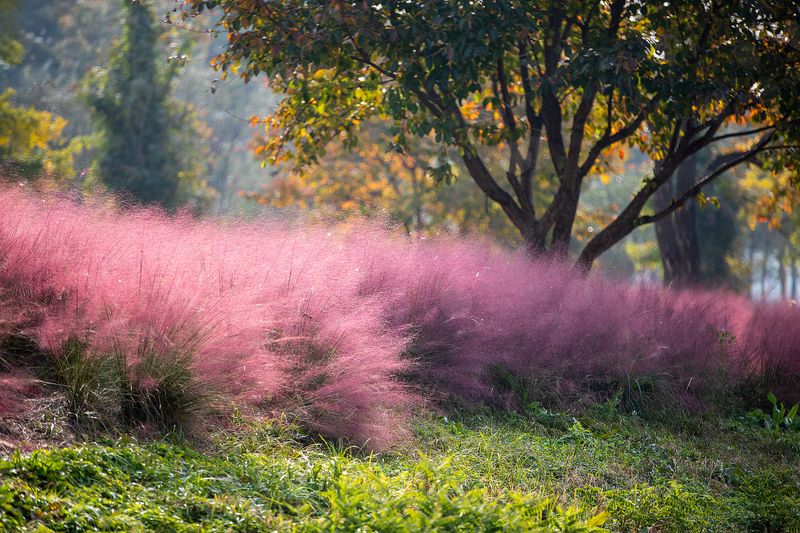
Few plants can turn a plain yard into a work of art quite like pink muhly grass. Native to North Carolina and much of the southeastern United States, it spends spring and summer looking like ordinary green grass.
Then autumn arrives, and everything changes.
Thin flower stems rise above the leaves and open into airy pink clouds that seem to float in the air. When the light hits them just right, especially in the early morning or late afternoon, the whole plant glows like cotton candy.
People often stop and stare because they cannot believe a grass can look this beautiful.
What makes it even better is how easy it is to grow. Since it belongs here naturally, it already knows how to handle the local weather, soil, and seasons. You do not need special tricks or fancy tools to enjoy the display.
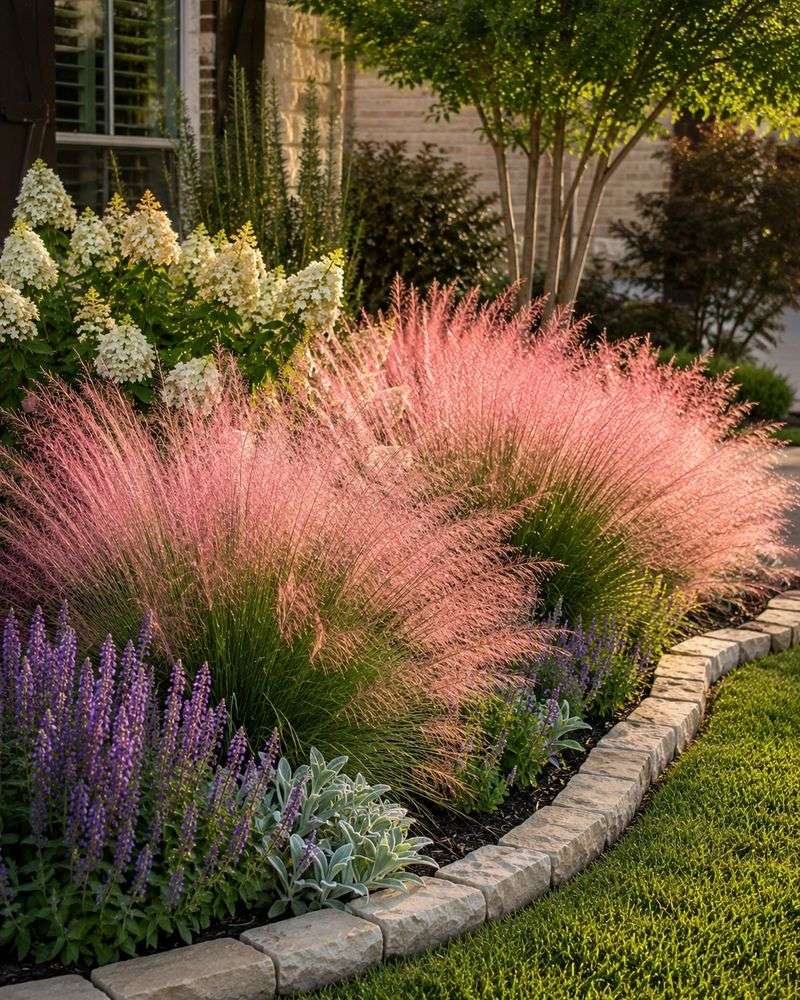
Gardeners love using it along fences, driveways, and garden borders where the pink haze can really shine. A single row can soften a hard edge and add a splash of color that feels almost dreamy.
Because it is a true native, planting it also supports local pollinators and small birds that use the seeds and stems. You get a plant that looks stunning and helps nature at the same time.
That combination is hard to beat, which is why pink muhly keeps winning fans across the state.
2. The Pink Starts In September
Timing is one of the best surprises with pink muhly grass. While most gardens start slowing down in fall, this plant is just getting ready for its big moment.
The airy pink flowers often begin showing up in September, sometimes even before October arrives.
That early start means you get color during a time when many flowers have already finished blooming. The soft pink haze can hang around for weeks, stretching all the way into November in warmer parts of North Carolina.
Because the show lasts so long, you have plenty of chances to enjoy it. Morning walks, afternoon coffee on the porch, or evening light all give the grass a slightly different look as the sun moves across the sky.
Your North Carolina Garden Changes Every Week. Your Plan Should Too.
Gardening in North Carolina changes quickly throughout the season. Every Friday you’ll receive a simple weekly plan showing exactly what to plant, prune, fertilize, harvest, and protect so you never miss the right timing.
The blooms start as tiny buds along the flower stems, then slowly open into that famous fluffy cloud. Watching the change happen over a few days is part of the fun, almost like a slow surprise unfolding in your yard.
If you want to catch the peak, keep an eye on your plants around late September. That is usually when the color reaches its brightest and fullest point.
Planting a few nearby means you can extend the display even further, since plants may open at slightly different times. With a little patience, you get a long stretch of pink beauty that carries your garden gracefully from summer into the cooler weeks of fall.
3. Full Sun Brings More Color
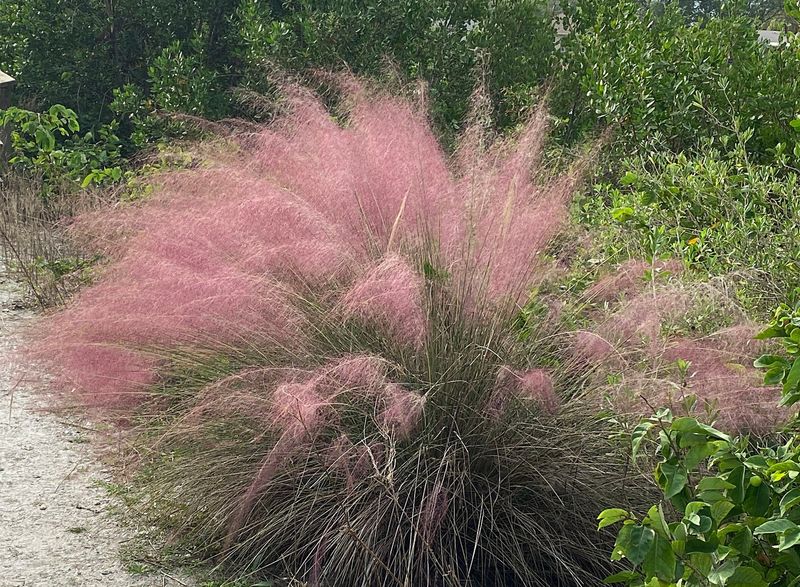
Sunlight is the secret ingredient behind the brightest pink muhly displays. The more direct sun this grass gets, the more flowers it makes, and the richer the color becomes. Aim for at least six hours of full sun each day for the best results.
Plants stuck in shady corners still grow, but they tend to look thin and floppy. Their flower show is often weak, with fewer plumes and duller color. Sun-starved muhly simply cannot put on the same dazzling performance.
When you pick a planting spot, look for open areas that stay bright most of the day. Along a sunny sidewalk, in the middle of a lawn, or next to a south-facing wall all make great choices.
Sunlight also helps the plant grow strong and upright. Sturdy stems hold those pink clouds high, so they catch the wind and the light in a way that really shows off their beauty.
If part of your yard gets afternoon sun that glows through the plumes, plant there. Backlighting turns the pink into something almost glowing, and it makes for amazing photos too.
Keep taller plants and buildings from blocking the light as the grass matures. A little planning now means years of full, colorful blooms later.
Give pink muhly the sunshine it craves, and it will reward you with the boldest pink cloud your garden has ever seen, season after season.
4. Heat Barely Bothers It
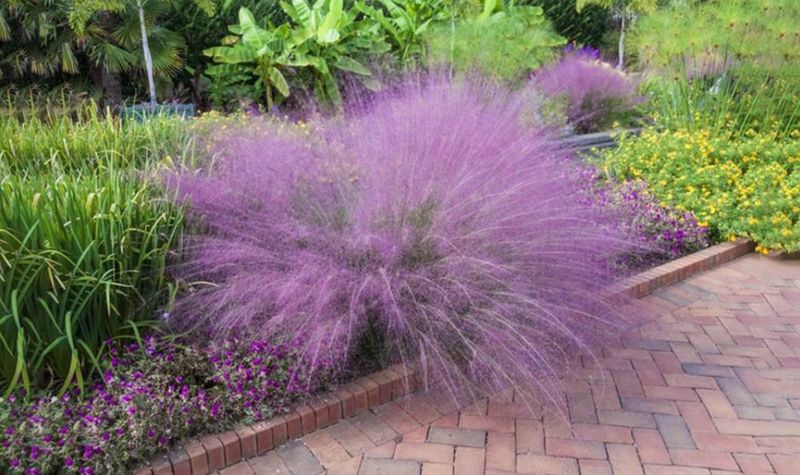
North Carolina summers can feel like a steamy blanket, but pink muhly grass shrugs it off with ease. Once its roots settle in, this tough native handles high heat and heavy humidity without missing a beat.
Many garden plants wilt or turn crispy when the temperature climbs, yet muhly stays green and calm. It evolved right here in the warm southeast, so muggy days are just normal weather to it.
That toughness makes your job as a gardener much easier. You do not have to rush outside with the hose every time the forecast turns hot. The grass keeps chugging along while other plants beg for attention.
The trick is giving it a good start. During the first season after planting, water it regularly so the roots grow deep and strong. Those deep roots are what let it handle stress later on.
After that first year, the plant becomes remarkably self-reliant. Even through long, sticky July afternoons, it holds its shape and prepares for its fall show.
Because it laughs at heat, muhly is perfect for spots that bake in the sun, like near pavement or along driveways where the air feels extra warm. Those tough locations would stress out fussier plants.
If you want a low-effort plant that stays happy through the hottest stretch of summer, pink muhly is a smart pick. It saves you time, water, and worry while still delivering big color.
5. Dry Soil Works Too
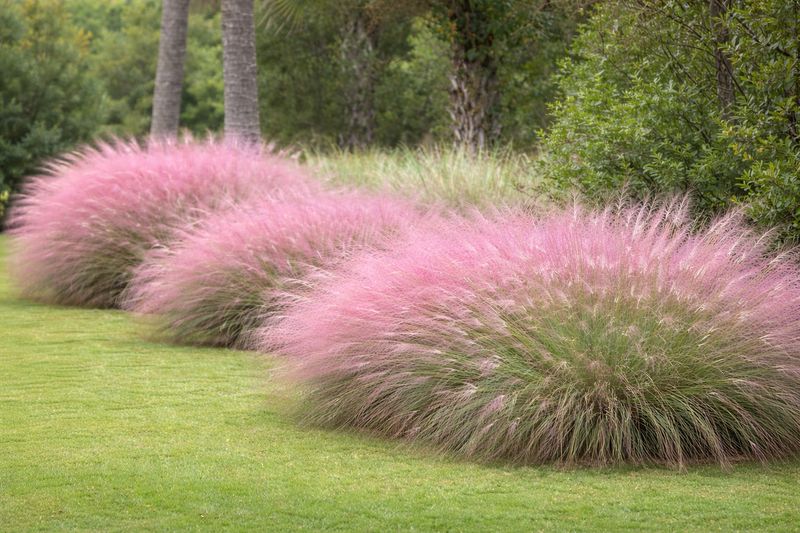
Got a dry, sandy spot where nothing seems to thrive? Pink muhly grass might be exactly what you need.
Once established, it handles drought like a champ and keeps looking good even when rain is scarce.
This plant actually prefers soil that drains well rather than staying soggy. Wet, mucky ground can cause its roots to rot, so a dry site is often a blessing instead of a problem.
That makes muhly a favorite for water-wise gardens, sometimes called xeriscapes. You can fill a sunny bank or a gravelly bed with it and skip the constant watering that thirstier plants demand.
Its deep root system pulls moisture from far below the surface, so it stays green through dry spells that would leave other plants drooping. That quiet strength is one of its best features.
For gardeners who travel or simply forget to water, this drought tolerance is a huge relief. The grass forgives you and carries on without complaint.
When planting, add a little sand or gravel to heavy clay so water moves through faster. Good drainage is the one thing muhly really cares about.
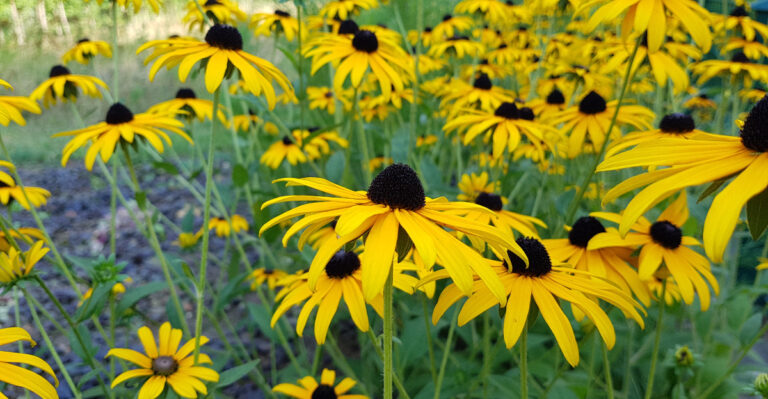
Pair it with other tough, sun-loving plants like coneflowers or black-eyed Susans for a bed that practically takes care of itself. Together they create color and texture without needing much help from you.
For low-maintenance beauty in dry, sunny ground, few plants match what pink muhly offers.
6. Plant Several For A Pink Cloud
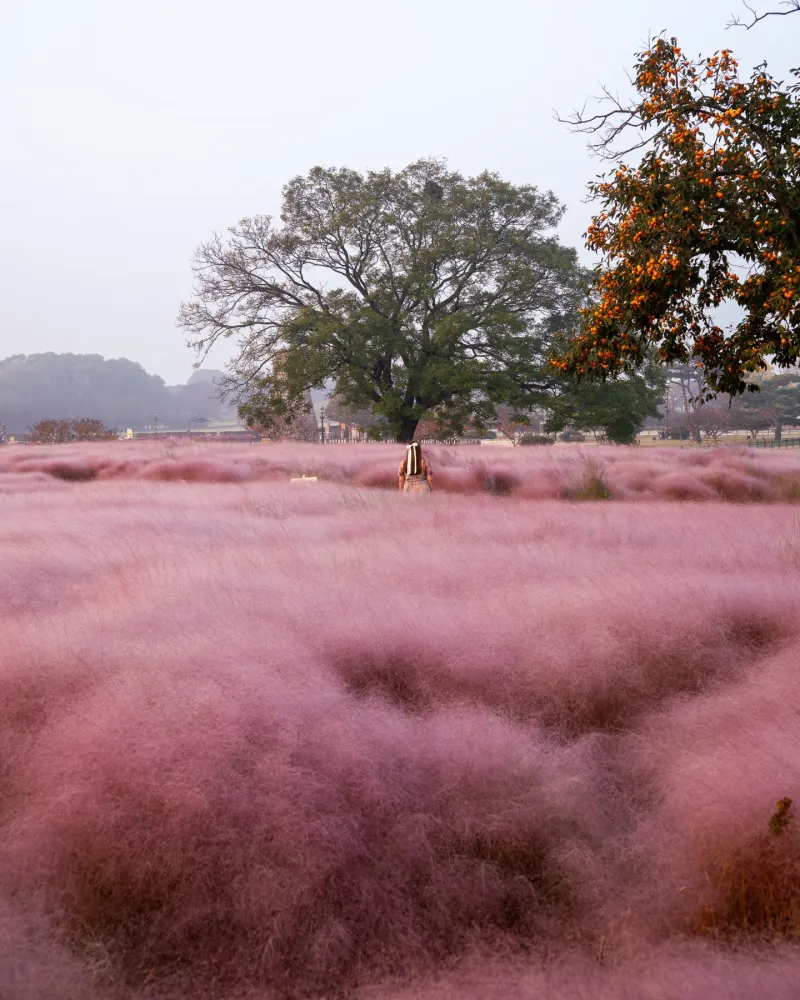
One pink muhly plant is pretty, but a group of them is downright breathtaking. When you plant several together, their flower clouds blend into one giant wave of pink that stops people in their tracks.
A single plant gives you a nice puff of color, yet it can look a little lonely in a wide yard. Cluster five, seven, or more, and suddenly you have a soft pink sea rolling across the landscape.
The magic comes from the way the airy blooms merge together. From a distance, the individual plants disappear and all you see is a glowing haze that feels almost like fog lit by the sunset.
Space them about two to three feet apart so each one has room to fill out. As they mature, the gaps close and the group forms one continuous drift of color.
Landscapers often use this mass-planting trick along fences, driveways, and open borders where the effect can really spread out. It turns an ordinary edge into a showpiece.
Odd numbers tend to look more natural than even ones, so try groups of three, five, or seven. Your eye reads them as a flowing shape rather than a stiff row.
If your budget is tight, start with a few plants and divide them in a couple of years to make more for free. Little by little, you can grow your own pink cloud that gets more impressive every single fall.
7. Deer Usually Leave It Alone
If deer treat your garden like an all-you-can-eat buffet, pink muhly grass brings welcome relief. These hungry visitors usually walk right past it, leaving the plant untouched and looking great.
Deer tend to avoid grasses with thin, wiry leaves because they simply are not tasty or worth the effort. Muhly fits that description perfectly, which is why it earns a strong reputation for deer resistance.
In many North Carolina neighborhoods, browsing deer are a real headache. They nibble flowers, chew shrubs, and flatten beds overnight.
Filling your yard with plants they dislike is one of the smartest ways to fight back.
No plant is completely deer-proof, especially when food is hard to find in winter. Still, muhly ranks among the choices least likely to get munched, so your odds are very good.
Using deer-resistant plants like this one saves you money and frustration. You spend less on fences, sprays, and replacements, and more time simply enjoying your garden.
Try pairing muhly with other plants deer avoid, such as lavender, salvia, or ornamental sages. Together they build a landscape that stays beautiful even in areas with heavy deer traffic.
Placing muhly near the edges of your property can even act like a natural buffer, since deer may turn away before reaching the plants you care about most.
For gardeners tired of protecting every bloom, this tough, unappetizing grass offers a peaceful, low-stress solution that keeps looking wonderful year after year.
8. Leave The Plumes For Winter
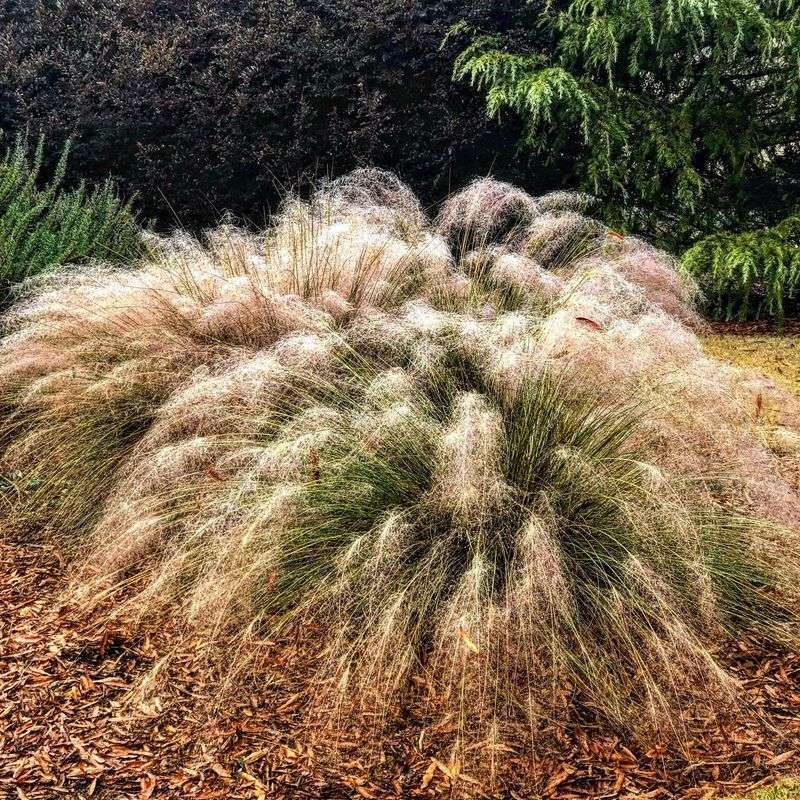
The show does not stop when the pink fades. As fall slips into winter, those bright plumes shift to a soft, wheaty tan that keeps your garden interesting through the cold months.
Instead of cutting the grass back right away, leave the plumes standing. The tan seed heads sway in winter wind and catch morning frost in a way that looks quietly beautiful.
On chilly days, sunlight glowing through the faded plumes gives the whole plant a warm, golden shimmer. It adds texture and movement to a yard that might otherwise feel bare and still.
Wildlife appreciates the leftover plumes too. Small birds visit to pull seeds, and the thick clumps offer shelter for insects and other tiny creatures when temperatures drop.
Standing grasses also help protect the plant’s crown, acting like a natural blanket over the roots during frosty stretches. That little bit of cover can help it bounce back strong in spring.
When late winter arrives, usually in February or early March, cut the old growth down to a few inches above the ground. That clears the way for fresh green blades to push up.
Timing the trim before new growth starts keeps the plant tidy and healthy for the next season. Do it too late and you might snip the tender new shoots.
By leaving the plumes up all winter, you stretch the beauty of pink muhly across nearly the entire year. Few plants give you that much value from one simple grass.