8 Reasons Michigan Homeowners Should Think Twice Before Removing Opossums From the Yard
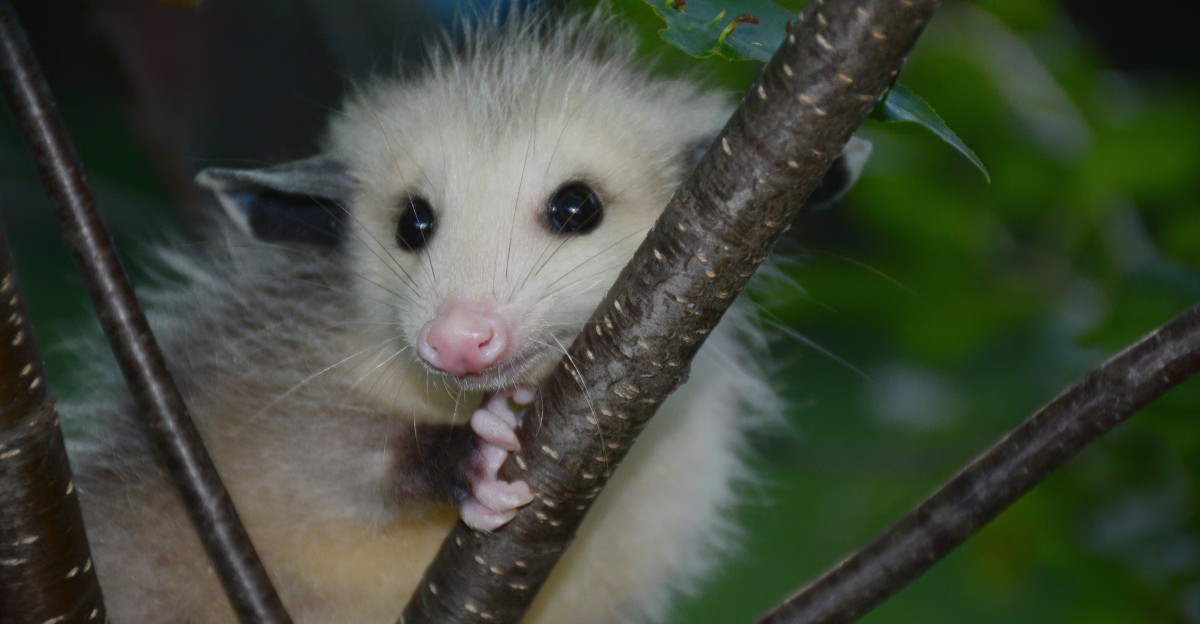
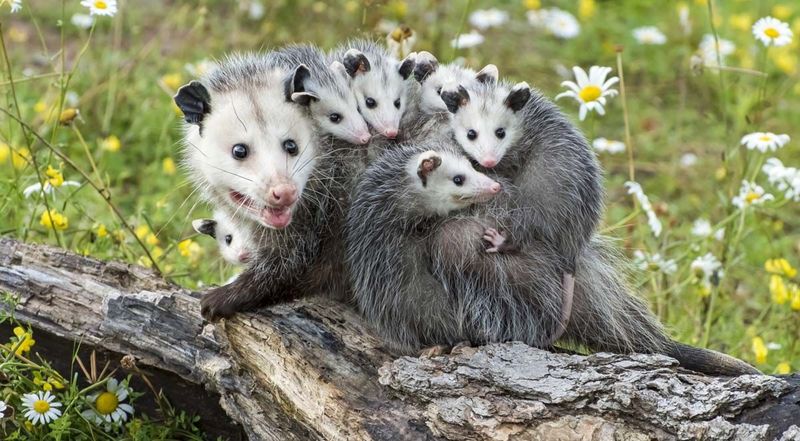
A wild animal in your yard may carry thirteen babies, each one smaller than a honeybee at birth. Those tiny newcomers crawl into a pouch and stay there for roughly two months while they grow bigger.
Plenty of Michigan homeowners often spot this shy visitor near compost piles or tucked under the back deck. Its pointy white face and bare pink tail can look a little spooky in the porch light around midnight.
In my garden, I used to grab the old broom whenever that grinning snout appeared by the tomatoes. Then I learned how much quiet work these shy night wanderers do for Michigan yards and gardens.
You may be surprised by what this creature eats, and even more surprised by what it politely avoids. So before you call a trapper, maybe that busy backyard night shift deserves a fair second look.
1. Tidy Opossums Groom Ticks From Their Fur
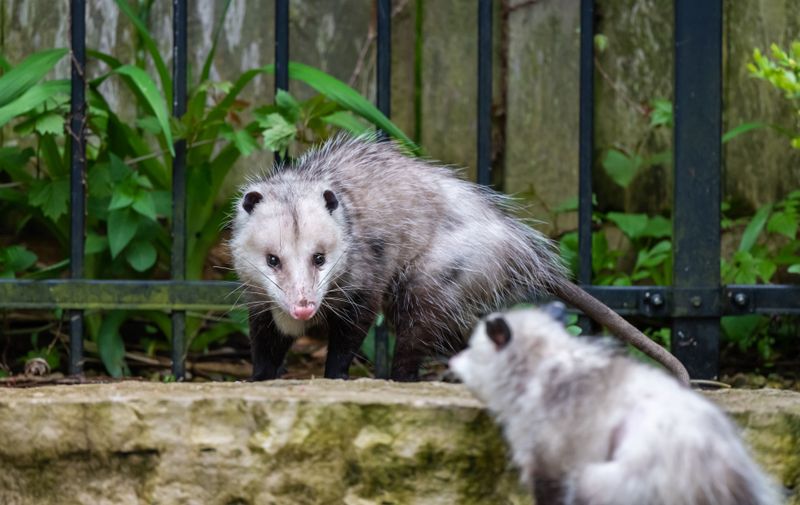
Watch an opossum after a long night of foraging, and you will see it licking its fur like a cat. Those careful grooming sessions catch many ticks that hitch a ride while the animal wanders through tall grass.
A well known 2009 study suggested one opossum might remove around five thousand ticks in a single season. That number spread quickly online, and I admit I shared it with every gardener I knew at the time.
Later research from 2021 found far fewer ticks in opossum stomachs, so the famous figure is likely too high. Still, opossums do groom off ticks, and they rarely seem to host as many as mice do.
White-footed mice are major carriers of the bacteria behind Lyme disease across much of the Midwest region. Opossums appear to be poor hosts for those ticks, which means fewer infected ticks survive on them.
The way I see it, even a modest tick benefit beats nothing when you garden near woods. Every critter that interrupts the tick life cycle helps a little, especially in shady yards near brushy edges.
Pair your resident opossum with smart habits, like keeping grass mowed short around patios and play areas. Wood chip borders between lawn and forest also help, since ticks dislike crossing dry, sunny strips.
Check yourself after weeding, and toss gardening clothes into a hot dryer for ten minutes or so. Let the opossum handle its share, and you handle yours, and the whole yard feels a bit safer.
2. Opossums Munch Slugs And Beetles In The Vegetable Garden
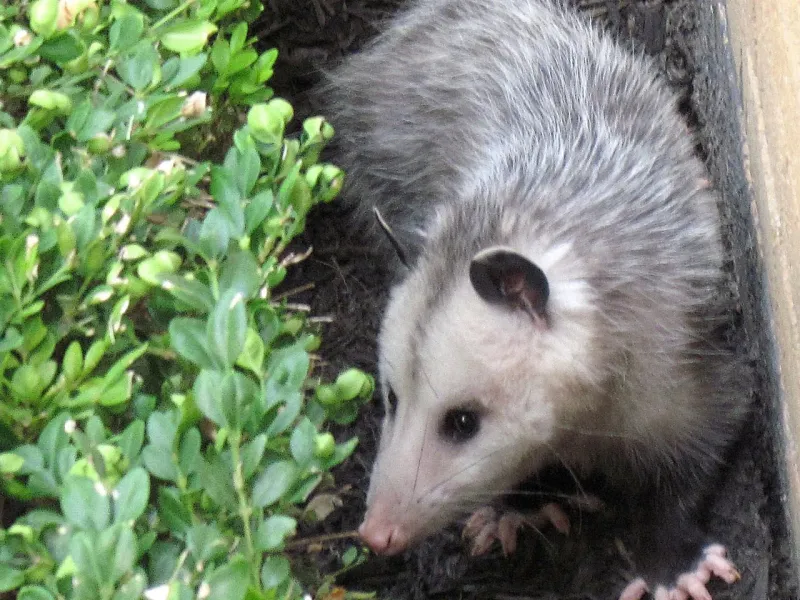
Slimy trails across my lettuce bed used to drive me up the wall every single soggy June. Then a scruffy gray opossum started visiting at night, and the slug damage slowly became easier to manage.
Opossums are opportunistic omnivores, which simply means they will eat nearly anything they happen to find. Slugs and snails rank high on that menu, along with crunchy beetles and plenty of juicy grasshoppers.
They also nibble grubs and cutworms they find while poking their noses through mulch and leaf litter. That slow, sniffing patrol covers more ground than you might expect during a warm summer night.
Fewer pests can mean fewer sprays, which helps bees and butterflies that also visit your flower beds. I love knowing a native animal is helping out while I sleep soundly with the window cracked open.
Opossums are not picky gardeners, so they may sample a ripe tomato or fallen strawberry now and then. Netting or a simple fence around prized crops usually solves that problem without sending your helper away.
Leave a little natural cover nearby, such as a brush pile or leafy corner at the yard’s edge. That gives opossums a place to rest by day, close enough to keep patrolling your vegetable rows.
Skip slug baits containing metaldehyde, since they can harm pets and wildlife that eat poisoned slugs. Iron phosphate baits are a gentler option if you still need extra help during a wet spring.
3. Opossums Snack On Mice And Voles Around The Shed
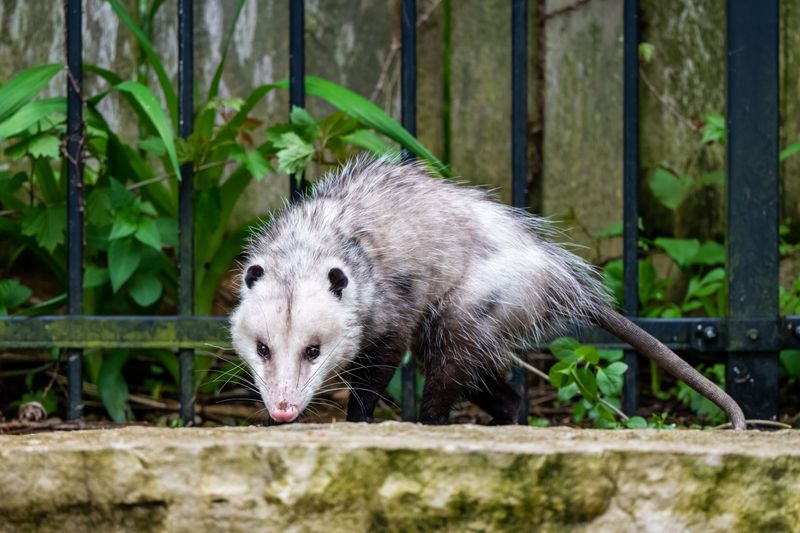
Voles chewing tunnels through your lawn can make winter snowmelt reveal a messy maze of brown trails. Opossums will eat voles and mice when they catch them, adding a small bonus to their nightly rounds.
To be fair, opossums are slow and clumsy hunters compared to foxes, owls, or even a determined house cat. They grab young rodents or easy targets more often than they chase down quick, healthy adults.
Even so, every mouse nest they raid near your garden shed means fewer chewed seed packets next spring. I found that out after spotting an opossum nosing around my potting bench late one October evening.
Their real strength may be competition, since opossums gobble spilled birdseed and fallen fruit that rodents love. Less leftover food often means fewer mice moving into the garage before cold weather settles in.
Rodent poisons are a poor partner for this natural help, because predators can eat poisoned mice. Owls and opossums alike may suffer when rodenticides move up the food chain through your neighborhood.
Snap traps set inside closed sheds or garages are a safer choice if you need extra control. Keep them in covered boxes so curious pets and wildlife cannot reach the triggers by accident.
Store birdseed in metal bins with tight lids, and sweep up spills under feeders every few days. With fewer easy meals around, your resident opossum and the local owls can handle the rest.
4. Opossums Shrug Off Rattlesnake Venom With A Special Protein
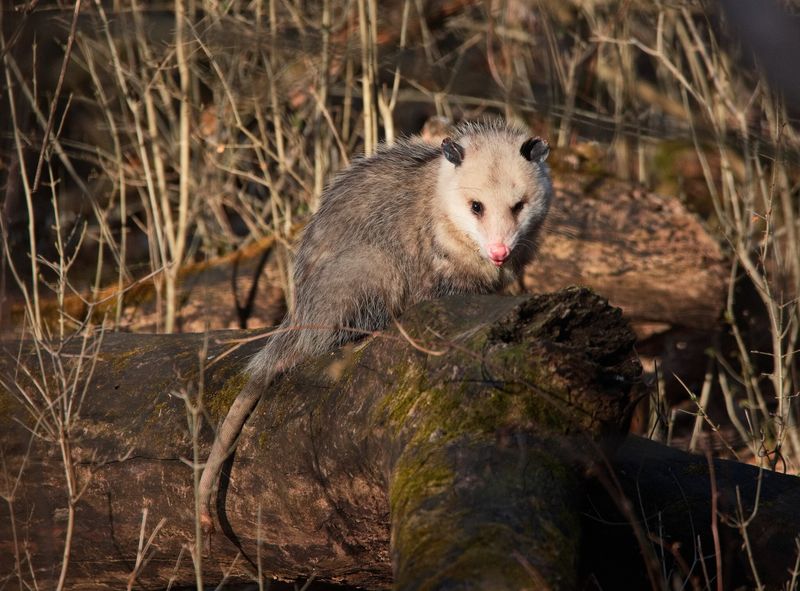
Opossum blood contains a special protein that neutralizes the venom of many pit vipers, including rattlesnakes. Scientists have studied this peptide, called LTNF, hoping it might someday lead to better antivenom treatments.
That resistance lets opossums eat snakes when they find them, though snakes are only a small menu item. Most of their diet still comes from insects and fruit found close to the ground on their slow nightly walks.
In Michigan, the only venomous snake is the eastern massasauga rattlesnake, a shy species living in wetlands. It is listed as federally threatened, so seeing one in a typical backyard is quite rare.
Honestly, I think this fact is more fascinating than practical for most of us in suburban neighborhoods. Still, it shows how tough and well adapted these marsupials are after millions of years on Earth.
Most snakes you meet in your garden will be harmless garter snakes munching slugs and earthworms. Those slim striped helpers deserve a welcome too, so give them rock piles and patches of tall grass.
If you do spot a massasauga, step back calmly and give it plenty of room to move away. Report sightings to the state wildlife agency, since biologists track this rare rattlesnake to help protect it.
Your opossum will not clear snakes from your yard, and that is perfectly fine for a healthy garden. Appreciate the protein trick as one more reason these odd neighbors are worth respecting from a distance.
5. Opossums Clean Up Fallen Fruit Under Backyard Trees
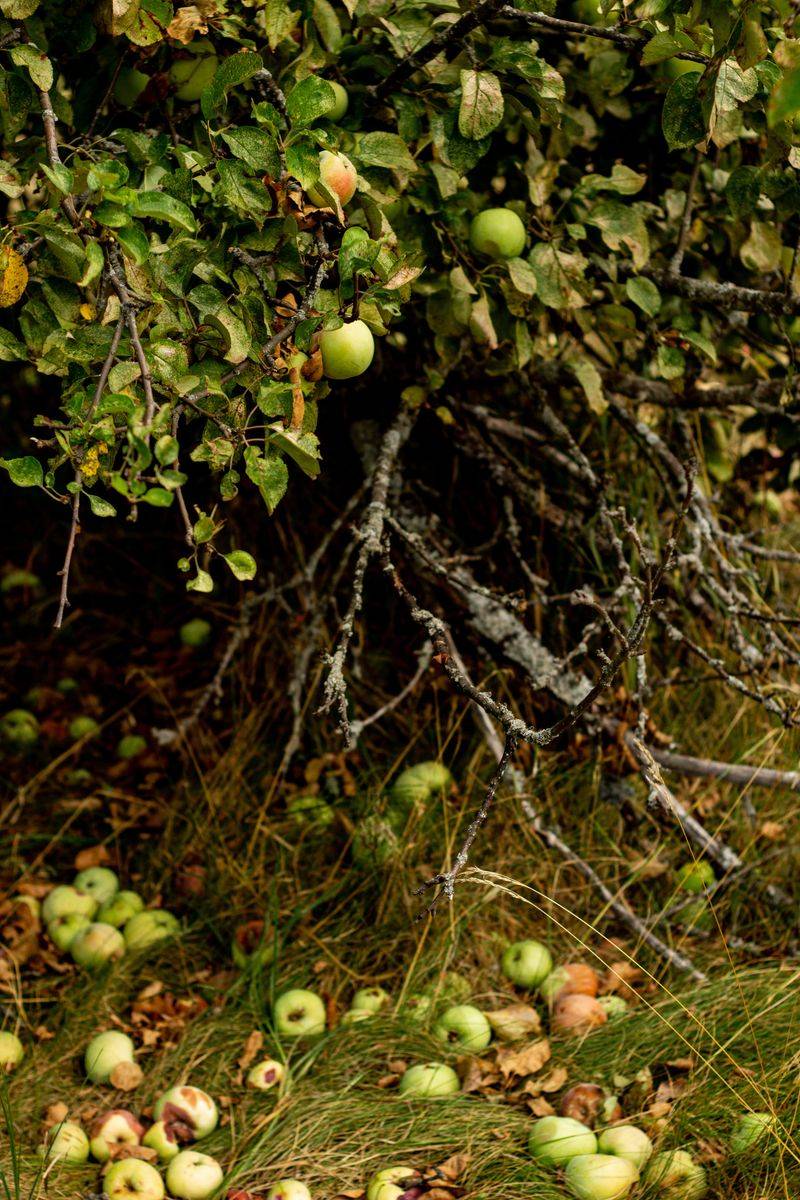
Squishy apples rotting under the tree can attract swarms of wasps by late summer in a hurry. An opossum treats that sticky mess like a free buffet, clearing away much of it overnight.
Opossums also eat animal remains they find, acting as a quiet cleanup crew along roads and woods. Scavenging like this helps recycle nutrients and reduces lingering smells that might draw other pests closer.
In my yard, the windfall pears under our old tree vanish fast once the opossum finds them. I still rake up what I can, but the nightly helper makes that chore feel much lighter.
Cleaning up fruit matters because yellowjackets and raccoons may gather wherever sweet, mushy food piles up. Rotting fruit can also harbor fungal spores that cause brown rot on next year’s crop of fruit.
Opossums are not picky, so they may also tip over unsecured trash cans looking for kitchen scraps. Bungee cords or locking lids keep that habit in check without chasing away your fruit-clearing friend.
Compost piles can tempt them too, especially if you toss in meat scraps or greasy leftovers from dinner. Stick to plant scraps and leaves, and cover fresh additions with a layer of brown material.
Fallen birdseed is another snack they enjoy, which can help reduce moldy piles beneath your busy feeders. Just remember to bring pet food indoors at night, or your opossum will happily eat that as well.
6. Low Body Temperature Helps Opossums Resist Rabies
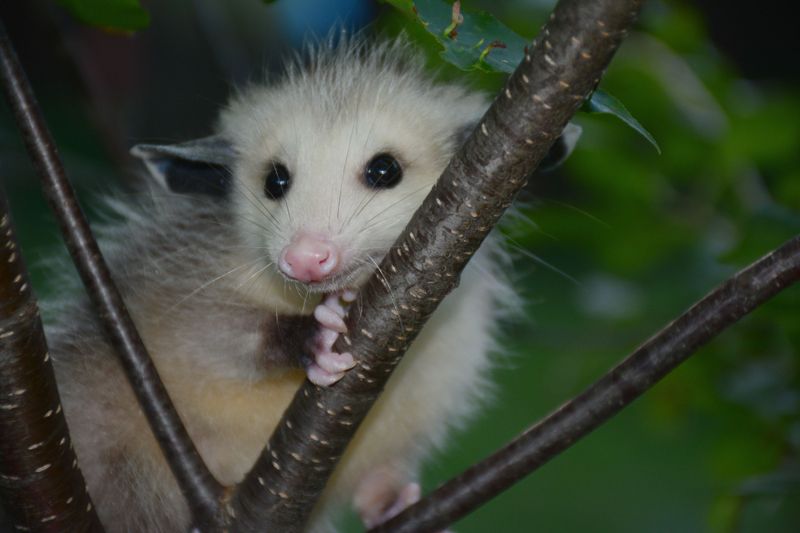
Opossums run cooler than most mammals, with average body temperatures between about 94 and 97 degrees Fahrenheit. Many experts suspect that cool temperature makes it harder for the rabies virus to take hold.
Whatever the exact reason, rabies cases in opossums are very rare compared to skunks and bats in the Great Lakes region. That surprised me, because the open-mouthed hiss of a cornered opossum looks like a textbook warning sign.
Hissing and drooling are mostly bluff, a show meant to make predators think twice before getting closer. A truly sick animal often acts strangely, like wandering in circles or appearing unusually tame in daylight.
Seeing an opossum during the day is not automatically a problem, especially for busy mothers needing extra food. Cold snaps can also push them out early, since they do not hibernate through Michigan winters.
Like any wild animal, opossums can still carry fleas and occasional illnesses such as leptospirosis in their urine. Respect them by keeping hands off and wearing gloves when cleaning areas where they have been sleeping.
Keep dogs and cats current on rabies shots, which protects them from the species that pose bigger risks. Feeding pets indoors also keeps opossums from lingering around your back door after the sun goes down.
If someone does get bitten or scratched, wash the wound well and call a doctor right away. Local health departments can also advise you about any wild animal acting strangely in the neighborhood.
7. Playing Possum Is A Shy Animal’s Best Defense
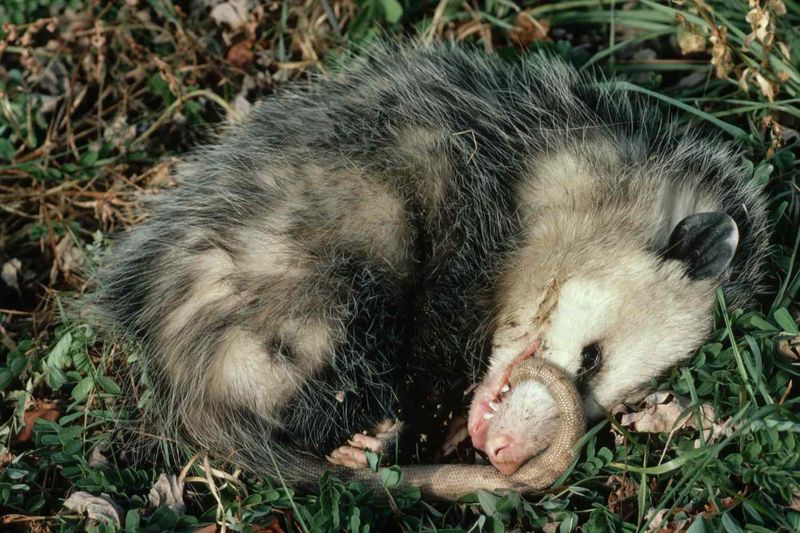
A badly frightened opossum may flop onto its side and release a foul-smelling fluid from glands near its tail. Biologists describe this reaction as involuntary, a bit like fainting, and it can last from minutes to hours.
I once found one stiff beside my rain barrel, and my heart sank before it quietly wandered off later. That little drama taught me these animals would rather fake an exit than pick a fight with anyone.
Before collapsing, an opossum usually tries bluffing with a wide hiss that shows off all fifty of its sharp teeth. Fifty teeth is more than any other North American land mammal, which makes the grin look extra dramatic.
Despite that grin, opossums rarely bite unless someone grabs or corners them with no way to escape. They are solitary wanderers that often move on to a fresh den after just a few nights.
That roaming habit means your visitor may leave on its own long before you finish planning its eviction. Patience often costs nothing, and it spares both you and the opossum a stressful late night encounter.
If you find one playing possum, simply bring pets inside and give the animal quiet space to recover. Poking or moving it only stretches out the episode, so let it wake up and leave on its own.
Keep a porch light on or clap gently from a distance if you want it to move along faster. Most opossums take the hint and shuffle away, grumbling a little, toward the nearest hedge or woodpile.
8. Trapping And Relocating Opossums Often Backfires
Relocated wildlife often struggles, since dropping an animal in strange woods leaves it without known food or shelter. Many trapped opossums wander into traffic or tangle with local animals after a long, confusing car ride.
Michigan has specific DNR rules about trapping and releasing nuisance wildlife, and they can change over time. Check the current Michigan DNR guidance or call a licensed nuisance animal control business before setting any trap.
Timing matters too, since spring and summer mothers may carry pouch babies or have youngsters hidden nearby. Removing a mother can leave those little ones orphaned, which is the opposite of what most of us want.
Even after a successful removal, the food or shelter that attracted the first opossum is still sitting there. Another opossum, or perhaps a raccoon or skunk, often moves into that open spot within weeks.
I think prevention works much better than trapping, and it saves you the hassle of handling a hissing animal. Seal gaps under decks and sheds with sturdy hardware cloth buried several inches below the soil line.
Make sure the space is empty first by sprinkling flour at the entrance and checking for tracks at dawn. No fresh prints for a couple of nights usually means your tenant has moved out on its own.
Secure trash lids and bring pet bowls inside each night to remove the easiest free meals. Do that, and your yard can share space with this quirky native marsupial without much fuss.