Why Michigan Native Asters And Goldenrod Are The Last Pollinator Food Before Winter
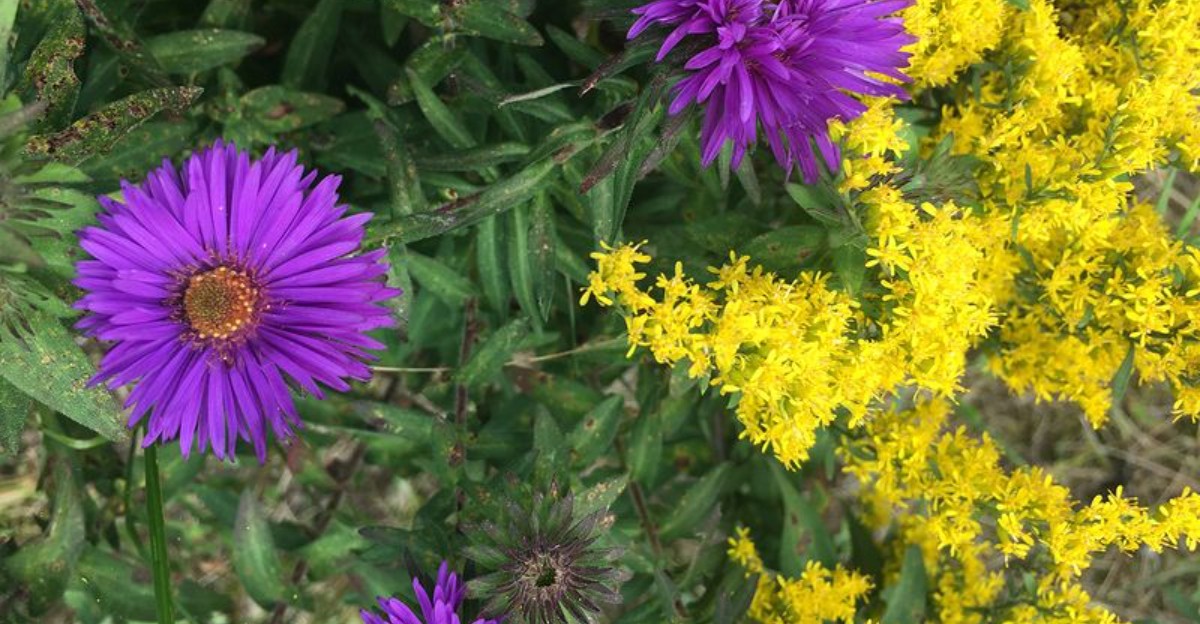
As most flowers fade and disappear across Michigan by late fall, native asters and goldenrod quietly step in to provide one of the final reliable food sources pollinators have access to before winter fully sets in.
These late-blooming natives have evolved to flower specifically during this narrow window, offering nectar and pollen right when bees, butterflies, and other pollinators need to build up critical energy reserves for the cold months ahead.
Goldenrod in particular gets unfairly blamed for fall allergies, when the actual culprit is typically ragweed blooming at the same time with far lighter, more airborne pollen.
Removing these native plants from a landscape, often out of mistaken allergy concerns, can leave local pollinators with significantly fewer options during this crucial final feeding period.
Understanding the true value of asters and goldenrod helps Michigan gardeners make more informed choices about what stays in the landscape heading into fall.
1. They Bloom When Most Other Flowers Are Finished
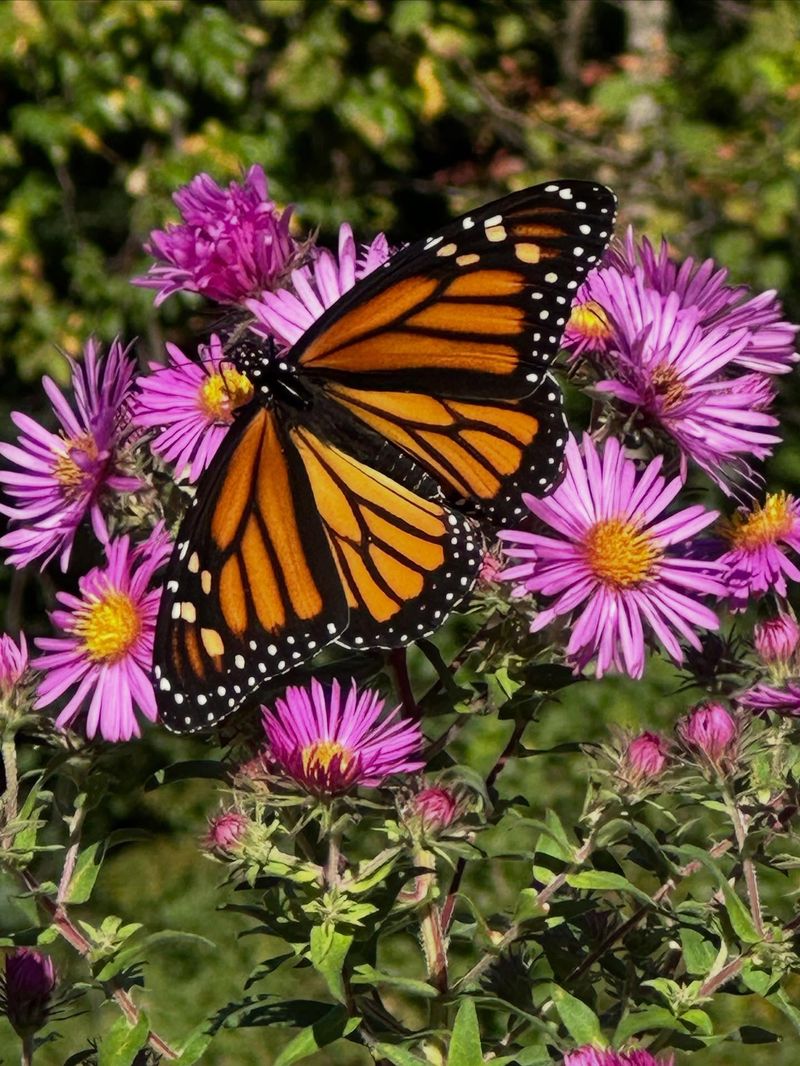
Walk through a Michigan field in late September and you will notice something surprising. Most summer flowers have turned brown, yet patches of purple and gold are buzzing with life.
Native asters and goldenrod are just getting started when everything else is wrapping up. Bloom timing is their superpower.
Goldenrod usually opens in August and keeps going into October, while many asters flower from September until a hard freeze. Some asters even shrug off light frosts and keep offering food on chilly mornings.
Pollinators still have work to do in fall. Bees need pollen for protein, and butterflies need nectar for energy, so a garden full of late bloomers acts like an open diner when every other restaurant has closed.
One goldenrod plant can hold hundreds of tiny flowers, which means plenty of food in a single spot. You can stretch the season even further with a little planning.
Grow several species with bloom times that overlap, such as early goldenrods paired with late asters like New England aster. That way, pollinators find something open from August all the way into late October.
Location matters too. Plant these flowers in sunny spots where insects can easily see and reach them, since shade often means fewer blooms and fewer visitors.
In Michigan, fall moves fast. Cool nights arrive quickly, and pollinators have only a few short weeks left to feed. A yard packed with asters and goldenrod gives them a fighting chance to fill up before winter shuts the door.
2. Fuel For Migrating Monarchs
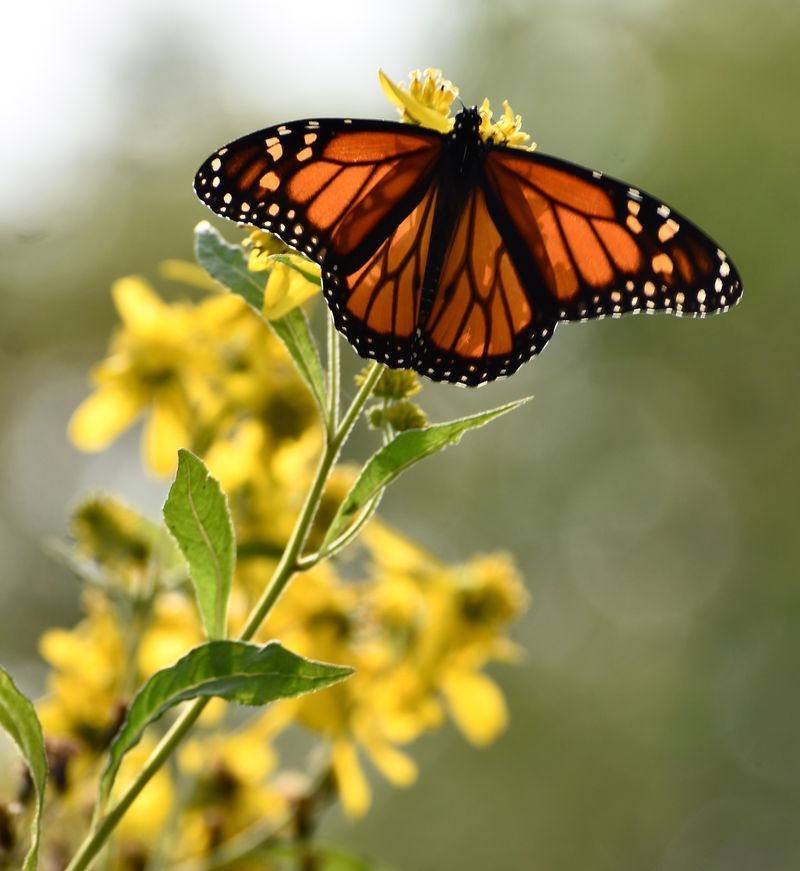
Few travelers are as brave as a monarch butterfly weighing less than a paperclip. Every fall, monarchs born in late summer fly up to 3,000 miles to the mountains of central Mexico. That trip takes serious fuel, and asters and goldenrod help supply it.
Unlike summer monarchs, these migrating butterflies do not lay eggs right away. Instead, they sip as much nectar as possible and turn it into fat stored in their bodies. That fat powers the long flight and carries them through months of rest in Mexico.
Your Michigan Garden Changes Every Week. Your Plan Should Too.
Gardening in Michigan changes quickly throughout the season. Every Friday you’ll receive a simple weekly plan showing exactly what to plant, prune, fertilize, harvest, and protect so you never miss the right timing.
Nectar stops along the route are like gas stations on a road trip. When monarchs find a patch of goldenrod or asters, they often linger, feeding for hours before heading south again. Gardens with lots of blooms can become favorite rest spots.
Want to help? Plant your asters and goldenrod in open, sunny areas where butterflies can spot them from the air. Group plants together in bold clumps instead of scattering single stems, because a big splash of color is easier to find.
Skip insecticides on or near these plants. Even sprays meant for other bugs can harm monarchs that stop to feed. Michigan plays a big part in this journey.
Monarchs here start heading south in late August and September, and many follow the Lake Michigan shoreline, where they gather in large numbers. Your backyard flowers could be the snack that helps one butterfly make it all the way to Mexico.
3. Bumble Bee Queens Build Winter Reserves
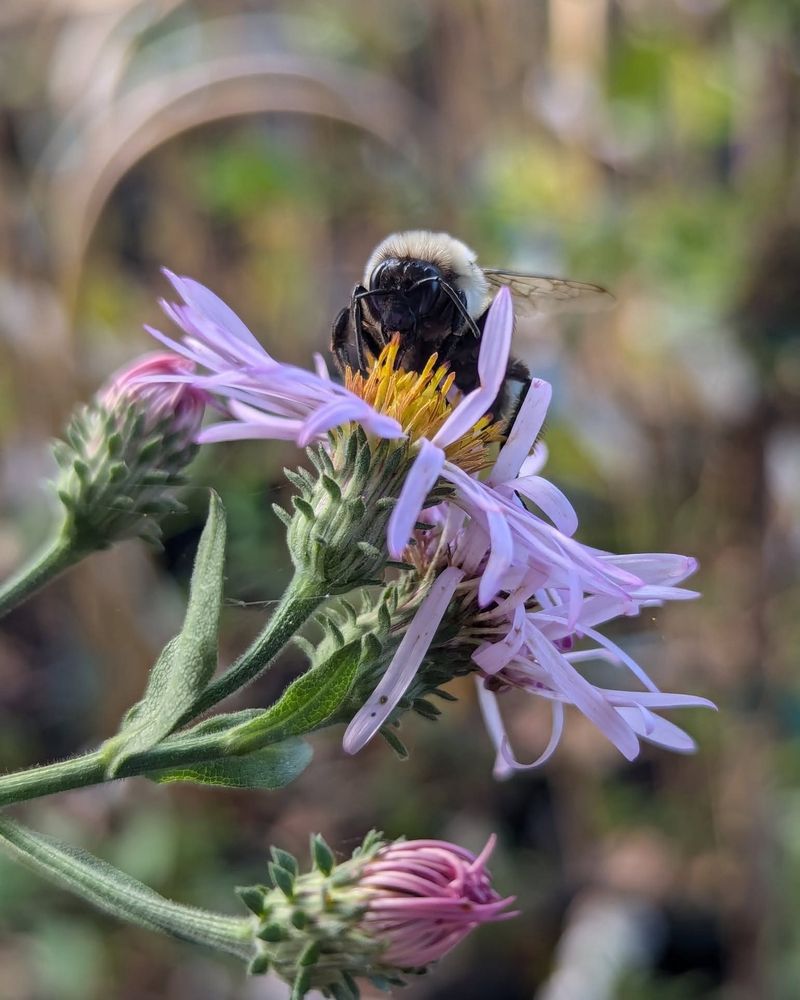
Here is a bee story with a royal twist. By fall, a bumble bee colony that buzzed all summer starts to fade away. Only the new queens carry the family forward into next year.
These young queens mate in late summer and early fall. Then they face a huge task: eat enough nectar and pollen to build fat reserves that will last all winter. They spend the cold months resting alone underground, so every bit of stored energy counts.
Asters and goldenrod are perfect for this feast. Their flowers are packed close together, which lets a hungry queen fill up without wasting much energy flying around. A strong, well-fed queen in fall means a new colony in spring.
Your garden can become a royal banquet hall with a few easy steps. Plant a mix of asters and goldenrod so there is plenty of food through September and October. Variety keeps the menu full even as some plants finish.
Shelter matters as much as food. Many queens tuck themselves into loose soil or under leaf litter to spend the winter, so leave some quiet corners of your yard undisturbed. Hold off on raking every leaf and digging every bed in fall.
Michigan winters are long and cold, often lasting from November into April. A queen has only her fall reserves to get her through those months.
When she wakes up in spring and starts a brand new colony, part of that success came from your late blooming flowers.
4. Native Bees That Depend On These Plants
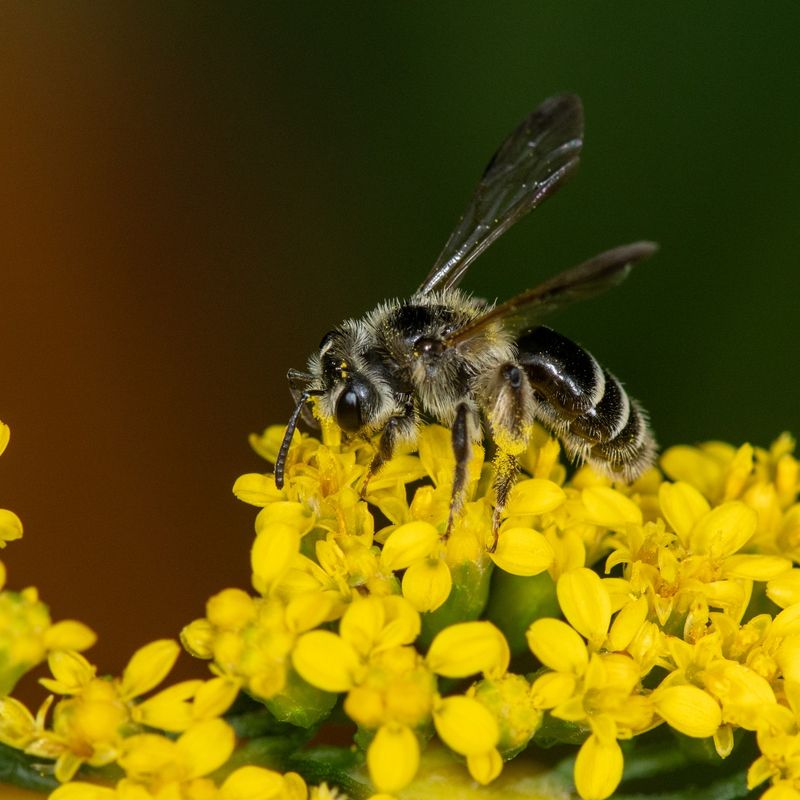
Honey bees get most of the attention, but Michigan is home to more than 400 kinds of native bees. Many of them are tiny, quiet, and easy to miss. Plenty of these hardworking insects count on asters and goldenrod to survive.
Some bees are picky eaters. Scientists call them specialists, and certain species collect pollen mainly from asters, goldenrod, or their close relatives. For example, some mining bees and cellophane bees time their whole active season to match fall blooms.
That timing works beautifully when the right flowers are around. Without them, specialist bees have very few backup options, and their numbers can drop fast. Every patch of native plants helps keep these bees going.
Choosing the right plants makes a big difference. Grow true native species rather than only fancy garden cultivars, since some bred varieties offer less pollen or bloom at odd times. Include both asters and goldenrod to feed the widest range of bees.
Homes matter too. Around 70 percent of native bees nest in the ground, digging small tunnels in bare dirt. Leave a few sunny, open patches of soil without mulch so these diggers have a place to raise their young.
Late summer and fall are busy times for Michigan’s native bees. A garden with native flowers and a little bare ground gives them food and shelter in one spot. You might start noticing tiny bees you never knew lived right in your own neighborhood.
5. Goldenrod Does Not Cause Hay Fever
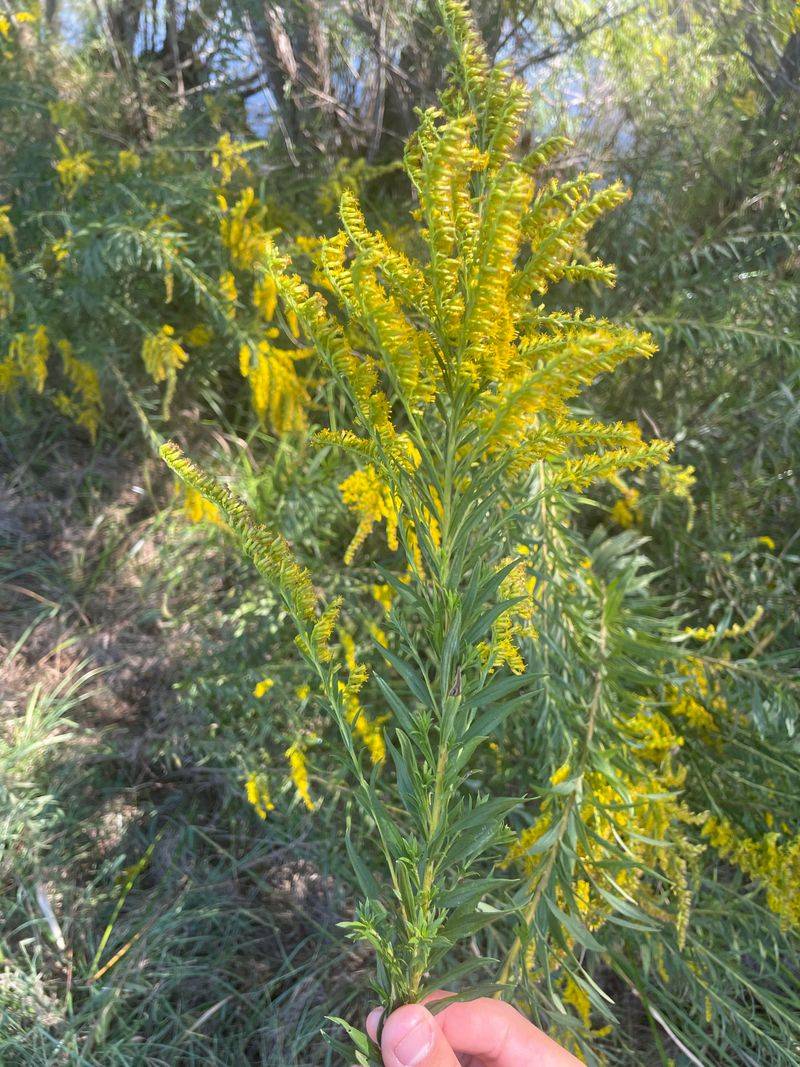
Sneezing in September? Goldenrod probably gets the blame, but it is innocent. For decades, this sunny plant has taken the heat for something it does not do.
Goldenrod pollen is heavy and sticky. It clings to bees and butterflies instead of floating through the air, so very little of it ever reaches your nose. Plants that rely on insects to move pollen simply do not need to toss it into the wind.
The real troublemaker is ragweed. It blooms at the same time as goldenrod and releases huge amounts of light, dusty pollen that can drift for miles. Because ragweed is so plain, people tend to notice the bright goldenrod nearby and point fingers at the wrong plant.
Telling the two apart is easy once you know what to look for. Goldenrod has showy clusters of golden yellow flowers that catch your eye from far away.
Ragweed has small, greenish flowers on thin spikes that barely look like flowers at all, and its leaves are often deeply cut and lacy.
With that knowledge, you can keep goldenrod in your garden without worry. If allergies flare up, pull the ragweed instead.
In Michigan, goldenrod is often cut down along roadsides and yanked out of gardens because of this old myth. Sharing the truth with neighbors can save a lot of these plants. That means more food for pollinators and a lot more golden color in fall.
6. Michigan Native Species Worth Growing
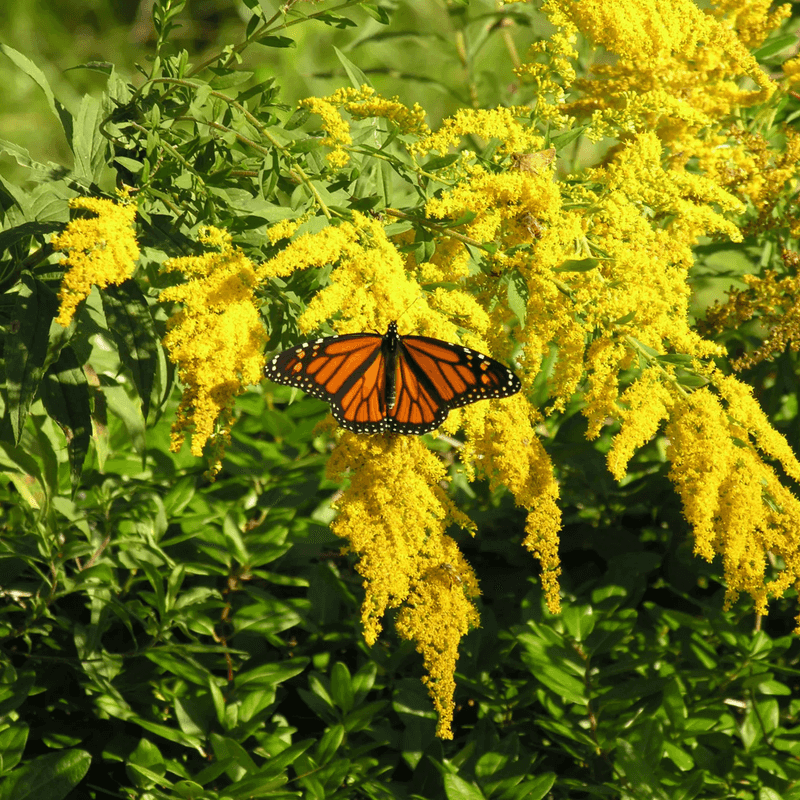
Shopping for native plants can feel like walking into a candy store. Michigan has many wonderful asters and goldenrods, and each one has its own personality. Picking the right match for your yard keeps everything healthy and easy.
Soil, moisture, and space all matter. Some species love dry sand, others prefer damp ground, and a few spread quickly enough to take over a small bed. Matching the plant to the spot saves you work later.
For asters, New England aster is a star with rich purple flowers and tall stems. Smooth aster handles dry soil and has lovely blue-violet blooms, while heath aster forms clouds of tiny white flowers.
Calico aster is a great choice for partial shade and fits nicely into smaller spaces. Goldenrods offer just as many choices.
Showy goldenrod stays tidy with upright golden plumes, and stiff goldenrod has flat-topped flower clusters that bees adore. Gray goldenrod does well in poor, dry soil.
Shady yards have options too. Zigzag goldenrod grows happily in shade, and blue-stemmed goldenrod shines along woodland edges with its arching purple-tinted stems.
One plant needs a bit of caution. Canada goldenrod spreads fast by underground roots, so it fits best in big natural areas or meadows rather than small flower beds.
All of these plants grow wild across Michigan’s meadows, prairies, open fields, and woodland edges. When you grow them at home, you bring a piece of the state’s natural beauty right to your doorstep.
7. Planting And Care For Strong Fall Bloom
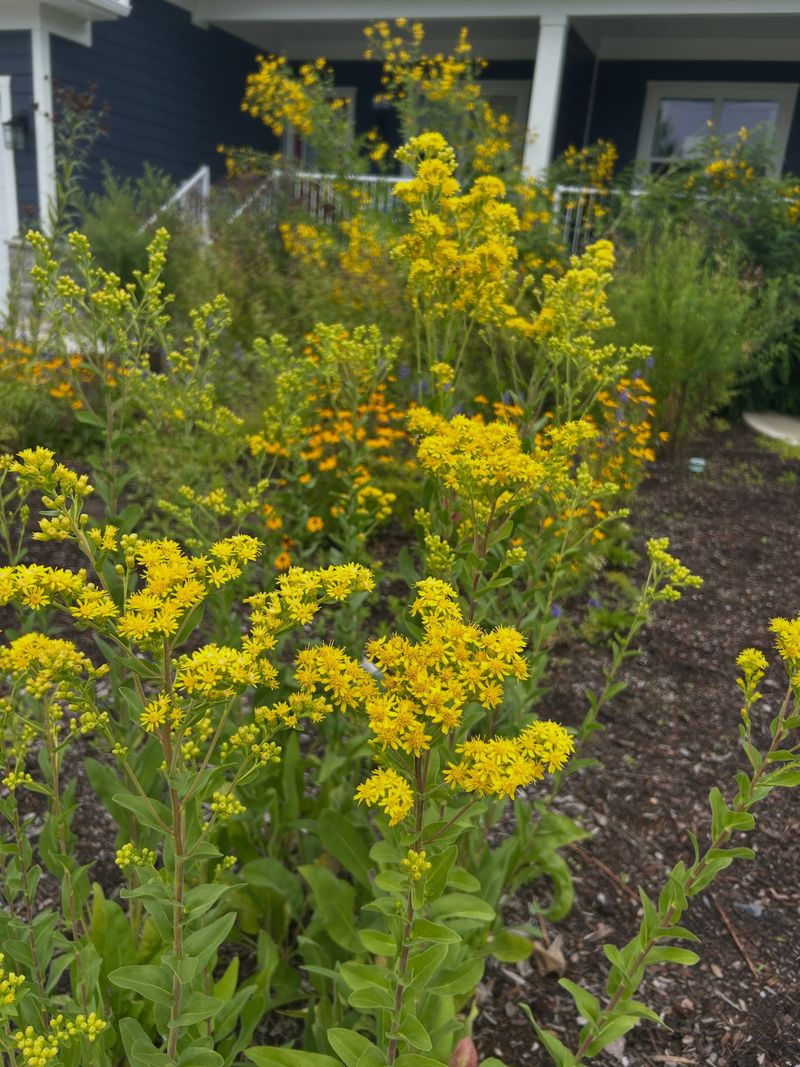
Good news for busy gardeners: these plants practically take care of themselves. Asters and goldenrod have grown in Michigan for thousands of years. They already know how to handle the local weather and soil.
Because they are so well adapted, they need very little fertilizer or extra water once settled in. That saves you time, money, and effort. You get a beautiful fall show with far less fuss than many garden flowers.
Timing your planting is simple. Spring or early fall both work well, giving roots time to grow before extreme heat or cold. Most species bloom best in full sun, with at least six hours of light a day.
Water regularly during the first growing season while roots get established. After that, most plants can handle dry spells on their own, needing a drink only during long droughts.
Skip the fertilizer. Rich soil makes these plants grow tall and weak, so they flop over right when the flowers open. Lean soil keeps stems sturdy and upright.
New England aster has a handy trick. Cut it back by about half in early summer, usually around early June, and it will grow shorter, bushier, and covered in even more blooms. Many gardeners finish this job before the Fourth of July.
Michigan throws a lot at plants, from icy winters to heavy clay, sandy soil, and dry summer weeks. Native asters and goldenrod handle all of it. Plant them once, and they will reward you with color for years.
8. Leave Stems And Seed Heads Standing
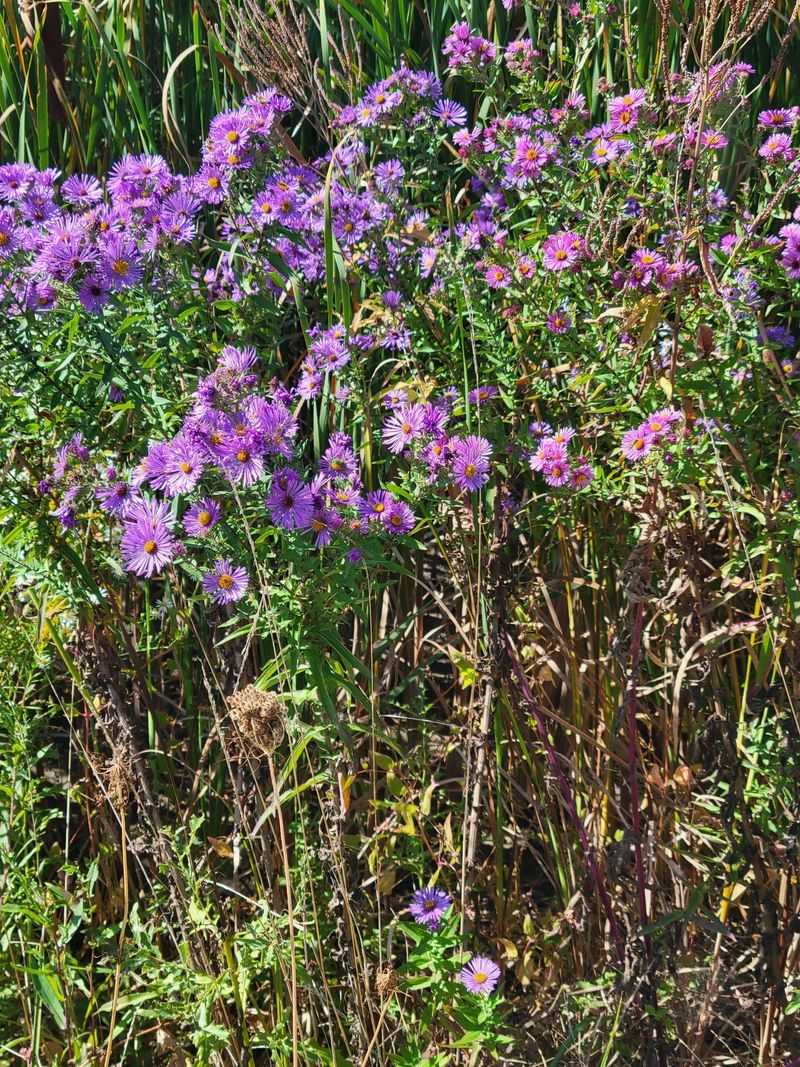
The flowers may fade, but the show is far from over. After asters and goldenrod finish blooming, their stems and seed heads keep working all winter long. Leaving them standing turns your garden into a cold season hotspot for wildlife.
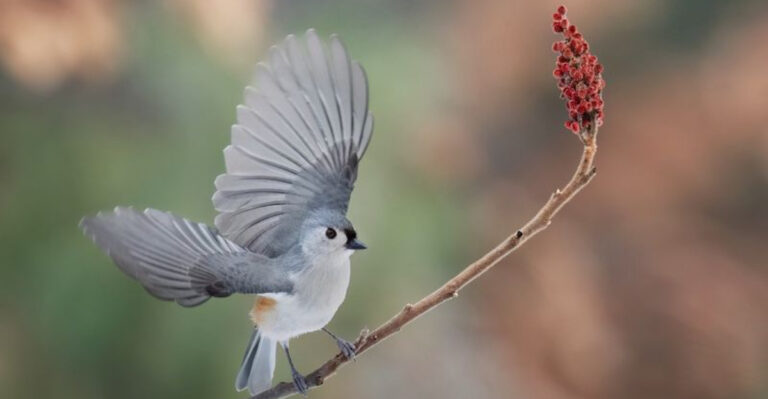
Birds love the seeds. American goldfinches and dark-eyed juncos pick through the fluffy seed heads well into winter. A patch of standing plants can feed flocks when snow covers the ground.
Look closely at goldenrod stems and you may spot round swellings called galls. Each one holds a small fly larva tucked inside for the winter.
Chickadees and downy woodpeckers peck them open for a protein-rich snack, a clever trick that helps them through cold days.
Hollow stems and leaf litter also shelter many helpful insects. Beetles, tiny bees, and other garden allies hide inside and wait for warmer weather.
A few simple habits make a big difference. Wait until spring to cut back stems, ideally when daytime temperatures stay above 50 degrees for a while. That gives sleeping insects time to wake up and move out.
When you do trim, cut stems to different heights, leaving some around 8 to 24 inches tall. Stem-nesting bees will use those hollow tops as nurseries in summer. Let fallen leaves stay around plant bases whenever you can.
Michigan winters are long, and wildlife needs every bit of food and shelter it can find. A slightly messy garden is really a gift, keeping birds and insects cozy until spring returns.