Can You Grow Olive Trees in Virginia? Where It Works and Where It Doesn’t
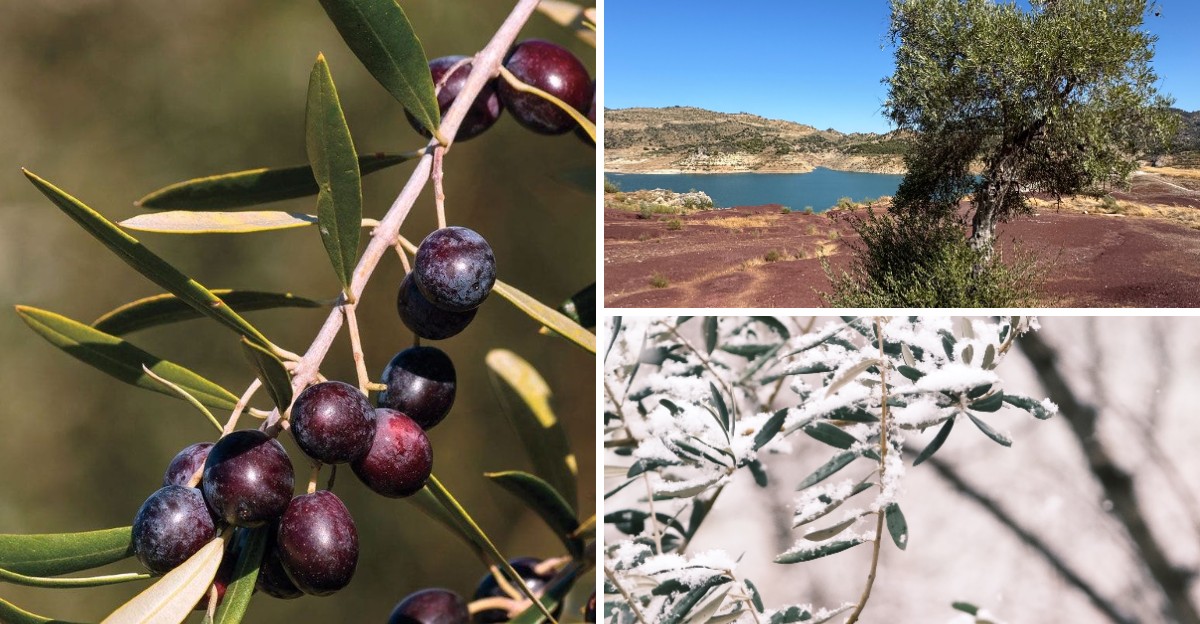
A silvery Mediterranean tree that can live for centuries is quietly fruiting in a few backyards near the Chesapeake Bay. Yes, real fruit, the kind you cure in brine and set on a cheese board.
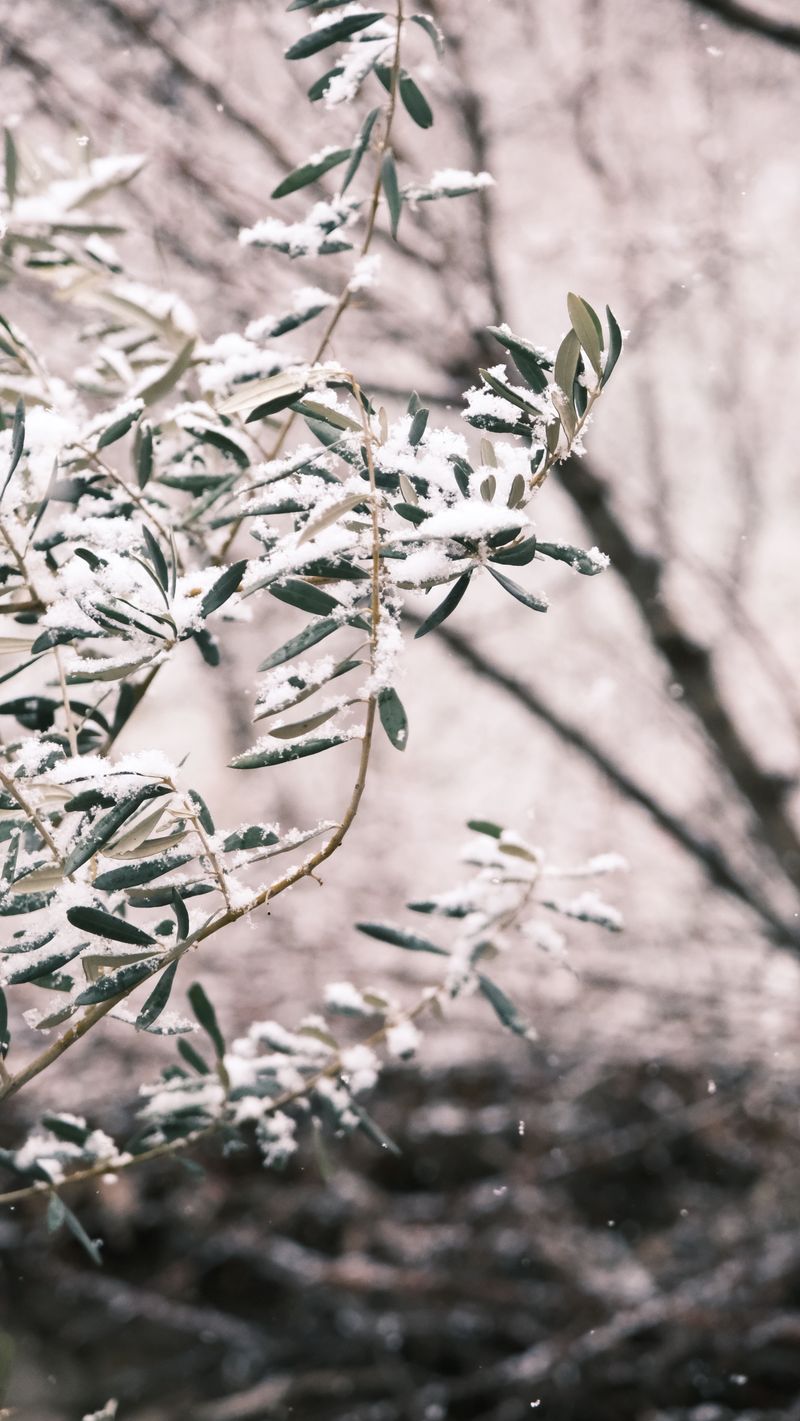
The catch is cold. Young trees can suffer below about 25 degrees, and a hard winter can knock even mature ones back to the roots.
I love a gardening challenge that comes with a snack at the end. Personally, I can’t resist a plant that makes the neighbors stop and ask what on earth is growing by your porch.
Virginia stretches from chilly mountain ridges to a mild, salty coastline, so your address matters more than your enthusiasm. Some yards are surprisingly friendly to this ancient crop. Others will test your patience every January, so which kind of yard do you have?
Your Zip Code Decides How Olive Trees Handle the Winter
Geography does most of the deciding here. The state runs from roughly USDA Zone 5b in the higher mountains to Zone 8b around parts of Hampton Roads and the southeastern coast.
Olive trees are generally rated for Zones 8 through 11. That means the warmest corners, like Virginia Beach, Norfolk, Chesapeake, and the lower Eastern Shore, have the most realistic shot at in-ground trees.
Water from the bay and ocean softens winter lows there, which helps more than many people expect.
Move inland and the picture changes. Richmond and much of the Piedmont sit mostly in Zone 7, where winter nights can dip into the single digits during a rough cold snap.
Northern Virginia and the Shenandoah Valley run colder still.
I like to check the official USDA Plant Hardiness Zone Map before buying any plant that sits on the edge. You can type in your zip code and get your zone in seconds.
Keep in mind that a zone is an average of the coldest winter night, not a promise. One bad winter every decade can undo years of growth.
So a Zone 8 address is a green light with a caution sign, while Zone 7 or colder usually points toward a pot. Treat the map as your starting line, then look closely at your own yard.
Coastal Plain Gardeners Can Try Olive Trees in the Ground
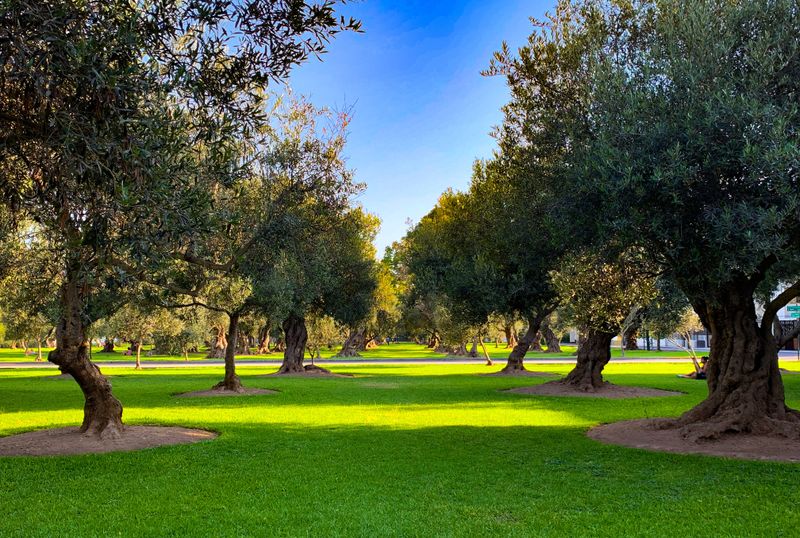
Down near the coast, planting straight into the soil is a reasonable gamble. Mature olive trees can often handle brief dips to around 15 degrees, and Zone 8 winters usually stay above that.
Spring is the best time to plant. Waiting until frost danger has passed, often April in southeastern areas, gives roots a full warm season to settle in before the next winter arrives.
Start with the biggest healthy tree you can afford. A larger trunk with some woody growth holds up much better than a skinny one-year whip.
Young trees are the most fragile, so the first two or three winters matter most.
Pick the warmest spot you own. A south-facing wall, a sunny corner by the driveway, or a slope where cold air drains away can add a few precious degrees.
Shelter from northwest winter winds helps too.
You need to give the tree full sun, at least six to eight hours daily. Olives that sit in shade grow leggy and rarely fruit well.
Personally, I would treat even a coastal planting as a long-term experiment. Many trees thrive for years, then take a hit during an unusual freeze.
With a smart site and some winter backup, though, a healthy tree can regrow from strong roots after setbacks.
Potted Olive Trees Are the Smart Move for Richmond and Northern Virginia
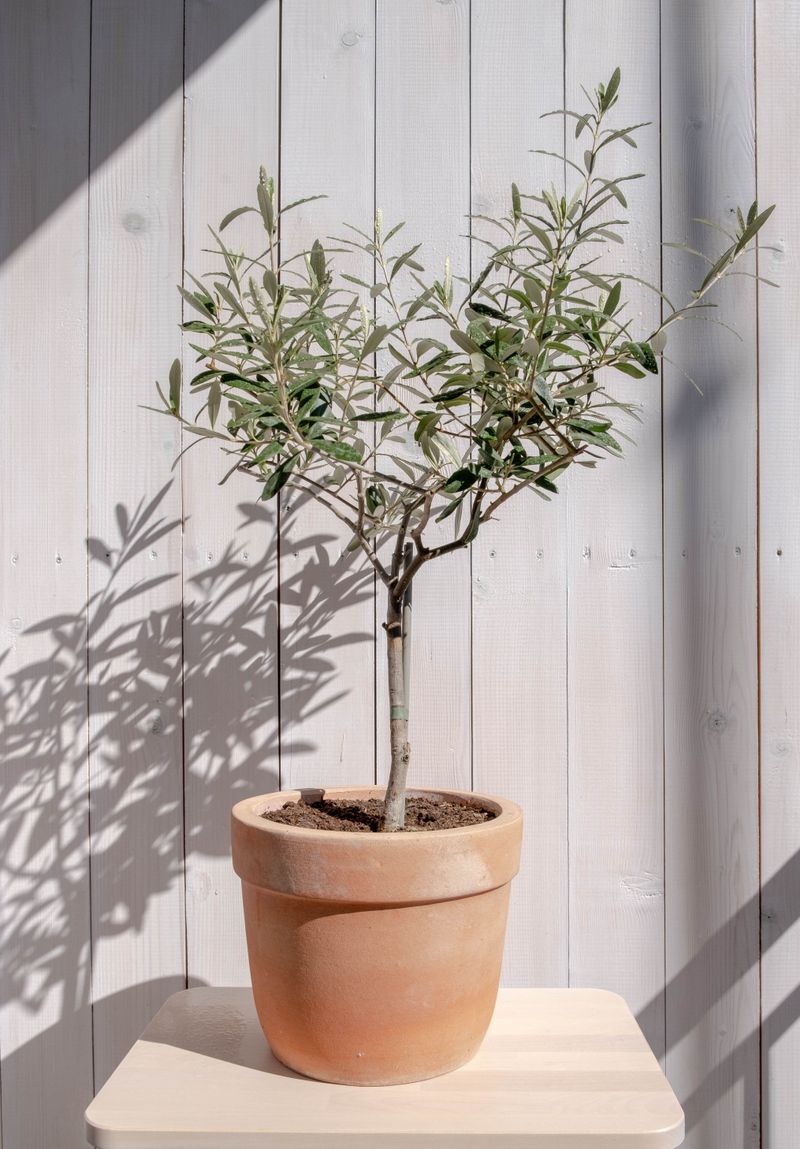
A big terracotta pot might be the best olive tool you ever buy. For gardeners in the Piedmont, the mountains, and Northern Virginia, containers turn a risky project into a fun and doable one.
The idea is simple. Your tree spends the warm months outside soaking up sun, then rolls into shelter when winter turns harsh.
You get the silvery leaves and maybe a small crop without betting on mild weather.
Choose a container at least 15 to 20 gallons as the tree grows, with plenty of drainage holes. Terracotta breathes well, while lighter resin pots are easier to move.
A rolling plant caddy saves your back.
Use a fast-draining potting mix. Many growers blend a quality mix with extra perlite or fine bark so water rushes through instead of pooling around roots.
Water deeply when the top couple of inches feel dry, then let the excess drain out. Olives handle a little dryness far better than soggy soil.
Feed lightly in spring and early summer with a balanced fertilizer. Skip feeding in fall so the tree can slow down for winter.
I can’t imagine a better patio plant for a Mediterranean vibe. Some container growers report a few handfuls of fruit from self-fruitful varieties once trees mature, which feels like a real reward.
Arbequina Olives and Other Varieties That Shrug Off a Chill
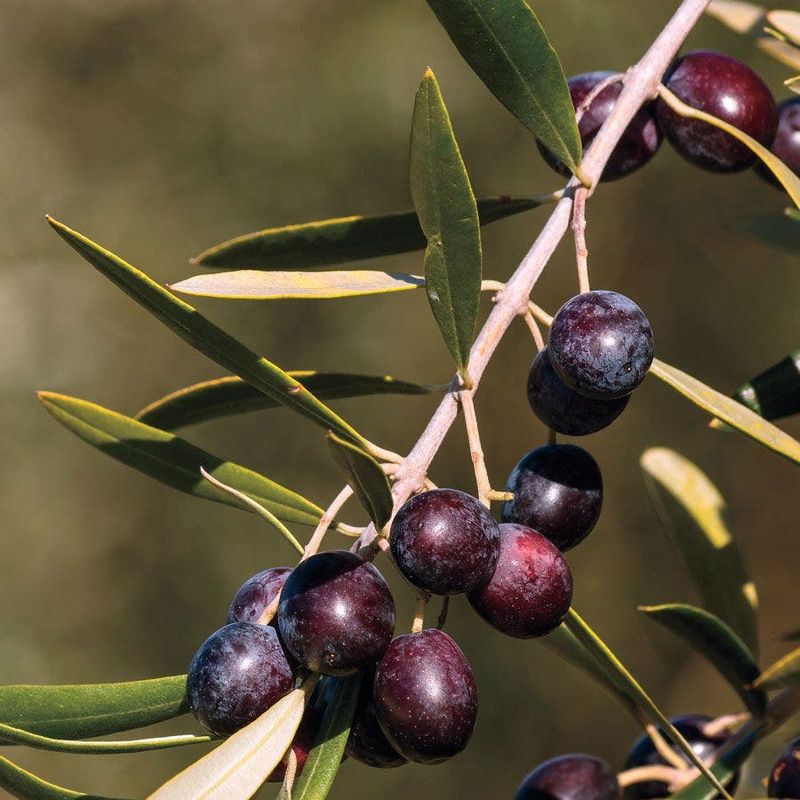
Spain gave us one of the toughest little olives around. Arbequina is a compact, self-fruitful variety that shows up again and again on cold-hardy lists, and its small round fruit ripens from green to deep purple.
Growers often say Arbequina can handle brief drops to around 15 degrees once it is established. Fresh, tender shoots are more sensitive, so a sudden late freeze can still nip new growth.
Self-fruitful matters a lot for home gardeners. You can get fruit from a single tree, though a second variety nearby may boost the harvest.
A few other names come up in cold-climate trials:
Mission is an older variety grown in California for generations, with a reputation for decent cold tolerance.
Leccino comes from central Italy and is valued for handling cooler winters and being a reliable pollinator.
Picual and Manzanillo also appear in nursery catalogs, though their cold performance varies by source and conditions.
My advice is to buy from a nursery that labels varieties clearly. Generic plants sold only as olive tree may not be the hardiest choice.
Fun fact: Arbequina is named after the town of Arbeca in Catalonia, Spain. Pretty fancy roots for a tree you might park beside your grill.
Heavy Red Clay Can Drown Olive Tree Roots
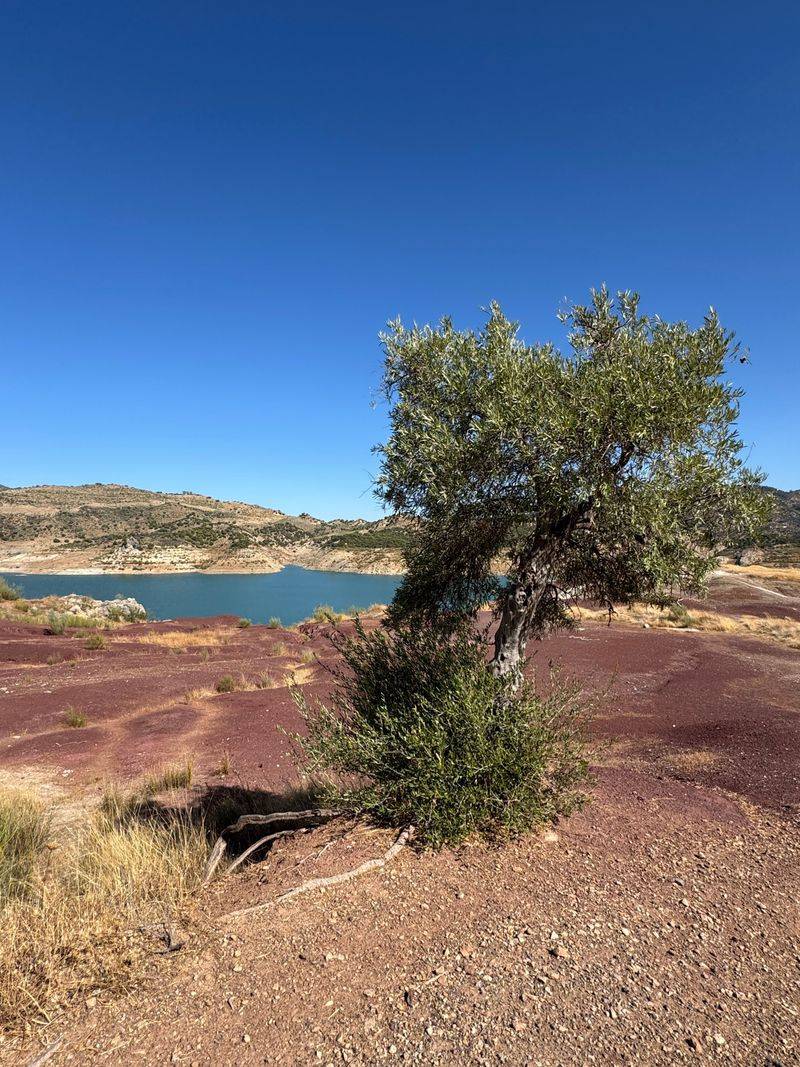
Cold gets most of the blame, but soggy soil causes plenty of trouble too. Olive trees come from rocky, well-drained Mediterranean hillsides, and their roots dislike sitting in water.
Much of central Virginia is known for dense red clay. After a heavy spring rain, that clay can hold water for days, and roots starved of air can rot.
Try a quick drainage test before you plant. Dig a hole about a foot deep, fill it with water, and see how fast it empties.
If water lingers for hours, your spot needs help.
Planting on a raised mound or in a raised bed is one of the easiest fixes. Lifting the root zone above the surrounding soil lets extra water slide away.
Mixing in coarse material and compost across a wide area also improves structure. Avoid amending just one small hole, since that can create a bathtub effect in clay.
Olives prefer soil that is near neutral to slightly alkaline. Many soils in the state lean acidic, so a soil test through Virginia Cooperative Extension can tell you whether lime would help.
Honestly, wet feet in winter can be worse than cold alone. A tree in cold, soggy ground struggles more than one in cold, dry ground.
Frost Cloth and Thick Mulch Can Save an In-Ground Olive Tree
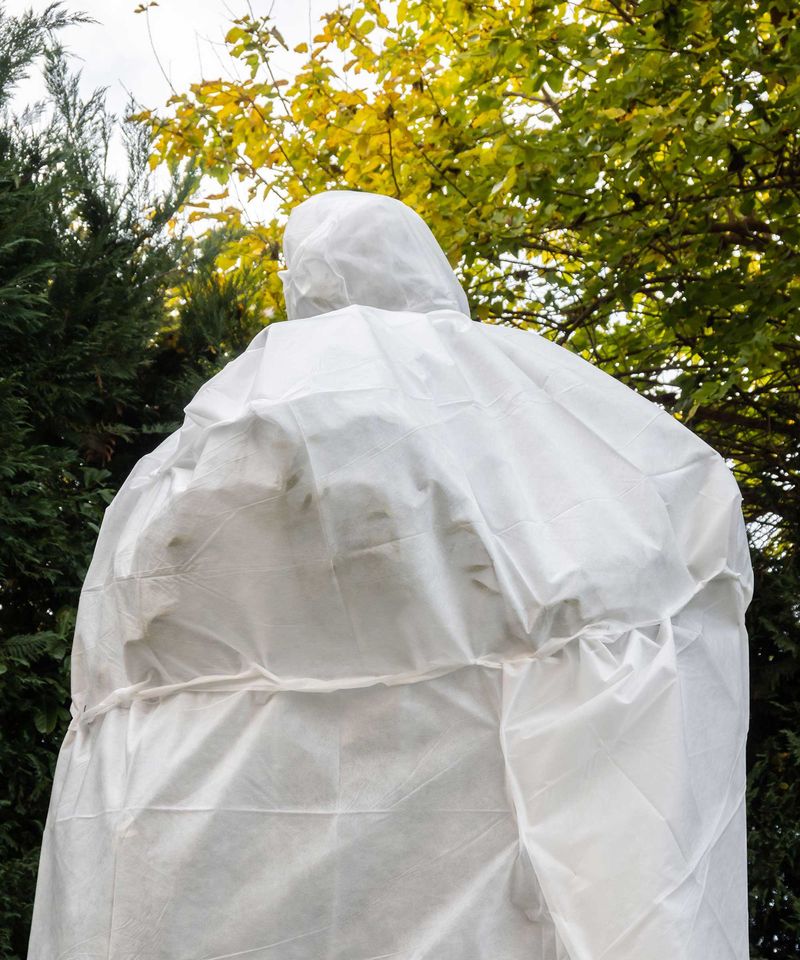
Watching a weather forecast drop into the teens feels different once you own an olive tree in the ground. A little preparation makes those nights much less stressful.
Mulch comes first. A thick layer of straw, shredded leaves, or pine straw over the root zone helps keep soil temperatures steadier.
If the top growth suffers, protected roots can often push out new shoots in spring.
Wrapping the trunk is another useful step. Burlap or tree wrap gives the lower trunk some insulation, and the trunk is the part you most want to keep healthy.
For harsh cold snaps, drape frost cloth over the whole tree, letting it reach the ground to trap soil heat. Some gardeners add incandescent string lights under the cover, since older bulbs give off gentle warmth.
Use outdoor-rated lights and keep them away from dry fabric.
Remove or open covers on sunny days. Trapped heat and moisture can invite fungal problems and cook tender leaves.
Water before a hard freeze if the soil is dry. Moist ground holds heat better than parched ground.
Personally, I keep frost cloth and clips in a bin by the back door all winter. Scrambling to find supplies at dusk on a freezing night is a lesson you only need once.
Overwintering Potted Olives in a Cool Garage or Sunroom
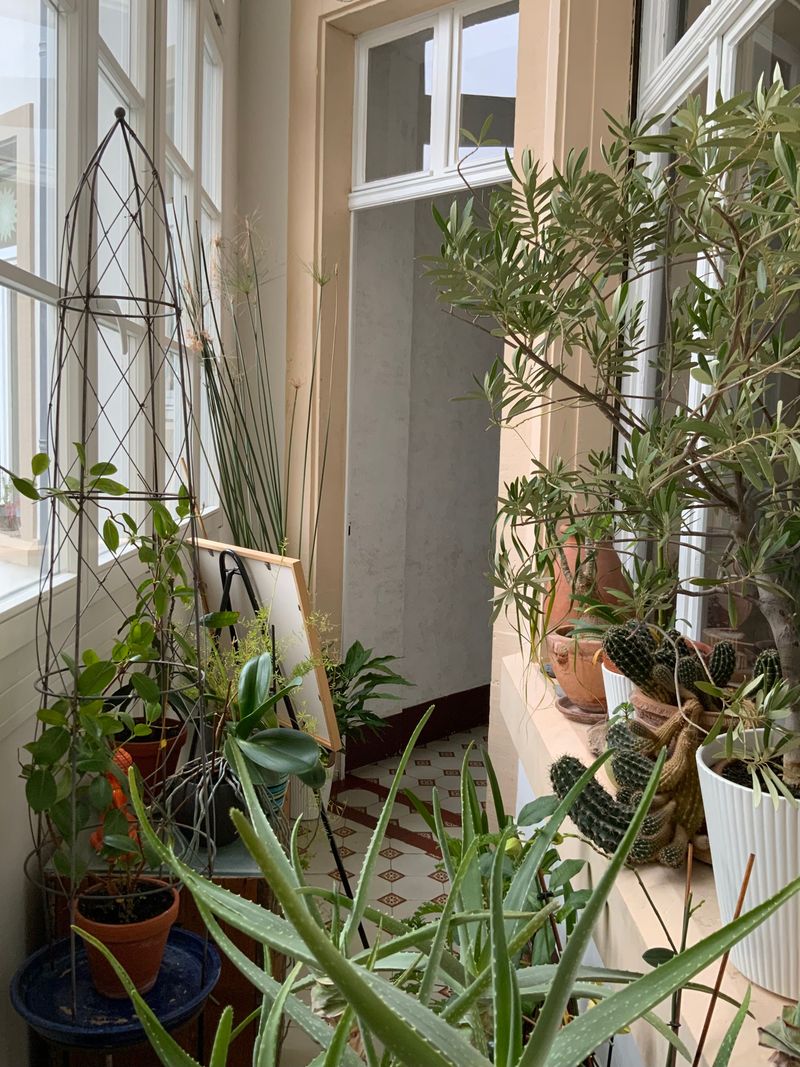
Moving day for container olives usually arrives in late fall. Many growers bring trees inside once nights are forecast to fall into the low 20s, or earlier for young plants.
Bright and cool is the sweet spot. An unheated sunroom, an enclosed porch, or a garage with a window works well.
A warm living room can actually backfire, since dry heated air often triggers leaf drop.
Olives also need a chill to bloom. Many sources suggest roughly two months of temperatures below 50 degrees to set flowers, so a cool space helps your chances of fruit next year.
Water sparingly during winter. The tree slows down, and soil stays wet much longer indoors.
Check with your finger and water only when the top few inches are dry.
If the room is dim, a simple grow light can keep leaves healthier. Watch for scale insects too, which sometimes show up on stressed indoor trees.
When spring warms, move the tree outside gradually. A week of partial shade before full sun helps leaves adjust and avoid sunscald.
I like how this routine turns the olive into a seasonal companion. It summers on the patio, winters by the window, and keeps you checking on it all year long.
Humid Summers and Fresh Olives Need Realistic Expectations
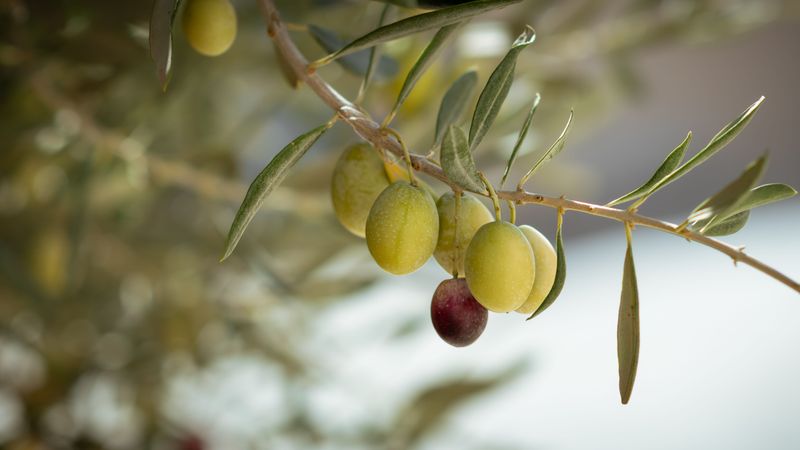
Before you start planning an olive oil empire, a little honesty helps. Home trees in the Mid-Atlantic tend to be modest producers, and many are grown mostly for their silvery beauty.
Humidity adds its own challenge. Olives prefer dry summers, so muggy weather can encourage leaf spot and other fungal issues.
Good spacing, light pruning to open the canopy, and watering at the soil level all help air move freely.
Patience matters too. A young tree may take several years before it fruits, and cold winters without enough chill or with frost damage can skip a year.
When fruit does appear, remember that fresh olives straight off the branch taste extremely bitter. They need curing in water, brine, or salt for weeks before they become snack-worthy.
Extension services and food safety guides offer tested curing methods.
Here is my takeaway. Coastal gardeners in warmer zones can try trees in the ground with winter backup, while everyone else will have far better luck with containers.
Start with one hardy, self-fruitful tree, give it sun and sharp drainage, and track how it handles your first winter. You might end up with a few jars of homemade olives, or simply a gorgeous tree that brings a slice of the Mediterranean to your yard.