7 Things You Should Never Do to Your Michigan Lawn in November
Grass roots under a Michigan lawn keep working in November, long after the blades above seem to nap. Soil two inches down still averages about 46 degrees early in the month, which keeps those roots busy.
By the final week, that number slips toward 40 degrees, and the ground starts thinking seriously about freezing. Winter here often arrives before Thanksgiving and hangs around past Easter, so lawns need a smart send-off.
I’m a big fan of fall yard work, but I’ve learned that eager hands can cause sneaky trouble. Some of the most common chores done this month actually leave grass weaker when spring finally rolls around.
You might be surprised by which habits made this list, since a few sound downright helpful on paper.
So which Michigan lawn mistakes could be hiding in your own garage, waiting for one more sunny weekend?
1. Scalping Your Grass Short On The Final Mow
Grass crowns sit right at the soil line, and they act like the beating heart of every single plant. Shave the lawn too low, and that tender crown faces bitter wind and cold with almost no protection.
I get the temptation, because a buzz cut feels like one less chore before the snow shows up. Sadly, short blades cannot make much food, and the plant burns through its stored energy far too fast.
Those carbohydrate reserves matter, since grass leans on them all winter and again during the first spring push. A scalped lawn often greens up slowly in April, looking patchy while the neighbors already enjoy fresh color.
Most experts suggest a final height between 2 and 3 inches for the cool-season grasses common across the state. Kentucky bluegrass and fescue both handle winter better when they keep a little extra leaf on top.
Going too tall causes its own headaches, though, so resist the urge to skip mowing just for insulation. Long grass over 3 inches tends to flop under snow, which invites snow mold to settle in comfortably.
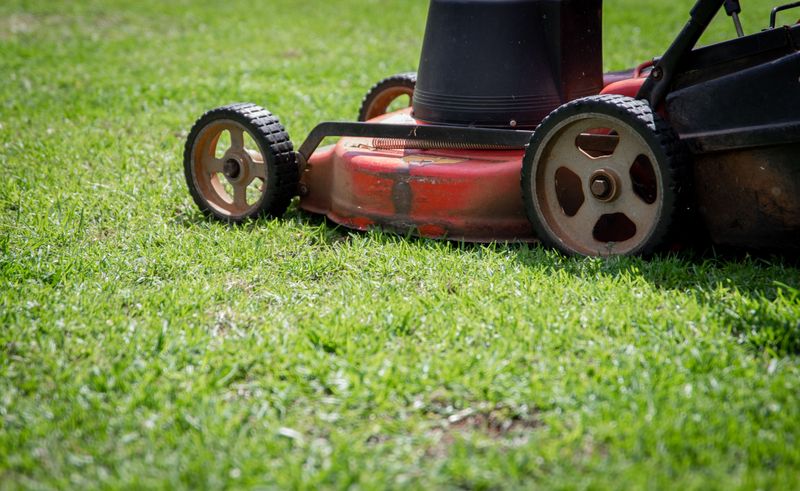
My favorite trick is lowering the mower deck gradually over the last few cuts instead of all at once. That gentle step-down keeps you within the one-third rule and spares the grass from sudden shock.
Sharpen the blade before that last mow, too, since clean cuts heal faster than ragged, torn tips. Your lawn will thank you next spring with thicker growth and far fewer bare spots to patch up.
2. Parking The Lawn Mower While Grass Keeps Growing
Calendars mean nothing to a stubborn patch of bluegrass, which keeps growing whenever days stay mild enough. Cool-season grass usually keeps stretching upward as long as daytime highs hold steady above about 50 degrees.
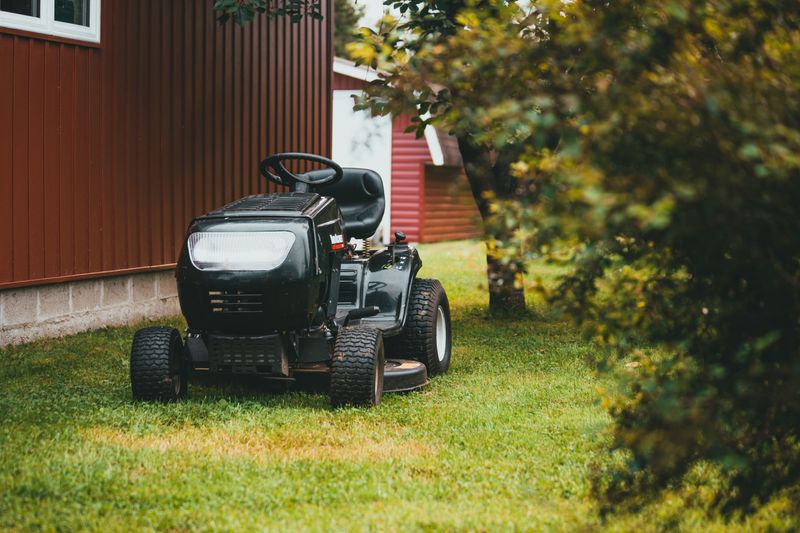
I’ll admit I once rolled the mower into the shed on Halloween and felt very proud of myself. Two warm weeks later, my yard looked shaggy, and I had to drag everything back out again.
Overgrown grass heading into winter tends to mat down flat once heavy snow piles on top of it. That damp, tangled layer becomes a cozy home for snow mold, which shows up as crusty circles later.
Voles love matted grass too, since it hides them from hawks while they tunnel and nibble all winter. Come spring, you may find winding runways chewed across the yard like a strange little road map.
Keep mowing as needed until growth clearly stalls, and stick with the one-third rule each time. Removing no more than a third of the blade length prevents stress during a season when recovery runs slow.
Watch out for frosty mornings, though, because mowing over frozen blades can bruise and break them. Wait until the sun melts the frost and the grass feels soft and dry under your shoes.
A simple test helps here: if the lawn looks the same height after a week, growth has probably stopped. At that point, you can finally clean the mower and store it with a clear conscience.
3. Shutting Off The Garden Hose Before The Ground Freezes
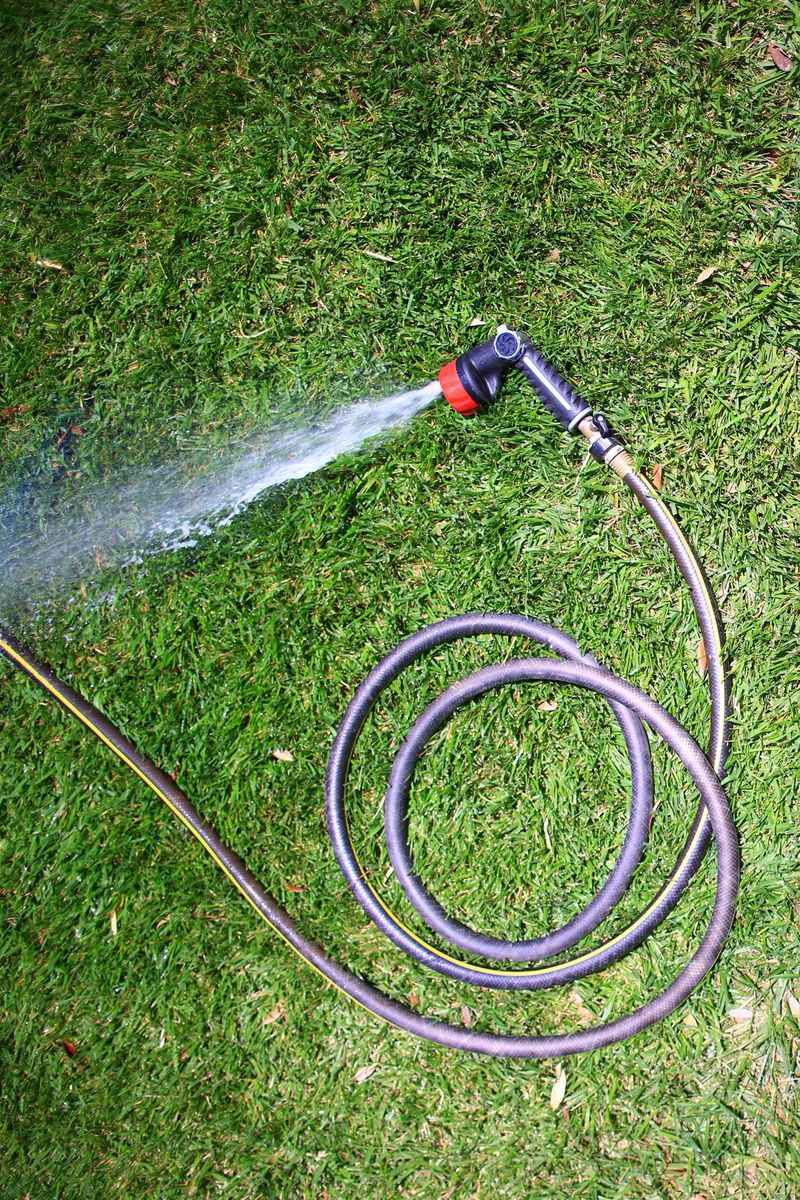
Thirsty roots can still sip water in November, even when the lawn above looks sleepy and brownish. Until the soil freezes solid, those roots keep pulling moisture to prepare for months of cold and wind.
Most autumns in Michigan bring plenty of rain, so many homeowners can simply let the clouds handle things. A dry fall changes that picture, and thirsty grass heading into winter faces a much tougher road.
I keep a cheap rain gauge on the fence post, and it settles plenty of guesswork for me. When rainfall runs short, a deep soaking once or twice a week helps roots stay hydrated and sturdy.
Keep that routine going during dry spells until soil temperatures fall below about 40 degrees and stiffen up. Water earlier in the day so blades dry before nightfall, since soggy evenings can invite fungal trouble.
Once the ground freezes, though, the hose becomes useless, because water simply cannot soak down to the roots. Extra water sitting on frozen soil can form slick ice sheets that smother turf and encourage snow mold.
Sprinkler systems need attention before that hard freeze, too, since trapped water expands and cracks pipes. Many homeowners hire a pro to blow out the lines with compressed air, which is money well spent.
Drain and coil your garden hoses as well, then stash them somewhere they will not freeze and split. That small chore takes ten minutes and saves you a frustrating trip to the hardware store in April.
4. Running A Core Aerator Over Chilly November Grass
Core aerators pull out little soil plugs that look like goose droppings scattered all across the yard. Those plugs are a sign of hard work, but grass needs warm, active weeks to heal afterward.
For cool-season lawns across Michigan, the best aeration window runs from late August through about mid-October. During those weeks, warm soil and eager roots help the turf fill each hole with fresh growth quickly.
November flips that story around, since cooler soil slows root growth to a slow, gentle crawl. Aeration stresses turf, and a lawn without time to recover heads into winter carrying open, raw wounds.
I find it fascinating how much a lawn relies on timing rather than raw effort for its health. The same job that works wonders in September can backfire badly when performed in late autumn.
Frozen ground makes things worse, because tines bounce off hard soil and barely pull any useful soil cores. Soggy late-fall soil causes the opposite problem, smearing and compacting around each hole instead of loosening it.
Rental shops may still offer aerators this month, but saving your money for later makes far more sense. Jot a reminder on next year’s calendar for early September, when conditions line up beautifully for the job.
Pairing that early fall aeration with overseeding gives new grass seed perfect little pockets to sprout in. Patience pays off here, and those compacted spots will still be waiting for your help next season.
5. Dragging A Dethatching Rake Across Sleepy Grass
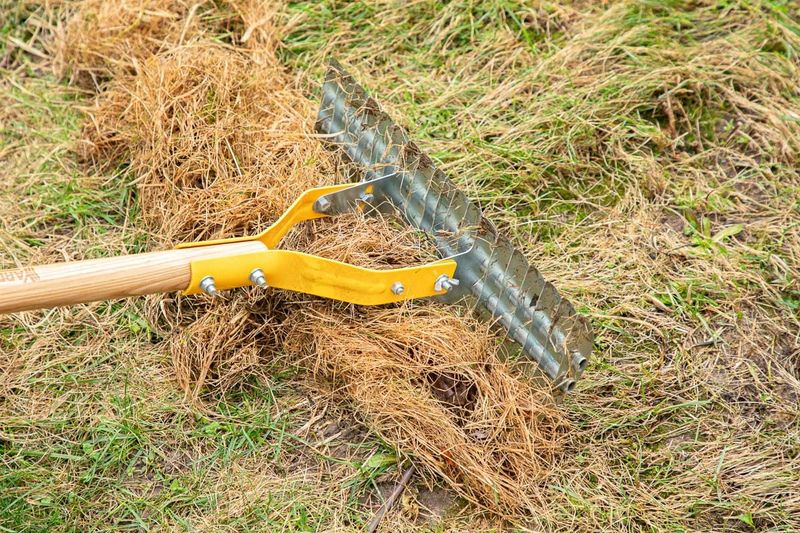
Thatch is that spongy brown layer of stems and roots tucked between green blades and the soil surface. A thin layer actually helps, cushioning footsteps and holding moisture, but thick mats can choke a lawn.
Ripping that mat out sounds like a satisfying fall project, and I can see why gardeners love it. Those piles of pulled thatch look impressive, yet the lawn underneath often appears ragged and torn afterward.
Dethatching tears through living crowns and roots, so grass needs strong, active growth to bounce back quickly. By this point in the year, growth has slowed so much that recovery simply cannot happen before winter.
A freshly raked lawn heading into snow season carries thin spots and exposed crowns with little stored strength. Those weak areas often linger into spring, giving weeds an easy opening before the grass wakes up.
Better timing falls in late August through September, or again in late April through early May. Both windows give cool-season grass enough warmth and energy to fill in the gaps fairly fast.
Before renting a machine, grab a trowel and cut a small wedge of turf to check thatch depth. Many lawns carry less than half an inch, which usually means no dethatching is needed at all.
If thatch really is thick, mark the spot with a flag and plan the job for late next summer. For now, a gentle leaf raking is plenty, and your grass can rest without any extra wrestling.
6. Letting Soggy Oak And Maple Leaves Bury The Grass
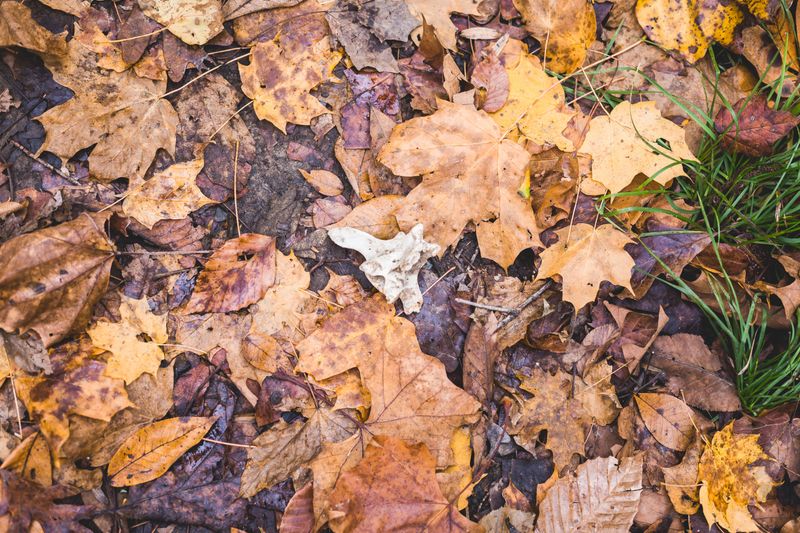
A single mature maple can shed a staggering pile of leaves, and they rarely land politely anywhere useful. That crunchy golden carpet looks lovely for a week, then turns into a soggy mat after rain.
Grass underneath that mat loses access to sunlight and air right when it should be storing energy. Weeks of shade weaken the blades, and thin, yellowed patches often greet you once the snow melts.
Wet, matted leaves also trap moisture against the turf, creating a dark hideout where snow mold thrives. Gray or pink fuzzy circles in spring are often a sign that leaves or long grass sat too long.
I’m continually surprised by how easily a mower handles this problem without any raking in lighter leaf years. Run over dry leaves a few times, and they shred into tiny flakes that settle between the blades.
Research from Michigan State University found that mulched leaves can feed soil and even help reduce dandelions. Those little pieces break down over winter, quietly adding organic matter right where your grass needs it.
Heavy drops are a different story, so rake or bag leaves when you can no longer see grass. Extra leaves make wonderful compost or garden bed mulch, so nothing really needs to go to waste.
Try to clear the yard every week or so until the last tree finally drops its stubborn leaves. Oaks love hanging on late, so plan for one more cleanup after the maples are bare.
7. Stomping Across Frosty Grass On Chilly Mornings
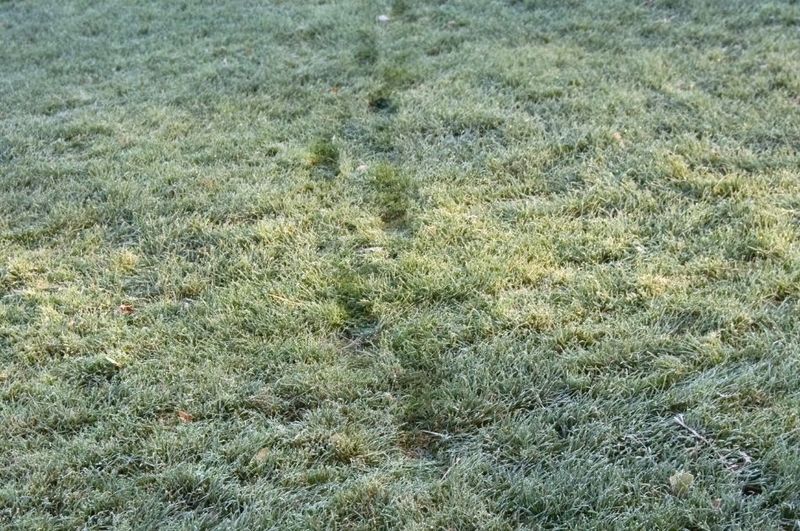
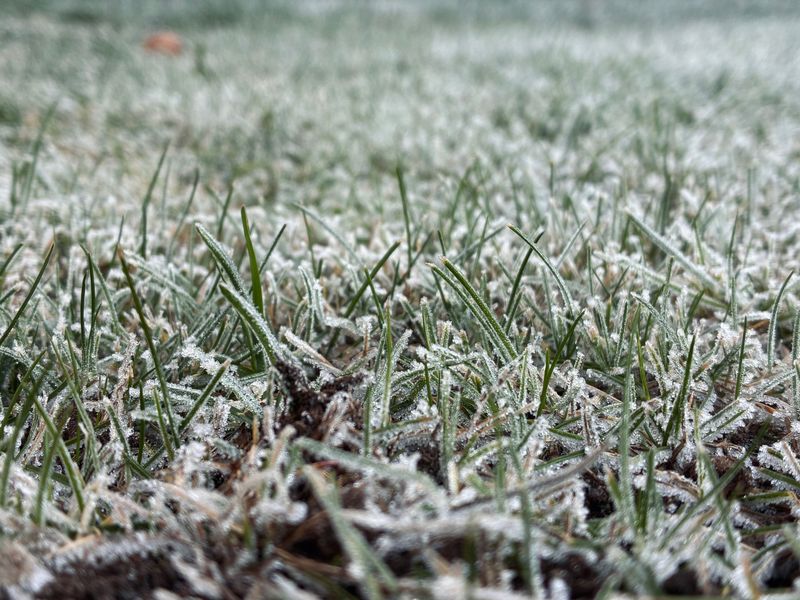
Frosty lawns sparkle like sugar-dusted cookies at sunrise, and I could stare at them for ages. That glittering coat hides a fragile secret, though, because each blade is partly frozen from the inside.
Ice crystals form within and around the grass cells, turning soft leaves stiff and surprisingly brittle. Step on them, and those frozen blades crack instead of bending, which ruptures cells and injures the plant.
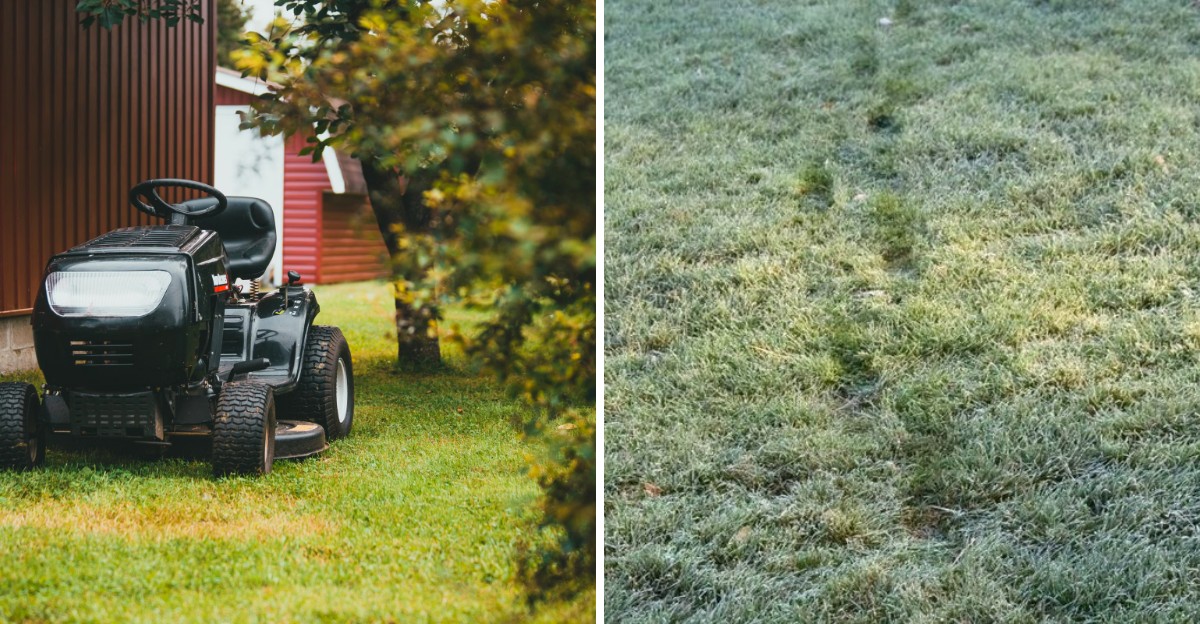
Damage often shows up a day or two later as dark, brownish footprints marching across the yard. Heavy traffic on frosty mornings can leave patchy trails that stay visible until spring growth fills them.
You might find it hard to believe, but even the dog’s morning route can carve a visible path. Consider letting your pup out onto a patio or gravel area until the sun softens things up.
The same caution applies to wheelbarrows and mowers rolling across the lawn before the frost has melted away. Wheels press down even harder than feet, so heavy equipment can leave especially obvious tracks behind.
Most frost melts by mid-morning once sunlight hits the yard, so a little patience solves the problem. Shady corners near the house or fence can stay frozen longer, so check those spots before walking across.
Laying a few stepping stones along your favorite shortcut keeps winter feet off fragile turf for good. Meanwhile, grab a warm mug of cocoa and enjoy that frosty Michigan sparkle from the comfort of your porch.