Snip A Few Confederate Rose Stems Before Georgia’s First Frost To Grow More For Free
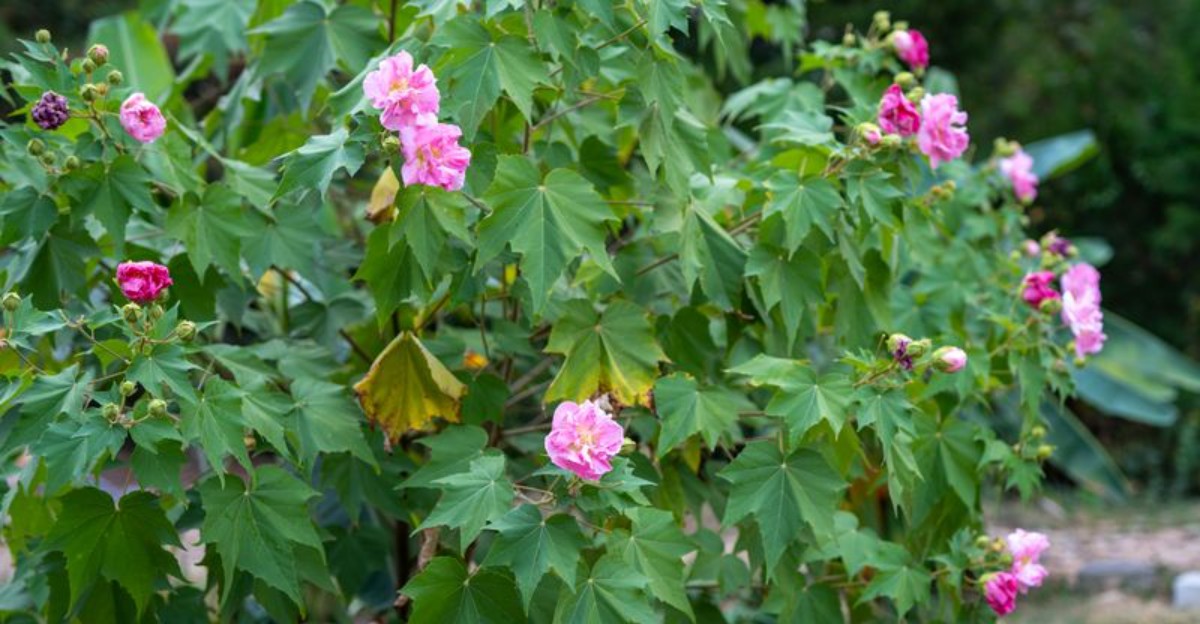
One flower on my favorite fall shrub opens creamy white at breakfast and blushes deep pink by supper. The next morning, a fresh white bloom opens right beside it.
That color trick comes from a hibiscus, not a rose at all. Its name even means changeable in Latin.
Southern grandmothers swapped pieces of it over fences for generations, and many Georgia yards still hold plants started from a single shared stick.
I love that this old favorite asks for so little. You need a sharp pair of pruners, a jar or a pot, and a little patience.
No nursery receipt is required.
The catch is timing. Once a hard freeze turns those big fuzzy leaves to mush, your easy chance at free plants shrinks fast.
How many stems can you grab before the cold arrives?
1. That Color-Changing Hibiscus Shrub Is Hiding Free Plants
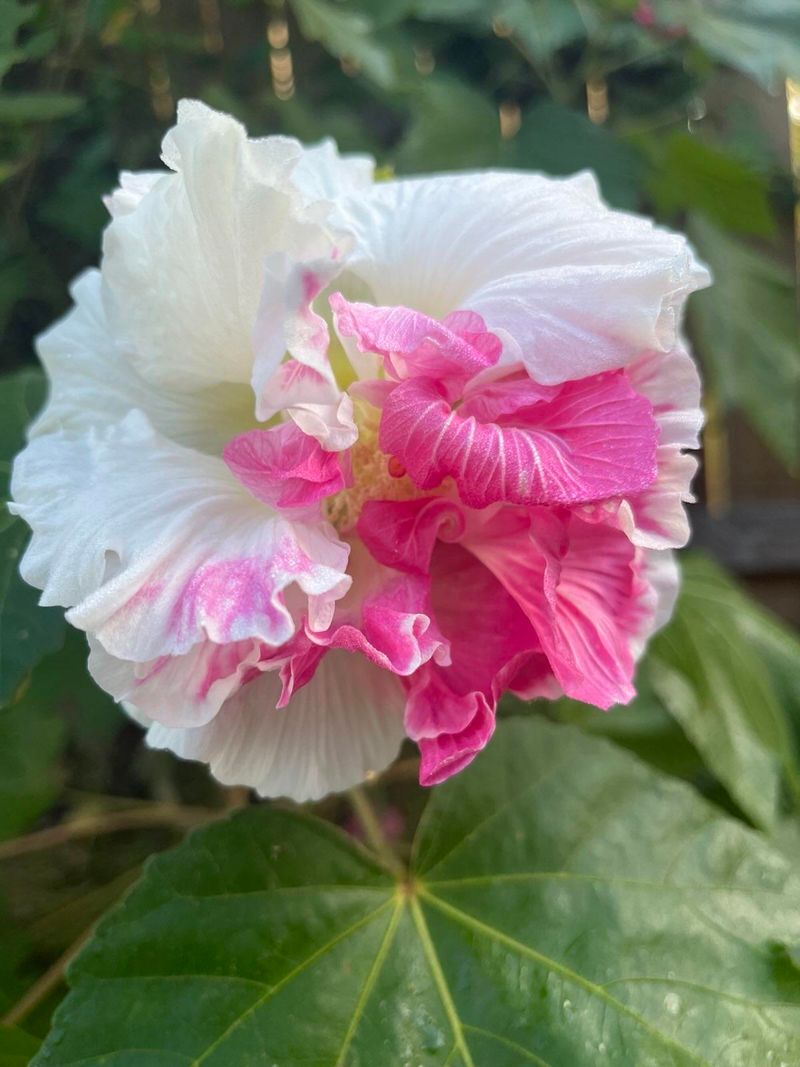
Southern gardeners have called it the Confederate rose for ages, but botanists know it as Hibiscus mutabilis. It hails from southern China and has grown in Southern yards since the 1800s.
Mutabilis means changeable, and the name fits beautifully.
Each flower opens white or pale pink in the morning. By late afternoon it darkens to rosy pink or even deep red.
Since new buds open daily, one branch can show three shades at once, which explains why folks stop on the sidewalk to stare.
The real treasure, though, sits in the stems. Confederate rose roots from cuttings with surprising ease, so every branch on your shrub is a possible new plant.
Gardeners have shared it this way for generations, which is why it earned its pass-along reputation.
In most of Georgia, the shrub acts like a perennial that freezes back in winter. Frost blackens the leaves and soft wood, and the plant regrows from its base in spring.
In the warmest coastal areas, it may keep more of its woody frame.
That yearly freeze is exactly why fall matters. Those tall stems you would trim anyway can turn into a whole row of shrubs for next summer.
2. Grab Your Pruners Before Frost Turns Those Big Leaves Black
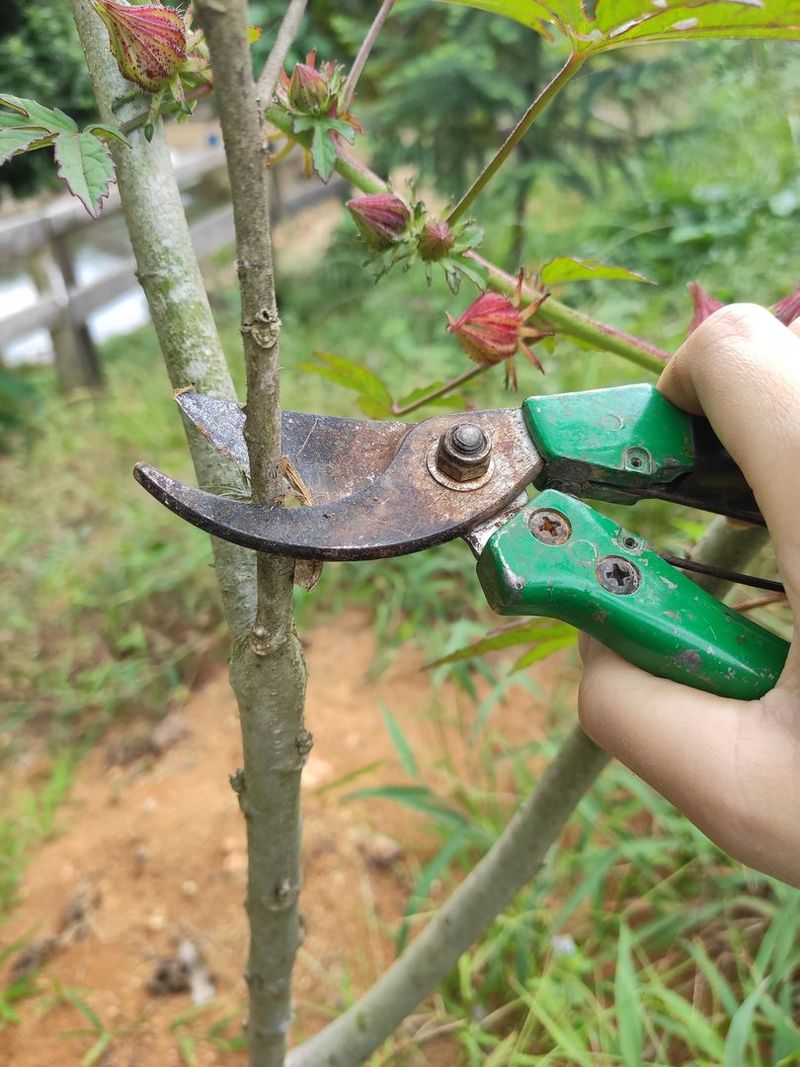
Timing is the whole secret here. You want healthy, firm stems that have not been hit by a hard freeze, because frozen tissue turns soft and rots instead of rooting.
Georgia’s first frost arrives on very different schedules. The north Georgia mountains can see frost in mid to late October, while the Atlanta area usually gets it in early November.
Middle Georgia often waits until mid-November, and coastal towns like Savannah may not see one until late November or December.
Check your local forecast once nights start dipping into the 40s. When the forecast shows lows near 32 degrees, head outside that week and take your cuttings.
I like to go out a few days early so I am not rushing in a cold wind.
Morning is the best time to cut. Stems are full of water then, so they stay crisp longer.
Drop them right into a bucket of water as you work.
Already had a light frost? Look closely before giving up.
If the stem wood is still green and firm under the bark, it can still root. Mushy or blackened stems belong in the compost pile instead.
3. Pencil-Thick Confederate Rose Stems Root Like Champs
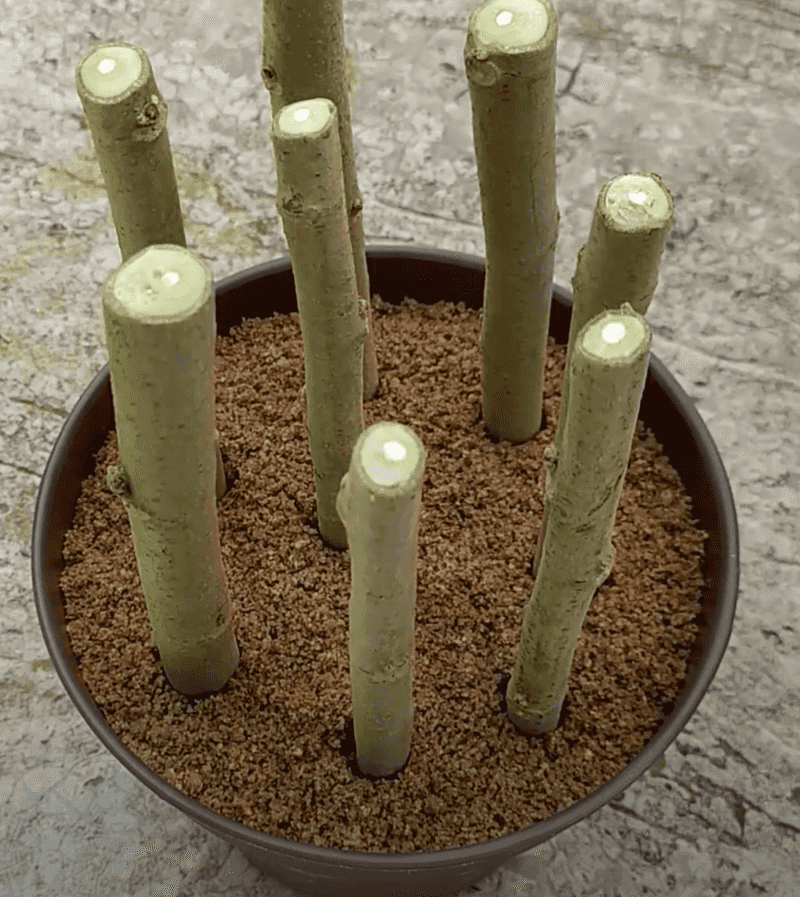
Size really does matter when you pick cuttings. The sweet spot is a stem about as thick as a pencil, or a little thicker, from this year’s growth.
Skinny tips are often too soft and may wilt before they form roots. Very old, gray, woody trunks can root too, but they tend to be slower.
Look for green to tan stems that feel firm when you bend them gently.
Cut pieces roughly 8 to 12 inches long. Some gardeners go longer, and that usually works fine with this tough plant.
Make sure each piece has at least three or four nodes, those little bumps where leaves attach, since roots sprout from those spots.
Choose shoots without flower buds when you can. A stem trying to bloom spends its energy on petals rather than roots.
If every stem has buds, just snip them off.
One more tip from experience: mark which end is the bottom. A slanted cut on the bottom and a flat cut on top keeps you from planting a stick upside down.
Trust me, it happens more than people admit.
Take extras, too. A few may fail, and spare plants make wonderful gifts.
4. Strip Those Fuzzy Leaves And Give Each Cutting A Clean Start
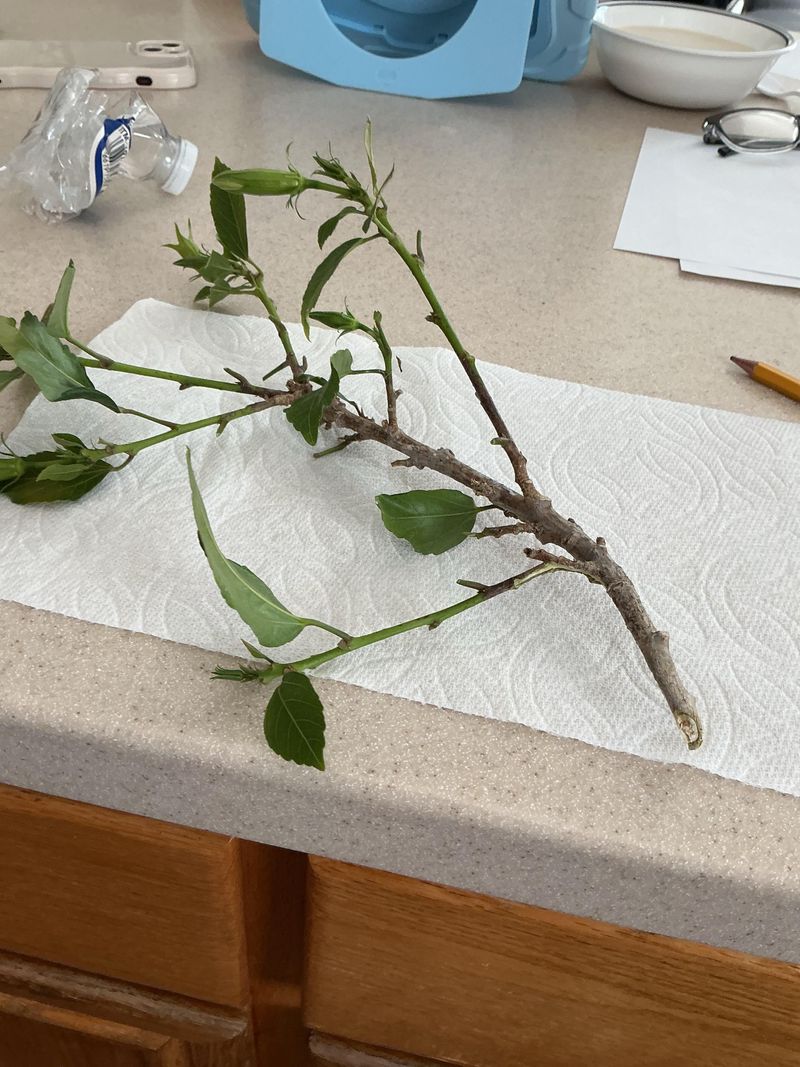
Big leaves look lovely on the shrub, but on a rootless cutting they are trouble. Those broad, fuzzy Confederate rose leaves lose water fast, and a stem with no roots cannot keep up.
Pull or snip off all the lower leaves. On top, keep one or two small leaves, or cut the bigger ones in half.
Many gardeners remove every leaf, and the cuttings still root just fine.
Use clean, sharp pruners or a knife. Crushed stems invite rot, so a single crisp cut works best.
Cleaning your blade between plants helps prevent disease from spreading.
Make your bottom cut just below a node. That spot holds the cells most ready to grow roots.
Rooting hormone is optional with this plant. Confederate rose roots readily on its own, which is part of its charm.
Still, dipping the bottom inch in hormone powder or gel can speed things up and give slow growers a nudge.
Tap off the extra powder before planting. A thin dusting does the job, and more is not better.
Now your cuttings are prepped and ready for water or soil.
5. A Simple Jar Of Water Can Sprout Hibiscus Roots
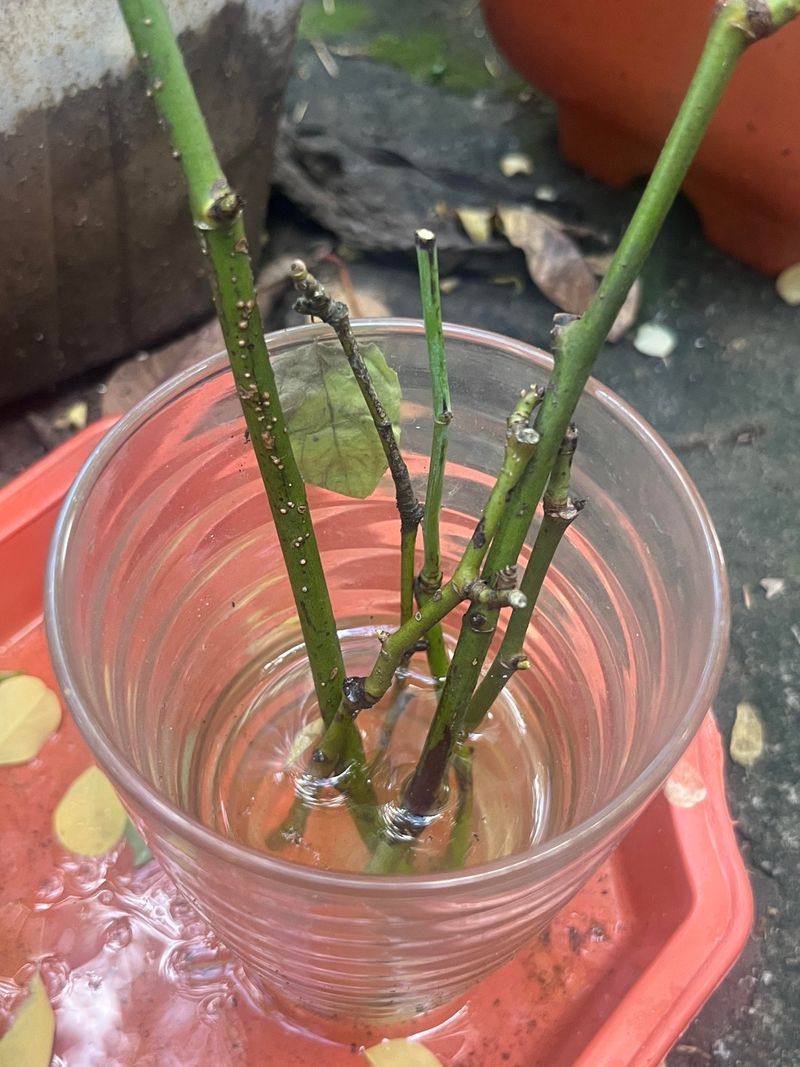
Grandma’s method still works wonders. Plenty of Southern gardeners root Confederate rose stems in nothing fancier than a mason jar or a bucket of water.
Stand the cuttings bottom end down with two or three inches underwater. Set the jar in a bright spot out of harsh direct sun, like a kitchen window.
Swap in fresh water every few days to keep it clear and free of slime.
Warmth speeds things along. In a cozy room, small white roots may show up in two to three weeks.
In a cool garage, it can take a month or more, so don’t panic if nothing happens right away.
Prefer soil? Stick cuttings a few inches deep in pots of moist, well-draining potting mix.
Firm the mix around each stem and keep it damp but not soggy. A clear plastic bag over the pot helps hold humidity.
Both methods work. Water lets you watch the roots form, which is half the fun for kids and curious grownups.
Soil-rooted cuttings skip the transplant shock later.
Personally, I do a few of each. Hedging your bets costs nothing.
6. Potted Confederate Rose Cuttings Need A Frost-Free Winter Hideout
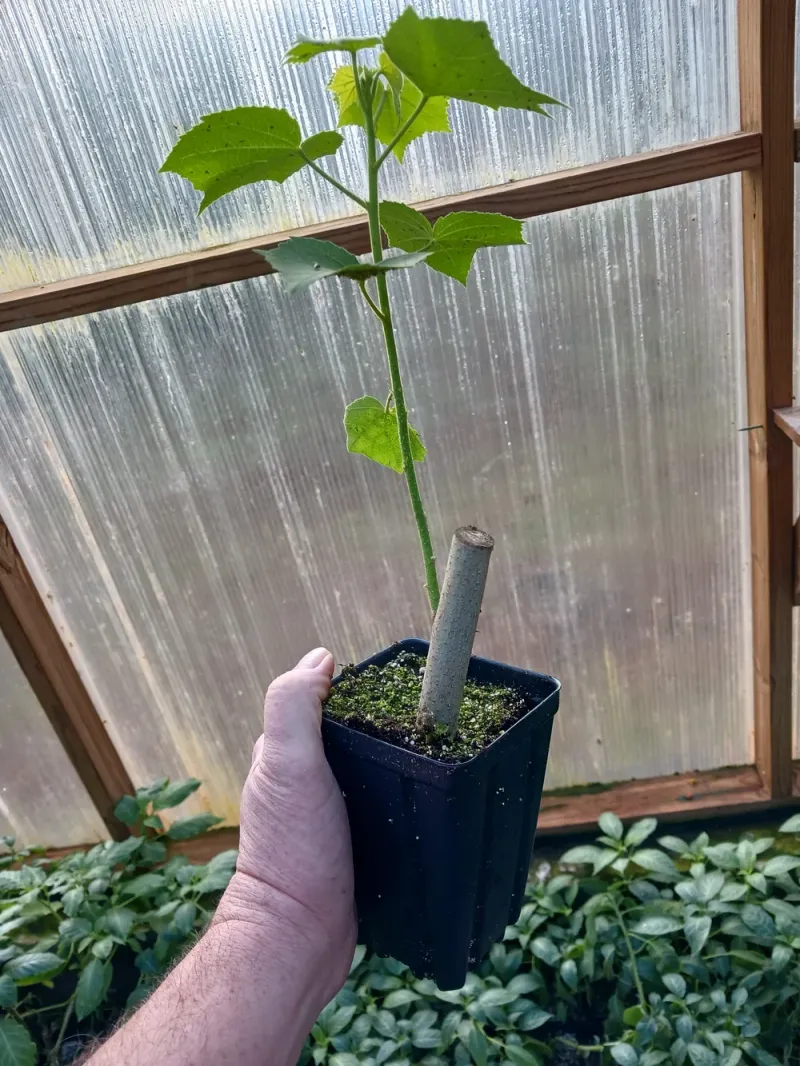
Once roots reach about an inch or two long, it is moving day. Gently pot water-rooted cuttings into one-gallon containers filled with fresh potting mix.
Handle those new roots carefully, since they snap easily. Water well after potting, then let the top of the soil dry slightly before watering again.
Soggy pots are the top reason winter cuttings fail.
Young plants are much more cold sensitive than an established shrub. A mature Confederate rose can bounce back from its roots, but a baby in a pot has no such backup.
Keep cuttings where temperatures stay above freezing.
Good spots include a bright garage, a sunroom, a cool spare room, or a sunny window. Some leaves may yellow and drop as the plants slow down for winter, and that is normal.
Green, firm stems mean all is well.
Skip the fertilizer for now. Plants growing slowly in low winter light do not need extra food, and too much can burn tender roots.
Check pots every week or so. Water only when the soil feels dry an inch down.
A little neglect works better than fussing here.
7. Spring Is When Young Confederate Roses Move Outdoors
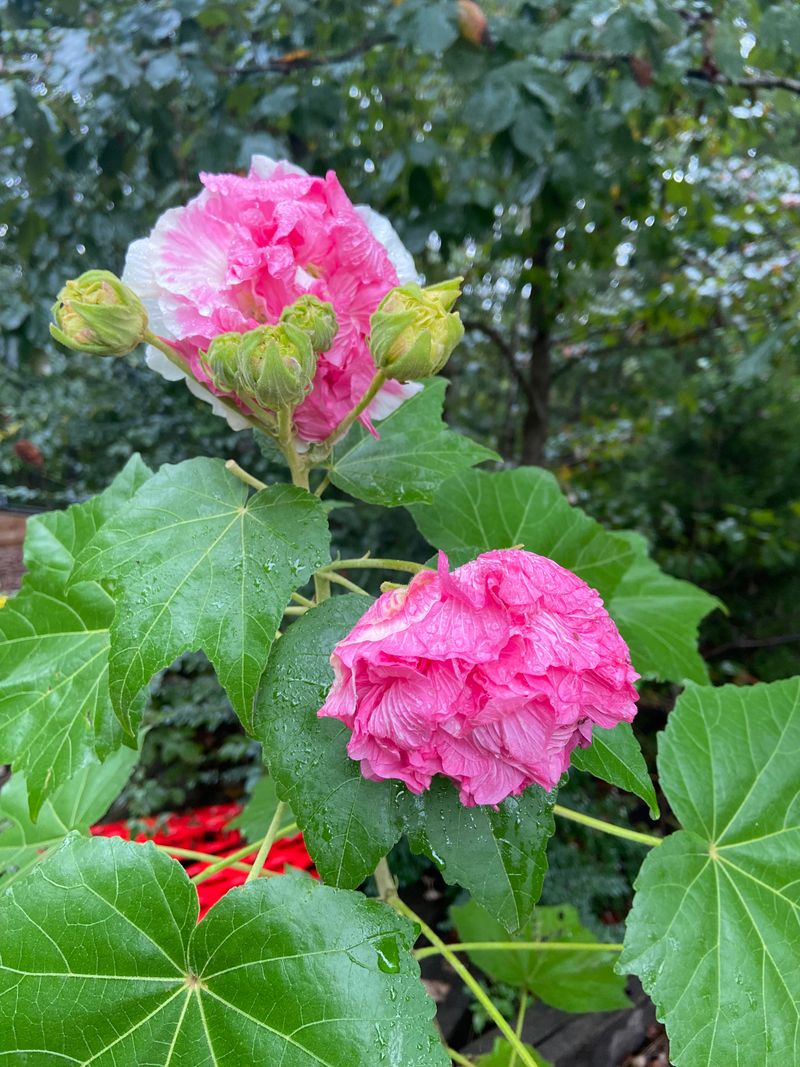
Patience pays off once the azaleas finish blooming. Wait until all danger of frost passes before moving your new plants outdoors.
Across Georgia, that last frost varies a lot. Coastal and south Georgia gardeners may plant by mid-March, while the Atlanta area often waits until early to mid-April.
Mountain gardeners should hold off until late April or even May.
Harden plants off first. Set the pots outside in a shady spot for a few hours, then increase sun and time over about a week.
Skipping this step can scorch leaves that grew up indoors.
Pick a spot with full sun to light shade. At least six hours of sun gives you the most flowers, though afternoon shade helps in hot south Georgia summers.
Rich, well-drained soil keeps roots happy.
Give each plant room. Confederate rose often grows six to ten feet tall and nearly as wide in a single season.
Plant them at least six feet apart and away from walkways.
Spread a layer of mulch and water deeply during dry spells that first summer. By fall, your free sticks can be covered in blooms.
8. Share A Bundle Of Confederate Rose Cuttings And Keep The Tradition Going
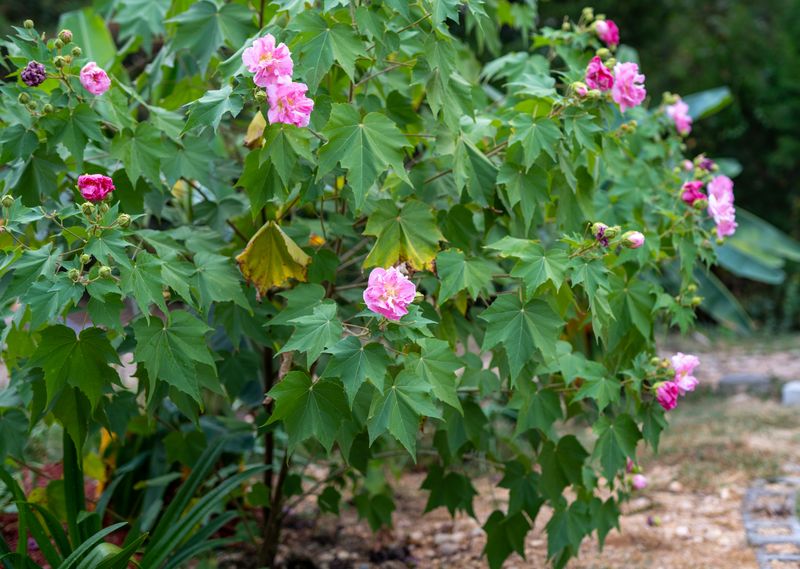
Some of the best plants in the South never came from a store. They came wrapped in damp newspaper from a friend’s backyard, and Confederate rose is a classic example.
Once you see how easily it roots, you will want to spread the joy. Tie a bundle of fresh cuttings with twine, tuck them in a bucket of water, and add a little note with rooting tips.
Church plant swaps and garden clubs love these.
After your cuttings are taken, tidy the mother plant. In colder parts of the state, many gardeners cut the frozen stems back to about a foot tall after frost.
A thick layer of mulch over the base helps protect the roots.
One fun bonus: hummingbirds and bees visit those late flowers when little else blooms. Your new shrubs will feed pollinators right as the season winds down.
Save a cutting or two each fall, even after you have plenty. It’s cheap insurance if a harsh winter hits your main plant.
Next autumn, when those blooms shift from white to pink, you will know you grew every single one yourself. That feels pretty great.