The Snake That Always Hung Around Your Florida Yard Is Gone – Here’s Why
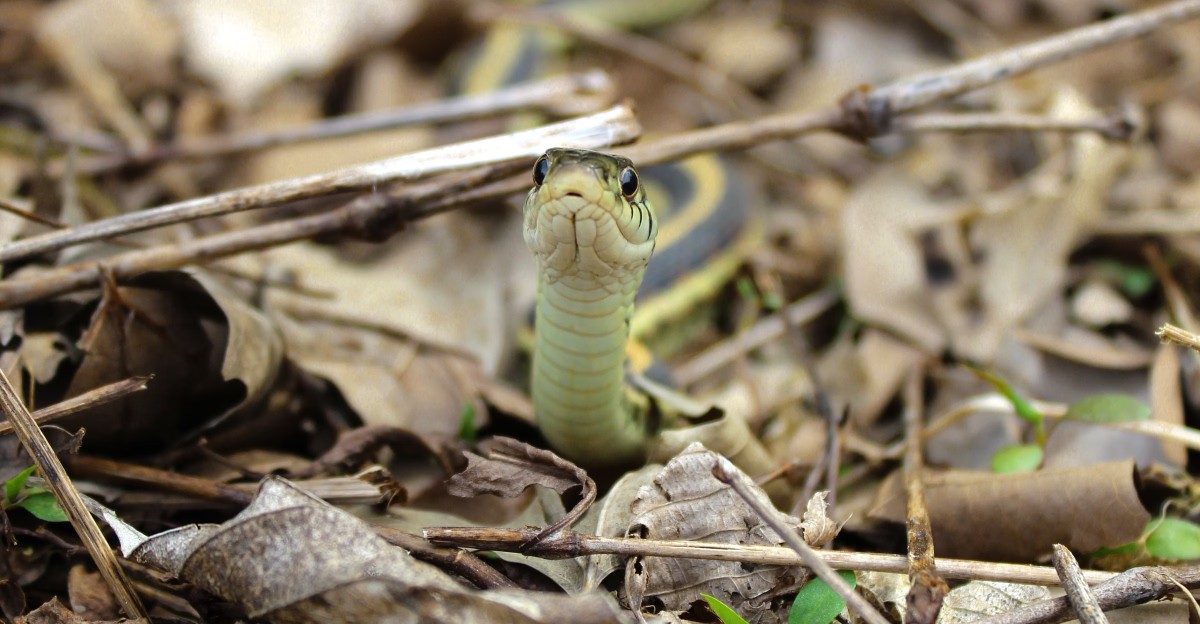
A parasite that rode into the Everglades inside giant pythons is now turning up in the lungs of ordinary backyard snakes. Scientists have found it in snakes far from the swamp, in neighborhoods a lot like yours.
Researchers call it a tongue worm, but it is not a true worm at all. It is a distant cousin of crabs and shrimp. It can pack a snake’s lungs so tightly that breathing gets hard.
I used to spot a slim black visitor sunning by my porch steps every spring. Personally, I miss that quick flash of scales. Lately those sightings feel rarer, and plenty of Florida gardeners have said the same thing.
Is a tiny hitchhiker to blame, or is something else going on in your yard? The full story is stranger, and more hopeful, than you might expect.
1. That Quiet Black Racer May Be Hiding an Unseen Problem in Its Lungs
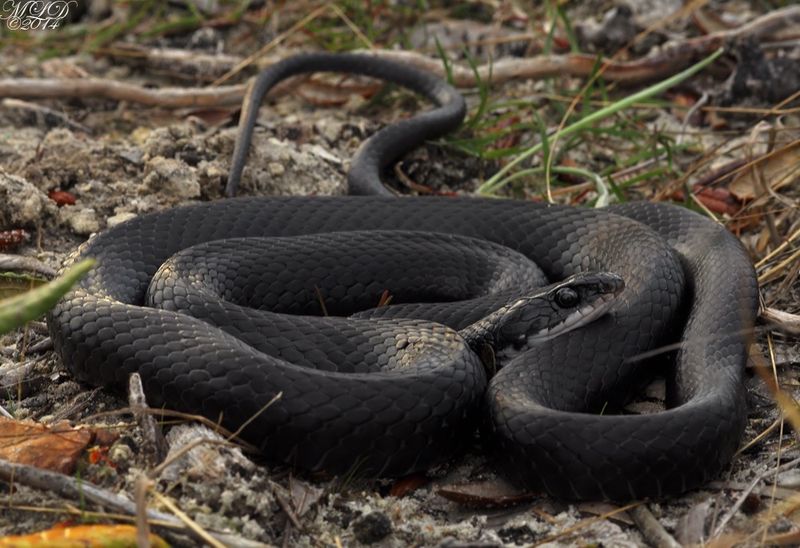
Southern black racers are the speedy, shiny snakes many of us grew up seeing near hedges and porches. They zip away so fast that a glimpse feels like a magic trick.
When those glimpses fade, you start to wonder what changed.
Scientists have a lead, and it lives inside the snake. A parasite brought in by invasive Burmese pythons has moved into many native snakes, including black racers.
You cannot see it from the outside, which is why the problem stayed quiet for years.
Researchers at the University of Florida and partner groups have tracked this parasite across a wide area. It has shown up in native snakes in at least 20 counties, far beyond the Everglades where pythons first settled.
Some infected snakes carried large numbers of the parasites packed into their airways.
Still, I want to be honest with you. Science has not proven that this parasite alone explains why the racer in your yard went missing.
Habitat loss, seasons, pets, and roads all play roles too.
Think of the parasite as a serious new suspect, not the only one. The sections ahead walk through each cause, so you can figure out what might be happening near your own garden.
2. A Python Hitchhiker Called the Tongue Worm Is the Prime Suspect
Its scientific name is Raillietiella orientalis, and it comes from southeast Asia. The creature is a pentastome, often called a tongue worm.
Oddly enough, its closest relatives are crustaceans, not earthworms.
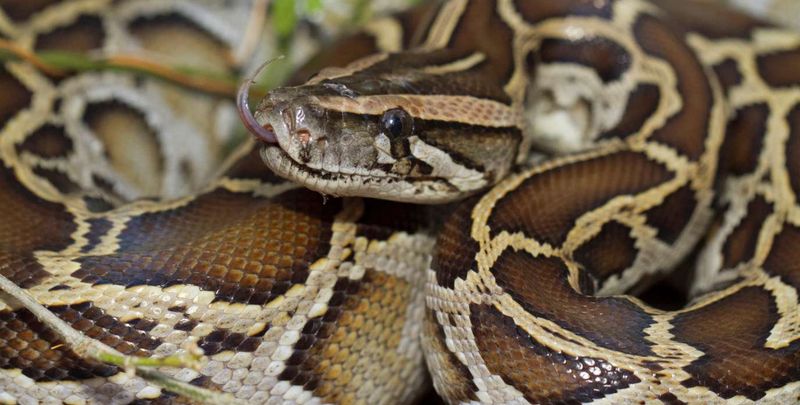
Burmese pythons carried it to the Everglades after the snakes were released or escaped from the pet trade. Over time, the parasite jumped to native snakes.
Scientists call this kind of jump spillover, and it is one of the sneakiest ways an invasive species causes harm.
Adult tongue worms live in a snake’s lungs and feed on blood. Pythons have large lungs and seem to handle them fairly well.
Many native snakes are smaller, so even a modest number of parasites can crowd their airways and cause tissue damage.
Researchers have found infected snakes with dozens of parasites at once. Some of those snakes showed breathing trouble and poor health.
Lab and field studies are still sorting out how often infection leads to a population drop.
Fun fact: tongue worms got their nickname because some species look a bit like a tiny tongue. That cute name hides a tough survivor that has now spread across much of central and south Florida.
3. Small Native Snakes Like Pygmy Rattlers Seem to Struggle the Most
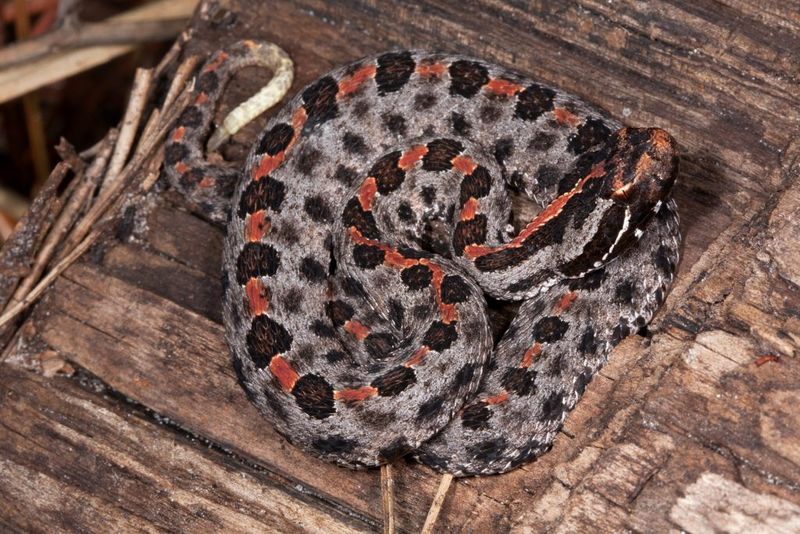
Size matters a lot when a parasite moves into your lungs. Dusky pygmy rattlesnakes, which often measure under two feet, have been some of the hardest-hit snakes in studies.
Scientists in central Florida watched infected pygmy rattlers struggle while carrying heavy parasite loads.
Other affected natives include black racers, banded water snakes, corn snakes, and several garter and ribbon snakes. That list covers many of the snakes people spot near ponds, flower beds, and woodpiles.
It helps explain why so many homeowners feel something has shifted.
Pygmy rattlers are venomous, so please give them room. Their bite is painful and needs medical care, though they are shy and rarely bite unless handled or stepped on.
Wear shoes outside and use a flashlight at night.
Here is a quick safety tip I follow. If a snake looks sick, sluggish, or oddly thin, do not pick it up.
Snap a photo from a few feet away and note where you saw it.
Those photos can help wildlife experts. The Florida Fish and Wildlife Conservation Commission and university researchers welcome reports of sick or unusual-looking snakes.
4. Frogs and Lizards in Your Garden May Help the Parasite Travel
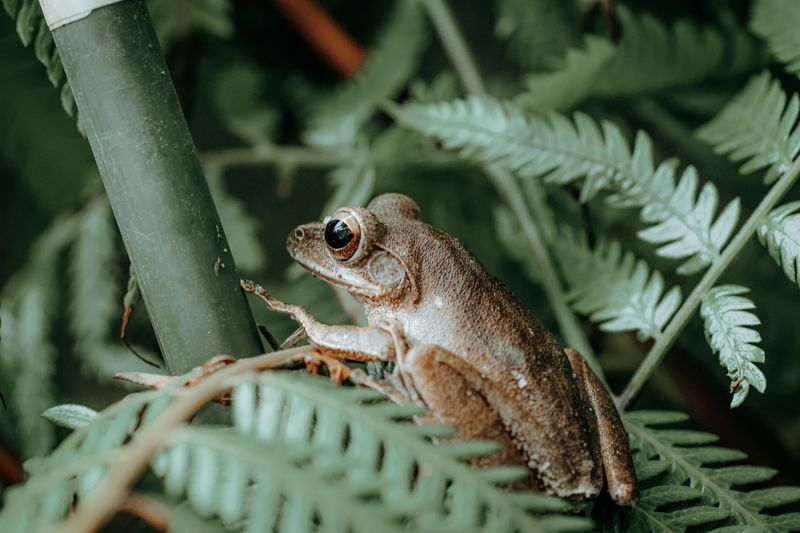
Parasites rarely travel alone, and this one needs a ride. Tongue worms are believed to pass through smaller animals that snakes eat, such as insects, frogs, and lizards.
When a snake swallows an infected meal, the parasite gets a new home.
Researchers have looked closely at invasive prey like Cuban treefrogs and brown anoles as possible links. Those animals are everywhere in many Florida yards.
That makes the parasite’s spread much easier than if it depended on pythons alone.
You can help a little by removing Cuban treefrogs humanely. UF/IFAS offers guidance on identifying them, since they are often mistaken for native green treefrogs.
Look for big toe pads, warty skin, and a size larger than most local frogs.
Please confirm the frog’s identity before acting. Native frogs are valuable garden helpers, and accidentally removing them would only hurt your yard’s balance.
When in doubt, leave it alone.
Also keep your outdoor lights low. Bright porch lights attract insects, and those bugs draw in hungry treefrogs and anoles.
Fewer lights mean fewer invasive visitors crowding your walls.
5. Bulldozed Woods and Tidy Lawns Push Garden Snakes Out Too
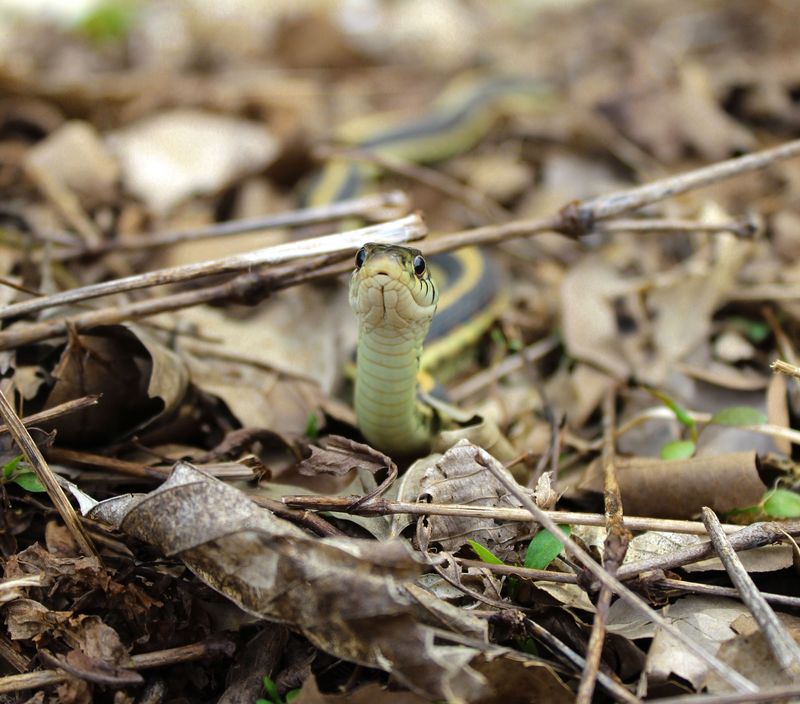
Long before tongue worms showed up, snakes were losing ground. New subdivisions, shopping centers, and roads have replaced huge areas of scrub, flatwoods, and wetlands.
A yard that once bordered woods may now border another yard.
Snakes need cover, food, and safe places to rest. Neatly trimmed lawns, bare mulch, and removed brush offer very little of that.
A racer that once lived happily near your fence may simply have moved to a wilder spot nearby.
Scientists have documented big declines in eastern kingsnakes across parts of the state over recent decades. The exact causes are still debated, but habitat change is often listed as a major pressure.
Kingsnakes eat other snakes, including venomous ones, so losing them matters.
I find it helpful to look at my own property with a snake’s eyes. Is there anywhere to hide on a hot afternoon?
Is there a damp corner where frogs and insects gather?
If the answer is no, your snake may not be sick at all. It might just be living somewhere with better shelter.
That is one cause you can actually change.
6. Cool Weather Sends Many Yard Snakes Into Hiding Spots
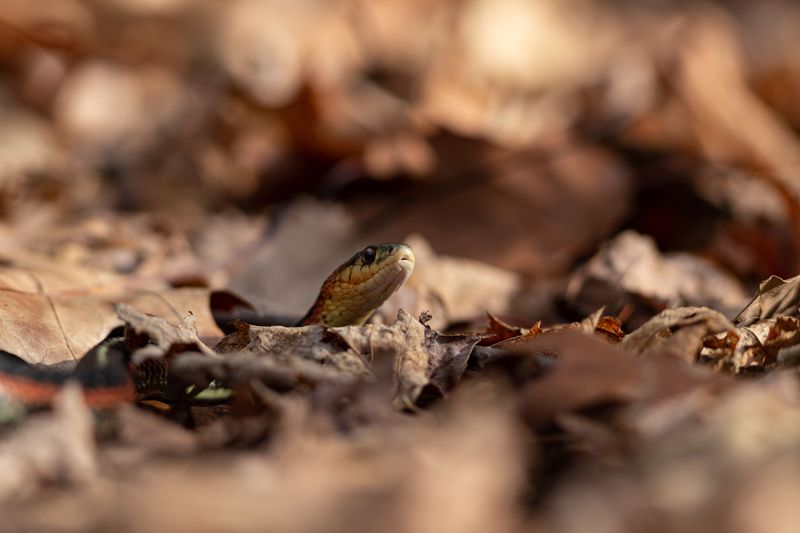
Sometimes the answer is as simple as the calendar. Snakes are cold-blooded, so their activity rises and falls with temperature.
During cooler months, many slow down and tuck into burrows, stumps, and leaf piles.
North Florida gets real winter chills, and snakes there may stay out of sight for weeks. In the southern peninsula, mild days can still bring snakes out to bask.
A cold snap anywhere can make them vanish for a while.
Summer brings its own patterns. On scorching afternoons, many snakes shift to early morning or evening hours.
Some species, like corn snakes, are often more active around dusk and after dark.
So before you worry, ask yourself when you usually saw your visitor. If it was spring and the current month is January, give it time.
Your snake may pop back up once the weather warms.
A simple journal can help. Jot down dates, temperatures, and any snake sightings for a year.
You will start to notice seasonal rhythms and spot real changes more easily. Honestly, it turns snake-watching into a fun backyard project for the whole family.
7. Roaming Cats, Lawn Chemicals, and Busy Roads Add Extra Pressure
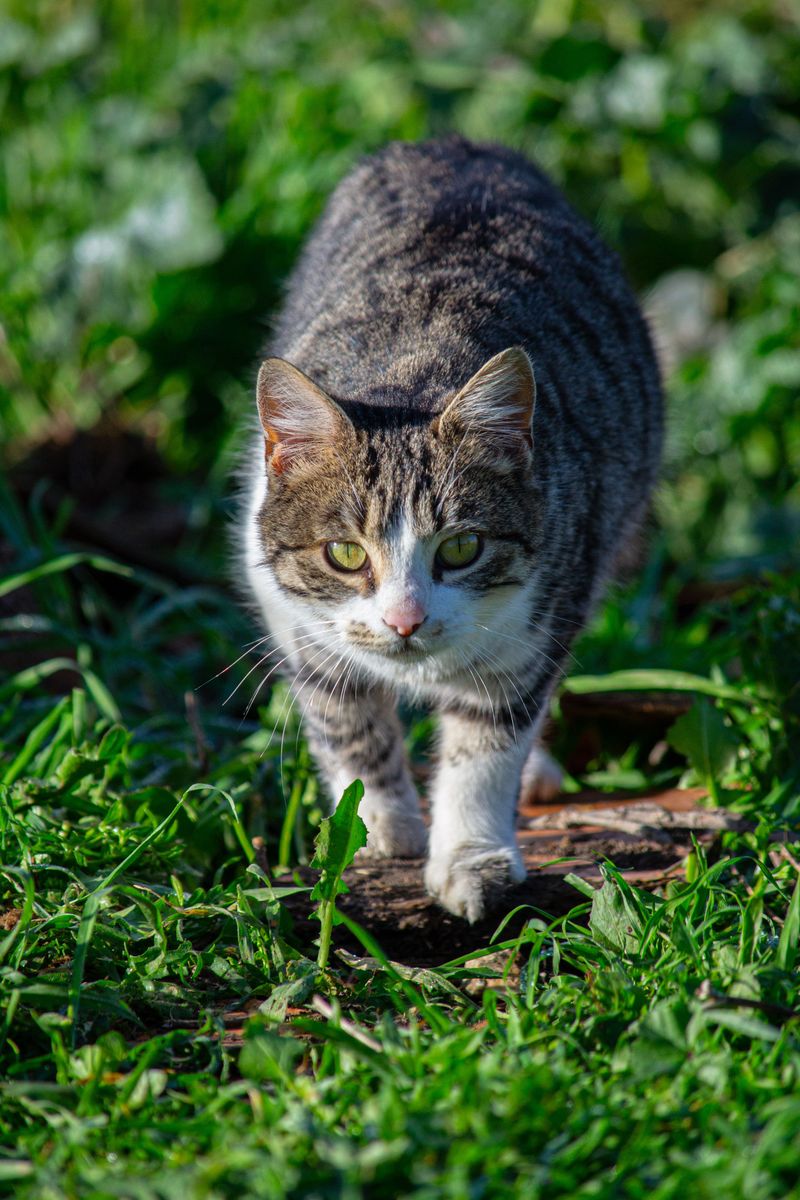
Outdoor cats are skilled hunters, and small snakes are easy targets. Studies across the country show free-roaming cats take huge numbers of reptiles each year.
A neighborhood with lots of roaming cats often has fewer snakes and lizards.
Roads are another quiet problem. Snakes love to bask on warm pavement, especially in the evening.
Sadly, that habit puts them right in the path of cars.
Then there are lawn and garden chemicals. Broad insecticides reduce the bugs that frogs, lizards, and young snakes depend on.
Rodent baits can also harm snakes that eat poisoned mice and rats.
Small changes help more than you might guess. Keep your own cat indoors or in a screened catio.
Try targeted pest control, like spot treatments and traps, instead of spraying the whole yard.
When driving through wooded areas, slow down at dusk and watch for long shapes on the road. If you stop to help a snake cross, use a long stick or broom and only if it is clearly harmless.
Safety for you comes first, and the snake usually knows where it wants to go.
8. Native Plants and Brush Piles Can Welcome Garden Snakes Back
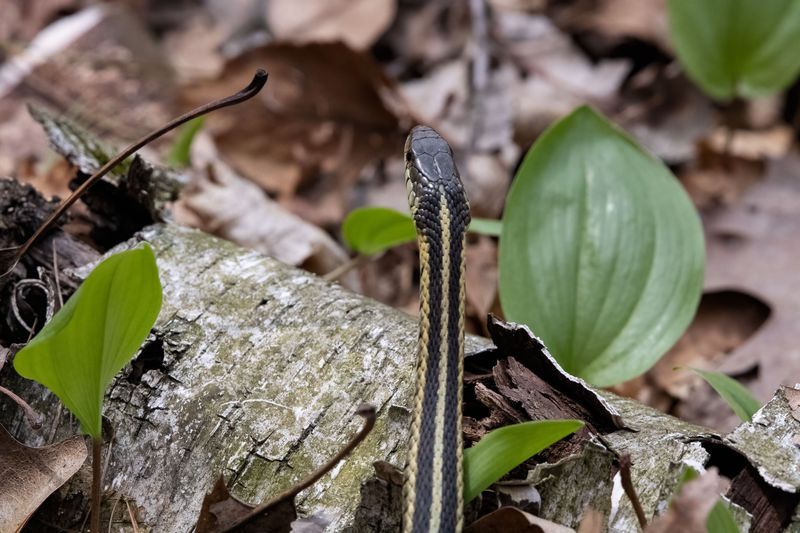
You cannot remove a lung parasite from wild snakes, but you can make your yard a healthier place for them. Strong, well-fed snakes in good habitat are better able to handle stress.
That gives your garden a real role in recovery.
Start with native plants. Coontie, firebush, beautyberry, saw palmetto, and muhly grass offer cover and attract the insects and small animals snakes eat.
Many of them handle heat and sandy soil with very little fuss.
Next, leave a few wild corners. A small log pile, a leaf-litter strip, or a rock border creates cozy shelter.
Place these away from doors and play areas so everyone stays comfortable.
Add a shallow water source, like a birdbath set low or a small pond with sloped edges. Frogs, birds, and snakes all benefit.
Finally, learn your local species. Most Florida snakes are harmless, and only six venomous kinds live in the state.
If you spot a sick or oddly thin snake, report it to FWC or UF/IFAS. Your sighting could help scientists track this parasite and protect the next generation of backyard racers.