Why Whiteflies Explode On Florida Hibiscus In Late Summer And How To Stop Them
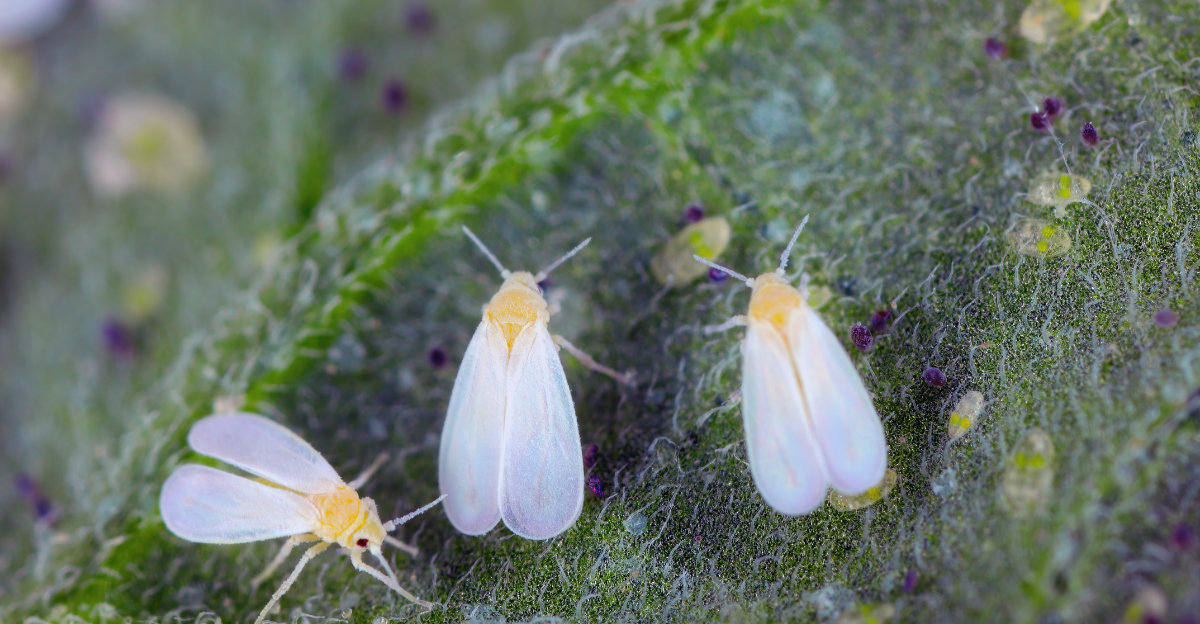
Brush a hibiscus leaf in late summer and clouds of pale insects lift before you register what happened. Florida heat turns that instant into a pattern you cannot ignore, dulling blooms fast enough to notice within days.
Leaves curl while sticky residue coats every surface your plant touches, inviting mold that steals remaining sunlight. Sap drains from your hibiscus faster than new growth replaces it, leaving blooms smaller than you remember.
Gardening in Florida means you face this rhythm the moment summer heat locks in. Timing decides everything, since these insects thrive on the exact mix of warmth and moisture your hibiscus provides.
Wait too long to check the undersides of those leaves, and you give this problem room to spread before you even suspect it’s there. What you do on your hibiscus in the next few days decides how much of your season you get back.
Late Season Heat Speeds Up Each Whitefly Generation
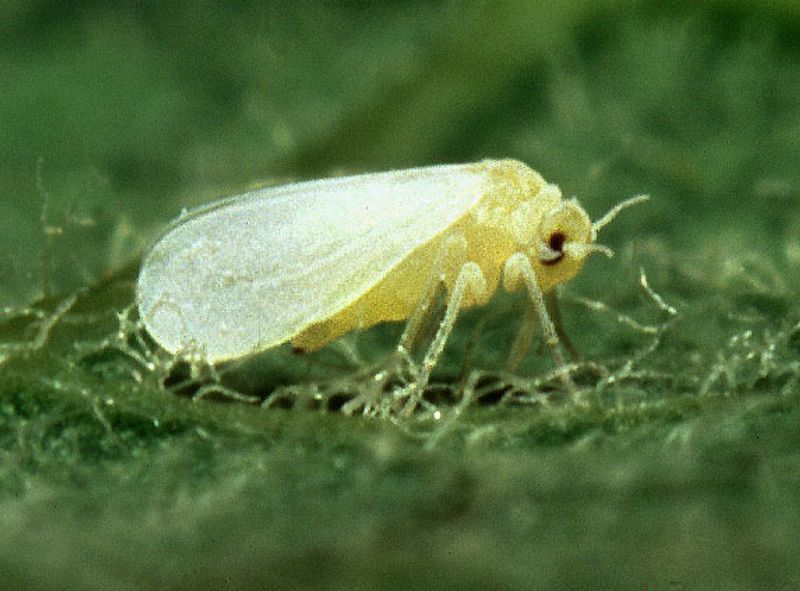
Whiteflies speed up their reproduction dramatically as temperatures climb, and their life cycle from egg to adult can shrink by nearly half in the hottest stretches of summer.
That kind of heat is common across central and south Florida late in the season, and it changes everything about how fast a population builds.
Faster development means generations start overlapping before the previous one finishes, so you end up dealing with several waves of insects layered on top of each other instead of one.
Silverleaf whiteflies, the species most often found on hibiscus, thrive in hot and humid conditions, and high humidity also slows how quickly honeydew dries on leaf surfaces, keeping them sticky and inviting for more insects to settle.
Each female can lay well over a hundred eggs, and as that cycle accelerates, numbers can climb from a handful to a serious infestation in just a couple of weeks.
Gardeners who check plants weekly in July may find only a few insects to deal with, while the same plant by mid-August can carry a population large enough to require immediate treatment.
Tracking your local heat index gives you a head start, and several consecutive days of high heat is a good signal to start checking the undersides of leaves more closely.
Heat will keep driving these outbreaks every Florida summer, and staying aware of that pattern gives you an early edge before numbers get out of hand.
The Hibiscus Traits That Make These Shrubs A Preferred Host
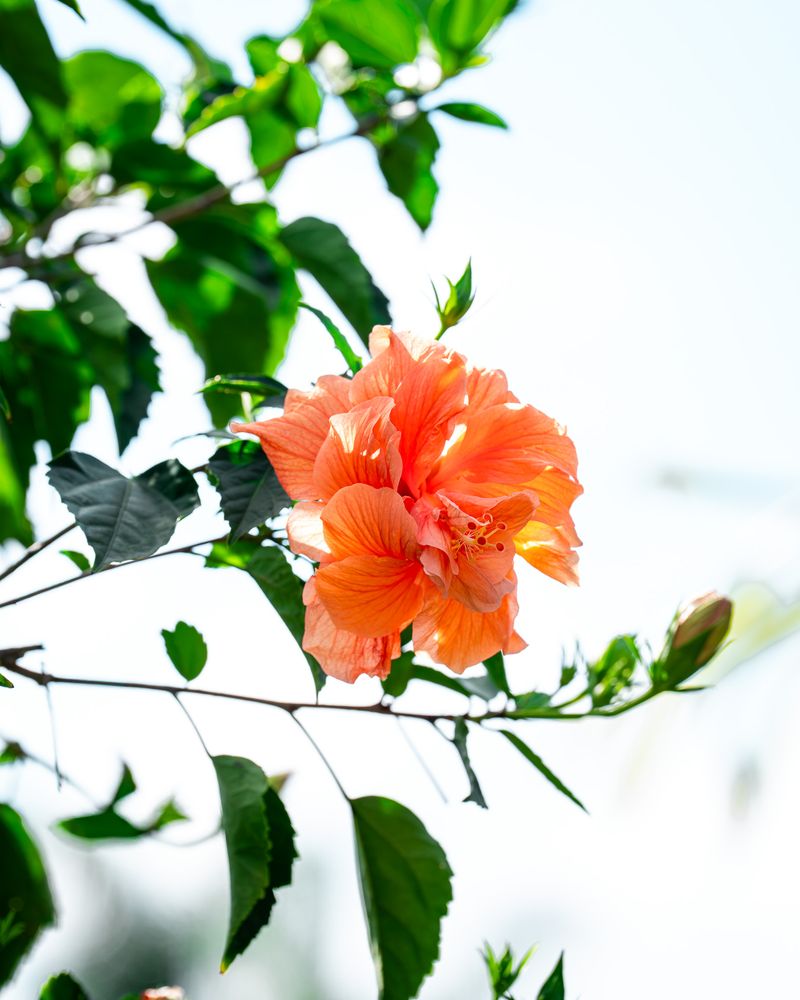
Not every plant in your yard gets hit equally hard, and hibiscus draws the worst of it for good reason. The large, soft leaves offer a perfect surface for whiteflies to feed and shelter on.
Hibiscus produces tender new growth almost constantly in warm weather. Whiteflies strongly prefer young, nitrogen-rich tissue, and hibiscus serves it up all season long.
The leaf surface is also relatively smooth and broad, giving tiny nymphs an easy place to anchor and feed without getting dislodged by wind. Compared to plants with waxy or hairy leaves, hibiscus offers almost no physical resistance.
Your Florida Garden Changes Every Week. Your Plan Should Too.
Gardening in Florida changes quickly throughout the season. Every Friday you’ll receive a simple weekly plan showing exactly what to plant, prune, fertilize, harvest, and protect so you never miss the right timing.
Tropical hibiscus varieties, which are extremely popular across Florida landscapes, tend to push out fresh growth faster than hardy types. That rapid flushing of new leaves is like ringing a dinner bell for whitefly populations nearby.
The plant also stays lush and green through the hottest months when many other shrubs go semi-dormant. That consistent food source keeps whitefly colonies stable and growing without interruption.
Heavy fertilizing makes the problem worse by producing even softer, more nitrogen-loaded leaves. Backing off on high-nitrogen fertilizers in midsummer is a simple way to make your hibiscus slightly less attractive to pests.
Choosing hibiscus cultivars with thicker or more textured foliage can reduce pressure slightly. No variety is immune, but plant selection does influence how quickly a population builds on your specific shrubs.
Leaf Signs That Point To A Building Population
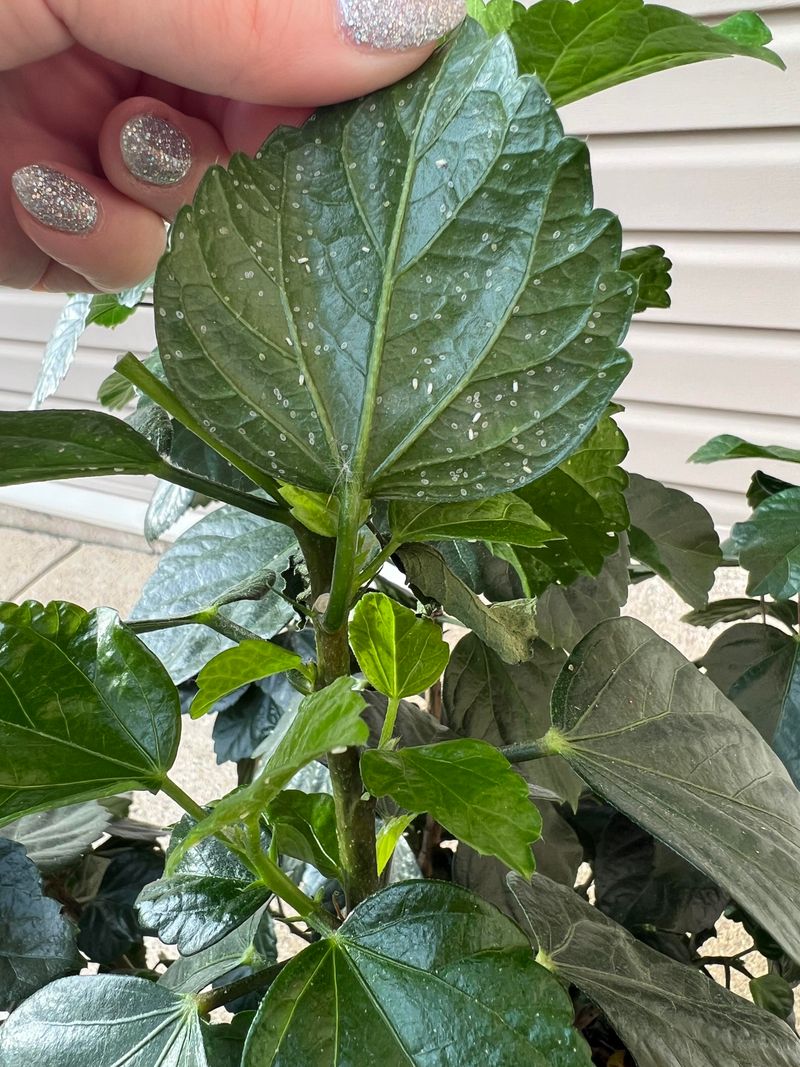
Catching a whitefly problem early means knowing exactly what to look for before the cloud of white wings appears. The first signs are subtle, and most gardeners miss them at first.
Flip a leaf over and look at the underside near the midrib and veins. Tiny yellow or white oval specks clustered in neat circular patterns are whitefly eggs or early stage nymphs.
As feeding increases, the upper surface of leaves begins to show pale yellow blotching. Each faded patch marks a spot where a nymph has pierced the tissue underneath and pulled out plant sap.
Leaves may also curl slightly at the edges or appear thinner than usual. When a large group feeds on a single leaf, that leaf loses turgor and starts to droop even with adequate watering.
Older leaves near the base of the plant often show the most damage. They have been exposed the longest to feeding and to the honeydew dripping down from new growth above.
Start your inspection at the top, where adults prefer to lay eggs on tender new leaves. Working your way down from there gives you the clearest picture of how far the population has spread.
A quick shake of a branch will reveal adults instantly. If a small white cloud lifts off the foliage and settles back down, your population is already well established.
Weekly leaf checks from July through October are the simplest monitoring tool available. Catching a cluster of fifty insects is manageable; catching fifty thousand is a much harder situation to reverse.
Sticky Residue And Sooty Mold As Secondary Problems
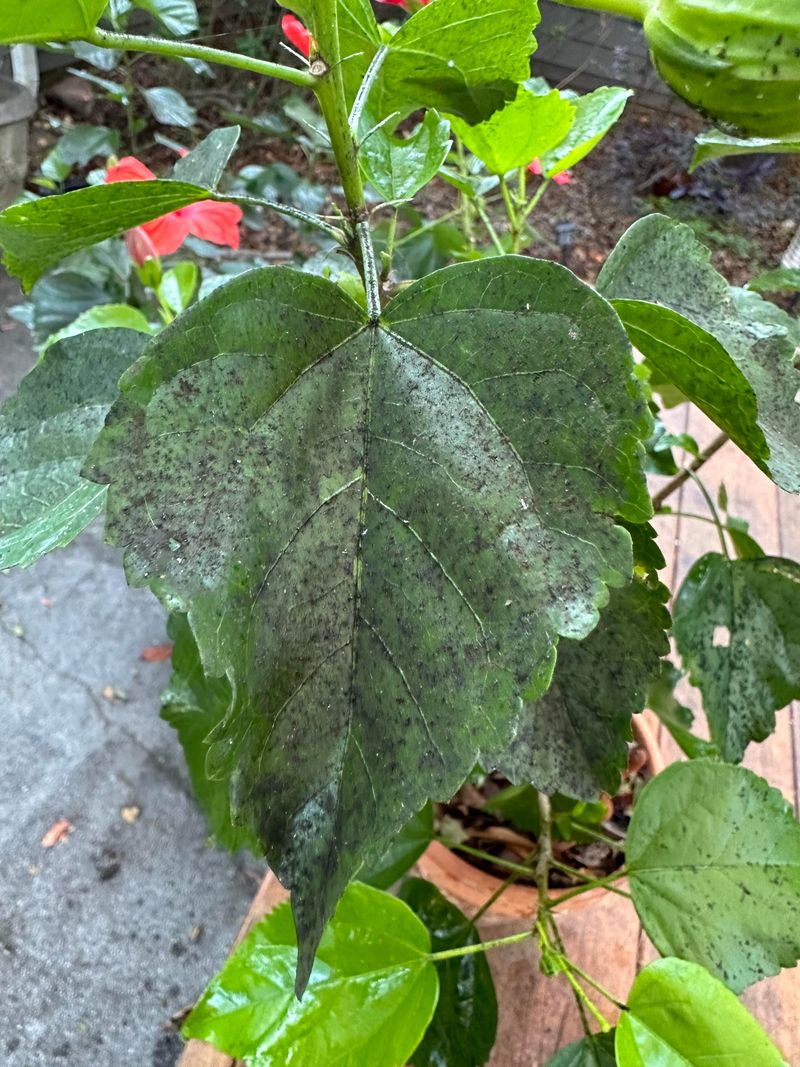
Whiteflies do not just drain your plant; they leave behind a mess that creates its own set of problems. The sticky substance coating your leaves and stems is called honeydew, and it is a byproduct of whitefly feeding.
Honeydew is essentially excess sugar that passes through the insect’s digestive system and drips onto whatever surface sits below. It coats leaves, stems, outdoor furniture, and even sidewalks near heavily infested plants.
That sugary film quickly becomes a food source for a black fungus called sooty mold. Sooty mold does not infect the plant directly, but it blocks sunlight from reaching the leaf surface.
When light cannot reach the chlorophyll, the plant cannot photosynthesize efficiently. Over weeks, this leads to weakened growth and reduced flowering, even after the whitefly population drops.
Ants are another complication worth watching. Many ant species actively farm honeydew-producing insects, protecting whitefly colonies from natural predators in exchange for the sweet secretion.
If you notice ants running up and down your hibiscus stems, that is a strong signal that a honeydew producer is already established on the plant. Managing ant access with sticky barriers around the base can help restore natural predator pressure.
Washing leaves with a gentle stream of water removes both honeydew and sooty mold without chemicals. Doing this every few days while treating the underlying infestation speeds up the plant’s recovery noticeably.
Spray Timing And Coverage That Actually Lower Numbers
Spraying randomly at the wrong time wastes product and barely touches the population. Effective treatment depends on timing, coverage, and choosing the right material for the stage of insect you are targeting.
Nymphs in their early instars are the most vulnerable stage, and they cannot move away from a spray. Adults can fly off and return, which is why spraying adults alone rarely solves the problem long-term.
Insecticidal soap and horticultural oil both work well against nymphs by smothering them on contact. Neither leaves a residue that harms beneficial insects for more than a few hours after application.
Spray in the early morning when temperatures are below 80 degrees Fahrenheit to prevent leaf burn. Florida afternoons are too hot for oil-based sprays, and heat causes the product to damage foliage before it can do its job.
Coverage of the leaf underside is the single most important factor in spray success. Most gardeners spray the top of the leaf and wonder why nothing changes, while the nymph colony underneath continues feeding untouched.
A curved or adjustable nozzle helps direct spray upward and under the canopy. Repeating applications every five to seven days for three cycles breaks the egg-to-adult cycle and prevents reinfestation from newly hatched nymphs.
Systemic insecticides like imidacloprid can provide longer control but should be used cautiously near blooming plants. Pollinators visit hibiscus flowers regularly, and systemic products do move into nectar.
Beneficial Insects And Planting Choices That Hold Populations Down
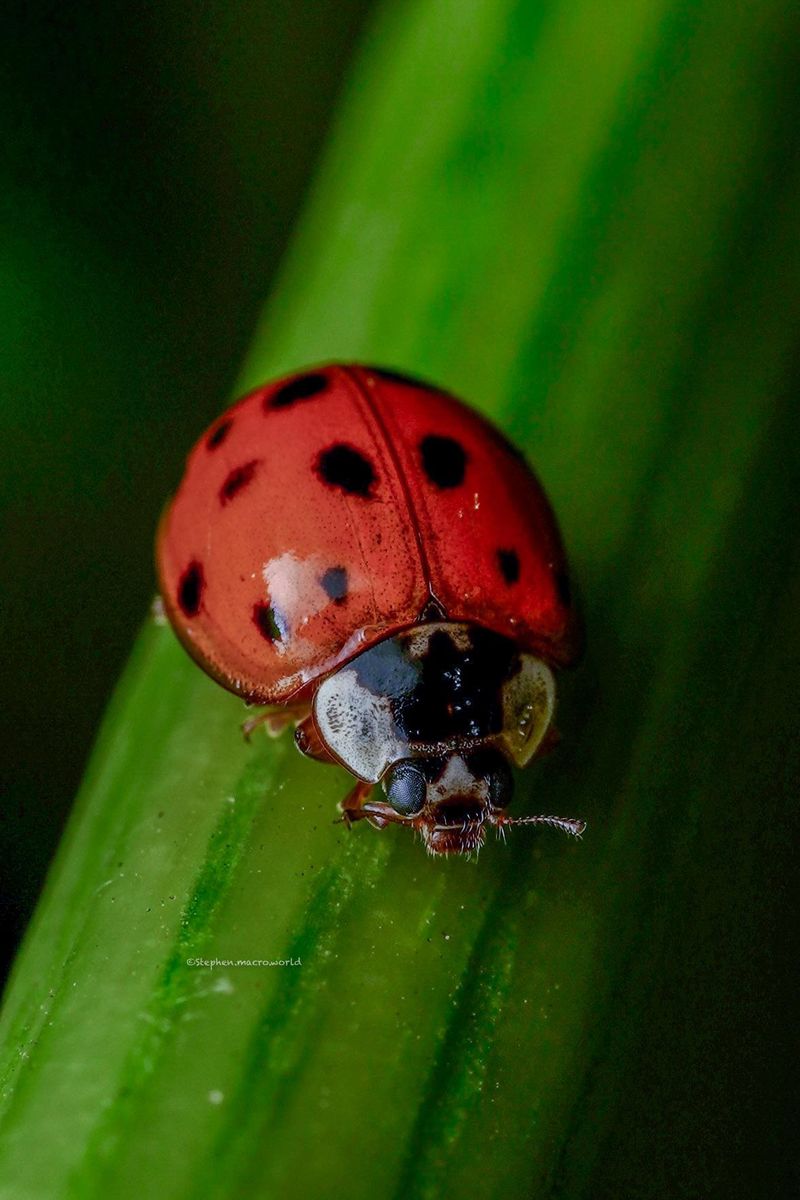
Nature already has a response team for whitefly outbreaks, and your job is to avoid chasing them away. Predatory insects like lady beetles, lacewings, and minute pirate bugs feed heavily on whitefly eggs and nymphs.
Parasitic wasps from the Encarsia and Eretmocerus families are tiny but remarkably effective, laying their eggs inside whitefly nymphs so the larva develops there and stops the whitefly from ever reaching adulthood.
These natural allies disappear quickly when broad spectrum insecticides are applied. Choosing targeted, softer products like insecticidal soap preserves the predator population that would otherwise keep whiteflies in check naturally.
Companion planting is another underused tool for Florida gardeners, and marigolds, basil, and nasturtiums planted near hibiscus may help deter whiteflies while drawing in predatory insects.
Avoid planting hibiscus in dense, airless clusters where humidity builds and airflow is poor. Good spacing encourages faster leaf drying, which makes the environment less hospitable for egg laying females.
Reflective mulch placed around the base of hibiscus shrubs has been shown to disorient adult whiteflies. The reflected light disrupts their ability to locate host plants from above, reducing the number that land and settle.
Building a garden that supports biodiversity pays off season after season, and a shrub covered in these insects often signals a balance worth restoring.