How To Tell A Black Widow Egg Sac From Other Spider Sacs In Your California Yard
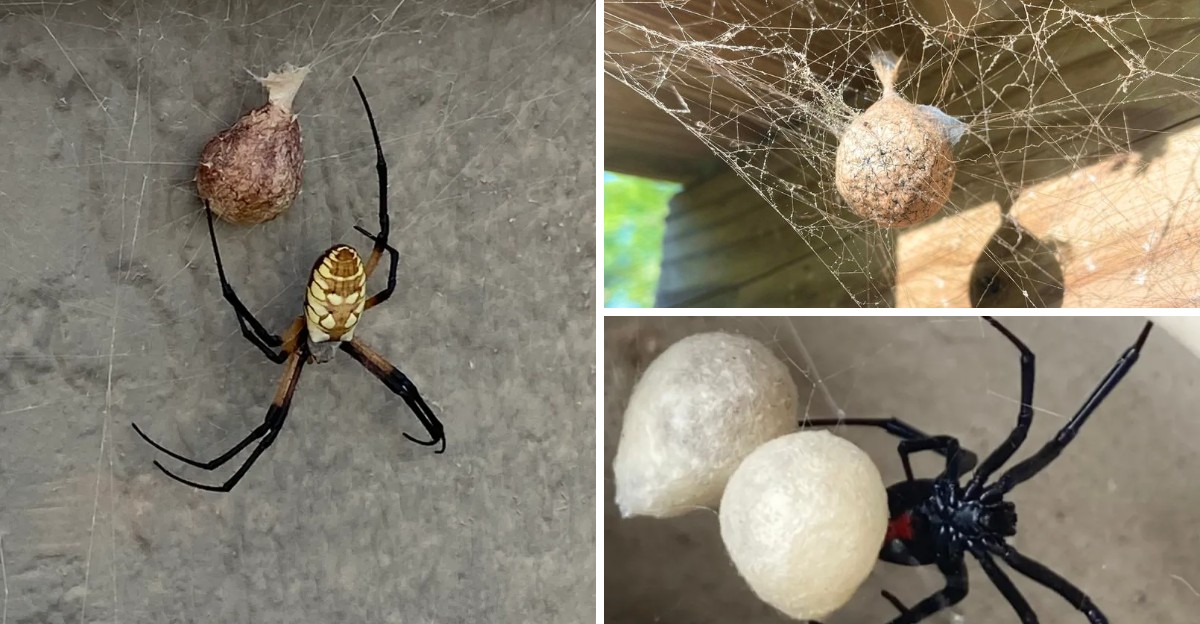
A single silk ball smaller than a marble can hold a few hundred spider eggs. I found one tucked behind my garden hose reel last summer, and my heart did a little flip.
Not going to lie, I almost grabbed it with my bare hand. It looked like a tiny cotton ball someone had dropped. Then I noticed the messy web wrapped around it.
Here in California, our yards host several spiders that make round, pale sacs. Some belong to helpful garden hunters. Others belong to a shiny neighbor with a red mark on its belly and a bite worth respecting.
I used to think every sac looked the same, but texture, shape, and location tell very different stories. So which tiny bundle is hiding near your woodpile right now?
That Smooth Little Silk Ball Behind Your Hose Reel Has a Story
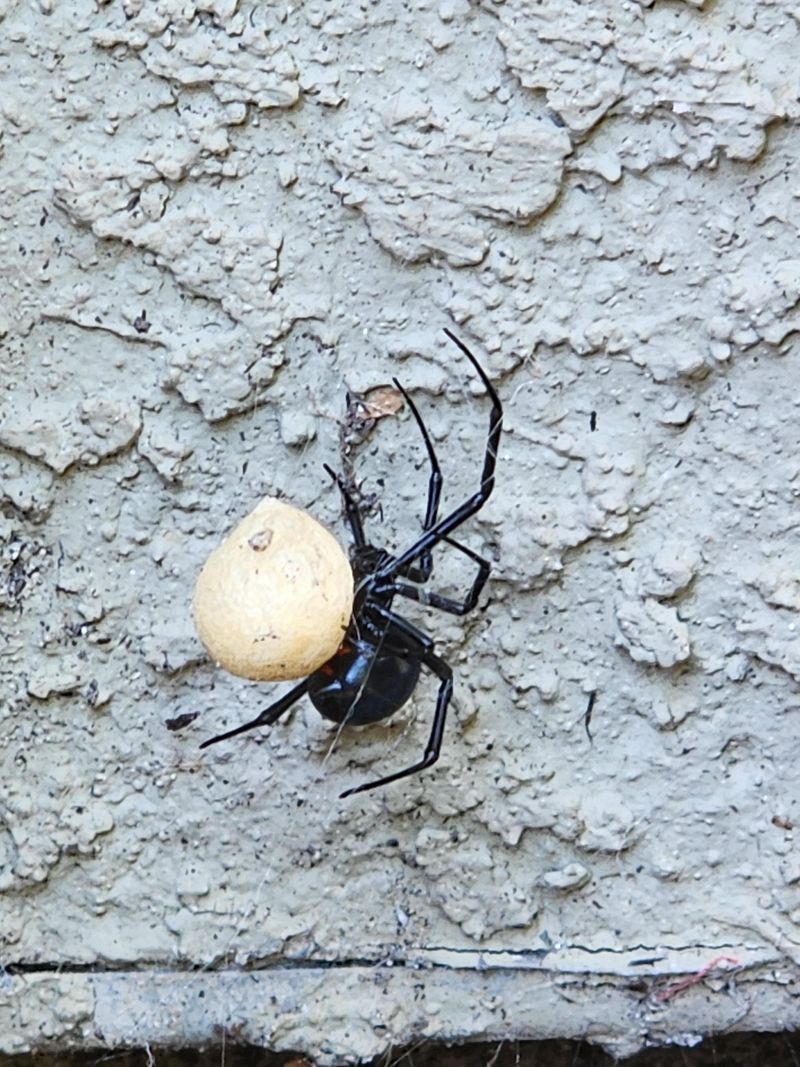
Size is the first clue, and it surprises most people. A western black widow egg sac usually measures about one-third to one-half inch across, so it sits somewhere between a pea and a marble.
Color comes next. These sacs tend to be cream, pale yellow, light tan, or grayish. As they age, they often darken a bit toward tan or light brown.
The surface feels like the real giveaway. A black widow sac looks smooth and tightly wrapped, almost like a tiny paper lantern or a pearl of dull silk. You will not see bumps, spikes, or loose fluff sticking out.
Shape matters too. Most are round, though some look slightly oval or teardrop-shaped, with a small pointed tip where silk attaches to the web.
One female can make several sacs in a season, and each may hold a couple hundred eggs. That is why you sometimes spot two or three hanging close together.
Keep this picture in mind before you look at anything else. Smooth, pale, round, and tucked into a tangled web is the classic black widow combination that University of California experts describe.
Spiky Egg Sacs Point to a Different Widow Altogether
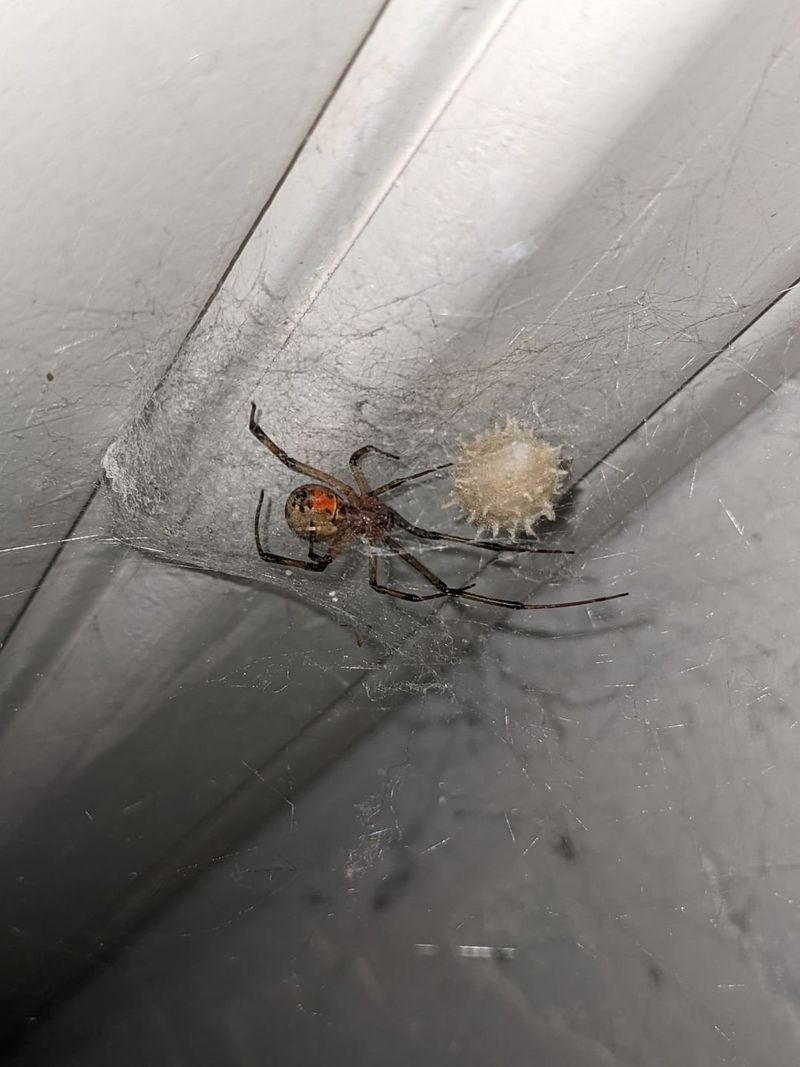
Ever seen something that looks like a tiny sea mine stuck under a patio chair? That spiky little orb almost certainly belongs to a brown widow, not a black widow.
Brown widows arrived in Southern California in the early 2000s and spread fast. UC researchers note they have pushed into many yards where black widows used to be more common.
Their egg sacs are cream to light tan, about half an inch wide, and covered in small pointy silk tufts. People compare them to a pollen grain under a microscope, or a fuzzy burr from a weed.
Once you notice the bumps, you cannot unsee them. A black widow sac stays smooth, while a brown widow sac looks studded all over.
Brown widows love outdoor furniture, mailboxes, fences, playground equipment, and the underside of plant pots. They often place sacs out in the open more boldly than black widows do.
Their bite is generally considered milder than a black widow bite. Still, treat them with care and wear gloves, since they are venomous widow spiders too. Knowing which widow you have helps you stay calm and pick the right cleanup approach.
Messy Cobwebs Near the Ground Tell You Who Lives There
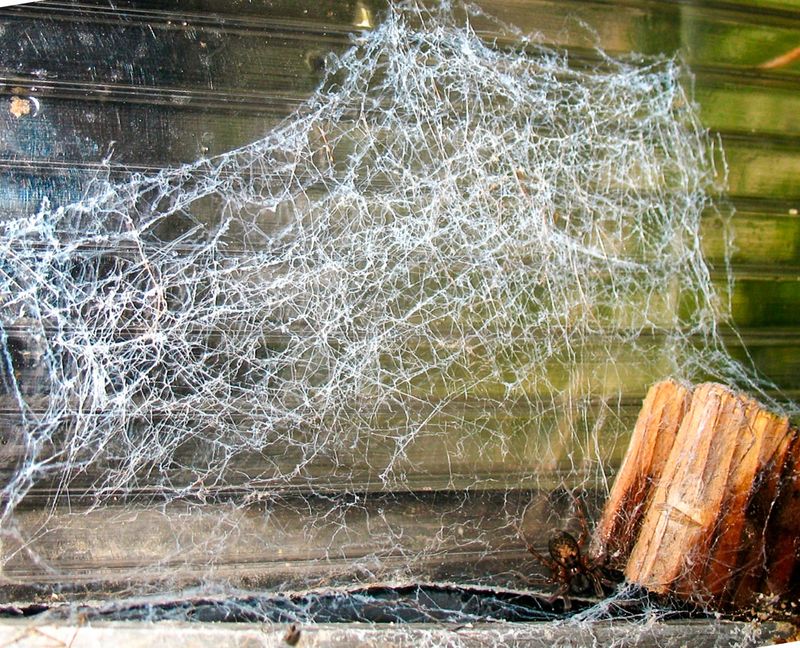
I’ll be honest, the web helped me more than the sac did. Black widows build tangled, three-dimensional cobwebs that look sloppy and random, with no neat spiral pattern.
These webs usually sit low, often within a foot or two of the ground. Look along fence bases, inside water meter boxes, under decks, behind stored pots, and around woodpiles.
The silk itself feels unusually strong and sticky. Some gardeners say it makes a faint crackling sound when brushed. That toughness helps the spider snag beetles and other crawling insects.
Black widows tend to hide during the day in a dark retreat near the web. At night they often hang upside down in the center, showing that famous red hourglass on the belly.
Egg sacs usually dangle inside the tangled part of the web, close to the spider’s hiding spot. Finding a smooth sac in a messy low web is a strong double clue.
A sac stuck to a leaf in an open spiral web points somewhere else entirely. Location and web style together give you a far more reliable answer than color alone.
A Wolf Spider Carries Her Egg Sac Everywhere She Goes
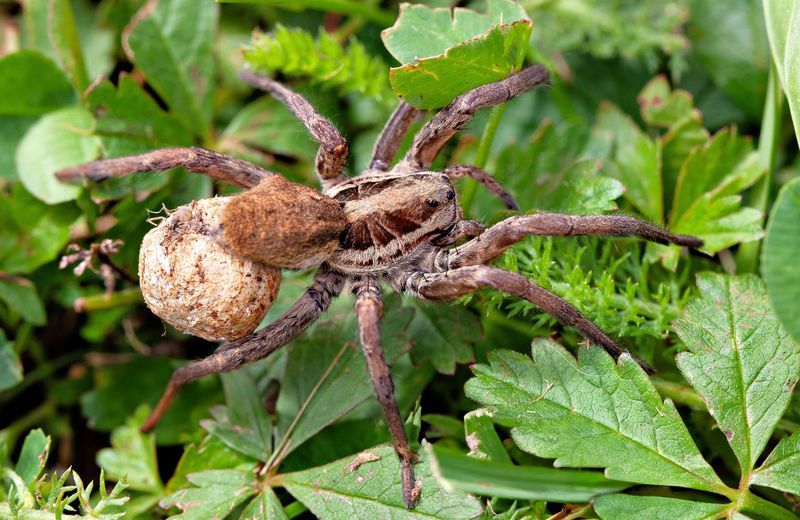
Talk about devoted parenting. A female wolf spider attaches her round egg sac to the spinnerets at the tip of her abdomen and hauls it around wherever she hunts.
So if the sac is moving, you can relax a little about widows. Black widows hang their sacs in a web, while wolf spiders never build a capture web at all.
Wolf spider sacs are roughly pea-sized and often grayish white, tan, or light brown. The silk looks a bit coarser than a black widow sac.
When the eggs hatch, something even wilder happens. The babies climb onto mom’s back and ride along for days, sometimes covering her like a fuzzy coat.
Wolf spiders are fast, brown or gray, and often hairy. You will spot them scurrying across mulch, lawns, and garden beds, especially at night with a flashlight. Their eyes shine back like tiny green sparks.
They are helpful hunters that eat many garden pests. A bite can sting but is not considered medically serious for most people. Let her go about her business, and enjoy one of the more charming moms in your backyard.
Papery Brown Sacs in Corners Often Belong to House Spiders
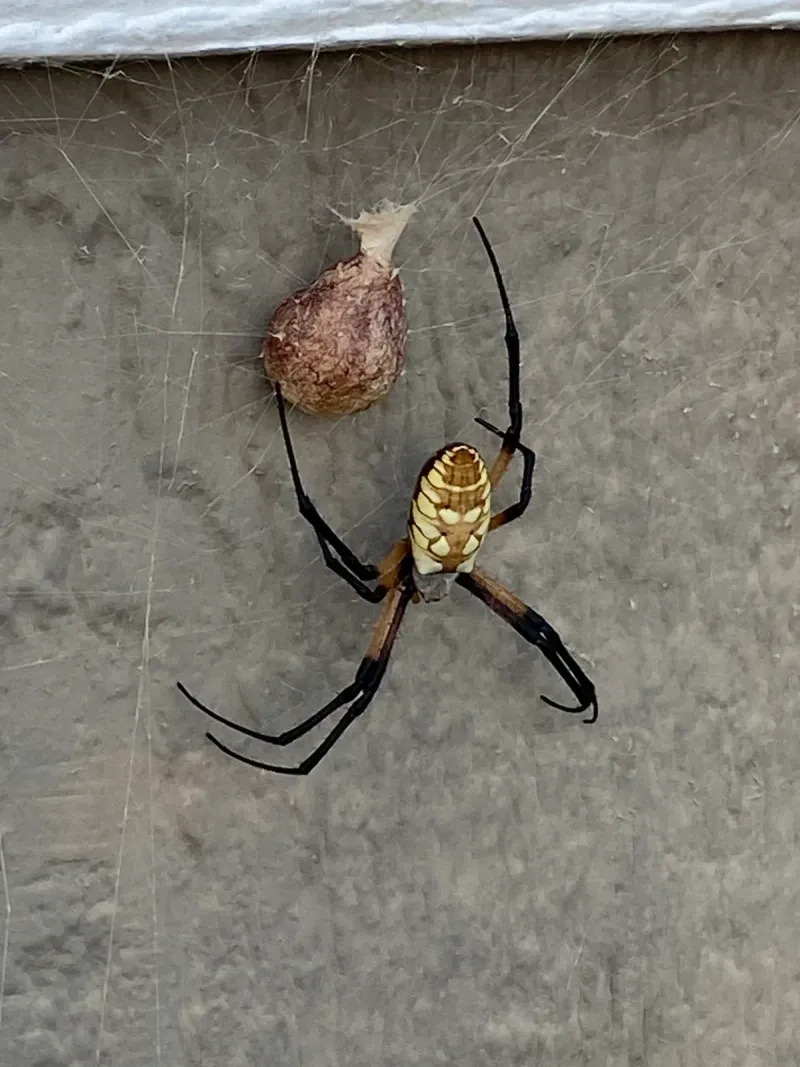
Guilty as charged, I once panicked over a porch corner that turned out to be a harmless house spider nursery. The difference is easier to see once you know the shape.
Common house spiders are cobweb builders like widows, which causes plenty of confusion. Their sacs, however, are usually brown and pear-shaped, with a papery, slightly tough look.
Most measure about one-quarter to three-eighths inch long. The narrow end often points upward where it hangs from the web, a bit like a tiny teardrop of brown paper.
You will find these spiders and sacs around windows, eaves, porch lights, and sheds. They seem happy anywhere bugs gather near light.
A quick comparison helps. A black widow sac is paler and rounder, while a house spider sac leans darker and more pear-like. One female house spider can produce many sacs in her lifetime.
The spider itself is small, mottled brown, and lacks the glossy black body of a widow. These spiders pose little risk to people. A broom handles the webs if they bother you, though they do help keep flying insects down around your doors.
Orb Weavers Stash Fluffy Sacs on Plants and Fences
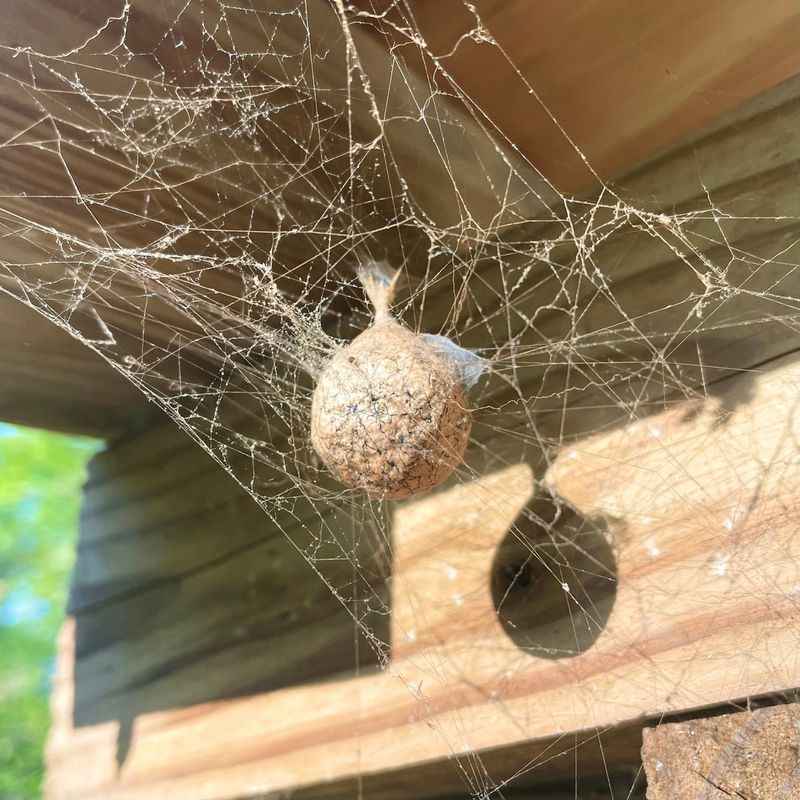
Those gorgeous wheel-shaped webs strung between your shrubs come from orb weavers, and their egg sacs look quite different from a widow’s.
Many orb weavers wrap eggs in soft, fluffy silk that can be white, yellowish, or light brown. Some look like a flattened tuft of cotton glued to a stem, leaf, wall, or fence board.
The black and yellow garden spider makes one of the most striking versions. Her sac is tan, papery, and close to the size of a ping-pong ball, often hanging near her web on tall plants.
Location is the big clue here. Orb weaver sacs tend to sit up on vegetation or structures, out in the garden. Black widow sacs hide low in dark, tangled webs.
Fall is when many California gardeners notice orb weavers most, since the females grow large and their webs get bold. Sacs often appear as the season winds down, and the spiderlings hatch later.
These spiders are wonderful pest controllers. If you find their sacs on your roses or tomato cages, consider leaving them in place. Next year’s crop of insect hunters is quietly waiting inside.
Gloves and Tidy Woodpiles Keep Black Widows From Moving In

Clutter is basically a welcome mat for widow spiders. They love quiet, dark spots that nobody touches for weeks at a time.
Start with the usual hideouts. Clear old pots, boxes, lumber scraps, and debris from along fences, garages, and sheds. Stack firewood off the ground and away from your house walls.
UC Integrated Pest Management guidance recommends wearing gloves when handling stored items, firewood, or anything left outdoors a while. Shake out shoes, gardening gloves, and jackets kept in the garage before putting them on.
Seal cracks around doors and windows, and keep outdoor lights to a minimum near entries. Fewer insects attracted to lights means less food for spiders.
Many parts of California stay warm enough for widow activity much of the year. Checking low corners every few weeks catches new webs early, before sacs pile up.
Skip broad pesticide sprays as a first move. University experts note that sprays often reach only some spiders and may harm helpful insects. Physical cleanup and regular inspection usually do more good with far less fuss.
A Vacuum Hose Makes Removing a Suspected Widow Sac Simple
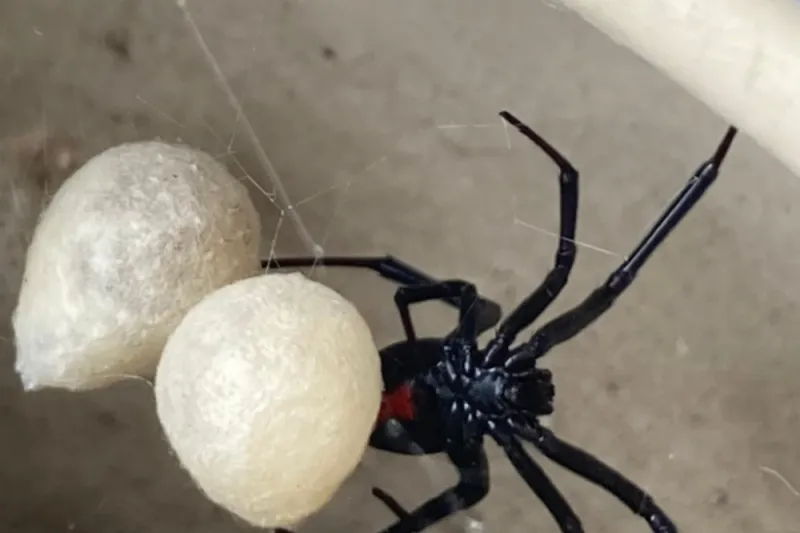
Trust me on this one, poking a sac with a stick is not the move. You can tear it open and scatter tiny spiderlings everywhere.
A vacuum with a long hose attachment works much better. Suck up the web, spider, and sac in one pass, then seal the debris in a bag and toss it in the outdoor trash right away.
Another option is scraping the sac into a jar with a lid using a long tool. Keep your hands well away and wear gloves the whole time.
If you are unsure what you found, snap a clear photo from a safe distance. Your county UC Master Gardener program or a local extension office can often help identify it.
Leave helpful spiders alone whenever possible. Orb weavers and wolf spiders earn their keep by eating garden pests.
For heavy widow activity near play areas or doorways, call a licensed pest professional. If someone is bitten and develops muscle pain, cramping, or sweating, call Poison Control at 1-800-222-1222 or seek medical care. A little knowledge turns that mystery silk ball into a confident decision.