Can You Bring Your Outdoor Potted Plants Inside for a New York Winter? What Survives and What Brings Bugs
A single female aphid can give birth to live young without mating, and those babies can start having babies of their own in about a week. One sneaky stowaway on a patio plant can turn into a whole crowd by Thanksgiving.
I learned this the hard way one October. My favorite container plant came inside looking perfect, and three weeks later my kitchen window looked like a bug convention.
The first cold nights in New York put every gardener in the same spot. Your summer pots still look gorgeous, the forecast looks scary, and your living room suddenly seems roomy enough for a small jungle.
Some of your outdoor favorites will happily spend the winter beside a sunny window. Others will sulk, drop leaves, or quietly carry trouble through the front door.
So which ones deserve a ticket inside?
Those Patio Pots Can Carry More Than Pretty Leaves Indoors
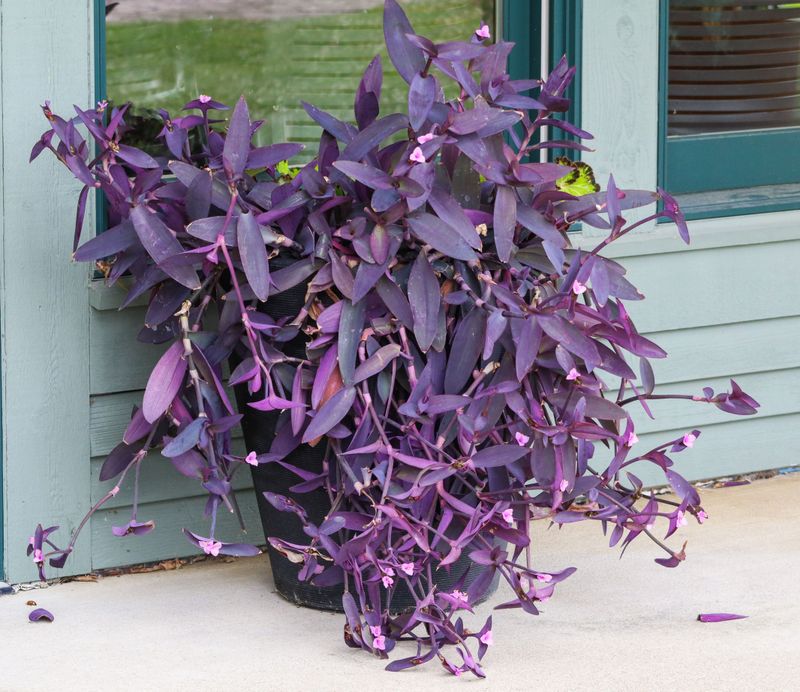
Bugs love a free ride. Outdoors, birds, ladybugs, rain, and wind keep pest numbers in check, so you may not notice small problems on your container plants all summer.
Indoors, those natural helpers disappear. Warm rooms and steady temperatures let pests like aphids, spider mites, whiteflies, mealybugs, and scale multiply quickly, with no predators around to slow them down.
Spider mites are especially sneaky. They thrive in warm, dry air, which describes most heated homes in winter almost perfectly.
Soil can hide trouble too. Fungus gnats, slugs, sowbugs, earwigs, and even ants often move into potting mix outside, then crawl out once the pot sits on your warm floor.
Personally, I treat every outdoor plant like a guest who just came back from a long trip. It might be fine, but I want a good look before it hangs out with my other houseplants.
The goal here is not to scare you away from rescuing your favorites. Plenty of them make the move just fine.
You simply need to plan for pests before the first frost forces a rushed decision. A plant carried in at midnight during a cold snap rarely gets the careful check it deserves, and that is how most indoor infestations quietly begin.
Geraniums, Hibiscus, and Rosemary Usually Handle Life Indoors
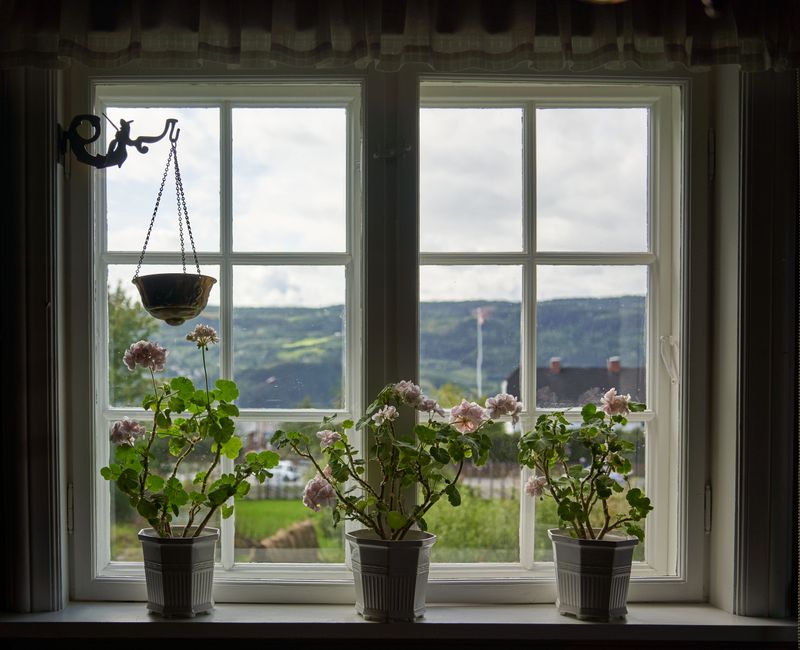
Tender perennials and tropicals are your best candidates. These are plants that would happily live for years in a warm climate, but we grow them like annuals because they cannot take a frost.
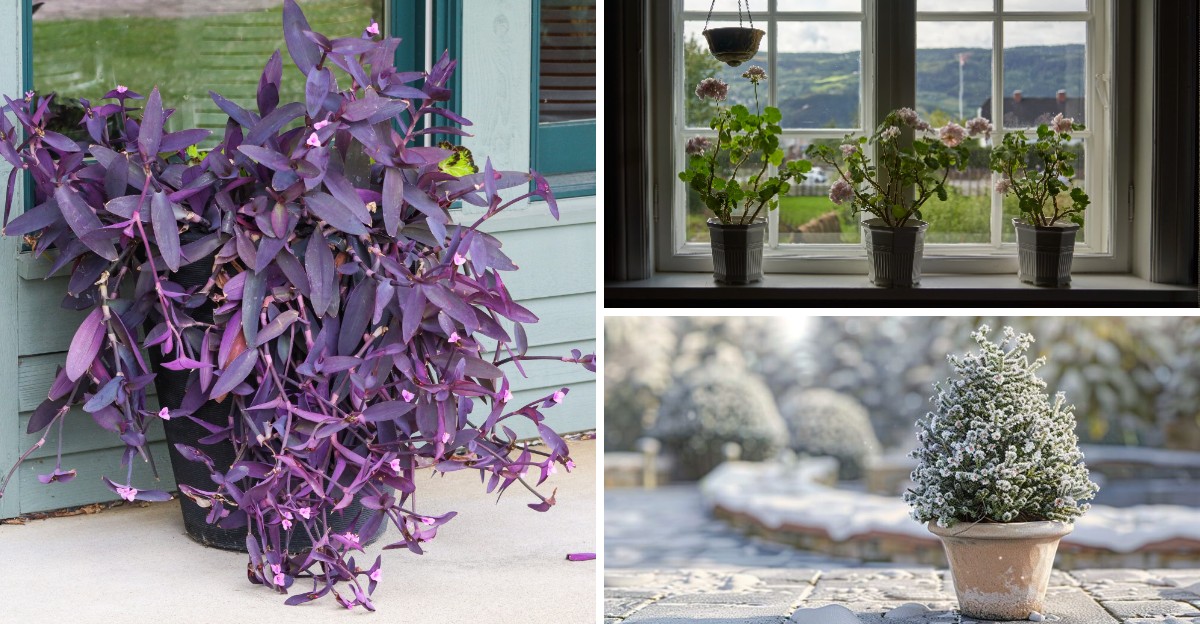
Geraniums, which are really pelargoniums, are classic winter guests. You can keep them growing in a bright window or store them nearly dormant in a cool basement.
Tropical hibiscus, mandevilla, citrus, bay laurel, and many begonias also do well with good light. Coleus works too, though many gardeners prefer to root cuttings because big plants can get leggy indoors.
Rosemary is a fun one. It hates soggy soil and overly warm, dry rooms, so a cool, sunny spot often works better than a cozy spot near the heater.
Many succulents, aloe, jade, and snake plants make the switch with little fuss. They already like dry air and do not mind skipping water for a while.
Did you know geraniums were once overwintered by hanging them upside down, bare root, in cellars? Some gardeners still do it.
Bring tender plants in before nights fall to around 50 degrees. Tropicals like hibiscus and mandevilla can suffer chill damage well before frost actually arrives.
Hardy Perennials and Shrubs in Containers Prefer Staying Outside
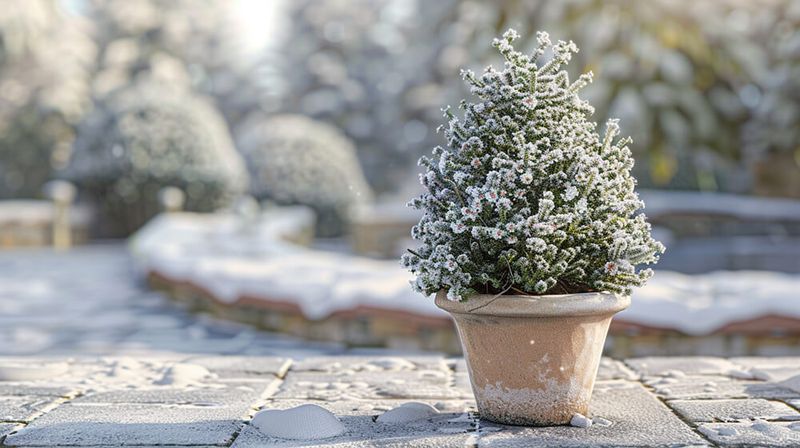
Hostas, daylilies, hardy shrubs, and small trees actually need winter. Most of them require a cold rest period, and a warm living room confuses them badly.
Without that chill, many hardy plants grow weak, stretchy shoots or fail to bloom the next year. So keeping them outside is the kinder choice.
Roots are the weak spot. A plant rated for your zone in the ground can struggle in a pot because roots sitting above ground freeze much harder than roots buried in soil.
New York covers a wide range, from roughly Zone 3 in the Adirondacks to Zone 7 around New York City and Long Island. A pot that survives fine in Brooklyn might freeze solid near Lake Placid.
A good rule from extension gardeners helps here. Choose container plants rated one or two zones colder than where you live if you want them to overwinter outdoors.
You can also protect roots by grouping pots against a sheltered wall, wrapping them in burlap or bubble wrap, or burying the pot in a garden bed. An unheated garage works well too.
Keep watering lightly when the soil thaws. Dry roots handle cold far worse than slightly moist ones.
Flip Every Leaf and Check the Root Ball Before Moving In
Grab your reading glasses. A quick glance is not enough, because most pests hang out on the undersides of leaves where you rarely look.
Turn leaves over one by one and check the stems where leaves join. Look for tiny moving dots, fine webbing, sticky shine, white cottony clumps, or hard bumps that scrape off with a fingernail.
A sticky film called honeydew is a big clue. Aphids, whiteflies, mealybugs, and scale all leave it behind, and sometimes black sooty mold grows on top.
Shake a branch over white paper. If specks start crawling, spider mites are probably present.
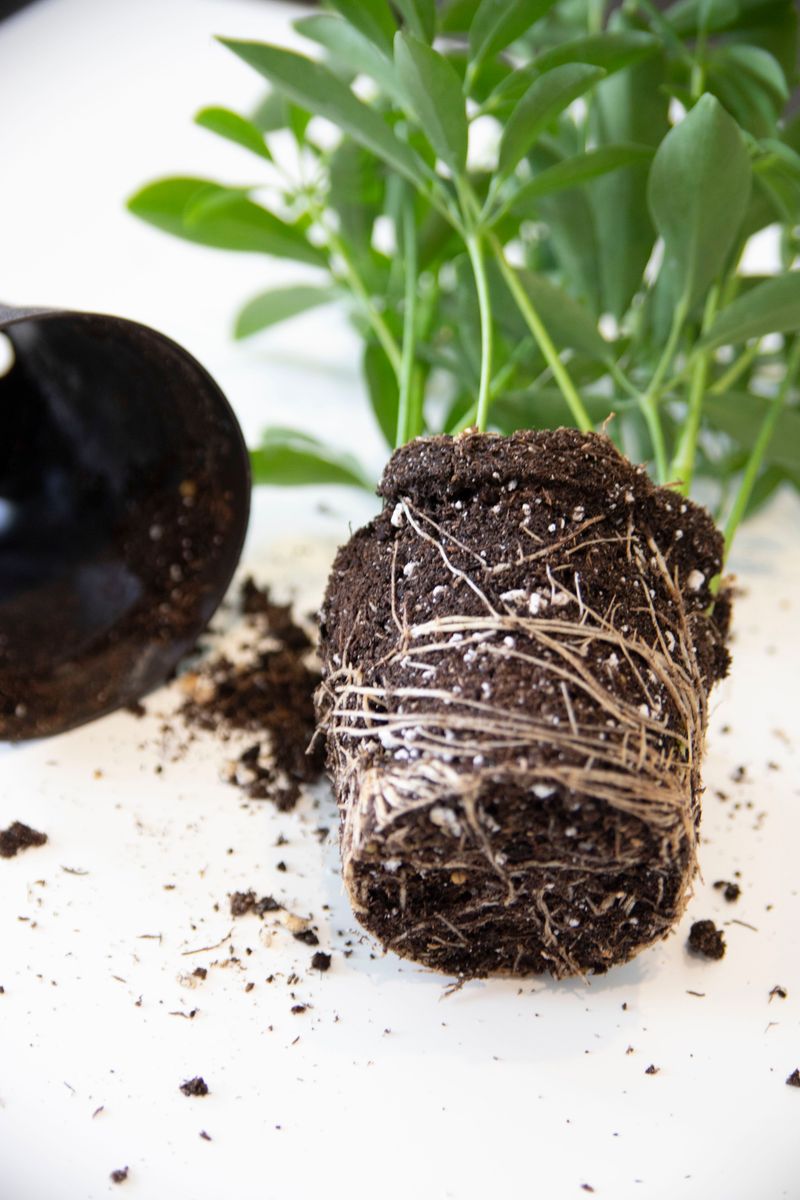
Then slide the plant gently out of its pot. Check the roots and soil for slugs, sowbugs, earwigs, grubs, or ant nests, plus any mushy, smelly roots.
I like to do this on a calm, dry afternoon in September. Rushing makes it easy to miss things.
Be honest with yourself here. If a plant is crawling with pests, it is often smarter to take a few clean cuttings and compost the rest than to haul a problem indoors.
Common annuals like petunias and marigolds usually aren’t worth saving anyway. Starting fresh next spring costs little.
A Hose Rinse and Insecticidal Soap Send Pests Packing
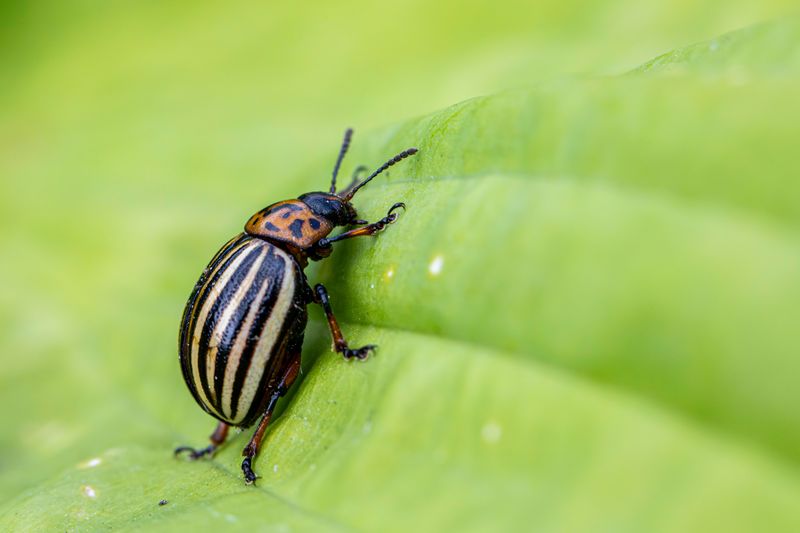
Water pressure is surprisingly powerful. A firm spray from the hose knocks off many aphids, spider mites, and loose dust in seconds.
Aim at both the tops and undersides of the leaves. Hold the plant at an angle so the soil does not wash out.
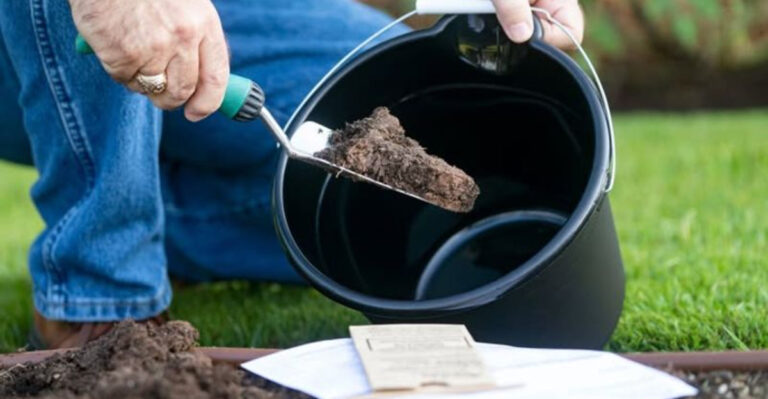
For small pots, you can soak the whole container in a bucket of lukewarm water for about 15 minutes. Soil insects often float up or crawl out looking for air, though you should skip this step for succulents and cacti.
Next, many extension services suggest insecticidal soap or horticultural oil. These products work by contact, so coat every leaf surface well and repeat in about a week to catch newly hatched pests.
Test a few leaves first, and spray in shade or on a cool day. Some plants get leaf burn from oils in hot sun.
While you are at it, pull off yellow leaves and spent flowers. Old debris gives pests and fungus extra hiding places.
Replacing the top inch or two of soil with fresh potting mix helps reduce fungus gnat eggs. If you reuse empty pots, scrub them with hot, soapy water first.
New Arrivals Need a Quarantine Corner Away From Houseplants
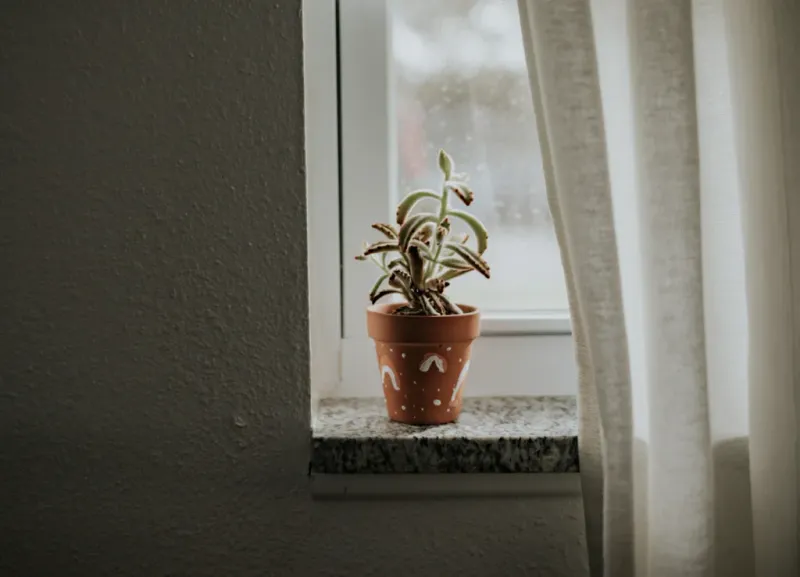
Even the cleanest-looking plant can hide eggs. That is why a short time-out is one of the smartest moves you can make.
Keep newly moved plants away from your regular houseplants for several weeks. Many gardeners aim for about four to six weeks, which gives hidden eggs time to hatch so you can spot them.
A spare bedroom, a sunny hallway, or a separate windowsill works fine. The key is that leaves do not touch and you do not handle both groups back to back without washing your hands.
Yellow sticky cards are cheap little spies. Stick one in each pot, and they will catch fungus gnats and whiteflies, showing you quickly whether trouble came along.
Check the plants every few days during this period. Peek under leaves, look for webbing, and watch for sticky spots on the table below.
I always find quarantine a little boring, honestly. Still, it has saved my whole windowsill collection more than once.
If pests show up, treat them right away while numbers are small. Once your new guests pass inspection for several weeks in a row, they can finally join the rest of the family.
Dropping Leaves After the Move Often Means Your Plant Is Adjusting
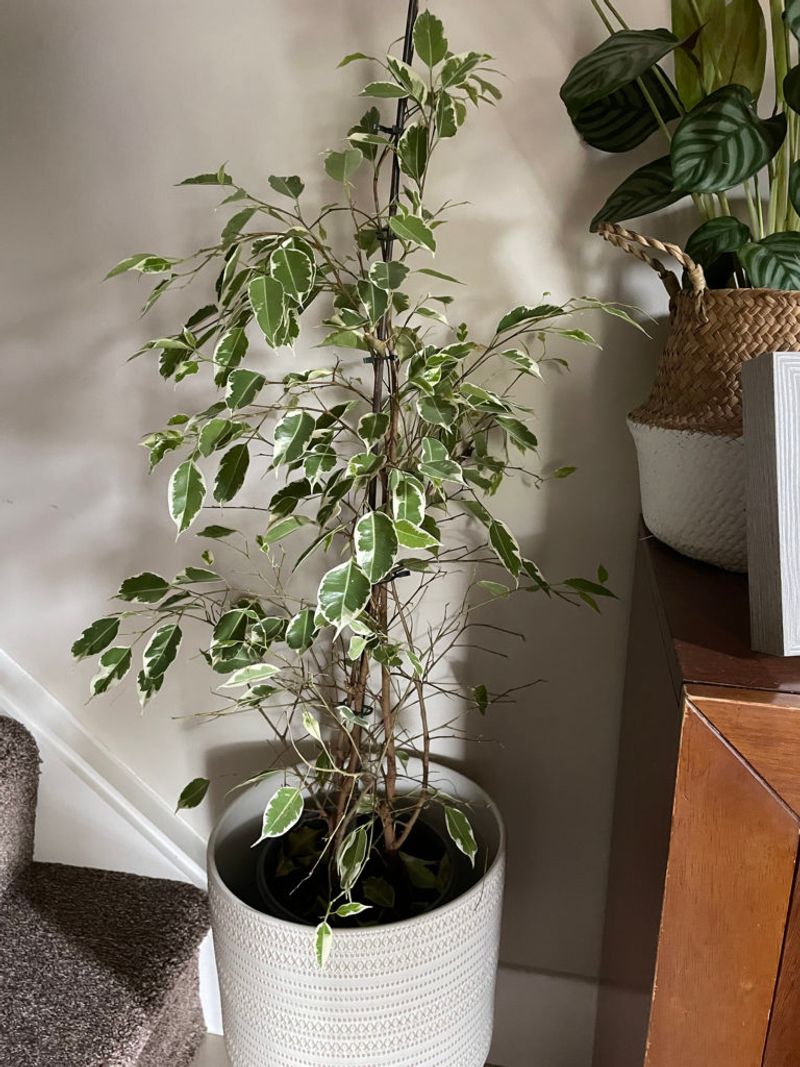
Panic is a normal reaction. You bring a lush hibiscus inside, and within days yellow leaves start piling up on the floor.
Most of the time, this is shock rather than disaster. Even a bright window gives far less light than a summer patio, so the plant sheds leaves it can no longer support.
Gradual moves help a lot. About a week or two before the big day, shift pots into a shadier outdoor spot, or bring them inside for a few hours and slowly increase the time.
Once inside, give them the brightest spot you have. South or west windows work best, and a simple LED grow light can make a huge difference during short December days.
Ficus trees are famous drama queens about this. They often drop a pile of leaves after any move, then leaf out again once settled.
Give your plant a few weeks before deciding something is seriously wrong. Check that the stems still bend and stay green when you scratch them lightly.
New growth may look smaller or paler indoors. That is perfectly fine for winter, since your plant is mostly just holding on until spring.
Cut Back the Watering Can and Fight Dry Furnace Air
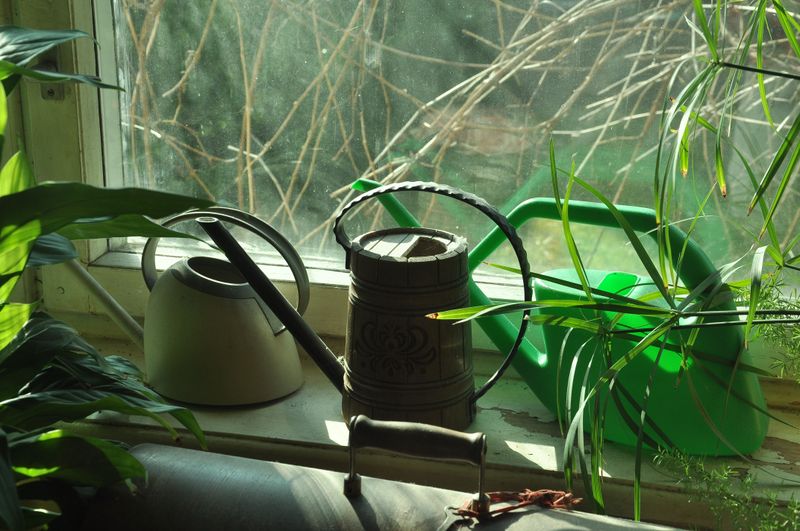
Here is the mistake I see most often. People keep watering on their summer schedule, and the plant ends up sitting in cold, soggy soil.
Indoor plants in winter grow slowly, so they drink much less. Push a finger into the soil and water only when the top inch or two feels dry.
Empty saucers after watering. Roots sitting in standing water can rot, and wet soil also invites more fungus gnats.
Skip most fertilizer until late winter or early spring. Feeding a resting plant can cause weak, stretched growth.
Heated homes in New York winters can get very dry, sometimes drier than a desert. Grouping plants together, setting pots on pebble trays with water below the pot base, or running a humidifier all help tropical plants feel more comfortable.
Keep pots away from heat vents, radiators, and drafty doors. Sudden blasts of hot or icy air stress leaves quickly.
Around April or May, after your local frost date passes, start moving plants back outside slowly, beginning in shade. Your patio favorites should bounce back, and you will have saved money plus a few old friends for another summer.