A Venomous Eight-Legged Neighbor Could Be Hiding Under Your New Jersey Deck
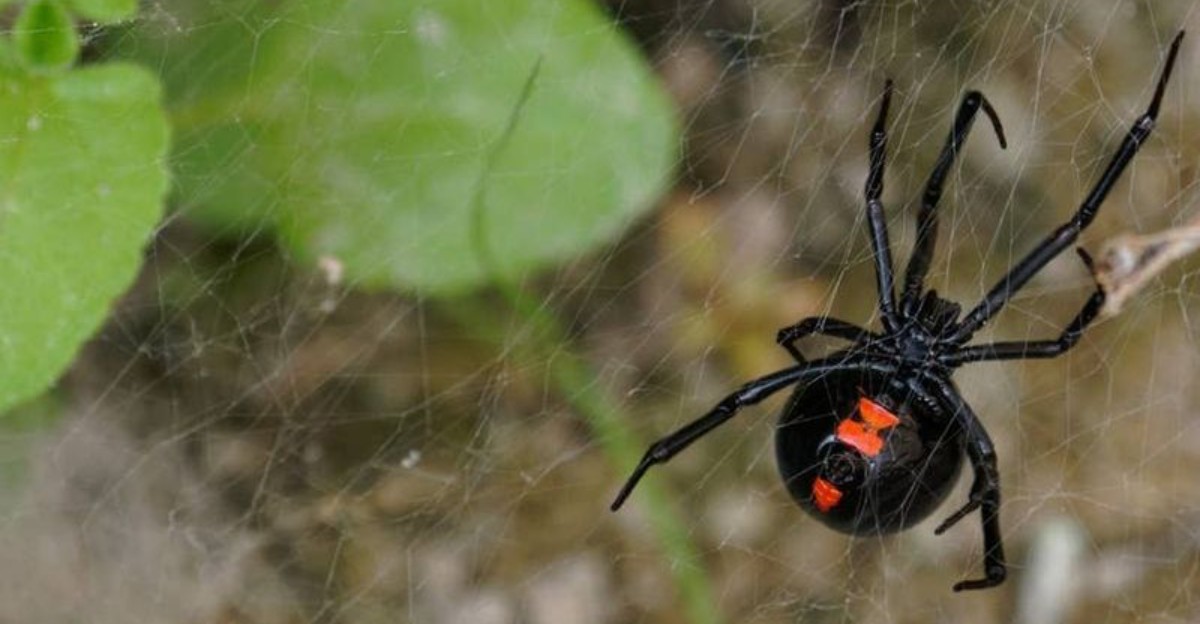
A female spider no bigger than a raisin carries venom that scientists rank among the most potent in North America. Her web looks like a tangled mess, yet its silk is unusually strong for its size.
I spotted one last summer while pulling a forgotten flower pot from under my deck in New Jersey. A glossy black body hung upside down in a messy net of threads, and my gloved hand froze in midair.
She lives quietly across New Jersey, from shady suburban yards to rocky woodland edges. She rarely wanders, rarely chases, and mostly wants to be left alone with her insect meals.
You probably walk past her hiding spots every week without a second glance. Stacked firewood, empty planters, and dim corners near the lattice all suit her perfectly. So who else is quietly sharing your backyard this season?
That Glossy Black Spider Under Your Deck Has a Famous Name
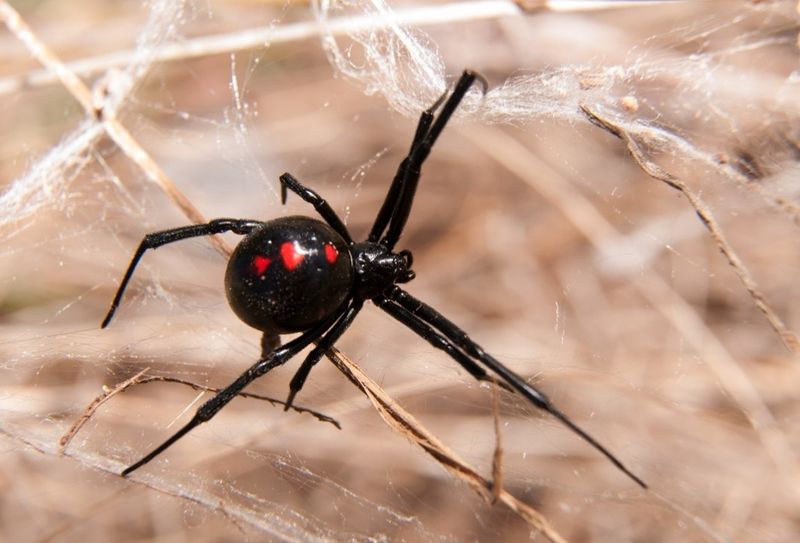
Shiny, round, and jet black, the spider most likely tucked beneath your boards is the northern black widow.
Rutgers and other northeastern extension experts list it as the widow species most common in New Jersey and the surrounding region.
She loves dark, dry spaces that people rarely touch. Under decks, inside hollow cinder blocks, behind lattice skirting, and within stacked lumber are classic hideouts.
Rock walls and woodland edges suit her too, so she was here long before the decks were built.
Plenty of people worry about brown recluse spiders as well. In New Jersey, though, established brown recluse populations are rare, and most suspected sightings turn out to be harmless look-alikes.
A southern black widow may occasionally turn up in the state, most likely as a hitchhiker in shipped goods. Both species look similar and deserve the same careful respect.
Spotting one is not a sign your yard is dirty or unusual. These spiders are a normal part of the local wildlife, quietly eating crickets, beetles, and other insects that crawl past.
Knowing who she is turns a jumpy surprise into calm, informed caution, and that makes every trip under a New Jersey deck a lot less stressful.
Look Underneath for Her Red Hourglass Marking
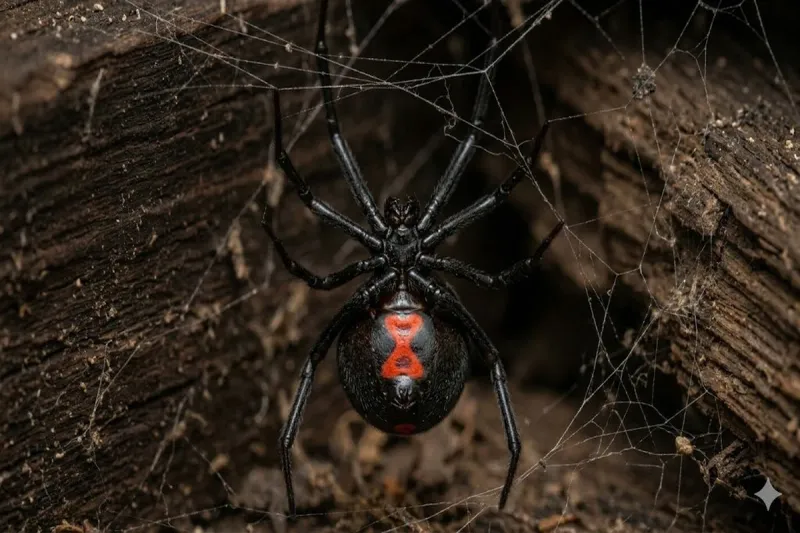
Her signature mark sits on her belly, not her back. Female northern black widows usually show a red hourglass shape on the underside, but here is the twist: it is often broken into two separate pieces.
Many also carry a row of small red spots running down the top of the abdomen. Some even have pale white or yellowish edging near those dots.
Size helps too. An adult female’s body is about half an inch long, and with legs stretched out she spans roughly an inch and a half. Her abdomen looks round and polished, almost like a shiny black bead.
Males are a different story. They are much smaller, slimmer, and often marked with lighter streaks of white, red, or brown. Their bites are not considered a medical concern for people.
Young spiders can look surprisingly colorful, with orange, white, and tan patterns that darken as they grow. That variety confuses a lot of homeowners.
My best advice is simple. Use a flashlight and look from a comfortable distance instead of poking with your fingers.
A clear phone photo shared with your county Rutgers Cooperative Extension office can help confirm the identity without any risky handling.
A Black Widow Bite Needs Quick Medical Attention
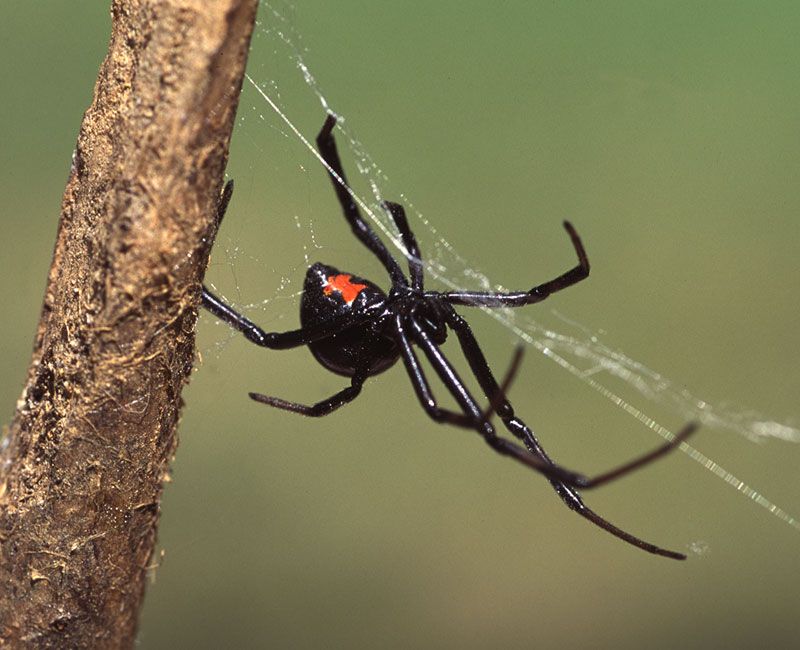
Bites are uncommon, and they usually happen when a hand presses a spider against skin. Reaching blindly into a glove, a shoe, or a woodpile is the classic setup.
Female widow venom is a neurotoxin, meaning it affects nerves. The first feeling may be a tiny pinprick, and some people barely notice it.
Within about 30 to 60 minutes, though, painful muscle cramps can spread from the bite into the belly, back, or chest.
Other symptoms may include sweating, nausea, headache, and a racing heartbeat. Children, older adults, and people with heart conditions can have stronger reactions.
Serious outcomes are rare in healthy adults, and modern medical care works well. Even so, any suspected widow bite deserves prompt attention. Call Poison Control at 1-800-222-1222 for free, expert guidance any time of day.
While you wait, wash the area gently with soap and water. Apply a cool compress to ease pain and swelling, and keep the bitten limb still and roughly level with your heart.
Skip home remedies like cutting the skin or trying to suck out venom. Those tricks do nothing helpful.
If you can safely snap a photo of the spider, bring it along so doctors know what they are treating.
Messy Cobwebs Near the Ground Are a Big Clue
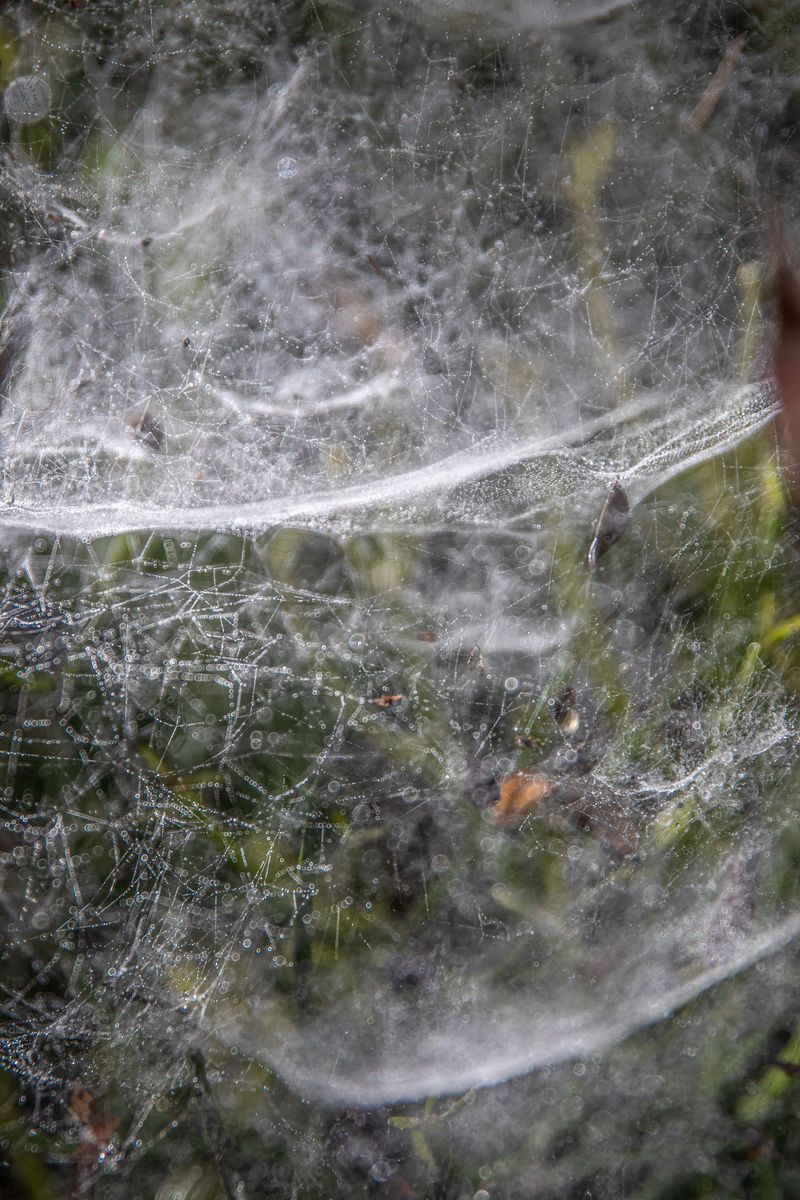
Forget the pretty wheel-shaped webs you see on garden fences. Widows spin what scientists call a cobweb, an irregular tangle of tough, sticky threads that looks almost careless.
Those webs usually sit low, close to the ground or just above it. In New Jersey yards, corners where deck posts meet soil, gaps behind steps, and spaces between stacked pots are favorite spots.
Look closely and you may see vertical threads anchored to the ground. When a beetle or cricket bumps one, the line snaps and lifts the insect up into the tangle, where the spider can reach it.
She spends most of her time hanging upside down near a sheltered retreat. During the day she often hides in a crack or crevice and comes out at night to hunt.
You might also notice round, papery egg sacs tucked into the web. They are tan or off-white and about the size of a pea.
One sac can hold a few hundred eggs, though many spiderlings scatter or get eaten soon after hatching, which keeps New Jersey from being overrun.
Spotting that messy tangle with a flashlight after dark is one of the easiest ways to check whether your New Jersey deck has a resident. Plain, slow observation tells you a lot.
Gloves and a Good Shake Keep Your Hands Safe

My own routine changed after that close call with the flower pot. Now my leather gloves come out before I touch anything stored under the deck, and every glove gets a firm shake first.
Thick gloves matter most when moving firewood, lifting boards, emptying old planters, or pulling weeds along the foundation. Thin cotton ones offer little protection from a pressed spider.
Long sleeves and pants help too, especially for cleanup jobs in shady corners. Tucking pant legs into socks sounds goofy, but it works.
Shoes and boots left outside deserve a quick tap upside down before you slip them on. Same goes for kneeling pads, sun hats, and jackets that hung on a hook all season.
Bring light into dark spaces before reaching in. A headlamp or flashlight lets you spot webs and glossy bodies without guessing. Teach kids a simple rule as well. Look first, and never put hands where eyes cannot see.
Many bites happen to curious children exploring sandbox covers, toy bins, and outdoor furniture.
Store garden tools and gloves in sealed plastic bins or hang them up off the ground. Fewer cozy pockets mean fewer surprise guests waiting for your fingers next spring.
Clear the Woodpiles and Clutter That Widows Call Home

Clutter is a spider welcome mat. Every stack of lumber, empty planter, and rolled-up tarp creates the dark, quiet shelter widows want.
Start with firewood. Keep piles at least 20 feet from the house when possible, raise them off the ground on a rack, and use the oldest wood first so nothing sits untouched for years.
Under the deck, remove stored pots, toys, and scrap boards you no longer need. Trim back thick plants and ivy that touch the deck frame, since dense growth adds hiding room.
Knock down webs regularly with a long-handled broom, wearing gloves. Spiders invest real energy in their silk, and repeated removal often pushes them to move elsewhere.
A vacuum with a long attachment also works for webs and egg sacs; empty it outside into a sealed bag.
Lighting plays a sneaky role. Bright white porch bulbs pull in moths and beetles at night, which feeds spiders. Warm yellow or amber bulbs draw fewer insects.
Seal cracks in foundations, gaps around utility lines, and spaces under doors. Fall is a smart season for this work, because cooling nights send many critters looking for sheltered corners near homes.
Know When a Pest Pro Should Handle Those Widow Spiders
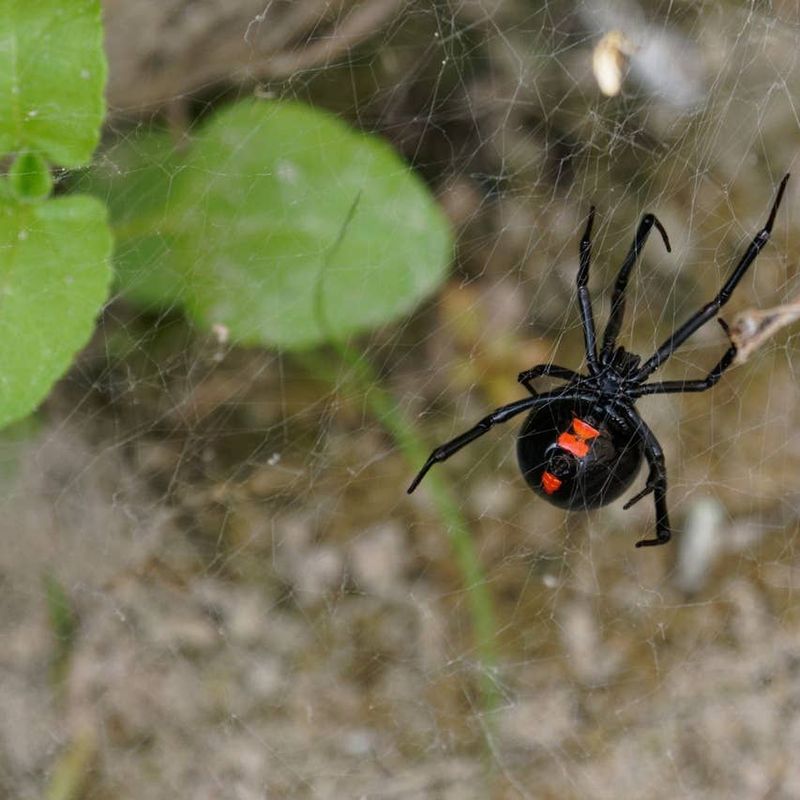
One spider under the deck is usually manageable. Calm cleanup, a careful broom, and smart habits handle most situations without any sprays.
Spraying insecticides broadly around the yard often does more harm than good. Those products can hurt bees, butterflies, and helpful predators, and widows tucked deep in crevices are frequently missed anyway.
If you need to remove a single spider, a firm squish with a long-handled tool or a vacuum works well. Wear gloves and keep your hands clear of the web.
Bring in a licensed professional when you find several spiders, repeated egg sacs, or widows inside basements, garages, or living spaces. Pros can locate entry points and treat targeted spots with care.
Families with young children, older relatives, or pets that love crawling under decks may want help sooner. Peace of mind counts.
Your local Rutgers Cooperative Extension office is also a free, trustworthy resource for identification and advice.
My biggest takeaway is respect, not fear. These spiders eat plenty of garden pests and mostly avoid people.
With gloves on, light in hand, and clutter cleared, you and your eight-legged neighbor can share the backyard without drama this year and next.