Skunks Could Be Behind Those Mysterious Holes Appearing In Georgia Lawns This November
Some nighttime visitors can smell a beetle larva wiggling under several inches of soil. That talent turns a quiet lawn into a late-night snack bar while you sleep.
I found my first batch of tiny, tidy holes on a crisp morning walk to the mailbox. Each one looked like someone had poked the turf with a broom handle and flicked out a plug of dirt.
No tracks, no noise, and no obvious suspect.
Across Georgia, plenty of homeowners are spotting the same neat little pits as fall settles in. You might blame squirrels first, but the real digger usually works in the dark and carries a famous scent.
I believe the clues are easier to read than most folks expect.
Those small holes can reveal quite a bit about the nighttime visitor searching for food beneath your lawn. The shape and pattern of the digging may be all you need to identify the culprit.
1. Those Tidy Little Pits Have A Black And White Calling Card
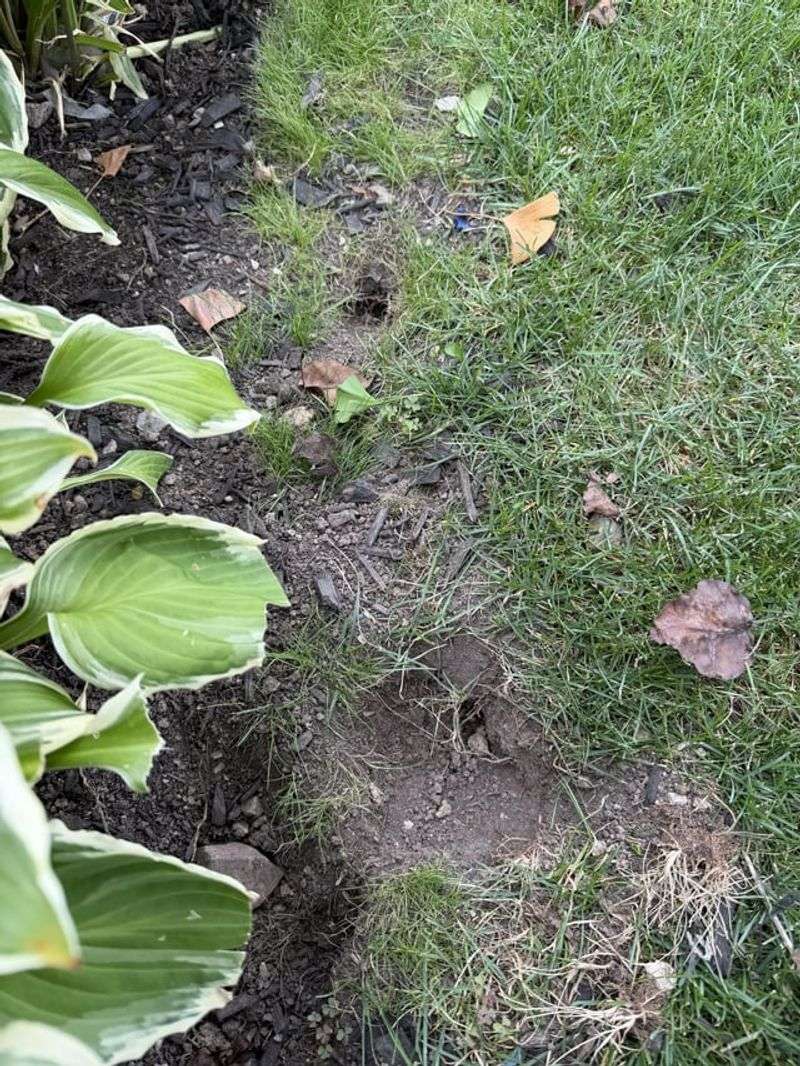
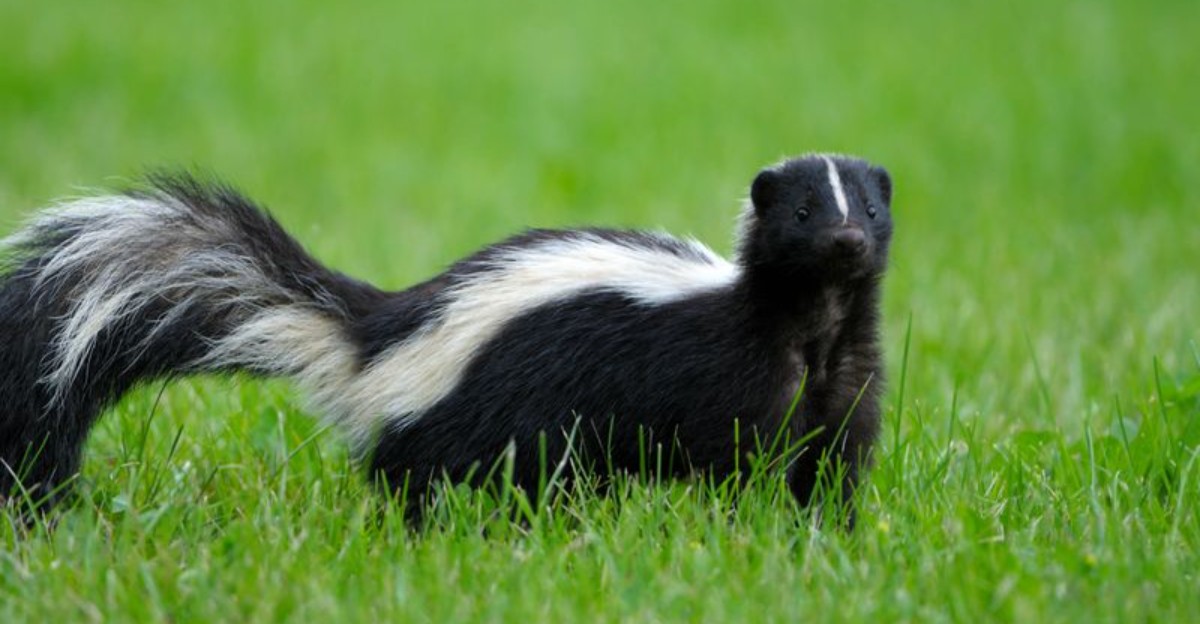
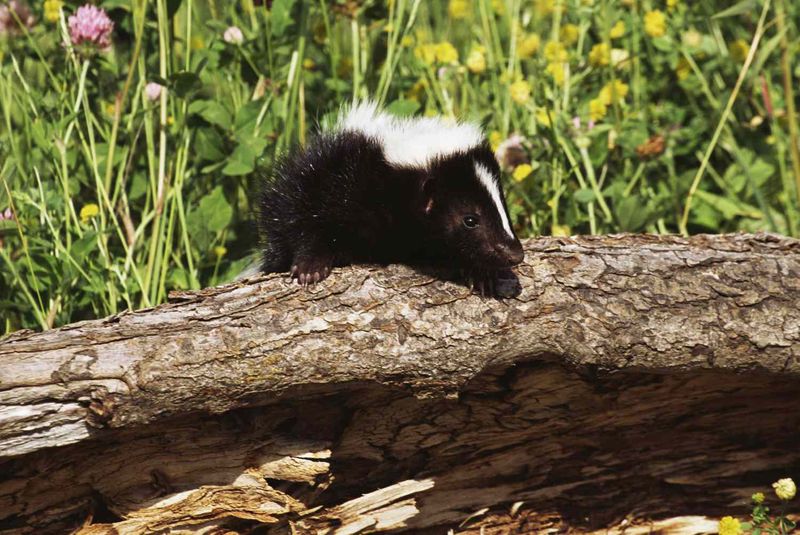
Small, neat, cone-shaped holes scattered across the grass are one of the classic signs of striped skunk foraging. Most measure about 1 to 3 inches wide and only an inch or two deep.
Skunks dig with strong front legs and long claws, then push their noses into the soil to grab a meal. The result looks almost polite compared to other wildlife damage.
You often see a little flap of turf or a loose plug of dirt pushed to the side.
Striped skunks live in every part of Georgia, from mountain counties to coastal towns. They adapt well to suburbs and happily roam backyards, golf courses, and parks after dark.
Many people never see one, even when they live close by.
Personally, I like to walk the yard early in the morning when the damage is freshest. Look for holes clustered in patches rather than one big torn area.
A faint musky smell near the digging can be another hint, though skunks rarely spray unless they feel threatened.
Fun fact: skunks give plenty of warning before spraying. They stomp their front feet, raise their tails, and sometimes hiss first.
Seeing one simply digging is usually a calm, quiet scene.
2. Plump White Grubs Are The Snack Skunks Are Sniffing Out
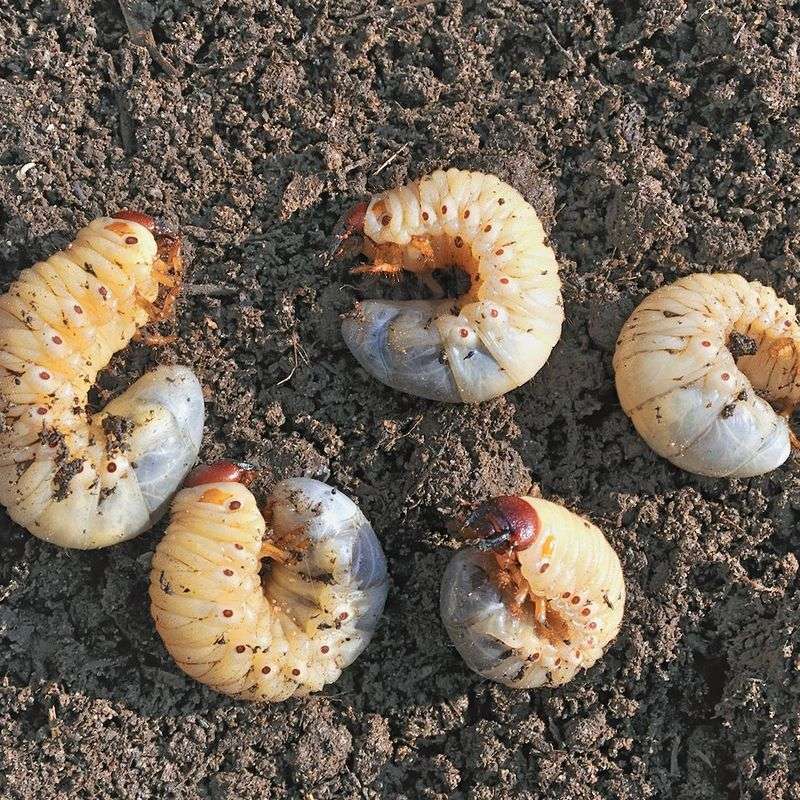
Under your turf, there may be a hidden buffet of C-shaped, creamy white larvae. White grubs are the young stage of beetles such as Japanese beetles, May and June beetles, and green June beetles.
Skunks have an excellent sense of smell and can find grubs, earthworms, and other soil insects without seeing them. Grubs are rich in fat and protein, which makes them worth the effort for a hungry forager.
In fall, many grubs have grown large after feeding on grass roots all summer.
You can check for them yourself in a few minutes. Cut three sides of a square foot of turf with a shovel and peel it back like a page.
Count the grubs in the top few inches of soil.
University extension experts generally say that a handful per square foot is not a big deal for healthy grass. Larger numbers can cause brown patches, spongy turf, and more wildlife digging.
Repeat the test in a few spots, since grubs often gather in pockets.
Here is a tip I learned the hard way. Sunny areas with lush, irrigated grass often host more grubs, so start your search there first.
3. November Nights Keep Hungry Skunks Busy In Your Yard
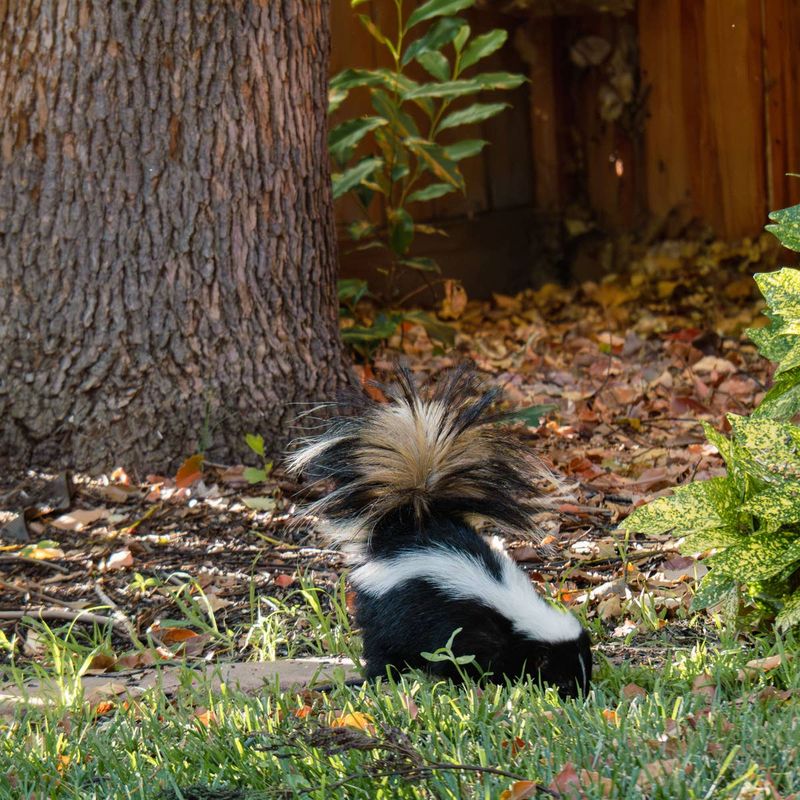
Late fall is prime time for skunks to fatten up. They do not truly hibernate, but they become much less active during cold winter stretches and live off stored body fat.
That means October and November evenings are busy. Skunks spend hours searching for easy calories, and a grub-filled lawn is perfect.
Since they mostly come out at dusk and after dark, the holes seem to appear by magic overnight.
Soil temperature also plays a part. As the ground cools, grubs slowly move deeper to spend the winter.
Before that happens, they are still close enough to the surface for a skunk to reach with a quick scratch.
Georgia weather adds a twist. North Georgia cools off sooner, so digging may taper earlier in the mountains.
In South Georgia, milder nights can keep grubs and skunks near the surface a bit longer.
A soaking rain can trigger fresh digging too. Moist soil is softer, and worms and grubs move upward, which makes the hunt easier.
If you spot new holes the morning after a shower, that pattern makes good sense.
By midwinter, most of this activity slows down noticeably.
4. Armadillos And Raccoons Leave Their Own Lawn Signatures
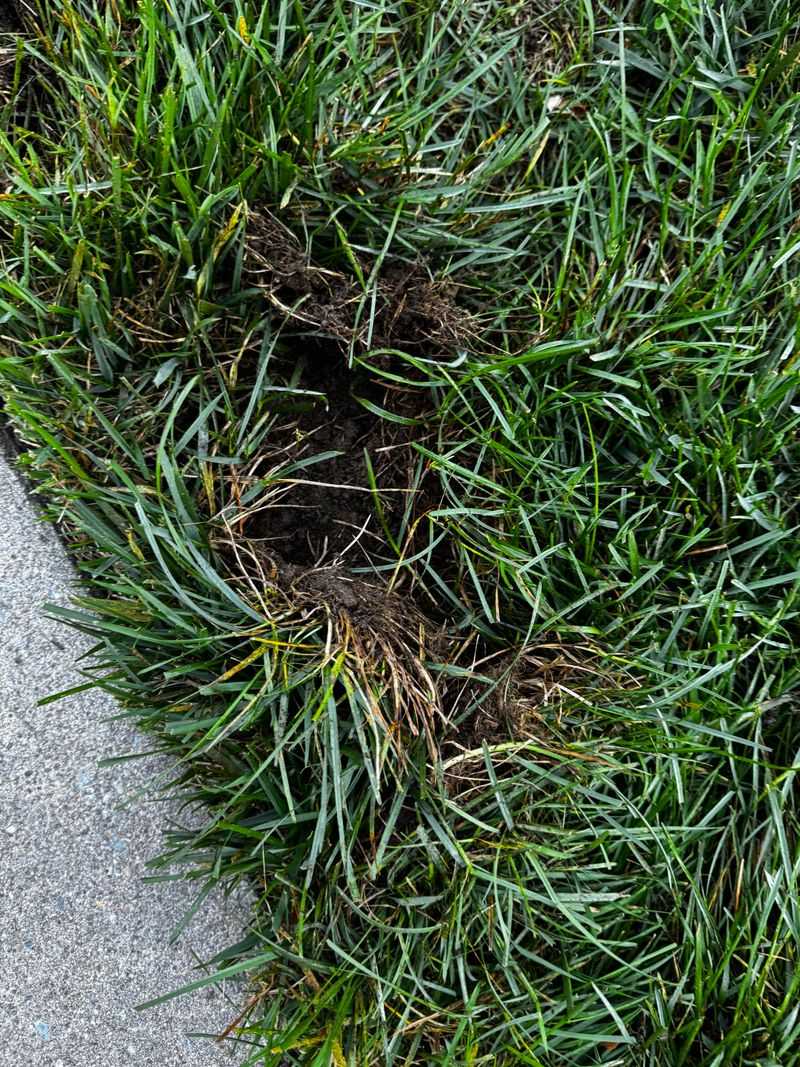
Blaming the skunk too fast is easy, but Georgia has other skilled diggers. Each one leaves slightly different evidence.
Raccoons use clever front paws to grab and roll back larger chunks of sod. Damage can look like someone peeled up a rug, especially on newly laid sod that has not rooted well.
Raccoons hunt grubs too, so their mess often shows up in the same season.
Nine-banded armadillos are common in much of central and south Georgia and keep spreading north. They root with their snouts and dig shallow holes, often a bit larger and more ragged than skunk pits.
They also love lawns and flower beds with soft soil.
Gray squirrels dig small holes too, mostly while burying or retrieving acorns and pecans. Their holes often appear in daylight, and you might catch them in the act.
Birds like crows and starlings poke the turf for grubs and leave tiny pecks rather than pits.
Moles are another suspect, but they mostly create raised ridges and volcano-shaped mounds instead of open holes. They eat earthworms and grubs underground.
Knowing the lineup helps you choose the right response instead of guessing.
5. Play Lawn Detective With Tracks And Hole Shapes
A little detective work can solve the mystery in one morning. Grab your coffee and take a slow lap around the yard.
Start with hole size and shape. Skunk holes are small, neat, and funnel-like.
Raccoon damage involves big flipped patches, while armadillo holes are shallow and scattered, often a few inches across.
Next, check soft soil, mud, or a dusty patio for tracks. Skunk prints show five toes on each foot, with long claw marks on the front feet.
Raccoon tracks look like tiny human hands with long fingers, and armadillo tracks look a bit like small bird feet with sharp points.
You can also sprinkle a thin layer of flour or fine sand near fresh digging at dusk. By morning, any visitor will likely leave clear footprints.
A trail camera works even better and offers some fun nighttime footage.
Timing helps narrow it down. Skunks and raccoons mostly visit at night, while squirrels dig during the day.
Armadillos are typically nocturnal in warm months but may forage in the afternoon on cooler days.
I love this part, honestly. It turns an annoying problem into a backyard science project the whole family can enjoy.
6. Cutting Back The Grub Buffet Takes The Fun Out Of Digging
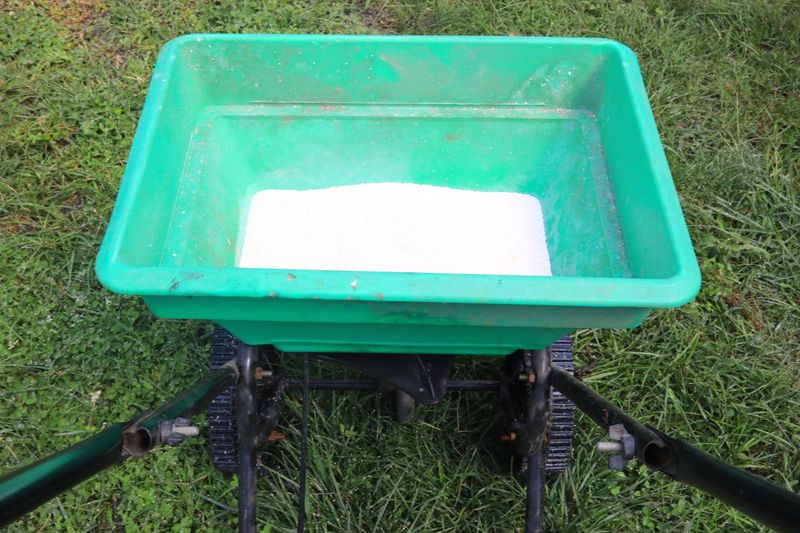
Skunk visits usually drop off once the food supply shrinks. That is why grub management is the most effective long-term fix.
Timing matters a lot. Extension specialists generally recommend preventive grub products in early to midsummer, before eggs hatch.
Curative treatments work best in late summer or early fall while grubs are still young and feeding near the surface.
By November, many grubs are bigger and moving deeper, so treatments are often less effective. In many cases, waiting until next season and planning ahead is smarter than spraying now.
Always read the label, follow directions carefully, and water products in as instructed.
Beneficial nematodes are another option some gardeners like. These tiny soil organisms attack certain grubs and work best in warm, moist soil, so they fit late summer better than cold months.
Healthy turf also helps. Mowing at the right height, avoiding too much fertilizer, and watering deeply but less often can make grass more tolerant of a few grubs.
Remember that grub counts matter. If your test shows only a few per square foot, treatment may not be needed, and the digging might fade on its own.
7. Skunks Love A Cozy Den Under Decks And Sheds
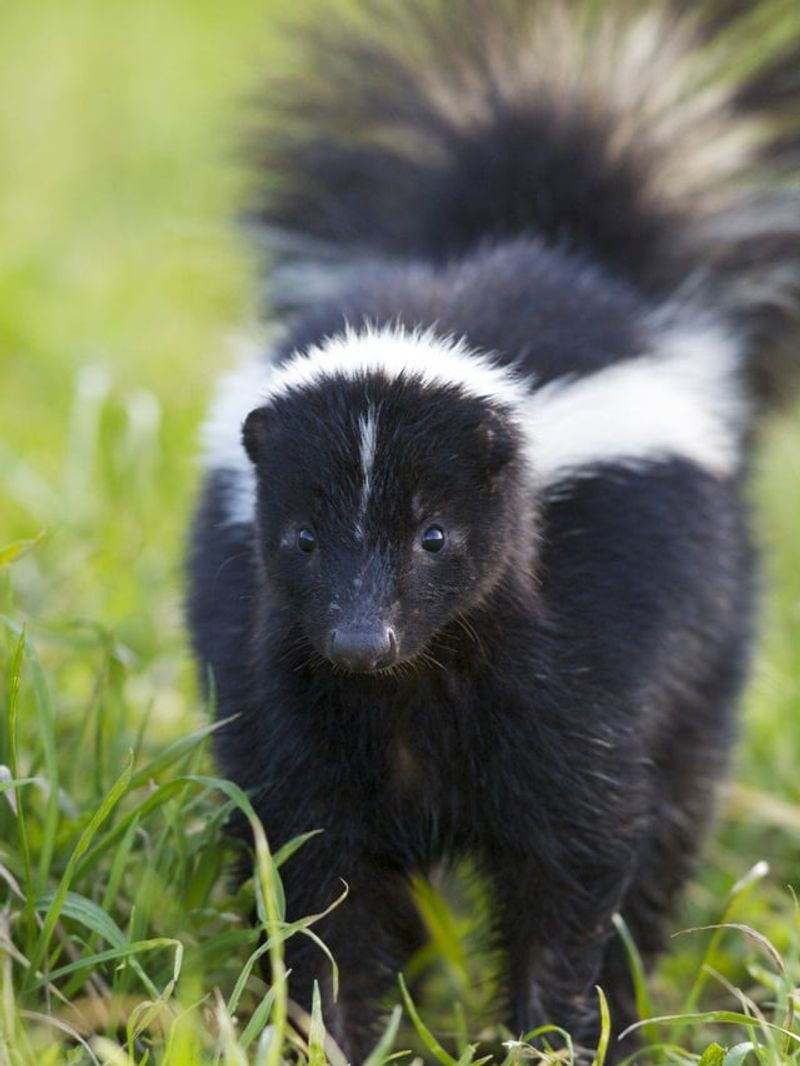
Food brings skunks in, but shelter convinces them to stay. Dark spaces under decks, porches, sheds, and stacked lumber look like perfect bedrooms.
Skunks often den together in cold weather, and females look for safe spots to raise young in spring. Late fall is a smart time to close off openings before anyone settles in for the winter.
First, make sure nobody is home. Loosely stuff an opening with newspaper or leaves and check for a few nights.
If the material stays undisturbed, the space is likely empty.
Then seal the gap with sturdy hardware cloth. An L-shaped barrier works well, with mesh buried about 6 to 12 inches deep and bent outward.
This setup stops skunks from digging under it.
Avoid sealing an opening in spring when babies might be inside. You do not want to trap young animals away from their mother.
Tidy up other hiding spots too. Brush piles, overgrown corners, and clutter all offer cover.
Secure trash cans, bring pet food indoors at night, and pick up fallen fruit.
Those small chores make your yard far less appealing to curious overnight guests.
8. Calm Repairs And Smart Rules Keep Your Lawn And Skunks Safe
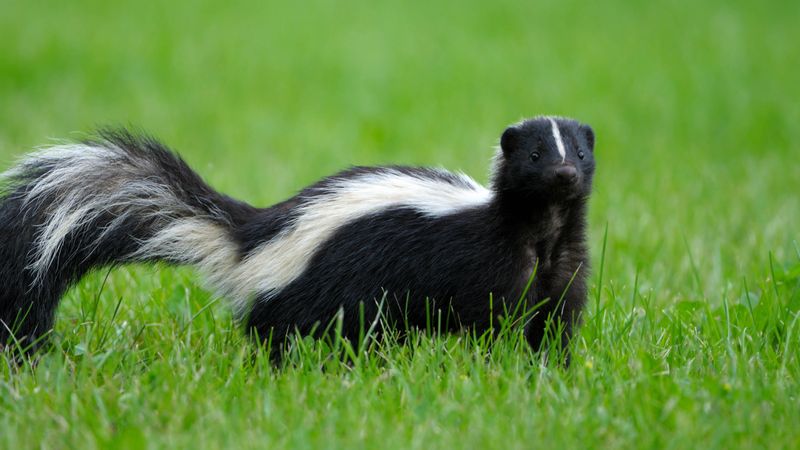
Before you panic, take a deep breath. Most skunk digging is cosmetic, and grass often recovers quickly.
Press loose turf plugs back into place with your foot or a gentle tamp. Fill deeper holes with a little topsoil.
Warm-season grasses like Bermuda, zoysia, and centipede grow slowly in November, so full repair may wait until spring green-up.
Safety comes next. Skunks are a common carrier of rabies in Georgia, so keep your distance and never try to handle one.
Keep pets vaccinated and bring them inside at night if skunks visit often.
An animal that looks confused, aggressive, or active in daylight acting strangely should be reported to local animal control or the health department. Normal skunks simply waddle away.
Rules matter too. Georgia classifies skunks as furbearers, and trapping or relocating wildlife is regulated by the Georgia Department of Natural Resources.
Many homeowners hire a licensed nuisance wildlife trapper instead of handling it themselves.
My favorite takeaway is simple. Skunks also eat beetle larvae, wasp nests, and other insects, so they offer some free pest control.
With a few smart steps, you can share the neighborhood peacefully.