8 Things To Do With Your Florida Gardenia In November So Spring Buds Stay On
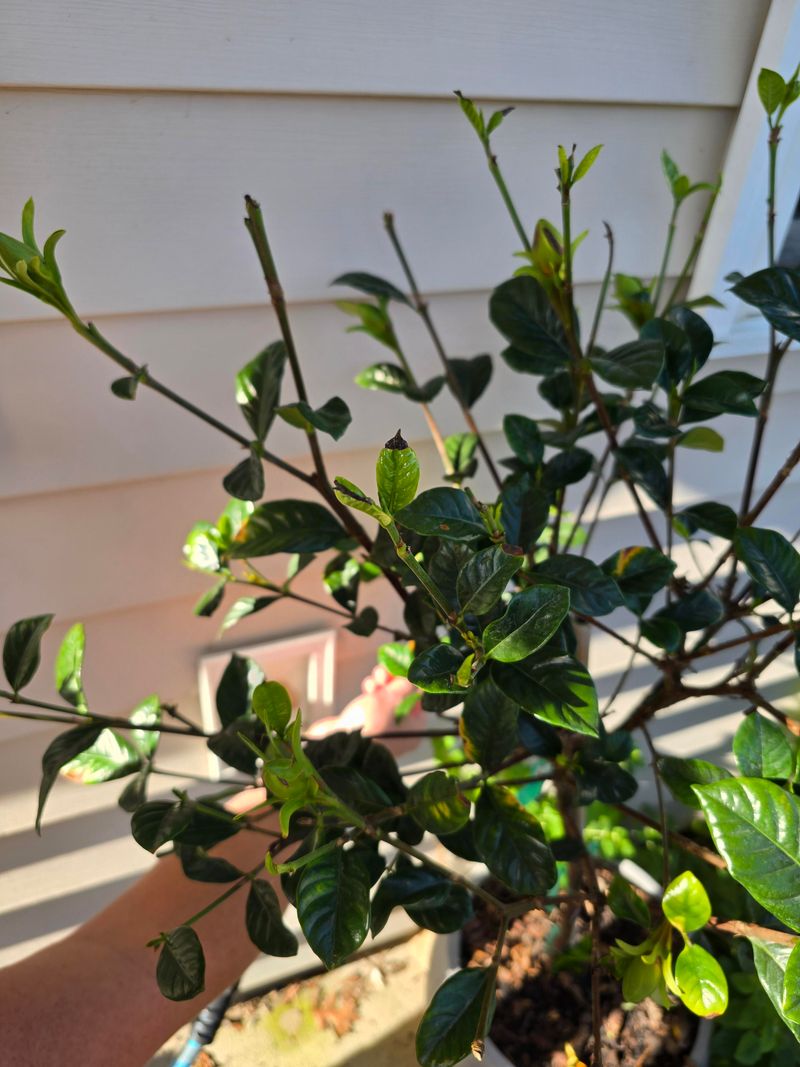
The sweetest-smelling shrub in my yard decides on its spring flowers months early, while I still wear flip-flops. Those tiny green buds tucked at the branch tips are next year’s whole show, already packed and waiting.
In Florida, cool fall nights and shorter days push this evergreen to slow down and protect those buds. One rough patch of drought or careless clipping can make them drop like green confetti come spring.
I learned the hard way after one April when my bushes looked lush but held only three blooms. You’d think a shrub this tough in summer heat would shrug off fall, but it notices every mistake.
So what does it actually want from you during these mild, breezy weeks before winter sneaks in? The answers surprised me, and a couple of them run opposite to what most of us do by habit.
1. Put The Fertilizer Bag Away For Gardenias
Gardenias are hungry plants in summer, but a November feeding is like handing a toddler candy at bedtime. The extra nitrogen wakes up soft new shoots right when the plant should be settling down for winter.
UF/IFAS Extension suggests wrapping up fertilizer by early fall, so the shrub has time to toughen up its stems. In North Florida that usually means September, while gardeners farther south can stretch it a few weeks later.
Tender growth that pops out now has little chance to harden before a surprise cold front rolls through. Frost can scorch those soft leaves, and the plant then spends energy repairing damage instead of feeding buds.
I’ll admit it, I used to sprinkle a little extra food in fall because the leaves looked pale. Pale leaves in cooler weather are often about pH or cold roots, not a missing meal at all.
Overfeeding can also stress the roots with salt buildup, and stressed gardenias are famous for dropping their buds. A lighter hand now leads to a heavier bloom later, which feels backward but works beautifully.
Save your acid-loving fertilizer for spring, once new growth starts and the danger of frost has passed. Mark the date on your calendar so the bag stays on the shelf until the azaleas finish flowering.
Until then, let the shrub rest and quietly build the flower buds you already paid for this year. Patience costs nothing, and it might be the easiest garden chore you skip all season long.
2. Water Your Gardenia Deeply But Let The Topsoil Dry
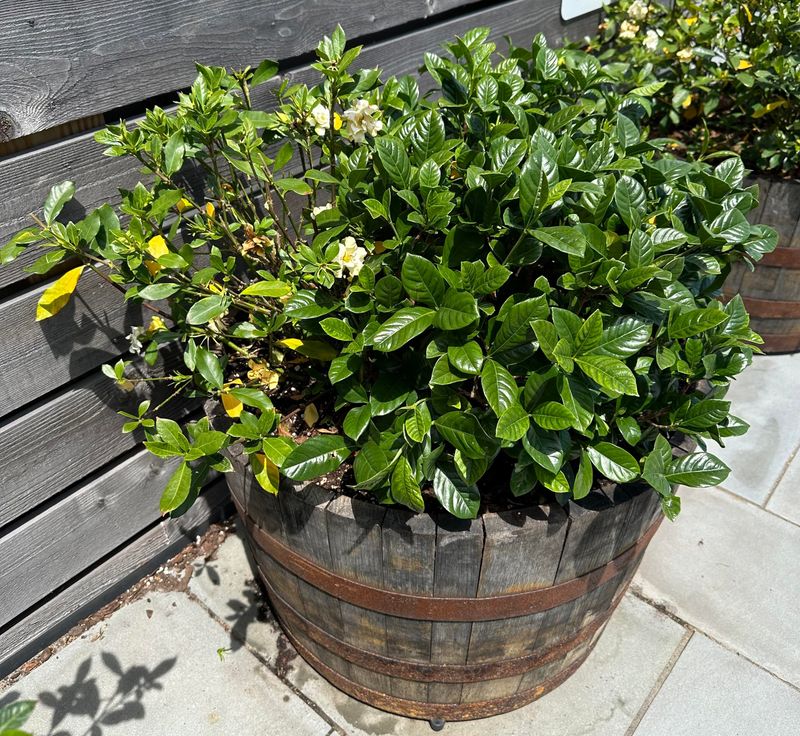
Gardenias sulk dramatically when their roots swing between soggy and bone dry, and the buds pay the price. Uneven watering ranks among the top reasons UF experts list for green buds falling off before they open.
November brings drier weather to much of Florida, since the rainy season usually wraps up in October. That means your sprinkler schedule from summer probably no longer matches what the shrub actually needs right now.
My routine is simple, and I push one finger about two inches into the soil before watering. If it feels cool and damp, I walk away, and if it feels dry, I soak the root zone.
Deep, slow watering once a week works for many in-ground shrubs during mild fall weather without heavy rain. Container plants dry faster, so check them every couple of days, especially on breezy, sunny afternoons.
Soggy soil brings its own trouble, because waterlogged roots can rot and lose their grip on the buds. Make sure pots drain freely, and avoid leaving saucers full of water under them for days at a time.
Moist soil also holds warmth better than dry soil, which gives roots a little cushion on chilly nights. Watering a day before a forecast cold snap is an old trick that many extension agents still recommend.
Not going to lie, this step feels boring compared to pruning or shopping for new plants at the nursery. Still, steady moisture quietly does more to keep those buds attached than nearly any other fall chore.
3. Cover Gardenia Shrubs Before A Frosty Night
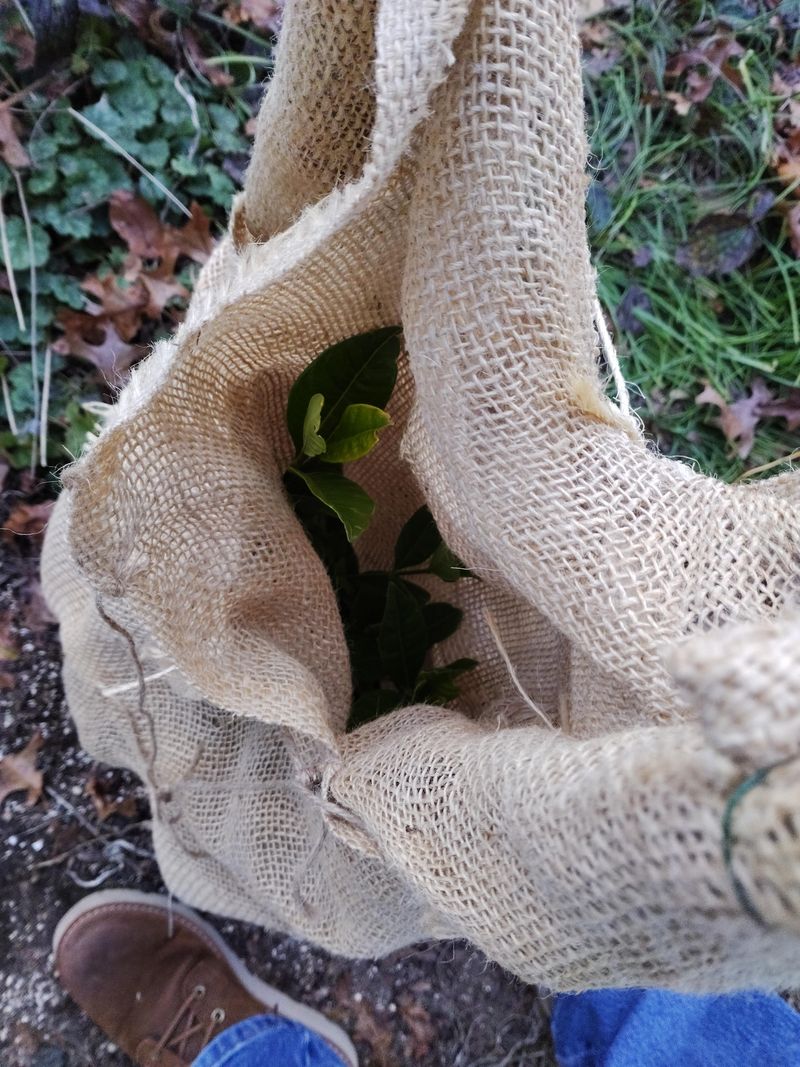
A single clear, still night in North Florida can drop near freezing, and flower buds feel it first. The leaves may look fine the next morning, while the tiny buds quietly turn brown and loosen.
Gardenia jasminoides grows well in USDA zones 8 through 11, which covers the whole state on paper. Even so, buds are more tender than leaves, so a hard frost can cost you spring flowers.
Grafted plants, often sold on nematode-resistant rootstock, tend to be less cold hardy than plants on their own roots. Keep an eye on the forecast if yours came grafted, especially in the northern half of the state.
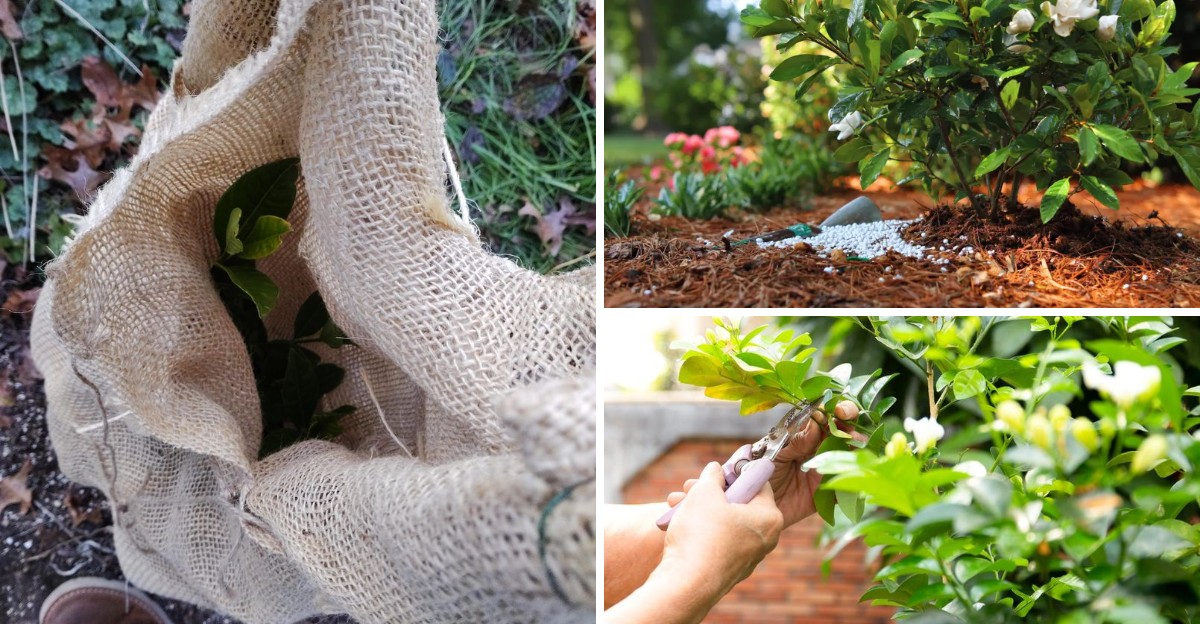
When frost threatens, drape frost cloth or an old sheet over the shrub, letting it reach the ground. Soil releases heat overnight, and a cover that touches the ground traps that warmth around the branches.
Skip thin plastic touching the leaves, since it can transfer cold straight through and cause leaf burn. Weigh the edges with bricks so a gusty cold front does not send your sheet into the neighbor’s yard.
Pull covers off the next morning once temperatures climb, so the plant gets sunlight and fresh air again. Potted gardenias are easier, because you can roll them into a garage or onto a covered porch overnight.
Trust me on this one, keeping a folded sheet by the back door saves frantic searching at midnight. Ten minutes of covering can protect months of bud growth that you cannot replace until next year.
4. Test The Soil Under Your Gardenia For Acidity
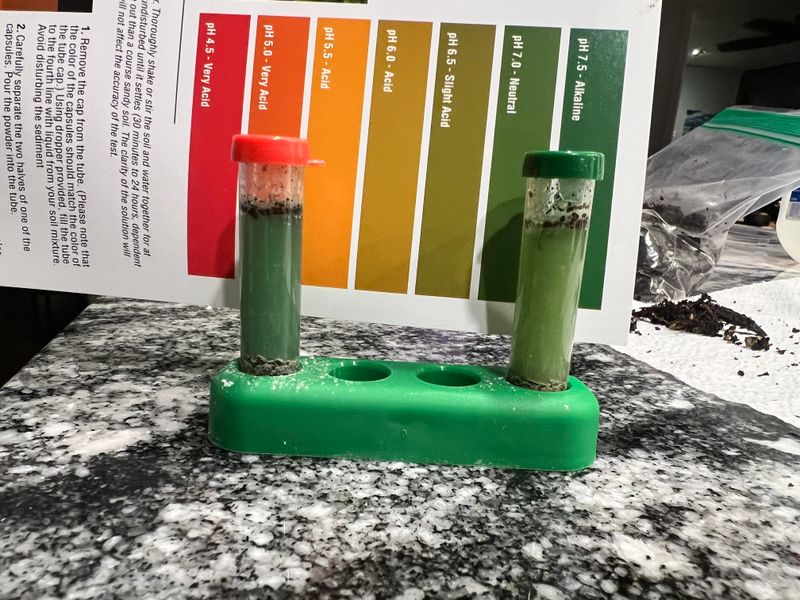
Yellow leaves with bright green veins are a gardenia’s way of waving a little flag about soil pH. That pattern often points to iron trouble, which shows up when soil leans too alkaline for the roots.
Gardenias prefer acidic soil around pH 5.0 to 6.5, according to UF/IFAS Extension and other university gardening guides. Above that range, nutrients sit in the soil but the plant cannot easily absorb them through its roots.
Many yards near the coast or new construction have limestone fill or shell, which pushes pH higher. Concrete foundations and sidewalks can leach lime too, so shrubs planted close to the house often struggle.
November is a smart time to test, since you have months to adjust things before spring growth begins. Your county Extension office offers soil testing, and the instructions for collecting a sample are refreshingly simple.
If the pH runs high, elemental sulfur can lower it slowly, but follow the label rates carefully. Changes take weeks or months, so think of this as setting the table for spring rather than fast relief.
In very alkaline spots, I’d honestly grow gardenias in large containers filled with an acidic potting mix. It saves frustration, and you get to move the pot somewhere sheltered when a cold front shows up.
Healthy roots in the right soil hold onto buds far better than a shrub fighting for every nutrient. A cheap soil test now might explain years of disappointing blooms in a single, eye-opening report.
5. Spread Pine Straw Mulch Around Your Gardenia
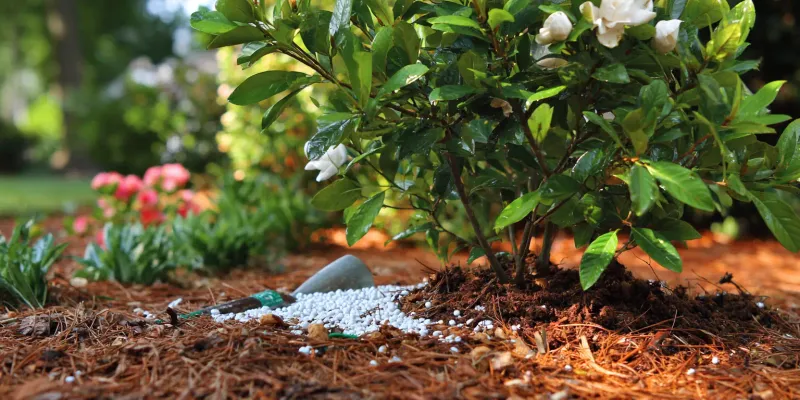
Few things make a garden bed look tidier than a fresh blanket of pine straw glowing copper in fall sunshine. Your gardenia gets more out of it than good looks, especially when its shallow roots need steady care.
Gardenia roots sit close to the surface, so they dry out quickly and feel temperature swings fast. A layer of mulch two to three inches deep helps hold moisture and buffers roots against cold nights.
Pine straw and pine bark both work well, and shredded oak leaves from your own yard cost nothing. UF/IFAS often suggests alternatives to cypress mulch, partly because harvesting it raises concerns about native wetlands.
Mulch also matters for nematodes, tiny soil worms that feed on gardenia roots and cause weak, struggling plants. UF/IFAS notes that mulching helps reduce stress from these pests, especially in sandy soils common across Florida.
Keep the mulch pulled back a few inches from the trunk, because piled mulch holds moisture against bark. Damp bark invites rot and fungus, and that kind of damage can weaken branches carrying next spring’s buds.
Weeds compete for water and nutrients too, and a thick mulch layer shades out many of them early. I’m a sucker for pulling fewer weeds, so this part feels like a gift I give myself.
Top up thin spots instead of piling new mulch over old, which can build an airless, matted layer. Fifteen minutes with a bale of pine straw can make your whole bed happier through the cooler months.
6. Check Gardenia Leaves For Scale And Whiteflies
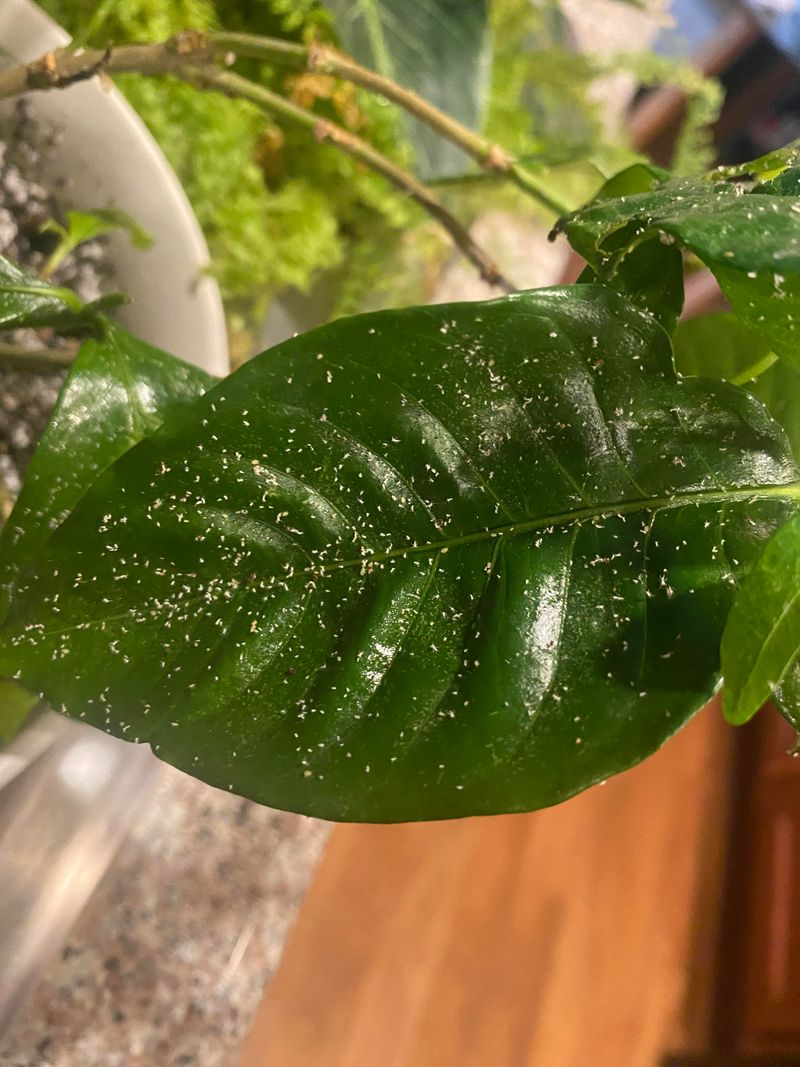
Sooty black film on gardenia leaves looks like someone dusted the shrub with chimney soot overnight. That mold grows on honeydew, the sticky waste left behind by sap-sucking insects hiding on the leaves.
Gardenias attract several of these pests, and whiteflies and scale insects show up in many home landscapes. Warm fall days in the southern part of the state keep many insects active long after summer ends.
Flip a few leaves over and look closely, because most of the action happens on the undersides. Scale looks like tiny bumps stuck to stems, while whiteflies flutter up in a cloud when you brush branches.
Heavy feeding by these insects weakens the plant, and a stressed shrub is more likely to shed buds before spring arrives. Thrips can also damage developing flowers, leaving brown streaks on petals that open looking ragged and tired.
Horticultural oil and insecticidal soap work well on soft-bodied pests, but they need direct contact to help. Spray on a cool morning and coat leaf undersides thoroughly, since that is where most pests gather.
Ladybugs and lacewings feed on many of these insects, so go easy on broad-spectrum sprays that harm them. I’m the first to admit I once panicked and sprayed everything, then watched the pests rebound faster.
A quick weekly look while you sip your morning coffee is enough to catch problems early. Small infestations are far easier to manage than a shrub coated in sticky honeydew and black mold.
7. Keep Pruning Shears Off Your Gardenia Until Spring
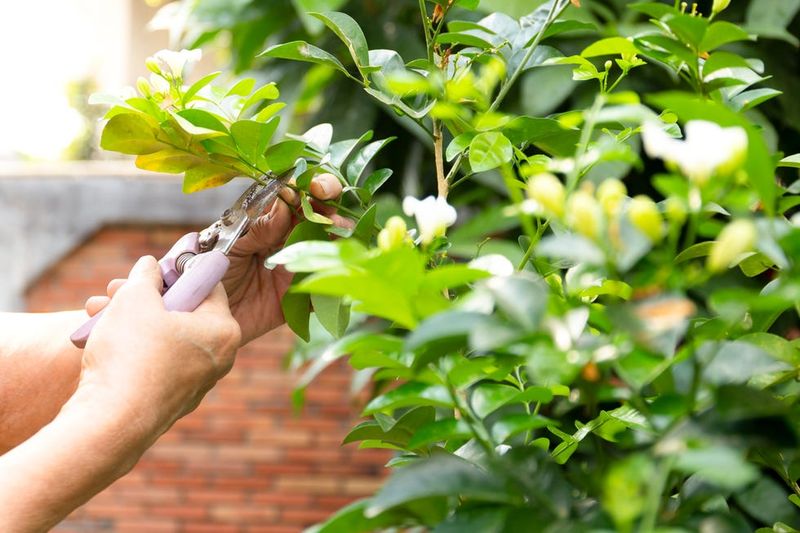
Every flower bud you see on your gardenia right now is a promise, and pruning shears break promises. Gardenias set next season’s buds in late summer and fall, often near the tips of branches.
Cutting back now removes those buds, and you won’t see the loss until spring arrives with few flowers. Guilty as charged, I once gave my shrub a neat fall haircut and got almost no blooms.
The best time to shape gardenias is right after they finish flowering, usually by early summer. That timing gives new growth months to mature and form fresh buds before the next cool season.
Fall pruning can also trigger soft new shoots, which are easy targets for frost on a cold night. Those shoots drain energy too, pulling resources away from the buds you are trying so hard to protect.
Small fixes are fine, so go ahead and snip off broken branches or obviously diseased wood anytime. Cut just below the damaged area with clean, sharp pruners to help the wound seal neatly and quickly.
If a branch is blocking a walkway, trim only that one stem rather than reshaping the whole shrub. You’ll lose a few buds on that stem, but the rest of the plant keeps its flower plans intact.
Fair warning, a slightly shaggy gardenia in winter looks far better once it bursts into fragrant white blooms. Hang the shears back in the shed and enjoy one less chore on your weekend list.
8. Give Your Gardenia Bright Morning Sun
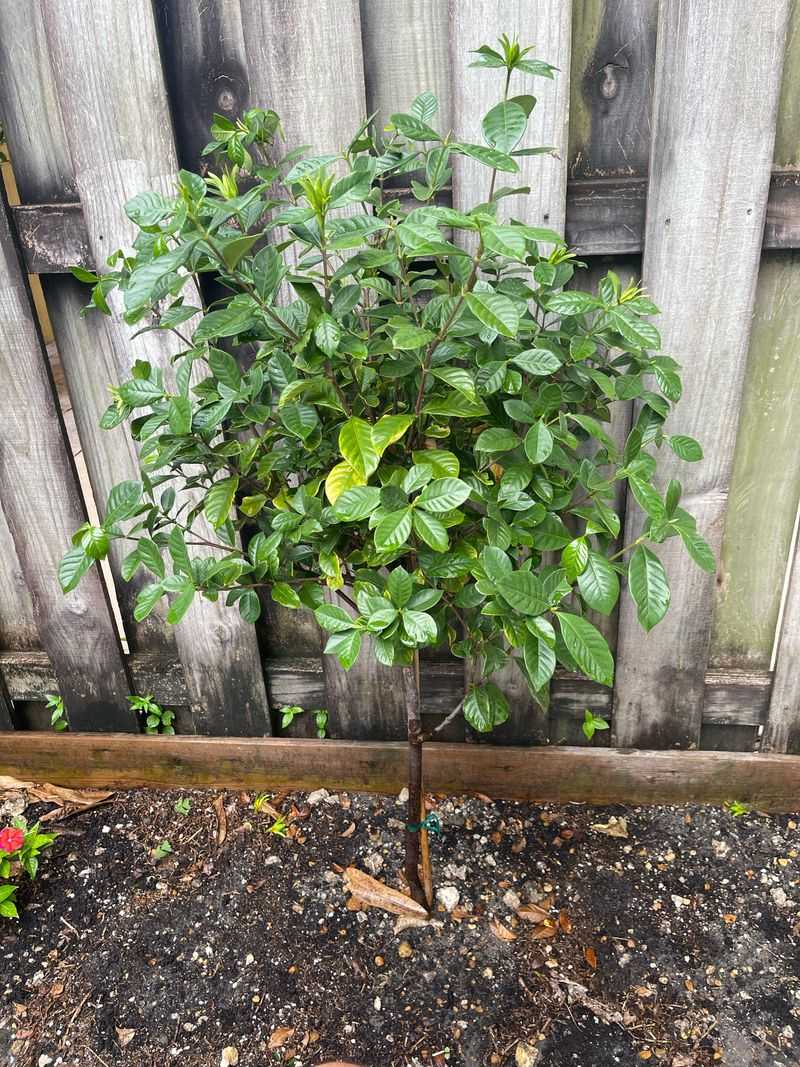
Gardenias are a bit like people at the beach, happiest with morning sun and some shade later on. Too little light means fewer buds, while harsh afternoon sun can stress the plant during warm spells.
UF/IFAS lists low light as a common cause of bud drop, alongside drought and sudden temperature changes. As days shorten in fall, a spot that seemed bright in June may feel noticeably dimmer now.
Take a walk around your yard at different hours and notice where shadows fall across your shrubs. Growing trees and new fences can quietly steal light over a few years without you realizing it.
Container gardenias are easy to adjust, so slide them toward a bright spot with morning sun and afternoon shelter. Avoid moving them indoors for long stretches, since dim rooms and dry air often lead to bud drop.
For in-ground shrubs, thinning a few overhanging tree branches can let more light reach the gardenia below. Hire a certified arborist for big limbs, because large cuts and ladders are not a weekend experiment.
Deciduous trees nearby can help too, letting winter sun through bare branches and shading roots in summer. I didn’t expect a scraggly old crape myrtle to improve my gardenia, but its seasonal shade helped.
Transplanting a mature shrub now might shake some buds loose, so wait until after spring flowers if possible. Small light tweaks this month cost little and can mean a noticeably fuller, sweeter bloom season ahead.