Why No-See-Ums Swarm Florida Patios on Calm, Humid November Evenings
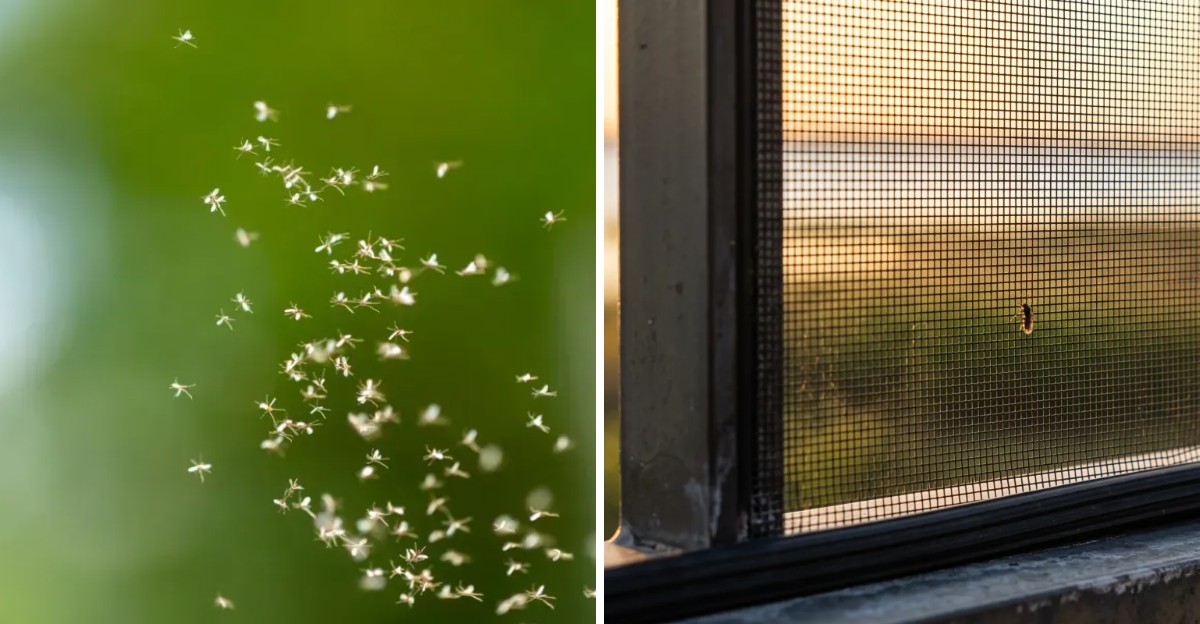
Only the females bite, and they do it to build eggs. The bug behind those itchy welts is so small it can slip through ordinary window screen, yet it can ruin a lovely evening outside.
I’ve sat on a Florida patio in November, coffee in hand, and felt a dozen pinpricks with nothing in sight. You swat, you squint, and you see nothing. The mystery makes it even more maddening.
These pests are weak fliers, so a light breeze can ground them. They breed in mud and soggy leaf litter, not just puddles. They also tend to show up right when the sun drops and the air goes heavy.
Once I learned their routine, I stopped losing every sunset to them. You might be surprised how much a simple fan can change your evenings. What keeps those hungry little mothers-to-be coming back to your patio after dark?
Those Invisible Patio Biters Have a Weakness You Can Feel
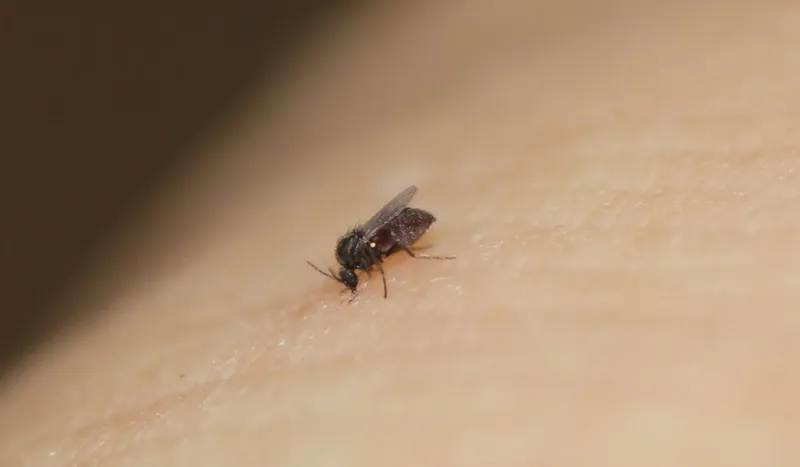
Feel that? A sharp sting on your ankle, then another, and still no bug in sight.
Biting midges, the tiny flies Floridians call no-see-ums or sand gnats, measure only about 1/16 to 1/8 inch long.
Their small size explains how they sneak up on you. It also hints at their biggest flaw.
These insects are weak fliers, and even a light breeze makes it hard for them to stay airborne or steer toward you.
That one detail answers a big part of the mystery. On windy days, they mostly hunker down in grass, shrubs, and shady spots.
When the wind fades at sunset, the air turns calm, and suddenly they can cruise right up to your chair.
Florida has roughly 47 to 50 species of these midges, mostly in the genus Culicoides. Only about seven of them are serious pests to people, but those few make up for it.
I like knowing this because it changes how I plan evenings outside. A breezy night on the patio usually means fewer bites.
A still night after a warm day often means trouble, so I check the wind before I set the table outside.
Wind is their kryptonite, and you can use that.
November Is a Peak Month Along the Florida Coast

Most people expect bugs to fade as fall rolls in. Along the Florida coast, November actually ranks as one of the busiest months for biting midges.
Their activity tends to peak twice a year, in spring and fall. April, May, October, and November are often named as the worst stretches.
In South Florida, they can be active all year, while northern areas get more of a seasonal break during cold snaps.
Why fall? Temperatures cool from the summer extremes but often stay warm and muggy.
That middle ground suits midges nicely. Summer heat and harsh midday sun can be rough on these tiny insects, while mild fall weather lets them thrive.
Coastal homeowners usually notice it most. If you live near salt marshes, mangroves, or tidal creeks, your patio sits close to prime habitat.
Inland folks near lakes, canals, or swampy ground can see swarms too.
So that sudden wave of bites in November is not your imagination. It matches a well-documented seasonal pattern, not a strange outbreak.
My tip is simple. Mark spring and fall on your calendar as midge season, and gear up before those first cool, damp evenings arrive.
A little planning saves a lot of scratching.
An Outdoor Patio Fan Is Your Best Friend at Dusk

Here’s my favorite trick, and it costs less than a dinner out. Turn on a fan.
Since no-see-ums struggle in moving air, a steady breeze across your seating area makes it tough for them to land. Pest experts and extension sources often point to fans as one of the most effective patio fixes.
Ceiling fans on a lanai work well, and a sturdy outdoor floor fan aimed at your legs helps too.
Point the airflow low, since many bites land on ankles and feet. Set it to a medium or high speed for best results.
A gentle swirl may not be enough on a very still night.
Choose fans rated for damp or wet locations if they sit outside. Florida humidity is hard on indoor models, and safety matters around outdoor outlets.
I love that a fan also cools you down and keeps the air feeling fresh. It helps scatter the scent of your breath too, which midges use to track you.
Pair it with other steps for the biggest payoff. Still, if you only do one thing this November, plug in a fan and enjoy the quiet difference.
Sunset and Sticky Air Bring Biting Midges Out
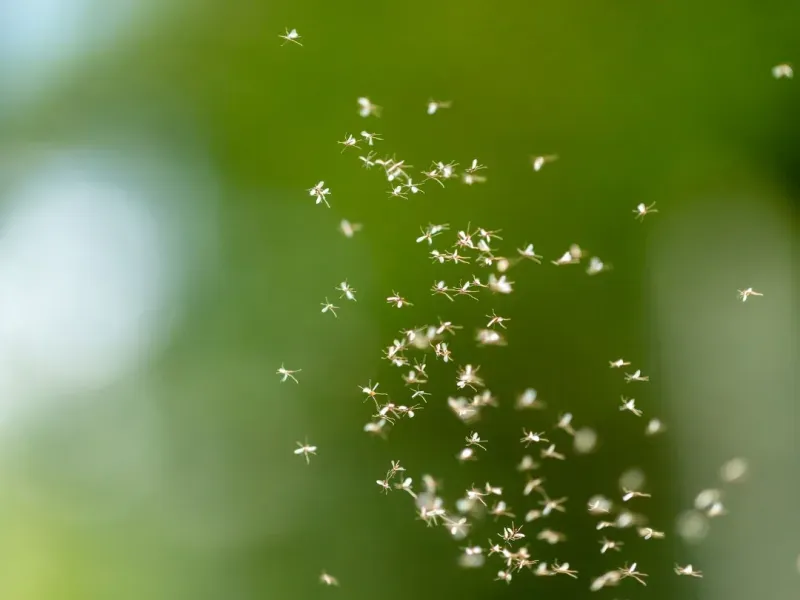
Timing is everything with these little biters. They are most active around dawn and dusk, and they can keep biting well into the night when the air stays still.
Humidity adds fuel. Warm, damp, and overcast conditions boost their activity, while bright sun and strong wind keep them in check.
A calm, muggy November evening checks every box they like.
Think of your patio at sunset as their dinner bell. The sun drops, breezes often settle, moisture hangs in the air, and you sit down outside.
For a hungry female midge, that is perfect timing.
Overcast days can stretch their active window too. Cloud cover blocks harsh sunlight, so you might get bitten earlier in the afternoon on gray days.
You can work around this pattern. Try moving outdoor chores like watering or weeding to midday, when sun and wind tend to be stronger.
Save dusk for indoor tasks or screened spaces.
I’ve started glancing at the forecast for wind speed and humidity before planning backyard dinners. On still, humid evenings, I bring the fan out or eat on the porch.
That small habit has saved my ankles more times than I can count.
Your Breath, Sweat, and Dark Shirt Draw No-See-Ums In
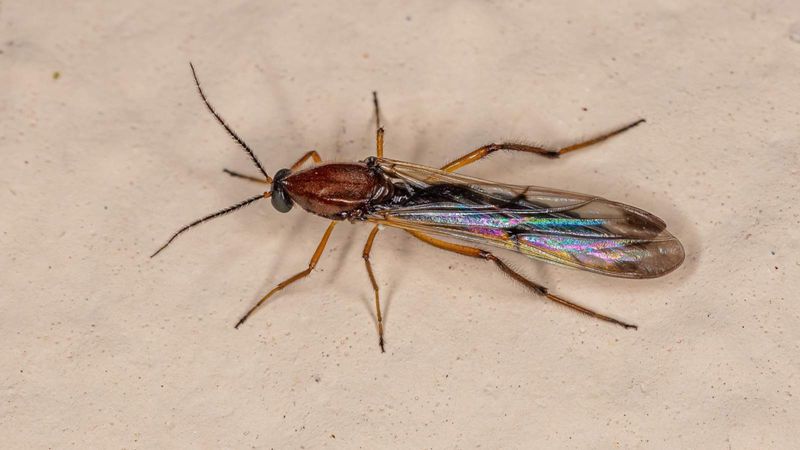
Ever notice one person at the table gets bitten while another escapes? Midges pick their targets using several clues.
Carbon dioxide from your breath is a big one. They also home in on body heat, sweat, and certain skin odors.
Some people simply smell more appealing to them, which helps explain those uneven bite counts.
Clothing plays a role too. Dark colors absorb heat, which may make you more noticeable.
Light-colored, loose clothing is a smarter choice for patio time.
Covering up helps a lot. Long sleeves, long pants, socks, and closed shoes reduce exposed skin during peak hours.
Loose fabric is harder for them to bite through than tight leggings.
Bites often show up in clusters because these insects tend to feed in groups. The result is a patch of red, itchy welts that can last for days.
My advice is to rinse off after yard work before heading to the patio. Fresh skin and a change of clothes can make you a little less tempting.
Resist scratching too. Broken skin can get infected, so try a cool compress or an anti-itch cream instead.
Your future self will thank you.
Picaridin Repellent Often Outperforms the Usual Spray

Not all bug sprays work equally on these tiny pests. Many experts recommend repellents with picaridin as a strong choice against biting midges.
DEET still offers some protection, so it is not useless. Oil of lemon eucalyptus is another option for folks who prefer a plant-based product.
Read labels carefully, and follow age guidelines for children.
Apply repellent to all exposed skin, including ankles, wrists, neck, and behind the ears. Midges love to find the spots you miss.
Reapply as directed, especially if you sweat or spend hours outside.
Timing matters. Put it on before dusk, not after the first bite.
Once a group finds you, it can be hard to get ahead of them.
Some people swear by oily lotions that seem to trap tiny insects on the skin. Evidence for those home remedies is mixed, so I stick with registered repellents for reliable results.
I keep a bottle by the back door during spring and fall. It sounds small, but grabbing it every time I head out has become a habit.
Combined with a fan and smart clothing, it turns a buggy evening into a pleasant one.
Standard Porch Screens Let Tiny Gnats Slip Right Through
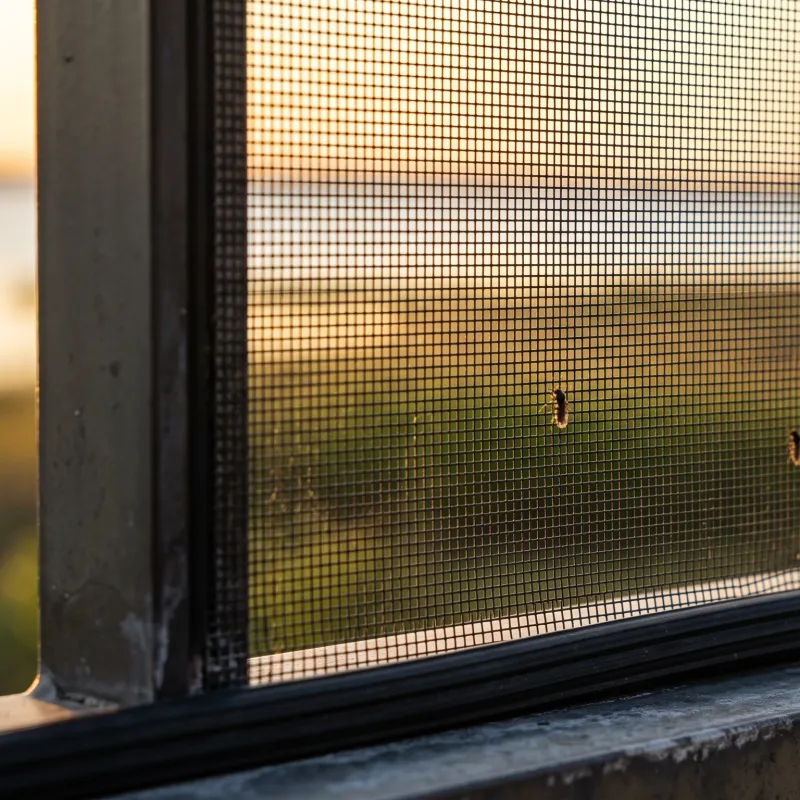
Sitting behind a screen should mean safety, right? Sadly, regular screening often has openings big enough for no-see-ums to pass through.
The fix is finer mesh. Look for screening labeled no-see-um mesh, usually 20-mesh or finer.
It blocks these tiny flies while still letting air move.
There is a tradeoff. Finer mesh can reduce airflow and visibility a little.
On a calm night, pairing it with a ceiling fan keeps things comfortable.
Check for gaps too. Torn corners, loose door seals, and spaces around pipes give midges an easy entry.
A quick walk around your lanai with a flashlight can reveal weak spots.
Lights matter as well. These insects are attracted to light, so bright porch bulbs can pull them toward your screens.
Keep lights dimmer, or place them away from doors and seating.
Upgrading screens is a bigger project, but I think it pays off fast in Florida. You get a bug-resistant room that works in every season.
Many homeowners replace one panel or door first, then expand once they notice the difference.
Soggy Mulch and Muddy Ditches Raise the Next Swarm
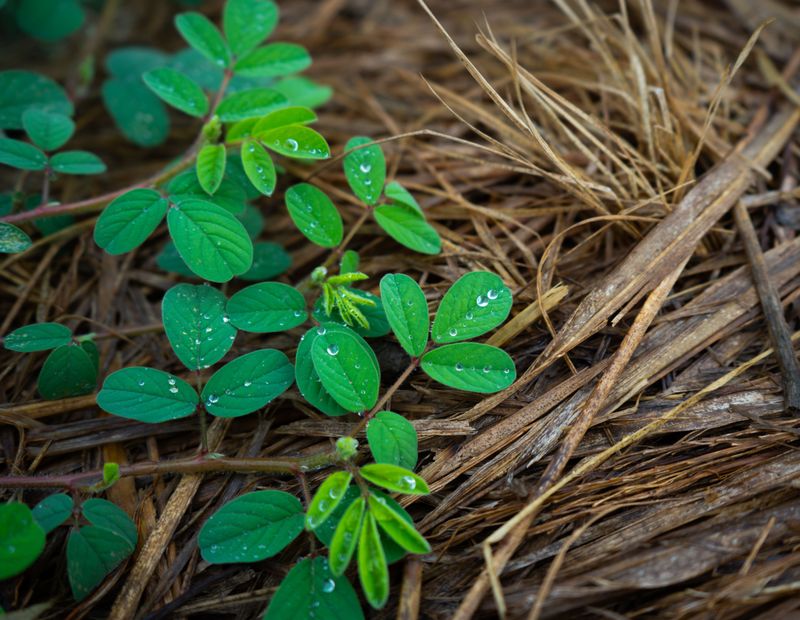
Unlike mosquitoes, no-see-ums do not need open water to breed. Their larvae grow in moist soil, mud, and rotting plant matter.
Natural nurseries include salt marshes, mangroves, and brackish coastal edges. Around homes, damp soil near canals, drainage ditches, and soggy leaf piles can also host larvae.
They go through egg, larva, pupa, and adult stages, and the larval stage can last two weeks to a year.
You cannot drain a marsh, and you should not try. Coastal wetlands are vital habitat and often protected.
Your yard, however, is fair game for small changes.
Improve drainage where water lingers. Rake up wet leaf litter, clean gutters so they flow well, and avoid overwatering beds near your patio.
Fix leaky spigots that keep soil soaked.
Trim dense shrubs and keep the lawn mowed. Thick, shady growth holds humidity and gives adults a place to rest during the day.
Be realistic. If you live by the water, some midges will drift in no matter what.
Still, a drier yard plus fans, screens, and repellent adds up. My takeaway is to stack several simple habits, then reclaim those gorgeous November evenings.