The Pests Moving Into Minnesota Homes As Temperatures Drop
Some of the flies buzzing against your attic window in October spent their babyhood living inside earthworms. That strange start is just one surprise hiding behind the walls of many Minnesota homes each fall.
Several bugs on this list arrived from other continents or regions and settled here within recent decades. One crept eastward from western pine forests and reached Minnesota in the late 1980s, according to university experts.
I started noticing the sunny side of my garage crawling with visitors right after the tomatoes came out. You might notice the same parade on your siding when warm afternoons follow those first chilly nights.
Most of these guests are harmless, but a couple deserve quick action before the snow settles in. Uninvited roommates are already probing every gap around your drafty windows and old doors.
1. Boxelder Bugs Sunning On A South Wall
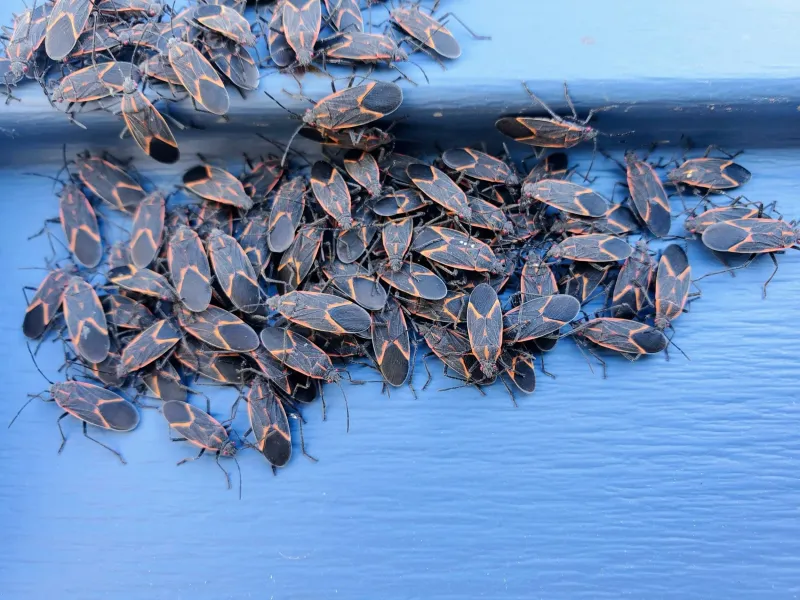
Every September, the warm south wall of my shed turns into a black and red bug beach party. Boxelder bugs pile up there by the hundreds, soaking up afternoon heat like tiny sunbathers on vacation.
Adults measure about half an inch long and wear black bodies trimmed with bright red or orange lines. Young nymphs start out mostly bright red and slowly darken as they grow through the late summer weeks.
Their main goal right now is a cozy crack near windows, siding, soffits, or attic vents for winter. Once inside, they usually rest in wall voids or attics until a mild day wakes them up.
Relax about your safety, because these insects do not bite people or cause structural damage to homes. They also do not reproduce indoors, so the crowd you see will not multiply over winter.
Squishing them is a mistake I made exactly once, on a brand new white curtain in my kitchen. Crushed boxelder bugs can leave a reddish-orange stain on painted walls and fabrics.
A vacuum with a disposable bag handles indoor stragglers neatly without any smears or lingering mess. Outside, a bucket of soapy water works well for scooping clusters off siding on cool mornings.
The real fix is sealing gaps with caulk and repairing torn screens before late summer arrives next year. Your future self will thank you every single time the afternoon sun hits that warm south wall.
2. Orange Asian Lady Beetles Clustering On Siding
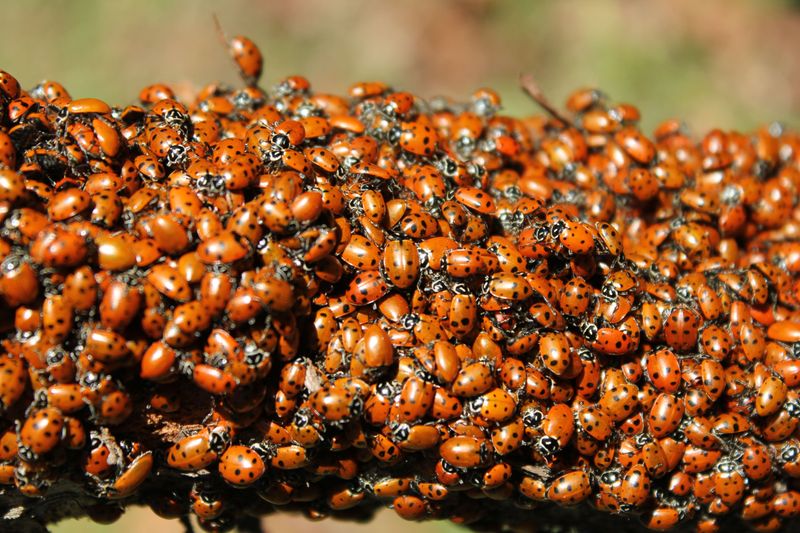
That cute ladybug crawling across your ceiling might actually be a hungry aphid hunter from Asia. Multicolored Asian lady beetles look sweet, yet they gather by the thousands when autumn afternoons turn warm.
Colors range from pale yellow to deep red, and some have plenty of spots while others have none. Look for a black M or W shaped mark on the white area just behind the head.
Experts at the University of Minnesota note they swarm sunny building walls from late September through late October. Warm days climbing above about 65 degrees before a hard freeze usually trigger the biggest flights toward homes.
Outdoors, I honestly love these beetles because they gobble aphids on my roses and vegetable plants. Indoors, they turn into a nuisance that slips through small gaps around window frames and roof lines.
They can give a little pinch when handled, though they do not carry diseases or damage food. When stressed, they also release a smelly yellow fluid that may stain your walls or furniture.
Grab a vacuum and slip a knee-high stocking inside the hose to catch beetles without crushing them. You can then release them outside, far from the house, or toss the stocking in the trash.
They do not reproduce indoors, so sealing cracks before September remains the smartest long term plan. A tube of quality caulk costs far less than a winter spent sweeping beetles off windowsills.
3. Brown Marmorated Stink Bugs Hiding Behind Window Trim
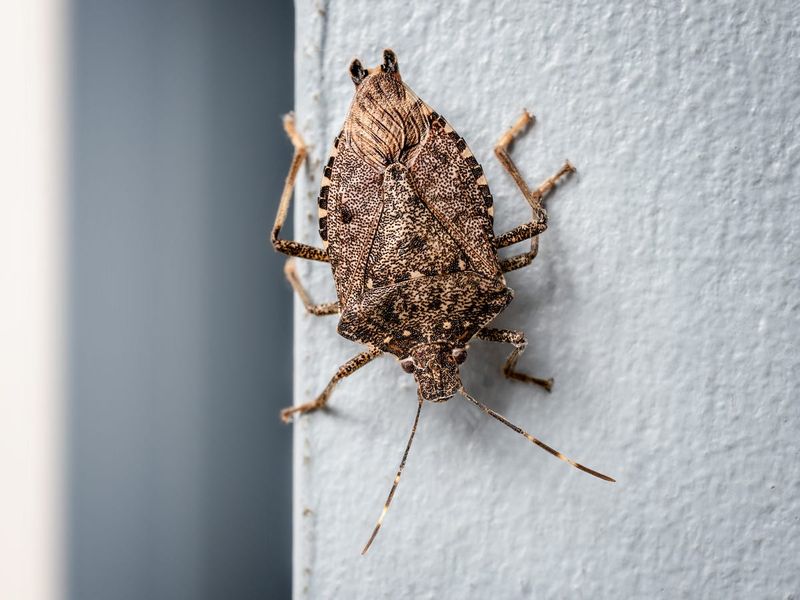
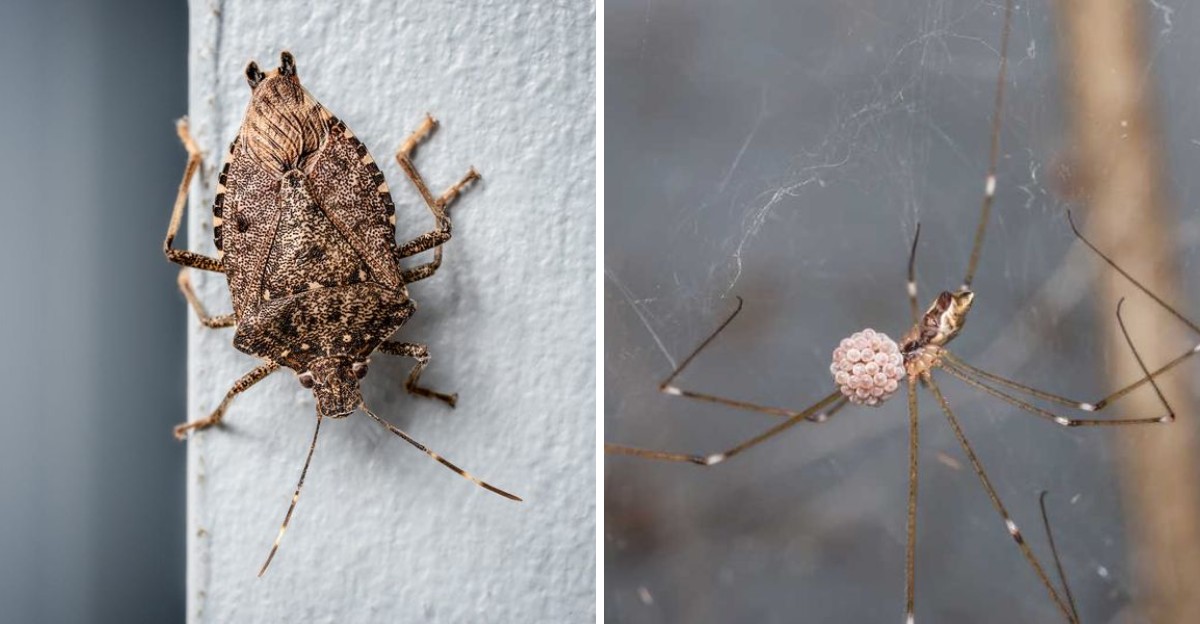
My nose found this bug before my eyes did, and that stinky surprise is hard to forget. Brown marmorated stink bugs carry a powerful odor they release whenever someone disturbs or squishes them.
These shield shaped insects measure roughly half an inch to three quarters of an inch in length. Check for alternating light bands on the antennae and striped edges along the sides of the body.
Native to Asia, they were first spotted in Minnesota in 2010 and have slowly become regular fall guests. Older homes with loose windows and worn trim seem to welcome them most easily, in my experience.
Inside, they tuck themselves into attics and the narrow spaces behind interior trim for the cold months. On warm winter days, a few may wake up and wander slowly across lamps or windows.
Thankfully, they do not bite people, and they do not reproduce while staying inside your house. Their biggest crime is that smell, which can linger on your hands and fabrics for a while.
Skip the swatting and try a jar of soapy water held right under the bug instead. Most stink bugs drop straight down when startled, so they tumble neatly into the jar without any fuss.
Gardeners should also watch fruit and vegetable crops, since these bugs feed on many plants outdoors. Sealing window gaps and replacing worn weatherstripping in late summer keeps far fewer of them inside.
4. Western Conifer Seed Bugs With Leafy Hind Legs
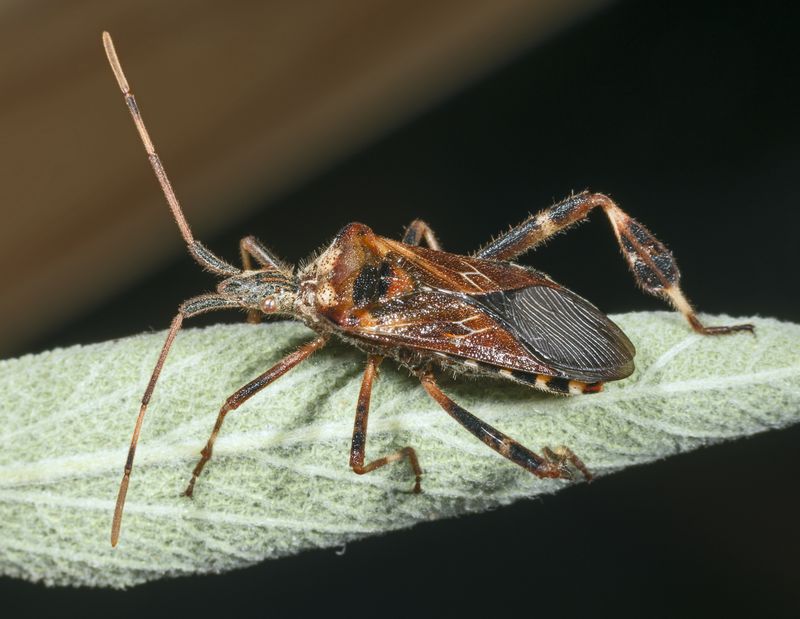
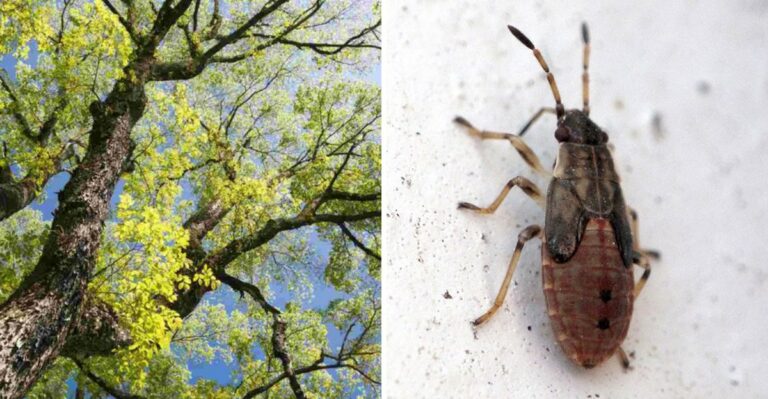
The first time one buzzed past my head, I honestly thought a bumblebee had joined me indoors. Western conifer seed bugs make a loud humming sound in flight that startles plenty of homeowners every fall.
Adults reach about three quarters of an inch and wear a reddish brown coat with slender bodies. Look for flat, leaf shaped swellings on the hind legs and a thin white zigzag across the wings.
Originally from western North America, they expanded eastward and arrived in Minnesota in the late 1980s. Outdoors, they feed on developing pine cones and seeds, which explains their name and their love of conifers.
When fall nights cool, they search for sheltered spots and squeeze through gaps in siding or attic openings. You might not notice them until a warm winter afternoon or early spring sends one wandering.
Unlike some fall invaders, they usually show up in small numbers rather than huge swarms on your walls. They do not bite or sting, and they cause no damage to your furniture or belongings.
Squeezing one does release a sharp scent, which some people compare to pine or ripe apples. A gentle cup and paper trick lets you carry them outdoors without any smelly cleanup afterward.
If you live near pine or spruce trees, give extra attention to screens and siding gaps. Small repairs now mean far fewer surprise buzzing visitors when the furnace kicks on in January.
5. Fuzzy Cluster Flies Buzzing On Attic Windows
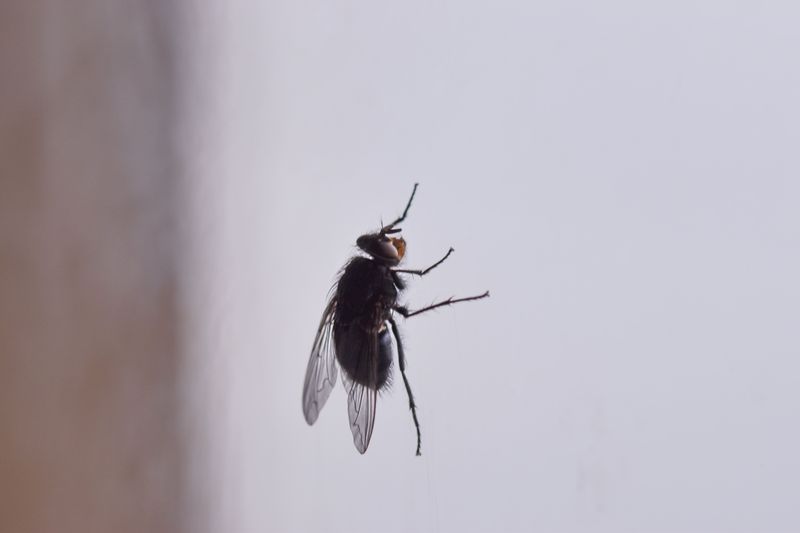
Earthworms in your lawn may be raising the sluggish flies that bump against your windows each fall. Cluster fly larvae live as parasites inside earthworms, which makes rich garden soil a perfect nursery.
Adults look a bit larger than house flies, measuring about three eighths to half an inch long. Short golden hairs cover the thorax, and the wings overlap neatly over the back when resting.
Around September and October, they land on sunny south and west walls before slipping under siding. From there, they settle quietly into attics and ceiling spaces to wait out the long winter months.
Warm spells wake them up, and they fly lazily toward windows and light fixtures in confused circles. I find them buzzing in upstairs bedrooms on bright February afternoons more often than I expected.
These flies do not bite people, and they do not breed indoors during their winter stay. Their sheer numbers and constant buzzing are the main annoyance for most families I know around here.
Vacuum up any piles on windowsills, because old fly bodies can attract carpet beetles over time. A handheld vacuum kept near upstairs windows makes quick work of the slow movers on mild days.
Sealing gaps around siding and soffits before late August works much better than swatting flies later on. Window screens in good repair help too, especially along the warm and sunny sides of the house.
6. Deer Mice Sneaking Through Foundation Cracks
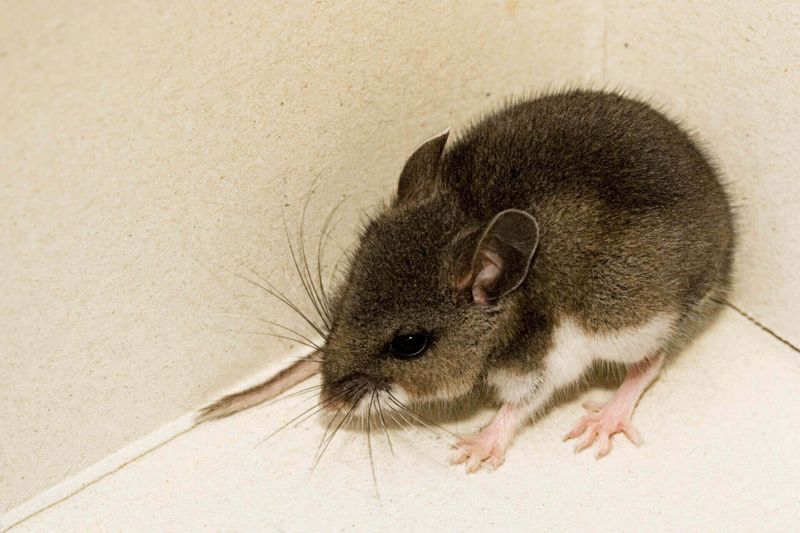
A gap the size of a dime is wide enough for a mouse to wiggle into your basement. That tiny opening around a pipe or vent can become a welcome sign once the fields turn cold.
Deer mice and white-footed mice, with their snowy bellies and feet, are common near woods and farms. House mice, by contrast, tend to move into apartments and older buildings closer to towns and cities.
Unlike many bugs on this list, mice stay active all winter and keep searching for food and nesting spots. They can also reproduce quickly indoors, so a pair of visitors can become a crowd within months.
Deer mice in particular are linked to hantavirus, so their droppings deserve careful handling and cleanup. Health officials recommend spraying droppings with disinfectant and wiping them up rather than sweeping or vacuuming.
Wear rubber gloves and open windows first, since stirring up dust is the main risk to avoid. Afterward, seal the cleaned debris in a plastic bag and wash your hands well with soap.
Gnawing teeth also chew wood and electrical wiring, which can create costly repairs and fire concerns. Check foundation cracks and worn garage door seals carefully before the first hard frost arrives this year.
Steel wool stuffed into gaps, followed by caulk or expanding foam, blocks most entry points well. Snap traps baited with peanut butter near walls remain a simple, reliable option for indoor control.
7. Cellar Spiders Spinning Webs In Basement Corners
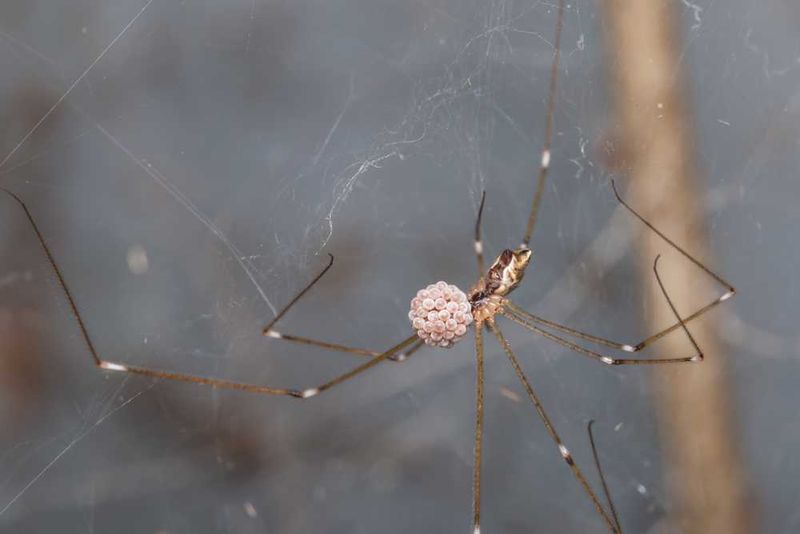
Those long legged spiders dangling in your basement corners are actually some of the best pest control around. Cellar spiders live indoors all year and happily snack on small flies and even other spiders.
Fall is when many spiders reach their full adult size, so they suddenly seem much more noticeable. Males also wander more this time of year while searching for mates, which brings them across floors.
Cooler weather pushes insects indoors, and hungry spiders often follow that moving buffet right through your cracks. Some species can stay active in cold weather, slipping in and out of buildings during mild winter stretches.
Most spiders in Minnesota homes are harmless to people, though a cornered spider may bite in self defense. Bites are rare and usually mild, similar to a small bug bite that fades within a day or two.
I leave a few cellar spiders alone in the basement because they quietly trim the bug population for me. You might prefer a tidier living room, and that is a perfectly reasonable choice for many families.
A broom or vacuum easily removes webs and round egg sacs from shadowy corners and high ceiling edges. Reducing clutter in basements and garages also takes away the dark hiding spots spiders love most of all.
Outdoor lights attract insects, so switching to yellow bulbs near doors can lower the spider buffet nearby. Sealing gaps helps here too, since fewer bugs inside means fewer hungry spiders following them through.
8. Paper Wasp Queens Sheltering In Attics
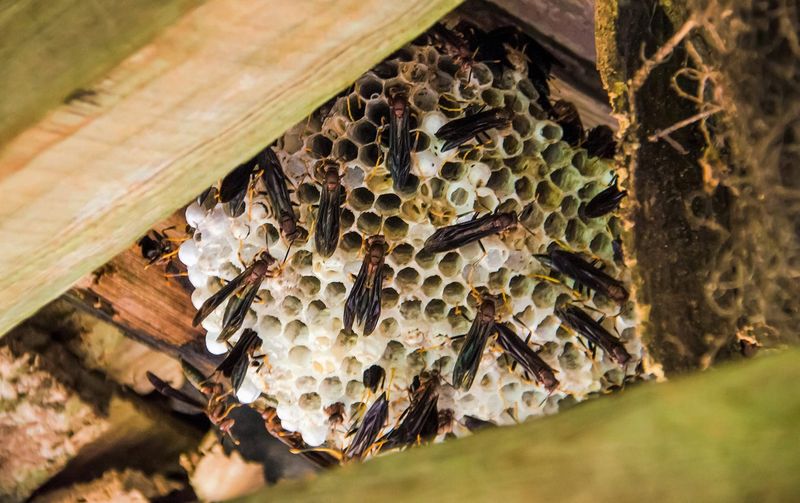
Only the newly mated queens survive a northern winter, and some of them pick your attic as their bedroom. Paper wasp workers and males decline as hard frosts arrive, leaving these future founders to carry on.
Northern paper wasps are dark reddish brown with yellow bands, measuring around five eighths to three quarters inch. European paper wasps wear bright yellow stripes on black bodies and often show orange tinted antennae.
In late summer and fall, queens leave their nests and hunt for cracks, loose bark, or attic spaces. Sometimes they huddle in small clusters on chilly nights before choosing a final spot for winter dormancy.
Indoors, these queens tend to act sluggish and far less defensive than wasps guarding a busy summer nest. Warm spells can still wake them, so a slow wasp may appear near a sunny window in February.
Handle them carefully anyway, because a queen can still sting if you grab her or press against her. I use a clear cup and stiff card to scoop wanderers and move them out of living areas.
Paper wasps do not reuse old nests, so empty gray combs under eaves can come down after hard frost. They do not chew through siding or cause structural damage, which offers some peace of mind.
Outdoors, these wasps hunt plenty of caterpillars all summer, giving gardeners free help with leaf munching pests. Sealing attic vents with fine screening keeps queens outside, where they belong until spring wakes them.