The One Thing Michigan Grape Hyacinths Need In November For Better Blooms Next Spring
Some spring bulbs send up fresh green leaves in autumn, right when the rest of the garden is shutting down. Those skinny leaves show up in October and hang around through snow, frost, and everything in between.
I used to think they were confused about the calendar. They are not confused at all. Those leaves are quietly feeding the bulb below, and the cold Michigan soil is doing the rest of the work.
You can help or hurt this process with a few small choices this month. A tidy rake, a heavy hose, or a bag of fertilizer can undo a lot of good work. I find it a relief that the best care is mostly about holding back.
So what does a tiny bulb buried under frosty ground actually want from you before winter settles in? The answer is simpler than most gardeners expect.
Those Grassy Grape Hyacinth Leaves Popping Up In Fall Are Not A Mistake
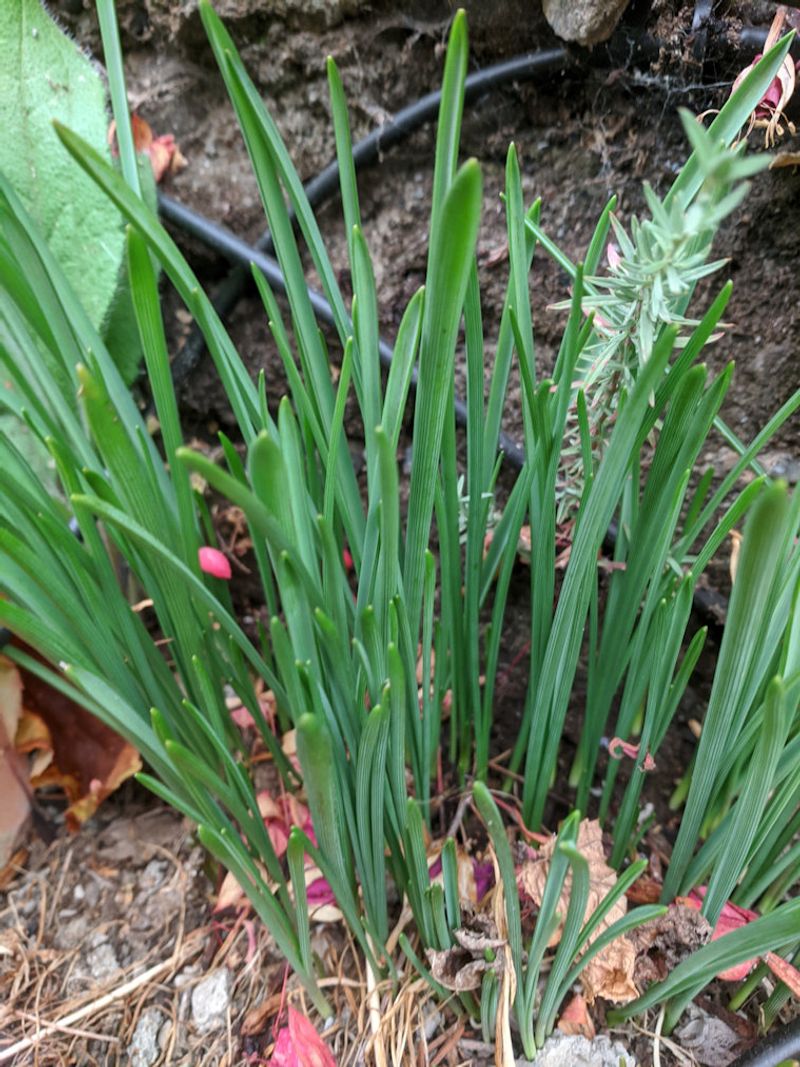
Plenty of gardeners panic the first time they spot green grape hyacinth foliage in late fall. I did too, and I almost cut it back. Luckily, a friend stopped me just in time.
Grape hyacinths, or Muscari, are known for sending up leaves in autumn after their late-summer root growth begins. Brecks and other bulb growers describe this as a normal habit of the plant. The leaves usually stay through winter, sometimes flopping under snow, then perk up again in spring.
These leaves are working. On mild sunny days they can photosynthesize and send a little energy down to the bulb. That stored energy helps support the flower stalks that appear in April and May.
The key thing your grape hyacinths need in November is simple. Leave that fall foliage alone. Do not mow it, rake it hard, or trim it to make the bed look neater.
Yes, the leaves can look a bit scruffy by late winter. Some tips may turn brown after a hard freeze, and that is fine. Fresh growth will catch up once the soil warms. A little patience now means fuller purple clusters later.
A Long Michigan Chill Is What Wakes Up Grape Hyacinth Flower Buds
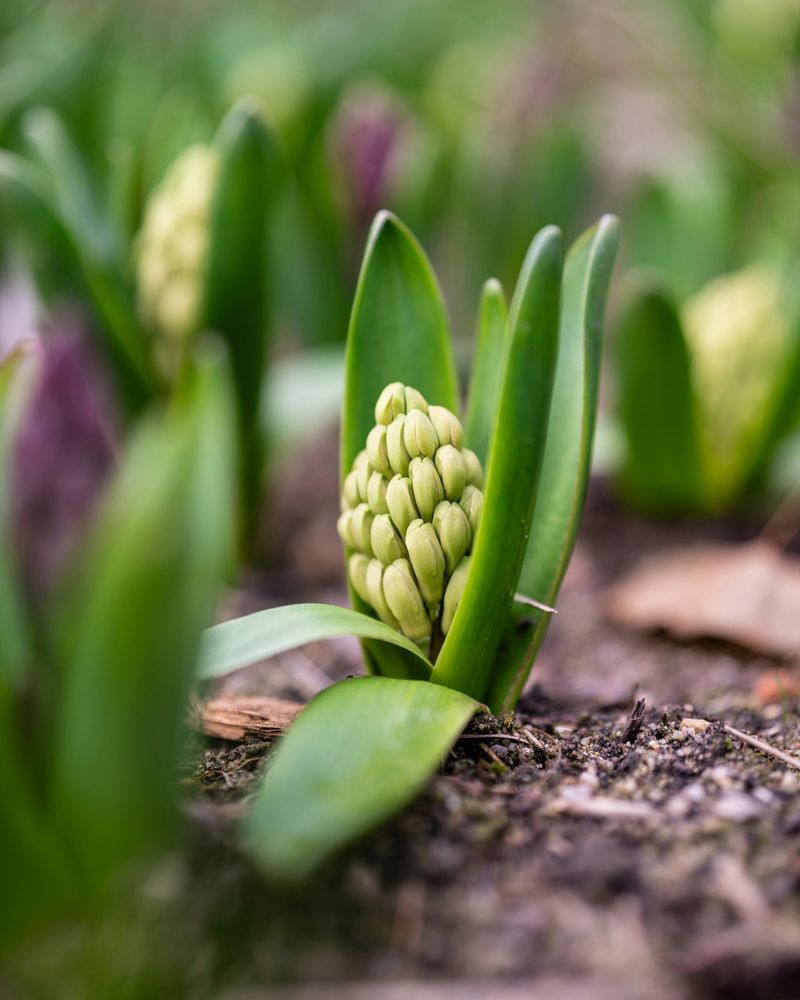
Cold weather sounds like trouble for flowers, but for grape hyacinths it is a gift. Spring bulbs like these need a long stretch of chilly soil before they bloom well.
Bulb experts generally say Muscari needs around 10 to 15 weeks of cold, with soil temperatures roughly between freezing and the mid-40s Fahrenheit. During that time, changes happen inside the bulb that prepare the flower bud to grow once spring arrives. Skip the chill, and you may get weak stems or few blooms.
Michigan handles this job beautifully. Most of the state falls in USDA zones 5 and 6, with a few colder zone 4 spots in the Upper Peninsula. Grape hyacinths are hardy in zones 3 through 8, so they fit right in almost anywhere here.
Your role in November is mostly to let winter do its thing. Avoid piling warm materials against the soil too early, and skip any urge to dig bulbs up and store them indoors.
I like to think of this cold stretch as a slow countdown. Every frosty week brings those little cobalt clusters a bit closer to showtime.
Soggy Soil Is The Fastest Way To Lose Grape Hyacinth Bulbs
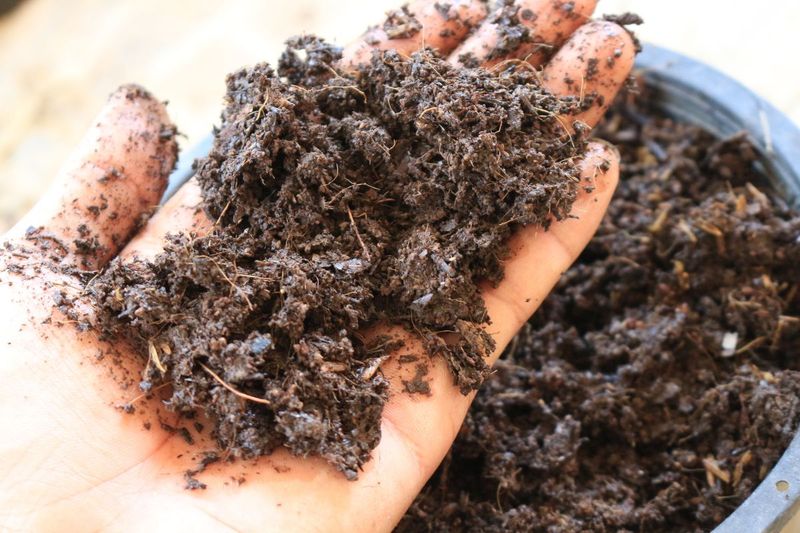
A wet bulb is an unhappy bulb. Grape hyacinths can handle snow, ice, and bitter wind, yet standing water in the soil is a different story.
Bulbs that sit in soggy ground for weeks can rot, especially over a long, wet winter. Michigan gets plenty of late fall rain and spring snowmelt, and heavy clay soils in many areas hold onto that moisture. That combination is where trouble often starts.
Take a walk around your bulb beds after a November rain. If puddles linger for more than a day, your bulbs may be struggling down there.
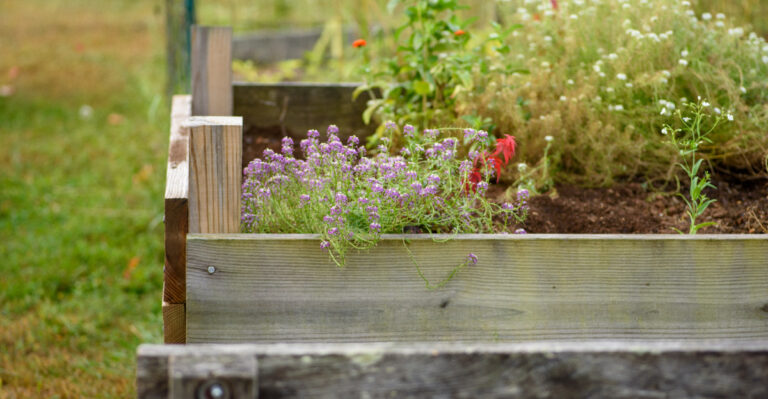
For future plantings, work compost or other organic matter into clay soil before you dig. University extension guides often recommend raised beds or gently sloped spots for bulbs in poorly drained areas. Grape hyacinths are not fussy about pH, so drainage matters far more than soil chemistry.
If an existing patch keeps flooding, mark it now with a stake. Once the foliage fades next summer, you can lift the bulbs and move them to higher ground. That small move can turn a sad, thin clump into a cheerful one.
Early November Is Still Fine For Tucking In New Muscari Bulbs
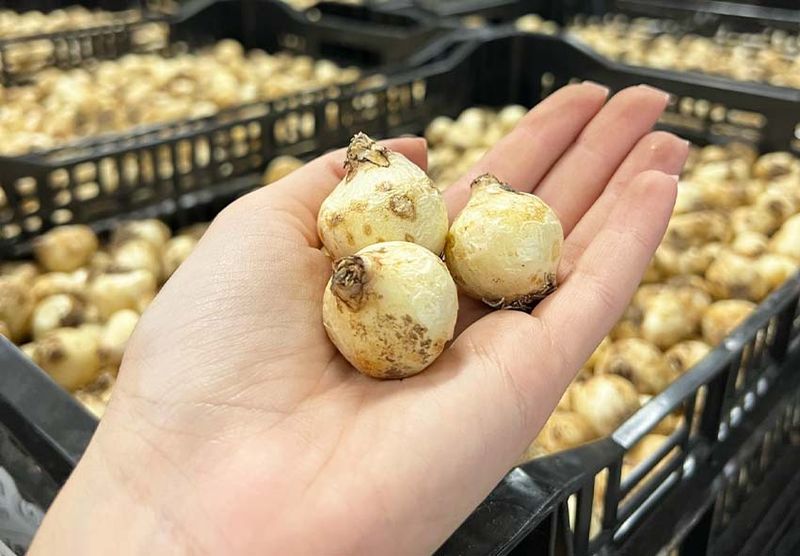
Found a forgotten bag of bulbs in the garage? Take heart, because you probably still have time.
Grape hyacinths can go in the ground any time before the soil freezes solid. In southern Michigan, that window often stretches into late November. Up north and in the Upper Peninsula, the ground can freeze earlier, so plant as soon as you can.
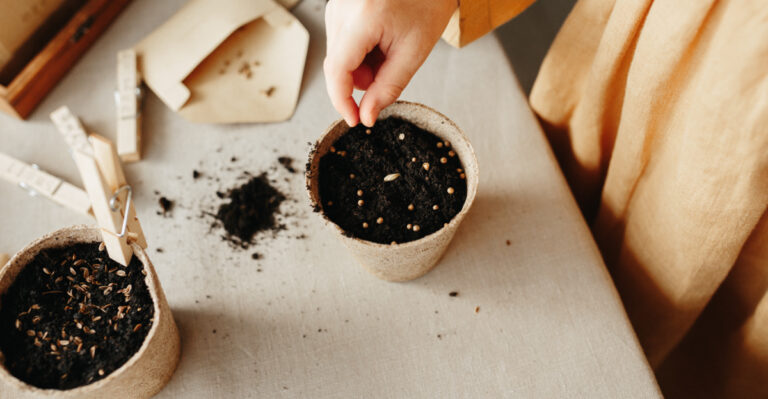
These bulbs are small, so planting is quick. Dig holes about 3 to 4 inches deep and set bulbs pointy side up, roughly 3 inches apart. Planting them in groups of 10 or more makes a bolder splash than single bulbs dotted around.
Cover them with soil, firm it gently, and water once to settle everything in place. Roots will start growing right away as long as the soil stays unfrozen.
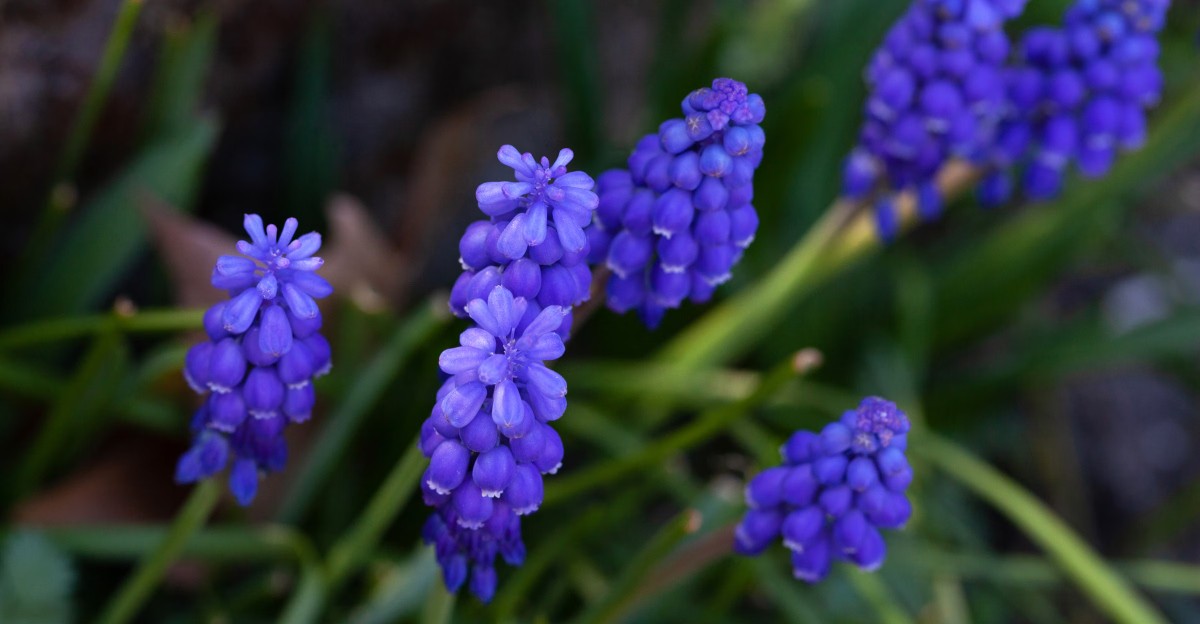
Squirrels tend to leave grape hyacinth bulbs alone, which is a nice perk compared with tulips and crocuses. That makes them a great choice under trees or along paths. A fun bonus: grape hyacinths spread over time, so today’s small handful can become a carpet in a few years.
Wait For Frozen Ground Before Spreading Mulch Over Your Bulb Bed
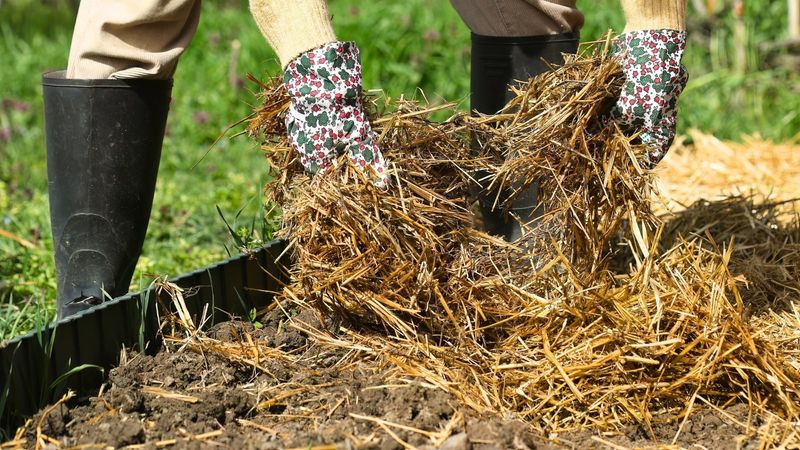
Timing makes or breaks mulch. Spread it too soon, and it can backfire on your bulbs.
In most of Michigan, established grape hyacinths do fine without any mulch. They are tough little plants. Still, mulch can help in exposed spots, newly planted beds, or areas that freeze and thaw over and over.
The trick is to wait until the top of the soil freezes, often in late November or December. Then spread a light layer, about 2 inches, of straw, shredded leaves, or pine needles. The goal is to keep the soil steadily cold, not to warm it up.
Repeated freezing and thawing can heave small bulbs toward the surface. A loose blanket of mulch helps keep temperatures more even and reduces that shifting.
Keep mulch light around the leaves so they can still catch some sun. Heavy, soggy piles can trap moisture and invite rot. In spring, pull the mulch back once the weather warms and fresh shoots start rising.
I usually use shredded oak leaves from my own yard. They cost nothing and break down slowly.
Put The Watering Can Away Once Grape Hyacinths Settle In
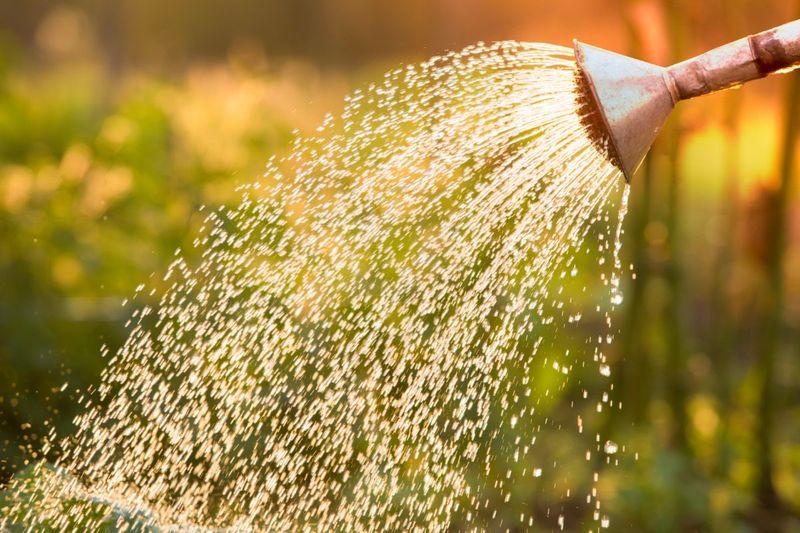
Honestly, the hose deserves a break in November. Your bulbs probably do not need it.
New grape hyacinth bulbs benefit from one solid watering right after planting. That drink helps soil settle around the bulb and gets roots moving. After that, Michigan’s normal fall rain and early snow usually supply enough moisture.
Established clumps need even less help. The bulbs are resting and growing roots slowly, so they use very little water. Extra watering mostly adds to the risk of rot.
There is one exception worth knowing. If fall has been unusually dry and the ground has not frozen yet, a single deep watering can help. Check by poking a finger a couple of inches into the soil. If it feels dusty dry, water once and then stop.
Bulbs in containers are a different case. Pots dry out and freeze faster, so check them more often or move them into an unheated garage for winter.
For in-ground plantings, though, holding back is the smarter move. I find that a relief during busy holiday weeks.
Save The Bulb Fertilizer For Spring Shoots Instead Of November
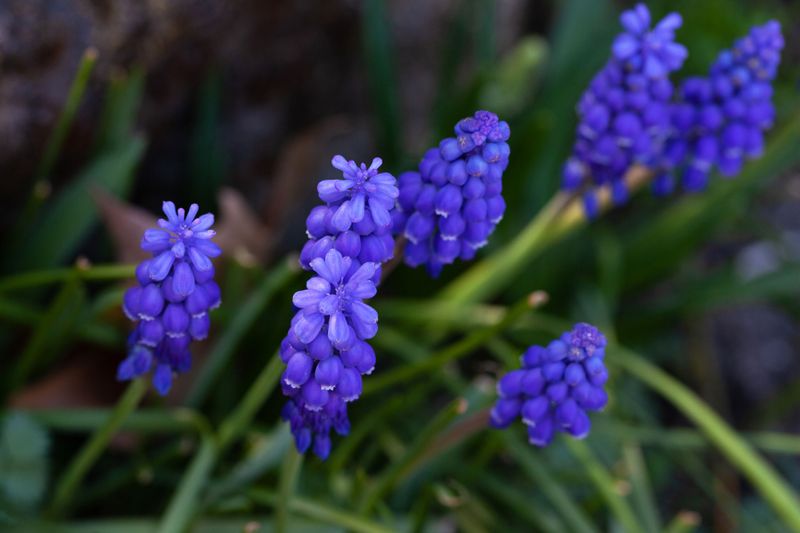
Feeding your plants feels generous. In November, though, fertilizer mostly sits in cold soil doing very little for grape hyacinths.
These bulbs are light feeders. Many established patches bloom happily for years with no fertilizer at all, especially in soil enriched with compost. Too much nitrogen can push lots of leafy growth and fewer flowers.
If your clumps have gotten crowded or flowering has slowed, spring is the better time to help. A light sprinkle of balanced fertilizer or bulb food as new shoots appear gives roots something to use while they are active. Some gardeners also feed lightly right after blooming to help the bulbs restock.
Bone meal is a popular old-school choice, though many extension services point out it adds mostly phosphorus, which a lot of soils already have. A soil test from MSU Extension can tell you what your garden actually lacks.
Here is your simple next step for this month. Leave the foliage alone, keep drainage in check, plant any stray bulbs, and let the cold work its magic. Then jot a spring reminder to feed lightly and enjoy the purple show.