What Texas Law Says About Trimming A Neighbor’s Overhanging Branches
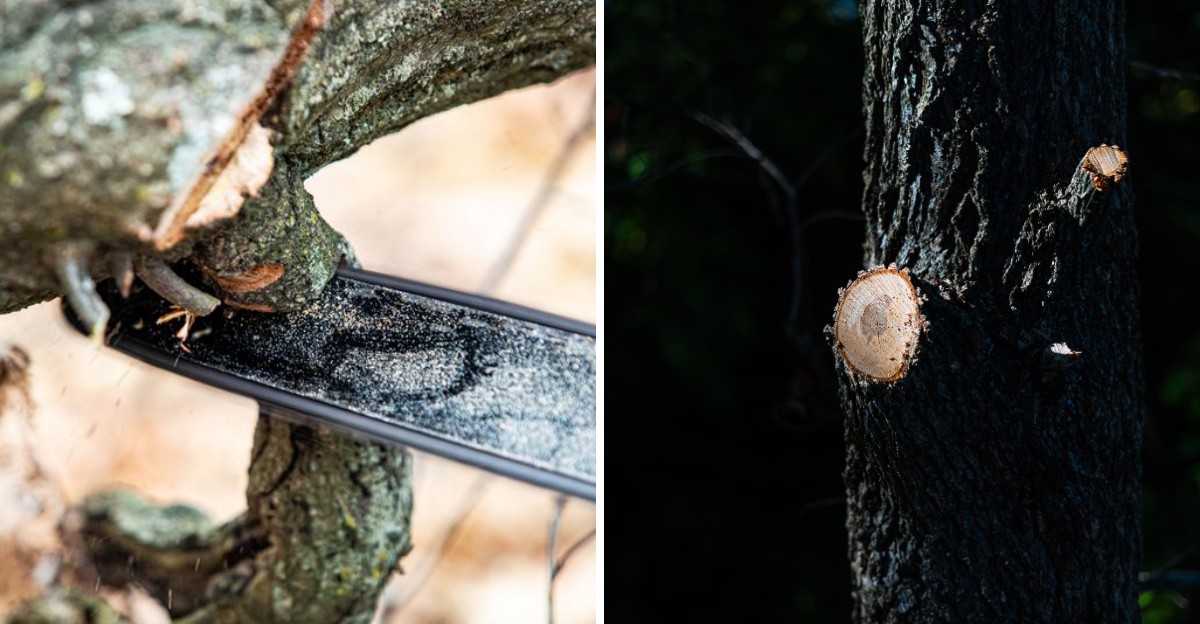
A Texas court once ordered a man to pay thousands of dollars after he trimmed his neighbor’s tree a little too eagerly. The branches hung over his own yard, too.
That story stuck with me. I always assumed anything hanging over my fence was fair game, and I was only half right.
The law in Texas does give you real power over limbs that drift into your space. It also sets a few quiet traps that catch well-meaning gardeners every year. Cut too deep, step one foot over the line, or harm the roots, and the bill can land on you.
So before you grab the pole saw on a sunny Saturday, ask yourself a simple question. Do you know exactly where your rights stop and your neighbor’s begin?
Those Overhanging Oak Limbs Come With A Catch

Most folks are pleasantly surprised by this one. In Texas, you generally have the right to trim branches from a neighbor’s tree that hang over your property line.
That right comes from common law, which means it grew out of court decisions over many years rather than a single statute.
Texas courts have long treated encroaching limbs as something the affected owner can handle on their own side. You do not usually need your neighbor’s permission to cut back what hangs over your yard.
Still, there is a catch, and it matters a lot. The tree itself belongs to whoever owns the land where the trunk stands. You are trimming someone else’s property, even if it sits above your grass.
Think of it like a library book that wandered onto your porch. You can move it out of your way, but you cannot tear out the pages.
That idea shapes every other rule in this article. Your right is about self-help, not ownership.
I find it helpful to remember that the limbs are a visitor in my space, and visitors deserve a bit of care. Keep that mindset, and you will rarely end up on the wrong side of a dispute.
Your Pruning Saw Stops At The Property Line
Picturing an invisible wall rising straight up from your fence is the easiest way to get this right. Anything on your side of that wall is fair to trim, and anything past it is off limits.
Stepping onto your neighbor’s land to reach a branch, without their okay, can count as trespassing.
Leaning a ladder against their fence or tree can cause trouble, too. Even reaching across with a long pole saw to cut wood on their side crosses the line.
Fences are not always placed exactly on the boundary. Some sit a foot or more inside one lot.
If you are unsure, check your property survey, which often comes with your closing papers, or look up your county appraisal district map for a rough idea.
For high limbs, a pole saw or a hired tree crew working from your yard is usually the safest path. Bucket trucks can often reach tall branches without anyone setting foot next door.
Asking first costs nothing. Many neighbors happily let you or a crew step over to make cleaner cuts, and a written text saying yes is a smart record to keep.
Over-Pruning A Neighbor’s Pecan Tree Can Cost You Big
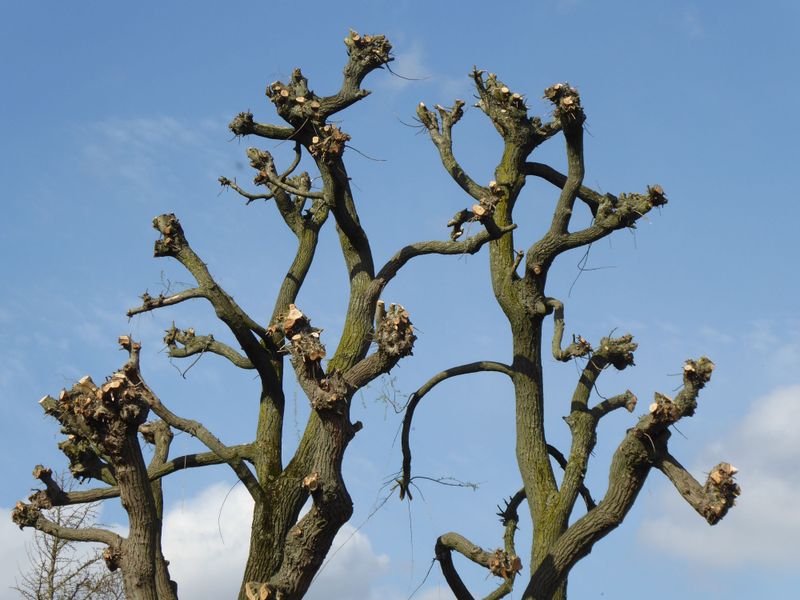
Here is where good intentions go sideways. You may trim overhanging branches, but you cannot do it in a way that seriously harms the tree.
Texas law lets property owners seek damages when someone injures their trees. Courts may look at the loss in the property’s value or the cost to restore it.
Under the Texas Natural Resources Code, people who knowingly damage trees on another’s land can face extra penalties in some cases.
Big trees like pecans and live oaks are valuable. Removing half a canopy at once, cutting major roots during a fence project, or leaving ugly stubs can stress a tree for years. It can lead to decay, pests, and decline.
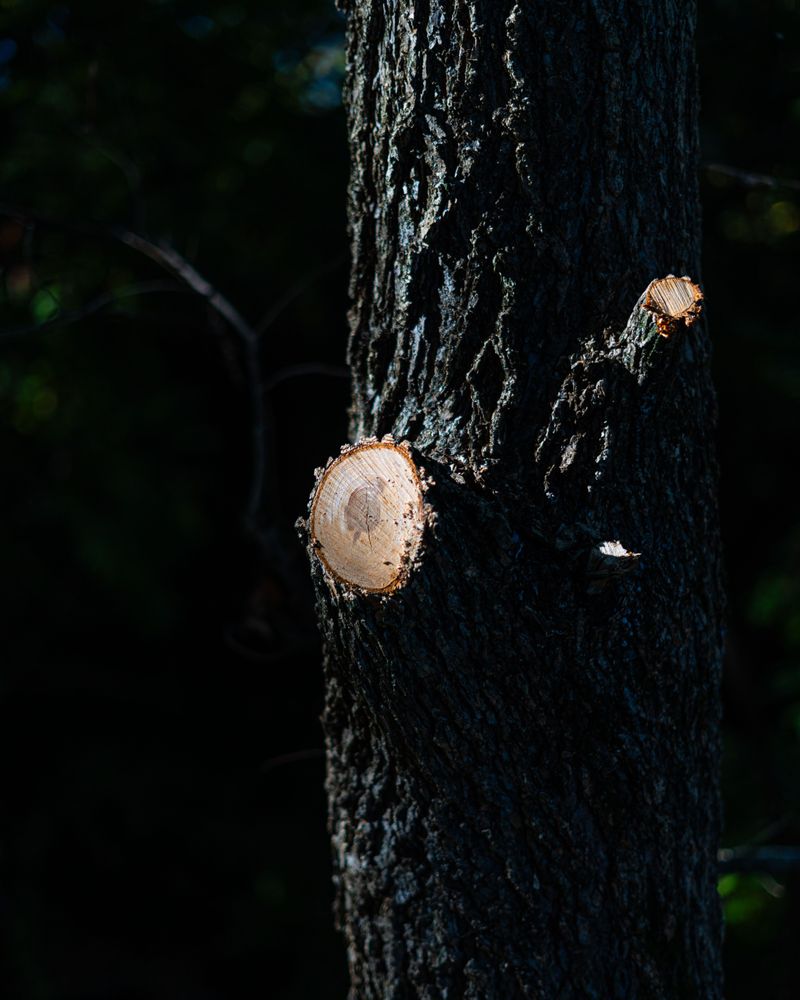
Texas A&M Forest Service suggests removing no more than about 25 percent of a tree’s live canopy in one season. Clean cuts just outside the branch collar heal best, and flush or stub cuts invite trouble.
Oaks need special care. To help prevent oak wilt, Texas A&M recommends avoiding oak pruning from February through June, and painting fresh oak wounds right away.
For large limbs, a certified arborist is worth every penny. Their work protects the tree and your wallet.
Who Pays For Trimming Those Encroaching Branches?
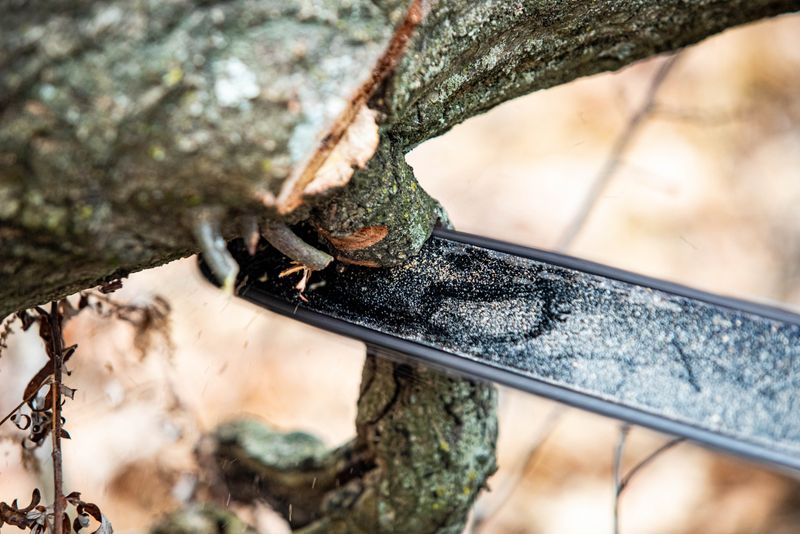
Money talk can feel awkward, but it is worth knowing early. In most Texas situations, the person who wants the branches trimmed pays for the work.
So if the limbs bother you, the bill is usually yours. That holds true even though the tree belongs to your neighbor. Texas does not generally force a tree owner to cover the cost of trimming healthy branches that cross the line.
There are exceptions worth knowing about. If the tree is clearly hazardous or causing actual damage, such as cracking your roof, the owner’s responsibility may come into play. Cities can also require owners to trim limbs blocking sidewalks, streets, or traffic signs.
Plenty of neighbors are glad to split the cost, especially if they wanted a trim anyway. Tree crews often give a better price when they handle both sides in one visit.
I like to get a quote first, then share it with the neighbor in a friendly way. It shows you are serious and fair.
Do not forget the cleanup. Debris from your side is generally yours to handle, and tossing it back over the fence can create legal trouble and hard feelings.
A Fallen Tree Limb On Your Roof Raises Different Questions
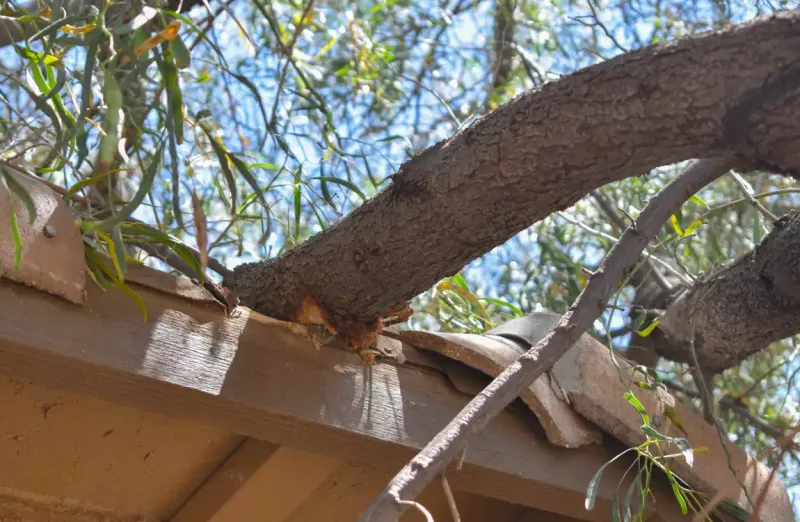
Spring storms in Texas can snap limbs like pretzel sticks. When a neighbor’s branch crashes onto your roof, the next question is who pays.
Healthy trees that fall in severe weather are often treated as an act of God. In that case, you typically file a claim with your own homeowners insurance, even though the tree came from next door.
Things change when negligence enters the picture. If the tree was visibly dead, hollow, leaning badly, or decayed, and the owner knew or should have known, they may be liable for damage. Courts look at what a reasonable owner would have noticed.
This is why documentation matters so much. If you spot a risky tree next door, take dated photos and send your neighbor a polite written note or email. That record shows they were made aware.
A certified arborist’s written assessment adds weight if a dispute ever happens. Some cities also have code enforcement options for hazardous trees.
After a storm, take photos before cleanup and call your insurer quickly. Stay clear of limbs touching power lines and contact your electric provider instead of trying to move them yourself.
Tree Roots Under Your Fence Follow Similar Rules
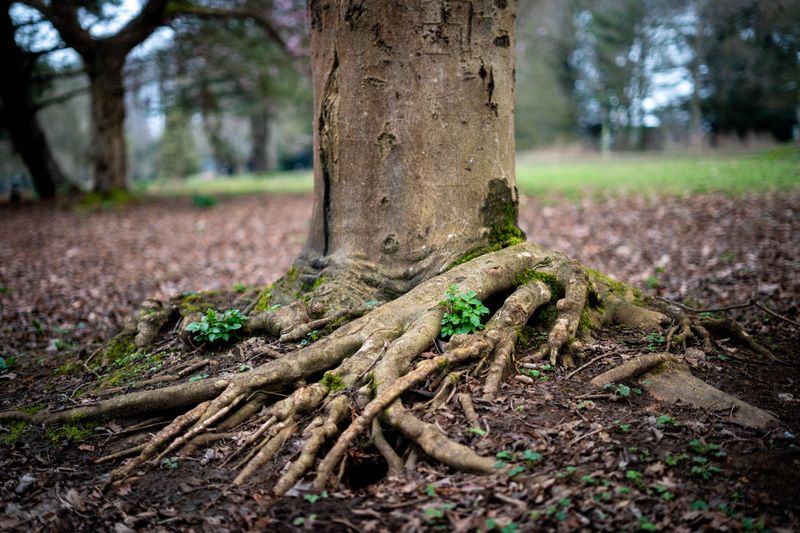
Branches get all the attention, yet roots cause plenty of headaches below ground. Cracked driveways, lifted sidewalks, and tangled garden beds are common complaints.
Texas courts generally treat encroaching roots much like branches. You can usually cut roots that grow onto your property, as long as you stay on your side.
Roots carry far more risk than limbs, though. Most of a tree’s feeding roots sit in the top foot or so of soil, often spreading well beyond the canopy. Severing big roots close to the trunk can weaken the tree’s stability and health.
That is a real danger. A tree that loses major anchor roots may fall later, and if your digging caused it, the blame could point back to you. Your neighbor could also seek damages for a declining tree.
Before trenching for a fence or patio, call 811 to locate utility lines. It is free and required before digging in Texas.
Then bring in a certified arborist if roots are thicker than a couple of inches. They can suggest root pruning methods, root barriers, or design changes like bridging over roots instead of cutting them.
City Rules And HOA Covenants Can Change The Picture
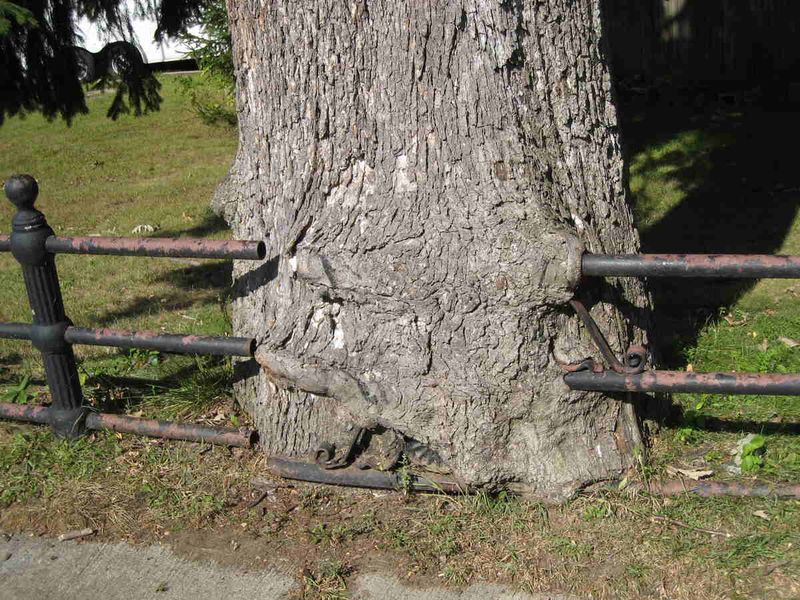
State common law sets the basics, but local rules can add surprising twists. Several Texas cities protect large trees, and some of those rules can affect pruning.
Austin, for example, protects trees with trunks 19 inches or more in diameter, and heritage trees at 24 inches or more face stricter rules.
Major work on those trees can require a permit. San Antonio, Dallas, and other cities have their own tree ordinances, mostly tied to development and removal.
Homeowners associations matter, too. Many HOA covenants include rules on tree care, approved contractors, or how branches must be maintained near shared walls.
Easements are another wrinkle. Utility companies often have the right to trim trees near power lines, and you should not try that work yourself. Contact your electric provider for limbs near lines.
A few legal blogs mention prescriptive easements for long-standing branches. In practice, Texas courts rarely apply that idea to tree limbs, so it is not something most homeowners need to worry about.
A quick call to your city’s arborist office or a look at your HOA documents can save you a big headache later.
A Friendly Chat Over The Backyard Fence Works Wonders

Laws are helpful, but neighbors outlast lawsuits. A ten-minute conversation often solves what months of arguing cannot.
Start by knocking on the door or catching your neighbor outside. Mention what the branches are doing, like dropping sap on your car or shading your vegetable bed. Keep it about the problem rather than blame.
Then share your plan. Let them know you intend to trim only to the property line, and offer to hire a certified arborist. People relax when they see you care about their tree’s health.
Putting things in writing protects everyone. A short text or email confirming the agreement, the dates, and who pays can prevent misunderstandings.
If talks stall, many Texas counties offer free or low-cost help through Dispute Resolution Centers. Trained mediators help neighbors find common ground without court. Here are my quick next steps:
Confirm your property line. Photograph the branches. Talk with your neighbor kindly. Hire a qualified pro for big cuts and time oak work outside the February to June window.
Shade trees are a treasure in a hot Texas summer. Handling them with care keeps the yard, the tree, and the friendship growing strong.