Why Your Thanksgiving Cactus Drops Buds in an Ohio Home and How to Stop It
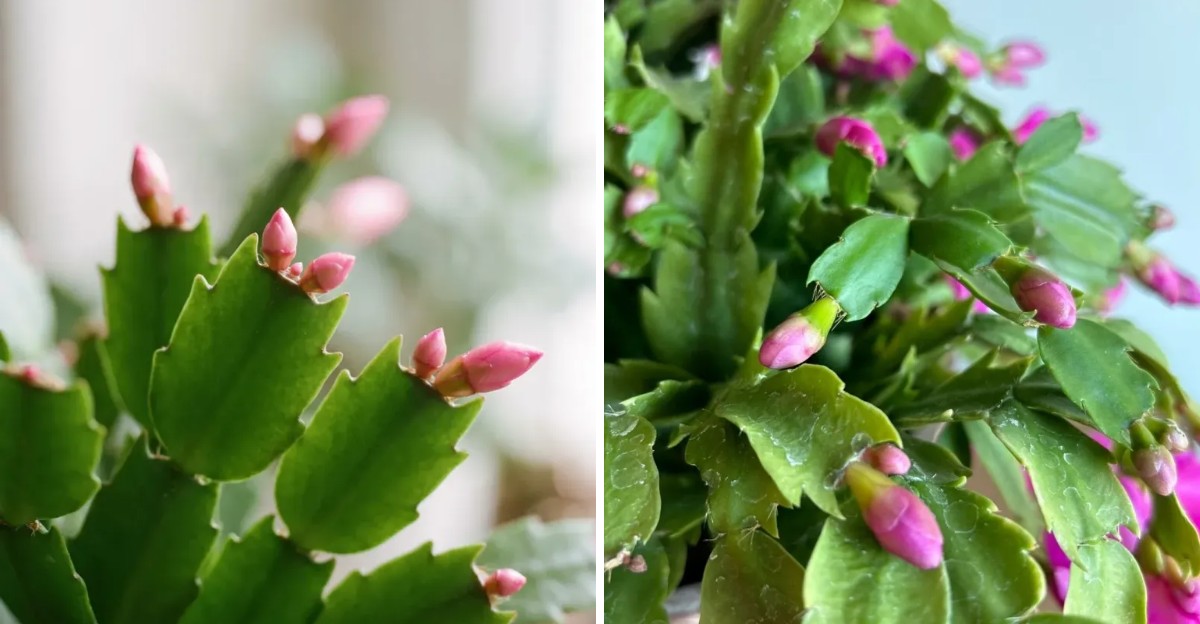
Wild versions of this holiday bloomer grow on tree branches in Brazilian mountain forests, not in desert sand. They cling to bark and soak up misty air high above the ground.
That jungle past explains a lot about the little pink buds you find scattered on your windowsill. I can’t imagine a sadder sight in late November than a plant that promised a show and then quit halfway through.
Here in Ohio, our homes swing from chilly drafts to blasting furnace heat in a single afternoon. Personally, I think most plants handle that pretty well, but this one keeps score.
You’re in for a surprise, because the fix is usually simple. The real question is which small habit in your house is making those buds let go.
Those Plump Flower Buds Are Reacting To Something In Your House
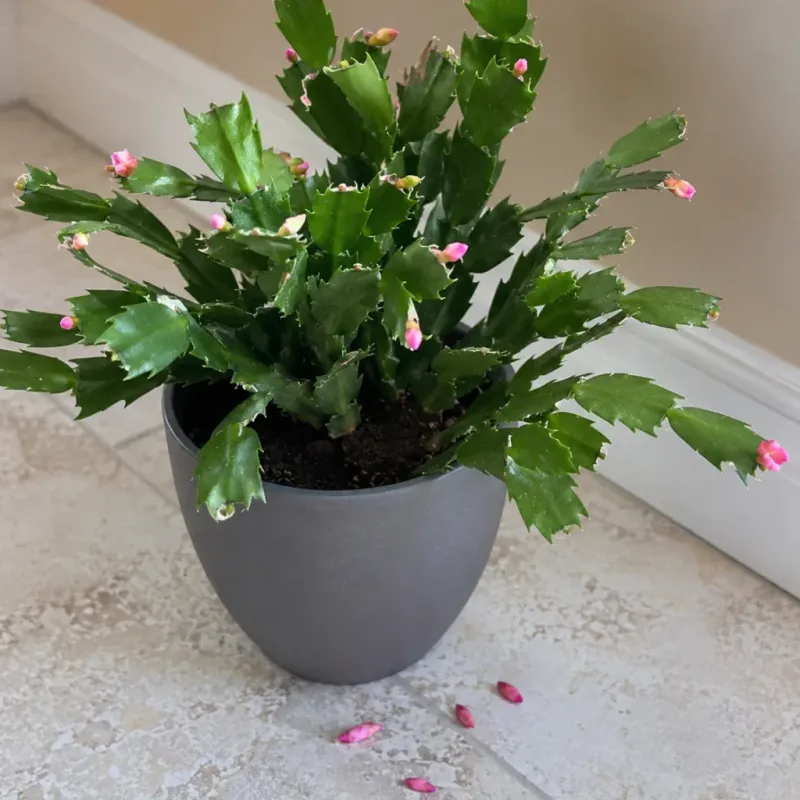
Bud drop on a Thanksgiving cactus has a name. Growers call it bud blast, and it is the plant’s way of saying something changed too fast.
Once buds form, the plant has spent a lot of energy getting ready to bloom. If conditions suddenly feel wrong, it lets go of those buds to save resources.
University extension experts point to the same short list of triggers over and over: temperature swings, cold or hot drafts, watering problems, dry air, and moving the pot.
Start by making sure you know which plant you own. Thanksgiving cactus, Schlumbergera truncata, has pointed, claw-like teeth on its flat stem segments.
Christmas cactus has smoother, rounded edges and blooms a few weeks later.
Most holiday cacti sold in stores are actually the Thanksgiving type. That matters, because its buds often show up in October, right when Ohio furnaces start running.
Look closely at where the fallen buds came from. If only a few dropped, that is common and not a crisis.
A heavy, sudden shower of buds usually points to one clear event, like a cold blast from a door or a move to a new room.
Spotting that event is the first step toward a full bloom next time.
Drafty Ohio Windows And Heat Vents Shock Holiday Cactus Buds
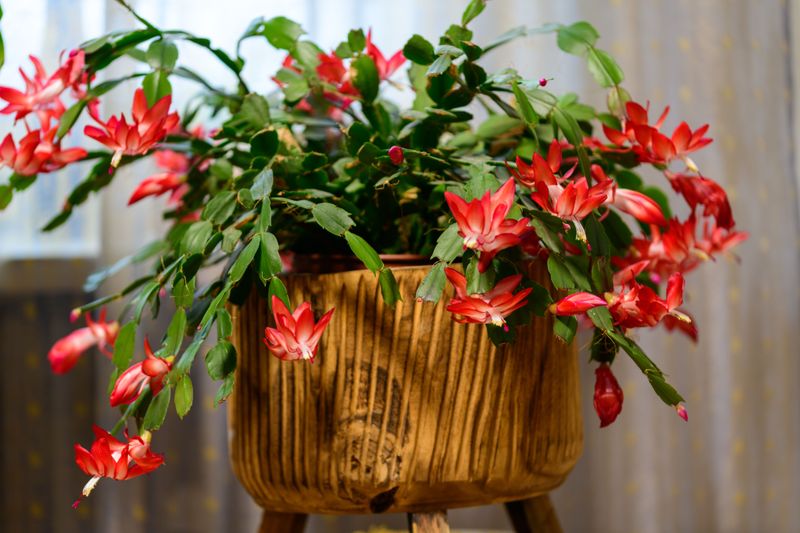
Cold glass is sneaky. On a November night in Ohio, the air right next to a single-pane window can feel far colder than the rest of the room.
Your cactus feels that chill on its buds. Heat vents cause the same trouble in reverse, blowing hot, dry air across the stems.
Both kinds of sudden change are top reasons for bud drop.
Aim for daytime temperatures around 60 to 70 degrees. Slightly cooler nights, roughly 55 to 65 degrees, actually help the flowers last.
Warm rooms above 70 degrees can make buds fall faster.
Check these spots before settling on a home for your plant:
Avoid entry doors that open often in winter. Keep the pot at least a foot or two away from radiators, space heaters, and floor vents.
Pull it back from frosty glass on very cold nights, or slip a curtain between the window and the plant.
I like to rest my hand near the plant for a minute. If you feel moving air, so does your cactus.
A steady spot beats a fancy one every time. Consistency is the real secret to keeping buds attached through the whole holiday season.
Your Watering Can Habits Matter Once Buds Appear
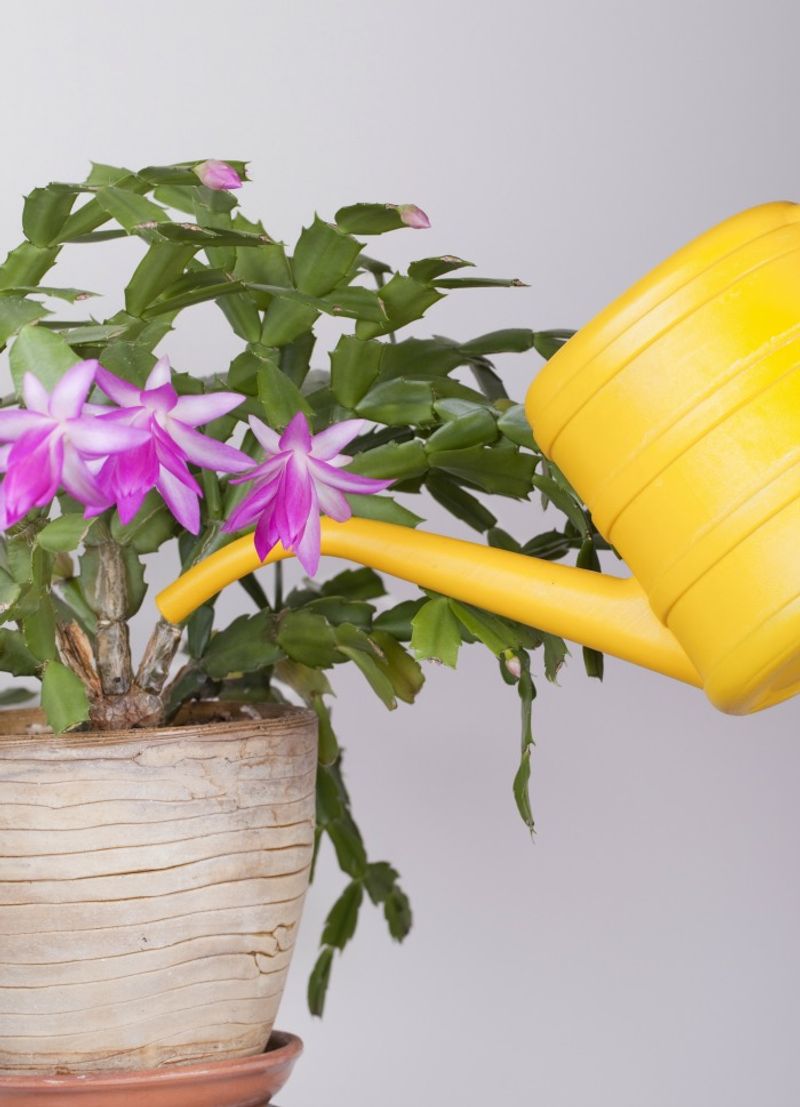
Too much love from the watering can is a classic mistake. So is forgetting the plant for two weeks.
Both lead to the same sad pile of buds.
Soggy soil starves roots of air, and roots that start to rot cannot feed the flowers. Bone-dry soil causes drought stress, and the plant sheds buds to hold onto moisture.
Either way, the blooms pay the price.
Here is a rhythm that works for most homes. Water thoroughly when the top inch of soil feels dry, then let the extra drain out completely.
Empty the saucer within about 15 minutes so the pot is not sitting in a puddle.
During bloom time, keep the soil lightly and evenly moist. Do not let it swing between swampy and crispy.
Room-temperature water is kinder than an icy splash straight from the tap in January.
Potting mix matters too. These forest plants like a loose, fast-draining blend, such as cactus mix with extra perlite or orchid bark.
A pot with drainage holes is a must.
Personally, I check soil with a finger twice a week during the season. It takes five seconds and saves a lot of disappointment.
Dry Furnace Air Leaves Rainforest Cactus Buds Thirsty
Ever notice how your lips crack in December? Your cactus notices the same dry air.
Indoor humidity in heated Ohio homes often drops below 30 percent in winter. Thanksgiving cactus prefers something closer to 40 to 60 percent, thanks to its misty forest origins.
Low humidity can make buds shrivel and fall before they open.
Misting sounds helpful, but the effect fades within minutes. It mostly wets the stems without changing the air much.
Better options last longer and take less effort.
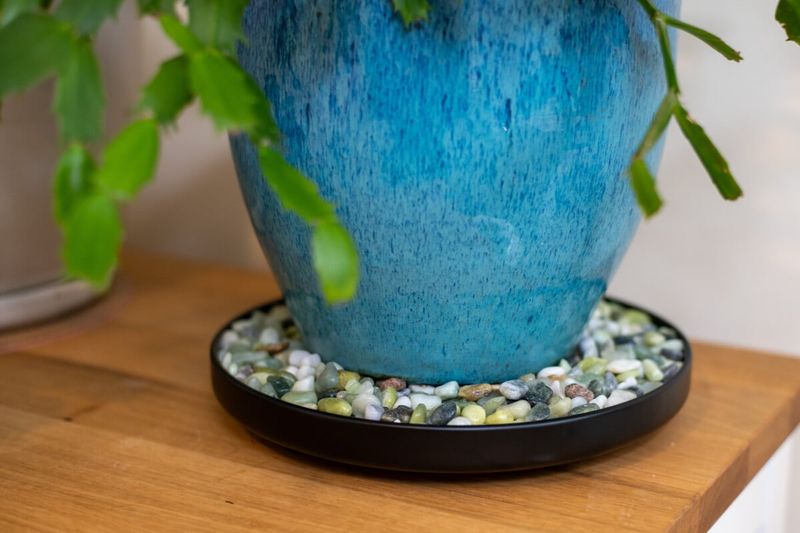
Try a pebble tray. Fill a shallow dish with gravel, add water just below the top of the stones, and set the pot on it.
As the water evaporates, it raises moisture right around the plant.
Grouping houseplants together also helps, since leaves release moisture into the air nearby. A small room humidifier is the most reliable choice, and your skin will thank you too.
An inexpensive hygrometer can tell you exactly what is happening in your room. Many cost less than a pizza.
Once you see the numbers, you will understand why winter can be rough on tropical plants and on people.
Moving A Budded Thanksgiving Cactus Can Undo All Your Work
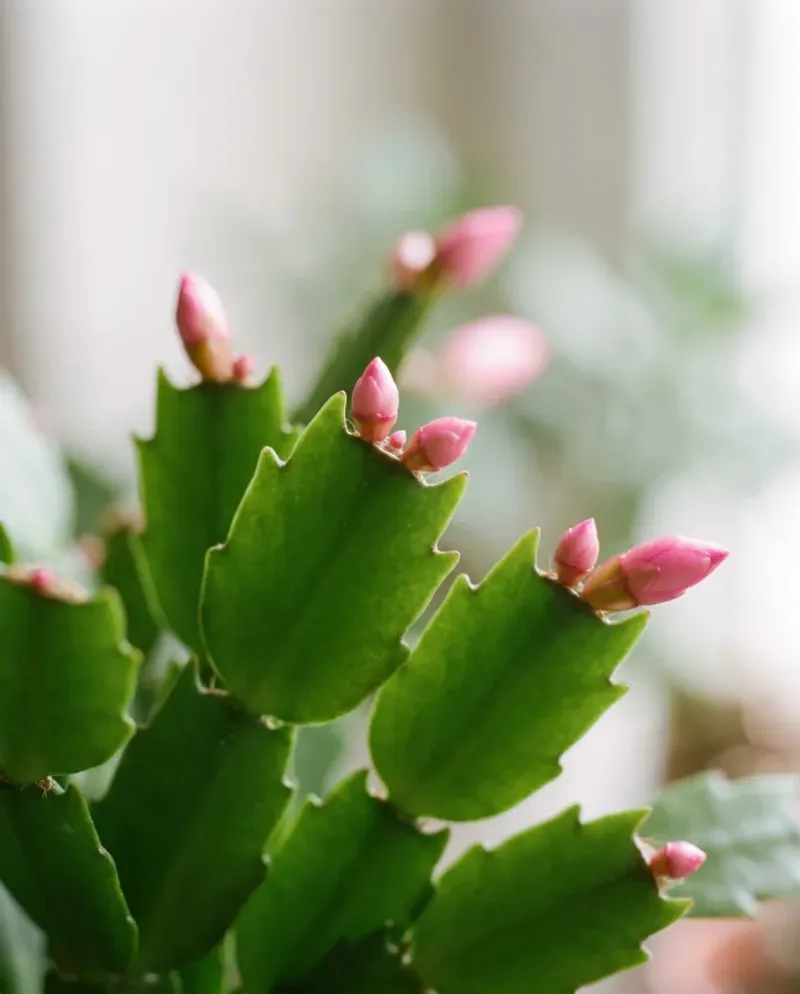
Picking the plant up to show off its buds feels natural. Unfortunately, this cactus is a creature of habit.
Buds tend to grow toward the light. When you turn or move the pot, the plant suddenly faces a new direction, new temperature, and new humidity all at once.
That stack of changes is enough to trigger bud blast, according to extension horticulturists.
Store-bought plants face this problem constantly. They travel from a greenhouse to a truck, to a store, then to a car on a cold Ohio afternoon.
Some bud loss in the first week home is common and not your fault.
To give new plants their best shot, wrap them well for the ride home. Then choose a final spot right away and leave the pot there.
For plants you already own, decide on the blooming location in early fall before buds form. A bright spot with indirect light and steady temperatures works well.
Resist rotating the pot for that even look. Once buds are bigger than a grain of rice, hands off until the flowers finish.
You can admire them perfectly well from the couch.
Long Dark Nights Help Thanksgiving Cactus Set Strong Buds
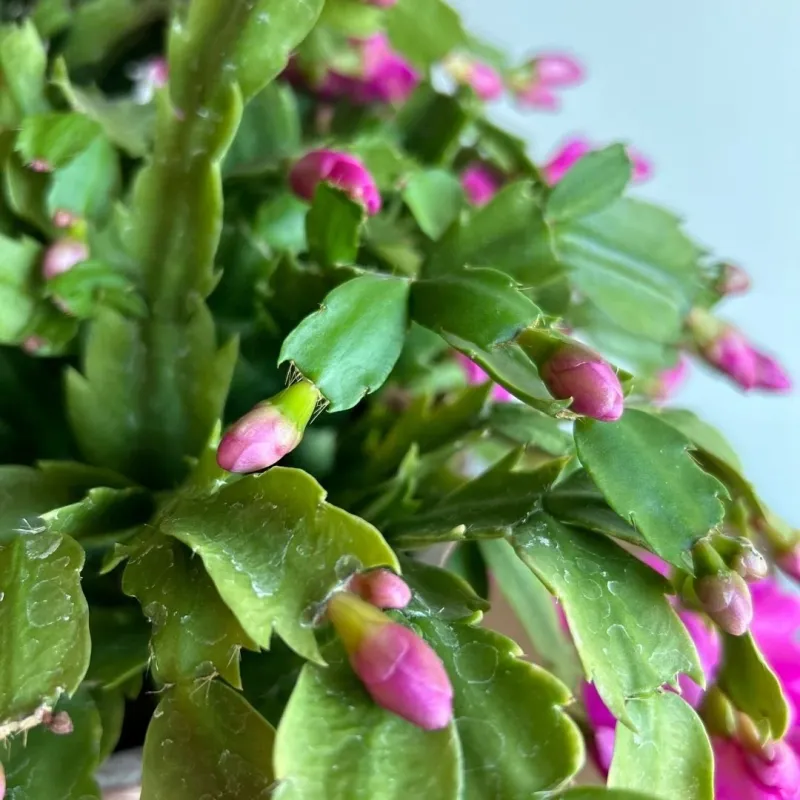
Darkness is a secret ingredient. Thanksgiving cactus is a short-day plant, which means long nights tell it to make flowers.
Plants need about 12 to 14 hours of uninterrupted darkness each night for roughly six weeks to set buds. Cool temperatures in the 50s to low 60s can encourage buds too.
In Ohio, natural fall nights help, as long as indoor lights stay off.
Lamps, TV glow, and even streetlights through a window can interrupt that dark period. A plant in a busy family room may form fewer buds or form them unevenly.
Weak, uneven buds are more likely to drop later.
Starting in late September, move your cactus to a spare bedroom or a quiet corner that stays dark at night. Some gardeners cover the plant with a box each evening, though a dark room is easier.
Daytime light matters as well. Bright, indirect light keeps the plant healthy, while harsh afternoon sun can redden or scorch stems.
As soon as tiny buds start to appear, make any final move to the plant’s display spot, then leave it alone. Getting the timing right in early fall makes the November show far more dependable.
Easy Fertilizer And Fall Habits Keep Next Year’s Blooms On The Stems
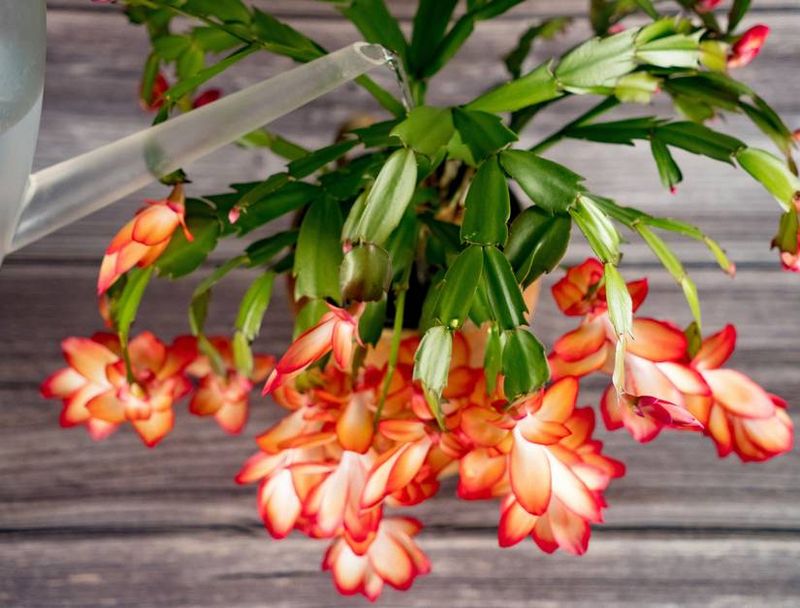
A healthy plant holds buds better, and that health is built months before Thanksgiving.
Feed your cactus during spring and summer with a balanced, water-soluble fertilizer mixed at half strength, about once a month. Ease off in late summer and stop feeding once buds appear.
Extra fertilizer during bloom can build up salts that stress roots.
White crust on the soil or pot rim is a hint that salts are piling up. Water slowly and deeply until it runs out the bottom to flush them away.
Here is a simple yearly plan for Ohio homes:
Spring and summer, grow the plant in bright, filtered light and feed monthly. Many gardeners set pots on a shaded porch once nights stay above 50 degrees, then bring them inside before frost.
Early fall, give long dark nights and slightly drier soil. Once buds form, pick a steady spot, water evenly, and add humidity.
Repot only every few years, in spring after blooming, since this plant likes being a bit snug.
Follow that rhythm and those claw-edged stems should reward you with a windowsill full of color. Many families keep the same plant for decades.