Your Pennsylvania Christmas Cactus Needs These November Tweaks To Bloom By Christmas
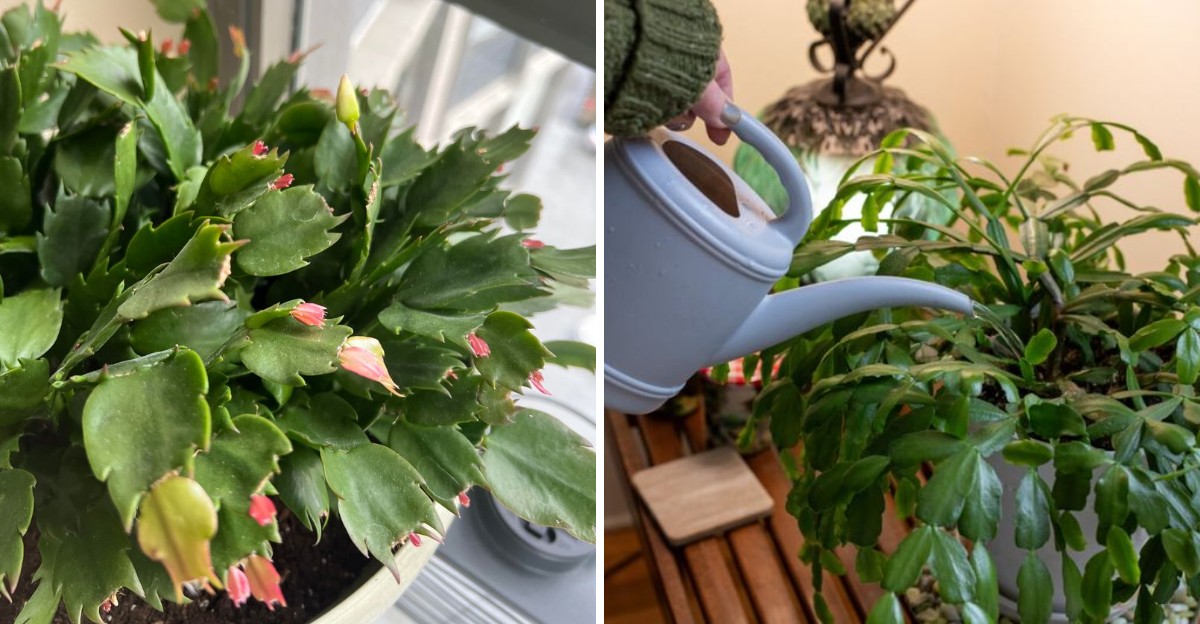
The famous holiday bloomer on many windowsills actually began life perched on tree branches in Brazilian mountain forests. It grew there as an epiphyte, sipping rain and mist while its roots gripped moss and bark.
That jungle upbringing explains why a plant sold as a cactus hates baking sun and bone-dry soil. It also explains why long nights and cool air matter more than any fancy potting mix or plant food.
I have to admit my first one sulked for two winters in a cozy Pennsylvania living room. You might notice the same thing if your plant sits near a warm lamp or a busy heating vent.
November gives Pennsylvania growers a short but powerful window to steer those flower buds toward the holidays. So which small tweaks turn a stubborn green blob into a December showstopper on your windowsill this year?
1. Give Your Christmas Cactus Long Dark Nights
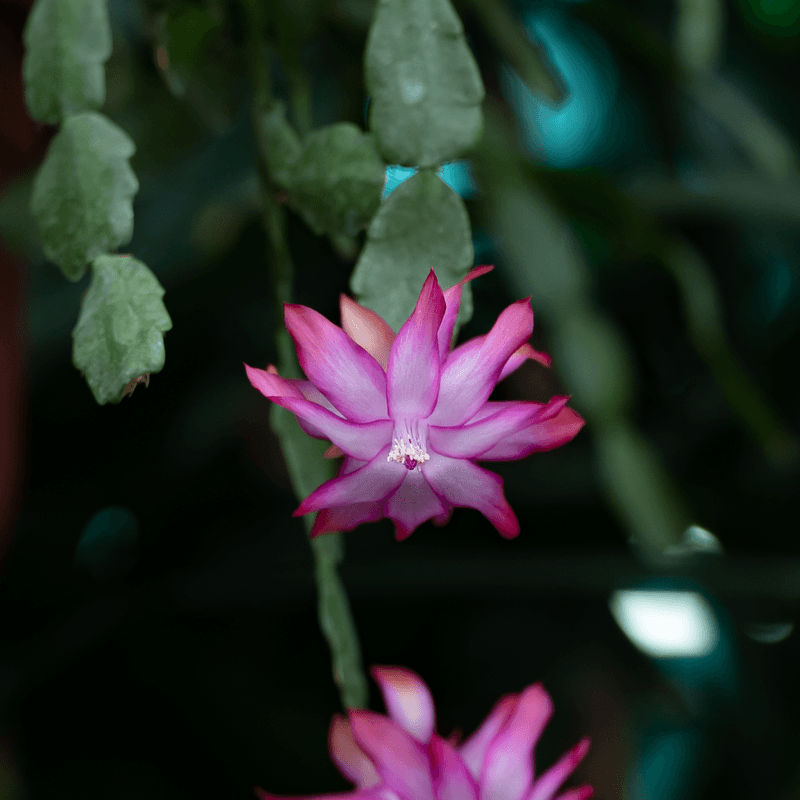
Every Christmas cactus carries a hidden clock that counts darkness, and a few minutes of lamplight can reset it. I learned this the hard way when my plant sat beside a reading lamp all autumn without a single bud.
Scientists call it a short-day plant, though the long, uninterrupted night is the real trigger for flowering.
University extension experts suggest giving it about 12 to 14 hours of darkness each night for roughly six weeks.
A spare bedroom or rarely used guest room works well, as long as nobody flips the light on late. Streetlights glowing through a thin curtain can also confuse the plant, so check the room after sunset.
Personally, I slip a large cardboard box over mine around six each evening and lift it after breakfast. It feels a bit silly, but the routine takes seconds and the payoff shows up as fat pink buds.
During the day, your plant still needs bright, indirect light to fuel those developing flowers properly. An east-facing window is a lovely choice, since gentle morning sun rarely scorches the flat green segments.
Once you spot tiny buds at the stem tips, you can relax the strict darkness schedule a little. Many growers find the buds keep developing as long as the plant stays in a calm, steady spot.
Keep in mind that cool temperatures can also trigger buds, which helps if total darkness feels tricky. Combining both signals gives your plant the clearest message that the holiday show should begin soon.
2. Cool Nights Help Christmas Cactus Buds Form
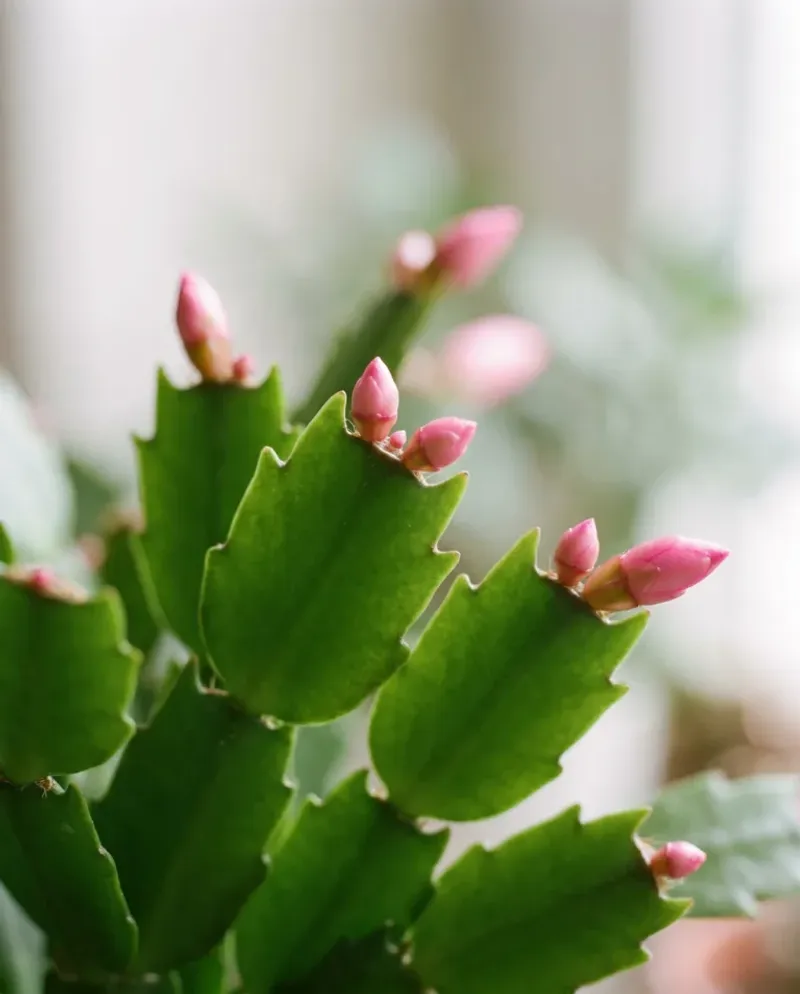
Chilly November nights in Pennsylvania might send you reaching for slippers, but your Christmas cactus secretly loves them. Cool air acts like a second alarm clock, nudging the plant to swap leafy growth for flowers.
Extension experts note that around 55 degrees Fahrenheit, buds can form no matter how long the days are.
Most care guides recommend nighttime temperatures between about 50 and 59 degrees for the very best bud set.
Daytime temperatures in the mid-60s keep the plant comfortable while still allowing that helpful nighttime dip.
I like how a cool back bedroom handles this job without any special equipment or fancy electronic timers.
An unheated sunroom or enclosed porch can work too, but watch the thermometer closely on clear nights. Temperatures dropping below 50 degrees can stress the plant, and frost can badly damage its tender segments.
A cheap digital thermometer with a memory feature shows you the lowest overnight reading each morning. Personally, I check mine with my morning coffee, and it has quietly saved my plants more than once.
Keep the pot well away from heating vents and radiators, since blasts of hot air dry forming buds. Cold drafts from a frequently opened front door can cause similar trouble during the busy holiday season.
After buds appear, a slightly warmer room is fine, though sudden temperature jumps can still cause bud drop. Make any changes gradually, and your plant will reward that patience with a much fuller display.
3. Water Your Christmas Cactus With A Lighter Hand
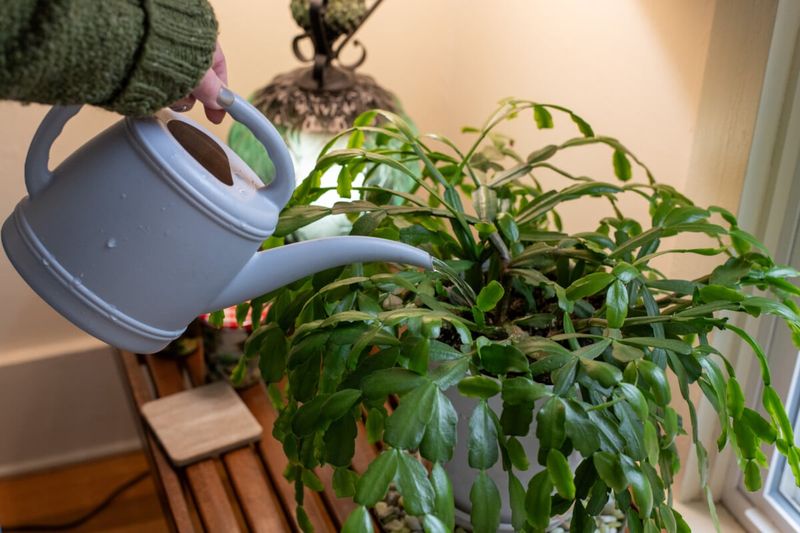
Despite the prickly-sounding name, this rainforest native has no spines and a surprisingly thirsty personality most of the year. November is different, though, because a slightly drier routine helps the plant focus on making buds.
Before you water, push a finger into the soil and feel for dryness about an inch down. If the top inch or so feels dry, give the pot a slow, thorough drink at the kitchen sink.
Let all the extra water run out of the drainage hole before returning the plant to its spot. Soggy roots sitting in a saucer of water can rot surprisingly quickly, especially in cool November rooms.
Overwatering was easily my biggest blunder with my first plant, and the limp segments told the whole story. Healthy segments feel firm and plump, while mushy bases near the soil often signal trouble below.
Going too dry causes problems as well, since shriveled, wrinkled segments struggle to support new flower buds. The goal is a gentle balance, with soil that dries slightly between drinks but rarely turns powdery.
Once tiny buds appear, shift toward keeping the soil lightly and evenly moist through the bloom period. Sudden swings between soaked and parched soil are a very common reason buds fall before they open.
Room-temperature water is kinder than icy tap water, which can shock tender roots during these cooler weeks. A watering can left on the counter overnight makes this simple habit very easy to remember.
4. Raise The Humidity Around Your Holiday Cactus
Furnaces kick on across Pennsylvania this month, and the air inside many homes quickly turns crisp and dry. Your forest-born cactus would much rather feel the soft, damp air of its native Brazilian mountains.
Many growers aim for humidity around 50 percent or higher, which helps buds stay plump and attached. Dry air is rarely the only cause of bud drop, yet it often adds stress to a sensitive plant.
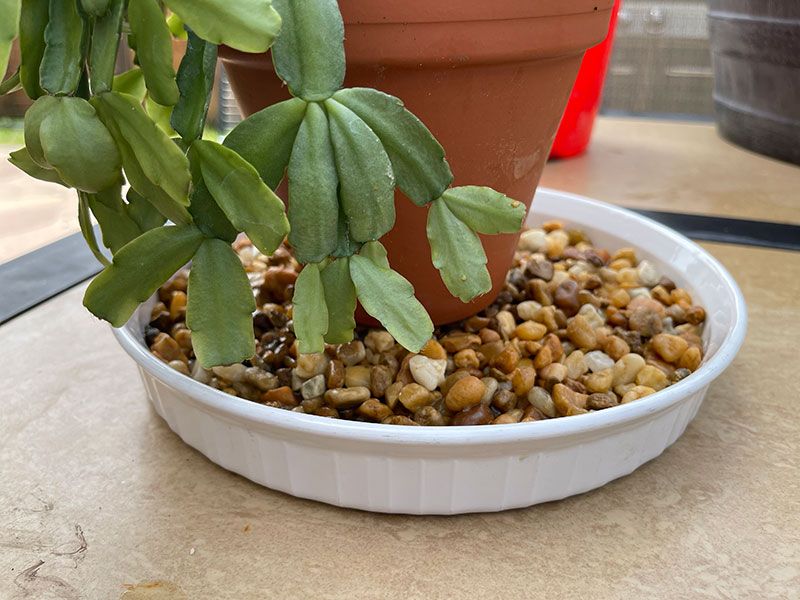
A pebble tray is my favorite cheap fix, and it takes about five minutes to set up. Fill a shallow dish with gravel, add water just below the top, then set the pot on it.
The pot should rest on the stones rather than in the water, so soggy soil does not become a problem. As the water slowly evaporates, it creates a small pocket of moist air around the arching stems.
Grouping several houseplants together also raises humidity a little, since leaves release moisture as they breathe. I love how my little winter jungle on the dining room table helps every plant in the cluster.
A small cool-mist humidifier works even better if your home feels especially dry during cold snaps. Misting gives only a brief boost, so treat it as a bonus rather than your main strategy.
Bright bathrooms and kitchens often hold more moisture, making them tempting spots for a budding cactus. Just check that the spot stays free of drafts and gets enough daytime light before moving it.
5. Put The Fertilizer Away Until Spring
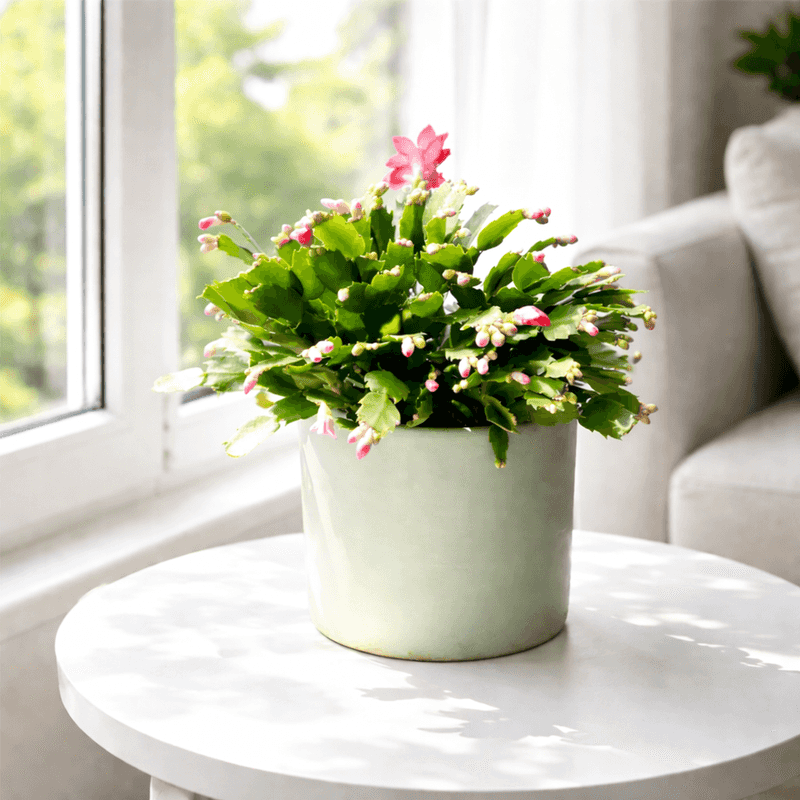
Feeding your plant less might sound like tough love, yet November is the month to shelve the fertilizer.
Extension experts generally recommend stopping regular feeding in fall as the plant shifts its energy toward flower buds.
Extra nitrogen tends to push leafy new segments, which is lovely in summer but unhelpful right now. You want short days and cool nights doing the talking, without a burst of fertilizer muddying the message.
I keep my liquid plant food on a high shelf in the garage so I am not tempted. It sounds dramatic, but out of sight really does mean out of mind during the hectic holidays.
Salt buildup from months of feeding can also stress roots, especially when cooler soil dries more slowly. If you notice a white crust on the pot rim, flush the soil with plain water once.
Pale or yellowish segments this month often point to light or water issues rather than hunger. Reddish tints often mean too much direct sun or chilly roots, so adjust placement before reaching for fertilizer.
Once flowering ends, give the plant a short rest and then restart feeding as spring growth begins. A balanced houseplant fertilizer mixed at half strength every few weeks suits it well through the long summer.
Some experienced growers continue feeding monthly until late summer, then stop so buds can form on schedule. Whatever routine you follow next year, this quiet November break gives your blooms their best chance.
6. Leave Budding Christmas Cactus Plants In One Spot
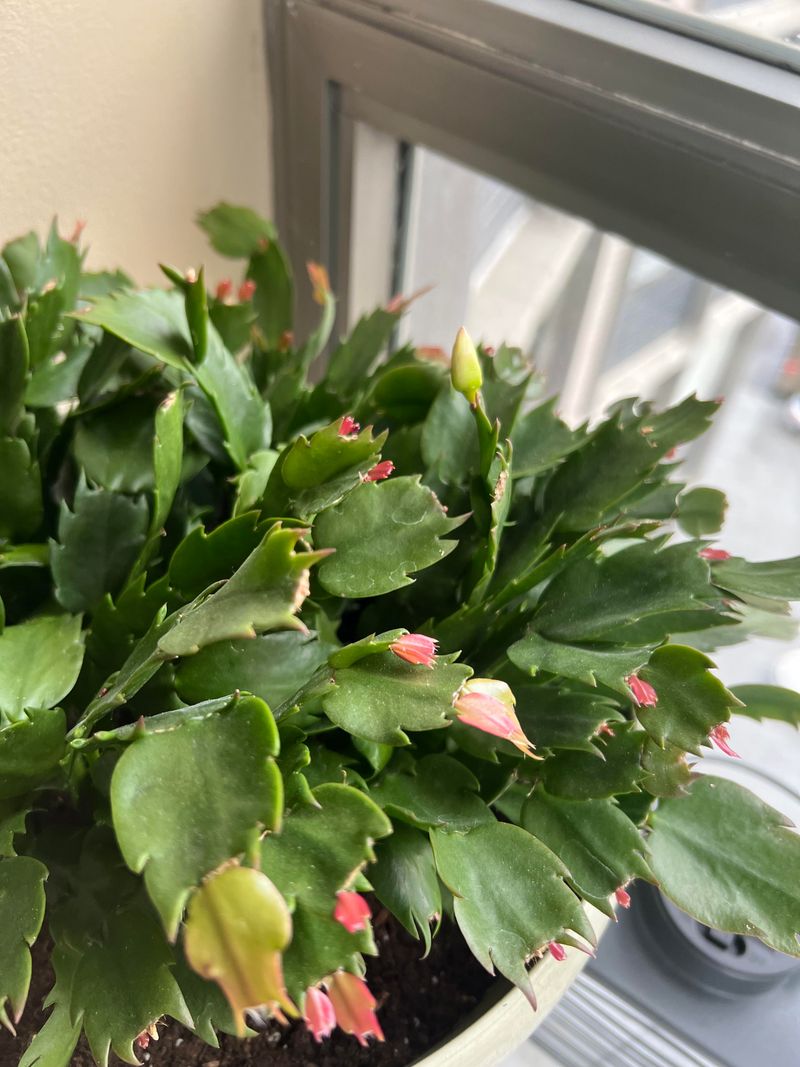
Christmas cactus buds can be famously dramatic, dropping to the floor after a single bumpy car ride. I once carried a budded plant to a friend’s house and watched half the buds tumble off.
Sudden changes in temperature or light are common culprits behind this surprisingly frustrating habit of shedding buds.
The plant reads each shift as stress and sometimes drops buds to conserve its precious energy.
Pick a holiday display spot before buds swell, then let the plant settle there for the whole season. A bright table away from doors and heat sources gives you a pretty view without risky moves.
Even turning the pot toward the window can upset some plants once buds are visible and growing. If you must rotate it, do so gently and only a small amount at one time each week.
Repotting is another task that can wait, since these plants actually bloom quite well when slightly root-bound. Spring, after flowering ends, is the best time to move it into a pot one size larger.
Pruning should also wait, because snipping stem tips now removes the very spots where buds appear. Late spring is a better window for shaping, and the cuttings root quite easily in moist potting mix.
If you plan to gift a budded plant, wrap it snugly before carrying it through cold Pennsylvania air. A paper sleeve and a warm car help those fragile buds arrive looking as cheerful as they left.
7. Inspect Christmas Cactus Stems For Mealybugs And Gnats
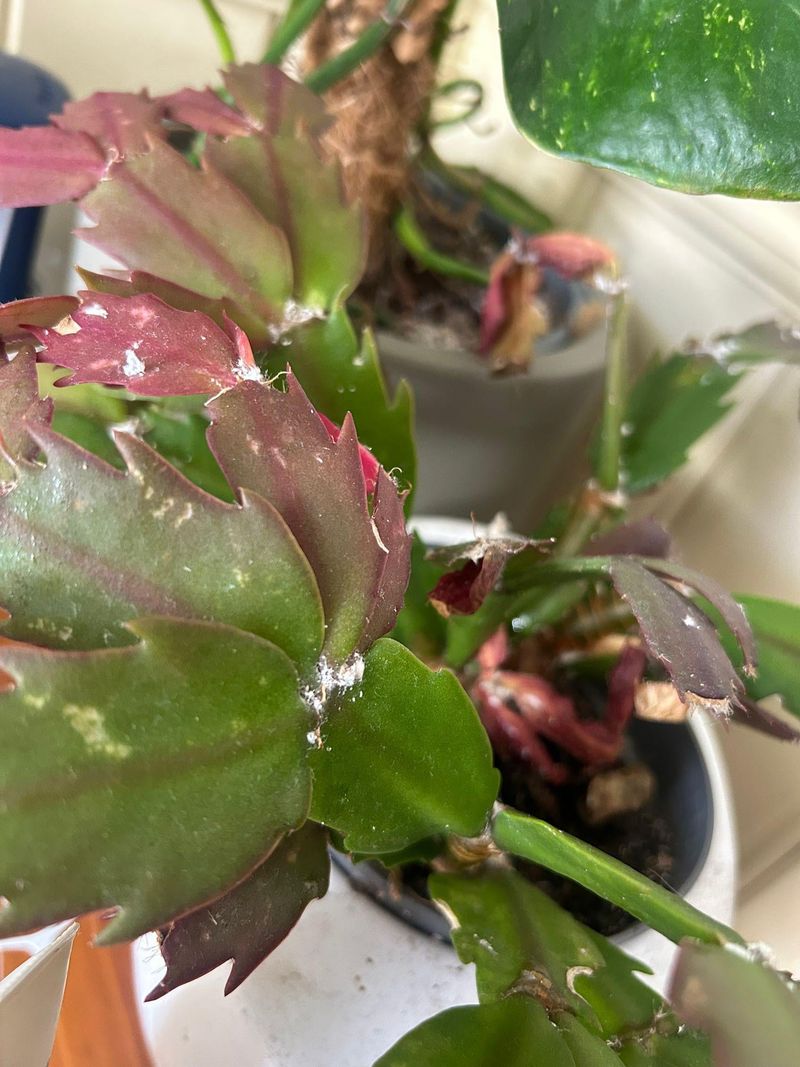
Tiny cottony blobs tucked between stem segments are easy to mistake for lint, but they are often mealybugs. These sap-sucking insects weaken the plant quietly, which can mean noticeably fewer flowers by late December.
Grab a flashlight and peek closely at the stem joints and soil surface during your next watering. Small mealybug groups can be wiped away with a damp cotton swab or treated with insecticidal soap.
Fungus gnats are another common nuisance, especially when the potting mix stays wet for too long indoors. The adults are mostly harmless, but their larvae can feed on tender roots in soggy soil.
Letting the top inch of soil dry between waterings often breaks their life cycle without any sprays. Yellow sticky cards tucked into the pot also catch flying adults and show you how many remain.
Scale insects look like small brown bumps stuck to the stems, and they cling surprisingly tightly to the plant. Spider mites prefer dry indoor air, so fine webbing between segments is a clue to raise humidity.
Root rot deserves attention too, since limp, wobbly stems near the soil often point to soggy roots. Healthy roots look white or tan, while rotten ones turn brown and feel mushy when touched.
I like to inspect my plant every week this month, because small problems are much easier to manage. A clean, healthy Pennsylvania cactus has far more energy to spare for a joyful burst of holiday color.